
Gastroenterology at Tx Hospitals, Kachiguda, Hyderabad
Explore Gastroenterology services, treatments, diagnostic care and related doctors at Tx Hospitals.
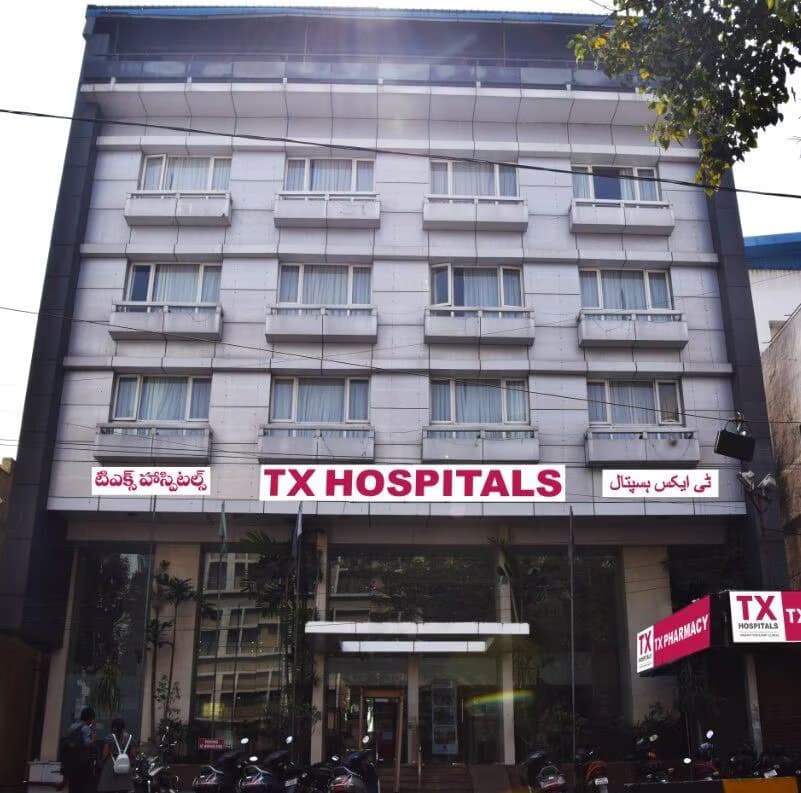
Tx Hospitals – Best Multispeciality Hospitals in Kachiguda, Hyderabad
- Beds
- 120
Gastroenterology at TX Hospitals, Kachiguda
Patients looking for gastroenterology in Hyderabad can explore specialist digestive health care at TX Hospitals, Kachiguda. The gastroenterology specialty focuses on evaluating conditions affecting the oesophagus, stomach, intestines, liver, gallbladder and pancreas. Whether you are experiencing recurring acidity, abdominal discomfort, bloating, constipation, diarrhoea or other digestive concerns, a gastroenterologist can help investigate the underlying cause and recommend appropriate care. This page provides information about gastroenterology consultations at TX Hospitals, the role of digestive health specialists, commonly evaluated conditions, diagnostic approaches and treatment options. Located on Kachiguda Station Road, the hospital is accessible to patients seeking specialist medical consultations in central Hyderabad. Explore relevant digestive health information and enquire about doctor availability and suitable appointments.
Gastroenterology at TX Hospitals, Kachiguda, Hyderabad
Gastroenterology is the medical specialty concerned with the diagnosis, treatment and management of conditions affecting the digestive system. It covers the oesophagus, stomach, small intestine, large intestine, liver, gallbladder, bile ducts and pancreas. Digestive problems can range from occasional acidity and indigestion to chronic gastrointestinal disorders that require specialist evaluation and ongoing medical care.
At TX Hospitals, Kachiguda, Hyderabad, gastroenterology is one of the listed medical specialties. Patients experiencing recurring stomach pain, acidity, bloating, constipation, diarrhoea or other digestive concerns can explore specialist consultation options and seek medical guidance based on their individual health requirements.
People searching for a gastroenterologist in Hyderabad may require an initial consultation, investigation of persistent digestive symptoms, a second opinion or guidance regarding long-term gastrointestinal conditions. The appropriate treatment approach depends on the underlying diagnosis, medical history and overall health of the patient.
Gastroenterology Services and Areas of Care
Gastroenterology covers several interconnected areas of digestive health. A specialist evaluates symptoms, medical history, lifestyle factors and investigation results before recommending an appropriate care plan.
Stomach and Oesophageal Disorders
The oesophagus carries food from the mouth to the stomach, while the stomach plays an important role in digestion. Conditions affecting these organs may cause acidity, heartburn, nausea, upper abdominal discomfort and difficulty swallowing.
Common concerns include gastroesophageal reflux disease (GERD), gastritis, peptic ulcers and oesophageal inflammation. Patients experiencing recurring heartburn or acid reflux can explore information about GERD and acid reflux treatment.
Intestinal and Bowel Health
The small and large intestines are responsible for digestion, nutrient absorption and waste elimination. Changes in bowel habits, persistent diarrhoea, constipation and abdominal discomfort may indicate gastrointestinal conditions requiring evaluation.
Specialist assessment may involve investigating irritable bowel syndrome, inflammatory bowel disease, intestinal infections and other digestive abnormalities.
Liver and Gallbladder Health
The liver supports metabolism, digestion and the processing of nutrients and medicines. The gallbladder stores bile, which helps the body digest fats.
Conditions such as fatty liver disease, hepatitis, gallstones and other liver or biliary disorders may require medical assessment and monitoring. Learn more about liver disease and fatty liver management.
Pancreatic and Biliary Disorders
The pancreas produces digestive enzymes and hormones, while the biliary system transports bile from the liver and gallbladder to the intestine.
Conditions affecting these organs can cause abdominal pain, digestive disturbances, jaundice and other symptoms. Their evaluation may require blood investigations, imaging or specialised procedures.
Conditions Treated Under Gastroenterology
Gastroenterologists evaluate a broad range of digestive system disorders. Symptoms and their severity can differ considerably, so treatment must be based on an accurate diagnosis.
Acid Reflux and Gastroesophageal Reflux Disease (GERD)
GERD occurs when stomach contents repeatedly flow back into the oesophagus. Common symptoms include heartburn, sour-tasting fluid in the mouth, chest discomfort and regurgitation.
Persistent reflux may irritate the oesophageal lining. Management can involve dietary modifications, lifestyle changes and prescribed medicines depending on the clinical assessment.
Gastritis and Peptic Ulcers
Gastritis refers to inflammation of the stomach lining. It may be associated with certain infections, medications, alcohol consumption or other underlying conditions.
Peptic ulcers are open sores that develop in the stomach or upper small intestine. They may cause upper abdominal pain, nausea and indigestion. Some ulcers can lead to bleeding and require urgent medical attention.
Explore peptic ulcer treatment to understand common treatment approaches and diagnostic considerations.
Irritable Bowel Syndrome (IBS)
IBS is a functional gastrointestinal disorder that may cause abdominal pain, bloating, constipation, diarrhoea or alternating bowel patterns.
Symptoms can vary between individuals and may be influenced by food intake, stress and other factors. Diagnosis involves assessing symptoms and considering other possible causes.
Inflammatory Bowel Disease (IBD)
IBD includes chronic inflammatory conditions such as Crohn's disease and ulcerative colitis. These disorders can affect different parts of the gastrointestinal tract and may cause persistent diarrhoea, abdominal pain, fatigue and blood in the stool.
Management usually involves long-term monitoring and treatment tailored to disease activity and individual requirements.
Constipation and Chronic Diarrhoea
Persistent constipation or diarrhoea may result from dietary factors, medication effects, infections, functional bowel disorders or other medical conditions.
A specialist may investigate recurring symptoms to identify the underlying cause and recommend appropriate management.
Fatty Liver and Other Liver Conditions
Fatty liver disease involves the accumulation of excess fat in liver cells. It may occur alongside metabolic conditions such as obesity, diabetes and abnormal cholesterol levels.
Other liver disorders include viral hepatitis, alcohol-related liver disease and chronic liver inflammation. Evaluation may include blood tests and imaging, depending on the suspected condition.
Gallbladder and Pancreatic Conditions
Gallstones can obstruct the normal flow of bile and cause abdominal pain, particularly after meals. Pancreatitis, or inflammation of the pancreas, can cause significant abdominal pain and may require hospital-based assessment.
These conditions require appropriate investigation to determine their severity and treatment needs.
Gastrointestinal Bleeding
Bleeding anywhere along the digestive tract may appear as blood in vomit, black tarry stools or visible blood during bowel movements.
Gastrointestinal bleeding should not be ignored. Significant or ongoing bleeding requires urgent medical assessment.
Gastroenterology Treatments and Procedures
Treatment for digestive conditions depends on the affected organ, diagnosis, disease severity and the patient's overall health. Gastroenterology care may include medication, dietary guidance, lifestyle modifications, endoscopic procedures or referral for surgical management.
The following are established treatment and procedure categories relevant to this specialty. Their availability at TX Hospitals, Kachiguda should be confirmed directly with the hospital.
Medical Management
Many gastrointestinal conditions can be managed with medicines and appropriate lifestyle adjustments.
Depending on the diagnosis, treatment may involve:
- Acid-suppressing medicines for reflux and certain ulcer conditions.
- Medicines to manage bowel symptoms.
- Specific antimicrobial treatment for confirmed infections.
- Anti-inflammatory or other specialist-prescribed medicines for selected intestinal disorders.
- Individualised management plans for chronic liver and digestive conditions.
Medication should always be used under appropriate medical supervision.
Upper Gastrointestinal Endoscopy
Upper GI endoscopy, also called gastroscopy, allows a specialist to examine the oesophagus, stomach and upper portion of the small intestine using a flexible camera.
It may be recommended to investigate persistent indigestion, unexplained upper abdominal pain, swallowing difficulties, suspected ulcers or gastrointestinal bleeding.
Read more about Upper GI Endoscopy (Gastroscopy).
Colonoscopy
Colonoscopy is a procedure used to examine the inner lining of the colon and rectum. It may be recommended for persistent bowel changes, rectal bleeding, unexplained anaemia or colorectal cancer screening when clinically appropriate.
The procedure can also allow tissue samples to be collected and certain polyps to be removed.
Explore Colonoscopy and colorectal screening.
ERCP
Endoscopic Retrograde Cholangiopancreatography (ERCP) is a specialised procedure used to investigate and treat selected conditions affecting the bile and pancreatic ducts.
Depending on the clinical findings, it may help manage bile duct stones, narrowing of the ducts and certain obstructions.
Learn more about the ERCP procedure.
Endoscopic Ultrasound (EUS)
Endoscopic ultrasound combines endoscopy with ultrasound imaging to examine structures around the digestive tract. It may help evaluate abnormalities involving the pancreas, bile ducts, digestive tract walls and nearby tissues.
Explore Endoscopic Ultrasound (EUS).
Gastrointestinal Surgery
Some digestive conditions require surgical assessment when medication or other approaches are insufficient or inappropriate.
Depending on the condition, surgical management may involve procedures involving the stomach, intestines, gallbladder or other gastrointestinal structures.
Learn about laparoscopic gastrointestinal surgery and the role of advanced endoscopic procedures for gastrointestinal and pancreatic disorders.
Treatment of Gastrointestinal Bleeding
Certain cases of gastrointestinal bleeding may be managed using endoscopic techniques, depending on the location and cause of bleeding.
For example, selected bleeding ulcers and oesophageal or gastric varices may require specialist intervention.
Read about endoscopic treatment of GI bleeding and varices.
Gastroenterology Diagnostic and Evaluation Services
Accurate diagnosis helps determine whether digestive symptoms are caused by temporary disturbances, chronic disorders or conditions requiring further treatment.
A gastroenterologist may recommend one or more investigations depending on the clinical presentation.
Common diagnostic approaches include:
- Blood tests: May help assess anaemia, inflammation, liver function, pancreatic enzymes and other health indicators.
- Stool tests: May help identify gastrointestinal infections, inflammation, hidden blood or other abnormalities.
- Liver function tests: Help evaluate markers associated with liver health.
- Abdominal ultrasound: May be used to assess the liver, gallbladder, pancreas and other abdominal structures.
- CT or MRI scans: May provide detailed imaging when further investigation is necessary.
- Upper GI endoscopy: Allows direct examination of the upper digestive tract.
- Colonoscopy: Helps assess the colon and rectum.
- Specialised endoscopic investigations: Procedures such as ERCP and EUS may be considered for selected biliary and pancreatic conditions.
For a broader overview, explore gastrointestinal diagnostic services.
The need for each investigation is determined by the treating specialist. Patients should follow the preparation instructions provided before undergoing any diagnostic procedure.
When Should You See a Gastroenterology Specialist?
Occasional indigestion or bloating may resolve without specialist intervention. However, recurring, persistent or unexplained digestive symptoms deserve medical attention.
Consider scheduling a gastroenterology consultation if you experience:
- Frequent acidity or recurring heartburn.
- Persistent stomach or abdominal pain.
- Repeated nausea or vomiting.
- Difficulty swallowing food or liquids.
- Long-lasting constipation or diarrhoea.
- Frequent bloating and unexplained abdominal discomfort.
- Blood in the stool or recurrent rectal bleeding.
- Unexplained weight loss or reduced appetite.
- Persistent changes in bowel habits.
- Abnormal liver-related test results.
- Recurrent digestive problems despite previous treatment.
Certain symptoms require urgent assessment rather than a routine appointment. These include vomiting blood, black tarry stools, severe or sudden abdominal pain, fainting, significant dehydration or jaundice accompanied by fever or severe pain.
Early evaluation can help identify the cause of symptoms and guide appropriate treatment.
What to Expect During a Gastroenterology Consultation
A gastroenterology appointment generally begins with a discussion of the patient's symptoms and medical background. The specialist uses this information to decide whether further examination or diagnostic testing is necessary.
Medical History
The doctor may ask about existing medical conditions, previous surgeries, medication use, allergies, family history and earlier digestive problems.
Discussion of Symptoms
Patients may be asked when symptoms began, how frequently they occur, whether they are related to meals and whether any factors make them better or worse.
Physical Examination
A physical examination may be performed when clinically appropriate. This can include checking the abdomen for tenderness, swelling or other relevant findings.
Diagnostic Recommendations
Based on the initial assessment, the doctor may recommend blood investigations, stool tests, imaging or procedures such as endoscopy.
Treatment Discussion
Once sufficient clinical information is available, the specialist discusses possible treatment approaches, medication requirements, dietary considerations and whether further specialist input is needed.
Follow-Up Planning
Patients with chronic digestive or liver conditions may require periodic reviews to monitor symptoms, assess treatment response and make adjustments when necessary.
Patients should bring previous reports, investigation results and a current list of medicines to help the doctor understand their medical history.
Why Consider Gastroenterology Care at TX Hospitals, Kachiguda?
Choosing a hospital for digestive health concerns involves more than finding a nearby consultation. Patients should consider the specialist's qualifications, the type of condition being evaluated, diagnostic requirements and the availability of appropriate follow-up care.
TX Hospitals, Kachiguda is a multispeciality hospital located on Kachiguda Station Road, Hyderabad. Gastroenterology is listed among its medical specialties, and the hospital's Kachiguda location information identifies a gastroenterology consultant.
Patients considering this hospital for digestive health concerns can:
- Enquire about gastroenterology consultation availability.
- Confirm which specialist is appropriate for their condition.
- Ask about the diagnostic investigations required.
- Check whether a recommended procedure is available at this branch.
- Understand the estimated consultation and investigation costs.
- Discuss follow-up arrangements and referral requirements.
The availability of individual procedures, equipment and specialist schedules should be confirmed directly with the hospital before making an appointment.
Gastroenterology Doctors and Specialists at TX Hospitals
A gastroenterologist is a medical specialist trained to evaluate and manage conditions affecting the digestive system, including the stomach, intestines, liver, gallbladder and pancreas.
Some patients may also require input from a surgical gastroenterologist, particularly when their condition needs operative assessment.
TX Hospitals' Kachiguda location lists:
Dr. Gabriel Sukumar Chinnam
- Designation: Senior Consultant – Gastroenterologist, General Surgeon and Laparoscopic Surgeon.
- Qualifications listed by TX Hospitals: MBBS, DNB – General Surgery, MS – General Surgery, MRCS (UK).
- Experience: Listed as 28+ years on the TX Hospitals Kachiguda location page.
Doctor availability, consultation timings and the scope of services should be verified with the hospital before visiting.
Gastroenterology Care in Kachiguda, Hyderabad
Finding specialist medical care close to home can make consultations and follow-up visits more manageable, particularly for patients with chronic digestive conditions.
TX Hospitals is located on Kachiguda Station Road in central Hyderabad. Its location may be convenient for patients travelling from Kachiguda and surrounding areas such as Narayanguda, Barkatpura, Himayatnagar, Nallakunta, Chikkadpally, Abids, Malakpet and Amberpet.
Patients searching for a gastroenterologist in Kachiguda, a stomach specialist in Hyderabad or gastroenterology consultation near them can use this page to understand the specialty and explore the relevant hospital information.
Before travelling, patients should confirm the doctor's schedule, appointment requirements, consultation charges and availability of any recommended investigation.
How to Choose the Right Gastroenterology Hospital or Specialist
Selecting a suitable gastroenterology provider is an important decision, especially when symptoms are persistent or require ongoing management.
Specialist Qualifications and Experience
Review the doctor's relevant medical qualifications, specialty training and clinical experience. Choose a specialist whose area of practice is appropriate for the condition requiring evaluation.
Diagnostic Requirements
Ask whether the hospital can arrange the investigations recommended for your condition, including relevant laboratory tests, imaging and endoscopic examinations.
Treatment Options
Understand whether the condition can be managed through medication, lifestyle adjustments, endoscopic treatment or surgical intervention. The appropriate treatment should be explained by the treating specialist.
Multidisciplinary Support
Some digestive conditions involve other medical concerns, such as diabetes, cardiovascular disease or chronic liver problems. Access to relevant specialists can be useful when coordinated care is necessary.
Emergency and Hospital Support
For serious gastrointestinal conditions, it is important to understand the hospital's emergency arrangements and whether appropriate inpatient or critical care support is available.
Follow-Up and Patient Communication
A good consultation should include clear explanations of the diagnosis, treatment choices, medication instructions and expected follow-up requirements.
Accessibility and Convenience
Consider the hospital's location, travel time, appointment availability and ease of returning for investigations or subsequent consultations.
Patients should compare these factors based on their individual medical needs rather than relying solely on promotional claims or online ratings.
Frequently Asked Questions About Gastroenterology
What does a gastroenterologist treat?
A gastroenterologist evaluates and manages conditions affecting the digestive system, including acid reflux, gastritis, peptic ulcers, IBS, IBD, liver disorders, gallbladder conditions and pancreatic diseases.
When should I consult a gastroenterologist in Hyderabad?
You should consider a consultation if you experience recurring acidity, persistent abdominal pain, unexplained changes in bowel habits, chronic constipation, diarrhoea, swallowing difficulties or unexplained weight loss. Severe pain, vomiting blood or black stools requires urgent medical assessment.
Does TX Hospitals, Kachiguda have a gastroenterology department?
Gastroenterology is listed among the specialties at TX Hospitals, Kachiguda. The branch also lists a gastroenterology consultant. Patients should contact the hospital to confirm current consultation schedules and services.
What conditions are commonly evaluated by a stomach specialist?
A stomach specialist or gastroenterologist may evaluate GERD, gastritis, stomach ulcers, indigestion, abdominal pain, bloating, digestive infections and other gastrointestinal conditions.
What tests may be recommended during a gastroenterology consultation?
Depending on the symptoms, a doctor may recommend blood tests, stool investigations, liver function tests, abdominal ultrasound, CT or MRI imaging, upper GI endoscopy or colonoscopy. Not every patient requires all these tests.
Is endoscopy required for every stomach problem?
No. Endoscopy is recommended only when the specialist considers it clinically appropriate. Many digestive conditions can initially be evaluated through medical history, physical examination and other investigations.
What is the difference between medical and surgical gastroenterology?
Medical gastroenterology primarily focuses on diagnosing and managing digestive disorders through medication and endoscopic approaches. Surgical gastroenterology deals with conditions that require surgical treatment. Some patients may need coordinated evaluation by both specialists.
How do I prepare for a gastroenterology appointment?
Carry previous medical reports, laboratory results, imaging records, prescriptions and a list of current medicines. Be prepared to explain your symptoms, their duration and any changes in your diet or bowel habits.
How can I book a gastroenterology consultation at TX Hospitals, Kachiguda?
Patients can enquire through the hospital's official appointment channels or contact the hospital directly to confirm the availability of a gastroenterologist, appointment timings and consultation charges.
Are endoscopy and colonoscopy available at TX Hospitals, Kachiguda?
The availability of individual procedures should be confirmed directly with the hospital. A gastroenterologist can assess whether either investigation is appropriate and guide patients regarding preparation and further arrangements.
Gastroenterology Doctors at Tx Hospitals, Kachiguda
Consult with our highly experienced experts at Tx Hospitals.
 Gastroenterology, General Surgery, Laparoscopic surgeries
Dr. Gabriel Sukumar Chinnam
Gastroenterology Treatments
Upper Gi Endoscopy (gastroscopy)
Advanced treatment available at Tx Hospitals.
Colonoscopy
Advanced treatment available at Tx Hospitals.
Ercp (endoscopic Retrograde Cholangiopancreatography)
Advanced treatment available at Tx Hospitals.
Endoscopic Ultrasound (eus)
Advanced treatment available at Tx Hospitals.
Peptic Ulcer Treatment
Advanced treatment available at Tx Hospitals.
Treatment For Gerd And Acid Reflux
Advanced treatment available at Tx Hospitals.
Liver Disease & Fatty Liver Management
Advanced treatment available at Tx Hospitals.
Endoscopic Treatment Of Gi Bleeding And Varices
Advanced treatment available at Tx Hospitals.
Laparoscopic Gastrointestinal Surgery
Advanced treatment available at Tx Hospitals.
Advanced Endoscopic Procedures For Gi And Pancreatic Disorders
Advanced treatment available at Tx Hospitals.
Frequently Asked Questions About Gastroenterology
What types of gastroenterology procedures are performed at Tx Hospitals?
We perform a wide range of gastroenterology procedures, from routine diagnostics to complex surgeries, using the latest medical technologies.
How can I book an appointment for Gastroenterology at Tx Hospitals?
You can book an appointment through the Siris Healthcare platform by clicking the "Get Free Estimate" button or contacting our 24/7 helpline.
Get Expert Gastroenterology Care at Tx Hospitals, Kachiguda
Schedule a consultation with our top specialists and get a personalized treatment plan with a free cost estimate.
Compare hospitals in Hyderabad
Compare the hospital details, specialties, doctor profiles and patient feedback currently listed for providers in Hyderabad.
| Hospital | Listed specialties | Doctor profiles | Rating | Reviews |
|---|---|---|---|---|
| Tx Hospitals Kachiguda | Cardiology, Nephrology, Neurology, Neurosurgery, Orthopaedics, Pulmonology, Urology, Gastroenterology, General Medicine, General Surgery, obstetrics, Gynecology, ENT, Vascular Surgery, Anesthesiology | 5 | Not listed | Not listed |
| Aster Hospitals Ameerpet | Internal Medicine, Psychiatric, Physiotherapy, Radiology, Ultrasound Imaging, Anaesthesiology, Dermatology, ENT, Endocrinology, Diabetology, Emergency medicine, General Surgery, General Medicine, Radiation Oncology, Surgical Oncology, Medical Oncology, obstetrics, Gynaecology, Paediatrics & Neonatology, Pulmonology, Critical care, Nephrology, Urology, Neurosurgery, Neurology, Neurosciences, Orthopaedics, Gastroenterology, Gastro Sciences, Cardiology, Cardiac Sciences | No profiles listed | 4.5 / 5 | 212 |
| Bhoomi Hospitals Manikonda | General Medicine, General Surgery, Orthopaedics, Gynaecology, obstetrics, Paediatrics & Neonatology, Cardiology, Neurology, Urology, Gastroenterology, Pulmonology, Nephrology, Dermatology, ENT, Psychiatric, Plastic Surgery, Surgical Oncology, Endocrinology, cardiothoracic, Vascular Surgery, Laparoscopic surgeries | 5 | 4.5 / 5 | 220 |
| Care Hospitals Banjara Hills | Cardiology, Cardiac Diagnostics, cardiothoracic, Gastroenterology, Surgical Oncology, Oncology, Medical Oncology, Radiation Oncology, Neurology, Neurosurgery, Orthopaedics, Nephrology, Urology, Liver Transplantation, Pulmonology, Paediatrics & Neonatology, Paediatric Surgery, Critical care, General Medicine, General Surgery, Endocrinology, ENT, Emergency medicine, Vascular Surgery, Robotic Surgery, Woman & Child Institute, Interventional Radiology | No profiles listed | 4.5 / 5 | 199 |
| Citizens Specialty Hospital Nallagandla | Cardiology, cardiothoracic, Vascular Surgery, Neurology, Neurosurgery, Oncology, Medical Oncology, Bone Marrow Transplant, orthopedic, Gastroenterology, Nephrology, Urology, obstetrics, Gynecology, Pediatrics, Paediatrics & Neonatology, Pulmonology, General Surgery, Laparoscopic surgeries, Critical care, Emergency medicine, Endocrinology, ENT, Interventional Radiology | No profiles listed | 4.5 / 5 | 277 |
| Apollo Hospitals Jubilee Hills | Cardiology, Cardiac Diagnostics, Oncology, Neurology, Neurosurgery, Orthopaedics, Gastroenterology, Hepatology, Nephrology, Urology, Organ Transplantation, Critical care, Emergency medicine, Pulmonology, Gynaecology, Paediatrics & Neonatology, ENT, Bariatric Surgery, Colorectal Surgery, Internal Medicine, General Surgery | No profiles listed | 4.5 / 5 | 265 |
Hospital directory in Hyderabad
Browse hospital listings in Hyderabad, including providers around Kachiguda where listings are available.
Top Specialities at Tx Hospitals Kachiguda
- General Medicine Department
- Anesthesiology Department
- Nephrology Department
- Gastroenterology Department
- Pulmonology Department
- Gynecology Department
- obstetrics Department
- Vascular Surgery Department
- ENT Department
- General Surgery Department
- Cardiology Department
- Neurology Department
- Neurosurgery Department
- Urology Department
- Orthopaedics Department
Best Hospitals in Hyderabad
Medical Services in India
Best Multispeciality Hospitals in Hyderabad
- Dhruv Ayur Vijayam Ayurvedic Hospital Madhapur
- Ashwini Ayurvedic Center Gachibowli
- Aig Hospitals Gachibowli
- Dentacare Dental Hospital Implant And Research Institute Madhapur
- Dr. Kiran's Ent, Dental, General Hospital Madhapur
- Dr Naveen Reddy Hospital Madhapur
- Anvitha Hospital Jubilee Hills
- Aryas Dental Madhapur
- Aruna Clinic Madhapur
- Dr. Venky's Dental Jubilee Hills
- Dr. Sreedhar's Kidney Centre Mehdipatnam
- Arogyavardhini Madhapur
- Dr Aparna Khulbey Clinic Madhapur
- Dr Kvr Diagnostic Clinic Jubilee Hills
- Aa Health Care Clinic Madhapur
- Dental Laser & Implant Centre Madhapur
- Dfine Dental Clinic Gachibowli
- Digiclinix Diagnostics Gachibowli
- Dr Ashutosh Chakraborty, Homeo Care And Cure Gachibowli
- Eeshritha Skin & Hair Institute Madhapur