
Neurosurgery at Tx Hospitals, Kachiguda, Hyderabad
Explore Neurosurgery services, treatments, diagnostic care and related doctors at Tx Hospitals.
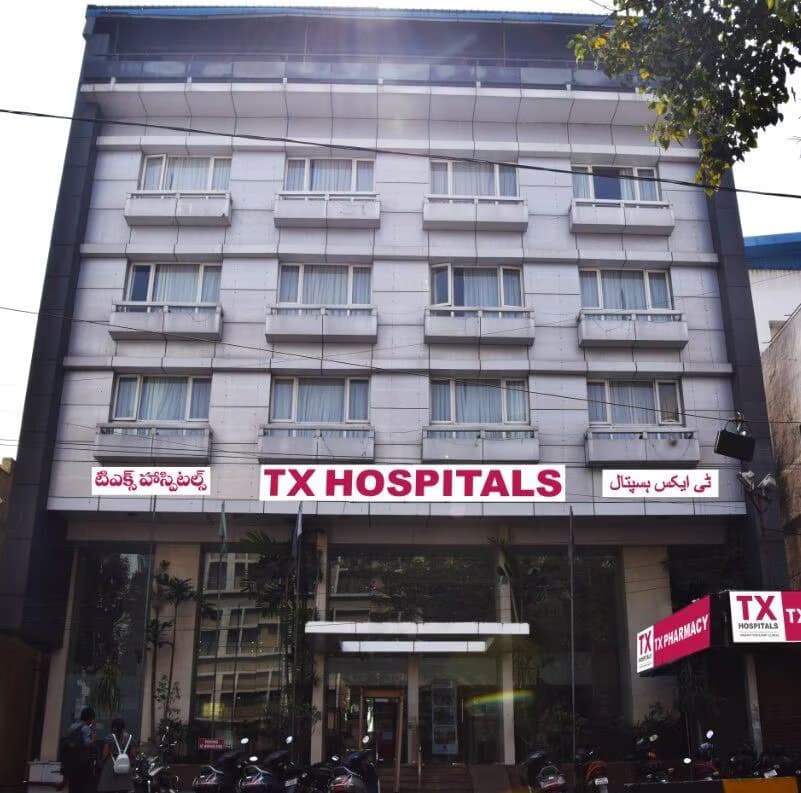
Tx Hospitals – Best Multispeciality Hospitals in Kachiguda, Hyderabad
- Beds
- 120
Neurosurgery at TX Hospitals, Kachiguda
Neurosurgery at TX Hospitals, Kachiguda, Hyderabad, focuses on the specialist evaluation and management of conditions affecting the brain, spine and nervous system that may require surgical consideration. Patients looking for neurosurgery in Hyderabad can explore information about neurological symptoms, brain and spinal conditions, diagnostic evaluation and available treatment approaches. The department is relevant to individuals seeking assessment for concerns such as brain tumours, spinal disc disorders, nerve compression, head injuries and other complex neurological conditions. Located on Kachiguda Station Road, TX Hospitals provides a local point of access for patients exploring neurosurgical consultation in central Hyderabad. Treatment recommendations depend on the diagnosis, clinical findings and individual health needs. Patients can consult qualified specialists to understand whether medication, observation, rehabilitation or a surgical procedure may be appropriate.
Neurosurgery at TX Hospitals, Kachiguda, Hyderabad
Neurosurgery is a specialised branch of medicine concerned with diagnosing and managing conditions affecting the brain, spinal cord, spine and peripheral nerves. Patients may require a neurosurgical assessment when symptoms, diagnostic findings or an existing medical condition suggest a structural problem involving the nervous system.
At TX Hospitals, Kachiguda, Hyderabad, neurosurgery is listed among the hospital's medical specialties. Patients searching for neurosurgery in Hyderabad can explore information about specialist consultations, brain and spinal conditions, diagnostic evaluation and possible treatment approaches.
Neurosurgical care does not always mean undergoing an operation. Depending on the diagnosis, patients may be managed through medication, observation, rehabilitation or surgical intervention. The recommended approach depends on the underlying condition, clinical findings and individual health requirements.
Located on Station Road, Kachiguda, TX Hospitals provides a local healthcare option for patients exploring specialist medical services in central Hyderabad. Patients can also explore TX Hospitals, Kachiguda to learn more about its hospital profile, medical departments and available services.
Neurosurgery Services and Areas of Care
Neurosurgical care covers a range of conditions involving the brain, spinal cord, spine and peripheral nerves. The type of specialist assessment required depends on the patient's symptoms, medical history and investigation results.
Brain and Cranial Neurosurgery
Brain neurosurgery involves evaluating structural conditions affecting the brain and surrounding tissues. These may include brain tumours, cysts, selected vascular abnormalities, hydrocephalus and certain traumatic injuries.
The treatment approach depends on the size, location and nature of the condition, along with its effect on neurological function. Patients diagnosed with brain tumours may also explore Neuro-Oncology and Brain Tumour Care to understand the role of different specialists and treatment approaches.
Spine and Spinal Cord Surgery
Spinal neurosurgery focuses on conditions affecting the spinal cord, nerve roots and structures supporting the spine.
Patients experiencing persistent back pain, neck pain, nerve compression, weakness or changes in sensation may require an assessment to identify the underlying cause.
Neurovascular Neurosurgery
This area involves selected conditions affecting blood vessels in the brain, including cerebral aneurysms and arteriovenous malformations.
Specialist evaluation helps determine whether monitoring, medication, an endovascular procedure or surgery should be considered. Patients can learn about brain aneurysm coiling, an endovascular procedure used for selected cerebral aneurysms.
Neurotrauma
Neurotrauma involves injuries affecting the brain, skull, spinal cord or related structures. Head injuries and spinal trauma require careful assessment because their severity may not always be immediately apparent.
Functional Neurosurgery
Functional neurosurgery addresses selected neurological conditions involving abnormal electrical activity, movement or nerve function. Depending on the diagnosis, specialist teams may evaluate procedures such as epilepsy surgery or deep brain stimulation.
The availability of individual procedures at TX Hospitals, Kachiguda, should be confirmed directly with the hospital.
Conditions Treated Under Neurosurgery
A neurosurgeon evaluates conditions that may require surgical management or specialist assessment. Common conditions within this field include:
Brain Tumours
Brain tumours are abnormal growths that develop within the brain or nearby structures. They may be benign or malignant and can cause headaches, seizures, vision changes, weakness or problems with coordination.
Evaluation may involve MRI, CT imaging and, where appropriate, tissue examination. Treatment depends on the tumour type, location, size and the patient's overall health.
Patients can explore neuro-oncology services for additional information about brain tumour diagnosis and multidisciplinary treatment.
Herniated or Slipped Disc
A herniated disc occurs when the inner material of an intervertebral disc pushes through its outer layer and may irritate or compress nearby nerves.
Depending on the affected spinal region, symptoms can include neck pain, lower back pain, tingling, numbness or pain radiating into the arms or legs.
Many patients improve with non-surgical treatment. Surgery may be considered when symptoms persist, neurological function deteriorates or significant nerve compression is identified.
Spinal Stenosis and Nerve Compression
Spinal stenosis refers to narrowing of spaces within the spinal canal or nerve passageways. This can place pressure on the spinal cord or nerve roots.
Patients may experience pain, weakness, numbness or difficulty walking. Treatment depends on the location and severity of compression.
Hydrocephalus
Hydrocephalus develops when cerebrospinal fluid accumulates abnormally within the brain's fluid-filled spaces. It can increase pressure inside the skull and affect brain function.
Depending on the underlying cause, management may involve procedures to restore or redirect fluid circulation.
Cerebral Aneurysms
A cerebral aneurysm is a weakened area in a brain blood vessel that develops into a bulge. Some aneurysms remain stable, while others may rupture and cause bleeding around the brain.
Assessment and treatment depend on aneurysm size, shape, location and rupture risk.
Head Injuries and Brain Trauma
Head injuries can range from mild concussions to serious traumatic brain injuries involving bleeding, swelling or structural damage.
Severe head injuries require immediate medical evaluation, particularly when accompanied by loss of consciousness, repeated vomiting, seizures or worsening neurological symptoms.
Spinal Tumours and Spinal Cord Disorders
Tumours affecting the spinal cord or surrounding structures can cause persistent pain, weakness, numbness and changes in bladder or bowel function.
Early assessment is important because progressive compression may result in lasting neurological impairment.
Epilepsy Requiring Surgical Evaluation
Some people with epilepsy continue to experience seizures despite appropriate medication. Selected patients may be evaluated for epilepsy surgery after detailed neurological investigations.
Not every person with epilepsy is suitable for surgery. A neurology specialist can help evaluate seizure-related conditions and determine whether a neurosurgical opinion is required.
Neurosurgery Treatments and Procedures
Neurosurgical treatment is selected according to the diagnosis, clinical findings and expected benefits. Procedures commonly used in neurosurgical practice include:
Brain Tumour Surgery
Surgery may be considered to remove or reduce a brain tumour, obtain tissue for diagnosis or relieve pressure on surrounding brain structures.
The surgical approach depends on the tumour's location and relationship with important neurological areas.
Craniotomy
A craniotomy involves temporarily removing a section of the skull to access the brain. It may be used for selected tumours, vascular abnormalities and other conditions requiring direct surgical access.
Spinal Decompression Surgery
Spinal decompression aims to relieve pressure on the spinal cord or compressed nerves. It may be considered in selected cases of spinal stenosis, disc-related nerve compression or other structural spinal disorders.
Microdiscectomy
Microdiscectomy involves removing the portion of a herniated disc that is compressing a nerve. It may be considered for selected patients with persistent symptoms associated with lumbar disc herniation.
Spinal Fusion
Spinal fusion joins two or more vertebrae to provide stability in selected spinal conditions. The procedure may involve bone graft material and specialised fixation devices.
Aneurysm Clipping and Coiling
Aneurysm clipping is an operation that places a small clip across the neck of an aneurysm to prevent blood from entering it.
Coiling is an endovascular approach in which a specialist guides a catheter through blood vessels and places coils inside the aneurysm.
These approaches are not interchangeable, and the appropriate option depends on individual clinical findings.
Other Specialist Procedures
Depending on the condition, neurosurgical practice may also involve endoscopic neurosurgery, nerve decompression, selected epilepsy procedures and deep brain stimulation.
The availability and suitability of any procedure at TX Hospitals, Kachiguda, should be confirmed with the treating specialist.
Neurosurgery Diagnostic and Evaluation Services
Accurate diagnosis is essential before recommending a neurosurgical treatment plan. A specialist generally combines clinical examination with appropriate investigations to understand the nature and severity of a condition.
Common diagnostic approaches include:
- MRI scans: Provide detailed images of the brain, spinal cord, discs and surrounding soft tissues.
- CT scans: Help identify bleeding, skull injuries, fractures and certain structural abnormalities.
- X-rays: May be used to assess spinal alignment and selected bone-related conditions.
- Vascular imaging: CT angiography or MR angiography may help evaluate selected blood-vessel abnormalities.
- Neurological examination: Assesses muscle strength, reflexes, sensation, balance, coordination and other neurological functions.
- Laboratory investigations: Blood tests may be requested as part of diagnostic or pre-operative assessment.
Not every patient requires every investigation. The treating specialist determines which tests are appropriate.
For broader information about nervous system conditions and their medical management, patients can also explore Neurosciences at Siris Healthcare.
When Should You See a Neurosurgery Specialist?
Consider seeking a neurosurgical consultation when you have been referred for a structural brain or spinal condition, have abnormal imaging findings or experience persistent symptoms that may involve nerve or spinal cord compression.
Symptoms that may require specialist evaluation include:
- Persistent or worsening back or neck pain accompanied by neurological symptoms.
- Pain radiating from the back into the arms or legs.
- Progressive weakness in the arms, hands or legs.
- Persistent numbness or changes in sensation.
- Difficulty walking or maintaining balance.
- Seizures requiring evaluation for a possible surgical cause.
- Persistent headaches associated with abnormal imaging findings.
- Symptoms related to a diagnosed brain or spinal tumour.
- Follow-up needs after a previous brain or spine procedure.
Recognising medical emergencies: Sudden weakness on one side of the body, facial drooping, difficulty speaking, loss of consciousness, a new seizure or a severe head injury requires immediate emergency medical assessment. Do not wait for a routine neurosurgery appointment.
What to Expect During a Neurosurgery Consultation
A neurosurgical consultation helps determine whether symptoms are related to a condition requiring specialist treatment.
The appointment generally involves several stages:
1. Medical history: The specialist reviews previous illnesses, injuries, surgeries, medications, allergies and relevant family history.
2. Discussion of symptoms: Patients are asked about when symptoms started, their severity, frequency and how they affect everyday activities.
3. Neurological examination: Depending on the complaint, the specialist may assess strength, reflexes, sensation, coordination, balance and other neurological functions.
4. Review of investigations: Previous MRI scans, CT images, laboratory reports and medical records are reviewed where available.
5. Treatment discussion: The specialist explains the findings and discusses appropriate options, which may include observation, medication, rehabilitation or surgery.
6. Follow-up planning: Patients receive guidance about additional investigations, treatment preparation and subsequent appointments.
Patients can explore the Siris Healthcare doctor directory to review available specialist profiles and enquire about consultations.
Why Choose Neurosurgery Care at TX Hospitals, Kachiguda?
Choosing a neurosurgery hospital involves more than identifying a specialist or a particular surgical procedure. Patients should consider the clinical team's experience, diagnostic support, treatment planning, surgical facilities and arrangements for post-treatment monitoring.
TX Hospitals, Kachiguda is listed as a multispeciality hospital with neurosurgery among its medical departments. Its hospital profile provides information about the location, medical services and other hospital facilities.
When considering neurosurgical care at this location, patients may wish to enquire about:
- Availability of a qualified neurosurgeon for their specific condition.
- Diagnostic investigations required before treatment.
- Whether surgical and non-surgical options are available.
- The facilities and clinical teams involved in a proposed procedure.
- Post-operative monitoring and follow-up arrangements.
- Rehabilitation requirements following brain or spinal surgery.
- Treatment estimates, insurance coverage and admission procedures.
Patients can also browse hospitals in Kachiguda, Hyderabad to explore local hospital listings or review multispeciality hospitals in Kachiguda.
The most appropriate treatment plan should be based on individual medical findings. Patients are encouraged to discuss these factors directly with the hospital before making a treatment decision.
Neurosurgery Doctors and Specialists
Neurosurgeons are specialists trained to diagnose and surgically manage disorders involving the brain, spinal cord, spine and peripheral nerves. Their responsibilities include evaluating complex neurological conditions, determining whether surgery is appropriate and planning treatment according to the patient's clinical requirements.
Depending on the condition, neurosurgeons may work alongside neurologists, radiologists, anaesthesiologists, intensivists and rehabilitation professionals.
Patients looking for neurosurgery doctors in Hyderabad should review the specialist's qualifications, relevant surgical experience, areas of clinical interest and current hospital affiliation.
TX Hospitals' current doctor availability and neurosurgical consultation schedules at Kachiguda should be confirmed directly with the hospital. Patients can use the Siris Healthcare doctors directory to explore available doctor profiles and related medical specialties.
Neurosurgery Care in Kachiguda, Hyderabad
Patients searching for neurosurgery in Hyderabad often want access to specialist consultations without travelling unnecessarily far from their residential area.
TX Hospitals is located at 3-2-848/1, Station Road, Kachiguda, Hyderabad. The location may be relevant to patients travelling from Kachiguda and surrounding parts of central Hyderabad.
Nearby localities include:
- Kachiguda
- Narayanguda
- Barkatpura
- Nallakunta
- Himayatnagar
- Chikkadpally
- Malakpet
- Abids
- Amberpet
Patients should verify their preferred route, traffic conditions and appointment timings before visiting.
For patients comparing healthcare providers in other parts of Hyderabad, Siris Healthcare also lists neurosurgery services at Medicover Hospitals, Secunderabad, Medicover Hospitals, Financial District and Medicover Hospitals, Chandanagar.
These are separate hospital listings and should not be interpreted as evidence of facilities or services available at TX Hospitals.
How to Choose the Right Neurosurgery Hospital or Specialist
Neurosurgery involves complex medical decisions. The right hospital and specialist should be selected according to the patient's diagnosis, treatment requirements and overall health.
Consider the following factors when comparing providers:
Relevant specialist experience: Check the neurosurgeon's qualifications, clinical experience and experience with the specific condition being treated.
Diagnostic facilities: Ask whether appropriate brain and spinal imaging, neurological assessments and other necessary investigations are accessible.
Treatment alternatives: A good consultation should explain whether observation, medication, rehabilitation or surgery is appropriate. Patients should understand why a particular procedure is being recommended.
Surgical infrastructure: For patients considering an operation, enquire about operating facilities, anaesthesia support, post-operative monitoring and critical-care arrangements relevant to the proposed procedure.
Multidisciplinary support: Complex neurological conditions may require coordination between neurosurgeons, neurologists, radiologists, oncologists and rehabilitation professionals.
Recovery and follow-up: Understand the expected recovery process, follow-up schedule, rehabilitation requirements and possible complications.
Communication and transparency: The specialist should explain the diagnosis, treatment options, risks, expected benefits and costs in language that the patient and family can understand.
Frequently Asked Questions About Neurosurgery
1. What does a neurosurgeon treat?
A neurosurgeon evaluates and surgically manages conditions affecting the brain, spinal cord, spine and peripheral nerves. These may include brain tumours, spinal disc disorders, nerve compression, hydrocephalus, selected vascular abnormalities and traumatic neurological injuries.
2. When should I consult a neurosurgeon in Hyderabad?
Consider consulting a neurosurgeon if you have persistent neurological symptoms, diagnosed brain or spinal abnormalities, progressive weakness, nerve compression or abnormal imaging findings requiring specialist evaluation. Sudden neurological symptoms should be assessed immediately through emergency services.
3. What is the difference between neurology and neurosurgery?
Neurology primarily focuses on diagnosing and managing disorders of the nervous system through non-surgical treatments. Neurosurgery focuses on surgical management of selected conditions affecting the brain, spine, spinal cord and nerves. Both specialties may work together when a patient's condition requires coordinated care.
4. Does every brain or spine condition require surgery?
No. Many neurological and spinal conditions can be managed without surgery. Depending on the diagnosis, treatment may involve medication, monitoring, physical rehabilitation or other conservative approaches. Surgery is recommended only when clinically appropriate.
5. What conditions may require brain surgery?
Certain brain tumours, selected cerebral aneurysms, hydrocephalus, traumatic brain injuries and some other structural abnormalities may require surgical evaluation. The recommended approach depends on the condition's severity, location and associated risks.
6. How are brain and spinal conditions diagnosed?
Evaluation may involve a neurological examination, MRI, CT scan, X-rays, vascular imaging and selected laboratory investigations. The specialist determines which tests are necessary based on the patient's symptoms and medical history.
7. Are minimally invasive neurosurgical procedures suitable for everyone?
No. Minimally invasive techniques are used for selected brain and spinal conditions. Their suitability depends on the patient's anatomy, diagnosis and treatment objectives. Patients should ask the treating neurosurgeon whether such an approach is appropriate and available at the chosen hospital.
8. How can I find neurosurgery doctors at TX Hospitals, Kachiguda?
Patients can enquire directly with TX Hospitals about neurosurgeons currently consulting at the Kachiguda branch. It is advisable to confirm the specialist's qualifications, relevant experience, appointment timings and suitability for the particular condition before booking.
9. How can I book a neurosurgery consultation at TX Hospitals, Kachiguda?
Patients can enquire about neurosurgery appointments through TX Hospitals or Siris Healthcare. Confirm the doctor's availability, consultation timings and appointment requirements before visiting.
10. What should I bring to a neurosurgery appointment?
Carry previous MRI or CT scans, diagnostic reports, prescriptions, medication details, discharge summaries and information about previous surgeries or treatments. A written list of symptoms and questions can also help make the consultation more productive.
Medical Disclaimer: This information is intended for general educational purposes only. It does not replace professional medical advice, diagnosis or treatment. Treatment decisions should always be made in consultation with a qualified healthcare professional based on individual clinical findings.
Neurosurgery Doctors at Tx Hospitals, Kachiguda
Consult with our highly experienced experts at Tx Hospitals.
 Neurosurgery, Spinal Surgery
Dr. Naresh Kumar G
Neurosurgery Treatments
Brain Tumor Surgery
Advanced treatment available at Tx Hospitals.
Aneurysm Clipping / Coiling
Advanced treatment available at Tx Hospitals.
Epilepsy Surgery
Advanced treatment available at Tx Hospitals.
Deep Brain Stimulation (dbs)
Advanced treatment available at Tx Hospitals.
Endoscopic Neurosurgery
Advanced treatment available at Tx Hospitals.
Frequently Asked Questions About Neurosurgery
What types of neurosurgery procedures are performed at Tx Hospitals?
We perform a wide range of neurosurgery procedures, from routine diagnostics to complex surgeries, using the latest medical technologies.
How can I book an appointment for Neurosurgery at Tx Hospitals?
You can book an appointment through the Siris Healthcare platform by clicking the "Get Free Estimate" button or contacting our 24/7 helpline.
Get Expert Neurosurgery Care at Tx Hospitals, Kachiguda
Schedule a consultation with our top specialists and get a personalized treatment plan with a free cost estimate.
Compare hospitals in Hyderabad
Compare the hospital details, specialties, doctor profiles and patient feedback currently listed for providers in Hyderabad.
| Hospital | Listed specialties | Doctor profiles | Rating | Reviews |
|---|---|---|---|---|
| Tx Hospitals Kachiguda | Cardiology, Nephrology, Neurology, Neurosurgery, Orthopaedics, Pulmonology, Urology, Gastroenterology, General Medicine, General Surgery, obstetrics, Gynecology, ENT, Vascular Surgery, Anesthesiology | 5 | Not listed | Not listed |
| Aster Hospitals Ameerpet | Internal Medicine, Psychiatric, Physiotherapy, Radiology, Ultrasound Imaging, Anaesthesiology, Dermatology, ENT, Endocrinology, Diabetology, Emergency medicine, General Surgery, General Medicine, Radiation Oncology, Surgical Oncology, Medical Oncology, obstetrics, Gynaecology, Paediatrics & Neonatology, Pulmonology, Critical care, Nephrology, Urology, Neurosurgery, Neurology, Neurosciences, Orthopaedics, Gastroenterology, Gastro Sciences, Cardiology, Cardiac Sciences | No profiles listed | 4.5 / 5 | 212 |
| Bhoomi Hospitals Manikonda | General Medicine, General Surgery, Orthopaedics, Gynaecology, obstetrics, Paediatrics & Neonatology, Cardiology, Neurology, Urology, Gastroenterology, Pulmonology, Nephrology, Dermatology, ENT, Psychiatric, Plastic Surgery, Surgical Oncology, Endocrinology, cardiothoracic, Vascular Surgery, Laparoscopic surgeries | 5 | 4.5 / 5 | 220 |
| Care Hospitals Banjara Hills | Cardiology, Cardiac Diagnostics, cardiothoracic, Gastroenterology, Surgical Oncology, Oncology, Medical Oncology, Radiation Oncology, Neurology, Neurosurgery, Orthopaedics, Nephrology, Urology, Liver Transplantation, Pulmonology, Paediatrics & Neonatology, Paediatric Surgery, Critical care, General Medicine, General Surgery, Endocrinology, ENT, Emergency medicine, Vascular Surgery, Robotic Surgery, Woman & Child Institute, Interventional Radiology | No profiles listed | 4.5 / 5 | 199 |
| Citizens Specialty Hospital Nallagandla | Cardiology, cardiothoracic, Vascular Surgery, Neurology, Neurosurgery, Oncology, Medical Oncology, Bone Marrow Transplant, orthopedic, Gastroenterology, Nephrology, Urology, obstetrics, Gynecology, Pediatrics, Paediatrics & Neonatology, Pulmonology, General Surgery, Laparoscopic surgeries, Critical care, Emergency medicine, Endocrinology, ENT, Interventional Radiology | No profiles listed | 4.5 / 5 | 277 |
| Apollo Hospitals Jubilee Hills | Cardiology, Cardiac Diagnostics, Oncology, Neurology, Neurosurgery, Orthopaedics, Gastroenterology, Hepatology, Nephrology, Urology, Organ Transplantation, Critical care, Emergency medicine, Pulmonology, Gynaecology, Paediatrics & Neonatology, ENT, Bariatric Surgery, Colorectal Surgery, Internal Medicine, General Surgery | No profiles listed | 4.5 / 5 | 265 |
Hospital directory in Hyderabad
Browse hospital listings in Hyderabad, including providers around Kachiguda where listings are available.
Top Specialities at Tx Hospitals Kachiguda
- Pulmonology Department
- Cardiology Department
- Vascular Surgery Department
- Orthopaedics Department
- Nephrology Department
- Neurology Department
- obstetrics Department
- Gynecology Department
- Gastroenterology Department
- ENT Department
- General Medicine Department
- General Surgery Department
- Anesthesiology Department
- Neurosurgery Department
- Urology Department
Best Hospitals in Hyderabad
Medical Services in India
Best Multispeciality Hospitals in Hyderabad
- Dhruv Ayur Vijayam Ayurvedic Hospital Madhapur
- Avasa Hospitals Manikonda
- Dr Naveen Reddy Hospital Madhapur
- Aruna Clinic Madhapur
- Atreya Diagnostic Centre Madhapur
- Bodhi Wellness Centre Madhapur
- Aa Health Care Clinic Madhapur
- Dentacare Dental Hospital Implant And Research Institute Madhapur
- Dfine Dental Clinic Gachibowli
- Dr Kvr Diagnostic Clinic Jubilee Hills
- Be Skin Hair Clinic Madhapur
- Align Hospital Gachibowli
- Dental Laser & Implant Centre Madhapur
- Dr. Kiran's Ent, Dental, General Hospital Madhapur
- Aryas Dental Madhapur
- Ashwini Ayurvedic Center Gachibowli
- Aira Medclinics Madhapur
- Anvitha Hospital Jubilee Hills
- Apollo Diagnostics Jubilee Hills Jubilee Hills
- Dr Ashutosh Chakraborty, Homeo Care And Cure Gachibowli