
Neurosurgery at Medicover Hospitals, Financial District, Hyderabad
Explore Neurosurgery services, treatments, diagnostic care and related doctors at Medicover Hospitals.
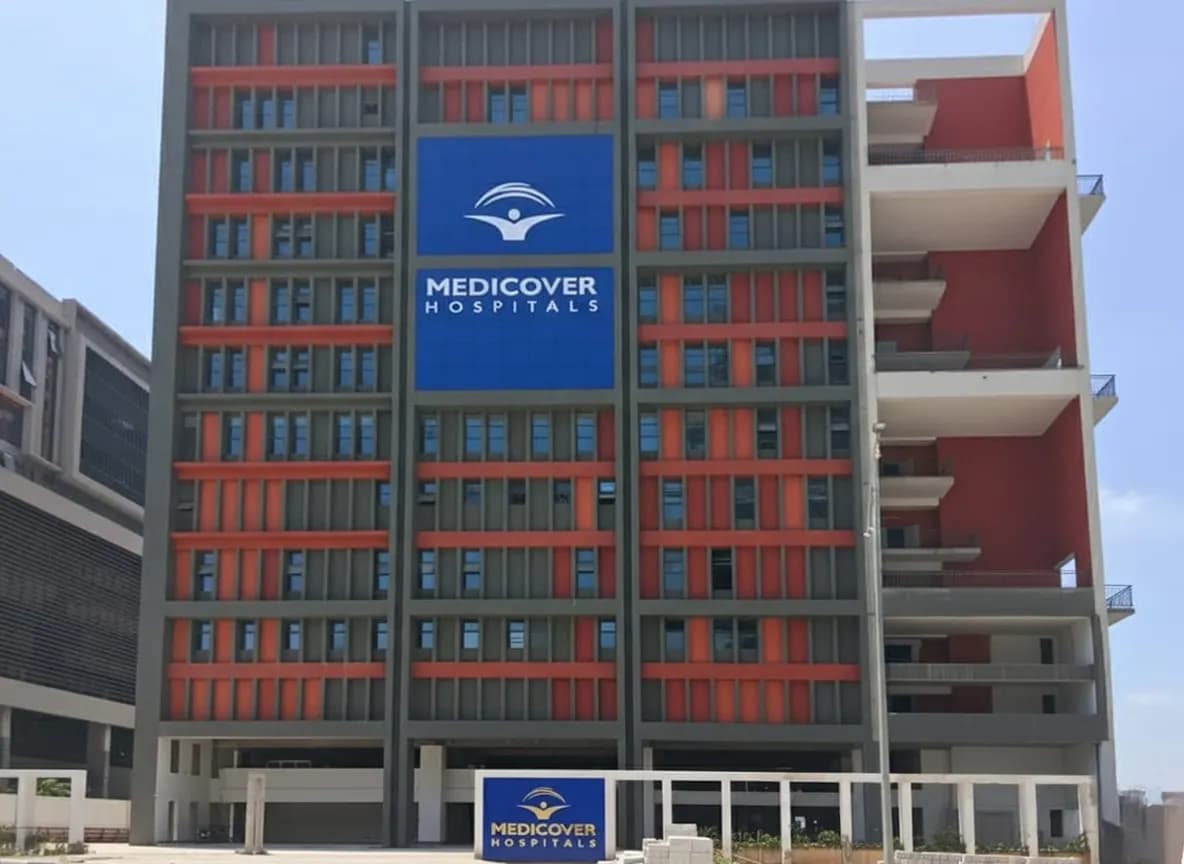
Medicover Hospitals – Best in Financial District, Hyderabad
- Beds
- 550
- Accreditation
- NABH Accredited
- Established
- 2026
Neurosurgery at Medicover Hospitals
Neurosurgery focuses on the surgical evaluation and treatment of disorders affecting the brain, spinal cord, spine and peripheral nerves. At Medicover Hospitals, Financial District, Hyderabad, patients can explore neurosurgical consultation and care for conditions that may require specialist assessment or surgery. The department is relevant to patients seeking brain and spine specialists, evaluation of neurological symptoms, second opinions and treatment planning in Hyderabad. Depending on the diagnosis, neurosurgical care may involve observation, medication alongside neurological care, minimally invasive procedures or more complex surgery. Medicover Hospitals’ Financial District facility lists Neurosurgery among its specialties and provides access to neurosurgeons and multidisciplinary medical support.
Neurosurgery at Medicover Hospitals, Hyderabad
Neurosurgery is a specialized branch of medicine concerned with conditions affecting the brain, spinal cord, spine and peripheral nerves. Unlike general surgery, neurosurgical treatment often requires detailed assessment of neurological function, imaging findings and the relationship between affected structures and vital nerves or blood vessels.
At Medicover Hospitals, Financial District, Hyderabad, patients can seek neurosurgical evaluation for a range of brain, spine and nerve-related conditions. The hospital lists Neurosurgery as one of its specialties and has dedicated neurosurgeons practicing at its Financial District location.
A neurosurgical consultation does not automatically mean that surgery is required. Depending on the condition, symptoms, imaging results, previous treatment and overall health, a specialist may recommend monitoring, non-surgical management, further diagnostic evaluation, minimally invasive treatment or surgery.
For patients searching for a neurosurgery hospital in Hyderabad, the Financial District location can be considered when specialist assessment is required for complex brain, spine or nerve problems.
Neurosurgery Services and Areas of Care
Neurosurgical care covers several anatomical areas and clinical situations. The exact treatment approach depends on the underlying diagnosis.
Brain and Skull-Base Care
Neurosurgeons may evaluate conditions involving the brain, skull base and structures surrounding the brain. These can include brain tumors, selected brain lesions and conditions that require surgical assessment.
Some patients may require conventional surgery, while others may be considered for minimally invasive, endoscopic or microsurgical approaches when clinically appropriate.
Spine and Spinal Cord Care
Spinal conditions are another major area of neurosurgery. Problems affecting discs, the spinal cord or nerves may cause back or neck pain, numbness, weakness, altered sensation or difficulty with movement.
Depending on the diagnosis, treatment may include conservative care, injections or other non-surgical management through the appropriate specialty, or surgical procedures such as decompression or spinal stabilization.
Neurotrauma Care
Head and spinal injuries can sometimes cause bleeding, swelling, fractures, pressure on the brain or spinal cord injury. Serious neurological trauma requires prompt assessment and may require emergency neurosurgical intervention.
Medicover’s Financial District neurosurgery service specifically lists neurotrauma among its areas of care.
Neuro-Oncology
Neurosurgeons may be involved when a patient has a brain or spinal tumor that requires surgical evaluation. Treatment planning can involve neurosurgery, oncology, radiology, pathology and other specialists depending on the nature of the tumor.
Cerebrovascular and Neurovascular Conditions
Certain abnormalities involving blood vessels of the brain, including aneurysms, arteriovenous malformations and cavernous malformations, may require specialist neurovascular assessment. The treatment can vary substantially according to the location, size, symptoms and characteristics of the abnormality.
Conditions Treated Under Neurosurgery
The conditions managed by a neurosurgeon vary from relatively common spine disorders to complex brain and vascular conditions.
Brain Tumors and Brain Lesions
Brain tumors can be benign or malignant and may present with headaches, seizures, changes in vision, weakness, speech difficulties or other neurological symptoms. Imaging such as MRI or CT may identify a lesion, after which a neurosurgeon assesses whether surgery or another treatment pathway is appropriate.
Spinal Disc and Degenerative Disorders
Conditions such as slipped or herniated discs, cervical or lumbar degenerative disease and spinal stenosis can sometimes place pressure on nerves or the spinal cord.
Not every disc problem requires surgery. Surgical assessment may become relevant when symptoms are persistent, neurological deficits develop, or imaging and clinical findings indicate that an operation may be beneficial.
Spinal Cord Compression
Compression of the spinal cord can result from degenerative changes, tumors, trauma or other structural abnormalities. Symptoms may include weakness, numbness, balance problems or changes in bladder and bowel function. The urgency of evaluation depends on the underlying cause and severity.
Head and Brain Injuries
Traumatic brain injuries can range from mild injuries to serious trauma involving bleeding or swelling inside the skull. Severe injuries require emergency medical assessment, and some cases may require neurosurgical treatment.
Brain Aneurysms and Vascular Abnormalities
Aneurysms and other cerebral vascular abnormalities may require evaluation by neurosurgical or neurovascular specialists. Management can involve observation, endovascular treatment, microsurgery or other approaches depending on individual circumstances.
Peripheral Nerve Problems
Some nerve compression or peripheral nerve injuries may require surgical evaluation, particularly when symptoms persist or there is evidence of significant nerve dysfunction.
Neurosurgery Treatments and Procedures
Neurosurgical treatment is highly diagnosis-specific. A specialist generally considers the patient's symptoms, neurological examination, imaging, age, general health and expected benefits and risks before recommending an intervention.
Depending on the condition and the hospital's available services, neurosurgical procedures may include:
- Brain tumor and brain lesion surgery
- Minimally invasive brain surgery
- Endoscopic neurosurgical procedures
- Skull-base surgery
- Pituitary surgery
- Microdiscectomy for selected spinal disc conditions
- Minimally invasive spine procedures
- Spinal decompression
- Surgery for spinal cord tumors
- Spinal instrumentation for selected degenerative or traumatic conditions
- Surgery for certain craniovertebral junction disorders
- Epilepsy surgery in appropriately selected patients
- Surgical management of selected neurotrauma cases
- Surgical treatment of selected cerebrovascular abnormalities
Medicover's Financial District neurosurgery listings specifically identify minimally invasive brain and spine surgery, endoscopic spine surgery, skull-base procedures, neurotrauma, neuro-oncology and cerebrovascular surgery among the expertise of its listed neurosurgeons.
The availability and suitability of any procedure should be confirmed directly with the treating specialist.
Neurosurgery Diagnostic and Evaluation Services
Accurate diagnosis is an important part of neurosurgical decision-making. A specialist may review existing reports or recommend additional investigations depending on the clinical situation.
Possible evaluations can include:
- Detailed neurological and physical examination
- MRI of the brain or spine
- CT scans
- Contrast-enhanced imaging where clinically indicated
- Neurovascular imaging
- Electrophysiological testing when relevant
- Review of previous surgical or treatment records
- Laboratory investigations when required before treatment
- Imaging review for tumors, trauma, spinal compression or vascular abnormalities
Medicover's Financial District neurology and neurosurgery information describes access to CT, MRI and other neurological diagnostic support, while the hospital's broader Financial District facility page lists advanced radiology infrastructure.
A scan alone does not determine whether surgery is needed. The findings must be interpreted alongside symptoms, examination and the patient's overall clinical picture.
When Should You See a Neurosurgery Specialist?
A neurosurgical consultation may be appropriate when a patient has been diagnosed with a condition that could require surgical treatment or when a neurologist, orthopaedic specialist, emergency physician or other doctor recommends neurosurgical evaluation.
Situations that may warrant assessment include:
- Persistent or worsening back or neck pain associated with neurological symptoms
- Numbness, tingling or weakness in an arm or leg
- Difficulty walking or changes in coordination
- Symptoms suggesting spinal cord or nerve compression
- A brain or spinal lesion identified on imaging
- A diagnosed brain or spinal tumor
- Head or spinal trauma
- Persistent symptoms despite appropriate non-surgical treatment
- A suspected or diagnosed aneurysm or other neurovascular abnormality
- A need for a second opinion before brain or spine surgery
Sudden weakness of the face, arm or leg, sudden difficulty speaking, loss of consciousness, a seizure lasting longer than expected, or a severe sudden headache can represent a medical emergency. Such symptoms require urgent medical assessment rather than waiting for a routine outpatient consultation.
What to Expect During a Neurosurgery Consultation
A first neurosurgery appointment generally begins with a discussion of the patient's symptoms and medical history.
1. Medical History
The specialist may ask when symptoms began, how they have changed, previous treatments, medications, injuries and relevant medical conditions.
2. Neurological Examination
Depending on the complaint, the doctor may assess strength, sensation, reflexes, coordination, balance, movement and other neurological functions.
3. Review of Diagnostic Reports
MRI, CT scans, X-rays, laboratory reports or previous medical records may be reviewed. Patients should bring relevant reports and imaging whenever possible.
4. Treatment Discussion
If a structural problem is identified, the neurosurgeon may explain whether surgery is appropriate or whether non-surgical management or further investigation should be considered.
5. Follow-Up Planning
Patients may receive recommendations for medication, rehabilitation, additional tests, observation or surgery. Follow-up depends on the diagnosis and treatment plan.
Why Choose Neurosurgery Care at Medicover Hospitals?
Patients comparing neurosurgery hospitals in Hyderabad should look beyond a single factor and consider the complete care pathway.
Medicover Hospitals' Financial District facility lists Neurosurgery among its specialties and identifies a multidisciplinary environment that includes neurology, neuroradiology and critical-care support. The hospital also lists 24/7 emergency services, intensive-care infrastructure, advanced radiology and multiple operation theatres among its facility offerings.
The hospital's Financial District neurosurgery information also identifies specialists with experience in brain, spine, neurotrauma, minimally invasive and cerebrovascular procedures.
For an individual patient, however, the appropriate choice depends on the specific condition, the specialist's relevant experience, available diagnostic and surgical support, treatment options, expected recovery pathway and the patient's personal needs.
Neurosurgery Doctors and Specialists
A neurosurgeon is a specialist trained to evaluate and surgically manage disorders involving the brain, spinal cord, spine and peripheral nerves.
Medicover Hospitals currently lists Dr Kishor Kumar, Senior Consultant Neurosurgeon, and Dr Pavan Kumar Ediga, Senior Consultant Neurosurgeon, at its Financial District location.
Dr Kishor Kumar's listed areas include minimally invasive brain and spine surgery, endoscopic and microscopic procedures, skull-base neurosurgery, pituitary surgery, neuro-oncology, neurotrauma and selected spinal procedures.
Dr Pavan Kumar Ediga's listed expertise includes minimally invasive brain and spine surgery, endoscopic spine and skull-base procedures, neurotrauma, neuro-oncology, complex spine surgery and selected cerebrovascular conditions.
Patients should select a specialist based on the nature of their condition and discuss the appropriate treatment pathway directly with the treating neurosurgeon.
Neurosurgery Care in Hyderabad
Hyderabad is a major healthcare destination for patients seeking specialist treatment across neurological and surgical disciplines. For people living or working around the western part of the city, the Financial District provides a local option for accessing specialist hospital care.
Medicover Hospitals' Financial District facility is located on Myscape Road, beside The District Building, Financial District, Nanakramguda, Hyderabad, Telangana 500032. The hospital identifies its location as serving patients from the Financial District, Kokapet and surrounding areas.
For patients searching online for neurosurgery near me, neurosurgeon in Financial District, or brain and spine specialists in Hyderabad, local accessibility can be particularly useful when multiple consultations, investigations or follow-up visits are required.
Patients travelling from other parts of Hyderabad should consider travel time, appointment availability, emergency access and the need for ongoing follow-up when selecting a hospital.
How to Choose the Right Neurosurgery Hospital or Specialist
Choosing neurosurgical care should begin with the medical condition rather than simply the hospital's general reputation.
Consider the following:
- Relevant specialist experience: Look for a neurosurgeon whose clinical practice matches the condition being evaluated.
- Appropriate diagnostics: Complex brain and spine conditions often require detailed imaging and specialist interpretation.
- Treatment choices: Ask whether observation, conservative care, minimally invasive procedures or conventional surgery are appropriate.
- Multidisciplinary support: Complex cases may require coordination between neurosurgery, neurology, neuroradiology, oncology, critical care and rehabilitation.
- Emergency support: This is especially important for patients at risk of trauma-related or acute neurological complications.
- Post-treatment care: Ask about follow-up, rehabilitation and recovery planning.
- Communication: A good consultation should give patients an understandable explanation of the diagnosis, treatment alternatives, expected recovery and potential risks.
- Accessibility: Location and appointment availability matter when treatment involves repeated visits.
A second opinion can also be useful when a major brain or spine operation has been recommended and the patient wants another specialist's assessment before proceeding.
Frequently Asked Questions About Neurosurgery
What does a neurosurgeon treat?
Neurosurgeons evaluate and surgically treat conditions involving the brain, spinal cord, spine and peripheral nerves. These can include selected brain tumors, spinal disorders, neurotrauma, nerve compression and certain cerebrovascular abnormalities.
When should I see a neurosurgeon?
You may be referred to a neurosurgeon when imaging shows a structural problem, neurological symptoms persist despite non-surgical treatment, or a condition may require surgery. A neurologist or another treating doctor may also recommend a neurosurgical opinion.
Does seeing a neurosurgeon mean I need surgery?
No. A consultation is used to determine whether surgery is appropriate. Depending on the diagnosis, the specialist may recommend monitoring, further testing, non-surgical treatment or an operation.
What conditions can require spine surgery?
Some cases of herniated discs, spinal stenosis, spinal cord compression, spinal tumors, fractures or other structural disorders may require surgery. The decision depends on symptoms, neurological findings, imaging and response to other treatments.
What tests are commonly used before neurosurgery?
Depending on the condition, doctors may use MRI, CT, X-rays, neurological examination and other investigations. Electrophysiological or vascular studies may also be considered when clinically appropriate.
Is minimally invasive neurosurgery suitable for everyone?
No. Minimally invasive techniques are appropriate only for selected conditions and patients. The choice depends on the location and nature of the problem, anatomy, previous treatment and the surgeon's clinical assessment.
Can I get a second opinion for brain or spine surgery?
Yes. A second neurosurgical opinion can help patients understand the diagnosis, available treatment options and reasons for a recommended procedure. Bringing previous scans and medical records can make the consultation more useful.
How do I choose a neurosurgery hospital in Hyderabad?
Consider the specialist's experience with your particular condition, diagnostic capabilities, available treatment approaches, multidisciplinary support, emergency and critical-care services, follow-up arrangements and accessibility.
What should I bring to a neurosurgery consultation?
Bring previous MRI or CT scans, imaging reports, laboratory reports, prescriptions, medication details, discharge summaries and records of earlier treatments or surgeries. A short timeline of symptoms can also help the specialist understand the problem.
How can I book a neurosurgery consultation at Medicover Hospitals, Financial District?
Patients can check the hospital's current neurosurgery doctor listings and appointment options through Medicover Hospitals. The hospital currently lists neurosurgeons practicing at its Financial District location.
Best Neurosurgery Doctors at Medicover Hospitals, Financial District
Consult with our highly experienced experts at Medicover Hospitals.
 Neurosurgery
Dr Kishor Kumar
 Neurosurgery
Dr Pavan Kumar Ediga
Neurosurgery Treatments
Brain Tumor Surgery
Advanced treatment available at Medicover Hospitals.
Aneurysm Clipping / Coiling
Advanced treatment available at Medicover Hospitals.
Epilepsy Surgery
Advanced treatment available at Medicover Hospitals.
Deep Brain Stimulation (dbs)
Advanced treatment available at Medicover Hospitals.
Endoscopic Neurosurgery
Advanced treatment available at Medicover Hospitals.
Frequently Asked Questions About Neurosurgery
What types of neurosurgery procedures are performed at Medicover Hospitals?
We perform a wide range of neurosurgery procedures, from routine diagnostics to complex surgeries, using the latest medical technologies.
How can I book an appointment for Neurosurgery at Medicover Hospitals?
You can book an appointment through the Siris Healthcare platform by clicking the "Get Free Estimate" button or contacting our 24/7 helpline.
Other Medical Specialties at Medicover Hospitals Financial District
Get Expert Neurosurgery Care at Medicover Hospitals, Financial District
Schedule a consultation with our top specialists and get a personalized treatment plan with a free cost estimate.
Top Specialities at Medicover Hospitals Financial District
- Cardiology Department
- Cardiology Department
- cardiothoracic Department
- Neurology Department
- Neurosurgery Department
- orthopedic Department
- Oncology Department
- Gastroenterology Department
- Nephrology Department
- Urology Department
- Liver Transplantation Department
- General Surgery Department
- Internal Medicine Department
- Pulmonology Department
- Critical care Department
- Emergency medicine Department
- Endocrinology Department
- Diabetologist Department
- obstetrics Department
- Gynecology Department
- Paediatric Neurology Department
- ENT Department
- Dermatology Department
- Ophthalmology Department
- Rheumatology Department
- Radiology Department
- Vascular Surgery Department
- Radiology Department
- Nuclear Medicine Department
- Preventive Medicine Department
Best Hospitals in Hyderabad
- Aarogyam Dental Care Madhapur
- Aig Hospitals Gachibowli
- Amor Hospitals Kukatpally
- Apollo Hospitals Jubilee Hills
- Aster Hospitals Ameerpet
- Avasa Hospitals Manikonda
- Bhoomi Hospitals Manikonda
- Care Hospitals Banjara Hills
- Citizens Specialty Hospital Nallagandla
- Cloudnine Hospital Hitec City
- Derma 360 Madhapur
- Dr. Arya's Multispecialty Dental Hospital Banjara Hills
- Dr. Gowd's Dental Gachibowli
- Dr. Gowd's Dental Madhapur
- Dr. Gowd's Dental Koti
- Dr. Gowd's Dental Nanakramguda
- Dr. Gupta's Integrated Wellness Centre Bowenpally
- Greenmed Hospital Srinagar Colony
- Health On Us Madhapur
- Kamineni Hospitals Lb Nagar
Medical Services in India
Best Multispeciality Hospitals in Hyderabad
- Aig Hospitals Gachibowli
- Apollo Hospitals Jubilee Hills
- Aster Hospitals Ameerpet
- Avasa Hospitals Manikonda
- Bhoomi Hospitals Manikonda
- Care Hospitals Banjara Hills
- Citizens Specialty Hospital Nallagandla
- Cloudnine Hospital Hitec City
- Kamineni Hospitals Lb Nagar
- Kims - Arete Hitec City
- Kims - Sunshine Hospitals Begumpet
- Kims Asian Transcare Banjara Hills
- Kims Hospitals Secunderabad
- Kims Hospitals Kondapur
- Kims Hospitals Gachibowli
- Kims Hospitals Kompally
- Kims Mippl Paradise Circle
- Kiran Multispeciality Hospital Karmanghat
- Mythri Hospitals Mehdipatnam
- Olive Hospitals Mehdipatnam
Topics related to Medicover Hospitals
Emergency Medical Symptoms: When Chest Pain, Breathlessness, Fever or Sudden Pain Need Urgent Care
Most symptoms are not emergencies. A mild headache, short-lived fever or occasio...
Persistent Stomach Pain: Common Causes, Diagnostic Tests and When to See a Gastroenterologist
Occasional stomach discomfort can happen after a heavy meal, indigestion, stress...
Minimally Invasive Surgery: Benefits, Common Procedures, Recovery and Patient Safety
What Is Minimally Invasive Surgery?Minimally invasive surgery is a surgical appr...
MRI vs CT Scan: Key Differences, Medical Uses, Preparation and What Patients Should Know
When a doctor recommends an imaging test, many patients immediately ask the same...
Cancer Screening and Early Detection: Tests, Warning Signs and When to Get Checked
Cancer can sometimes develop without causing noticeable symptoms in its early st...
Stroke Symptoms and Treatment: Early Warning Signs, Emergency Care and Recovery
A stroke can happen suddenly, sometimes without much warning. One moment a perso...
Diabetes Management: HbA1c, Blood Sugar Tests, Complications and Long-Term Care
Diabetes is a long-term condition, but managing it is about much more than check...
Knee Pain and Joint Problems: Causes, Treatment Options and When Surgery Is Needed
Knee pain is one of the most common reasons people seek medical advice. It can a...
Complete Health Checkup Guide: Essential Tests for Men and Women by Age
Feeling healthy does not always mean that everything inside your body is healthy...
Heart Disease Prevention: Warning Signs, Cardiac Tests and When to See a Cardiologist
Heart disease does not always begin with dramatic symptoms. In many people, cond...