
Dermatology at Medicover Hospitals, Financial District, Hyderabad
Explore Dermatology services, treatments, diagnostic care and related doctors at Medicover Hospitals.
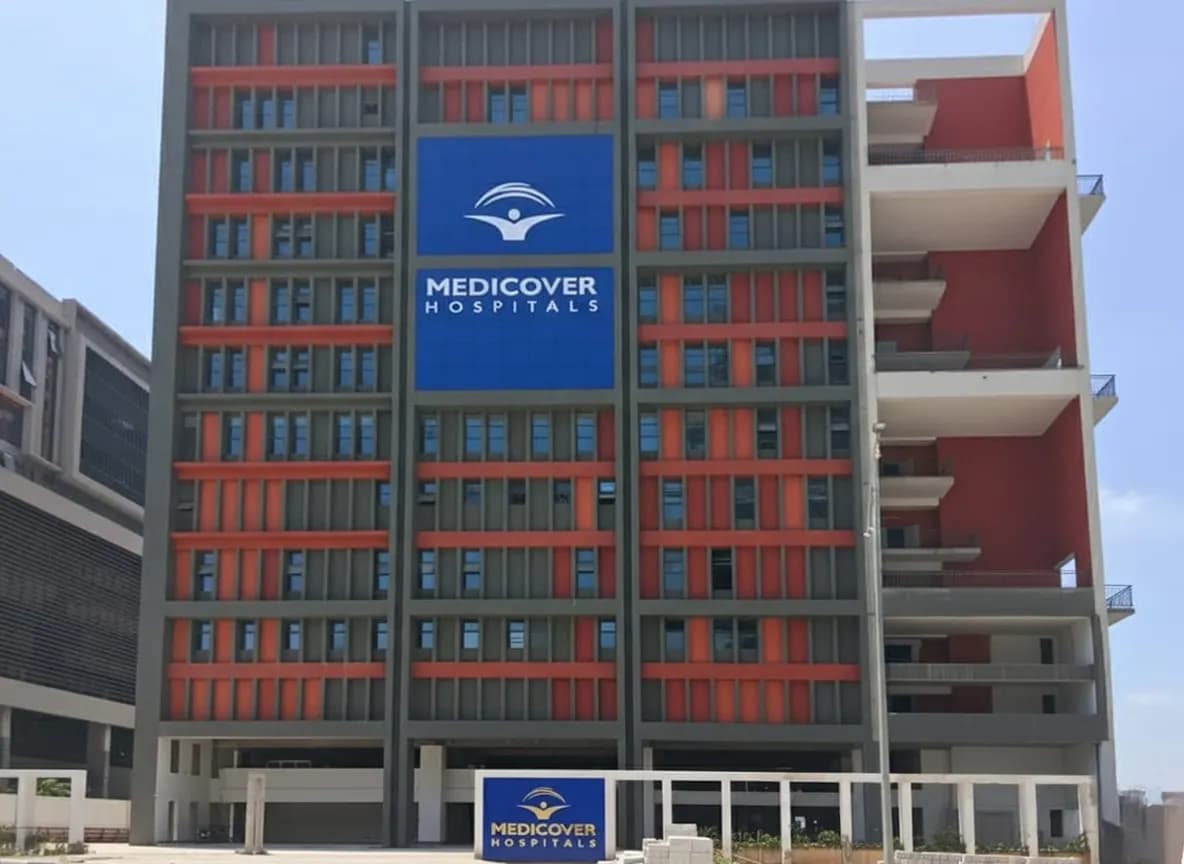
Medicover Hospitals – Best in Financial District, Hyderabad
- Beds
- 550
- Accreditation
- NABH Accredited
- Established
- 2026
Dermatology at Medicover Hospitals
Dermatology at Medicover Hospitals, Financial District, Hyderabad provides specialist evaluation and management of a wide range of skin, hair and nail concerns. Patients can explore care for common problems such as acne, pigmentation, eczema, psoriasis, fungal infections, allergies, hair loss and scalp disorders, along with appropriate dermatological procedures and aesthetic skin treatments where clinically indicated. The Financial District location serves patients looking for dermatology care around Nanakramguda and nearby parts of Hyderabad. The department's approach involves assessing the underlying cause of a concern before recommending suitable treatment. Patients can also explore dermatologist consultations, diagnostic evaluation and follow-up care based on their individual needs.
Dermatology at Medicover Hospitals, Hyderabad
Dermatology focuses on the diagnosis, treatment and ongoing management of conditions affecting the skin, hair and nails. These problems can range from temporary concerns such as acne, rashes or fungal infections to chronic disorders such as psoriasis, eczema, vitiligo and recurring allergic skin conditions.
At Medicover Hospitals, Financial District, Hyderabad, dermatology care is designed around clinical evaluation of the patient's symptoms, medical history and skin or scalp findings. The hospital's published dermatology services include evaluation and management of common skin disorders, hair and scalp concerns, nail conditions, pigmentation problems and selected aesthetic concerns.
For someone searching for a dermatologist in Hyderabad or a dermatology hospital in Financial District, choosing care close to home can make it easier to attend consultations and follow-up appointments, particularly when treatment requires several visits.
Dermatological treatment is not the same for every patient. Acne, pigmentation, hair loss or itching can have multiple causes, so a specialist may first establish the likely diagnosis before recommending medication, lifestyle measures, procedures or further testing.
Dermatology Services and Areas of Care
Dermatology encompasses much more than routine skin treatment. A dermatology consultation may involve medical assessment, diagnostic procedures, prescription treatment, minor procedures, hair and scalp evaluation or selected cosmetic dermatology services.
Major areas of dermatology care include:
Medical Dermatology
Medical dermatology deals with conditions caused by inflammation, infection, allergies, immune responses and other underlying factors. Common concerns include acne, eczema, psoriasis, dermatitis, rosacea, urticaria and skin infections.
Hair and Scalp Care
Dermatologists evaluate concerns such as excessive hair shedding, hair thinning, dandruff, scalp irritation and certain forms of alopecia. Treatment depends on identifying the underlying cause rather than treating hair loss as a single condition.
Nail Disorders
Nail changes can result from fungal infections, bacterial infections, inflammatory skin conditions, trauma and other medical problems. A dermatologist can examine abnormal nail growth, discoloration, thickening or changes in nail texture.
Pigmentation and Skin Tone Concerns
Hyperpigmentation, melasma, tanning, dark spots and uneven skin tone may require different approaches depending on the cause and the patient's skin type. A dermatologist can determine whether medical treatment, topical therapy or a procedure may be appropriate.
Procedural and Aesthetic Dermatology
Selected dermatology departments may provide procedures for concerns such as acne scars, pigmentation, unwanted hair and skin texture. Medicover's published Financial District dermatology page lists procedures and services including chemical peels, laser-based treatments, microdermabrasion, cryotherapy and PRP-related treatments. Suitability depends on clinical assessment.
Conditions Treated Under Dermatology
A dermatologist may assess a wide range of conditions involving the skin, hair and nails.
Acne and Acne Scars
Acne can affect teenagers and adults and may involve blackheads, whiteheads, inflammatory pimples or deeper lesions. Persistent or severe acne can sometimes result in scarring or pigmentation.
Treatment may include topical medicines, oral medication where appropriate, acne-care routines and procedures for selected cases. Acne scars generally require a separate assessment because scar type, skin type and severity influence treatment selection.
Eczema and Dermatitis
Eczema and dermatitis can cause itching, dryness, redness, scaling or irritation. Triggers may include allergens, irritants, environmental factors or an individual's underlying tendency toward inflammatory skin disease.
A dermatologist can help identify contributing factors and develop a treatment and skin-care plan.
Psoriasis
Psoriasis is a chronic inflammatory skin condition that can cause thickened, scaly patches. It can vary considerably in severity and may require long-term management.
Treatment depends on the extent and location of the condition and may include topical therapies, phototherapy or systemic treatment when clinically appropriate.
Fungal and Other Skin Infections
Fungal infections can affect areas such as the feet, groin, body, scalp or nails. Correct diagnosis is important because several skin conditions can appear similar.
Depending on the suspected infection, a clinician may recommend examination, laboratory testing or specific antifungal treatment.
Pigmentation Disorders
Melasma, post-inflammatory pigmentation, sun-related pigmentation and other causes of darkened skin may be evaluated by a dermatologist.
Because pigmentation can worsen with inappropriate treatment or excessive sun exposure, treatment should be selected according to the underlying cause and skin characteristics.
Vitiligo
Vitiligo causes areas of skin to lose pigment. Management depends on the extent and location of depigmentation and other individual factors. A dermatologist can assess the condition and discuss available treatment options.
Skin Allergies and Urticaria
Allergic reactions may cause itching, redness, swelling or hives. Identifying potential triggers can be an important part of management, particularly when symptoms recur.
Hair Loss and Scalp Disorders
Hair fall can have many possible causes, including nutritional factors, hormonal changes, inherited patterns, scalp disorders, illness and certain medications. A proper evaluation helps distinguish between different forms of hair loss before treatment is selected.
Dermatology Treatments and Procedures
Dermatology treatment is based on the diagnosis, severity of the condition, age, skin type, medical history and previous treatments.
Depending on the clinical situation, treatment approaches may include:
- Prescription creams, ointments or lotions
- Oral medicines when clinically indicated
- Treatment for acne and acne-related scarring
- Management of eczema, psoriasis and dermatitis
- Antifungal treatment for confirmed fungal infections
- Treatment plans for pigmentation disorders
- Hair and scalp therapies
- Phototherapy for selected skin conditions
- Chemical peels for appropriate skin concerns
- Laser-based procedures for selected indications
- Cryotherapy for certain lesions such as warts or skin tags
- Microdermabrasion for selected cosmetic concerns
- PRP-based treatment where clinically appropriate
Medicover's Financial District dermatology service page specifically lists medical dermatology, hair and scalp treatment, nail care and a range of procedural and aesthetic services.
Not every procedure is appropriate for every patient. A consultation should precede elective dermatological procedures so that the diagnosis, potential benefits, limitations and possible risks can be discussed.
Dermatology Diagnostic and Evaluation Services
Accurate diagnosis is an important part of dermatology care because many skin conditions can produce similar-looking symptoms.
Depending on the concern, evaluation may include:
Clinical Skin Examination
A dermatologist examines the affected skin and considers the appearance, distribution, duration and progression of symptoms.
Dermatoscopy
Dermatoscopy provides magnified examination of skin lesions and can help dermatologists evaluate particular moles, pigmented lesions and other skin changes. Medicover's Financial District dermatology page lists dermatoscopy among its diagnostic services.
Allergy Evaluation
When an allergic skin disorder is suspected, appropriate allergy testing or other clinical assessment may be considered to identify possible triggers.
Skin Biopsy
For selected unexplained, persistent or suspicious lesions, a small skin sample may be examined in a laboratory. A biopsy is not necessary for every skin problem; the decision depends on the clinical findings.
Laboratory Testing
Blood tests or other laboratory investigations may be recommended when a skin or hair problem could be associated with an underlying systemic, hormonal or nutritional issue.
Skin Cancer Assessment
Changes in a mole or skin lesion may warrant professional assessment. Warning signs can include changes in size, shape or colour, bleeding, persistent crusting or a lesion that does not heal.
When Should You See a Dermatology Specialist?
A dermatology consultation may be appropriate when a skin, hair or nail problem is persistent, recurring, worsening or difficult to manage with routine self-care.
Consider seeking professional evaluation for concerns such as:
- Persistent or severe acne
- Recurrent rashes or itching
- Unexplained pigmentation changes
- Persistent eczema or psoriasis symptoms
- Repeated fungal infections
- Sudden or excessive hair loss
- Persistent dandruff or scalp inflammation
- Changes in a mole or other skin lesion
- Non-healing skin wounds
- Painful, bleeding or rapidly changing lesions
- Nail discoloration, thickening or deformity
- Skin reactions that keep returning
Early evaluation does not necessarily mean that a condition is serious. It can simply help establish the cause and prevent inappropriate self-treatment.
For sudden facial swelling, difficulty breathing, severe allergic reactions, extensive blistering or other potentially serious symptoms, urgent medical attention may be required rather than a routine dermatology appointment.
What to Expect During a Dermatology Consultation
A first dermatology consultation generally begins with a discussion of your main concern.
1. Medical History
The specialist may ask when the problem started, whether it is recurring, what makes it better or worse, and what treatments or products you have already used.
Information about allergies, existing medical conditions and medications may also be relevant.
2. Skin, Hair or Nail Examination
The affected area may be examined closely. For some conditions, the dermatologist may examine other parts of the skin or scalp to understand the broader pattern.
3. Diagnostic Evaluation
If necessary, the specialist may recommend dermatoscopy, laboratory investigations, allergy evaluation, biopsy or another diagnostic assessment.
4. Treatment Discussion
Once the likely diagnosis is established, the dermatologist can explain available treatment approaches, expected timelines, possible side effects and practical skin-care measures.
5. Follow-Up
Some dermatological conditions require monitoring over time. Follow-up helps assess the response to treatment and allows the plan to be adjusted when necessary.
Why Choose Dermatology Care at Medicover Hospitals?
When comparing dermatology hospitals in Hyderabad, patients should look beyond the availability of a consultation and consider whether the care pathway matches their needs.
Medicover Hospitals' Financial District location lists dermatology among its specialties and describes care for skin, hair and nail conditions, including diagnostic evaluation, medical dermatology, hair and scalp care, nail disorders and selected cosmetic dermatology services.
The hospital's Financial District campus is located on Myscape Road, beside The District Building in Nanakramguda. The hospital also lists multiple medical specialties at the same campus, which can be relevant when a dermatological concern requires input from another medical specialty.
Patients should nevertheless discuss their specific needs with the dermatology team before choosing a procedure or treatment. The appropriate approach depends on diagnosis, medical history, skin characteristics and individual treatment goals.
Dermatology Doctors and Specialists
Dermatologists are doctors trained to diagnose and manage diseases affecting the skin, hair and nails. Depending on their additional training, some dermatologists may also focus on cosmetic dermatology, aesthetics or hair and scalp disorders.
Medicover's published doctor information currently lists Dr. Vishnu Priya Reddy, Consultant Dermatologist, practicing at the Financial District location. Her listed qualifications include MBBS and MD in Dermatology, and her profile identifies dermatology and aesthetics as areas of specialization.
Medicover's broader Hyderabad dermatologist listing also includes Dr. B Vijaya Sree and Dr. Koppisetti Satya Naga Ravi Teja. Doctor availability and consultation schedules can change, so patients should verify the current appointment details before visiting.
Dermatology Care in Hyderabad
For people searching for Dermatology in Hyderabad, location can be an important practical consideration, especially when a condition requires multiple consultations or procedures.
Medicover Hospitals' Financial District facility is located at Myscape Road, beside The District Building, Financial District, Nanakramguda, Hyderabad. The location is relevant to patients living or working around the Financial District and surrounding areas.
Patients searching for a dermatologist near Financial District, Hyderabad can consider factors such as travel time, appointment availability, the specialist's area of interest and whether the hospital can support the diagnostic or treatment pathway they require.
For conditions that need repeated follow-up—such as acne, chronic dermatitis, psoriasis, hair loss or selected pigmentation concerns—choosing a conveniently accessible dermatology service can make ongoing care easier.
How to Choose the Right Dermatology Hospital or Specialist
When comparing dermatology specialists or hospitals in Hyderabad, consider:
1. Relevant specialist experience
Look for a dermatologist whose clinical interests correspond to your concern, whether it involves medical dermatology, hair loss, paediatric dermatology, pigmentation or procedural care.
2. Proper diagnosis
A good treatment plan starts with identifying the likely cause. Be cautious about treatments offered without adequate assessment.
3. Appropriate treatment options
Ask whether the recommended approach is medical, procedural or a combination, and why it is appropriate for your condition.
4. Diagnostic support
For persistent, unusual or complex conditions, access to relevant diagnostic testing can be useful.
5. Safety and suitability of procedures
Before a chemical peel, laser procedure, cryotherapy, PRP treatment or another intervention, discuss potential benefits, risks, downtime and alternatives.
6. Follow-up care
Some dermatological conditions require several weeks or months of treatment. Understand how follow-up appointments will be managed.
7. Communication
Your dermatologist should be able to explain the diagnosis, treatment choices and expected course in language you understand.
8. Accessibility
Consider location, appointment schedules and the practicality of returning for follow-up care.
Frequently Asked Questions About Dermatology
1. What does a dermatologist treat?
Dermatologists diagnose and manage conditions affecting the skin, hair and nails. These can include acne, eczema, psoriasis, fungal infections, pigmentation disorders, allergies, hair loss, scalp problems and various nail disorders.
2. When should I see a dermatologist in Hyderabad?
Consider a dermatology consultation for persistent acne, unexplained rashes, recurring itching, pigmentation changes, excessive hair loss, scalp problems, suspicious skin lesions or skin conditions that are not improving with routine care.
3. What happens during a dermatology consultation?
The dermatologist generally reviews your symptoms and medical history, examines the affected area and decides whether additional tests are required. Treatment and follow-up options can then be discussed based on the assessment.
4. Can dermatologists treat hair fall?
Yes. Dermatologists can evaluate different causes of hair loss, including inherited hair loss, scalp disorders and other medical causes. Treatment depends on the underlying diagnosis. Medicover's Financial District dermatology information includes hair fall, hair thinning, scalp conditions and alopecia among its areas of care.
5. How is acne treated?
Acne treatment depends on its severity, type of lesions, duration and whether scarring is present. Options can include topical medicines, oral treatment and selected procedures. A dermatologist can determine an appropriate plan after examination.
6. Can pigmentation or dark spots be treated?
Pigmentation can have several causes, including acne-related pigmentation, melasma and sun exposure. Treatment may involve topical medication or selected procedures such as chemical peels or laser treatment when appropriate. The cause should be established before treatment.
7. Can a dermatologist treat psoriasis and eczema?
Yes. Dermatologists commonly manage inflammatory skin conditions such as psoriasis and eczema. Because these conditions can be chronic or recurrent, treatment often involves both symptom control and longer-term skin-care measures.
8. What should I bring to a dermatology appointment?
Bring a list of current medicines, relevant medical records or previous test results, details of products or treatments you have already tried, and information about when your symptoms began. If the condition changes over time, photographs taken during a flare may also be useful.
9. How do I choose a dermatology hospital in Hyderabad?
Consider the dermatologist's relevant experience, diagnostic support, available treatment options, follow-up process, hospital accessibility and whether the provider can address your particular concern. Treatment decisions should be based on a professional clinical assessment.
10. How can I book a dermatology consultation at Medicover Hospitals, Financial District?
Patients can check the hospital's current dermatologist availability and appointment options through Medicover Hospitals' official doctor and appointment pages. Doctor schedules can change, so confirming the latest availability before visiting is advisable.
Best Dermatology Doctors at Medicover Hospitals, Financial District
Consult with our highly experienced experts at Medicover Hospitals.
 Dermatology
Dr Vishnu Priya Reddy
Dermatology Treatments
Acne And Acne Scar Treatment
Advanced treatment available at Medicover Hospitals.
Laser Hair Removal
Advanced treatment available at Medicover Hospitals.
Psoriasis Treatment
Advanced treatment available at Medicover Hospitals.
Eczema And Dermatitis Treatment
Advanced treatment available at Medicover Hospitals.
Vitiligo Treatment
Advanced treatment available at Medicover Hospitals.
Chemical Peels
Advanced treatment available at Medicover Hospitals.
Laser Skin Resurfacing
Advanced treatment available at Medicover Hospitals.
Hair Loss Treatment
Advanced treatment available at Medicover Hospitals.
Mole, Wart And Skin Tag Removal
Advanced treatment available at Medicover Hospitals.
Skin Cancer Diagnosis And Treatment
Advanced treatment available at Medicover Hospitals.
Frequently Asked Questions About Dermatology
What types of dermatology procedures are performed at Medicover Hospitals?
We perform a wide range of dermatology procedures, from routine diagnostics to complex surgeries, using the latest medical technologies.
How can I book an appointment for Dermatology at Medicover Hospitals?
You can book an appointment through the Siris Healthcare platform by clicking the "Get Free Estimate" button or contacting our 24/7 helpline.
Other Medical Specialties at Medicover Hospitals Financial District
Get Expert Dermatology Care at Medicover Hospitals, Financial District
Schedule a consultation with our top specialists and get a personalized treatment plan with a free cost estimate.
Top Specialities at Medicover Hospitals Financial District
- Cardiology Department
- Cardiology Department
- cardiothoracic Department
- Neurology Department
- Neurosurgery Department
- orthopedic Department
- Oncology Department
- Gastroenterology Department
- Nephrology Department
- Urology Department
- Liver Transplantation Department
- General Surgery Department
- Internal Medicine Department
- Pulmonology Department
- Critical care Department
- Emergency medicine Department
- Endocrinology Department
- Diabetologist Department
- obstetrics Department
- Gynecology Department
- Paediatric Neurology Department
- ENT Department
- Dermatology Department
- Ophthalmology Department
- Rheumatology Department
- Radiology Department
- Vascular Surgery Department
- Radiology Department
- Nuclear Medicine Department
- Preventive Medicine Department
Best Hospitals in Hyderabad
- Aarogyam Dental Care Madhapur
- Aig Hospitals Gachibowli
- Amor Hospitals Kukatpally
- Apollo Hospitals Jubilee Hills
- Aster Hospitals Ameerpet
- Avasa Hospitals Manikonda
- Bhoomi Hospitals Manikonda
- Care Hospitals Banjara Hills
- Citizens Specialty Hospital Nallagandla
- Cloudnine Hospital Hitec City
- Derma 360 Madhapur
- Dr. Arya's Multispecialty Dental Hospital Banjara Hills
- Dr. Gowd's Dental Gachibowli
- Dr. Gowd's Dental Madhapur
- Dr. Gowd's Dental Koti
- Dr. Gowd's Dental Nanakramguda
- Dr. Gupta's Integrated Wellness Centre Bowenpally
- Greenmed Hospital Srinagar Colony
- Health On Us Madhapur
- Kamineni Hospitals Lb Nagar
Medical Services in India
Best Multispeciality Hospitals in Hyderabad
- Aig Hospitals Gachibowli
- Apollo Hospitals Jubilee Hills
- Aster Hospitals Ameerpet
- Avasa Hospitals Manikonda
- Bhoomi Hospitals Manikonda
- Care Hospitals Banjara Hills
- Citizens Specialty Hospital Nallagandla
- Cloudnine Hospital Hitec City
- Kamineni Hospitals Lb Nagar
- Kims - Arete Hitec City
- Kims - Sunshine Hospitals Begumpet
- Kims Asian Transcare Banjara Hills
- Kims Hospitals Secunderabad
- Kims Hospitals Kondapur
- Kims Hospitals Gachibowli
- Kims Hospitals Kompally
- Kims Mippl Paradise Circle
- Kiran Multispeciality Hospital Karmanghat
- Mythri Hospitals Mehdipatnam
- Olive Hospitals Mehdipatnam
Topics related to Medicover Hospitals
Emergency Medical Symptoms: When Chest Pain, Breathlessness, Fever or Sudden Pain Need Urgent Care
Most symptoms are not emergencies. A mild headache, short-lived fever or occasio...
Persistent Stomach Pain: Common Causes, Diagnostic Tests and When to See a Gastroenterologist
Occasional stomach discomfort can happen after a heavy meal, indigestion, stress...
Minimally Invasive Surgery: Benefits, Common Procedures, Recovery and Patient Safety
What Is Minimally Invasive Surgery?Minimally invasive surgery is a surgical appr...
MRI vs CT Scan: Key Differences, Medical Uses, Preparation and What Patients Should Know
When a doctor recommends an imaging test, many patients immediately ask the same...
Cancer Screening and Early Detection: Tests, Warning Signs and When to Get Checked
Cancer can sometimes develop without causing noticeable symptoms in its early st...
Stroke Symptoms and Treatment: Early Warning Signs, Emergency Care and Recovery
A stroke can happen suddenly, sometimes without much warning. One moment a perso...
Diabetes Management: HbA1c, Blood Sugar Tests, Complications and Long-Term Care
Diabetes is a long-term condition, but managing it is about much more than check...
Knee Pain and Joint Problems: Causes, Treatment Options and When Surgery Is Needed
Knee pain is one of the most common reasons people seek medical advice. It can a...
Complete Health Checkup Guide: Essential Tests for Men and Women by Age
Feeling healthy does not always mean that everything inside your body is healthy...
Heart Disease Prevention: Warning Signs, Cardiac Tests and When to See a Cardiologist
Heart disease does not always begin with dramatic symptoms. In many people, cond...