
Emergency Medicine at Medicover Hospitals, Financial District, Hyderabad
Explore Emergency Medicine services, treatments, diagnostic care and related doctors at Medicover Hospitals.
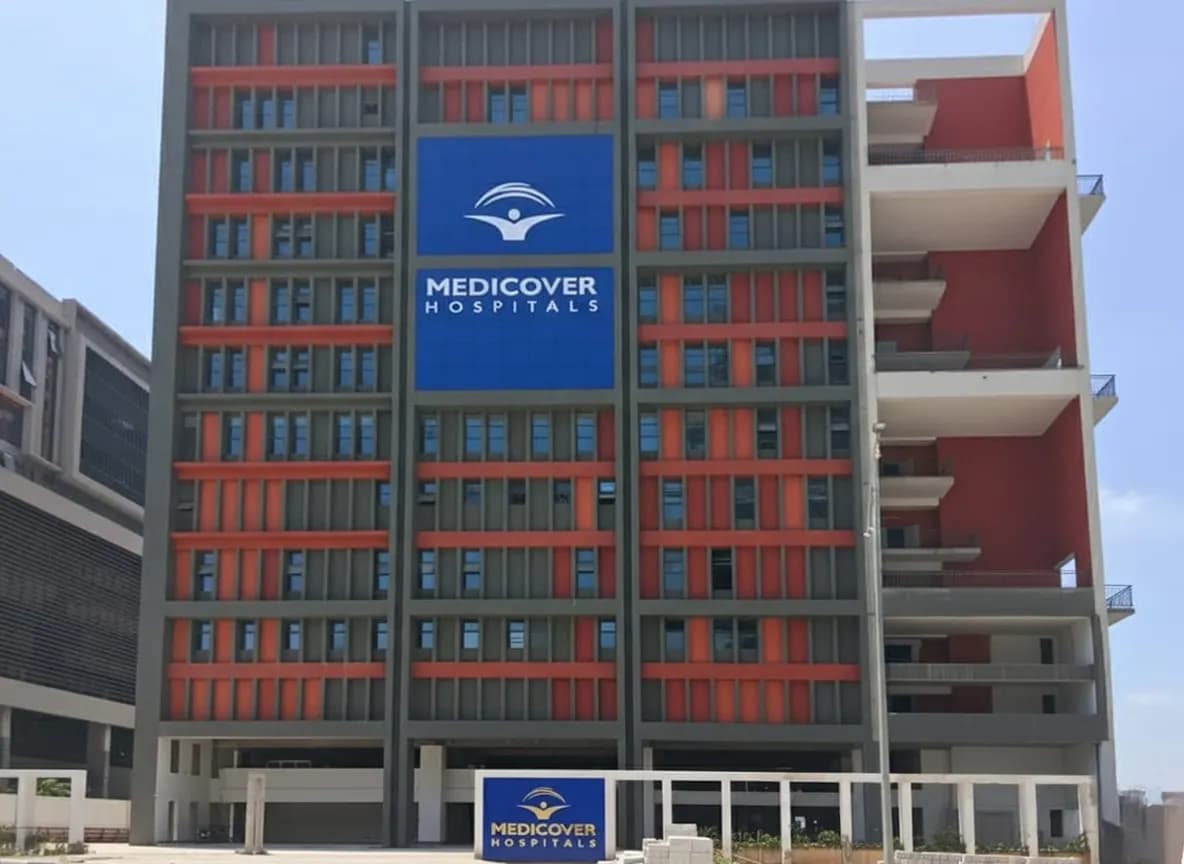
Medicover Hospitals – Best in Financial District, Hyderabad
- Beds
- 550
- Accreditation
- NABH Accredited
- Established
- 2026
Emergency Medicine at Medicover Hospitals
Emergency medicine focuses on the rapid assessment, stabilisation and treatment of patients with sudden illness, serious injuries and potentially life-threatening conditions. At Medicover Hospitals in Financial District, Hyderabad, the emergency department provides round-the-clock emergency and trauma support for medical, surgical and accident-related situations. The hospital’s published emergency services include rapid triage, resuscitation, emergency monitoring, trauma management and coordination with critical care and other specialties. On-site diagnostic support is also available according to the hospital’s published information. This page helps patients and families understand emergency medicine services, commonly managed conditions, diagnostic evaluation, emergency procedures, when immediate hospital care may be appropriate, and what to expect when seeking emergency care at Medicover Hospitals in Hyderabad’s Financial District.
Emergency Medicine at Medicover Hospitals, Hyderabad
Emergency medicine is designed for situations where a patient's condition needs prompt medical assessment rather than a routine outpatient appointment. The emergency team evaluates the urgency of the situation, identifies immediate risks, starts stabilisation measures and coordinates further treatment when specialist or inpatient care is required.
At Medicover Hospitals, Financial District, Hyderabad, the published emergency medicine service covers medical emergencies, traumatic injuries and other acute conditions. The hospital states that its emergency department operates 24/7 and provides rapid triage, emergency monitoring, resuscitation and coordination with specialties such as critical care, cardiology, neurology, general surgery and orthopaedics.
Emergency care is different from routine consultation because the priority is determined by the severity of the patient's condition. A person with chest pain, severe breathing difficulty, major trauma, sudden neurological symptoms or loss of consciousness may require immediate assessment even if the final diagnosis is not yet known.
For patients searching for an emergency medicine hospital in Hyderabad, the Financial District location can be relevant for people living, working or travelling around this part of the city. The hospital is located on Myscape Road, beside The District Building, Financial District, Nanakramguda, Hyderabad.
Emergency Medicine Services and Areas of Care
Emergency medicine covers a broad range of acute medical and traumatic situations. The emergency team may initially assess and manage:
- Sudden chest pain and suspected cardiac emergencies
- Breathing difficulty and acute respiratory problems
- Stroke symptoms and sudden neurological changes
- Road traffic accidents and other traumatic injuries
- Severe bleeding and significant wounds
- Fractures and suspected spinal or head injuries
- Burns
- Seizures and altered consciousness
- Severe infections and suspected sepsis
- Serious allergic reactions and shock
- Poisoning and drug-related emergencies
- Snake bites and electrical injuries
- Sudden severe abdominal or other acute pain
- Paediatric emergencies
- Other conditions requiring urgent medical assessment
The hospital's published Financial District emergency service information specifically describes rapid triage, stabilisation, emergency observation and coordination with multiple specialties for critical cases.
Emergency medicine also involves recognising patients who need immediate escalation. Depending on the clinical findings, a patient may be transferred to an intensive care unit, operating theatre or another specialist department.
Trauma and Accident Care
Trauma care is an important part of emergency medicine. Accidents can result in multiple injuries that are not always obvious at first assessment. Emergency teams therefore focus on identifying immediate threats to breathing, circulation, consciousness and other vital functions before determining the next stage of care.
Medicover Hospitals' published Financial District information describes trauma support, emergency procedures, wound care, fracture stabilisation and coordination with surgical and orthopaedic teams.
Cardiac and Neurological Emergencies
Chest pain, suspected heart attack, sudden weakness, facial asymmetry, difficulty speaking or sudden loss of consciousness require urgent evaluation. Emergency physicians may begin immediate assessment and stabilisation while coordinating with the appropriate specialty team.
The hospital's published emergency medicine information lists cardiac and stroke emergencies among the situations handled by its emergency service.
Conditions Treated Under Emergency Medicine
Emergency medicine is not limited to one disease or organ system. Its role is to manage acute problems that require immediate clinical attention.
Medical Emergencies
These can include severe infections, breathing problems, sudden chest pain, acute allergic reactions, seizures, poisoning, severe dehydration and other rapidly developing illnesses.
The initial goal is to determine how serious the condition is, identify immediate risks and begin appropriate stabilisation.
Trauma and Injury
Emergency teams may evaluate injuries caused by road traffic accidents, falls, workplace incidents, sports injuries, burns, electrical injuries and other trauma.
Depending on the injury, emergency care may involve wound management, pain control, immobilisation, imaging, bleeding control or referral to surgery or another specialty.
Neurological Emergencies
Sudden weakness, speech difficulty, seizures, severe unexplained headache, confusion or loss of consciousness can require urgent assessment. Emergency evaluation may include neurological examination and appropriate diagnostic testing before further treatment is planned.
Paediatric and Other Acute Emergencies
Children can develop serious symptoms quickly, and their emergency assessment may require age-specific evaluation. The hospital's published emergency medicine information includes paediatric emergency care among its services.
Emergency Medicine Treatments and Procedures
Treatment in an emergency department depends on the patient's symptoms, examination findings, diagnosis and immediate clinical risks. It is not possible to determine the appropriate treatment simply from a symptom or condition name.
Emergency interventions may include:
- Cardiopulmonary resuscitation and advanced life support
- Airway management and breathing support
- Emergency medication administration
- Management of severe bleeding
- Wound care and initial injury management
- Fracture or limb stabilisation
- Treatment and monitoring following poisoning
- Emergency management of burns
- Stabilisation of patients with shock
- Management of acute cardiac or neurological emergencies
- Emergency procedures required for immediate stabilisation
- Transfer to intensive care, surgery or another specialty when clinically indicated
The Financial District hospital's published emergency medicine information specifically lists resuscitation, airway management, wound care, fracture stabilisation, emergency medications and critical stabilisation among its emergency procedures.
Not every emergency requires admission. Some patients may be treated and discharged with instructions, while others may require observation, admission, surgery or intensive care depending on their condition.
Emergency Medicine Diagnostic and Evaluation Services
Diagnosis in emergency medicine often begins before a definitive diagnosis is available. The team first assesses the patient's immediate condition and prioritises care according to urgency.
Evaluation may involve:
- Review of symptoms and medical history
- Vital-sign monitoring
- Physical examination
- Neurological and cardiovascular assessment where relevant
- Blood and laboratory investigations
- Electrocardiogram or other cardiac assessment
- X-ray and other imaging when indicated
- CT or MRI assessment when clinically appropriate
- Monitoring during emergency observation
- Specialist consultation when required
Medicover Hospitals, Financial District, publishes information about on-site imaging and laboratory support, including CT, MRI, X-ray and laboratory services.
The exact investigations required depend on the patient's symptoms and clinical condition. Emergency testing is generally focused on identifying serious conditions quickly enough to guide immediate management.
When Should You See an Emergency Medicine Specialist?
Emergency care is appropriate when a condition is sudden, severe, rapidly worsening or potentially life-threatening.
Seek urgent medical attention for symptoms such as:
- Sudden or severe chest pain
- Significant difficulty breathing
- Loss of consciousness
- New weakness or numbness, particularly on one side
- Sudden difficulty speaking or understanding speech
- Severe or uncontrolled bleeding
- Major road traffic or other traumatic injuries
- Repeated or prolonged seizures
- Serious burns
- Suspected poisoning or overdose
- Severe allergic reaction with breathing or circulation problems
- Sudden confusion or markedly altered consciousness
- Severe symptoms following a significant injury
These symptoms do not necessarily indicate one specific disease, but they can require immediate medical assessment. The hospital's emergency guidance similarly highlights chest pain, breathing difficulty, stroke symptoms, major injury, seizures, poisoning and loss of consciousness as reasons for emergency evaluation.
If a situation appears immediately life-threatening, patients and bystanders should seek emergency medical assistance rather than delaying care to arrange a routine appointment.
What to Expect During an Emergency Medicine Consultation
Emergency departments generally do not operate on a conventional appointment-first model. Patients are assessed according to clinical urgency.
1. Initial Triage
A healthcare professional assesses the patient's immediate symptoms, vital signs and apparent severity. Patients with more serious or life-threatening conditions are prioritised.
2. Medical Assessment
The emergency physician reviews the patient's symptoms, relevant medical history, medications, allergies and circumstances surrounding the emergency.
3. Examination and Testing
Depending on the situation, the patient may undergo physical examination, monitoring, laboratory testing, imaging or other investigations.
4. Immediate Treatment and Stabilisation
If an urgent problem is identified, treatment begins as appropriate. This may include medication, oxygen or breathing support, bleeding control, resuscitation, immobilisation or other emergency interventions.
5. Specialist Coordination
Patients requiring specialist treatment may be referred or transferred to departments such as cardiology, neurology, general surgery, orthopaedics or critical care.
6. Discharge, Observation or Admission
Depending on the clinical findings, the patient may be discharged with follow-up advice, kept under observation or admitted for further treatment.
Why Choose Emergency Medicine Care at Medicover Hospitals?
Patients comparing emergency medicine care in Hyderabad should look beyond the name of a hospital and consider whether the emergency service is structured to respond to urgent medical and trauma needs.
Medicover Hospitals, Financial District, publishes several emergency-care capabilities, including 24/7 emergency services, rapid triage, emergency monitoring, resuscitation support, trauma care and coordination with critical care and other specialties.
The hospital's Financial District location also publishes access to diagnostic and critical-care infrastructure, including CT, MRI, X-ray, laboratory services and ICU support.
These capabilities can be relevant when choosing an emergency hospital because serious conditions may require more than an initial emergency consultation. However, the appropriate hospital and treatment pathway depend on the patient's clinical situation.
Emergency Medicine Doctors and Specialists
Emergency medicine specialists are trained to assess undifferentiated acute illness and injury, identify immediate threats, stabilise patients and coordinate appropriate onward care.
Medicover Hospitals' Financial District doctor listing identifies Dr Nayan Sriramula as Head of Emergency Medicine & Trauma at the Financial District location. The hospital profile lists qualifications including MD, DNB and MRCEM (UK), along with additional qualifications in medico-legal and disaster medicine.
Emergency care may also involve collaboration with intensivists, anaesthetists, surgeons, cardiologists, neurologists, orthopaedic specialists and other clinical teams depending on the patient's needs. The hospital's emergency medicine information describes such multidisciplinary coordination.
Patients should confirm current doctor availability, consultation arrangements and emergency service details directly with the hospital.
Emergency Medicine Care in Hyderabad
Hyderabad is a large and rapidly developing city where patients may need emergency services close to residential, commercial and workplace areas. The Financial District has become an important business and residential zone, making local access to emergency medical care relevant for people in and around Nanakramguda and nearby parts of western Hyderabad.
Medicover Hospitals, Financial District is located at Myscape Road, beside The District Building, Financial District, Nanakramguda, Hyderabad, Telangana 500032.
For someone searching online for emergency medicine near me in Hyderabad, location should be considered alongside clinical capability. In an emergency, the nearest appropriate emergency facility and timely medical assistance can matter more than travelling a longer distance for a particular provider.
How to Choose the Right Emergency Medicine Hospital or Specialist
When comparing emergency medicine hospitals in Hyderabad, patients and families can consider:
- 24/7 emergency availability: Emergency departments should be able to receive urgent cases outside routine outpatient hours.
- Emergency physician support: Trained emergency medicine professionals should be available to assess acute conditions.
- Trauma capability: Patients with accidents or serious injuries may need coordinated trauma management.
- Diagnostic access: Timely laboratory and imaging support can assist emergency decision-making.
- Critical care support: Severe patients may require intensive monitoring or escalation of care.
- Multispecialty coordination: Complex emergencies can require input from multiple specialties.
- Clear communication: Families should receive understandable information about investigations, treatment and next steps.
- Follow-up arrangements: Patients discharged after emergency treatment may need appropriate outpatient review.
- Accessibility: Location and travel time are particularly important during urgent situations.
For Medicover Hospitals, Financial District, several of these emergency-care features are described on the hospital's published pages, including 24/7 emergency services, trauma support, diagnostic facilities and coordination with specialist and critical-care teams.
Frequently Asked Questions About Emergency Medicine
What does an emergency medicine specialist treat?
Emergency medicine specialists assess and manage sudden illnesses, serious injuries, trauma, breathing problems, chest pain, neurological emergencies, poisoning, seizures and other conditions requiring urgent medical attention. The exact treatment depends on the patient's clinical condition.
When should I visit an emergency medicine department?
You should seek emergency care for potentially serious symptoms such as severe chest pain, difficulty breathing, major injuries, uncontrolled bleeding, loss of consciousness, seizures, sudden neurological changes or suspected poisoning.
Does Medicover Hospitals in Financial District provide 24/7 emergency care?
Yes. Medicover Hospitals' published information states that its Financial District emergency department operates 24/7 for medical, surgical and trauma-related emergencies.
What types of emergencies are treated at Medicover Hospitals, Financial District?
The hospital's published emergency information includes accidents and trauma, chest pain and cardiac emergencies, stroke symptoms, breathing problems, severe infections, seizures, poisoning, burns, allergic reactions, snake bites and other urgent conditions.
What happens when I arrive at an emergency department?
The patient is generally assessed through triage, with priority based on the severity of the condition. This may be followed by medical examination, diagnostic tests, immediate treatment or stabilisation, specialist consultation and either discharge, observation or admission.
Can emergency medicine doctors treat accident injuries?
Yes. Emergency medicine teams commonly assess and stabilise trauma patients. Medicover Hospitals' Financial District emergency service specifically describes accident and trauma care, wound management and fracture stabilisation.
What diagnostic tests may be performed in emergency care?
Depending on symptoms, doctors may request blood tests, ECG, X-rays, CT scans, MRI or other investigations. The appropriate tests depend on the suspected condition and clinical findings. Medicover Hospitals, Financial District, publishes access to laboratory and imaging services including CT, MRI and X-ray.
Can I book an appointment for an emergency?
Emergency conditions should not be delayed while waiting for a routine appointment. Patients with serious or potentially life-threatening symptoms should seek immediate emergency medical assistance. For non-emergency consultations, appointment options can be checked with the hospital.
What should I bring to the hospital during an emergency?
If it can be done without delaying urgent care, bring identification, details of current medications, known allergies, relevant medical records and insurance information. In a serious emergency, getting prompt medical attention should take priority.
How can I find emergency medicine doctors at Medicover Hospitals, Financial District?
Medicover Hospitals publishes a Financial District emergency medicine doctor directory, including Dr Nayan Sriramula, Head of Emergency Medicine & Trauma. Doctor availability and timings should be confirmed before planning a non-emergency consultation.
Medical treatment always depends on the underlying condition, diagnosis and individual health needs. Patients should discuss appropriate treatment and follow-up with a qualified healthcare professional.
Best Emergency Medicine Doctors at Medicover Hospitals, Financial District
Consult with our highly experienced experts at Medicover Hospitals.
 Emergency medicine
Dr Nayan Sriramula
Emergency Medicine Treatments
Trauma & Accident Emergency Care
Advanced treatment available at Medicover Hospitals.
Heart Attack & Acute Cardiac Emergency Care
Advanced treatment available at Medicover Hospitals.
Stroke & Neurological Emergency Management
Advanced treatment available at Medicover Hospitals.
Respiratory Emergency Treatment
Advanced treatment available at Medicover Hospitals.
Sepsis & Severe Infection Management
Advanced treatment available at Medicover Hospitals.
Poisoning & Drug Overdose Treatment
Advanced treatment available at Medicover Hospitals.
Snakebite & Animal-Bite Management
Advanced treatment available at Medicover Hospitals.
Shock & Severe Bleeding Management
Advanced treatment available at Medicover Hospitals.
Burn & Acute Wound Management
Advanced treatment available at Medicover Hospitals.
Emergency Surgical & Critical Care Procedures
Advanced treatment available at Medicover Hospitals.
Emergency Toothache Relief Package
Advanced treatment available at Medicover Hospitals.
Frequently Asked Questions About Emergency Medicine
What types of emergency medicine procedures are performed at Medicover Hospitals?
We perform a wide range of emergency medicine procedures, from routine diagnostics to complex surgeries, using the latest medical technologies.
How can I book an appointment for Emergency Medicine at Medicover Hospitals?
You can book an appointment through the Siris Healthcare platform by clicking the "Get Free Estimate" button or contacting our 24/7 helpline.
Other Medical Specialties at Medicover Hospitals Financial District
Get Expert Emergency Medicine Care at Medicover Hospitals, Financial District
Schedule a consultation with our top specialists and get a personalized treatment plan with a free cost estimate.
Top Specialities at Medicover Hospitals Financial District
- Cardiology Department
- Cardiology Department
- cardiothoracic Department
- Neurology Department
- Neurosurgery Department
- orthopedic Department
- Oncology Department
- Gastroenterology Department
- Nephrology Department
- Urology Department
- Liver Transplantation Department
- General Surgery Department
- Internal Medicine Department
- Pulmonology Department
- Critical care Department
- Emergency medicine Department
- Endocrinology Department
- Diabetologist Department
- obstetrics Department
- Gynecology Department
- Paediatric Neurology Department
- ENT Department
- Dermatology Department
- Ophthalmology Department
- Rheumatology Department
- Radiology Department
- Vascular Surgery Department
- Radiology Department
- Nuclear Medicine Department
- Preventive Medicine Department
Best Hospitals in Hyderabad
- Aarogyam Dental Care Madhapur
- Aig Hospitals Gachibowli
- Amor Hospitals Kukatpally
- Apollo Hospitals Jubilee Hills
- Aster Hospitals Ameerpet
- Avasa Hospitals Manikonda
- Bhoomi Hospitals Manikonda
- Care Hospitals Banjara Hills
- Citizens Specialty Hospital Nallagandla
- Cloudnine Hospital Hitec City
- Derma 360 Madhapur
- Dr. Arya's Multispecialty Dental Hospital Banjara Hills
- Dr. Gowd's Dental Gachibowli
- Dr. Gowd's Dental Madhapur
- Dr. Gowd's Dental Koti
- Dr. Gowd's Dental Nanakramguda
- Dr. Gupta's Integrated Wellness Centre Bowenpally
- Greenmed Hospital Srinagar Colony
- Health On Us Madhapur
- Kamineni Hospitals Lb Nagar
Medical Services in India
Best Multispeciality Hospitals in Hyderabad
- Aig Hospitals Gachibowli
- Apollo Hospitals Jubilee Hills
- Aster Hospitals Ameerpet
- Avasa Hospitals Manikonda
- Bhoomi Hospitals Manikonda
- Care Hospitals Banjara Hills
- Citizens Specialty Hospital Nallagandla
- Cloudnine Hospital Hitec City
- Kamineni Hospitals Lb Nagar
- Kims - Arete Hitec City
- Kims - Sunshine Hospitals Begumpet
- Kims Asian Transcare Banjara Hills
- Kims Hospitals Secunderabad
- Kims Hospitals Kondapur
- Kims Hospitals Gachibowli
- Kims Hospitals Kompally
- Kims Mippl Paradise Circle
- Kiran Multispeciality Hospital Karmanghat
- Mythri Hospitals Mehdipatnam
- Olive Hospitals Mehdipatnam
Topics related to Medicover Hospitals
Emergency Medical Symptoms: When Chest Pain, Breathlessness, Fever or Sudden Pain Need Urgent Care
Most symptoms are not emergencies. A mild headache, short-lived fever or occasio...
Persistent Stomach Pain: Common Causes, Diagnostic Tests and When to See a Gastroenterologist
Occasional stomach discomfort can happen after a heavy meal, indigestion, stress...
Minimally Invasive Surgery: Benefits, Common Procedures, Recovery and Patient Safety
What Is Minimally Invasive Surgery?Minimally invasive surgery is a surgical appr...
MRI vs CT Scan: Key Differences, Medical Uses, Preparation and What Patients Should Know
When a doctor recommends an imaging test, many patients immediately ask the same...
Cancer Screening and Early Detection: Tests, Warning Signs and When to Get Checked
Cancer can sometimes develop without causing noticeable symptoms in its early st...
Stroke Symptoms and Treatment: Early Warning Signs, Emergency Care and Recovery
A stroke can happen suddenly, sometimes without much warning. One moment a perso...
Diabetes Management: HbA1c, Blood Sugar Tests, Complications and Long-Term Care
Diabetes is a long-term condition, but managing it is about much more than check...
Knee Pain and Joint Problems: Causes, Treatment Options and When Surgery Is Needed
Knee pain is one of the most common reasons people seek medical advice. It can a...
Complete Health Checkup Guide: Essential Tests for Men and Women by Age
Feeling healthy does not always mean that everything inside your body is healthy...
Heart Disease Prevention: Warning Signs, Cardiac Tests and When to See a Cardiologist
Heart disease does not always begin with dramatic symptoms. In many people, cond...