
Neurosurgery at Medicover Hospitals, Chandanagar, Hyderabad
Explore Neurosurgery services, treatments, diagnostic care and related doctors at Medicover Hospitals.
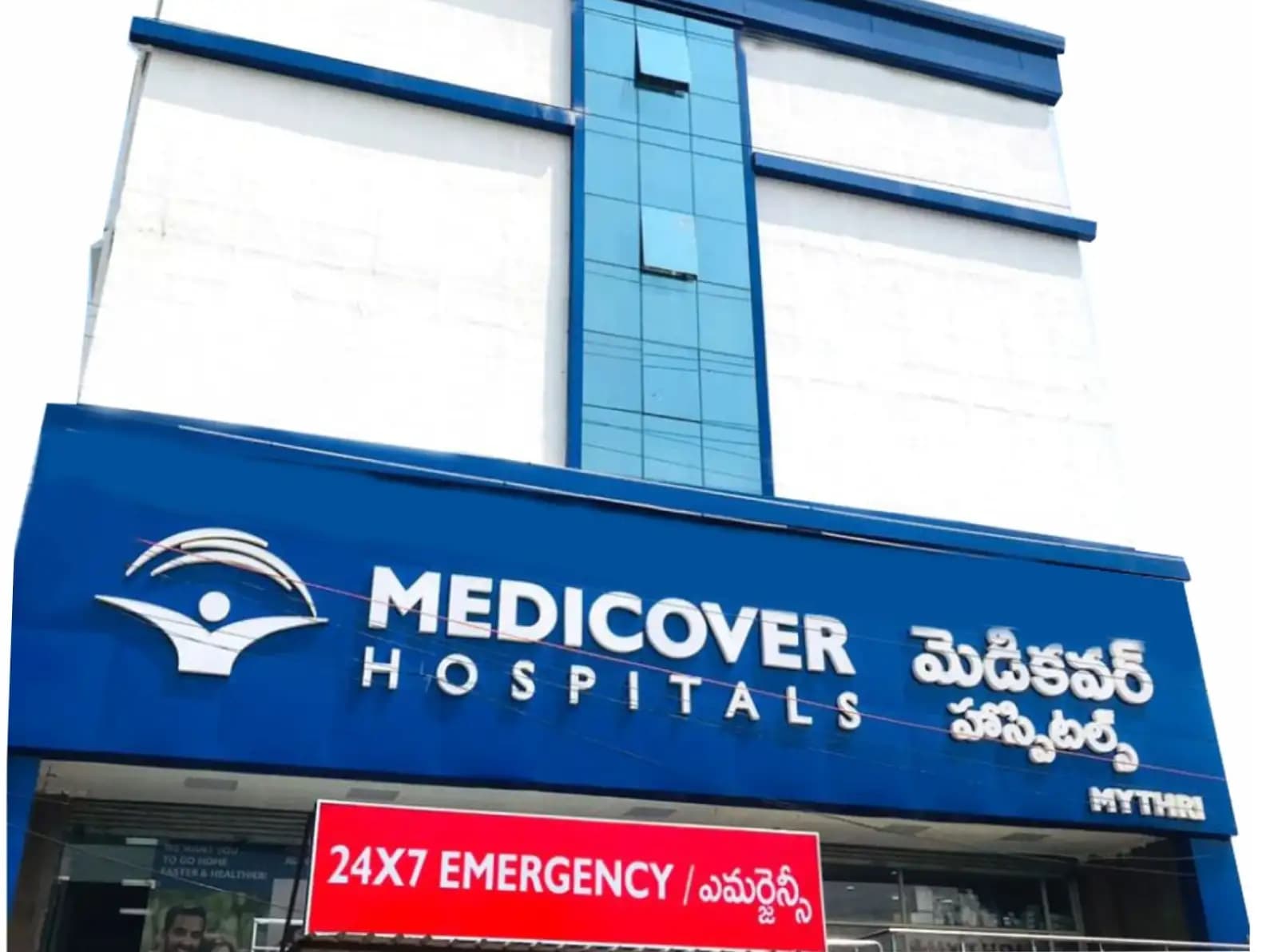
Medicover Hospitals – Best in Chandanagar, Hyderabad
- Beds
- 200
Neurosurgery at Medicover Hospitals
Neurosurgery focuses on the diagnosis and surgical management of conditions affecting the brain, spinal cord, spine and peripheral nerves. This page represents Neurosurgery at Medicover Hospitals in Chandanagar, Hyderabad, and is intended for patients looking for specialist evaluation and neurosurgical care in the area. Patients can explore information about common brain and spine conditions, diagnostic evaluation, treatment approaches, surgical procedures and what to expect during a neurosurgery consultation. Medicover Hospitals' Chandanagar location lists Neurosurgery among its specialties and provides access to specialist care alongside diagnostic and hospital services.
Neurosurgery at Medicover Hospitals, Hyderabad
Neurosurgery is a specialised branch of medicine concerned with conditions affecting the brain, spinal cord, spine and peripheral nerves. Although the name includes "surgery," a neurosurgical consultation does not automatically mean that an operation is required. A neurosurgeon first evaluates the patient's symptoms, medical history, examination findings and diagnostic results before determining whether surgery, non-surgical management, observation or another specialist opinion is appropriate.
For patients searching for neurosurgery in Hyderabad, location and access to appropriate specialist evaluation can be important, particularly when symptoms involve the brain or spine. Medicover Hospitals in Chandanagar, Hyderabad, lists Neurosurgery as one of its available specialties. The hospital is located near BHEL Circle in Chanda Nagar, Ramachandrapuram, Hyderabad. Its published hospital information also lists CT and MRI services, operating facilities and 24x7 emergency care.
The neurosurgery service is relevant to people seeking assessment for conditions such as brain and spinal tumors, head or spinal injuries, nerve compression, hydrocephalus, certain vascular conditions and disorders of the spine. The appropriate treatment depends on the underlying diagnosis, severity, overall health and individual clinical circumstances.
Neurosurgery Services and Areas of Care
Neurosurgical care can involve both planned consultations and urgent assessment. The exact approach depends on whether the underlying problem affects the brain, spine, spinal cord or peripheral nerves.
Major areas that may be considered during a neurosurgical evaluation include:
Brain and Cranial Conditions
Neurosurgeons may evaluate structural conditions involving the brain, including certain brain tumors, hydrocephalus, traumatic brain injuries and selected conditions affecting the blood vessels of the brain.
Some patients may be referred for neurosurgical assessment after abnormal findings on CT or MRI scans, persistent neurological symptoms, or following an injury.
Spine and Spinal Cord Care
Spinal neurosurgery covers conditions affecting the cervical, thoracic and lumbar spine, particularly when there is pressure on the spinal cord or nerves.
Examples include selected cases of:
- Disc herniation or slipped discs
- Cervical and lumbar spondylosis
- Spinal stenosis
- Spondylolisthesis
- Spinal deformities
- Spinal tumors
- Spinal injuries
- Conditions causing nerve compression
Not every spinal condition requires surgery. Depending on the diagnosis, treatment may involve medication, physiotherapy, injections, observation or other non-operative measures before surgery is considered.
Nerve-Related Conditions
Some conditions involving peripheral or cranial nerves may also require neurosurgical assessment. One example is trigeminal neuralgia, a condition that can cause severe facial pain. In selected patients, procedures such as microvascular decompression may be considered.
Conditions Treated Under Neurosurgery
Neurosurgery covers a broad range of disorders. The conditions treated depend on the individual neurosurgeon's scope of practice and the hospital's available services.
Brain Tumors
Brain tumors may be benign or malignant and can produce symptoms depending on their location, size and effect on surrounding brain structures. Possible symptoms include headaches, seizures, changes in vision, weakness, speech difficulties or changes in coordination.
Evaluation commonly involves neurological assessment and brain imaging. When surgery is appropriate, the aim may include obtaining tissue for diagnosis, reducing pressure or removing as much of the tumor as safely possible.
Head Injuries
Head trauma can range from relatively minor injuries to serious traumatic brain injuries. Severe trauma may require urgent assessment to identify bleeding, swelling, skull injuries or other complications.
Patients with significant head injuries, loss of consciousness, repeated vomiting, worsening headache, seizures, confusion, weakness or other concerning neurological symptoms require prompt medical attention.
Spine and Disc Disorders
Disc problems and degenerative changes in the spine can sometimes compress nerves or the spinal cord. Symptoms may include back or neck pain, radiating pain, numbness, tingling or weakness.
Surgery is generally considered when there is an appropriate structural problem and symptoms do not respond adequately to conservative treatment, or when significant neurological compression requires intervention.
Hydrocephalus
Hydrocephalus occurs when an abnormal accumulation of cerebrospinal fluid increases pressure within the brain. Its causes and treatment vary by age and underlying condition.
Management may involve monitoring or procedures to restore appropriate cerebrospinal fluid circulation or drainage, depending on the clinical situation.
Trigeminal Neuralgia and Facial Pain
Trigeminal neuralgia can cause sudden, severe, electric-shock-like facial pain. Medication is commonly considered first, while selected patients with persistent or medication-resistant symptoms may be evaluated for procedural or surgical treatment.
Spinal Tumors and Other Complex Spinal Conditions
Some tumors and structural abnormalities affecting the spine or spinal cord require specialist assessment. Treatment planning may involve neurosurgery, oncology, radiology, neurology and rehabilitation professionals depending on the diagnosis.
Medicover's published Chandanagar neurosurgery information identifies brain and spine tumors, head and spine injuries, hydrocephalus, trigeminal neuralgia and several spinal disorders among the conditions and treatments associated with its neurosurgical service.
Neurosurgery Treatments and Procedures
Neurosurgical treatment is highly individualised. The procedure selected depends on the location and nature of the condition, symptoms, imaging findings, previous treatment and the patient's overall health.
Potential neurosurgical approaches include:
- Brain tumor surgery
- Surgery for selected pituitary tumors
- Treatment of hydrocephalus
- Surgery for certain cerebrovascular conditions
- Microvascular decompression for selected cases of trigeminal neuralgia
- Endoscopic brain and spine procedures
- Microscopic spine and disc surgery
- Cervical disc replacement in appropriate cases
- Surgery for selected spinal deformities
- Surgery for spondylolisthesis
- Procedures for selected spinal injuries
- Craniovertebral junction surgery
- Selected pediatric neurosurgical procedures
The neurosurgeon may also recommend less invasive or non-operative interventions where appropriate. Medicover's published profile for Dr. (Lt Col) Sreenivas Mukkamala specifically lists endoscopic and minimally invasive brain, spine and nerve surgery, along with procedures including endoscopic/microscopic disc surgery, cervical disc replacement, craniovertebral junction surgery, spondylolisthesis surgery and selected pediatric neurosurgical procedures.
The availability and suitability of any procedure should be confirmed during consultation. A procedure should not be selected solely because it is minimally invasive or technically advanced; the appropriate approach depends on the patient's diagnosis and clinical needs.
Neurosurgery Diagnostic and Evaluation Services
Accurate diagnosis is an important part of neurosurgical decision-making. Depending on the symptoms and suspected condition, evaluation may involve:
- Detailed medical and neurological history
- Physical and neurological examination
- CT scans
- MRI scans
- X-rays where clinically appropriate
- Evaluation of previous imaging
- Laboratory investigations when relevant
- Additional specialist assessments when required
Medicover Hospitals' Chandanagar facility publicly lists CT and MRI scanning among its diagnostic facilities.
Imaging can help identify structural abnormalities such as tumors, bleeding, fractures, disc problems, spinal compression or other changes. However, imaging findings need to be interpreted alongside symptoms and clinical examination rather than considered in isolation.
When Should You See a Neurosurgery Specialist?
A neurosurgical consultation may be appropriate when a patient has been referred for a condition involving the brain, spine, spinal cord or nerves, particularly when structural disease or surgical treatment needs to be considered.
Examples include:
- Persistent or worsening symptoms associated with a diagnosed brain or spine condition
- Significant weakness or loss of sensation
- Persistent neck or back pain accompanied by neurological symptoms
- Pain radiating into an arm or leg with weakness or numbness
- Known or suspected brain or spinal tumor
- Certain head or spinal injuries
- Hydrocephalus
- Persistent symptoms from nerve compression
- Trigeminal neuralgia or severe facial pain
- A neurological condition for which surgery has been recommended
- The need for a second opinion about a proposed neurosurgical procedure
Sudden weakness, difficulty speaking, loss of consciousness, seizures, severe head injury, sudden severe neurological changes or other potentially life-threatening symptoms require urgent medical assessment rather than waiting for a routine appointment.
What to Expect During a Neurosurgery Consultation
A neurosurgery appointment generally begins with a discussion of the patient's symptoms, medical history and previous treatment.
1. Medical History
The specialist may ask when symptoms began, how they have changed, what makes them better or worse, and whether there have been previous injuries, surgeries or neurological problems.
2. Neurological Examination
Depending on the complaint, the examination may assess strength, sensation, reflexes, coordination, balance, gait and other neurological functions.
3. Review of Diagnostic Reports
If the patient has already undergone CT, MRI, X-ray or other investigations, the neurosurgeon may review the reports and images to understand the underlying problem.
4. Discussion of Treatment Options
Depending on the diagnosis, treatment may range from observation and medication to physiotherapy, injections, minimally invasive procedures or open surgery.
5. Follow-Up Planning
If treatment is not immediately required, the specialist may recommend monitoring and follow-up. If surgery is being considered, the patient may receive information about the procedure, preparation, expected recovery and potential risks.
Patients should feel comfortable asking questions about the diagnosis, alternatives, expected recovery, risks and follow-up requirements before making treatment decisions.
Why Choose Neurosurgery Care at Medicover Hospitals?
When selecting a neurosurgery hospital in Hyderabad, patients should consider the availability of the appropriate specialist, diagnostic evaluation, surgical support, emergency care and follow-up services.
Medicover Hospitals' Chandanagar facility lists Neurosurgery among its specialties and publishes information about CT and MRI facilities, operating facilities and 24x7 emergency care.
The hospital's published neurosurgery information also identifies care for brain, spine and nerve conditions and describes coordination with other clinical teams.
These are useful considerations for patients, but treatment decisions should be based on the individual's diagnosis and the recommendation of the treating medical team.
Neurosurgery Doctors and Specialists
A neurosurgeon is a specialist trained to evaluate and manage disorders affecting the brain, spine, spinal cord and nerves. Neurosurgeons may work closely with neurologists, radiologists, anesthesiologists, intensivists, physiotherapists and other specialists depending on the patient's condition.
Medicover Hospitals currently lists Dr. (Lt Col) Sreenivas Mukkamala as a neurosurgeon practising at its Chandanagar location. His published profile identifies his area of specialisation as endoscopic and minimally invasive brain, spine and nerve surgery and lists an MCh in Neurosurgery from AIIMS, New Delhi, with 18+ years of experience.
His listed areas of clinical work include head and spine injuries, brain and spine tumors, pituitary tumor surgery, hydrocephalus management, microvascular decompression for trigeminal neuralgia, disc surgery and several complex spinal procedures.
Patients should verify the doctor's current availability, consultation schedule and suitability for their particular condition before booking an appointment.
Neurosurgery Care in Hyderabad
For people looking for neurosurgery in Hyderabad, local access can be especially important when care involves repeated consultations, diagnostic imaging, surgery or rehabilitation.
Medicover Hospitals' Chandanagar location is at Door No. 22, opposite Gandemma Temple, near BHEL Circle Road, Chanda Nagar, Ramachandrapuram, Hyderabad, Telangana 502032.
The Chandanagar area can be relevant to patients searching for a neurosurgeon in Chandanagar, brain and spine care near BHEL, or neurosurgical consultation in the western part of Hyderabad. Medicover's own Chandanagar doctor directory also identifies nearby localities including Miyapur, Madinaguda, RC Puram, BHEL and Lingampalli as areas from which patients access the hospital.
For patients who need ongoing care, factors such as travel time, appointment availability, access to diagnostic services and the ability to return for follow-up may be worth considering.
How to Choose the Right Neurosurgery Hospital or Specialist
Choosing a neurosurgical provider is an important decision. Rather than focusing only on online rankings, patients can consider several practical factors:
Relevant Specialist Experience
Look for a neurosurgeon whose clinical practice is relevant to the condition being evaluated—for example, brain tumors, spinal disorders, trauma, vascular neurosurgery or nerve-related conditions.
Appropriate Diagnostic Evaluation
Ask whether the provider can arrange the imaging and investigations needed to evaluate the suspected condition.
Treatment Options
A good consultation should explain whether surgery is necessary and what non-surgical or alternative options may be appropriate.
Multidisciplinary Care
Complex neurological conditions may require input from neurology, radiology, critical care, oncology, rehabilitation or other specialties.
Emergency Support
For conditions involving significant head trauma or acute neurological deterioration, access to emergency medical assessment can be an important consideration.
Follow-Up and Recovery
Patients should understand what follow-up appointments, rehabilitation or monitoring may be needed after treatment.
Communication
The specialist should explain the diagnosis, proposed treatment, expected benefits, potential risks and alternatives in language the patient and family can understand.
Frequently Asked Questions About Neurosurgery
What does a neurosurgeon treat?
A neurosurgeon evaluates and treats selected conditions affecting the brain, spinal cord, spine and nerves. These may include brain and spinal tumors, head and spine injuries, hydrocephalus, nerve compression and certain conditions requiring surgical treatment.
When should I see a neurosurgery specialist?
You may be referred to a neurosurgeon when investigations suggest a structural problem involving the brain or spine, when significant nerve or spinal cord compression is suspected, after certain injuries, or when surgery is being considered.
Does seeing a neurosurgeon always mean I need surgery?
No. A consultation is an assessment of whether surgery is appropriate. Depending on the diagnosis, the specialist may recommend observation, medication, physiotherapy, injections, further testing or surgery.
What conditions may require brain surgery?
Some brain tumors, hydrocephalus, certain vascular conditions, selected traumatic injuries and other structural disorders may require surgery. The need for an operation depends on the individual diagnosis and clinical findings.
What types of spine problems can a neurosurgeon treat?
Neurosurgeons may evaluate selected disc disorders, spinal stenosis, spondylolisthesis, spinal tumors, spinal injuries, spinal cord compression and certain spinal deformities. Treatment depends on the underlying condition.
How are brain and spine conditions diagnosed?
Diagnosis may involve medical history, neurological examination and imaging such as CT or MRI. Additional investigations may be recommended depending on the suspected condition.
Is minimally invasive neurosurgery suitable for everyone?
No. Minimally invasive techniques are appropriate only for selected conditions and patients. The recommended surgical approach depends on the anatomy, diagnosis, symptoms and overall health of the patient.
How do I choose a neurosurgery hospital in Hyderabad?
Consider the relevant specialist's experience, diagnostic services, treatment options, emergency support where appropriate, hospital infrastructure, follow-up arrangements and accessibility. It is also useful to ask questions about the proposed treatment before making a decision.
What should I bring to a neurosurgery consultation?
Bring previous medical records, imaging reports and scans, medication details, relevant laboratory reports and information about previous surgeries or treatments. A written list of symptoms and questions can also make the consultation more productive.
How can I book a neurosurgery consultation at Medicover Hospitals, Chandanagar?
Patients can check the hospital's current neurosurgery doctor listings and appointment options before visiting. The currently published Chandanagar neurosurgery listing includes Dr. (Lt Col) Sreenivas Mukkamala.
Best Neurosurgery Doctors at Medicover Hospitals, Chandanagar
Consult with our highly experienced experts at Medicover Hospitals.
 Neurosurgery
Dr (Lt Col) Sreenivas Mukkamala
Neurosurgery Treatments
Brain Tumor Surgery
Advanced treatment available at Medicover Hospitals.
Aneurysm Clipping / Coiling
Advanced treatment available at Medicover Hospitals.
Epilepsy Surgery
Advanced treatment available at Medicover Hospitals.
Deep Brain Stimulation (dbs)
Advanced treatment available at Medicover Hospitals.
Endoscopic Neurosurgery
Advanced treatment available at Medicover Hospitals.
Frequently Asked Questions About Neurosurgery
What types of neurosurgery procedures are performed at Medicover Hospitals?
We perform a wide range of neurosurgery procedures, from routine diagnostics to complex surgeries, using the latest medical technologies.
How can I book an appointment for Neurosurgery at Medicover Hospitals?
You can book an appointment through the Siris Healthcare platform by clicking the "Get Free Estimate" button or contacting our 24/7 helpline.
Other Medical Specialties at Medicover Hospitals Chandanagar
Get Expert Neurosurgery Care at Medicover Hospitals, Chandanagar
Schedule a consultation with our top specialists and get a personalized treatment plan with a free cost estimate.
Top Specialities at Medicover Hospitals Chandanagar
- Cardiology Department
- General Medicine Department
- Critical care Department
- orthopedic Department
- Neurology Department
- Neurosurgery Department
- Gastroenterology Department
- General Surgery Department
- Laparoscopic Gynecology Department
- Pediatrics Department
- Urology Department
- Pulmonology Department
- Oncology Department
- Emergency medicine Department
- Anesthesiology Department
- Psychiatric Department
- Radiology Department
- Hepatology Department
- Andrology Department
- Physiotherapy Department
- Plastic Surgery Department
Best Hospitals in Hyderabad
- Aarogyam Dental Care Madhapur
- Aig Hospitals Gachibowli
- Amor Hospitals Kukatpally
- Apollo Hospitals Jubilee Hills
- Aster Hospitals Ameerpet
- Avasa Hospitals Manikonda
- Bhoomi Hospitals Manikonda
- Care Hospitals Banjara Hills
- Citizens Specialty Hospital Nallagandla
- Cloudnine Hospital Hitec City
- Derma 360 Madhapur
- Dr. Arya's Multispecialty Dental Hospital Banjara Hills
- Dr. Gowd's Dental Gachibowli
- Dr. Gowd's Dental Madhapur
- Dr. Gowd's Dental Koti
- Dr. Gowd's Dental Nanakramguda
- Dr. Gupta's Integrated Wellness Centre Bowenpally
- Greenmed Hospital Srinagar Colony
- Health On Us Madhapur
- Kamineni Hospitals Lb Nagar
Medical Services in India
Best Multispeciality Hospitals in Hyderabad
- Aig Hospitals Gachibowli
- Apollo Hospitals Jubilee Hills
- Aster Hospitals Ameerpet
- Avasa Hospitals Manikonda
- Bhoomi Hospitals Manikonda
- Care Hospitals Banjara Hills
- Citizens Specialty Hospital Nallagandla
- Cloudnine Hospital Hitec City
- Kamineni Hospitals Lb Nagar
- Kims - Arete Hitec City
- Kims - Sunshine Hospitals Begumpet
- Kims Asian Transcare Banjara Hills
- Kims Hospitals Secunderabad
- Kims Hospitals Kondapur
- Kims Hospitals Gachibowli
- Kims Hospitals Kompally
- Kims Mippl Paradise Circle
- Kiran Multispeciality Hospital Karmanghat
- Mythri Hospitals Mehdipatnam
- Olive Hospitals Mehdipatnam
Topics related to Medicover Hospitals
Abnormal Periods: Common Causes and When to See a Gynecologist
Periods do not always arrive on exactly the same day every month. Stress, change...
Chemotherapy Side Effects: Common Problems and Ways Patients Can Manage Them
An ultrasound scan, also called sonography, is one of the most commonly used dia...
Ultrasound Scan: What Can It Detect and When Do Doctors Recommend It?
An ultrasound scan, also called sonography, is one of the most commonly used dia...
Acidity, Bloating and Indigestion: When Do Digestive Symptoms Need Medical Evaluation?
Digestive discomfort is common. Almost everyone experiences acidity, bloating or...
Fracture Treatment: When Is a Cast Enough and When Is Surgery Considered?
Almost everyone experiences a headache at some point. Sometimes it is related to...
Migraine vs Headache: How Can You Tell When Neurological Evaluation Is Needed?
Almost everyone experiences a headache at some point. Sometimes it is related to...
Enlarged Prostate Symptoms: When Should You See a Urologist?
An enlarged prostate is a common reason men develop urinary problems, particular...
Fatty Liver Disease: Symptoms, Diagnosis, Stages and Treatment Options
Fatty liver disease is increasingly recognized during routine health checkups, b...
2D Echo Test: What Does It Detect and When Do You Need One?
A 2D Echo test, also called 2D echocardiography or a 2D echocardiogram, is a com...
MRI vs CT Scan: What Is the Difference and When Do You Need Each Test?
If your doctor has recommended an MRI scan or CT scan, it is natural to wonder w...