
Orthopedic at Medicover Hospitals, Chandanagar, Hyderabad
Explore Orthopedic services, treatments, diagnostic care and related doctors at Medicover Hospitals.
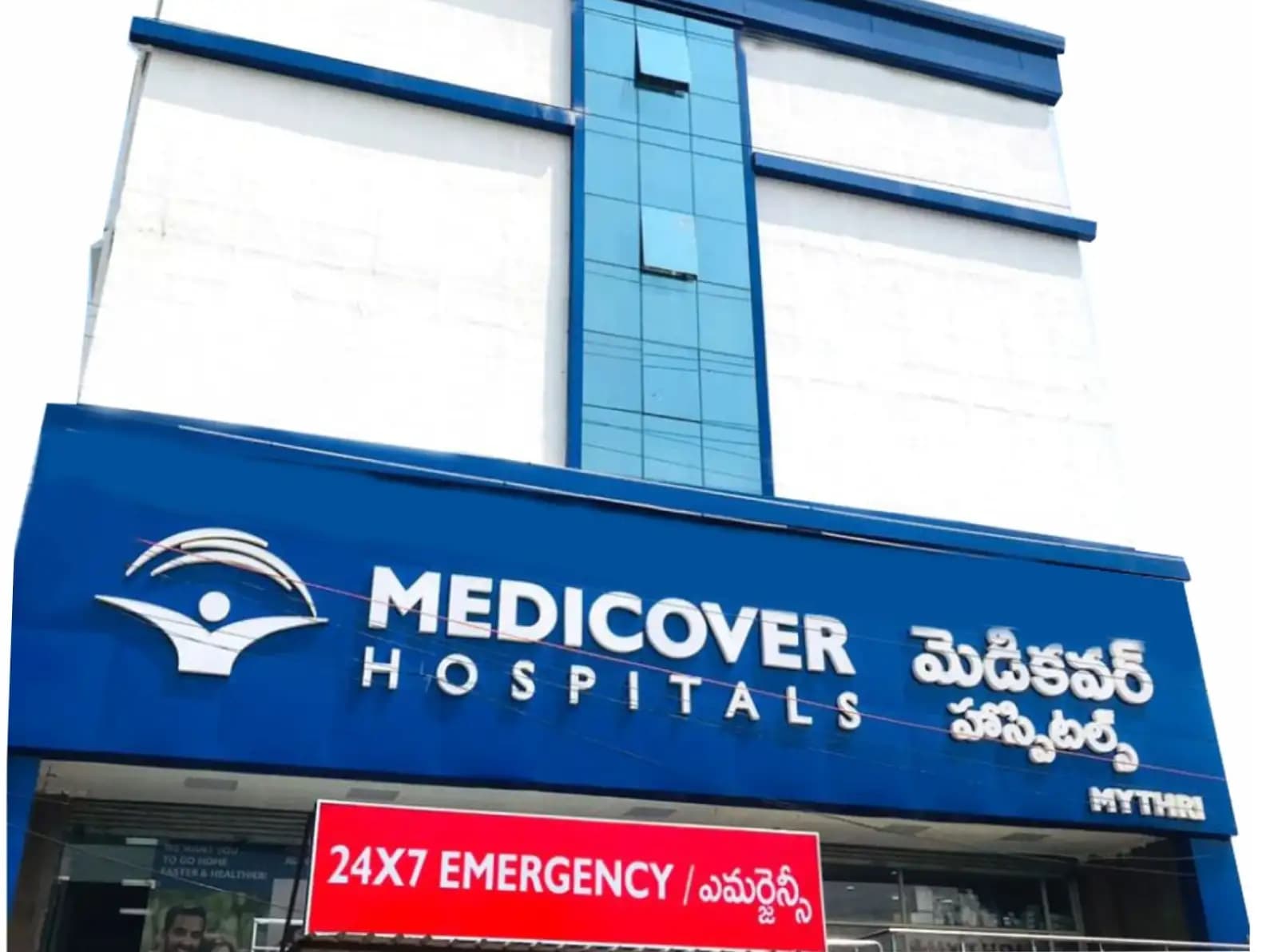
Medicover Hospitals – Best in Chandanagar, Hyderabad
- Beds
- 200
Orthopedic Care at Medicover Hospitals
Orthopedic care focuses on conditions affecting the bones, joints, muscles, ligaments and other structures that support movement. At Medicover Hospitals, Chandanagar, Hyderabad, patients can explore orthopedic consultation and care for concerns such as joint pain, fractures, sports injuries, arthritis, spine-related problems and mobility difficulties. The hospital’s published orthopedic services include evaluation and treatment options such as fracture care, knee and hip replacement, arthroscopy, sports injury management and spine care. Diagnostic support listed for the Chandanagar facility includes X-ray, MRI, CT, bone-density testing and physiotherapy assessment.
Orthopedic at Medicover Hospitals, Hyderabad
Orthopedic medicine deals with the diagnosis and management of conditions involving the musculoskeletal system—the bones, joints, muscles, ligaments, tendons and related structures that help the body move and remain stable.
For patients searching for orthopedic care in Hyderabad, Medicover Hospitals, Chandanagar provides a local option for evaluation of common and complex bone-and-joint concerns. The hospital's published orthopedic information covers conditions ranging from fractures and sports injuries to arthritis, joint problems and spine-related conditions. Its Chandanagar orthopedic service also lists treatment areas including knee and hip replacement, arthroscopy, fracture care, sports injury treatment, spine care and pediatric orthopedics.
The Chandanagar hospital is located near BHEL Circle in Ramachandrapuram, Hyderabad. Its published facility information lists diagnostic and supporting services including X-ray, CT and MRI, physiotherapy and a 24×7 emergency care unit.
Orthopedic treatment is not limited to surgery. Depending on the underlying condition, treatment may include activity modification, medication, physiotherapy, rehabilitation, injections or other non-surgical measures. Surgery may be considered when conservative treatment is insufficient or when the nature of an injury or structural problem makes an operation appropriate.
A patient-centred approach to orthopedic care
Bone and joint problems can affect everything from walking and climbing stairs to working, exercising and sleeping comfortably. A useful orthopedic evaluation therefore looks beyond a single symptom and considers the patient's medical history, physical findings, lifestyle, activity level and diagnostic results.
Treatment depends on the underlying condition, its severity and the individual's overall health. Patients should discuss the available options, expected recovery and potential risks with a qualified orthopedic professional.
Orthopedic Services and Areas of Care
The orthopedic department at Medicover Hospitals, Chandanagar covers several areas of musculoskeletal care. The hospital's published specialty information identifies the following areas:
- Joint pain and arthritis care: Evaluation of painful or stiff joints, including knee, hip and shoulder problems.
- Fracture and trauma care: Assessment and management of bone injuries, including more complex fractures.
- Joint replacement: Published services include knee and hip replacement procedures.
- Arthroscopy: Minimally invasive joint procedures used for selected problems involving structures such as ligaments, cartilage and other joint tissues.
- Sports injury care: Evaluation and treatment of sprains, ligament injuries, muscle injuries and other activity-related problems.
- Spine care: Assessment and management of selected back, neck and spine-related conditions.
- Pediatric orthopedics: Orthopedic evaluation for children with certain bone, joint, trauma or growth-related conditions.
- Bone health: Assessment of conditions such as osteoporosis and reduced bone strength.
The exact treatment recommended varies from patient to patient. Not every patient with the same diagnosis requires the same procedure.
Conditions Treated Under Orthopedic Care
Orthopedic specialists manage a broad range of conditions affecting movement and the musculoskeletal system.
Knee and Hip Problems
Knee and hip complaints are common reasons for an orthopedic consultation. Osteoarthritis, cartilage damage, injuries and other structural problems can cause pain, stiffness and difficulty with everyday movement.
Depending on the diagnosis, management may involve physiotherapy, medicines, activity modification, injections, joint-preserving approaches or joint replacement surgery.
Arthritis and Joint Degeneration
Arthritis can cause pain, swelling, stiffness and reduced mobility. Osteoarthritis is particularly common in weight-bearing joints such as the knees and hips.
An orthopedic evaluation helps determine the source and extent of joint damage and whether non-surgical or surgical management is appropriate.
Fractures and Orthopedic Trauma
Fractures can range from relatively straightforward injuries to complex breaks involving joints, multiple bones or surrounding soft tissues.
Orthopedic assessment may include imaging to understand the location and pattern of the fracture. Depending on the injury, treatment may involve immobilisation, reduction, casting or splinting, or surgical fixation.
Medicover's Chandanagar orthopedic information specifically lists fracture care and complex fracture management among its services.
Sports and Activity-Related Injuries
Sports injuries can involve muscles, tendons, ligaments, cartilage or bones. Common examples include ligament injuries, sprains, strains and certain overuse conditions.
The appropriate treatment depends on the tissue involved and the severity of the injury. Rehabilitation and gradual return to activity are often important parts of recovery.
Spine and Back Conditions
Back and neck symptoms can arise from several causes. The hospital's published orthopedic service information includes spine care for conditions such as back pain and slipped discs.
Persistent pain, weakness, numbness, difficulty walking or symptoms following an injury warrant professional evaluation rather than prolonged self-treatment.
Pediatric Orthopedic Conditions
Children may develop orthopedic problems related to injuries, growth or congenital and developmental conditions. Pediatric orthopedic assessment takes the child's age, growth stage and functional development into consideration.
Medicover Chandanagar's published orthopedic information includes pediatric orthopedics among its areas of care.
Osteoporosis and Bone Health
Osteoporosis reduces bone strength and can increase fracture risk. Assessment may include a bone-density test when clinically appropriate, together with evaluation of other risk factors.
The goal is not simply to treat a fracture after it occurs, but to identify and address factors that may contribute to future bone problems.
Orthopedic Treatments and Procedures
Orthopedic treatment ranges from conservative management to surgical intervention.
Non-Surgical Orthopedic Treatment
Depending on the diagnosis, non-operative care may include:
- Medicines for pain and inflammation when appropriate
- Physiotherapy and targeted exercises
- Activity modification
- Weight-management and lifestyle measures where relevant
- Bracing, splinting or other supportive devices
- Rehabilitation following injury
- Selected injections or joint-preserving approaches
The suitability of any treatment should be determined following clinical assessment.
Fracture Treatment and Fixation
Some fractures can be managed without surgery, while others require reduction and fixation to restore alignment and stability.
Surgical fixation can involve plates, screws, rods or other fixation methods depending on the type and location of the fracture. The choice depends on factors such as fracture pattern, bone quality, age, associated injuries and overall health.
Knee and Hip Replacement
Joint replacement may be considered when severe joint damage causes persistent pain and significantly affects daily function despite appropriate non-surgical management.
Medicover Hospitals, Chandanagar lists knee and hip replacement among its orthopedic treatments.
Joint replacement is not automatically required for every person with arthritis. An orthopedic specialist considers symptoms, imaging findings, functional limitations, previous treatment and individual health factors before recommending surgery.
Arthroscopy
Arthroscopy is a minimally invasive technique in which a small camera is introduced into a joint through a small incision. It can be used for selected diagnostic and therapeutic procedures involving joints.
The Chandanagar orthopedic department lists arthroscopy among its treatment options.
Spine-Related Treatment
Treatment for spine conditions varies considerably. Some patients may benefit from physiotherapy, medicines and activity modification, while others may require specialist procedures or surgery.
A proper diagnosis is important before deciding on treatment because back or neck pain can have multiple causes.
Trauma and Complex Orthopedic Care
More complicated injuries may require coordinated evaluation, imaging, fracture fixation, rehabilitation and follow-up. The Chandanagar orthopedic service lists trauma and complex fracture care among its areas of treatment.
Orthopedic Diagnostic and Evaluation Services
Accurate diagnosis is an important part of orthopedic treatment. Depending on symptoms and clinical findings, an orthopedic specialist may recommend imaging or other assessments.
Medicover Hospitals, Chandanagar's published orthopedic information lists:
- X-ray: Commonly used to assess fractures, alignment and changes in bones and joints.
- MRI: Useful for evaluating soft tissues such as ligaments, tendons, cartilage and muscles, as well as selected spinal and joint problems.
- CT scan: Provides detailed cross-sectional images and can be particularly useful in evaluating complex fractures.
- Bone-density testing: Helps assess bone mineral density and osteoporosis risk.
- Physiotherapy assessment: Helps evaluate movement, strength, function and rehabilitation needs.
The hospital's broader Chandanagar facility page also lists CT, MRI, X-ray and physiotherapy among its available services.
Not every orthopedic problem requires every test. A specialist generally selects investigations according to the patient's symptoms, examination findings and suspected diagnosis.
When Should You See an Orthopedic Specialist?
An orthopedic consultation may be appropriate when pain, stiffness or restricted movement continues or interferes with normal activities.
Consider seeking professional evaluation for symptoms such as:
- Persistent knee, hip, shoulder, back or neck pain
- Recurrent joint swelling or stiffness
- Difficulty walking or bearing weight
- Reduced range of motion
- Pain following a fall, accident or sports injury
- Suspected fracture or dislocation
- Repeated joint instability
- Persistent pain despite initial home care
- Numbness, tingling or weakness associated with musculoskeletal symptoms
- Difficulty performing normal daily activities because of joint or bone problems
Urgent medical attention is particularly important after significant trauma, suspected fracture or dislocation, or when there is severe pain, major swelling, visible deformity, loss of function or other concerning symptoms.
What to Expect During an Orthopedic Consultation
An orthopedic consultation generally begins with a discussion of the patient's symptoms and medical history.
1. Medical History
The specialist may ask when the problem began, whether it followed an injury, what activities make it better or worse, and whether previous treatment has helped.
2. Physical Examination
Depending on the problem, the doctor may assess swelling, tenderness, range of motion, muscle strength, joint stability, gait and other relevant physical findings.
3. Diagnostic Evaluation
Imaging or other investigations may be recommended when needed. Previous X-rays, MRI scans, laboratory reports or treatment records can be useful during the appointment.
4. Discussion of Treatment Options
Once the likely cause has been assessed, the doctor can explain appropriate treatment choices. These may range from conservative management and rehabilitation to procedures or surgery.
5. Follow-Up and Rehabilitation
For injuries and surgical conditions, follow-up can be an important part of care. Rehabilitation may focus on restoring movement, strength, balance and function.
Patients should feel comfortable asking about recovery time, activity restrictions, rehabilitation requirements, warning signs and when they should return for review.
Why Choose Orthopedic Care at Medicover Hospitals?
When selecting an orthopedic hospital in Hyderabad, patients often want access to appropriate specialists, diagnostic support, treatment options and follow-up care in one location.
Medicover Hospitals, Chandanagar publicly lists an orthopedic department covering joint problems, fractures, sports injuries, spine care and joint replacement. The hospital also lists X-ray, CT, MRI and physiotherapy services at its Chandanagar facility.
The facility's published information also identifies a 24×7 emergency care unit, which can be relevant when orthopedic problems arise after accidents or other urgent events.
The hospital states that its Chandanagar facility is NABH accredited.
These published features can help patients understand the type of care available, but the most appropriate hospital or specialist depends on the individual's medical needs, diagnosis, urgency, insurance considerations and preferred location.
Orthopedic Doctors and Specialists
An orthopedic specialist diagnoses and manages conditions affecting bones, joints, muscles, ligaments, tendons and related structures. Depending on the problem, patients may see an orthopedic surgeon, joint replacement specialist, trauma specialist, arthroscopy specialist or another orthopedic subspecialist.
Medicover's current Chandanagar doctor listings identify Dr. Varun Teja, Consultant Orthopaedic and Joint Replacement Surgeon, with a stated focus on arthroscopy and joint replacement surgery. The hospital lists him as practicing at its Chandanagar location.
The same Chandanagar listings identify Dr. Shashivardhan, Consultant Trauma and Joint Replacement Surgeon. His published areas of expertise include knee and hip replacement, complex trauma, fracture fixation and selected pediatric orthopedic conditions.
Doctor availability, consultation timings and services can change. Patients should confirm current details when booking an appointment.
Orthopedic Care in Hyderabad and Chandanagar
For people searching for an orthopedic hospital in Hyderabad, location can be an important practical consideration, particularly when treatment requires multiple visits, physiotherapy or postoperative follow-up.
Medicover Hospitals, Chandanagar is located at Door No. 22, opposite Gandemma Temple, near BHEL Circle Road, Chanda Nagar, Ramachandrapuram (BHEL Township), Hyderabad, Telangana 502032, according to the hospital's published location information.
The hospital's Chandanagar doctor information identifies orthopedic specialists practicing at this location.
Patients searching for orthopedic care in Chandanagar may be looking for help with knee pain, arthritis, fractures, sports injuries, back problems or joint replacement. Choosing a nearby specialist can make ongoing appointments and rehabilitation easier, but convenience should be considered alongside clinical suitability.
How to Choose the Right Orthopedic Hospital or Specialist
When comparing orthopedic hospitals or doctors in Hyderabad, consider the following:
Relevant Specialist Experience
Look for a specialist whose clinical focus matches your problem—for example, joint replacement for advanced joint disease or trauma expertise for complex fractures.
Appropriate Diagnostic Support
Ask whether the hospital has access to the investigations that may be relevant to your condition, such as X-ray, MRI, CT or bone-density testing.
Range of Treatment Options
A good consultation should consider appropriate non-surgical and surgical options rather than assuming that surgery is always necessary.
Rehabilitation and Follow-Up
Orthopedic recovery may extend beyond the initial treatment. Physiotherapy, rehabilitation and follow-up can be important after injuries and procedures.
Emergency Support
For patients with a risk of acute injury or trauma, access to emergency medical services may be an important consideration.
Communication
A useful consultation should give patients an opportunity to understand their diagnosis, treatment choices, expected recovery and potential risks.
Location and Accessibility
For treatments involving repeated consultations or physiotherapy, choosing a conveniently located hospital can make continuing care easier.
Insurance and Costs
Before planned treatment, patients should ask about estimated costs, insurance coverage, cashless eligibility where applicable, hospital billing and any additional expenses.
Frequently Asked Questions About Orthopedic Care
1. What does an orthopedic specialist treat?
Orthopedic specialists treat conditions involving the bones, joints, muscles, ligaments, tendons and related structures. These can include fractures, arthritis, joint pain, sports injuries, spine-related problems and conditions requiring joint replacement.
2. When should I see an orthopedic doctor in Hyderabad?
Consider an orthopedic consultation if persistent pain, stiffness, swelling, restricted movement or difficulty walking is affecting your daily activities. An evaluation is also appropriate after significant injuries, suspected fractures or recurrent joint problems.
3. Does every orthopedic problem require surgery?
No. Treatment depends on the diagnosis and severity of the condition. Depending on the problem, management may include medicines, physiotherapy, activity modification, rehabilitation or other non-surgical approaches. Surgery is considered when clinically appropriate.
4. What conditions may require knee replacement?
Knee replacement may be considered for severe joint damage causing persistent pain and significant limitations in daily function, particularly when appropriate non-surgical treatments have not provided sufficient relief. An orthopedic specialist determines whether replacement is appropriate for an individual patient.
5. What is arthroscopy?
Arthroscopy is a minimally invasive technique that allows a specialist to examine and treat selected problems inside a joint using a small camera and specialised instruments. It may be used for certain ligament, cartilage and other joint conditions.
6. How are orthopedic conditions diagnosed?
Diagnosis usually begins with medical history and physical examination. Depending on the suspected condition, the specialist may recommend X-rays, MRI, CT, bone-density testing or other investigations.
7. Can I consult an orthopedic specialist for sports injuries?
Yes. Orthopedic specialists may evaluate sports-related injuries involving bones, joints, muscles, ligaments and other structures. Treatment can include rehabilitation, activity modification, medication or selected procedures depending on the injury.
8. What should I bring to an orthopedic appointment?
Bring previous medical records, imaging reports or scan discs if available, a list of current medicines, details of previous treatments and information about when your symptoms began. If the problem followed an injury, note how the injury occurred and what symptoms developed afterward.
9. Where can I find orthopedic doctors at Medicover Hospitals in Chandanagar?
Medicover Hospitals currently lists orthopedic specialists practicing at its Chandanagar location, including Dr. Varun Teja and Dr. Shashivardhan. Current doctor availability and appointment timings should be confirmed when booking.
10. How can I book an orthopedic consultation?
Patients can use the hospital's current appointment-booking system to check available orthopedic doctors and consultation slots. It is advisable to confirm the doctor's specialty, location, availability and consultation details before visiting.
Orthopedic Treatments
Knee Pain & Arthritis Care Package
Advanced treatment available at Medicover Hospitals.
Knee Replacement Treatment
Advanced treatment available at Medicover Hospitals.
Hip Replacement Treatment
Advanced treatment available at Medicover Hospitals.
Fracture & Trauma Care Package
Advanced treatment available at Medicover Hospitals.
Sports Injury & Arthroscopy Treatment
Advanced treatment available at Medicover Hospitals.
Frequently Asked Questions About Orthopedic
What types of orthopedic procedures are performed at Medicover Hospitals?
We perform a wide range of orthopedic procedures, from routine diagnostics to complex surgeries, using the latest medical technologies.
How can I book an appointment for Orthopedic at Medicover Hospitals?
You can book an appointment through the Siris Healthcare platform by clicking the "Get Free Estimate" button or contacting our 24/7 helpline.
Other Medical Specialties at Medicover Hospitals Chandanagar
Get Expert Orthopedic Care at Medicover Hospitals, Chandanagar
Schedule a consultation with our top specialists and get a personalized treatment plan with a free cost estimate.
Top Specialities at Medicover Hospitals Chandanagar
- Cardiology Department
- General Medicine Department
- Critical care Department
- orthopedic Department
- Neurology Department
- Neurosurgery Department
- Gastroenterology Department
- General Surgery Department
- Laparoscopic Gynecology Department
- Pediatrics Department
- Urology Department
- Pulmonology Department
- Oncology Department
- Emergency medicine Department
- Anesthesiology Department
- Psychiatric Department
- Radiology Department
- Hepatology Department
- Andrology Department
- Physiotherapy Department
- Plastic Surgery Department
Best Hospitals in Hyderabad
- Aarogyam Dental Care Madhapur
- Aig Hospitals Gachibowli
- Amor Hospitals Kukatpally
- Apollo Hospitals Jubilee Hills
- Aster Hospitals Ameerpet
- Avasa Hospitals Manikonda
- Bhoomi Hospitals Manikonda
- Care Hospitals Banjara Hills
- Citizens Specialty Hospital Nallagandla
- Cloudnine Hospital Hitec City
- Derma 360 Madhapur
- Dr. Arya's Multispecialty Dental Hospital Banjara Hills
- Dr. Gowd's Dental Gachibowli
- Dr. Gowd's Dental Madhapur
- Dr. Gowd's Dental Koti
- Dr. Gowd's Dental Nanakramguda
- Dr. Gupta's Integrated Wellness Centre Bowenpally
- Greenmed Hospital Srinagar Colony
- Health On Us Madhapur
- Kamineni Hospitals Lb Nagar
Medical Services in India
Best Multispeciality Hospitals in Hyderabad
- Aig Hospitals Gachibowli
- Apollo Hospitals Jubilee Hills
- Aster Hospitals Ameerpet
- Avasa Hospitals Manikonda
- Bhoomi Hospitals Manikonda
- Care Hospitals Banjara Hills
- Citizens Specialty Hospital Nallagandla
- Cloudnine Hospital Hitec City
- Kamineni Hospitals Lb Nagar
- Kims - Arete Hitec City
- Kims - Sunshine Hospitals Begumpet
- Kims Asian Transcare Banjara Hills
- Kims Hospitals Secunderabad
- Kims Hospitals Kondapur
- Kims Hospitals Gachibowli
- Kims Hospitals Kompally
- Kims Mippl Paradise Circle
- Kiran Multispeciality Hospital Karmanghat
- Mythri Hospitals Mehdipatnam
- Olive Hospitals Mehdipatnam
Topics related to Medicover Hospitals
Abnormal Periods: Common Causes and When to See a Gynecologist
Periods do not always arrive on exactly the same day every month. Stress, change...
Chemotherapy Side Effects: Common Problems and Ways Patients Can Manage Them
An ultrasound scan, also called sonography, is one of the most commonly used dia...
Ultrasound Scan: What Can It Detect and When Do Doctors Recommend It?
An ultrasound scan, also called sonography, is one of the most commonly used dia...
Acidity, Bloating and Indigestion: When Do Digestive Symptoms Need Medical Evaluation?
Digestive discomfort is common. Almost everyone experiences acidity, bloating or...
Fracture Treatment: When Is a Cast Enough and When Is Surgery Considered?
Almost everyone experiences a headache at some point. Sometimes it is related to...
Migraine vs Headache: How Can You Tell When Neurological Evaluation Is Needed?
Almost everyone experiences a headache at some point. Sometimes it is related to...
Enlarged Prostate Symptoms: When Should You See a Urologist?
An enlarged prostate is a common reason men develop urinary problems, particular...
Fatty Liver Disease: Symptoms, Diagnosis, Stages and Treatment Options
Fatty liver disease is increasingly recognized during routine health checkups, b...
2D Echo Test: What Does It Detect and When Do You Need One?
A 2D Echo test, also called 2D echocardiography or a 2D echocardiogram, is a com...
MRI vs CT Scan: What Is the Difference and When Do You Need Each Test?
If your doctor has recommended an MRI scan or CT scan, it is natural to wonder w...