
Physiotherapy
Comprehensive physiotherapy care in India, featuring advanced diagnostic technologies and world-class medical expertise.
Physiotherapy is a rehabilitation-focused healthcare service that helps people improve movement, strength, flexibility and physical function following injury, illness, surgery, or conditions that affect everyday mobility. It can also help people manage pain and build the physical capacity needed for work, exercise and daily activities.
A physiotherapy programme is not the same for everyone. A physiotherapist first evaluates symptoms, movement, strength, balance, mobility and functional limitations before developing a treatment plan around the patient's condition and goals. Treatment may include therapeutic exercises, movement training, manual therapy, education and other appropriate rehabilitation techniques.
Conditions Commonly Treated With Physiotherapy
Physiotherapy may be recommended for a wide range of musculoskeletal, neurological, sports-related and post-operative conditions. Common concerns include:
- Back pain and lower back pain
- Neck pain and stiffness
- Knee pain and joint problems
- Shoulder pain and restricted movement
- Arthritis and musculoskeletal conditions
- Sports injuries, sprains and strains
- Muscle weakness and reduced mobility
- Balance and walking difficulties
- Recovery after fractures or orthopedic procedures
- Rehabilitation after joint replacement surgery
- Stroke and other neurological conditions
- Certain respiratory and cardiopulmonary rehabilitation needs
- Movement problems associated with ageing
Physiotherapy can support people of different ages, from children and young adults to older adults, depending on their individual rehabilitation needs.
Physiotherapy Treatments and Techniques
Your treatment plan may combine different approaches depending on your assessment and rehabilitation goals. Common physiotherapy approaches include:
Therapeutic exercises: Structured exercises can help improve joint movement, muscle strength, flexibility, balance and functional ability.
Manual therapy: Hands-on techniques may be used to support mobility and address certain movement restrictions.
Movement and gait training: Patients with walking, balance or functional movement difficulties may receive targeted training to improve safe and efficient movement.
Pain management: Physiotherapy may incorporate movement, exercise, education and other suitable techniques to help patients manage pain and return to normal activities.
Post-surgery rehabilitation: Physiotherapy can form an important part of recovery following orthopedic and other surgeries by progressively restoring movement, strength and function.
Home exercise programmes: Patients may receive exercises and self-management guidance to continue their rehabilitation between appointments. Regular participation can be an important part of the recovery process.
Physiotherapy for Back, Neck and Joint Pain
Persistent back pain, neck pain, knee pain and other joint or muscle problems can interfere with work, sleep, exercise and everyday activities. Physiotherapy focuses on identifying movement and functional limitations and developing an individualized plan to address them.
Depending on the underlying problem, treatment may involve strengthening, stretching, mobility exercises, posture and movement education, manual therapy and gradual return to activity. The appropriate approach depends on the patient's assessment rather than simply treating the location of the pain.
Sports Injury Rehabilitation
Sports injury rehabilitation is designed to help individuals recover from injuries such as sprains, muscle strains, tendon problems and other activity-related conditions. Rehabilitation may focus on restoring mobility and strength, improving balance and coordination, rebuilding tolerance to physical activity and supporting a safe return to sport.
The progression should be based on the type and severity of the injury, the individual's physical condition and their activity requirements.
Physiotherapy After Surgery
Post-surgery physiotherapy can help patients gradually restore movement and physical function after appropriate surgical procedures. Rehabilitation may include mobility exercises, strengthening, functional training and education about safe activity progression.
The rehabilitation plan and timeline vary significantly depending on the type of surgery, the patient's health, healing progress and the treating medical team's recommendations.
Neurological and Functional Rehabilitation
Physiotherapy also plays a role in rehabilitation for people experiencing movement and functional difficulties associated with neurological conditions. Depending on the individual's needs, therapy may address strength, balance, coordination, gait and independence with daily activities.
Neurological rehabilitation can be particularly relevant for patients recovering from conditions such as stroke, Parkinson's disease and certain neurological injuries or disorders.
What to Expect During a Physiotherapy Session
During an initial appointment, the physiotherapist may discuss your symptoms, medical history, lifestyle and activity levels. They may assess areas such as movement, muscle strength, balance, joint function, walking pattern and the way you perform everyday movements.
Based on the assessment, the physiotherapist can discuss treatment options and establish goals for rehabilitation. The programme may then be adjusted according to your progress and response to treatment.
Benefits of Physiotherapy
Depending on the condition and individual goals, physiotherapy may help:
- Improve movement and physical function
- Build muscle strength and flexibility
- Improve balance and coordination
- Support recovery after injury or surgery
- Manage certain types of pain
- Improve walking and functional mobility
- Support return to work, exercise or sports
- Promote greater independence in everyday activities
The expected benefits and recovery time vary from person to person. Rehabilitation is generally individualized according to the underlying condition, severity, functional limitations and treatment goals.
Who May Benefit From Physiotherapy?
Physiotherapy may be suitable for people recovering from injuries, surgery or illness, as well as those experiencing ongoing movement or functional difficulties. It can be part of rehabilitation for musculoskeletal, neurological, cardiopulmonary and other health conditions.
If pain is severe, symptoms are worsening, or there are unusual symptoms such as significant weakness, loss of sensation or other concerning changes, medical assessment may be necessary before beginning or continuing exercise-based treatment.
Frequently Asked Questions About Physiotherapy
What is physiotherapy used for?
Physiotherapy is used to improve movement and physical function and to support rehabilitation after injury, illness or surgery. It can also help manage certain pain and mobility problems.
Does physiotherapy help with back pain?
Physiotherapy can be part of the management of many back pain conditions. Depending on the cause, treatment may include exercises, movement education, manual techniques and a progressive activity programme.
How many physiotherapy sessions will I need?
There is no fixed number of sessions that applies to everyone. The duration of rehabilitation depends on the condition, severity, goals, response to treatment and other individual factors.
What should I expect at my first physiotherapy appointment?
The first appointment generally includes a discussion of your symptoms and medical history followed by an assessment of movement and physical function. Your physiotherapist can then discuss suitable treatment options and rehabilitation goals.
Are physiotherapy exercises safe for everyone?
Exercises should be selected according to the individual's condition, abilities and rehabilitation goals. Patients should follow professional guidance and report significant increases in pain or new symptoms during treatment.
Is physiotherapy the same as physical therapy?
The terms physiotherapy and physical therapy are commonly used interchangeably in many healthcare settings. The terminology varies by country.
Personalized Physiotherapy and Rehabilitation
Effective rehabilitation starts with understanding the individual rather than treating every patient with the same routine. A physiotherapist can assess your movement and functional limitations, establish realistic goals and develop a programme that can be adjusted as your condition changes.
Whether you are looking for physiotherapy for back pain, sports injury rehabilitation, post-operative recovery or support with mobility and movement, a professionally guided rehabilitation programme can help you work toward improved physical function and greater independence.
Physiotherapy Treatments

Manual Therapy
Therapeutic Exercise Therapy
Electrotherapy / TENS / IFT
Post-Surgical Rehabilitation
Neurological Physiotherapy
Enquire Now
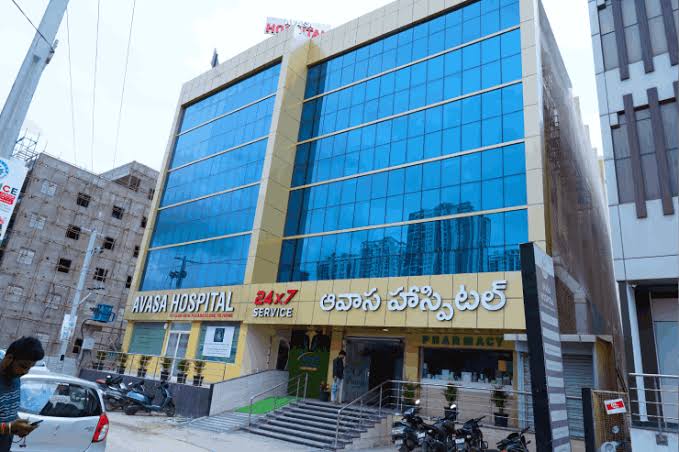
Top Physiotherapy Hospitals



Top Physiotherapy Specialists

Dr. Ajay Kondaparthy (PT)

Dr. Varshali Patil (PT)


Consult Our Physiotherapy Specialists Today
Receive expert consultation, advanced diagnosis, and personalized treatment from our experienced physiotherapy specialists dedicated to delivering exceptional patient care.