
General Surgery at Medicover Hospitals, Chandanagar, Hyderabad
Explore General Surgery services, treatments, diagnostic care and related doctors at Medicover Hospitals.
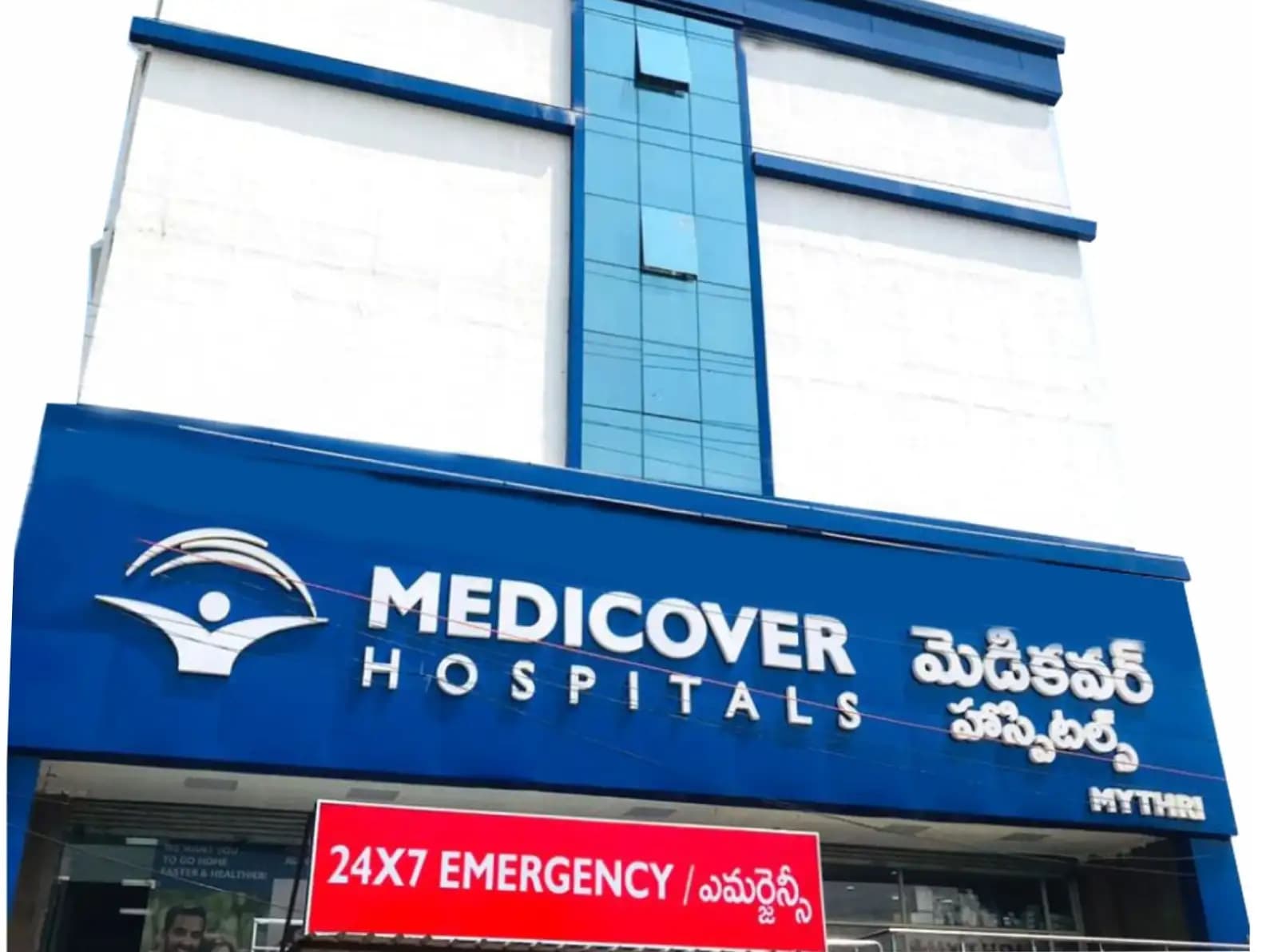
Medicover Hospitals – Best in Chandanagar, Hyderabad
- Beds
- 200
General Surgery at Medicover Hospitals
General Surgery at Medicover Hospitals in Hyderabad covers the evaluation and surgical management of a wide range of conditions affecting the abdomen, digestive system, skin and soft tissues, and other areas commonly managed by general surgeons. Patients looking for General Surgery in Hyderabad can use this page to understand the types of conditions that may require surgical assessment, commonly considered procedures, diagnostic evaluation and what to expect during a consultation. The appropriate treatment depends on the diagnosis, severity of the condition, medical history and overall health of each patient. For people in and around Chandanagar, this page provides a useful starting point for understanding General Surgery care at Medicover Hospitals and preparing for a specialist consultation.
General Surgery at Medicover Hospitals, Hyderabad
General Surgery is a broad surgical specialty concerned with the assessment and operative management of many conditions involving the abdomen, digestive tract, skin, soft tissues, breast, endocrine organs and other areas, depending on the surgeon's area of practice.
Patients may be referred to a general surgeon when a condition is unlikely to improve with medication alone, when a procedure is required for diagnosis or treatment, or when symptoms suggest a problem that needs surgical evaluation. Some conditions may require planned surgery, while others can become urgent and need prompt assessment.
For patients searching for General Surgery in Hyderabad, the consultation process is usually centred on understanding the underlying condition before deciding whether surgery is actually required. A general surgeon may recommend observation, medication, lifestyle measures, further investigations, a minimally invasive procedure, open surgery or referral to another specialist depending on the clinical findings.
At Medicover Hospitals in Hyderabad, patients can explore General Surgery consultation and care based on their individual medical needs. Specific procedures and services should be confirmed with the hospital at the time of consultation.
General Surgery Services and Areas of Care
General Surgery encompasses a wide range of surgical problems rather than one single disease category. Depending on the patient's condition and the surgeon's expertise, evaluation may involve:
Abdominal and Digestive Surgery
General surgeons commonly evaluate conditions affecting the stomach, small intestine, large intestine, appendix, gallbladder, bile ducts and abdominal wall. Problems such as appendicitis, gallstones, hernias and certain intestinal conditions may require surgical assessment.
Hernia Care
A hernia occurs when an internal structure, often part of the intestine or abdominal tissue, pushes through a weakened area in the surrounding muscle or tissue. Inguinal, umbilical, incisional and other abdominal-wall hernias may be evaluated by a general surgeon.
Treatment depends on the type and size of the hernia, symptoms, risk of complications and the patient's overall health.
Gallbladder and Biliary Conditions
Gallstones can sometimes cause abdominal pain, inflammation or other complications. When surgical treatment is indicated, removal of the gallbladder, known as cholecystectomy, may be considered. The decision depends on the patient's symptoms, investigations and clinical assessment.
Appendix and Acute Abdominal Conditions
Appendicitis is a common condition that may require urgent surgical evaluation. General surgeons also assess other causes of acute abdominal pain to determine whether surgery, observation or another form of treatment is appropriate.
Skin and Soft-Tissue Conditions
Some lumps, cysts, abscesses and other soft-tissue problems may require surgical examination or a minor procedure. The approach depends on the nature, location and characteristics of the lesion.
Conditions Treated Under General Surgery
General surgeons may manage or surgically evaluate a broad range of conditions. The exact scope varies according to the surgeon and hospital services available.
Hernias
Hernias may appear as a visible or palpable swelling, particularly when standing, coughing or straining. Some are painless, while others can cause discomfort or interfere with daily activities. A surgeon evaluates the hernia and determines whether monitoring or repair is appropriate.
Gallstones and Gallbladder Disease
Gallstones may remain without symptoms or cause episodes of abdominal pain, particularly after meals. Recurrent symptoms, inflammation or complications can lead to consideration of surgical treatment.
Appendicitis
Appendicitis commonly causes abdominal pain that may become more severe over time and can be associated with nausea, vomiting or fever. Suspected appendicitis requires timely medical assessment because complications can occur if treatment is delayed.
Piles and Anal Conditions
Haemorrhoids, commonly called piles, can cause bleeding, discomfort, itching or swelling. Many cases can initially be managed without surgery, but persistent or complicated disease may require procedural or surgical treatment after evaluation.
Fissures and Other Perianal Problems
An anal fissure is a small tear in the lining of the anus and can cause significant pain during or after bowel movements. Persistent symptoms should be assessed to confirm the diagnosis and determine appropriate treatment.
Thyroid and Other Endocrine Surgical Conditions
Certain thyroid nodules, thyroid disorders or other endocrine conditions may require surgical evaluation. Surgery is not appropriate for every thyroid problem; decisions are based on clinical assessment, imaging, laboratory findings and, when required, tissue evaluation.
Breast and Soft-Tissue Problems
Some breast lumps and soft-tissue masses may need surgical assessment or tissue diagnosis. A surgeon may work alongside radiologists, pathologists or other specialists when further evaluation is necessary.
General Surgery Treatments and Procedures
Surgical treatment is selected according to the condition, its severity, previous medical history and the patient's overall health. Depending on the diagnosis, procedures considered within General Surgery may include:
- Hernia repair
- Gallbladder removal or cholecystectomy
- Appendectomy for appropriate cases of appendicitis
- Treatment of selected haemorrhoids and anal conditions
- Excision of selected cysts, lumps or soft-tissue lesions
- Drainage of certain abscesses
- Biopsy or surgical removal of selected lesions
- Selected thyroid or endocrine procedures
- Abdominal and intestinal surgery when clinically indicated
- Selected colorectal procedures
Some operations may be performed using minimally invasive or laparoscopic techniques where clinically appropriate and available. Laparoscopic surgery generally uses small incisions and specialised instruments, but not every patient or condition is suitable for this approach.
The risks, expected benefits, alternatives, recovery period and type of anaesthesia should be discussed with the treating surgical team before a procedure.
General Surgery Diagnostic and Evaluation Services
A surgical consultation does not automatically mean that an operation will be recommended. The first objective is to establish what is causing the patient's symptoms.
Depending on the clinical situation, evaluation may include:
- Detailed medical and surgical history
- Review of previous reports and treatments
- Physical examination
- Blood and urine investigations where appropriate
- Ultrasound examination
- X-ray or other imaging when indicated
- CT or MRI assessment for selected conditions
- Endoscopic evaluation for appropriate gastrointestinal problems
- Tissue sampling or biopsy when required
- Pre-operative assessment before planned surgery
The tests required vary considerably. For example, a suspected hernia may primarily require clinical examination, while an abdominal mass may need imaging and additional investigations.
Patients should avoid arranging extensive tests independently unless advised by a qualified healthcare professional. The most useful investigation depends on the symptoms and suspected diagnosis.
When Should You See a General Surgery Specialist?
Consider seeking a General Surgery consultation when a doctor recommends surgical assessment or when you have a persistent problem that may require procedural treatment.
Symptoms and situations that may warrant evaluation include:
- A new or enlarging lump in the abdomen or groin
- A painful or noticeable hernia
- Recurrent upper abdominal pain associated with gallstones
- Persistent or worsening abdominal pain
- Symptoms suggestive of appendicitis
- Recurrent rectal bleeding or painful bowel movements
- A persistent cyst, lump or soft-tissue swelling
- A wound or abscess that may require drainage
- A thyroid or breast lump requiring surgical evaluation
- A previously diagnosed condition for which surgery has been recommended
Severe or rapidly worsening abdominal pain, repeated vomiting, fainting, significant bleeding, high fever or other acute symptoms can require urgent medical attention rather than a routine appointment.
What to Expect During a General Surgery Consultation
A General Surgery consultation is designed to determine the nature of the problem and identify an appropriate treatment pathway.
1. Medical History
The surgeon may ask when the symptoms started, how they have changed, what makes them better or worse and whether similar problems occurred previously. Existing medical conditions, allergies, medications and previous operations are also relevant.
2. Physical Examination
Depending on the complaint, the surgeon may examine the abdomen, groin, skin, soft tissues or another relevant area.
3. Review of Investigations
Existing blood tests, scans, ultrasound reports, endoscopy findings or biopsy reports may be reviewed. Additional investigations may be recommended if the available information is insufficient.
4. Discussion of Treatment Options
If surgery is appropriate, the surgeon should explain the proposed procedure, alternatives, potential risks and expected recovery. In some cases, non-surgical management or observation may be reasonable.
5. Follow-Up Planning
Patients may receive instructions regarding additional tests, preparation for surgery, medications, diet, activity restrictions or follow-up appointments depending on their diagnosis.
Bringing previous medical reports, a current medication list and details of relevant allergies can make the consultation more productive.
Why Choose General Surgery Care at Medicover Hospitals?
When selecting a General Surgery hospital in Hyderabad, patients should look beyond the procedure itself and consider the complete care pathway.
For patients considering General Surgery at Medicover Hospitals, useful factors to discuss include the surgeon's experience with the particular condition, available diagnostic support, treatment alternatives, surgical approach, anaesthesia planning, expected hospital stay and post-operative follow-up.
Because surgical needs differ significantly between patients, the most appropriate care plan should be established after individual clinical assessment. Patients can ask the hospital which specific General Surgery procedures, diagnostic services and supporting specialties are currently available for their condition.
For residents of Chandanagar and other parts of Hyderabad, location and appointment accessibility can also be practical considerations when arranging consultations and follow-up visits.
General Surgery Doctors and Specialists
A General Surgery specialist evaluates conditions that may require surgical treatment and helps determine whether an operation is necessary.
Depending on the patient's condition, a general surgeon may also coordinate care with specialists such as gastroenterologists, oncologists, radiologists, anaesthesiologists, endocrinologists or other medical and surgical teams.
When selecting a General Surgery doctor in Hyderabad, patients can consider whether the surgeon regularly manages the specific condition, whether they explain treatment alternatives clearly, and whether appropriate pre-operative and follow-up care is available.
Doctor availability, areas of expertise and consultation schedules can change. Patients should confirm current specialist details with Medicover Hospitals or through the relevant appointment channel.
General Surgery Care in Hyderabad
Hyderabad has patients seeking surgical consultations for both routine and urgent conditions. For people living in Chandanagar, access to a hospital offering appropriate surgical evaluation can be an important practical consideration, particularly when a condition requires multiple consultations or follow-up after a procedure.
Patients searching online for "General Surgery hospital near me" may be comparing hospitals based on location, specialist availability, diagnostic support, treatment options and convenience.
For those considering Medicover Hospitals in Hyderabad, the relevant department and current services should be confirmed directly with the hospital. Patients from Chandanagar can also consider travel time, appointment availability and the ease of attending follow-up consultations when choosing where to receive care.
How to Choose the Right General Surgery Hospital or Specialist
Choosing a surgical provider involves more than finding a hospital that performs a particular operation. Consider asking:
Does the surgeon treat your specific condition?
General Surgery covers many different conditions. A surgeon who routinely manages the problem being evaluated may be appropriate for that particular consultation.
Are the necessary diagnostic services available?
Accurate diagnosis is important before deciding on surgery. Ask what examinations, imaging or laboratory investigations may be required.
What treatment options are available?
Surgery may not always be the first or only option. Ask whether observation, medication, minimally invasive treatment or open surgery could be considered in your situation.
What should you know about the procedure?
Patients should understand the purpose of the operation, anaesthesia, expected recovery, potential complications and follow-up requirements.
Is coordinated care needed?
Some surgical conditions involve other specialties. Multidisciplinary coordination may be relevant for complex cases or patients with multiple medical conditions.
What happens after surgery?
Ask about wound care, medication, diet, activity restrictions, review appointments and signs that require medical attention.
These questions can help patients have a more informed discussion with their healthcare team.
Frequently Asked Questions About General Surgery
What does a General Surgery specialist treat?
General surgeons evaluate and treat a wide range of conditions, including hernias, appendicitis, gallbladder disease, selected colorectal and anal conditions, soft-tissue problems and certain endocrine or abdominal conditions. The exact scope depends on the surgeon's practice.
When should I see a General Surgery specialist?
You may need a surgical consultation if you have a condition that may require an operation, a persistent lump or hernia, recurrent gallbladder-related symptoms, suspected appendicitis, or another problem for which your doctor recommends surgical assessment.
Does every General Surgery condition require surgery?
No. Treatment depends on the diagnosis, symptoms, severity and individual health circumstances. Some conditions can be managed with observation or non-surgical treatment, while others may require a procedure.
What is laparoscopic surgery?
Laparoscopic surgery is a minimally invasive surgical approach in which specialised instruments are inserted through small incisions. It can be suitable for selected procedures and patients, but the appropriate surgical technique depends on the individual case.
What conditions commonly require abdominal surgery?
Conditions such as complicated appendicitis, certain hernias, gallbladder disease, bowel problems and some abdominal masses may require surgery. The need for an operation must be determined through clinical evaluation.
How are hernias diagnosed?
Many hernias can be identified through medical history and physical examination. Ultrasound or other imaging may sometimes be recommended when the diagnosis is uncertain or when additional information is needed.
How do I choose a General Surgery hospital in Hyderabad?
Consider the surgeon's experience with your specific condition, diagnostic support, treatment choices, surgical approach, follow-up arrangements and practical accessibility. Confirm the hospital's currently available services before scheduling treatment.
What should I bring to a General Surgery consultation?
Bring previous medical reports, imaging or scan reports, a list of current medications, information about allergies, details of previous surgeries and any relevant referral notes. A written list of symptoms and questions can also be useful.
How can I book a General Surgery consultation at Medicover Hospitals?
Patients can contact Medicover Hospitals through its current appointment or hospital enquiry channels to confirm available General Surgery specialists, consultation timings and the services currently offered at the relevant Hyderabad location.
Is General Surgery suitable for children as well as adults?
General Surgery is primarily associated with surgical conditions across different age groups, but paediatric surgical care may require specialised paediatric surgery expertise. For a child, patients should confirm that the appropriate specialist is available before booking a consultation.
Best General Surgery Doctors at Medicover Hospitals, Chandanagar
Consult with our highly experienced experts at Medicover Hospitals.
 General Surgery
Dr Barji Sai Dilip
General Surgery Treatments
Appendectomy
Advanced treatment available at Medicover Hospitals.
Gallbladder Removal (cholecystectomy)
Advanced treatment available at Medicover Hospitals.
Hernia Repair Surgery
Advanced treatment available at Medicover Hospitals.
Piles / Hemorrhoid Treatment
Advanced treatment available at Medicover Hospitals.
Fistula Surgery
Advanced treatment available at Medicover Hospitals.
Fissure Surgery
Advanced treatment available at Medicover Hospitals.
Bariatric Surgery
Advanced treatment available at Medicover Hospitals.
Bowel / Intestinal Surgery
Advanced treatment available at Medicover Hospitals.
Breast Surgery
Advanced treatment available at Medicover Hospitals.
Thyroid Surgery (thyroidectomy)
Advanced treatment available at Medicover Hospitals.
Frequently Asked Questions About General Surgery
What types of general surgery procedures are performed at Medicover Hospitals?
We perform a wide range of general surgery procedures, from routine diagnostics to complex surgeries, using the latest medical technologies.
How can I book an appointment for General Surgery at Medicover Hospitals?
You can book an appointment through the Siris Healthcare platform by clicking the "Get Free Estimate" button or contacting our 24/7 helpline.
Other Medical Specialties at Medicover Hospitals Chandanagar
Get Expert General Surgery Care at Medicover Hospitals, Chandanagar
Schedule a consultation with our top specialists and get a personalized treatment plan with a free cost estimate.
Top Specialities at Medicover Hospitals Chandanagar
- Cardiology Department
- General Medicine Department
- Critical care Department
- orthopedic Department
- Neurology Department
- Neurosurgery Department
- Gastroenterology Department
- General Surgery Department
- Laparoscopic Gynecology Department
- Pediatrics Department
- Urology Department
- Pulmonology Department
- Oncology Department
- Emergency medicine Department
- Anesthesiology Department
- Psychiatric Department
- Radiology Department
- Hepatology Department
- Andrology Department
- Physiotherapy Department
- Plastic Surgery Department
Best Hospitals in Hyderabad
- Aarogyam Dental Care Madhapur
- Aig Hospitals Gachibowli
- Amor Hospitals Kukatpally
- Apollo Hospitals Jubilee Hills
- Aster Hospitals Ameerpet
- Avasa Hospitals Manikonda
- Bhoomi Hospitals Manikonda
- Care Hospitals Banjara Hills
- Citizens Specialty Hospital Nallagandla
- Cloudnine Hospital Hitec City
- Derma 360 Madhapur
- Dr. Arya's Multispecialty Dental Hospital Banjara Hills
- Dr. Gowd's Dental Gachibowli
- Dr. Gowd's Dental Madhapur
- Dr. Gowd's Dental Koti
- Dr. Gowd's Dental Nanakramguda
- Dr. Gupta's Integrated Wellness Centre Bowenpally
- Greenmed Hospital Srinagar Colony
- Health On Us Madhapur
- Kamineni Hospitals Lb Nagar
Medical Services in India
Best Multispeciality Hospitals in Hyderabad
- Aig Hospitals Gachibowli
- Apollo Hospitals Jubilee Hills
- Aster Hospitals Ameerpet
- Avasa Hospitals Manikonda
- Bhoomi Hospitals Manikonda
- Care Hospitals Banjara Hills
- Citizens Specialty Hospital Nallagandla
- Cloudnine Hospital Hitec City
- Kamineni Hospitals Lb Nagar
- Kims - Arete Hitec City
- Kims - Sunshine Hospitals Begumpet
- Kims Asian Transcare Banjara Hills
- Kims Hospitals Secunderabad
- Kims Hospitals Kondapur
- Kims Hospitals Gachibowli
- Kims Hospitals Kompally
- Kims Mippl Paradise Circle
- Kiran Multispeciality Hospital Karmanghat
- Mythri Hospitals Mehdipatnam
- Olive Hospitals Mehdipatnam
Topics related to Medicover Hospitals
Abnormal Periods: Common Causes and When to See a Gynecologist
Periods do not always arrive on exactly the same day every month. Stress, change...
Chemotherapy Side Effects: Common Problems and Ways Patients Can Manage Them
An ultrasound scan, also called sonography, is one of the most commonly used dia...
Ultrasound Scan: What Can It Detect and When Do Doctors Recommend It?
An ultrasound scan, also called sonography, is one of the most commonly used dia...
Acidity, Bloating and Indigestion: When Do Digestive Symptoms Need Medical Evaluation?
Digestive discomfort is common. Almost everyone experiences acidity, bloating or...
Fracture Treatment: When Is a Cast Enough and When Is Surgery Considered?
Almost everyone experiences a headache at some point. Sometimes it is related to...
Migraine vs Headache: How Can You Tell When Neurological Evaluation Is Needed?
Almost everyone experiences a headache at some point. Sometimes it is related to...
Enlarged Prostate Symptoms: When Should You See a Urologist?
An enlarged prostate is a common reason men develop urinary problems, particular...
Fatty Liver Disease: Symptoms, Diagnosis, Stages and Treatment Options
Fatty liver disease is increasingly recognized during routine health checkups, b...
2D Echo Test: What Does It Detect and When Do You Need One?
A 2D Echo test, also called 2D echocardiography or a 2D echocardiogram, is a com...
MRI vs CT Scan: What Is the Difference and When Do You Need Each Test?
If your doctor has recommended an MRI scan or CT scan, it is natural to wonder w...