
Oncology at Medicover Hospitals, Chandanagar, Hyderabad
Explore Oncology services, treatments, diagnostic care and related doctors at Medicover Hospitals.
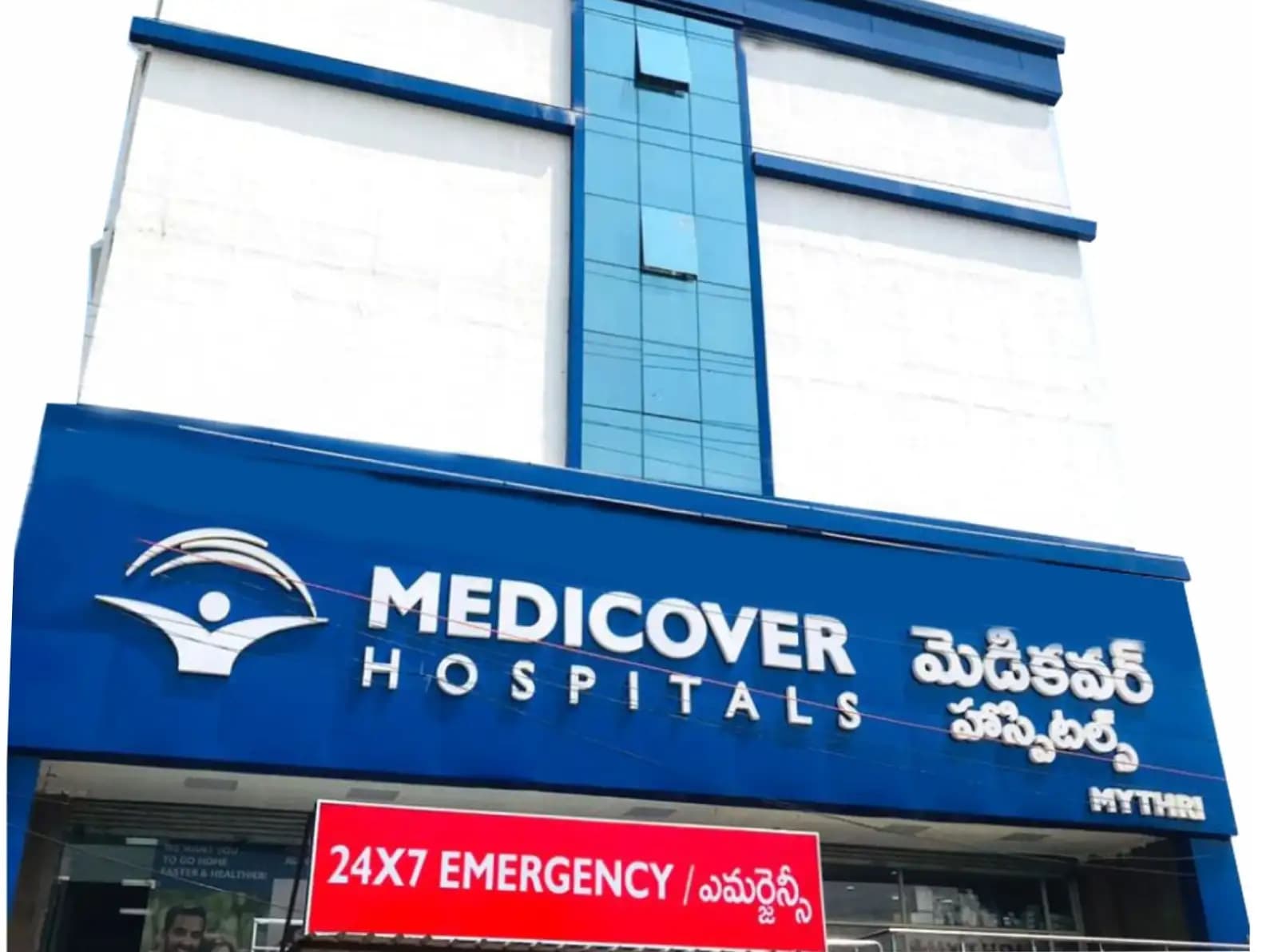
Medicover Hospitals – Best in Chandanagar, Hyderabad
- Beds
- 200
Oncology at Medicover Hospitals
Oncology at Medicover Hospitals in Chandanagar, Hyderabad, provides a dedicated point of access for patients looking for cancer-related consultation, evaluation and treatment planning. The Chandanagar hospital lists Oncology among its available specialties, alongside related areas including Medical Oncology, Radiation Oncology, Thoracic Oncology, Hemato Oncology and Uro Oncology.
Oncology at Medicover Hospitals, Hyderabad
Oncology is the medical specialty concerned with the prevention, diagnosis, evaluation and treatment of cancer. Patients may seek an oncologist after an abnormal screening result, a biopsy confirming cancer, imaging that identifies a suspicious lesion, or symptoms that require further investigation.
Medicover Hospitals' Chandanagar location lists Oncology among its specialties and also identifies related oncology disciplines such as Medical Oncology, Radiation Oncology, Thoracic Oncology, Hemato Oncology and Uro Oncology. This provides patients searching for oncology in Chandanagar with a local starting point for understanding their care options.
Cancer care is rarely based on one test or one treatment. Depending on the diagnosis, a patient's care may involve pathology, radiology, surgery, medical oncology, radiation oncology and supportive services. The appropriate combination varies considerably between cancers and between individual patients.
For patients searching for an oncology hospital in Hyderabad, it is important to look beyond a single treatment name. The type of cancer, stage, treatment objective, previous treatment, other medical conditions and availability of relevant specialists all influence the care pathway.
Oncology Services and Areas of Care
Oncology covers a broad range of cancers and treatment approaches. Depending on the patient's diagnosis and the services available at a particular hospital location, oncology care may involve:
- Cancer risk assessment and evaluation
- Investigation of suspicious symptoms or abnormal findings
- Cancer diagnosis and staging
- Medical oncology consultation
- Surgical oncology evaluation
- Radiation oncology consultation
- Chemotherapy planning and administration where available
- Targeted therapy or immunotherapy assessment where clinically appropriate
- Hormonal therapy for selected cancers
- Follow-up after cancer treatment
- Monitoring for recurrence or treatment-related complications
- Supportive and symptom-focused care
Medicover's broader Hyderabad oncology network describes multidisciplinary cancer care involving medical, surgical and radiation oncology, while its Chandanagar hospital separately lists Oncology and several related oncology specialties. Patients should confirm which specific service, treatment or procedure is provided at the Chandanagar location before booking.
Different Types of Oncology Care
Medical Oncology: Focuses primarily on cancer medicines, which may include chemotherapy, targeted therapy, immunotherapy or hormonal treatment depending on the cancer.
Surgical Oncology: Involves assessment and surgical treatment of cancers where removal of a tumour or affected tissue is appropriate.
Radiation Oncology: Uses radiation therapy to treat selected cancers, either as the primary treatment or alongside surgery or systemic therapy.
Hemato-Oncology: Focuses on cancers affecting the blood, bone marrow and lymphatic system, including conditions such as leukemia, lymphoma and multiple myeloma.
Conditions Treated Under Oncology
Oncology specialists evaluate and manage many different forms of cancer. The exact treatment approach depends on the cancer type, stage, molecular characteristics where relevant, previous treatment and overall health.
Breast Cancer
Breast cancer may present as a breast lump, changes in breast shape or skin, nipple changes or other abnormalities. Evaluation can involve clinical examination, breast imaging and tissue sampling when indicated. Treatment may include surgery, radiation, systemic medicines or combinations of these approaches.
Lung and Thoracic Cancers
Lung cancer and other cancers involving the chest may require imaging, tissue diagnosis and staging before treatment is selected. Oncology care can involve medical, surgical and radiation specialists depending on the disease.
Gastrointestinal Cancers
Cancers affecting the stomach, colon, rectum, pancreas, liver or other parts of the digestive system often require coordinated diagnostic and treatment planning. Treatment may involve surgery, systemic therapy, radiation or combinations based on the specific cancer.
Blood Cancers
Leukemia, lymphoma and multiple myeloma are examples of hematological malignancies. Their diagnosis and management can involve blood tests, bone marrow evaluation, imaging and other specialised investigations.
Head and Neck Cancers
Cancers affecting the mouth, throat, larynx and related structures may present with persistent ulcers, swallowing difficulty, voice changes, neck swelling or other symptoms. Early specialist assessment can help establish the cause.
Urological Cancers
Prostate, kidney, bladder and other urinary-system cancers may require evaluation by appropriate oncology and urology specialists. Treatment varies according to tumour type, location and stage.
These are examples rather than an exhaustive list. A symptom does not necessarily mean cancer, and persistent or unexplained changes should be assessed by a qualified healthcare professional.
Oncology Treatments and Procedures
Cancer treatment is personalised. Some patients require one principal treatment, while others may need a combination of surgery, medicines and radiation.
Common oncology treatment categories include:
Chemotherapy
Chemotherapy uses medicines that affect cancer cells and may be recommended for certain cancers before surgery, after surgery, as the main treatment, or to control advanced disease. The medicines, schedule and duration depend on the cancer and treatment objective.
Targeted Therapy
Targeted medicines are designed to act on particular molecular features associated with certain cancers. Testing may be required to determine whether a patient is likely to benefit.
Immunotherapy
Immunotherapy uses medicines that help the immune system recognise or respond to cancer. It is appropriate only for selected cancers and clinical situations.
Hormonal Therapy
Some cancers depend on hormones for growth. Hormonal treatments may therefore form part of treatment for selected breast or prostate cancers and other hormone-sensitive tumours.
Cancer Surgery
Surgery may be recommended when a tumour can be removed safely and when surgery is appropriate for the patient's disease. Surgical approaches can vary from conventional procedures to minimally invasive techniques depending on the tumour and clinical circumstances.
Radiation Therapy
Radiation therapy uses controlled doses of radiation to damage cancer cells. It can be used to treat certain tumours, reduce the risk of recurrence, or relieve symptoms in some advanced cancers.
Medicover's Hyderabad cancer institute describes medical, surgical and radiation oncology services and lists chemotherapy, immunotherapy, targeted treatments and minimally invasive or robotic surgery among services across its broader cancer-care network. These services should not automatically be assumed to be available at every Medicover location.
Oncology Diagnostic and Evaluation Services
Accurate cancer treatment starts with an appropriate diagnosis. Depending on the suspected condition, an oncology evaluation may involve:
- Detailed medical and family history
- Physical examination
- Blood and urine tests
- Imaging studies such as ultrasound, CT or MRI
- Mammography for appropriate breast-related concerns
- PET-CT or other specialised imaging when clinically indicated
- Biopsy and histopathology
- Molecular or biomarker testing for selected cancers
- Cancer staging investigations
Medicover Hospitals' Chandanagar location lists CT, MRI, X-ray, ultrasound and laboratory services among its facilities. The exact investigations required depend on the patient's symptoms and suspected diagnosis.
A biopsy is often important when cancer needs to be confirmed because imaging alone cannot establish the diagnosis in many cases. Pathology results, together with imaging and clinical findings, help the oncology team determine the most appropriate treatment strategy.
When Should You See an Oncology Specialist?
An oncology consultation may be appropriate when cancer has been diagnosed or when another qualified clinician recommends specialist evaluation because of concerning findings.
Symptoms that should receive medical attention include:
- An unexplained lump or swelling
- Unusual or persistent bleeding
- A wound or ulcer that does not heal
- Unexplained weight loss
- Persistent or unexplained pain
- A cough or hoarseness that does not settle
- Persistent difficulty swallowing
- Significant or unexplained changes in bowel or bladder habits
- Persistent fatigue accompanied by other concerning symptoms
- An abnormal screening or imaging result
These symptoms can have many causes and do not by themselves indicate cancer. The purpose of specialist evaluation is to identify the underlying cause rather than assume a diagnosis.
What to Expect During an Oncology Consultation
An oncology consultation generally begins with a review of the patient's medical history, symptoms and previous investigations.
1. Review of Medical Records
Bring previous consultation notes, pathology reports, scans, blood-test results and a list of current medicines where available. Previous treatment records are particularly important for patients seeking a second opinion or continuing care.
2. Discussion of Symptoms and Medical History
The specialist may ask when symptoms began, how they have changed and whether there is a relevant personal or family medical history.
3. Examination and Diagnostic Review
A physical examination may be performed when clinically appropriate. Existing imaging, pathology and laboratory findings are reviewed to understand the diagnosis.
4. Further Testing if Required
Additional investigations may be recommended if the diagnosis, cancer stage or treatment options are not yet sufficiently clear.
5. Treatment Discussion
The specialist may explain available approaches, potential benefits and risks, expected monitoring and alternatives. Treatment decisions should be based on the individual diagnosis and clinical circumstances.
6. Follow-Up Planning
Patients may receive a plan for further tests, treatment, monitoring or follow-up appointments. It is reasonable to ask questions about treatment duration, possible side effects, warning signs and whom to contact if problems occur.
Why Choose Oncology Care at Medicover Hospitals?
For patients considering oncology care in Hyderabad, the appropriate hospital depends on the nature of the cancer and the services required.
Medicover Hospitals' Chandanagar facility lists Oncology among its specialties and provides access to a range of hospital and diagnostic services, including laboratory services, CT and MRI, X-ray and ultrasound. Medicover's wider Hyderabad network also includes a dedicated Cancer Institute and multiple oncology subspecialties.
Patients should confirm whether their required oncologist, treatment, diagnostic test, chemotherapy facility, radiation service or surgical procedure is available at the Chandanagar hospital or another Medicover location.
When comparing providers, consider the availability of the relevant cancer specialist, pathology and imaging, multidisciplinary consultation, treatment options, follow-up arrangements, emergency support when appropriate, insurance coordination and practical travel requirements.
Oncology Doctors and Specialists
Oncology care may involve different specialists depending on the cancer and treatment plan. These can include medical oncologists, surgical oncologists, radiation oncologists, hemato-oncologists, nuclear medicine specialists, radiologists and pathologists.
Medicover maintains an oncology doctor directory for Hyderabad that includes medical, surgical and radiation oncology specialists. However, specialist availability can vary by hospital location and appointment schedule. Patients looking specifically for an oncologist in Chandanagar should confirm the current doctor availability and consultation location before booking.
The right specialist is generally determined by the type of cancer, stage, treatment requirement and whether the patient needs a new diagnosis, treatment planning, surgery, radiation, systemic therapy or follow-up.
Oncology Care in Hyderabad and Chandanagar
For people searching for oncology in Hyderabad, location can be an important practical consideration because cancer treatment may involve repeated consultations, investigations and follow-up visits.
Medicover Hospitals, Chandanagar is located at Door No. 22, opposite Gandemma Temple, near BHEL Circle Road, Chanda Nagar, Ramachandrapuram, Hyderabad, Telangana 502032. The hospital's official location page lists Oncology among its available specialties.
Patients from Chandanagar and surrounding parts of western Hyderabad may consider local specialist access when arranging consultations. However, cancer care is often ongoing, so patients should balance convenience with the availability of the specific specialist and treatment services required.
If a particular advanced oncology service is not available at the Chandanagar location, patients can ask the hospital whether another Medicover facility is appropriate. Medicover's Hyderabad network includes a dedicated Cancer Institute in HITEC City.
How to Choose the Right Oncology Hospital or Specialist
Choosing cancer care is an important decision. Instead of relying only on generic claims such as "best cancer hospital in Hyderabad," consider factors that are relevant to the specific diagnosis.
Check Relevant Specialist Expertise
Ask whether the hospital has specialists experienced in managing the particular type of cancer involved.
Review Diagnostic Capability
Cancer treatment depends on accurate diagnosis and staging. Ask whether the required pathology, imaging and other investigations are available or appropriately coordinated.
Consider Multidisciplinary Care
Some cancers benefit from input from medical oncology, surgical oncology, radiation oncology, radiology and pathology. A coordinated approach can help when several treatment modalities are being considered.
Understand Treatment Options
Ask what treatment options may be appropriate, why one approach is being recommended and whether alternatives exist.
Ask About Follow-Up
Cancer care does not necessarily end when the primary treatment is completed. Monitoring, symptom management and follow-up may remain important.
Consider Practical Accessibility
Repeated appointments can make location, travel time, appointment scheduling and support for family members important considerations.
Confirm Insurance and Financial Processes
Patients should check insurance coverage, pre-authorisation requirements, exclusions and estimated treatment costs before planned treatment where possible.
Frequently Asked Questions About Oncology
What does an oncology specialist treat?
An oncology specialist evaluates and treats cancer and related conditions. Depending on their subspecialty, they may focus on cancer medicines, surgery, radiation therapy or blood cancers.
When should I see an oncologist in Hyderabad?
You may need an oncology consultation after a cancer diagnosis, an abnormal biopsy or imaging result, or a referral from another doctor for suspected cancer. Persistent unexplained symptoms may also require medical evaluation.
What cancers can an oncology specialist treat?
Oncologists may manage breast, lung, gastrointestinal, blood, head and neck, prostate, kidney, bladder and several other cancers. The appropriate specialist depends on the type and stage of cancer.
How is cancer diagnosed?
Diagnosis may involve a combination of clinical assessment, blood tests, imaging and biopsy. In many cases, pathology from a tissue sample is needed to confirm the diagnosis.
What treatments are available for cancer?
Depending on the cancer, treatment may include surgery, chemotherapy, radiation therapy, immunotherapy, targeted therapy, hormonal treatment or combinations of these approaches. Treatment depends on the diagnosis and individual health needs.
Is oncology care available at Medicover Hospitals, Chandanagar?
Medicover Hospitals' Chandanagar location lists Oncology among its available specialties and also lists Medical Oncology, Radiation Oncology, Hemato Oncology, Thoracic Oncology and Uro Oncology. Patients should confirm the availability of the specific specialist or treatment they require.
What should I bring to an oncology consultation?
Bring previous biopsy or pathology reports, scans and imaging CDs or reports, blood-test results, prescription records, discharge summaries and a list of current medicines. If you have previously received cancer treatment, bring details of the treatment and its dates.
How do I choose an oncology hospital in Hyderabad?
Consider the hospital's relevant oncology specialists, diagnostic capabilities, treatment options, multidisciplinary coordination, follow-up arrangements, location and insurance processes. The most suitable provider depends on the patient's specific diagnosis and care requirements.
Can I seek a second opinion for cancer treatment?
Yes. Patients may seek a second oncology opinion when they want clarification about a diagnosis, staging, recommended treatment or available alternatives. Sharing complete medical records helps the reviewing specialist provide a more informed assessment.
How can I book an oncology consultation?
Patients can check current oncology specialist availability and appointment options through the hospital or healthcare provider. For Chandanagar specifically, confirm the consultation location and whether the required oncology subspecialist is available before scheduling.
Oncology Treatments
Cancer Surgery / Surgical Oncology
Advanced treatment available at Medicover Hospitals.
Chemotherapy
Advanced treatment available at Medicover Hospitals.
Radiation Therapy / Radiotherapy
Advanced treatment available at Medicover Hospitals.
Immunotherapy
Advanced treatment available at Medicover Hospitals.
Targeted Therapy
Advanced treatment available at Medicover Hospitals.
Hormone Therapy
Advanced treatment available at Medicover Hospitals.
Precision Oncology / Biomarker-Based Treatment
Advanced treatment available at Medicover Hospitals.
Brachytherapy
Advanced treatment available at Medicover Hospitals.
Palliative & Supportive Cancer Care
Advanced treatment available at Medicover Hospitals.
Bone Marrow & Stem Cell Transplant
Advanced treatment available at Medicover Hospitals.
Frequently Asked Questions About Oncology
What types of oncology procedures are performed at Medicover Hospitals?
We perform a wide range of oncology procedures, from routine diagnostics to complex surgeries, using the latest medical technologies.
How can I book an appointment for Oncology at Medicover Hospitals?
You can book an appointment through the Siris Healthcare platform by clicking the "Get Free Estimate" button or contacting our 24/7 helpline.
Other Medical Specialties at Medicover Hospitals Chandanagar
Get Expert Oncology Care at Medicover Hospitals, Chandanagar
Schedule a consultation with our top specialists and get a personalized treatment plan with a free cost estimate.
Top Specialities at Medicover Hospitals Chandanagar
- Cardiology Department
- General Medicine Department
- Critical care Department
- orthopedic Department
- Neurology Department
- Neurosurgery Department
- Gastroenterology Department
- General Surgery Department
- Laparoscopic Gynecology Department
- Pediatrics Department
- Urology Department
- Pulmonology Department
- Oncology Department
- Emergency medicine Department
- Anesthesiology Department
- Psychiatric Department
- Radiology Department
- Hepatology Department
- Andrology Department
- Physiotherapy Department
- Plastic Surgery Department
Best Hospitals in Hyderabad
- Aarogyam Dental Care Madhapur
- Aig Hospitals Gachibowli
- Amor Hospitals Kukatpally
- Apollo Hospitals Jubilee Hills
- Aster Hospitals Ameerpet
- Avasa Hospitals Manikonda
- Bhoomi Hospitals Manikonda
- Care Hospitals Banjara Hills
- Citizens Specialty Hospital Nallagandla
- Cloudnine Hospital Hitec City
- Derma 360 Madhapur
- Dr. Arya's Multispecialty Dental Hospital Banjara Hills
- Dr. Gowd's Dental Gachibowli
- Dr. Gowd's Dental Madhapur
- Dr. Gowd's Dental Koti
- Dr. Gowd's Dental Nanakramguda
- Dr. Gupta's Integrated Wellness Centre Bowenpally
- Greenmed Hospital Srinagar Colony
- Health On Us Madhapur
- Kamineni Hospitals Lb Nagar
Medical Services in India
Best Multispeciality Hospitals in Hyderabad
- Aig Hospitals Gachibowli
- Apollo Hospitals Jubilee Hills
- Aster Hospitals Ameerpet
- Avasa Hospitals Manikonda
- Bhoomi Hospitals Manikonda
- Care Hospitals Banjara Hills
- Citizens Specialty Hospital Nallagandla
- Cloudnine Hospital Hitec City
- Kamineni Hospitals Lb Nagar
- Kims - Arete Hitec City
- Kims - Sunshine Hospitals Begumpet
- Kims Asian Transcare Banjara Hills
- Kims Hospitals Secunderabad
- Kims Hospitals Kondapur
- Kims Hospitals Gachibowli
- Kims Hospitals Kompally
- Kims Mippl Paradise Circle
- Kiran Multispeciality Hospital Karmanghat
- Mythri Hospitals Mehdipatnam
- Olive Hospitals Mehdipatnam
Topics related to Medicover Hospitals
Abnormal Periods: Common Causes and When to See a Gynecologist
Periods do not always arrive on exactly the same day every month. Stress, change...
Chemotherapy Side Effects: Common Problems and Ways Patients Can Manage Them
An ultrasound scan, also called sonography, is one of the most commonly used dia...
Ultrasound Scan: What Can It Detect and When Do Doctors Recommend It?
An ultrasound scan, also called sonography, is one of the most commonly used dia...
Acidity, Bloating and Indigestion: When Do Digestive Symptoms Need Medical Evaluation?
Digestive discomfort is common. Almost everyone experiences acidity, bloating or...
Fracture Treatment: When Is a Cast Enough and When Is Surgery Considered?
Almost everyone experiences a headache at some point. Sometimes it is related to...
Migraine vs Headache: How Can You Tell When Neurological Evaluation Is Needed?
Almost everyone experiences a headache at some point. Sometimes it is related to...
Enlarged Prostate Symptoms: When Should You See a Urologist?
An enlarged prostate is a common reason men develop urinary problems, particular...
Fatty Liver Disease: Symptoms, Diagnosis, Stages and Treatment Options
Fatty liver disease is increasingly recognized during routine health checkups, b...
2D Echo Test: What Does It Detect and When Do You Need One?
A 2D Echo test, also called 2D echocardiography or a 2D echocardiogram, is a com...
MRI vs CT Scan: What Is the Difference and When Do You Need Each Test?
If your doctor has recommended an MRI scan or CT scan, it is natural to wonder w...