
Emergency Medicine at Medicover Hospitals, Chandanagar, Hyderabad
Explore Emergency Medicine services, treatments, diagnostic care and related doctors at Medicover Hospitals.
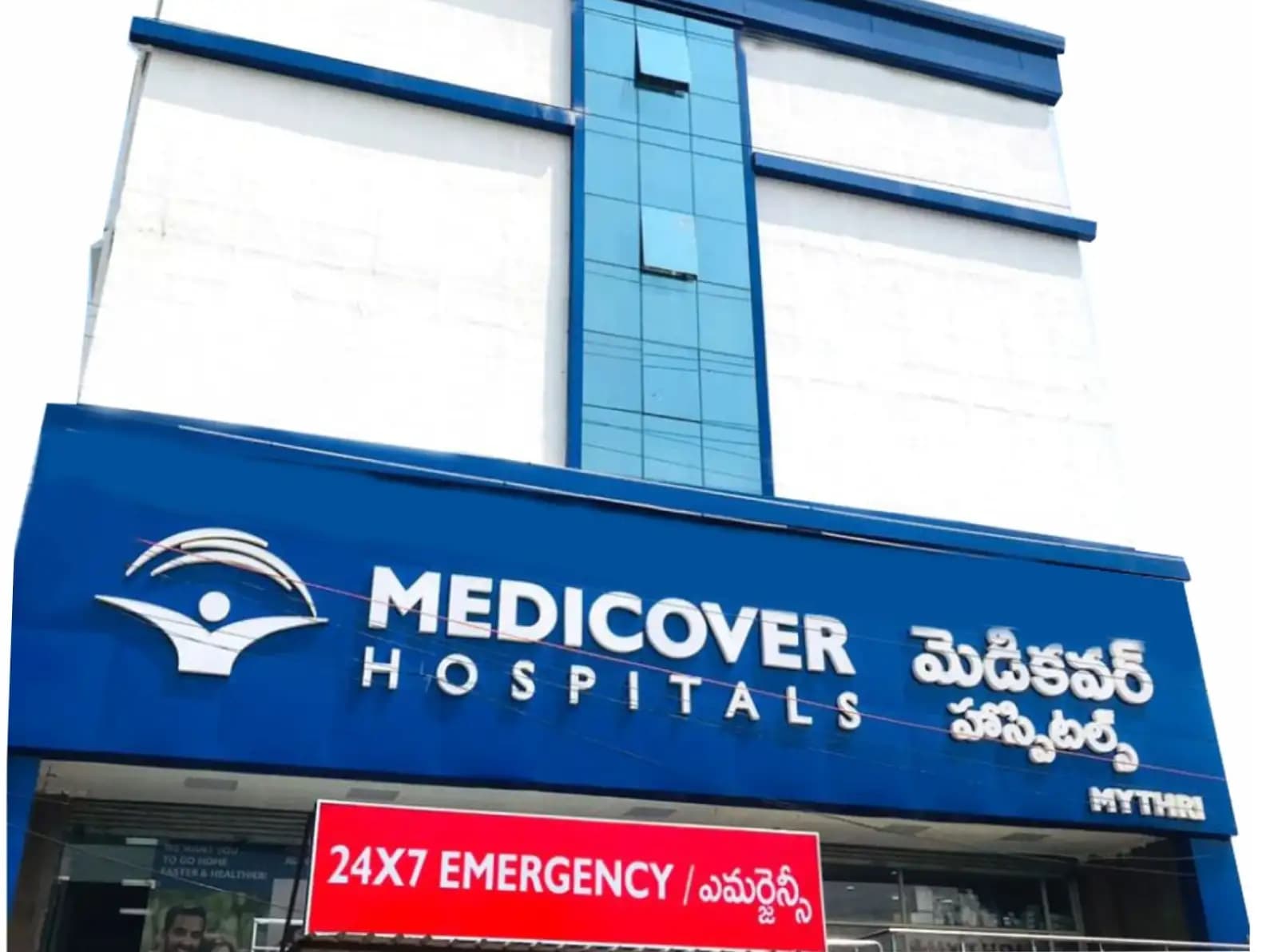
Medicover Hospitals – Best in Chandanagar, Hyderabad
- Beds
- 200
Emergency Medicine at Medicover Hospitals
Emergency Medicine focuses on the rapid assessment and treatment of patients with sudden illness, injuries and other conditions that require immediate medical attention. This page provides information about Emergency Medicine at Medicover Hospitals in Chandanagar, Hyderabad, including emergency care, trauma management, diagnostic evaluation, treatment pathways and specialist support. Patients and families can explore the types of emergencies commonly assessed, the diagnostic process, when urgent hospital care may be appropriate and what to expect when arriving at an emergency department. Medicover’s Chandanagar facility is listed as providing 24/7 emergency care, with emergency and trauma services and access to diagnostic facilities such as laboratory testing and imaging. Patients should seek immediate medical attention when symptoms may represent a serious or life-threatening condition.
Emergency Medicine at Medicover Hospitals, Hyderabad
Emergency Medicine is designed for situations in which a person needs prompt medical assessment because of sudden illness, injury, severe symptoms or a potentially life-threatening condition. Unlike a routine outpatient consultation, emergency care begins with rapid assessment to identify conditions that could deteriorate quickly and determine what treatment or specialist support is needed.
At Medicover Hospitals, Chandanagar, Hyderabad, the emergency service is listed as operating 24/7. The hospital describes emergency and trauma care for a range of urgent medical and surgical situations, supported by diagnostic services and coordination with other specialties. This can be particularly important when an emergency requires more than one area of medical expertise.
Emergency Medicine may be relevant for patients experiencing serious breathing difficulty, chest pain, sudden neurological symptoms, major injuries, severe bleeding, loss of consciousness, poisoning, significant infections or other rapidly developing health problems.
The Chandanagar facility is located at Door No. 22, Opposite Gandemma Temple, near BHEL Circle Road, Chanda Nagar, Ramachandrapuram, Hyderabad. Patients should use emergency services immediately when symptoms suggest a potentially serious medical problem rather than delaying care for a routine appointment.
Emergency Medicine Services and Areas of Care
Emergency Medicine involves more than treating visible injuries. Emergency physicians assess patients with a broad range of acute medical and surgical problems and decide how urgently they need treatment, monitoring, investigations or referral to another specialist.
Common areas of emergency care include:
Trauma and Accident Care
Road traffic accidents, falls, workplace injuries and other trauma can result in fractures, head injuries, internal injuries or significant bleeding. Emergency assessment focuses on stabilising the patient, identifying immediately dangerous injuries and arranging appropriate investigations and specialist treatment.
Cardiac Emergencies
Chest pain, severe breathlessness, fainting and symptoms associated with a possible heart attack require urgent assessment. Emergency teams may use clinical examination, ECG and other investigations to identify whether immediate cardiac treatment or specialist intervention is required.
Stroke and Neurological Emergencies
Sudden weakness, facial drooping, difficulty speaking, confusion or loss of coordination can be warning signs of stroke. Because some stroke treatments are time-sensitive, rapid evaluation is important. Emergency assessment may include neurological examination and appropriate imaging before a treatment pathway is decided.
Respiratory Emergencies
Severe breathing difficulty can occur because of conditions affecting the lungs, heart, airways or other systems. Emergency evaluation helps identify the underlying cause and determine whether oxygen support, medication, monitoring or specialist care is required.
Acute Infections and Severe Illness
Patients with serious infections, high fever accompanied by concerning symptoms, dehydration or signs of systemic illness may require urgent medical assessment. Emergency care focuses on identifying the severity of the illness and beginning appropriate treatment without unnecessary delay.
Paediatric Emergencies
Children may require urgent assessment for injuries, breathing problems, high fever, seizures, allergic reactions, poisoning or other acute conditions. The appropriate evaluation depends on the child's age, symptoms and clinical condition.
Conditions Treated Under Emergency Medicine
Emergency departments do not treat one specific disease category. They assess patients with symptoms or conditions that require immediate attention and determine the appropriate next step.
Examples include:
Injuries and Trauma
Emergency teams commonly assess injuries resulting from road accidents, falls, workplace incidents and other trauma. These may include cuts and wounds, fractures, head injuries, burns, soft-tissue injuries and suspected internal injuries.
Chest Pain and Acute Cardiac Symptoms
Chest discomfort, pressure, severe breathlessness, unexplained sweating or sudden weakness can require immediate evaluation. The cause may be cardiac or may arise from another condition, so assessment is important rather than assuming the cause from symptoms alone.
Stroke Symptoms
Sudden facial weakness, arm or leg weakness, speech difficulty, vision changes or problems with balance require urgent medical attention. A suspected stroke should not be managed by waiting for symptoms to disappear.
Seizures and Loss of Consciousness
A first seizure, prolonged seizure, repeated seizures or unexplained loss of consciousness requires medical evaluation. Emergency assessment may be necessary to identify potential causes and reduce immediate risks.
Breathing Difficulties
Severe asthma symptoms, acute respiratory infections, allergic reactions and other conditions can cause significant breathing problems. Emergency evaluation can determine the severity and the need for immediate respiratory support.
Severe Abdominal Pain
Sudden or severe abdominal pain can have many causes, ranging from gastrointestinal problems to conditions requiring urgent surgery. Clinical assessment and appropriate investigations help determine the next step.
Poisoning and Overdose
Suspected poisoning, medication overdose or exposure to potentially harmful substances should be treated as an emergency. Patients should seek immediate professional assistance and, where possible, provide information about the substance involved.
Emergency Medicine Treatments and Procedures
Treatment in an emergency department depends on the patient's symptoms, examination findings, test results and overall clinical condition. The objective is first to identify immediate threats to life or organ function, stabilise the patient where necessary and then establish the appropriate treatment pathway.
Depending on the clinical situation, emergency treatment may involve:
- Initial stabilisation and resuscitation
- CPR for cardiac arrest
- Airway management and intubation when clinically required
- Oxygen and respiratory support
- Control of bleeding and wound management
- Initial trauma management
- Treatment of acute infections and other medical emergencies
- Emergency medications and intravenous treatment
- Management of cardiac emergencies
- Stroke assessment and time-sensitive treatment where clinically appropriate
- Emergency surgical assessment
- Referral to an appropriate specialist or critical-care team
Medicover Hospitals' published Chandanagar emergency-medicine information specifically lists advanced trauma care, emergency surgeries, cardiac emergency management, stroke management, resuscitation, intubation and CPR among its emergency services and procedures. Actual treatment depends on the patient's condition and clinical assessment.
Emergency Medicine Diagnostic and Evaluation Services
Fast and appropriate diagnosis is an important part of emergency medicine. The exact tests required depend on the patient's symptoms and the suspected cause.
Emergency evaluation may include:
- Medical history and symptom assessment
- Physical examination
- Vital-sign monitoring
- Blood and urine laboratory tests
- ECG for relevant cardiac symptoms
- X-ray for selected injuries and medical conditions
- Ultrasound when clinically indicated
- CT imaging for selected trauma, neurological and other emergencies
- Echocardiography in appropriate cardiac situations
- FAST ultrasound assessment in selected trauma cases
Medicover's Chandanagar emergency-medicine information lists laboratory tests, imaging, ECG, echocardiography and FAST assessment among its emergency evaluation services. The Chandanagar hospital page also lists CT, MRI, X-ray, ultrasound and laboratory facilities.
Not every patient requires every test. Emergency doctors select investigations based on symptoms, examination findings, medical history and the urgency of the situation.
When Should You See an Emergency Medicine Specialist?
Emergency care is appropriate when a health problem is sudden, severe or potentially life-threatening.
Seek urgent medical attention for symptoms such as:
- Severe or unexplained chest pain
- Significant difficulty breathing
- Sudden weakness or paralysis
- New difficulty speaking or understanding speech
- Loss of consciousness
- Seizures
- Severe bleeding
- Major injuries or road accidents
- Serious burns
- Sudden severe abdominal pain
- Suspected poisoning or overdose
- Severe allergic reactions
- Sudden confusion or marked change in alertness
- Symptoms that rapidly worsen or appear unusually severe
In an emergency, do not delay professional care because you are unsure about the diagnosis. If symptoms could represent a life-threatening condition, contact local emergency services or proceed to an appropriate emergency department.
What to Expect During an Emergency Medicine Consultation
Emergency departments work differently from routine outpatient clinics because patients are generally assessed according to the urgency of their condition.
A typical emergency journey may include:
1. Initial Assessment
The emergency team reviews the patient's immediate symptoms and checks vital signs and other urgent clinical indicators.
2. Medical History
Doctors may ask about existing medical conditions, allergies, medications, previous surgeries, recent illness and the circumstances surrounding the current problem.
3. Clinical Examination
A physical examination is performed based on the symptoms and suspected condition. The purpose is to identify signs requiring immediate intervention.
4. Diagnostic Evaluation
Blood tests, ECG, imaging or other investigations may be recommended when they can help determine the cause or severity of the problem.
5. Immediate Treatment
If a serious condition is identified, treatment may begin immediately. This can include medication, fluids, oxygen, wound care, resuscitation, airway support or other emergency interventions as clinically indicated.
6. Specialist Coordination and Disposition
Some patients may require admission, surgery, intensive care or consultation with another medical specialty. Others may be discharged with treatment instructions and follow-up recommendations when it is medically appropriate.
Why Choose Emergency Medicine Care at Medicover Hospitals?
When selecting an emergency hospital, patients should consider availability, response processes, diagnostic access, specialist coordination and the ability to manage different types of emergencies.
Medicover Hospitals' Chandanagar facility publicly lists 24/7 emergency care, a 24/7 emergency care unit, emergency and trauma services, diagnostic facilities and ambulance services. The hospital also describes multidisciplinary support for emergency and critical cases.
For patients comparing an Emergency Medicine hospital in Hyderabad, useful factors to consider include:
- Round-the-clock emergency availability
- Access to appropriate diagnostic testing
- Trauma and accident management
- Ability to evaluate cardiac and neurological emergencies
- Coordination with relevant specialists
- Access to critical-care support when required
- Clear communication with patients and families
- Appropriate discharge and follow-up planning
- Accessibility from home or workplace
The suitability of a hospital depends on the nature and urgency of the medical problem. In a life-threatening emergency, immediate access to appropriate emergency services should take priority over routine provider comparison.
Emergency Medicine Doctors and Specialists
Emergency Medicine specialists are trained to assess undifferentiated patients—people who may arrive with severe symptoms before a definitive diagnosis is established. Their role includes rapid clinical assessment, stabilisation, emergency treatment and coordination with other specialties.
Medicover Hospitals currently lists Dr N Hari Krishna Reddy as a Consultant Emergency Physician practicing at its Chandanagar facility. The hospital's published profile identifies his qualifications as MBBS, CCT EM and MRCEM (UK).
Patients looking for Emergency Medicine doctors in Chandanagar can review the available specialist information, consultation details and appointment options before a planned visit. For an immediate medical emergency, patients should use the hospital's emergency service rather than waiting for a routine consultation slot.
Emergency Medicine Care in Hyderabad
For patients searching for Emergency Medicine in Hyderabad, location can be particularly important because serious medical conditions may require prompt assessment.
Medicover Hospitals' Chandanagar facility is located at Door No. 22, Opposite Gandemma Temple, near BHEL Circle Road, Chanda Nagar, Ramachandrapuram, Hyderabad, Telangana 502032. The hospital identifies its emergency service as available 24/7.
The Chandanagar location can be relevant for patients and families seeking emergency hospital care around the western Hyderabad area. Medicover's published location information references areas including Lingampally, BHEL Township, Miyapur, Madinaguda, Hafeezpet, Nallagandla, Tellapur, Beeramguda and other surrounding areas. Travel time can vary substantially with traffic, so patients should use live navigation information when travelling for non-ambulance emergencies.
For severe or life-threatening symptoms, patients should not delay emergency treatment simply to travel farther to a preferred hospital.
How to Choose the Right Emergency Medicine Hospital or Specialist
Emergency care is different from choosing a routine outpatient specialist. The most important consideration is whether the facility can provide timely assessment and appropriate escalation for the type of emergency involved.
When comparing emergency hospitals in Hyderabad, consider:
24/7 emergency availability: Emergencies can occur at any time, so round-the-clock access is important.
Diagnostic capability: Emergency evaluation may require laboratory testing, ECG, X-ray, ultrasound or CT imaging depending on the situation.
Trauma capability: Patients involved in accidents or major injuries may need coordinated trauma assessment and surgical support.
Specialist coordination: Cardiac, neurological, surgical, paediatric and other emergencies may require input from different specialists.
Critical-care support: Patients with unstable or life-threatening conditions may need intensive monitoring or critical-care management.
Communication: Families should receive understandable information about investigations, treatment decisions and next steps whenever circumstances allow.
Accessibility: For emergency care, distance and travel time can be clinically important.
Follow-up planning: After immediate treatment, patients may need admission, specialist review, medication, rehabilitation or follow-up care.
No single hospital or emergency department is appropriate for every clinical situation. Treatment decisions should be based on the patient's symptoms, medical condition and the emergency team's assessment.
Frequently Asked Questions About Emergency Medicine
What does an Emergency Medicine specialist treat?
An Emergency Medicine specialist evaluates and manages sudden illnesses, injuries and potentially life-threatening conditions. This can include trauma, chest pain, breathing difficulty, stroke symptoms, seizures, severe infections, poisoning and other urgent problems.
When should I visit an Emergency Medicine department?
Go to an emergency department when symptoms are severe, sudden, rapidly worsening or potentially life-threatening. Examples include major injuries, severe chest pain, serious breathing difficulty, loss of consciousness, seizures, severe bleeding and sudden stroke-like symptoms.
Is Emergency Medicine available 24/7 at Medicover Hospitals, Chandanagar?
Medicover's Chandanagar hospital information states that its emergency care is available 24/7.
What emergency treatments are provided at Medicover Hospitals, Chandanagar?
The hospital's published emergency-medicine information lists trauma care, emergency surgery, cardiac emergency management, stroke management, resuscitation, intubation and CPR among its emergency services. The exact treatment provided depends on the patient's condition and clinical assessment.
What tests may be performed in an emergency department?
Depending on symptoms, emergency evaluation may involve blood tests, ECG, X-ray, ultrasound, CT, echocardiography or other investigations. Not every patient requires all of these tests.
Can accident and trauma cases be treated in Emergency Medicine?
Yes. Emergency Medicine commonly includes the initial assessment and stabilisation of patients with accidents and traumatic injuries. The subsequent treatment may involve emergency physicians, surgeons or other specialists depending on the injury.
What happens if I have chest pain?
Chest pain should be assessed urgently, particularly when it is severe, new or associated with breathlessness, sweating, fainting, nausea or other concerning symptoms. Emergency clinicians may perform an ECG and other tests to determine the cause.
What should I bring to the emergency department?
If it does not delay urgent care, bring identification, information about current medications, known allergies, relevant medical records and insurance details. In a serious emergency, getting medical attention should come first.
Can I book an Emergency Medicine consultation for a non-emergency concern?
Some emergency departments may assess urgent concerns that cannot safely wait for a routine appointment. For non-urgent problems, a scheduled consultation with the appropriate specialist may be more suitable. The correct pathway depends on the symptoms and clinical urgency.
How do I find Emergency Medicine doctors in Hyderabad?
Patients can review Emergency Medicine specialists, hospital locations and available consultation information through hospital or healthcare-provider directories. Medicover currently lists Emergency Medicine specialists associated with its Hyderabad facilities, including a specialist practicing at Chandanagar.
Best Emergency Medicine Doctors at Medicover Hospitals, Chandanagar
Consult with our highly experienced experts at Medicover Hospitals.
 Emergency medicine
Dr N Hari Krishna Reddy
Emergency Medicine Treatments
Trauma & Accident Emergency Care
Advanced treatment available at Medicover Hospitals.
Heart Attack & Acute Cardiac Emergency Care
Advanced treatment available at Medicover Hospitals.
Stroke & Neurological Emergency Management
Advanced treatment available at Medicover Hospitals.
Respiratory Emergency Treatment
Advanced treatment available at Medicover Hospitals.
Sepsis & Severe Infection Management
Advanced treatment available at Medicover Hospitals.
Poisoning & Drug Overdose Treatment
Advanced treatment available at Medicover Hospitals.
Snakebite & Animal-Bite Management
Advanced treatment available at Medicover Hospitals.
Shock & Severe Bleeding Management
Advanced treatment available at Medicover Hospitals.
Burn & Acute Wound Management
Advanced treatment available at Medicover Hospitals.
Emergency Surgical & Critical Care Procedures
Advanced treatment available at Medicover Hospitals.
Emergency Toothache Relief Package
Advanced treatment available at Medicover Hospitals.
Frequently Asked Questions About Emergency Medicine
What types of emergency medicine procedures are performed at Medicover Hospitals?
We perform a wide range of emergency medicine procedures, from routine diagnostics to complex surgeries, using the latest medical technologies.
How can I book an appointment for Emergency Medicine at Medicover Hospitals?
You can book an appointment through the Siris Healthcare platform by clicking the "Get Free Estimate" button or contacting our 24/7 helpline.
Other Medical Specialties at Medicover Hospitals Chandanagar
Get Expert Emergency Medicine Care at Medicover Hospitals, Chandanagar
Schedule a consultation with our top specialists and get a personalized treatment plan with a free cost estimate.
Top Specialities at Medicover Hospitals Chandanagar
- Cardiology Department
- General Medicine Department
- Critical care Department
- orthopedic Department
- Neurology Department
- Neurosurgery Department
- Gastroenterology Department
- General Surgery Department
- Laparoscopic Gynecology Department
- Pediatrics Department
- Urology Department
- Pulmonology Department
- Oncology Department
- Emergency medicine Department
- Anesthesiology Department
- Psychiatric Department
- Radiology Department
- Hepatology Department
- Andrology Department
- Physiotherapy Department
- Plastic Surgery Department
Best Hospitals in Hyderabad
- Aarogyam Dental Care Madhapur
- Aig Hospitals Gachibowli
- Amor Hospitals Kukatpally
- Apollo Hospitals Jubilee Hills
- Aster Hospitals Ameerpet
- Avasa Hospitals Manikonda
- Bhoomi Hospitals Manikonda
- Care Hospitals Banjara Hills
- Citizens Specialty Hospital Nallagandla
- Cloudnine Hospital Hitec City
- Derma 360 Madhapur
- Dr. Arya's Multispecialty Dental Hospital Banjara Hills
- Dr. Gowd's Dental Gachibowli
- Dr. Gowd's Dental Madhapur
- Dr. Gowd's Dental Koti
- Dr. Gowd's Dental Nanakramguda
- Dr. Gupta's Integrated Wellness Centre Bowenpally
- Greenmed Hospital Srinagar Colony
- Health On Us Madhapur
- Kamineni Hospitals Lb Nagar
Medical Services in India
Best Multispeciality Hospitals in Hyderabad
- Aig Hospitals Gachibowli
- Apollo Hospitals Jubilee Hills
- Aster Hospitals Ameerpet
- Avasa Hospitals Manikonda
- Bhoomi Hospitals Manikonda
- Care Hospitals Banjara Hills
- Citizens Specialty Hospital Nallagandla
- Cloudnine Hospital Hitec City
- Kamineni Hospitals Lb Nagar
- Kims - Arete Hitec City
- Kims - Sunshine Hospitals Begumpet
- Kims Asian Transcare Banjara Hills
- Kims Hospitals Secunderabad
- Kims Hospitals Kondapur
- Kims Hospitals Gachibowli
- Kims Hospitals Kompally
- Kims Mippl Paradise Circle
- Kiran Multispeciality Hospital Karmanghat
- Mythri Hospitals Mehdipatnam
- Olive Hospitals Mehdipatnam
Topics related to Medicover Hospitals
Abnormal Periods: Common Causes and When to See a Gynecologist
Periods do not always arrive on exactly the same day every month. Stress, change...
Chemotherapy Side Effects: Common Problems and Ways Patients Can Manage Them
An ultrasound scan, also called sonography, is one of the most commonly used dia...
Ultrasound Scan: What Can It Detect and When Do Doctors Recommend It?
An ultrasound scan, also called sonography, is one of the most commonly used dia...
Acidity, Bloating and Indigestion: When Do Digestive Symptoms Need Medical Evaluation?
Digestive discomfort is common. Almost everyone experiences acidity, bloating or...
Fracture Treatment: When Is a Cast Enough and When Is Surgery Considered?
Almost everyone experiences a headache at some point. Sometimes it is related to...
Migraine vs Headache: How Can You Tell When Neurological Evaluation Is Needed?
Almost everyone experiences a headache at some point. Sometimes it is related to...
Enlarged Prostate Symptoms: When Should You See a Urologist?
An enlarged prostate is a common reason men develop urinary problems, particular...
Fatty Liver Disease: Symptoms, Diagnosis, Stages and Treatment Options
Fatty liver disease is increasingly recognized during routine health checkups, b...
2D Echo Test: What Does It Detect and When Do You Need One?
A 2D Echo test, also called 2D echocardiography or a 2D echocardiogram, is a com...
MRI vs CT Scan: What Is the Difference and When Do You Need Each Test?
If your doctor has recommended an MRI scan or CT scan, it is natural to wonder w...