
General Surgery at Tx Hospitals, Kachiguda, Hyderabad
Explore General Surgery services, treatments, diagnostic care and related doctors at Tx Hospitals.
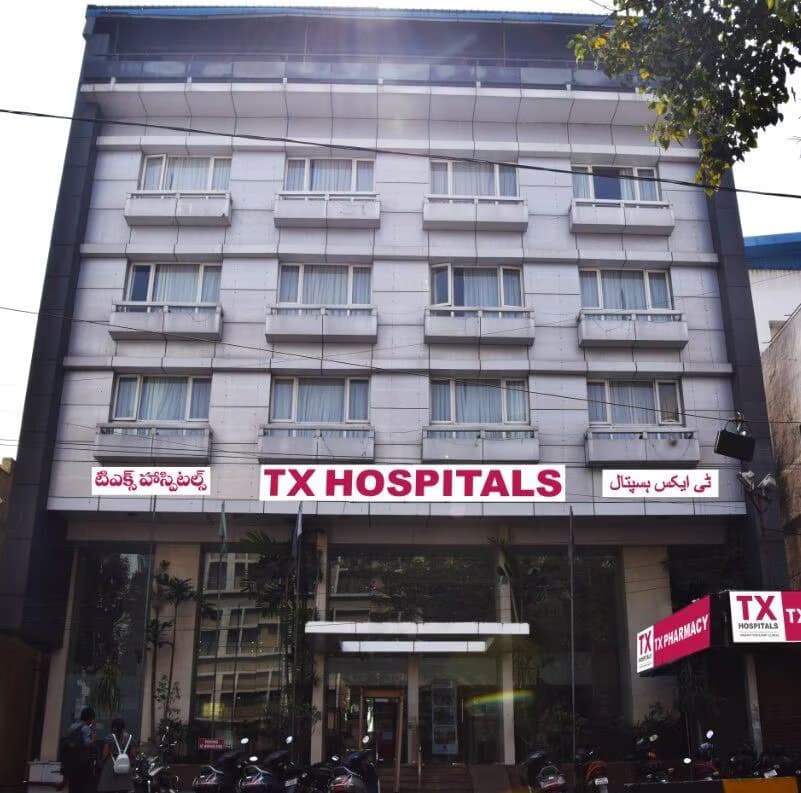
Tx Hospitals – Best Multispeciality Hospitals in Kachiguda, Hyderabad
- Beds
- 120
General Surgery at Tx Hospitals, Kachiguda
General Surgery at Tx Hospitals, Kachiguda, Hyderabad, focuses on the evaluation and surgical management of conditions affecting the abdomen, digestive system, abdominal wall and other areas commonly treated by general surgeons. Patients looking for General Surgery in Hyderabad can explore information about common surgical conditions, treatment approaches, diagnostic evaluation, procedures and specialist consultations through this page. General surgical care may involve conditions such as hernias, appendicitis, gallbladder disorders, abdominal conditions and certain anorectal problems. The page also helps patients understand when a surgical consultation may be appropriate, what to expect during an appointment and which factors to consider when selecting a surgeon or hospital. Specific procedures and doctor availability should be confirmed directly with the Kachiguda hospital.
General Surgery at Tx Hospitals, Kachiguda, Hyderabad
General Surgery is a medical specialty concerned with the diagnosis and surgical management of conditions affecting the abdomen, digestive tract, abdominal wall, skin, soft tissues and other parts of the body. At Tx Hospitals, Kachiguda, Hyderabad, General Surgery is listed among the hospital's clinical specialties. Patients looking for General Surgery care in Hyderabad can explore information about common surgical conditions, treatment approaches, diagnostic evaluation and specialist consultations.
Located on Kachiguda Station Road, Tx Hospitals, Kachiguda provides access to multiple medical and surgical specialties. Patients seeking a general surgeon in Kachiguda may need an assessment for a suspected hernia, appendicitis, gallstones, abdominal swelling, persistent pain or another condition that could require surgical attention.
Not every surgical concern requires an operation. A surgeon evaluates the symptoms, medical history and investigation results before recommending an appropriate course of care. Through Siris Healthcare, patients can understand common surgical conditions, explore treatment information and enquire about specialist consultations.
General Surgery at Tx Hospitals, Kachiguda, Hyderabad
General Surgery plays an important role in managing conditions that may require medical assessment, minor surgical intervention or a major operation. General surgeons evaluate a wide range of health concerns, particularly those involving abdominal organs, the digestive system, abdominal wall and soft tissues.
Tx Hospitals Kachiguda is located in Hyderabad and lists General Surgery among its clinical services. Patients looking for a General Surgery hospital in Hyderabad can use this page to understand the specialty and prepare for a consultation.
The decision to undergo surgery depends on the confirmed diagnosis, severity of the condition, patient's overall health and expected benefits and risks of treatment. Patients can also explore the General Surgery specialty overview to understand common procedures and specialist care.
General Surgery Services and Areas of Care
General surgeons assess conditions that may require surgical treatment and help patients understand available options. Their work can include initial clinical evaluation, surgical planning, procedures, post-operative monitoring and recovery guidance.
Common areas covered by General Surgery include:
- Abdominal and digestive conditions: Evaluation of selected problems affecting the stomach, intestines and other abdominal organs.
- Hernia management: Assessment of abdominal wall weaknesses that cause internal tissue to protrude through muscle or surrounding tissue.
- Gallbladder conditions: Evaluation of gallstones, gallbladder inflammation and related complications.
- Appendix-related conditions: Assessment and surgical management of appendicitis when indicated.
- Anorectal conditions: Evaluation of selected cases of haemorrhoids, anal fissures and fistulas.
- Skin and soft-tissue conditions: Assessment of cysts, abscesses, lumps and certain infections.
- Thyroid and neck conditions: Surgical evaluation of selected thyroid nodules and other neck abnormalities.
- Breast-related surgical concerns: Assessment of certain breast lumps and other conditions requiring surgical evaluation.
- Laparoscopic surgery: Minimally invasive surgical approaches for selected conditions where clinically appropriate.
The exact range of services available at a particular hospital should be confirmed before making an appointment.
Conditions Treated Under General Surgery
General surgeons evaluate several conditions that may require observation, medication, minor procedures or surgical intervention.
Hernias
A hernia develops when an internal organ or tissue pushes through a weakened area in the surrounding muscle or connective tissue. Common types include inguinal, umbilical, incisional and femoral hernias.
Patients may notice swelling or a bulge in the abdomen or groin, discomfort while lifting objects, or pain that becomes more noticeable during coughing or physical activity. Some hernias remain relatively painless, while others may develop complications.
A surgical assessment helps determine whether monitoring or repair is appropriate. Patients can learn more about hernia repair surgery, including the different surgical approaches and recovery considerations.
Appendicitis
Appendicitis is inflammation of the appendix, a small pouch connected to the large intestine. It commonly causes abdominal pain that may begin around the navel and move towards the lower right side of the abdomen.
Other symptoms can include nausea, vomiting, fever and loss of appetite. Suspected appendicitis requires prompt medical assessment because complications can develop if treatment is delayed.
An appendectomy, which involves removing the appendix, is a common surgical treatment when indicated. Read about appendectomy surgery and appendix removal to understand the procedure and recovery process.
Gallstones and Gallbladder Disorders
Gallstones are hardened deposits that form inside the gallbladder. Some people do not experience symptoms, while others develop abdominal pain, particularly after meals.
When gallstones cause repeated symptoms or complications, a surgeon may recommend further evaluation and discuss whether gallbladder removal is appropriate.
Learn more about gallbladder removal surgery (cholecystectomy), including when the procedure may be recommended.
Haemorrhoids, Anal Fissures and Fistulas
Haemorrhoids are swollen blood vessels around the anus or lower rectum. They may cause bleeding, itching, discomfort or swelling.
An anal fissure is a small tear in the lining of the anal canal, often associated with pain during bowel movements. An anal fistula is an abnormal passage between the anal canal and surrounding skin, which may cause recurring discharge, irritation or infection.
Treatment depends on the specific condition and its severity. Some patients respond to non-surgical management, while others may require a procedure. Explore information about piles and haemorrhoid treatment, fissure surgery and fistula surgery.
Abdominal and Intestinal Conditions
Abdominal pain, intestinal obstruction, inflammation and certain bowel disorders may require evaluation by a general surgeon. The underlying cause can vary considerably, so a clinical assessment is important before deciding on treatment.
Some cases may require medication and observation, while others need further investigation or surgery. Patients can explore bowel and intestinal surgery to understand some of the surgical approaches used for intestinal conditions.
Skin Lumps, Cysts and Abscesses
Cysts, lipomas, abscesses and other soft-tissue abnormalities may be assessed by a general surgeon. Depending on the diagnosis, management may involve monitoring, medication, drainage or surgical removal.
A new, rapidly growing, painful or changing lump should be examined rather than treated based on appearance alone.
General Surgery Treatments and Procedures
Treatment recommendations depend on the patient's diagnosis, symptoms, medical history and clinical examination. Surgical intervention is considered when the expected benefits outweigh the potential risks.
Common procedures associated with General Surgery include:
Hernia Repair Surgery
Hernia repair involves correcting the weakened area through which tissue protrudes. Depending on the type of hernia and patient factors, the operation may use an open or laparoscopic approach. Mesh may be considered in selected cases.
Appendectomy
An appendectomy involves surgical removal of an inflamed appendix. It may be performed through an open incision or laparoscopically, depending on the patient's condition and the treating surgeon's assessment.
Gallbladder Removal
Cholecystectomy is the surgical removal of the gallbladder. It is commonly considered for symptomatic gallstones and certain gallbladder complications. The surgical approach depends on individual clinical circumstances.
Haemorrhoid Procedures
When conservative treatment is insufficient, selected patients may be considered for procedures to manage symptomatic haemorrhoids. The appropriate technique depends on the type and severity of the condition.
Fistula and Fissure Procedures
Certain persistent or complicated anal fistulas and fissures may require surgery. The treatment plan should account for the location of the condition, surrounding tissue and risk of complications.
Abscess Drainage and Soft-Tissue Surgery
Some abscesses require drainage to remove accumulated pus. Selected cysts, lipomas and other soft-tissue lesions may also be surgically removed after assessment.
Laparoscopic Surgery
Laparoscopic surgery, also called keyhole surgery, uses small incisions and a camera-assisted approach to perform selected operations. It may be considered for suitable procedures involving the abdomen.
Not every patient is suitable for minimally invasive surgery. The surgeon determines the appropriate approach based on the condition and individual health factors.
Other Surgical Areas
General Surgery may also include selected procedures involving the thyroid, breast and weight management. Patients can explore information about thyroid surgery (thyroidectomy), breast surgery and bariatric surgery.
These procedures describe common areas of General Surgery and should not be interpreted as confirmation that every procedure is currently available at the Kachiguda branch.
General Surgery Diagnostic and Evaluation Services
Before recommending surgery, a general surgeon evaluates the patient's symptoms and investigates the possible underlying cause.
The diagnostic process may include:
- Medical history: Reviewing symptoms, previous operations, existing health conditions, medications and allergies.
- Physical examination: Assessing the abdomen, affected area, swelling, tenderness or other relevant clinical signs.
- Blood investigations: Depending on the suspected condition, tests may include a complete blood count, inflammatory markers, kidney function tests and liver function tests.
- Ultrasound: May help assess abdominal organs, gallstones, hernias and certain soft-tissue abnormalities.
- CT scans: May be recommended for more detailed evaluation of abdominal pain, appendicitis, intestinal problems or suspected complications.
- MRI: Used in selected cases where additional soft-tissue or anatomical information is required.
- Tissue examination: A biopsy or histopathological assessment may be recommended when a lump or removed tissue needs further evaluation.
Not every patient requires all these investigations. The treating doctor selects tests according to the clinical findings.
Patients can explore diagnostic services through Siris Healthcare for additional information about investigations relevant to digestive and abdominal health.
When Should You See a General Surgery Specialist?
A General Surgery consultation may be appropriate if you experience symptoms or have received a diagnosis that could require surgical evaluation.
Consider seeking professional assessment for:
- A swelling or bulge in the abdomen or groin.
- Repeated abdominal pain without a clear explanation.
- Pain associated with suspected gallstones.
- Suspected appendicitis or sudden abdominal discomfort.
- Persistent pain, bleeding or swelling around the anal region.
- A cyst, lump or abscess that is painful, growing or recurring.
- A previously diagnosed condition for which surgery has been recommended.
- Follow-up after a surgical procedure.
When to seek emergency care: Sudden severe abdominal pain, persistent vomiting, a painful irreducible hernia, significant bleeding, fainting or rapidly worsening symptoms require urgent medical attention. Do not wait for a routine appointment if you suspect a medical emergency.
A consultation does not automatically mean surgery will be required. The purpose is to identify the cause of the concern and discuss appropriate management.
What to Expect During a General Surgery Consultation
A surgical consultation helps the doctor understand the patient's condition and decide whether further investigation or treatment is needed.
1. Medical history and symptoms
The surgeon asks about the patient's symptoms, when they started, how frequently they occur and whether anything makes them better or worse. Previous operations, medications, allergies and existing health conditions are also relevant.
2. Physical examination
Depending on the concern, the doctor may examine the abdomen, groin, affected skin or other relevant areas.
3. Diagnostic evaluation
If necessary, the surgeon recommends blood tests, imaging or other investigations to understand the underlying condition.
4. Diagnosis and treatment discussion
After reviewing the available findings, the surgeon explains the likely diagnosis and discusses possible approaches. These may include observation, medication, lifestyle adjustments, minor procedures or surgery.
5. Pre-operative planning
If surgery is recommended, the doctor discusses preparation, anaesthesia, potential complications, expected hospital stay and recovery considerations.
6. Post-operative care and follow-up
After a procedure, patients receive guidance on wound care, medication, activity restrictions, diet and follow-up appointments as appropriate.
Patients should ask questions about the expected benefits, risks and alternatives before agreeing to a surgical procedure.
Why Choose General Surgery Care at Tx Hospitals, Kachiguda?
Choosing a hospital for surgical treatment involves more than identifying a nearby facility. Patients should consider the surgeon's qualifications, the hospital's clinical capabilities, the availability of appropriate investigations and the support provided before and after an operation.
Tx Hospitals Kachiguda publicly lists General Surgery among its clinical services. Patients can review the Tx Hospitals Kachiguda hospital profile for published information about the facility and its specialties.
When considering surgical care at this location, patients may wish to clarify:
- Whether a general surgeon is available for their particular condition.
- Whether the required diagnostic investigations can be arranged.
- Which surgical approaches may be appropriate.
- Whether anaesthesia and post-operative monitoring are available for the planned procedure.
- What the expected hospital stay and recovery arrangements involve.
- Whether follow-up consultations can be scheduled after discharge.
These considerations help patients make informed decisions about surgical care. Current procedure availability and doctor schedules should be confirmed directly with the hospital.
General Surgery Doctors and Specialists at Tx Hospitals
General surgeons are trained to evaluate a broad range of conditions that may require surgical treatment. Their responsibilities include clinical assessment, interpreting relevant investigations, recommending appropriate procedures and guiding patients through recovery.
Patients should review a surgeon's medical qualifications, professional registration, experience with the relevant procedure and current hospital affiliation before selecting a specialist.
To explore available specialists and consultation options, patients can use the Siris Healthcare doctor directory and the General Surgery online consultation section. Online consultation availability may differ from in-person appointments at the Kachiguda branch.
General Surgery Care in Hyderabad and Kachiguda
Patients searching for a General Surgery hospital in Hyderabad may prefer a location that is convenient for consultations, investigations, planned procedures and subsequent follow-up visits.
Tx Hospitals Kachiguda is situated on Kachiguda Station Road in Hyderabad, Telangana. Its location may be relevant to patients travelling from Kachiguda and surrounding central Hyderabad neighbourhoods, including Narayanguda, Barkatpura, Himayatnagar, Nallakunta, Chikkadpally, Abids, Malakpet and Amberpet.
Actual travel time depends on the starting point and traffic conditions. Patients looking for a general surgeon near Kachiguda can check the hospital's current appointment availability and confirm the consultation location before travelling.
For additional options, explore hospitals in Kachiguda, Hyderabad.
How to Choose the Right General Surgery Hospital or Specialist
Selecting an appropriate surgical provider is an important decision. Patients should consider the following factors before proceeding with treatment.
1. Specialist qualifications and relevant experience
Check the surgeon's qualifications, registration and experience with the specific condition or procedure being considered. Experience with one type of operation does not automatically establish suitability for every surgical condition.
2. Diagnostic capabilities
Appropriate investigations help establish the diagnosis and support treatment planning. Ask whether the required laboratory tests and imaging can be arranged.
3. Surgical options
Understand whether the condition can be managed through observation, medication, a minor procedure or surgery. If an operation is recommended, ask about open and laparoscopic approaches where relevant.
4. Hospital infrastructure
Consider whether the hospital has the facilities and clinical support required for the planned operation, including anaesthesia, monitoring and post-operative care.
5. Multidisciplinary support
Certain conditions require input from other specialists, such as gastroenterologists, radiologists, anaesthesiologists or critical care physicians. Appropriate coordination can support clinical decision-making.
6. Emergency support
For conditions that may develop complications, understand the hospital's emergency arrangements and how urgent surgical concerns are managed.
7. Recovery and follow-up
Ask about the expected recovery period, wound care, activity restrictions, medication and follow-up appointments.
8. Clear communication
A good consultation should provide an opportunity to understand the diagnosis, treatment alternatives, possible risks and expected costs before making a decision.
Frequently Asked Questions About General Surgery
1. What does a General Surgery specialist treat?
General surgeons evaluate and manage conditions involving the abdomen, digestive tract, abdominal wall, skin and soft tissues. Common concerns include hernias, appendicitis, gallbladder disorders, selected anorectal conditions, cysts and abscesses. Treatment depends on the diagnosis and individual health requirements.
2. Does Tx Hospitals, Kachiguda have a General Surgery department?
General Surgery is listed among the clinical services of Tx Hospitals Kachiguda. Patients should contact the branch to confirm currently available doctors and procedures.
3. When should I consult a general surgeon in Hyderabad?
Consider a consultation if you have a suspected hernia, recurring abdominal pain, diagnosed gallstones, suspected appendicitis, a persistent lump or another condition that may require surgical evaluation. Sudden severe symptoms require urgent medical assessment rather than a routine appointment.
4. What is the difference between open surgery and laparoscopic surgery?
Open surgery generally involves a larger incision that allows the surgeon to access the affected area directly. Laparoscopic surgery uses smaller incisions, a camera and specialised instruments. The appropriate technique depends on the condition, patient health and surgical assessment.
5. Is surgery always necessary for a hernia?
No. Some hernias may be monitored depending on their type, symptoms and clinical risk. Others may require surgical repair. A general surgeon can assess the condition and explain the advantages, limitations and risks of different approaches.
6. How is appendicitis diagnosed?
Diagnosis generally involves reviewing symptoms, conducting a physical examination and, when necessary, arranging blood tests and imaging such as an ultrasound or CT scan. Suspected appendicitis needs prompt medical evaluation.
7. How do I know whether gallstones require surgery?
Not all gallstones require an operation. Treatment depends on whether they cause symptoms, inflammation or other complications. A doctor may recommend observation or discuss gallbladder removal when clinically appropriate.
8. What should I bring to a General Surgery consultation?
Bring previous medical reports, imaging results, blood test reports, prescriptions and details of current medications. Also inform the doctor about allergies, existing medical conditions and previous surgeries. This information helps the surgeon assess your condition.
9. How can I book a General Surgery consultation at Tx Hospitals, Kachiguda?
You can contact Tx Hospitals Kachiguda directly or enquire through Siris Healthcare. Confirm the doctor's availability, consultation timings, location and applicable fees before visiting.
10. How long does recovery take after General Surgery?
Recovery varies depending on the procedure, the patient's health, the surgical approach and whether complications occur. Minor procedures may require relatively little recovery time, while major abdominal operations can require several weeks or longer. The treating surgeon provides individual recovery instructions.
Medical information disclaimer: This content is intended for general patient education and does not replace a consultation, diagnosis or treatment recommendation from a qualified healthcare professional. Surgical decisions must be based on individual clinical assessment.
General Surgery Doctors at Tx Hospitals, Kachiguda
Consult with our highly experienced experts at Tx Hospitals.
 Gastroenterology, General Surgery, Laparoscopic surgeries
Dr. Gabriel Sukumar Chinnam
General Surgery Treatments
Appendectomy
Advanced treatment available at Tx Hospitals.
Gallbladder Removal (cholecystectomy)
Advanced treatment available at Tx Hospitals.
Hernia Repair Surgery
Advanced treatment available at Tx Hospitals.
Piles / Hemorrhoid Treatment
Advanced treatment available at Tx Hospitals.
Fistula Surgery
Advanced treatment available at Tx Hospitals.
Fissure Surgery
Advanced treatment available at Tx Hospitals.
Bariatric Surgery
Advanced treatment available at Tx Hospitals.
Bowel / Intestinal Surgery
Advanced treatment available at Tx Hospitals.
Breast Surgery
Advanced treatment available at Tx Hospitals.
Thyroid Surgery (thyroidectomy)
Advanced treatment available at Tx Hospitals.
Frequently Asked Questions About General Surgery
What types of general surgery procedures are performed at Tx Hospitals?
We perform a wide range of general surgery procedures, from routine diagnostics to complex surgeries, using the latest medical technologies.
How can I book an appointment for General Surgery at Tx Hospitals?
You can book an appointment through the Siris Healthcare platform by clicking the "Get Free Estimate" button or contacting our 24/7 helpline.
Get Expert General Surgery Care at Tx Hospitals, Kachiguda
Schedule a consultation with our top specialists and get a personalized treatment plan with a free cost estimate.
Compare hospitals in Hyderabad
Compare the hospital details, specialties, doctor profiles and patient feedback currently listed for providers in Hyderabad.
| Hospital | Listed specialties | Doctor profiles | Rating | Reviews |
|---|---|---|---|---|
| Tx Hospitals Kachiguda | Cardiology, Nephrology, Neurology, Neurosurgery, Orthopaedics, Pulmonology, Urology, Gastroenterology, General Medicine, General Surgery, obstetrics, Gynecology, ENT, Vascular Surgery, Anesthesiology | 5 | Not listed | Not listed |
| Aster Hospitals Ameerpet | Internal Medicine, Psychiatric, Physiotherapy, Radiology, Ultrasound Imaging, Anaesthesiology, Dermatology, ENT, Endocrinology, Diabetology, Emergency medicine, General Surgery, General Medicine, Radiation Oncology, Surgical Oncology, Medical Oncology, obstetrics, Gynaecology, Paediatrics & Neonatology, Pulmonology, Critical care, Nephrology, Urology, Neurosurgery, Neurology, Neurosciences, Orthopaedics, Gastroenterology, Gastro Sciences, Cardiology, Cardiac Sciences | No profiles listed | 4.5 / 5 | 212 |
| Bhoomi Hospitals Manikonda | General Medicine, General Surgery, Orthopaedics, Gynaecology, obstetrics, Paediatrics & Neonatology, Cardiology, Neurology, Urology, Gastroenterology, Pulmonology, Nephrology, Dermatology, ENT, Psychiatric, Plastic Surgery, Surgical Oncology, Endocrinology, cardiothoracic, Vascular Surgery, Laparoscopic surgeries | 5 | 4.5 / 5 | 220 |
| Care Hospitals Banjara Hills | Cardiology, Cardiac Diagnostics, cardiothoracic, Gastroenterology, Surgical Oncology, Oncology, Medical Oncology, Radiation Oncology, Neurology, Neurosurgery, Orthopaedics, Nephrology, Urology, Liver Transplantation, Pulmonology, Paediatrics & Neonatology, Paediatric Surgery, Critical care, General Medicine, General Surgery, Endocrinology, ENT, Emergency medicine, Vascular Surgery, Robotic Surgery, Woman & Child Institute, Interventional Radiology | No profiles listed | 4.5 / 5 | 199 |
| Citizens Specialty Hospital Nallagandla | Cardiology, cardiothoracic, Vascular Surgery, Neurology, Neurosurgery, Oncology, Medical Oncology, Bone Marrow Transplant, orthopedic, Gastroenterology, Nephrology, Urology, obstetrics, Gynecology, Pediatrics, Paediatrics & Neonatology, Pulmonology, General Surgery, Laparoscopic surgeries, Critical care, Emergency medicine, Endocrinology, ENT, Interventional Radiology | No profiles listed | 4.5 / 5 | 277 |
| Apollo Hospitals Jubilee Hills | Cardiology, Cardiac Diagnostics, Oncology, Neurology, Neurosurgery, Orthopaedics, Gastroenterology, Hepatology, Nephrology, Urology, Organ Transplantation, Critical care, Emergency medicine, Pulmonology, Gynaecology, Paediatrics & Neonatology, ENT, Bariatric Surgery, Colorectal Surgery, Internal Medicine, General Surgery | No profiles listed | 4.5 / 5 | 265 |
Hospital directory in Hyderabad
Browse hospital listings in Hyderabad, including providers around Kachiguda where listings are available.
Top Specialities at Tx Hospitals Kachiguda
- Cardiology Department
- Vascular Surgery Department
- Nephrology Department
- General Medicine Department
- Neurosurgery Department
- Gastroenterology Department
- Gynecology Department
- Orthopaedics Department
- Pulmonology Department
- Neurology Department
- General Surgery Department
- Anesthesiology Department
- obstetrics Department
- ENT Department
- Urology Department
Best Hospitals in Hyderabad
Medical Services in India
Best Multispeciality Hospitals in Hyderabad
- Dr. Kiran's Ent, Dental, General Hospital Madhapur
- Aruna Clinic Madhapur
- Cloudnine Hospital Hitec City
- Dr Ashutosh Chakraborty, Homeo Care And Cure Gachibowli
- Dhruv Ayur Vijayam Ayurvedic Hospital Madhapur
- Ashwini Ayurvedic Center Gachibowli
- Atreya Diagnostic Centre Madhapur
- Aa Health Care Clinic Madhapur
- Butterflies Child Development Centre Gachibowli
- Dentacare Dental Hospital Implant And Research Institute Madhapur
- Dental Laser & Implant Centre Madhapur
- Bodhi Wellness Centre Madhapur
- Anvitha Hospital Jubilee Hills
- Dr Kvr Diagnostic Clinic Jubilee Hills
- Apollo Diagnostics Jubilee Hills Jubilee Hills
- Aryas Dental Madhapur
- Arogyavardhini Madhapur
- Eeshritha Skin & Hair Institute Madhapur
- Aig Hospitals Gachibowli
- Align Hospital Gachibowli