
Cardiology at Tx Hospitals, Kachiguda, Hyderabad
Explore Cardiology services, treatments, diagnostic care and related doctors at Tx Hospitals.
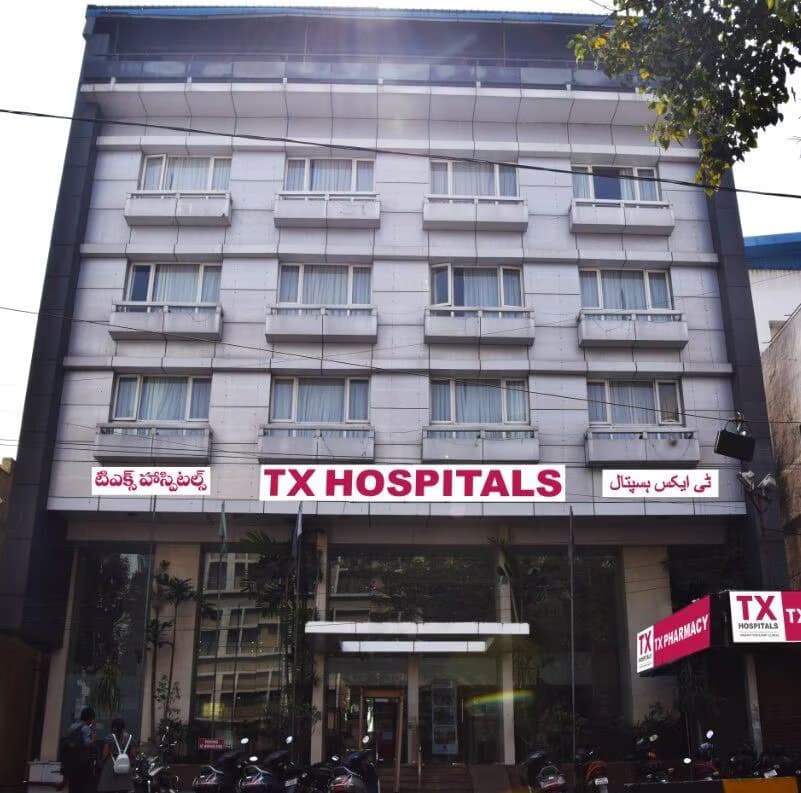
Tx Hospitals – Best Multispeciality Hospitals in Kachiguda, Hyderabad
- Beds
- 120
Cardiology at Tx Hospitals, Kachiguda
Cardiology focuses on the prevention, diagnosis and management of conditions affecting the heart and blood vessels. At Tx Hospitals, Kachiguda, Hyderabad, patients can explore cardiac care options for concerns such as chest discomfort, high blood pressure, coronary artery disease, irregular heart rhythms and heart failure. The hospital's published cardiac services include non-invasive cardiology, interventional cardiology, electrophysiology, paediatric cardiology and preventive heart care. Patients looking for cardiology in Hyderabad can use this page to understand common heart conditions, diagnostic evaluations, treatment approaches and the role of cardiologists in ongoing heart health management. The appropriate course of care depends on clinical findings, medical history and individual health needs.
Cardiology at Tx Hospitals, Kachiguda, Hyderabad
Heart health plays an important role in overall wellbeing, affecting everything from physical activity and energy levels to long-term health. Cardiology is the medical specialty concerned with the prevention, diagnosis and management of conditions affecting the heart and blood vessels.
The Cardiology Department at Tx Hospitals, Kachiguda, Hyderabad, is relevant to patients looking for cardiac consultations, heart health evaluations and information about cardiovascular treatment options. Patients can explore cardiology services and heart care, understand common heart conditions and learn about different diagnostic and treatment approaches through Siris Healthcare.
The hospital's published information identifies cardiology among its specialties. Its Kachiguda location on Station Road makes it a local option for patients seeking multispecialty healthcare in central Hyderabad. You can also explore the Tx Hospitals Kachiguda hospital profile for general hospital information.
Cardiac care is not limited to treating an existing heart condition. It also involves identifying cardiovascular risk factors, recognising early symptoms, understanding diagnostic findings and planning appropriate follow-up.
Cardiology Services and Areas of Care
Cardiology covers several areas of medical care. The appropriate approach depends on the patient's symptoms, age, medical history and diagnostic findings.
Non-Invasive Cardiology
Non-invasive cardiology involves assessing heart structure, function and electrical activity without procedures that require instruments to enter the blood vessels or heart.
Common areas of evaluation include:
- Assessment and management of high blood pressure.
- Evaluation of suspected coronary artery disease.
- Monitoring of heart failure and cardiac function.
- Electrocardiography and echocardiography.
- Cardiac stress testing when clinically appropriate.
- Cardiovascular risk assessment for patients with relevant medical or family histories.
Interventional Cardiology
Interventional cardiology uses catheter-based procedures to investigate or treat selected cardiovascular conditions. These procedures may be considered when clinical findings indicate that an intervention is appropriate.
Examples include coronary angiography, angioplasty and stent placement. Learn more about coronary angiography and angioplasty treatment.
Electrophysiology
Electrophysiology focuses on the electrical activity of the heart. It helps specialists investigate abnormal heart rhythms, including conditions that cause an unusually fast, slow or irregular heartbeat.
Depending on the diagnosis, management may involve medication, rhythm monitoring, catheter ablation or implanted cardiac devices. Patients can explore electrophysiology and heart rhythm treatments to understand these treatment approaches.
Paediatric Cardiology
Paediatric cardiology deals with heart conditions affecting infants, children and adolescents. Some conditions are congenital, meaning they are present from birth, while others develop during childhood.
Assessment may involve clinical examination, echocardiography and other investigations selected according to the child's symptoms and medical requirements.
Preventive Cardiology and Cardiac Rehabilitation
Preventive cardiology focuses on identifying and managing risk factors that contribute to cardiovascular disease. These may include hypertension, diabetes, high cholesterol, smoking, obesity and family history.
For selected patients recovering from a cardiac event or procedure, cardiac rehabilitation may support recovery through supervised physical activity, education and risk-factor management. Read more about heart failure management and cardiac rehabilitation.
Conditions Treated Under Cardiology
Cardiologists evaluate a wide range of conditions affecting the heart and circulatory system. Treatment depends on the underlying cause, severity and overall health of the patient.
Coronary Artery Disease and Angina
Coronary artery disease develops when the arteries supplying blood to the heart become narrowed, commonly due to the accumulation of fatty deposits. Reduced blood flow may cause angina, which can feel like pressure, tightness or discomfort in the chest.
Management may involve lifestyle changes, prescribed medication and, in selected cases, procedures such as angioplasty or coronary artery bypass surgery.
Hypertension and Hypertensive Heart Disease
Hypertension refers to persistently elevated blood pressure. If inadequately controlled, it can increase the risk of coronary artery disease, heart failure, stroke and other cardiovascular complications.
Regular blood pressure monitoring, appropriate medication and lifestyle modifications are important components of long-term management.
Heart Failure
Heart failure occurs when the heart cannot pump blood effectively enough to meet the body's requirements. Common symptoms include breathlessness, fatigue, swelling in the legs and reduced exercise tolerance.
Treatment aims to manage symptoms, address the underlying cause and reduce the risk of complications. Patients can learn more about heart failure treatment and management.
Arrhythmias and Heart Rhythm Disorders
Arrhythmias are abnormalities in the rate or rhythm of the heartbeat. They may cause palpitations, dizziness, fainting or breathlessness. Some rhythm disturbances require only monitoring, while others need medication or specialist procedures.
Evaluation may include an ECG, Holter monitoring and additional cardiac investigations. Depending on the diagnosis, a pacemaker or another rhythm-management approach may be considered.
Heart Valve Diseases
Heart valve conditions affect the way blood flows through the chambers of the heart. Stenosis involves narrowing of a valve, while regurgitation occurs when a valve does not close properly.
Treatment depends on the affected valve, severity of the condition, symptoms and cardiac function.
Cardiomyopathy
Cardiomyopathy refers to diseases affecting the heart muscle. These conditions can alter the structure of the heart or its ability to pump blood. Causes may include genetic factors, infections and other underlying medical conditions.
Congenital Heart Conditions
Congenital heart conditions are structural abnormalities present from birth. Examples include atrial septal defects (ASD), ventricular septal defects (VSD) and other abnormalities affecting normal blood circulation.
Paediatric or adult congenital cardiology assessment may be required depending on the patient's age and condition.
Other Cardiovascular Conditions
Cardiology may also involve evaluating myocarditis, pericardial diseases, pulmonary hypertension, endocarditis and selected conditions affecting the aorta and other major blood vessels.
Cardiology Treatments and Procedures
Cardiac treatment is selected after evaluating the patient's diagnosis, symptoms, risk factors and overall health. Not every patient requires surgery or an invasive procedure.
Medical Management
Many cardiovascular conditions can be managed with medication and regular clinical monitoring. Depending on the diagnosis, treatment may involve medicines to control blood pressure, reduce cholesterol, manage abnormal heart rhythms, prevent blood clots or support heart function.
Medication should only be started, stopped or adjusted under appropriate medical guidance.
Coronary Angiography
Coronary angiography is an imaging procedure used to examine blood flow through the coronary arteries. A contrast agent is introduced through a catheter, allowing the arteries to be visualised using X-ray imaging.
It can help specialists identify narrowing or blockages and determine whether further treatment is appropriate.
Angioplasty and Stenting
Percutaneous coronary intervention (PCI), commonly called angioplasty, is used to open selected narrowed coronary arteries. A balloon catheter widens the affected area, and a stent may be placed to help keep the artery open.
The procedure is considered according to the location and severity of the blockage and the patient's clinical condition.
Coronary Artery Bypass Surgery
Coronary artery bypass grafting (CABG) is a surgical procedure that creates an alternative pathway for blood to reach the heart muscle when coronary arteries are significantly narrowed or blocked.
The suitability of bypass surgery depends on factors such as the number of affected arteries, the location of blockages and the patient's overall health.
Pacemaker and Defibrillator Implantation
A pacemaker helps regulate certain abnormal heart rhythms, particularly when the heartbeat is too slow. An implantable cardioverter-defibrillator (ICD) monitors the heart and can deliver treatment for specific dangerous rhythm disturbances.
These devices are recommended only when the patient meets appropriate clinical criteria. Learn more about pacemaker implantation and heart rhythm treatment.
Cardiac Ablation
Catheter ablation is used to treat selected abnormal heart rhythms. It involves identifying and treating specific areas of heart tissue responsible for triggering or maintaining an abnormal electrical signal.
Heart Valve and Structural Interventions
Selected valve and structural heart conditions may require surgical or catheter-based approaches. Options can include valve repair, valve replacement and procedures for particular congenital or acquired abnormalities.
The appropriate treatment depends on detailed cardiac assessment.
Cardiac Rehabilitation
Cardiac rehabilitation may be recommended after a heart attack, cardiac surgery or certain other cardiac procedures. It can include supervised exercise, education, dietary guidance and cardiovascular risk-factor management.
Cardiology Diagnostic and Evaluation Services
Accurate diagnosis is essential before selecting an appropriate treatment plan. Cardiologists recommend investigations according to symptoms, examination findings and the suspected condition.
Common cardiac investigations include:
- Electrocardiogram (ECG): Records the electrical activity of the heart and helps identify rhythm abnormalities and signs of certain cardiac conditions.
- Echocardiography: Uses ultrasound to assess heart chambers, valves, pumping function and blood flow.
- Stress testing: Evaluates how the heart responds to increased physical demand or medically induced stress.
- Holter monitoring: Records heart rhythm continuously over an extended period to investigate intermittent symptoms.
- Coronary angiography: Provides images of the coronary arteries to identify narrowing or blockages.
- Blood tests: May include cholesterol measurements, blood glucose, kidney function and cardiac biomarkers when clinically indicated.
- Blood pressure assessment: Helps identify and monitor hypertension.
The availability of individual investigations at a particular hospital branch should be confirmed before booking.
When Should You See a Cardiologist?
A cardiology consultation may be appropriate when you experience persistent or recurring symptoms that could be related to the heart.
Consider seeking medical evaluation for:
- Chest discomfort, pressure or tightness.
- Breathlessness during routine activity or while resting.
- Unexplained palpitations or an irregular heartbeat.
- Dizziness or episodes of fainting.
- Unusual fatigue or reduced exercise tolerance.
- Swelling in the feet, ankles or legs.
- Persistently elevated blood pressure.
- Abnormal ECG or echocardiogram findings.
- A family history of premature cardiovascular disease.
- Existing diabetes, high cholesterol or other cardiovascular risk factors.
Emergency warning: Sudden chest pain or pressure, severe breathlessness, cold sweating, fainting or discomfort spreading to the arm, jaw, back or shoulder may indicate a heart attack or another emergency. Seek emergency medical assistance immediately rather than waiting for a routine appointment.
What to Expect During a Cardiology Consultation
A cardiology consultation generally begins with a discussion of the patient's health concerns and medical history.
Medical History and Symptoms
The cardiologist may ask about the nature of symptoms, when they started, how frequently they occur and whether anything makes them better or worse. Previous illnesses, medications, allergies and family history may also be reviewed.
Clinical Examination
Depending on the symptoms, the doctor may check blood pressure, pulse, heart sounds and other relevant physical signs.
Diagnostic Evaluation
The specialist may recommend an ECG, echocardiogram, blood tests or additional investigations if required. Not every patient needs all these tests.
Discussion of Findings
After reviewing the available clinical information, the cardiologist explains the findings, possible diagnosis and whether further evaluation is necessary.
Treatment and Follow-Up Planning
The treatment plan may include medication, lifestyle modifications, additional procedures or monitoring. Follow-up appointments help assess progress and make adjustments when clinically appropriate.
Patients should bring previous cardiac reports, prescriptions, investigation results and a list of current medicines.
Why Consider Cardiology Care at Tx Hospitals, Kachiguda?
Choosing a hospital for heart-related concerns involves more than selecting a nearby location. Patients should understand the clinical services available, the qualifications of the treating specialists and the process for diagnostic evaluation and follow-up.
Tx Hospitals is listed among the healthcare providers in the Siris Healthcare Cardiology Hospital Directory for Hyderabad. Its Kachiguda branch is also included in the hospital directory for Kachiguda.
The hospital's published information identifies Cardiology as one of its medical specialties. Patients can review the Tx Hospitals Kachiguda profile for general information about the facility.
Before arranging treatment, patients should confirm which cardiology consultations, investigations and procedures are currently available at the Kachiguda branch, whether a particular specialist is available and how emergency cardiac cases are handled.
Cardiology Doctors and Specialists
Cardiologists are doctors trained to diagnose and manage diseases affecting the heart and circulatory system. Their work may involve preventive assessment, medical management, diagnostic interpretation and coordination of interventional or surgical treatment when necessary.
Different specialists may have different areas of focus:
- Clinical cardiologists: Evaluate and medically manage a wide range of heart conditions.
- Interventional cardiologists: Perform catheter-based procedures such as coronary angioplasty.
- Electrophysiologists: Assess and manage electrical disorders of the heart.
- Paediatric cardiologists: Evaluate congenital and acquired heart conditions in children.
- Cardiac surgeons: Perform surgical procedures involving the heart and related structures.
Patients can explore cardiology specialists listed on Siris Healthcare to understand available specialist profiles. Doctor availability and consultation schedules at Tx Hospitals, Kachiguda should be confirmed directly before booking.
Cardiology Care in Kachiguda, Hyderabad
People searching for a cardiologist in Hyderabad often prefer a hospital that is accessible for consultations, investigations and continuing care. Tx Hospitals Kachiguda is situated on Station Road, in central Hyderabad.
Its location is relevant to patients from Kachiguda and nearby localities such as Narayanguda, Barkatpura, Chikkadpally, Nallakunta, Himayatnagar and Malakpet.
Patients travelling for a cardiac consultation should consider appointment timing, transport arrangements and whether additional tests may be required on the same day. Those with an urgent or potentially serious cardiac problem should seek emergency care without delaying treatment for travel or a scheduled appointment.
How to Choose the Right Cardiology Hospital or Specialist
When comparing cardiology hospitals in Hyderabad, consider the following factors:
- Specialist qualifications: Review the cardiologist's recognised qualifications, clinical experience and area of specialisation.
- Relevant diagnostic facilities: Ask whether the investigations required for your condition are available at the hospital.
- Treatment options: Understand whether the hospital can provide the recommended medical, interventional or surgical care.
- Emergency preparedness: For patients with known heart disease, understand how urgent cardiac problems are assessed and managed.
- Multidisciplinary coordination: Complex cardiovascular conditions may require input from cardiac surgeons, physicians, radiologists and other specialists.
- Patient communication: A good consultation should allow patients to understand their diagnosis, treatment alternatives, possible risks and follow-up requirements.
- Continuity of care: Consider how follow-up appointments, medication reviews and rehabilitation will be arranged.
- Location and accessibility: A convenient location can make it easier to attend repeated consultations and monitoring appointments.
- Treatment costs: Ask for an explanation of consultation fees, investigation charges, procedure costs and insurance-related requirements before planned treatment.
The most suitable hospital is one whose available services and specialist expertise match the patient's individual clinical requirements.
Frequently Asked Questions About Cardiology
What does a cardiologist treat?
A cardiologist diagnoses and manages conditions affecting the heart and blood vessels. These include coronary artery disease, hypertension, heart failure, abnormal heart rhythms, heart valve disorders and cardiomyopathy.
When should I consult a cardiologist in Hyderabad?
Consider a cardiology consultation if you experience recurring chest discomfort, breathlessness, palpitations, dizziness, unexplained fatigue or persistently high blood pressure. People with diabetes, high cholesterol or a family history of heart disease may also benefit from cardiovascular risk assessment.
What are the common tests performed during a cardiac evaluation?
Depending on the patient's symptoms, a cardiologist may recommend an ECG, echocardiogram, stress test, Holter monitoring, blood tests or coronary angiography. The choice of investigation depends on the suspected condition and clinical findings.
What is the difference between angioplasty and bypass surgery?
Angioplasty is a minimally invasive procedure that uses a balloon and sometimes a stent to open a narrowed coronary artery. Coronary artery bypass grafting is an operation that creates an alternative route for blood to reach the heart muscle. The appropriate option depends on the extent of coronary artery disease and the patient's overall health.
Can high blood pressure cause heart disease?
Yes. Persistently elevated blood pressure increases the workload on the heart and can contribute to coronary artery disease, heart failure and other cardiovascular complications. Regular monitoring and appropriate treatment help reduce these risks.
What symptoms may indicate an abnormal heart rhythm?
An abnormal heart rhythm may cause palpitations, a racing or unusually slow heartbeat, dizziness, breathlessness or fainting. Some arrhythmias have no noticeable symptoms and are identified during cardiac testing.
Does every patient with heart disease need surgery?
No. Many cardiovascular conditions can be managed with medicines, lifestyle modifications and regular monitoring. Procedures or surgery are considered when clinically appropriate, based on the diagnosis, severity and individual health requirements.
How can I prepare for a cardiology appointment?
Bring previous ECGs, echocardiograms, blood test reports, prescriptions and details of your current medicines. Note your symptoms, when they occur and any relevant medical or family history.
How can I book a cardiology consultation at Tx Hospitals, Kachiguda?
You can enquire about cardiology appointments through Siris Healthcare or contact Tx Hospitals directly. Confirm the cardiologist's availability, consultation timings, fees and any preparation requirements before visiting.
Cardiology Treatments
Coronary Angioplasty
Advanced treatment available at Tx Hospitals.
Coronary Artery Bypass Grafting (cabg)
Advanced treatment available at Tx Hospitals.
Coronary Angiography
Advanced treatment available at Tx Hospitals.
Angioplasty With Stent Placement
Advanced treatment available at Tx Hospitals.
Heart Valve Replacement
Advanced treatment available at Tx Hospitals.
Tavr/tavi
Advanced treatment available at Tx Hospitals.
Pacemaker Implantation
Advanced treatment available at Tx Hospitals.
Icd Implantation
Advanced treatment available at Tx Hospitals.
Cardiac Ablation
Advanced treatment available at Tx Hospitals.
Heart Failure Management
Advanced treatment available at Tx Hospitals.
Frequently Asked Questions About Cardiology
What types of cardiology procedures are performed at Tx Hospitals?
We perform a wide range of cardiology procedures, from routine diagnostics to complex surgeries, using the latest medical technologies.
How can I book an appointment for Cardiology at Tx Hospitals?
You can book an appointment through the Siris Healthcare platform by clicking the "Get Free Estimate" button or contacting our 24/7 helpline.
Get Expert Cardiology Care at Tx Hospitals, Kachiguda
Schedule a consultation with our top specialists and get a personalized treatment plan with a free cost estimate.
Compare hospitals in Hyderabad
Compare the hospital details, specialties, doctor profiles and patient feedback currently listed for providers in Hyderabad.
| Hospital | Listed specialties | Doctor profiles | Rating | Reviews |
|---|---|---|---|---|
| Tx Hospitals Kachiguda | Cardiology, Nephrology, Neurology, Neurosurgery, Orthopaedics, Pulmonology, Urology, Gastroenterology, General Medicine, General Surgery, obstetrics, Gynecology, ENT, Vascular Surgery, Anesthesiology | 5 | Not listed | Not listed |
| Aster Hospitals Ameerpet | Internal Medicine, Psychiatric, Physiotherapy, Radiology, Ultrasound Imaging, Anaesthesiology, Dermatology, ENT, Endocrinology, Diabetology, Emergency medicine, General Surgery, General Medicine, Radiation Oncology, Surgical Oncology, Medical Oncology, obstetrics, Gynaecology, Paediatrics & Neonatology, Pulmonology, Critical care, Nephrology, Urology, Neurosurgery, Neurology, Neurosciences, Orthopaedics, Gastroenterology, Gastro Sciences, Cardiology, Cardiac Sciences | No profiles listed | 4.5 / 5 | 212 |
| Bhoomi Hospitals Manikonda | General Medicine, General Surgery, Orthopaedics, Gynaecology, obstetrics, Paediatrics & Neonatology, Cardiology, Neurology, Urology, Gastroenterology, Pulmonology, Nephrology, Dermatology, ENT, Psychiatric, Plastic Surgery, Surgical Oncology, Endocrinology, cardiothoracic, Vascular Surgery, Laparoscopic surgeries | 5 | 4.5 / 5 | 220 |
| Care Hospitals Banjara Hills | Cardiology, Cardiac Diagnostics, cardiothoracic, Gastroenterology, Surgical Oncology, Oncology, Medical Oncology, Radiation Oncology, Neurology, Neurosurgery, Orthopaedics, Nephrology, Urology, Liver Transplantation, Pulmonology, Paediatrics & Neonatology, Paediatric Surgery, Critical care, General Medicine, General Surgery, Endocrinology, ENT, Emergency medicine, Vascular Surgery, Robotic Surgery, Woman & Child Institute, Interventional Radiology | No profiles listed | 4.5 / 5 | 199 |
| Citizens Specialty Hospital Nallagandla | Cardiology, cardiothoracic, Vascular Surgery, Neurology, Neurosurgery, Oncology, Medical Oncology, Bone Marrow Transplant, orthopedic, Gastroenterology, Nephrology, Urology, obstetrics, Gynecology, Pediatrics, Paediatrics & Neonatology, Pulmonology, General Surgery, Laparoscopic surgeries, Critical care, Emergency medicine, Endocrinology, ENT, Interventional Radiology | No profiles listed | 4.5 / 5 | 277 |
| Apollo Hospitals Jubilee Hills | Cardiology, Cardiac Diagnostics, Oncology, Neurology, Neurosurgery, Orthopaedics, Gastroenterology, Hepatology, Nephrology, Urology, Organ Transplantation, Critical care, Emergency medicine, Pulmonology, Gynaecology, Paediatrics & Neonatology, ENT, Bariatric Surgery, Colorectal Surgery, Internal Medicine, General Surgery | No profiles listed | 4.5 / 5 | 265 |
Hospital directory in Hyderabad
Browse hospital listings in Hyderabad, including providers around Kachiguda where listings are available.
Top Specialities at Tx Hospitals Kachiguda
- Anesthesiology Department
- obstetrics Department
- Urology Department
- General Medicine Department
- Gastroenterology Department
- ENT Department
- Pulmonology Department
- Cardiology Department
- Nephrology Department
- Orthopaedics Department
- Gynecology Department
- General Surgery Department
- Vascular Surgery Department
- Neurology Department
- Neurosurgery Department
Best Hospitals in Hyderabad
Medical Services in India
Best Multispeciality Hospitals in Hyderabad
- Avasa Hospitals Manikonda
- Ashwini Ayurvedic Center Gachibowli
- Apollo Diagnostics Jubilee Hills Jubilee Hills
- Dental Laser & Implant Centre Madhapur
- Cynord Cancer Centre Madhapur
- Amedico Diagnostics Jubilee Hills
- Dr. P. Siva Reddy Eye Hospital Gachibowli
- Dr. Venky's Dental Jubilee Hills
- Bodhi Wellness Centre Madhapur
- Aig Hospitals Gachibowli
- Dfine Dental Clinic Gachibowli
- Atreya Diagnostic Centre Madhapur
- Dr Ashutosh Chakraborty, Homeo Care And Cure Gachibowli
- Dr. Sreedhar's Kidney Centre Mehdipatnam
- Dentacare Dental Hospital Implant And Research Institute Madhapur
- Cloudnine Hospital Hitec City
- Aira Medclinics Madhapur
- Align Hospital Gachibowli
- Aryas Dental Madhapur
- Dr. Vamshi Gundeboina - Orthopaedic Doctor In Madhapur Madhapur