
Neurology at Tx Hospitals, Kachiguda, Hyderabad
Explore Neurology services, treatments, diagnostic care and related doctors at Tx Hospitals.
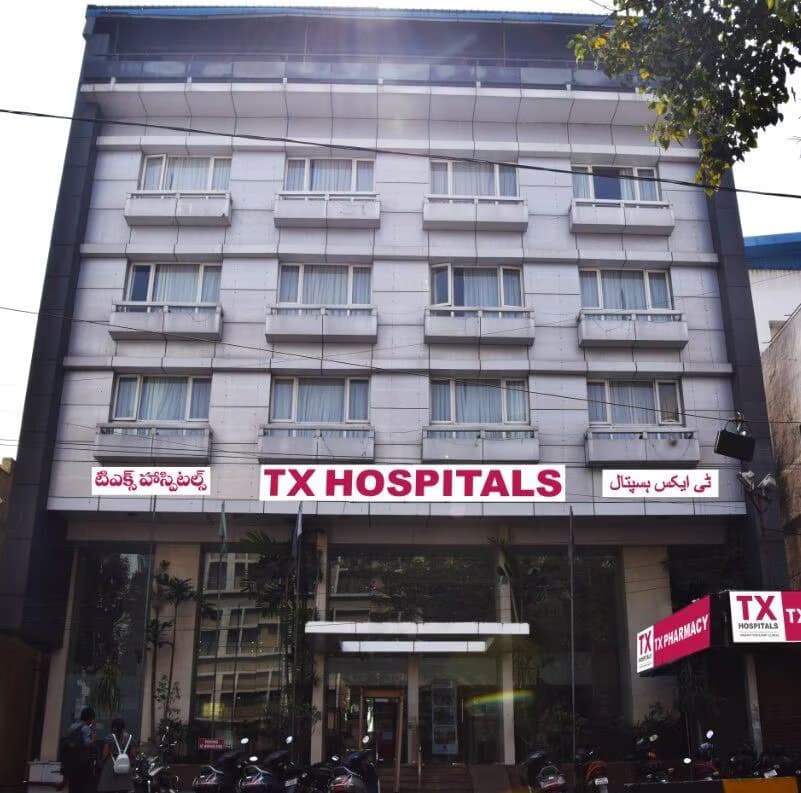
Tx Hospitals – Best Multispeciality Hospitals in Kachiguda, Hyderabad
- Beds
- 120
Neurology at TX Hospitals, Kachiguda
Patients looking for neurology care in Hyderabad can explore the neurological services listed at TX Hospitals, Kachiguda. The department focuses on the evaluation and management of conditions affecting the brain, spinal cord, nerves and muscles. This page provides information about common neurological conditions, including migraine, epilepsy, stroke, Parkinson's disease, neuropathy and movement disorders, along with diagnostic approaches and available treatment categories. Patients can learn what to expect during a neurology consultation, understand when specialist evaluation may be necessary and explore relevant care options. Located in Kachiguda, TX Hospitals serves patients seeking multispeciality medical care in central Hyderabad. Specific neurological doctors, procedures and appointment availability should be confirmed with the hospital before visiting.
Neurology at TX Hospitals, Kachiguda, Hyderabad
The brain, spinal cord and peripheral nerves control essential functions such as movement, memory, speech, sensation, coordination and balance. When something affects the nervous system, symptoms can range from recurring headaches and dizziness to seizures, muscle weakness, changes in memory or difficulty walking. Identifying the underlying cause is an important step towards appropriate treatment.
Neurology at TX Hospitals, Kachiguda, Hyderabad is relevant to patients seeking medical evaluation for conditions affecting the brain and nervous system. TX Hospitals Kachiguda is listed on Siris Healthcare as a multispeciality hospital with Neurology and Neurosurgery among its medical services. Patients can explore the TX Hospitals Kachiguda hospital profile to understand the hospital's listed services and location.
Neurology focuses primarily on diagnosing and managing neurological conditions through clinical assessment, appropriate investigations and individualised treatment planning. The approach depends on the symptoms, medical history, diagnosis and overall health of each patient.
Patients looking for a neurology specialist in Hyderabad can also explore the neurological conditions, diagnostic approaches and treatment information available through Siris Healthcare.
Neurology Services and Areas of Care
Neurological conditions can affect different parts of the nervous system and may require different forms of medical attention. Some develop gradually, while others can appear suddenly and require urgent assessment.
The main areas of neurology care include:
Brain and Cerebrovascular Disorders
The brain controls essential physical and cognitive activities. Conditions affecting its blood supply or structure can lead to changes in movement, speech, memory and awareness. Neurological evaluation helps identify the possible cause and determine appropriate medical management.
Headache and Migraine Management
Recurring headaches and migraine can interfere with work, sleep and everyday activities. Neurological assessment may help identify headache patterns, possible triggers and associated symptoms. Treatment depends on the type and frequency of headaches and the patient's medical history.
Epilepsy and Seizure Disorders
Epilepsy is a neurological condition associated with a tendency to experience recurrent seizures. Seizures can involve involuntary movements, unusual sensations, changes in awareness or temporary loss of consciousness. Evaluation helps determine the seizure type and appropriate management.
Movement and Coordination Disorders
Conditions affecting movement can cause tremors, stiffness, slowed movements, muscle control difficulties and problems with balance. Neurological assessment helps distinguish between different movement disorders and guide treatment decisions.
Peripheral Nerve Disorders
Peripheral nerves carry information between the brain, spinal cord and the rest of the body. Damage to these nerves can cause numbness, tingling, burning sensations, pain or muscle weakness. Patients experiencing persistent nerve-related symptoms may benefit from neurological evaluation.
Memory and Cognitive Disorders
Changes in memory, concentration, reasoning and behaviour can occur for several reasons. Neurological assessment may help investigate conditions such as dementia and other disorders affecting cognitive function.
Conditions Treated Under Neurology
Neurology covers a broad range of disorders involving the central and peripheral nervous systems. The following are important conditions for which patients may seek neurological evaluation.
Migraine and Other Headache Disorders
Migraine can cause recurring episodes of moderate to severe headache, sometimes accompanied by nausea and sensitivity to light or sound. Other headache disorders may have different patterns and causes. A specialist can assess symptoms and discuss suitable treatment and preventive approaches.
Epilepsy and Seizures
Epilepsy involves recurrent seizures that result from abnormal electrical activity in the brain. Symptoms vary depending on the area of the brain involved. Diagnosis may require a detailed clinical history and investigations such as an electroencephalogram (EEG).
Stroke and Cerebrovascular Conditions
A stroke occurs when blood supply to part of the brain is interrupted or when bleeding occurs within or around the brain. It can cause sudden weakness, facial drooping, speech difficulties, visual disturbances or loss of coordination.
Stroke symptoms require immediate medical attention. Early emergency assessment is important because some treatments are time-sensitive.
Parkinson's Disease
Parkinson's disease is a progressive neurological disorder that affects movement. Common features include tremors, muscle stiffness, slowed movement and changes in balance. Management may involve medication, monitoring and supportive rehabilitation depending on individual needs.
Alzheimer's Disease and Dementia
Alzheimer's disease is a common cause of dementia. These conditions can affect memory, communication, judgement and the ability to manage everyday activities. Evaluation helps identify possible causes of cognitive changes and guide long-term care planning.
Peripheral Neuropathy
Peripheral neuropathy refers to damage or dysfunction involving peripheral nerves. Symptoms may include numbness, tingling, burning pain and weakness, particularly in the hands and feet. Diabetes, nutritional deficiencies, certain medications and other medical conditions may contribute to nerve problems.
Multiple Sclerosis
Multiple sclerosis is an immune-mediated disease affecting the central nervous system. It can interfere with communication between the brain and different parts of the body. Symptoms vary and may include vision changes, weakness, numbness, balance difficulties and fatigue.
Other Neurological Conditions
Neurological evaluation may also be relevant for:
- Vertigo and persistent balance problems
- Neuromuscular disorders
- Tremors and involuntary movements
- Spinal cord-related neurological conditions
- Nerve compression disorders
- Unexplained muscle weakness
- Cognitive and memory-related disorders
The exact diagnosis and treatment approach should be determined by a qualified medical professional.
Neurology Treatments and Procedures
Neurological treatment is selected according to the underlying condition, severity of symptoms, investigation findings and individual patient requirements. Not every patient requires surgery or hospital admission. Many neurological conditions are managed through medication, monitoring and supportive care.
Medical Management
Medication may be recommended for conditions such as epilepsy, migraine, Parkinson's disease, neuropathic pain and certain other neurological disorders. The choice of medicine, dosage and duration depends on the diagnosis and the patient's response to treatment.
Stroke Management
Stroke management depends on whether the stroke is caused by a blocked blood vessel or bleeding. Emergency treatment, medical stabilisation and subsequent rehabilitation may form part of the care pathway. Some patients may require specialised procedures depending on clinical findings and treatment eligibility.
Epilepsy Management
Treatment for epilepsy may involve anti-seizure medications and regular follow-up. For selected patients whose seizures are not adequately controlled with medication, further specialist assessment may be required to consider other treatment options.
Migraine Management
Migraine treatment may include medicines to relieve an episode, preventive medication for frequent attacks and advice on identifying individual triggers. A treatment plan should account for headache frequency, associated symptoms and other health conditions.
Movement Disorder Management
Management of Parkinson's disease and other movement disorders may include medication, functional assessment and supportive therapies. Treatment goals often focus on maintaining mobility, independence and quality of life.
Neurosurgical Evaluation
Certain neurological conditions may require assessment by a neurosurgeon, particularly when structural abnormalities, brain or spinal tumours, nerve compression or other conditions requiring surgical consideration are suspected.
Neurology and neurosurgery are related but distinct specialties. A neurologist generally focuses on medical diagnosis and management, while a neurosurgeon evaluates conditions that may require surgical intervention.
Patients can explore the neurosurgery-related services and hospital information through the hospital profile and confirm which procedures are currently available at the Kachiguda branch.
Neurology Diagnostic and Evaluation Services
Accurate diagnosis is essential when investigating symptoms affecting the nervous system. The diagnostic approach depends on the patient's symptoms, medical history and findings from the clinical examination.
Possible investigations include:
Neurological Examination
A neurological examination evaluates functions such as muscle strength, reflexes, sensation, coordination, balance, eye movements and mental status. It helps the doctor identify areas of the nervous system that may require further investigation.
MRI and CT Imaging
Magnetic Resonance Imaging (MRI) and Computed Tomography (CT) scans may be recommended to examine the brain or spinal structures.
These investigations can help identify certain structural abnormalities, bleeding, strokes, tumours and other conditions. The choice of imaging depends on the clinical situation.
Electroencephalogram (EEG)
An EEG records electrical activity in the brain. It is commonly used during the evaluation of seizures and suspected epilepsy.
Nerve Conduction Studies and Electromyography
Nerve conduction studies (NCS) assess how electrical signals travel through peripheral nerves. Electromyography (EMG) evaluates electrical activity in muscles. These investigations may help assess neuropathy, nerve compression and certain neuromuscular disorders.
Blood Investigations
Blood tests may be advised to investigate conditions that can contribute to neurological symptoms, including blood sugar abnormalities, vitamin deficiencies, electrolyte disturbances and thyroid disorders.
TX Hospitals Kachiguda's hospital listing includes diagnostic and laboratory services. However, patients should confirm the availability of specific neurological investigations, imaging equipment and specialist testing before scheduling them.
Patients can also explore diagnostic services through Siris Healthcare for general information.
When Should You See a Neurology Specialist?
Not every headache, episode of dizziness or sensation of tingling indicates a neurological disorder. However, recurring, unexplained or worsening symptoms should not be ignored.
Consider seeking a neurological consultation if you experience:
- Frequent or persistent headaches and migraine episodes.
- Repeated seizures or unexplained episodes of altered awareness.
- Numbness or tingling in the hands, legs or other body parts.
- Persistent muscle weakness or difficulty controlling movements.
- Tremors or involuntary movements.
- Unexplained balance difficulties or problems walking.
- Recurring dizziness or vertigo.
- Memory changes or difficulty concentrating.
- Unexplained changes in speech or coordination.
- Persistent nerve pain or burning sensations.
Important Stroke Warning Signs
Sudden facial drooping, weakness or numbness on one side of the body, difficulty speaking, sudden vision loss or severe unexplained loss of balance may indicate a stroke.
Seek emergency medical attention immediately if these symptoms occur. Do not wait for a routine neurology appointment. Even if symptoms improve after a short time, urgent assessment is necessary because they may indicate a transient ischaemic attack (TIA) or stroke.
What to Expect During a Neurology Consultation
A neurology consultation generally follows a structured process to understand the patient's symptoms and identify possible causes.
1. Discussion of Medical History
The doctor may ask about the patient's symptoms, when they started, how frequently they occur and whether they have changed over time. Previous illnesses, medications, family history and relevant medical reports may also be reviewed.
2. Symptom Assessment
The specialist evaluates concerns such as headaches, seizures, weakness, numbness, memory changes, tremors and coordination difficulties. Describing the symptoms clearly can help the doctor understand their pattern.
3. Neurological Examination
Depending on the symptoms, the doctor may assess reflexes, muscle strength, sensation, balance, coordination, vision and other neurological functions.
4. Diagnostic Investigations
If necessary, additional investigations such as MRI, CT, EEG, NCS, EMG or laboratory tests may be recommended.
5. Treatment Discussion
After evaluating the available findings, the doctor discusses the possible diagnosis, treatment choices, expected monitoring requirements and relevant precautions.
6. Follow-up Planning
Some neurological conditions require ongoing assessment. Follow-up appointments may help monitor symptoms, review medication response and modify the treatment plan when necessary.
Patients should carry previous medical records, investigation reports and a current list of medicines when attending their appointment.
Why Consider Neurology Care at TX Hospitals, Kachiguda?
Choosing a hospital for neurological evaluation involves considering the available medical services, specialist access, diagnostic support and arrangements for follow-up care.
TX Hospitals Kachiguda is listed by Siris Healthcare as a multispeciality hospital with Neurology and Neurosurgery services. Its hospital profile also lists diagnostic and laboratory support, ICU services and emergency care.
Its location on Station Road makes it a local option for patients exploring multispeciality healthcare in Kachiguda and central Hyderabad.
Before choosing a neurological service, patients should confirm:
- Whether a neurologist is currently consulting at the Kachiguda branch.
- Whether the required neurological investigations are available.
- Whether neurosurgical evaluation is available when clinically indicated.
- Whether emergency and critical care support is appropriate for their needs.
- What follow-up arrangements are offered.
- The consultation charges and treatment-related costs.
For additional information, patients can review the TX Hospitals Kachiguda profile or use the Siris Healthcare hospital directory to explore other listed providers.
Neurology Doctors and Specialists
Neurological care involves different medical professionals depending on the condition being investigated.
A neurologist specialises in diagnosing and medically managing disorders of the brain, spinal cord, peripheral nerves and muscles. A neurosurgeon evaluates neurological conditions that may require surgical treatment.
Other professionals, including radiologists, rehabilitation specialists, physiotherapists and critical care physicians, may contribute to patient care when required.
The current Siris Healthcare doctor directory for TX Hospitals Kachiguda displays five doctor profiles, including a neurosurgeon, but does not currently display a neurologist among those profiles. Patients should confirm the availability of a neurologist and the relevant consultation schedule directly before booking.
You can explore the TX Hospitals Kachiguda doctor directory and the wider neurology hospital directory for Hyderabad to review available listings.
Neurology Care in Kachiguda, Hyderabad
Access to specialty healthcare close to home can make consultations, investigations and follow-up visits easier to plan, particularly for patients managing long-term neurological conditions.
TX Hospitals is located at Station Road, Kachiguda, Hyderabad. Its central location makes it relevant to patients exploring healthcare options in and around Kachiguda.
Patients from nearby localities such as Narayanguda, Barkatpura, Himayatnagar, Nallakunta, Chikkadpally, Abids, Malakpet and Amberpet may also consider the hospital when exploring medical services in central Hyderabad.
Individuals searching for a neurology hospital near Kachiguda, a brain specialist in Hyderabad or neurological consultation in central Hyderabad should verify the relevant department, specialist availability and required investigations before planning a visit.
For patients travelling from outside the locality, it is useful to confirm appointment timing, transport arrangements and any preparation required for diagnostic investigations in advance.
How to Choose the Right Neurology Hospital or Specialist
Selecting a neurology provider involves more than comparing hospital names or proximity. The specialist's qualifications and experience should be relevant to the patient's particular neurological condition.
Consider the following factors:
Relevant specialist qualifications: Check whether the doctor is a qualified neurologist or neurosurgeon, depending on the medical requirement.
Experience with the condition: Ask about the specialist's experience managing the specific concern, such as epilepsy, migraine, stroke or movement disorders.
Diagnostic support: Confirm access to the investigations required for diagnosis, including imaging, EEG or nerve studies when indicated.
Multidisciplinary support: Certain neurological conditions may require input from rehabilitation, physiotherapy, internal medicine or other specialties.
Emergency arrangements: For conditions with potentially urgent complications, understand the hospital's emergency and critical care arrangements.
Follow-up and communication: Consider whether the hospital offers clear explanations, medication guidance, review appointments and communication about investigation results.
Location and accessibility: Regular follow-up may be important for chronic neurological conditions, so convenient access can be a practical consideration.
Patients can compare listed providers using the Neurology Hospitals in Hyderabad directory and confirm the details directly with each hospital.
Frequently Asked Questions About Neurology
1. What does a neurologist treat?
A neurologist diagnoses and manages disorders affecting the brain, spinal cord, peripheral nerves and muscles. Common conditions include migraine, epilepsy, stroke-related disorders, Parkinson's disease, dementia, neuropathy and movement disorders.
2. When should I consult a neurologist in Hyderabad?
Consider a neurological consultation for recurring headaches, unexplained numbness, persistent dizziness, seizures, muscle weakness, tremors, memory changes or difficulties with balance and coordination. Sudden stroke-like symptoms require emergency attention rather than a routine appointment.
3. Does TX Hospitals Kachiguda provide neurology services?
The TX Hospitals Kachiguda listing on Siris Healthcare includes Neurology among its medical services. However, patients should confirm the current availability of a neurologist, consultation schedules and specific treatments with the hospital.
4. What is the difference between neurology and neurosurgery?
Neurology primarily focuses on diagnosing and medically managing nervous system disorders. Neurosurgery deals with conditions that may require surgical intervention involving the brain, spine, nerves or related structures. A patient may need one or both specialties depending on the diagnosis.
5. What tests are commonly used to diagnose neurological conditions?
Depending on the symptoms, doctors may recommend MRI, CT scans, EEG, nerve conduction studies, EMG, blood tests or a neurological examination. Not every patient requires all these investigations.
6. Can migraine be treated by a neurologist?
Yes. A neurologist can evaluate recurring or complex headaches, identify possible migraine patterns and recommend appropriate treatment. Management may involve medicines for acute attacks, preventive medication and lifestyle-related guidance.
7. Is epilepsy a treatable neurological condition?
Many people with epilepsy can achieve good seizure control through appropriate medical management. Treatment usually involves anti-seizure medication and follow-up. The treatment plan depends on the seizure type, underlying cause and individual response.
8. How can I book a neurology consultation at TX Hospitals Kachiguda?
You can explore the hospital's listing through Siris Healthcare and submit an appointment enquiry. Before confirming, check whether a neurologist is available at the Kachiguda branch, along with consultation charges and appointment timings. You can also use the Siris Healthcare appointment booking page.
9. What should I bring to a neurology appointment?
Bring previous prescriptions, medical history, relevant MRI or CT reports, blood test results, EEG or nerve study reports if available, and a list of current medicines. A written record of symptoms and when they occur can also help the specialist.
10. Can neurological conditions require physiotherapy or rehabilitation?
Yes. Some conditions, particularly stroke, movement disorders and certain nerve or muscle conditions, may affect mobility, strength and coordination. Depending on the patient's needs, a doctor may recommend physiotherapy or rehabilitation as part of a broader care plan. Explore physiotherapy services and rehabilitation services for additional information.
Neurological treatment should always be guided by a qualified healthcare professional after an appropriate clinical assessment. The most suitable approach depends on the diagnosis, symptoms and individual medical requirements.
Neurology Treatments
Stroke Treatment & Management
Advanced treatment available at Tx Hospitals.
Epilepsy & Seizure Treatment
Advanced treatment available at Tx Hospitals.
Migraine & Headache Treatment
Advanced treatment available at Tx Hospitals.
Parkinson's Disease Treatment
Advanced treatment available at Tx Hospitals.
Alzheimer's & Dementia Care
Advanced treatment available at Tx Hospitals.
Multiple Sclerosis Treatment
Advanced treatment available at Tx Hospitals.
Brain & Spinal Cord Tumor Management
Advanced treatment available at Tx Hospitals.
Neuropathy & Nerve Disorder Treatment
Advanced treatment available at Tx Hospitals.
Neuromuscular Disorder Treatment
Advanced treatment available at Tx Hospitals.
Neurorehabilitation & Stroke Rehabilitation
Advanced treatment available at Tx Hospitals.
Frequently Asked Questions About Neurology
What types of neurology procedures are performed at Tx Hospitals?
We perform a wide range of neurology procedures, from routine diagnostics to complex surgeries, using the latest medical technologies.
How can I book an appointment for Neurology at Tx Hospitals?
You can book an appointment through the Siris Healthcare platform by clicking the "Get Free Estimate" button or contacting our 24/7 helpline.
Get Expert Neurology Care at Tx Hospitals, Kachiguda
Schedule a consultation with our top specialists and get a personalized treatment plan with a free cost estimate.
Compare hospitals in Hyderabad
Compare the hospital details, specialties, doctor profiles and patient feedback currently listed for providers in Hyderabad.
| Hospital | Listed specialties | Doctor profiles | Rating | Reviews |
|---|---|---|---|---|
| Tx Hospitals Kachiguda | Cardiology, Nephrology, Neurology, Neurosurgery, Orthopaedics, Pulmonology, Urology, Gastroenterology, General Medicine, General Surgery, obstetrics, Gynecology, ENT, Vascular Surgery, Anesthesiology | 5 | Not listed | Not listed |
| Aster Hospitals Ameerpet | Internal Medicine, Psychiatric, Physiotherapy, Radiology, Ultrasound Imaging, Anaesthesiology, Dermatology, ENT, Endocrinology, Diabetology, Emergency medicine, General Surgery, General Medicine, Radiation Oncology, Surgical Oncology, Medical Oncology, obstetrics, Gynaecology, Paediatrics & Neonatology, Pulmonology, Critical care, Nephrology, Urology, Neurosurgery, Neurology, Neurosciences, Orthopaedics, Gastroenterology, Gastro Sciences, Cardiology, Cardiac Sciences | No profiles listed | 4.5 / 5 | 212 |
| Bhoomi Hospitals Manikonda | General Medicine, General Surgery, Orthopaedics, Gynaecology, obstetrics, Paediatrics & Neonatology, Cardiology, Neurology, Urology, Gastroenterology, Pulmonology, Nephrology, Dermatology, ENT, Psychiatric, Plastic Surgery, Surgical Oncology, Endocrinology, cardiothoracic, Vascular Surgery, Laparoscopic surgeries | 5 | 4.5 / 5 | 220 |
| Care Hospitals Banjara Hills | Cardiology, Cardiac Diagnostics, cardiothoracic, Gastroenterology, Surgical Oncology, Oncology, Medical Oncology, Radiation Oncology, Neurology, Neurosurgery, Orthopaedics, Nephrology, Urology, Liver Transplantation, Pulmonology, Paediatrics & Neonatology, Paediatric Surgery, Critical care, General Medicine, General Surgery, Endocrinology, ENT, Emergency medicine, Vascular Surgery, Robotic Surgery, Woman & Child Institute, Interventional Radiology | No profiles listed | 4.5 / 5 | 199 |
| Citizens Specialty Hospital Nallagandla | Cardiology, cardiothoracic, Vascular Surgery, Neurology, Neurosurgery, Oncology, Medical Oncology, Bone Marrow Transplant, orthopedic, Gastroenterology, Nephrology, Urology, obstetrics, Gynecology, Pediatrics, Paediatrics & Neonatology, Pulmonology, General Surgery, Laparoscopic surgeries, Critical care, Emergency medicine, Endocrinology, ENT, Interventional Radiology | No profiles listed | 4.5 / 5 | 277 |
| Apollo Hospitals Jubilee Hills | Cardiology, Cardiac Diagnostics, Oncology, Neurology, Neurosurgery, Orthopaedics, Gastroenterology, Hepatology, Nephrology, Urology, Organ Transplantation, Critical care, Emergency medicine, Pulmonology, Gynaecology, Paediatrics & Neonatology, ENT, Bariatric Surgery, Colorectal Surgery, Internal Medicine, General Surgery | No profiles listed | 4.5 / 5 | 265 |
Hospital directory in Hyderabad
Browse hospital listings in Hyderabad, including providers around Kachiguda where listings are available.
Top Specialities at Tx Hospitals Kachiguda
- Nephrology Department
- Cardiology Department
- Vascular Surgery Department
- Neurosurgery Department
- Gastroenterology Department
- Anesthesiology Department
- General Surgery Department
- Pulmonology Department
- ENT Department
- General Medicine Department
- obstetrics Department
- Gynecology Department
- Neurology Department
- Urology Department
- Orthopaedics Department
Best Hospitals in Hyderabad
Medical Services in India
Best Multispeciality Hospitals in Hyderabad
- Dr Naveen Reddy Hospital Madhapur
- Dr. Venky's Dental Jubilee Hills
- Aryas Dental Madhapur
- Ayyappa Healthcare Clinic Madhapur
- Dr Ashutosh Chakraborty, Homeo Care And Cure Gachibowli
- Aa Health Care Clinic Madhapur
- Ashwini Ayurvedic Center Gachibowli
- Eeshritha Skin & Hair Institute Madhapur
- Dr. Vamshi Gundeboina - Orthopaedic Doctor In Madhapur Madhapur
- Butterflies Child Development Centre Gachibowli
- Dhruv Ayur Vijayam Ayurvedic Hospital Madhapur
- Aira Medclinics Madhapur
- Anvitha Hospital Jubilee Hills
- Amedico Diagnostics Jubilee Hills
- Apollo Diagnostics Jubilee Hills Jubilee Hills
- Dental Laser & Implant Centre Madhapur
- Be Skin Hair Clinic Madhapur
- Aruna Clinic Madhapur
- Dr. P. Siva Reddy Eye Hospital Gachibowli
- Atreya Diagnostic Centre Madhapur