
Thoracic Oncology at Medicover Cancer Institute, Arilova, Visakhapatnam
Explore Thoracic Oncology services, treatments, diagnostic care and related doctors at Medicover Cancer Institute.
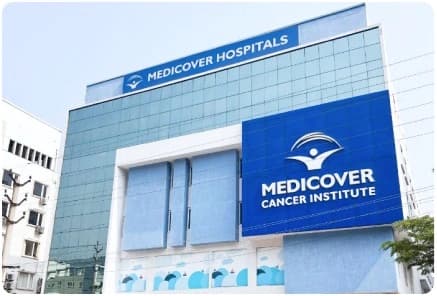
Medicover Cancer Institute – Best in Arilova, Visakhapatnam
Thoracic Surgical Oncology at Medicover Cancer Institute
Thoracic Surgical Oncology at Medicover Cancer Institute, Arilova, Visakhapatnam, focuses on the surgical evaluation and management of cancers and tumours involving the chest, including lung, esophageal, mediastinal, pleural and selected chest-wall malignancies. Patients can explore specialist consultation, diagnostic evaluation, surgical options and multidisciplinary cancer treatment planning based on their individual diagnosis. Thoracic cancer treatment may involve surgery alone or a combination of surgery with chemotherapy, radiation therapy, targeted therapy or immunotherapy, depending on the type and stage of cancer. The hospital's published information lists Thoracic Surgical Oncology among its specialised services. Patients seeking thoracic cancer care in Visakhapatnam can use this page to understand the specialty, commonly evaluated conditions, potential procedures and what to expect during consultation.
Thoracic Surgical Oncology at Medicover Cancer Institute, Visakhapatnam
Thoracic Surgical Oncology is a specialised area of cancer surgery concerned with tumours affecting structures within the chest. This can include cancers of the lungs, esophagus, mediastinum, pleura and chest wall, as well as selected cancers that have spread to the lungs or other thoracic structures. The specialty combines cancer surgery with detailed staging, pre-operative assessment and, when appropriate, coordination with medical and radiation oncology.
At Medicover Cancer Institute, Arilova, Visakhapatnam, Thoracic Oncology and Thoracic Surgical Oncology are listed among the hospital's specialised cancer services. The institute's published information describes a broader multidisciplinary cancer-care setting involving medical oncology, surgical oncology, radiation oncology and other specialised services.
For patients searching for Thoracic Surgical Oncology in Visakhapatnam, the focus is not simply on performing an operation. A thoracic surgical oncologist first needs to understand the cancer type, its location and stage, the patient's lung and overall health, and whether surgery is appropriate. In some cases, surgery may be the main treatment; in others, it may form one part of a wider plan involving chemotherapy, radiation therapy, immunotherapy or targeted treatment.
Thoracic Surgical Oncology Services and Areas of Care
Thoracic surgical oncology can involve several different types of chest cancer and surgical decision-making.
Lung Cancer Surgery
Lung cancer is one of the major conditions evaluated by thoracic surgical oncology. When a lung tumour is potentially removable, surgery may be considered depending on the cancer's stage, location, type and the patient's ability to tolerate an operation.
Possible surgical approaches include removal of part of a lung, such as a segment or lobe, or removal of a larger portion when clinically necessary. The exact operation is determined after imaging, tissue diagnosis, staging and assessment of lung function and overall health.
Esophageal Cancer Surgery
Cancer of the esophagus may require specialised surgical evaluation. An esophagectomy, which involves removing part of the esophagus and reconstructing the digestive passage, may be considered for selected patients.
Because esophageal cancer treatment can involve surgery, systemic treatment and radiation, patients may require coordinated assessment across multiple cancer specialties.
Mediastinal and Thymic Tumours
The mediastinum is the central area of the chest between the lungs. Tumours can develop in this region, including thymic tumours and other mediastinal masses.
Depending on the diagnosis and location, surgical removal or thymectomy may be considered. Imaging and tissue diagnosis are important in determining whether an operation is appropriate.
Pleural and Chest Wall Tumours
The pleura are thin layers surrounding the lungs. Certain cancers can involve the pleura, while other tumours may arise from the chest wall.
Treatment depends heavily on the tumour type, extent and involvement of surrounding structures. Surgical management may sometimes involve tumour removal and, in selected cases, reconstruction.
Selected Metastatic Tumours of the Lung
Some cancers originating elsewhere in the body can spread to the lungs. In carefully selected patients, removal of one or more metastatic lung lesions, known as pulmonary metastasectomy, may be considered.
This decision depends on factors such as the original cancer, number and location of lung lesions, disease elsewhere in the body and the patient's overall health.
Conditions Treated Under Thoracic Surgical Oncology
Thoracic surgical oncologists may evaluate a range of malignant and potentially malignant conditions affecting the chest. The appropriate treatment depends on the pathology and extent of disease.
Lung Cancer
Lung cancer may present as a pulmonary nodule or mass and can include different histological types. Treatment planning generally requires confirmation of the diagnosis and staging before determining whether surgery, systemic treatment, radiation or a combination is appropriate.
Esophageal Cancer
Esophageal cancer develops in the lining of the food pipe. Depending on its location and stage, treatment can involve combinations of surgery, chemotherapy and radiation therapy.
Mediastinal Tumours
Mediastinal tumours include thymic and other masses arising in the central chest. Their management depends on their origin, size, anatomical location and pathology.
Pleural Tumours
Tumours involving the pleura require careful imaging and specialist assessment. The treatment approach varies significantly according to tumour type and disease extent.
Chest Wall Cancer
Tumours involving the ribs, muscles, connective tissues or other chest-wall structures may require surgical assessment. In selected cases, tumour removal may be followed by reconstructive surgery.
Cancer Spread to the Lungs
Metastatic disease involving the lungs may occasionally be considered for surgical removal when the overall clinical situation makes surgery appropriate.
Thoracic Surgical Oncology Treatments and Procedures
Thoracic cancer surgery is highly individualised. Not every procedure is appropriate for every patient, and the final choice depends on diagnosis, tumour characteristics, stage, lung function and overall health.
The Siris Healthcare Thoracic Surgical Oncology specialty information identifies the following treatment and procedure categories.
Lobectomy
A lobectomy removes one lobe of the lung. It may be considered for selected lung cancers when removing the affected lobe provides an appropriate surgical treatment.
Pneumonectomy
A pneumonectomy involves removal of an entire lung. It is generally reserved for selected cancers where a smaller operation cannot adequately remove the disease.
Segmentectomy or Wedge Resection
These procedures remove a smaller portion of the lung. Depending on the cancer and patient's circumstances, limited lung resection may be considered instead of a larger resection.
VATS Lung Cancer Surgery
Video-Assisted Thoracoscopic Surgery, or VATS, uses small chest incisions and a camera to perform selected thoracic procedures. Whether a minimally invasive approach is suitable depends on the tumour and the proposed operation.
Robotic-Assisted Thoracic Surgery
Robotic-assisted thoracic surgery may be considered for selected procedures when the surgical team determines that this approach is appropriate. It should not be assumed to be suitable for every tumour or patient.
Esophagectomy
An esophagectomy removes part or most of the esophagus and reconstructs the digestive tract. It may be considered for selected esophageal cancers.
Mediastinal Tumour Resection and Thymectomy
Surgery can be used to remove selected tumours of the mediastinum, including thymic tumours, when resection is clinically appropriate.
Chest Wall Tumour Resection and Reconstruction
When cancer involves the chest wall, surgery may involve removal of the tumour with an appropriate margin. Reconstruction may be considered when necessary to restore structural integrity.
Pulmonary Metastasectomy
Pulmonary metastasectomy refers to surgical removal of selected metastatic lesions in the lungs. Patient selection is particularly important because metastatic cancer requires assessment of the entire disease pattern.
Tracheal or Airway Resection and Reconstruction
Selected tumours involving the trachea or major airways may require complex surgical procedures. These operations require detailed anatomical and clinical assessment.
These procedures are listed as part of the broader Thoracic Surgical Oncology treatment information on Siris Healthcare; availability and suitability for an individual patient should be confirmed directly with the treating team.
Thoracic Surgical Oncology Diagnostic and Evaluation Services
Accurate diagnosis and staging are essential before deciding whether thoracic cancer surgery is appropriate.
Depending on the patient's condition, evaluation may involve:
- Detailed medical and smoking history
- Physical examination
- Chest imaging
- CT or other appropriate imaging studies
- PET-based staging when clinically indicated
- Bronchoscopy
- Biopsy and pathological examination
- Blood investigations
- Pulmonary function testing
- Cardiac assessment before major surgery
- Assessment of overall surgical fitness
Not every patient needs every test. The diagnostic pathway depends on the suspected cancer, previous reports, symptoms and clinical findings. The Thoracic Surgical Oncology information published by Siris Healthcare specifically notes imaging, bronchoscopy, biopsy, blood testing, lung-function assessment, cardiac evaluation and imaging as possible components of evaluation.
When Should You See a Thoracic Surgical Oncology Specialist?
A thoracic surgical oncology consultation may be appropriate when a patient has been diagnosed with a chest cancer or has been referred for assessment of a potentially operable tumour.
Situations that may lead to referral include:
- A confirmed diagnosis of lung cancer
- A suspicious lung mass or pulmonary nodule requiring specialist assessment
- A diagnosis of esophageal cancer
- A mediastinal or thymic tumour
- A tumour involving the pleura or chest wall
- Cancer that has spread to the lungs and may require evaluation for surgical treatment
- A recommendation for lung or chest cancer surgery
- The need for a second specialist opinion regarding surgical options
Symptoms such as persistent cough, coughing up blood, unexplained weight loss, ongoing chest discomfort or persistent breathlessness can have many causes and do not by themselves indicate cancer. However, persistent or concerning symptoms should be medically evaluated rather than self-diagnosed.
What to Expect During a Thoracic Surgical Oncology Consultation
A first consultation generally begins with a review of the patient's medical history and existing reports.
1. Review of Diagnosis
The specialist may review pathology reports, scans, biopsy findings and previous treatment records to understand the cancer accurately.
2. Assessment of the Patient
The doctor may ask about symptoms, previous illnesses, smoking history where relevant, medications, previous operations and general physical condition.
3. Review of Surgical Suitability
For patients being considered for surgery, lung function, cardiac status, nutritional condition and general fitness may be assessed.
4. Discussion of Treatment Options
The specialist may explain whether surgery could have a role and whether additional treatment such as chemotherapy, radiation therapy, targeted therapy or immunotherapy may be needed before or after surgery.
5. Planning and Follow-Up
If surgery is appropriate, the team can discuss the proposed procedure, preparation, expected recovery and follow-up requirements. If surgery is not the preferred option, other treatment pathways may be discussed.
Patients should bring previous scans, pathology reports, discharge summaries, medication lists and relevant medical records to make the consultation more productive.
Why Choose Thoracic Surgical Oncology Care at Medicover Cancer Institute?
Medicover Cancer Institute in Arilova is listed by Siris Healthcare as a specialised cancer hospital in Visakhapatnam. Its published hospital information identifies Medical Oncology, Surgical Oncology, Radiation Oncology, Hemato-Oncology, Breast Oncology, Thoracic Oncology, Uro Oncology and other cancer-related services.
For thoracic cancers, treatment decisions can involve more than surgery. Depending on the diagnosis, patients may need input from surgical oncology, medical oncology, radiation oncology, radiology, pathology and other supportive disciplines. A multidisciplinary approach can help clinicians consider the patient's complete disease picture when deciding on treatment.
Patients should confirm the specific procedure, diagnostic facility and treatment pathway available for their individual case during consultation, as services and clinical suitability can vary.
Thoracic Surgical Oncology Doctors and Specialists
Thoracic cancer surgery is generally managed by specialists with training in surgical oncology and experience evaluating cancers of the chest. Depending on the patient's condition, the care team may also include medical oncologists, radiation oncologists, pulmonologists, radiologists, pathologists, anaesthesiologists and rehabilitation professionals.
Siris Healthcare lists Dr. P. Chandra Sekhar Vihari, Consultant Surgical Oncologist at Medicover Cancer Institute, Visakhapatnam, with MS in General Surgery and MCh in Surgical Oncology. His published profile states that his areas of practice include lung and thoracic oncology among several other cancer specialties.
Siris Healthcare also publishes a profile for Dr. Karthik Chandra Vallam, Chief Consultant Surgical Oncologist and Robotic & Laparoscopic Surgeon, whose stated practice includes lung and mediastinal cancers and minimally invasive cancer surgery. His profile identifies specialist surgical-oncology training and additional robotic-surgery training.
Patients should review the doctor's current consultation location, specialty focus and appointment availability before scheduling care.
Thoracic Surgical Oncology Care in Visakhapatnam
Patients searching for Thoracic Surgical Oncology in Visakhapatnam, lung cancer surgery in Vizag or a thoracic cancer specialist near Arilova can explore the services represented by Medicover Cancer Institute.
The hospital is located in Chinna Gadhili, Arilova, Visakhapatnam, Andhra Pradesh, on BRTS Road. Its location makes it locally relevant for patients seeking specialised cancer evaluation and treatment within Visakhapatnam.
Local access can be particularly useful for patients who need repeated oncology appointments, diagnostic evaluations, pre-operative assessments, surgery and post-treatment follow-up. Patients travelling from outside Visakhapatnam should confirm appointment schedules, required reports and treatment arrangements before travelling.
How to Choose the Right Thoracic Surgical Oncology Hospital or Specialist
Choosing a thoracic cancer care provider involves more than searching for a hospital with a particular specialty name. Patients can consider:
- Relevant specialist experience: Ask whether the surgeon regularly evaluates the type of chest cancer involved.
- Diagnostic evaluation: Confirm that appropriate imaging, pathology and staging assessments can be arranged.
- Surgical options: Ask which surgical approaches may be suitable for the specific tumour.
- Multidisciplinary care: For many cancers, coordinated input from surgery, medical oncology and radiation oncology can be important.
- Pre-operative assessment: Major thoracic procedures require appropriate evaluation of lung function and overall health.
- Recovery and follow-up: Understand expected hospital stay, recovery requirements and follow-up arrangements.
- Communication: A good consultation should give the patient an opportunity to understand the diagnosis and treatment choices.
- Location and accessibility: This can matter when multiple visits are required during treatment.
- Individual suitability: A procedure advertised online may not be appropriate for every patient.
The right treatment should be determined through a qualified medical evaluation. Treatment depends on the underlying condition, diagnosis, cancer stage and individual health needs.
Frequently Asked Questions About Thoracic Surgical Oncology
What does a Thoracic Surgical Oncology specialist treat?
Thoracic surgical oncologists evaluate and surgically manage selected cancers involving the chest, including lung, esophageal, mediastinal, pleural and chest-wall tumours. Selected metastatic tumours involving the lungs may also be considered for surgery.
When should I see a Thoracic Surgical Oncology specialist?
A referral may be appropriate after a confirmed lung or other thoracic cancer diagnosis, when imaging identifies a suspicious chest tumour, or when another doctor recommends an assessment for possible cancer surgery.
What types of lung cancer surgery may be considered?
Depending on the tumour and patient's condition, surgical options can include lobectomy, pneumonectomy, segmentectomy, wedge resection and selected minimally invasive procedures such as VATS.
Is VATS suitable for every lung cancer patient?
No. VATS is a minimally invasive approach that may be suitable for selected procedures and patients. The tumour's size, location, stage, relationship to surrounding structures and the proposed operation all influence the surgical approach.
What is mediastinal tumour surgery?
Mediastinal tumour surgery involves removal of selected tumours arising in the central part of the chest. Depending on the tumour, surgery may include mediastinal tumour resection or thymectomy.
Can esophageal cancer require surgery?
Yes. Some patients with esophageal cancer may be considered for an esophagectomy. The decision depends on the cancer's location, stage, overall treatment plan and the patient's health.
What tests are performed before thoracic cancer surgery?
Pre-operative evaluation may include blood tests, chest imaging, pulmonary function testing and cardiac assessment, along with pathology and cancer staging investigations as appropriate. The exact work-up varies from patient to patient.
Does thoracic cancer treatment always require surgery?
No. Surgery is only one possible component of treatment. Depending on the cancer, treatment may involve chemotherapy, radiation therapy, targeted therapy, immunotherapy, surgery or combinations of these approaches.
How do I choose a Thoracic Surgical Oncology specialist in Visakhapatnam?
Consider the specialist's relevant surgical training and experience, the type of cancer being treated, available diagnostic evaluation, multidisciplinary support, proposed treatment options and follow-up arrangements. A consultation is the best way to determine whether a particular surgical approach is appropriate.
How can I prepare for a Thoracic Surgical Oncology consultation?
Bring biopsy and pathology reports, CT/PET or other imaging reports and discs where available, previous discharge summaries, medication details and information about previous cancer treatments. Preparing a list of questions can also help you understand the proposed treatment plan.
Thoracic Oncology Treatments
Lung Cancer Diagnosis & Staging Package
Advanced treatment available at Medicover Cancer Institute.
Lung Cancer Surgery Package
Advanced treatment available at Medicover Cancer Institute.
Chemotherapy & Immunotherapy Package
Advanced treatment available at Medicover Cancer Institute.
Targeted Therapy & Precision Oncology Package
Advanced treatment available at Medicover Cancer Institute.
Thoracic Radiation Therapy Package
Advanced treatment available at Medicover Cancer Institute.
Frequently Asked Questions About Thoracic Oncology
What types of thoracic oncology procedures are performed at Medicover Cancer Institute?
We perform a wide range of thoracic oncology procedures, from routine diagnostics to complex surgeries, using the latest medical technologies.
How can I book an appointment for Thoracic Oncology at Medicover Cancer Institute?
You can book an appointment through the Siris Healthcare platform by clicking the "Get Free Estimate" button or contacting our 24/7 helpline.
Other Medical Specialties at Medicover Cancer Institute Arilova
Get Expert Thoracic Oncology Care at Medicover Cancer Institute, Arilova
Schedule a consultation with our top specialists and get a personalized treatment plan with a free cost estimate.
Top Specialities at Medicover Cancer Institute Arilova
- Oncology Department
- Thoracic Oncology Department
- Oncoplastic Surgery Department
- Bone Marrow Transplant Department
- Aesthetic Medicine Department
- Hematology Department
- Robotic Surgery Department
- Laparoscopic surgeries Department
- General Surgery Department
- Physiotherapy & Rehabilitation Department
- Palliative Care Department
- Pediatric Oncology Department
- Thoracic Oncology Department
- Breast Oncology Department
- Surgical Oncology Department
- Medical Oncology Department