
Pediatric Oncology at Medicover Cancer Institute, Arilova, Visakhapatnam
Explore Pediatric Oncology services, treatments, diagnostic care and related doctors at Medicover Cancer Institute.
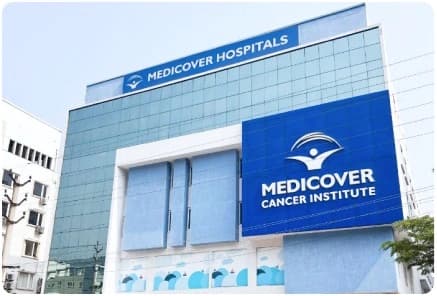
Medicover Cancer Institute – Best in Arilova, Visakhapatnam
Pediatric Oncology at Medicover Cancer Institute
Pediatric Oncology at Medicover Cancer Institute, Visakhapatnam, focuses on the evaluation and treatment planning of cancers affecting infants, children and adolescents. The institute's published specialty information specifically identifies Pediatric Oncology as an area of care for younger patients and lists childhood cancers such as leukemia, lymphoma, brain tumors, bone and soft-tissue cancers, and other solid tumors.
Pediatric Oncology at Medicover Cancer Institute, Visakhapatnam
Pediatric Oncology is the branch of cancer medicine dedicated to cancers affecting infants, children and adolescents. Childhood cancer is different from many adult cancers, and evaluation and treatment need to take the child's age, development, overall health, cancer type and individual clinical circumstances into account.
At Medicover Cancer Institute in Visakhapatnam, Pediatric Oncology is listed as a dedicated area of cancer care. The institute states that its Pediatric Oncology unit provides cancer treatment for infants, children and adolescents and identifies leukemia, lymphoma, brain tumors, bone and soft-tissue cancers and solid tumors among the childhood cancers managed within this area.
For parents, a suspected or confirmed cancer diagnosis can be overwhelming. Specialist evaluation can help clarify what the diagnosis means, which tests are required, whether additional opinions are appropriate and what treatment options may be considered. Treatment decisions should always be based on the child's confirmed diagnosis and individual medical needs.
Pediatric Oncology Services and Areas of Care
Pediatric cancer care can involve several stages, beginning with clinical assessment and diagnosis and continuing through treatment, monitoring and follow-up.
Depending on the child's condition, pediatric oncology care may involve:
- Initial clinical assessment and review of symptoms
- Review of previous medical reports and investigations
- Laboratory and pathology evaluation
- Imaging and other diagnostic investigations when clinically indicated
- Cancer staging and risk assessment
- Treatment planning
- Chemotherapy-based treatment when appropriate
- Surgery for selected childhood tumors
- Radiation therapy for selected cancers
- Targeted or other systemic therapies when clinically indicated
- Supportive and symptom-focused care
- Follow-up monitoring after treatment
The exact combination of services depends on the cancer type, stage or risk group, age of the child, treatment response and other clinical factors. Medicover Cancer Institute's published information describes its broader cancer program as multidisciplinary, involving oncology, surgical oncology, radiation oncology, medical oncology and other specialist services.
Conditions Treated Under Pediatric Oncology
Childhood cancers can arise in different parts of the body and may require different diagnostic and treatment approaches. Some important conditions evaluated within Pediatric Oncology include the following.
Childhood Leukemia
Leukemia is a cancer involving blood-forming tissues and is one of the major cancers encountered in pediatric oncology. Symptoms can vary and may include persistent tiredness, recurrent infections, unexplained fever, easy bruising or bleeding, or changes in blood counts.
Evaluation may involve blood tests, bone marrow examination and other investigations recommended by the treating specialist. Treatment depends on the specific type and risk classification of leukemia.
Childhood Lymphoma
Lymphomas are cancers of the lymphatic system. Children may present with persistent or unexplained lymph node enlargement, fever, night sweats, weight loss or other symptoms.
Diagnosis generally requires appropriate clinical evaluation, imaging and tissue or laboratory investigations as advised by the oncology team.
Pediatric Brain and Central Nervous System Tumors
Brain tumors in children can produce symptoms such as persistent headaches, vomiting, seizures, changes in vision, balance problems or changes in behavior and neurological function. However, these symptoms can have many causes and do not by themselves indicate cancer.
When a brain tumor is suspected, doctors may recommend neurological assessment and appropriate imaging, followed by further testing where necessary.
Bone and Soft-Tissue Cancers
Some childhood cancers develop in bones or soft tissues. A persistent lump, swelling, unexplained pain or changes in movement may require medical evaluation.
Diagnosis can involve imaging and tissue examination. Treatment may include surgery, chemotherapy, radiation therapy or a combination, depending on the specific diagnosis.
Pediatric Solid Tumors
Solid tumors can develop in different organs and tissues. Their treatment varies considerably depending on the location, tumor type, stage and biological characteristics.
Parents should discuss the diagnosis with the child's treating specialist rather than relying on general treatment information, as two children with apparently similar tumors may require different treatment plans.
Pediatric Oncology Treatments and Procedures
Treatment for childhood cancer is individualized. There is no single treatment that is appropriate for every pediatric cancer.
Depending on the diagnosis and clinical assessment, treatment categories may include:
Chemotherapy
Chemotherapy uses medicines that target cancer cells and may be an important part of treatment for several childhood cancers. It can be used alone or alongside other treatments.
The medicines, dosage, treatment schedule and duration depend on the child's cancer type and treatment protocol.
Surgery
Surgery may be considered when a tumor can be safely removed or when obtaining tissue is necessary for diagnosis. Pediatric cancer surgery may require specialized planning based on the tumor's location and relationship with surrounding structures.
Radiation Therapy
Radiation therapy uses carefully planned radiation to treat cancer cells. It may be appropriate for selected pediatric cancers, depending on the diagnosis and treatment plan.
Because children are still developing, radiation decisions require particular consideration of age, treatment area, potential benefits and possible long-term effects.
Targeted and Other Systemic Therapies
For selected cancers with particular molecular or biological characteristics, targeted medicines or other systemic therapies may be considered. Whether these treatments are appropriate depends on diagnostic findings and specialist assessment.
Supportive Care
Supportive care is an important part of pediatric oncology. It may address symptoms, nutrition, treatment-related side effects, emotional needs and other concerns affecting the child and family during treatment.
Medicover Cancer Institute's published cancer-care information also identifies supportive areas such as nutrition, psychological support, physiotherapy and palliative care within its broader oncology services.
Pediatric Oncology Diagnostic and Evaluation Services
Accurate diagnosis is the foundation of childhood cancer treatment. The tests required depend on the symptoms and suspected condition.
A pediatric oncology evaluation may include:
- Detailed medical and developmental history
- Physical examination
- Complete blood counts and other laboratory tests
- Biochemical investigations
- Imaging studies such as ultrasound, CT or MRI when indicated
- Bone marrow examination for selected blood cancers
- Biopsy or pathology testing when required
- Molecular or genetic testing for selected cancers
- Staging and risk assessment
Medicover Cancer Institute's Visakhapatnam centre publishes access to diagnostic technologies including MRI, CT, ultrasound, digital X-ray and nuclear medicine as part of its broader cancer infrastructure.
Not every child requires every investigation. The treating team determines which tests are clinically appropriate.
When Should You See a Pediatric Oncology Specialist?
A child should not be taken to a cancer specialist simply because of one common symptom. Most childhood symptoms have causes unrelated to cancer.
However, persistent, unexplained or concerning findings may require medical evaluation. Depending on the situation, a pediatrician may recommend specialist assessment for issues such as:
- Unexplained or persistent lumps or swelling
- Unusual or persistent bruising or bleeding
- Recurrent unexplained fever
- Persistent bone or joint pain
- Unexplained weight loss or prolonged loss of appetite
- Persistent headaches accompanied by neurological symptoms
- Recurrent vomiting without an obvious cause
- Persistent abdominal swelling or a palpable mass
- Significant changes in energy, behavior or physical function
- Abnormal blood-test results requiring further investigation
These signs do not necessarily mean a child has cancer. Parents should seek appropriate medical advice when symptoms are persistent, worsening or otherwise concerning.
What to Expect During a Pediatric Oncology Consultation
A first pediatric oncology appointment can feel stressful for both children and parents. Understanding the general process can make the visit easier.
1. Medical History Review
The specialist may ask about the child's symptoms, how long they have been present, previous illnesses, medications, allergies, family history and developmental history.
2. Review of Existing Reports
Parents should bring previous blood reports, imaging reports, pathology results, prescriptions and other relevant medical documents. This can help the specialist understand what has already been investigated.
3. Clinical Examination
A physical examination may be performed depending on the child's symptoms and reason for referral.
4. Additional Diagnostic Evaluation
If more information is needed, the specialist may recommend additional laboratory tests, imaging, biopsy, bone marrow examination or other investigations.
5. Discussion of Diagnosis and Treatment
If a diagnosis has already been established, the doctor may explain the disease, its characteristics and possible treatment approaches. If the diagnosis is not yet confirmed, the next diagnostic steps may be discussed instead.
6. Follow-Up Planning
The family may receive a plan for additional tests, treatment, monitoring or another consultation. Parents should ask questions about treatment duration, possible side effects, warning signs and follow-up requirements.
Why Choose Pediatric Oncology Care at Medicover Cancer Institute?
Choosing a pediatric cancer centre involves more than looking for a hospital close to home. Families should consider whether the care pathway matches the child's diagnosis and whether appropriate specialist services can be coordinated.
Medicover Cancer Institute in Visakhapatnam specifically lists Pediatric Oncology among its cancer services. Its published information also describes a multidisciplinary oncology model involving medical oncology, surgical oncology, radiation oncology, hemato-oncology and other cancer-related services.
The institute's broader cancer services include chemotherapy, radiation therapy, targeted therapy, immunotherapy, cancer surgery, minimally invasive procedures, transplant-related services and supportive care. Whether any particular treatment is suitable for a child depends on the diagnosis and the treating team's assessment.
Families can use the consultation to understand which services are relevant to their child's specific condition rather than assuming that every available cancer treatment will be required.
Pediatric Oncology Doctors and Specialists
Pediatric cancer treatment may involve more than one medical specialty. Depending on the diagnosis, a child's care may involve pediatric oncology, medical oncology, surgical oncology, radiation oncology, pathology, radiology and supportive-care professionals.
A pediatric oncology specialist evaluates childhood cancers and helps coordinate the medical treatment plan. Surgical oncologists may become involved when a tumor requires biopsy or surgical removal. Radiation oncologists may participate when radiation therapy is considered.
Medicover Cancer Institute publishes a multidisciplinary cancer team for its Visakhapatnam centre, including medical, surgical and radiation oncology services.
Parents searching for a pediatric oncology doctor in Visakhapatnam should check the current doctor directory and confirm the specialist's present availability, qualifications and area of practice before booking.
Pediatric Oncology Care in Visakhapatnam
Families searching for pediatric oncology in Visakhapatnam may prefer care that is accessible within the city while also allowing appropriate specialist evaluation and follow-up.
Medicover Cancer Institute is located at Plot No. 5, BRTS Road, Chinna Gadhili, Arilova, Visakhapatnam, Andhra Pradesh 530040.
The Arilova location is relevant for families looking for a cancer-focused hospital in Vizag and surrounding areas. For children undergoing repeated consultations, investigations or treatment sessions, practical factors such as travel time, appointment scheduling, caregiver arrangements and follow-up requirements can be important when planning care.
Families travelling from outside Visakhapatnam should confirm appointment availability and the required documents before travelling.
How to Choose the Right Pediatric Oncology Hospital or Specialist
When comparing pediatric oncology providers, parents and caregivers can consider:
- Relevant specialist expertise: Ask whether the treating doctor regularly manages childhood cancers and the specific cancer type involved.
- Diagnostic evaluation: Confirm whether the required investigations can be arranged as part of the child's evaluation.
- Multidisciplinary care: Complex childhood cancers may require coordination among oncology, surgery, radiation, pathology and other specialties.
- Treatment options: Ask which treatment approaches are appropriate for the child's specific diagnosis and why.
- Child-focused support: Consider how the hospital communicates with children and families throughout treatment.
- Follow-up planning: Understand how treatment response, side effects and long-term monitoring will be managed.
- Emergency and supportive care: For children receiving intensive treatment, ask what support is available if treatment-related complications arise.
- Communication: Parents should feel comfortable asking questions about diagnosis, treatment, risks, alternatives and expected follow-up.
- Accessibility: Location, appointment availability and travel requirements can matter during prolonged treatment.
The most appropriate treatment plan should be determined by qualified specialists after reviewing the child's complete clinical information.
Frequently Asked Questions About Pediatric Oncology
What does a Pediatric Oncology specialist treat?
A Pediatric Oncology specialist evaluates and treats cancers affecting infants, children and adolescents. These may include leukemia, lymphoma, brain tumors, bone and soft-tissue cancers and other solid tumors.
When should a child be evaluated by a Pediatric Oncology specialist?
Persistent or unexplained symptoms, abnormal investigations, a suspected tumor or a confirmed cancer diagnosis may lead a pediatrician or another doctor to recommend pediatric oncology evaluation. Symptoms alone do not establish a cancer diagnosis.
What childhood cancers are treated in Pediatric Oncology?
Pediatric oncology may manage blood cancers such as leukemia and lymphoma as well as brain tumors, bone cancers, soft-tissue cancers and other solid tumors. Treatment depends on the specific diagnosis.
How is childhood cancer diagnosed?
Diagnosis may involve medical history, physical examination, blood tests, imaging, biopsy, bone marrow testing and other specialized investigations. The required tests depend on the suspected cancer.
What treatments may be used for childhood cancer?
Depending on the diagnosis, treatment may involve chemotherapy, surgery, radiation therapy, targeted medicines or combinations of treatments. Supportive care is also important throughout the treatment journey.
Is chemotherapy used for all childhood cancers?
No. Treatment varies according to the type of cancer, stage or risk classification, biological characteristics, age and other clinical factors. A pediatric oncology specialist determines whether chemotherapy is appropriate.
What happens during a Pediatric Oncology consultation?
The doctor generally reviews the child's symptoms and medical history, examines the child when appropriate, reviews existing reports and recommends further investigations or discusses treatment options when a diagnosis is established.
What should I bring to a Pediatric Oncology appointment?
Bring previous blood-test reports, scans and imaging reports, pathology or biopsy reports, prescriptions, medication details, vaccination or relevant medical records and a list of questions you want to discuss.
How can I find Pediatric Oncology care in Visakhapatnam?
Families can explore Pediatric Oncology services at Medicover Cancer Institute in Arilova, Visakhapatnam. The hospital's published information identifies Pediatric Oncology as part of its cancer-care services.
Can children receive different types of cancer treatment at the same hospital?
Some cancer centres coordinate multiple oncology disciplines, but the availability and suitability of individual treatments varies. Families should confirm the specific service with the hospital and discuss the appropriate treatment with the child's oncology team.
Pediatric Oncology Treatments
Pediatric Cancer Screening & Diagnosis Package
Advanced treatment available at Medicover Cancer Institute.
Pediatric Chemotherapy Care Package
Advanced treatment available at Medicover Cancer Institute.
Pediatric Cancer Surgery Package
Advanced treatment available at Medicover Cancer Institute.
Pediatric Radiation Therapy Package
Advanced treatment available at Medicover Cancer Institute.
Pediatric Cancer Comprehensive Care Package
Advanced treatment available at Medicover Cancer Institute.
Frequently Asked Questions About Pediatric Oncology
What types of pediatric oncology procedures are performed at Medicover Cancer Institute?
We perform a wide range of pediatric oncology procedures, from routine diagnostics to complex surgeries, using the latest medical technologies.
How can I book an appointment for Pediatric Oncology at Medicover Cancer Institute?
You can book an appointment through the Siris Healthcare platform by clicking the "Get Free Estimate" button or contacting our 24/7 helpline.
Other Medical Specialties at Medicover Cancer Institute Arilova
Get Expert Pediatric Oncology Care at Medicover Cancer Institute, Arilova
Schedule a consultation with our top specialists and get a personalized treatment plan with a free cost estimate.
Top Specialities at Medicover Cancer Institute Arilova
- Oncology Department
- Thoracic Oncology Department
- Oncoplastic Surgery Department
- Bone Marrow Transplant Department
- Aesthetic Medicine Department
- Hematology Department
- Robotic Surgery Department
- Laparoscopic surgeries Department
- General Surgery Department
- Physiotherapy & Rehabilitation Department
- Palliative Care Department
- Pediatric Oncology Department
- Thoracic Oncology Department
- Breast Oncology Department
- Surgical Oncology Department
- Medical Oncology Department