
General Surgery at Medicover Cancer Institute, Arilova, Visakhapatnam
Explore General Surgery services, treatments, diagnostic care and related doctors at Medicover Cancer Institute.
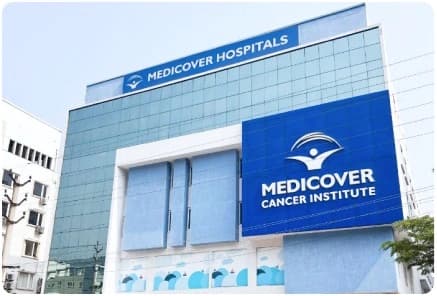
Medicover Cancer Institute – Best in Arilova, Visakhapatnam
General Surgery at Medicover Cancer Institute
General Surgery focuses on the evaluation and surgical management of a broad range of conditions involving the abdomen, digestive system, abdominal wall, skin and soft tissues, breast, thyroid and other areas. This page provides information about General Surgery care associated with Medicover Cancer Institute in Arilova, Visakhapatnam, helping patients understand consultations, common surgical conditions, diagnostic evaluation and possible treatment approaches.
General Surgery at Medicover Cancer Institute, Visakhapatnam
General Surgery is a broad surgical specialty concerned with the diagnosis and operative management of many conditions affecting the abdomen, gastrointestinal tract, abdominal wall, skin and soft tissues, breast, thyroid and related structures. A general surgeon may be involved when a condition requires a procedure, when symptoms persist despite non-surgical management, or when an examination suggests that surgical assessment is appropriate.
For patients looking for General Surgery in Visakhapatnam, understanding the reason for consultation is often the first step. A surgeon may assess symptoms such as persistent abdominal pain, a swelling or lump, a suspected hernia, recurrent gallbladder symptoms, appendicitis, thyroid enlargement, bowel-related problems or certain soft-tissue conditions.
Medicover Cancer Institute is located at Plot No. 5, BRTS Road, Chinna Gadhili, Arilova, Visakhapatnam. The hospital's published information describes the institute as a multidisciplinary cancer centre with services including surgical oncology and other oncology specialties.
Because General Surgery is a broad discipline and the Cancer Institute has a particular oncology focus, patients should confirm the availability of the specific general-surgical consultation or procedure they require before scheduling an appointment.
General Surgery Services and Areas of Care
General surgical care can cover a wide range of conditions. Depending on the patient's symptoms, diagnosis and overall health, treatment may involve observation, medical management, a minor procedure, minimally invasive surgery or conventional open surgery.
Common areas evaluated by general surgeons include:
Abdominal and Digestive Conditions
Surgeons may evaluate conditions involving the stomach, intestines, appendix, gallbladder and other abdominal structures. Symptoms such as persistent abdominal pain, vomiting, abdominal swelling, changes in bowel habits or suspected appendicitis may require clinical assessment.
Hernia and Abdominal Wall Problems
Hernias occur when internal tissue pushes through a weakened area of the abdominal wall. Common examples include inguinal, umbilical and incisional hernias. Depending on the type and symptoms, treatment may range from monitoring to surgical repair.
Gallbladder and Biliary Conditions
Gallstones and related gallbladder problems can cause abdominal discomfort, particularly after meals. When surgery is indicated, gallbladder removal, known as cholecystectomy, may be considered.
Appendix-Related Conditions
Acute appendicitis can cause abdominal pain and may require urgent surgical evaluation. Appendectomy, or removal of the appendix, is a commonly performed operation when appendicitis requires surgery.
Thyroid and Breast Conditions
Some thyroid nodules, thyroid enlargement and breast lumps require surgical assessment. Surgery is not automatically necessary for every lump or nodule; evaluation may include examination, imaging and tissue sampling before a treatment decision is made.
Skin and Soft-Tissue Conditions
General surgeons may also evaluate selected lumps, cysts, abscesses and other soft-tissue problems when a procedure or surgical intervention is appropriate.
Conditions Treated Under General Surgery
The conditions managed by a general surgeon vary according to the patient's diagnosis and the resources available at the treating hospital. Common conditions that may require general surgical assessment include:
Hernias
A hernia may appear as a visible or palpable swelling, particularly when standing, coughing or straining. Some hernias cause discomfort, while others may remain relatively painless. A surgeon evaluates the location, size, symptoms and risk factors before recommending management.
Appendicitis
Appendicitis occurs when the appendix becomes inflamed. Pain often begins around the abdomen and may become more pronounced in the lower right side. Nausea, vomiting, fever and loss of appetite can also occur. Suspected appendicitis requires prompt medical evaluation.
Gallstones and Gallbladder Disease
Gallstones can sometimes remain without symptoms, while symptomatic gallstones may cause episodes of abdominal pain, nausea or discomfort after eating. Complications such as inflammation of the gallbladder require medical assessment.
Thyroid Disorders Requiring Surgical Evaluation
Not every thyroid problem requires surgery. However, certain thyroid nodules, enlargements or cancers may require an operation after clinical assessment, blood tests, ultrasound and, when appropriate, a biopsy.
Breast Lumps and Selected Breast Conditions
A breast lump should be evaluated rather than assumed to be cancerous or benign. Depending on age, symptoms and clinical findings, assessment may include examination, imaging and tissue diagnosis. Surgery is considered when clinically indicated.
Anal and Colorectal Conditions
Conditions such as haemorrhoids, anal fissures, fistulas and selected colorectal disorders may require surgical consultation, particularly when symptoms are persistent, recurrent or complicated.
Soft-Tissue Problems
Abscesses, cysts and certain other superficial lesions may require drainage, removal or further investigation depending on their characteristics.
General Surgery Treatments and Procedures
Surgical treatment is selected according to the diagnosis, severity of disease, medical history and individual risk factors. Not every procedure is appropriate for every patient.
Common general-surgery procedures may include:
- Hernia repair
- Appendectomy
- Gallbladder removal or cholecystectomy
- Thyroid surgery
- Selected breast procedures
- Colorectal procedures
- Haemorrhoid procedures
- Abscess drainage
- Excision of selected cysts or soft-tissue lesions
- Diagnostic laparoscopy
- Adhesiolysis in selected cases
Laparoscopic and Minimally Invasive Surgery
Laparoscopic surgery uses small incisions and a camera-assisted approach rather than a large conventional incision. It is used for selected procedures, including some abdominal operations.
Potential advantages may include smaller incisions and, in appropriate patients, reduced postoperative discomfort and a shorter recovery period. However, suitability depends on the patient's condition, previous surgeries, anatomy and the procedure being considered.
The Medicover network's published General Surgery information for Visakhapatnam describes laparoscopic and minimally invasive procedures among its surgical services.
For the Medicover Cancer Institute location specifically, patients should confirm which General Surgery and laparoscopic procedures are currently available.
General Surgery Diagnostic and Evaluation Services
A surgical consultation generally begins with a detailed assessment rather than immediately proceeding to surgery.
Depending on the presenting problem, evaluation may involve:
- Medical history and review of previous treatments
- Physical examination
- Blood and urine investigations where clinically appropriate
- Ultrasound
- X-ray
- CT or MRI when indicated
- Endoscopic evaluation for selected gastrointestinal problems
- Tissue sampling or biopsy for selected lumps or lesions
- Pre-operative investigations before planned surgery
The choice of investigation depends on the symptoms and suspected condition. For example, a patient with a suspected hernia may primarily require clinical examination and, in selected cases, imaging. A thyroid lump may require thyroid function testing, ultrasound and possibly fine-needle aspiration.
Diagnostic findings are interpreted together with the patient's history and examination. A scan or laboratory result should not be considered in isolation when deciding on treatment.
When Should You See a General Surgery Specialist?
A General Surgery consultation may be appropriate when you have a persistent or recurring problem that could require surgical assessment.
Examples include:
- A new or enlarging lump
- A swelling that becomes more noticeable while coughing or straining
- Persistent or recurrent abdominal pain
- Repeated gallbladder-type pain
- Suspected appendicitis
- A painful or complicated hernia
- Persistent symptoms from piles, fissure or fistula
- A thyroid swelling or nodule requiring assessment
- A breast lump requiring further evaluation
- A recurrent abscess or problematic cyst
- A wound or soft-tissue problem that is not healing normally
Sudden severe abdominal pain, repeated vomiting, fainting, heavy bleeding, severe abdominal swelling, or a painful swelling that cannot be pushed back should be assessed urgently. Emergency symptoms should not be managed by waiting for a routine specialist appointment.
What to Expect During a General Surgery Consultation
A General Surgery consultation is usually structured around understanding the problem and determining whether surgery is actually required.
1. Medical History
The surgeon may ask about your symptoms, when they started, how they have changed and whether anything makes them better or worse. Previous surgeries, medical conditions, allergies and current medicines may also be reviewed.
2. Physical Examination
Depending on the complaint, the surgeon may examine the abdomen, a lump, wound, hernia, thyroid, breast or another affected area.
3. Diagnostic Evaluation
If additional information is needed, the surgeon may recommend blood tests, imaging or another diagnostic procedure.
4. Discussion of Treatment Options
The treatment plan depends on the diagnosis. Some conditions can be managed without surgery, while others may benefit from an operation. When surgery is considered, the surgeon may explain the procedure, expected recovery, possible risks and alternatives.
5. Pre-operative Planning
For planned surgery, the patient may need medical clearance and investigations such as blood tests, ECG or imaging depending on age, medical history and the proposed procedure.
6. Follow-up and Recovery
After treatment, follow-up helps monitor wound healing, symptoms, diet, activity and recovery. The timing of follow-up depends on the procedure and individual circumstances.
Why Choose General Surgery Care at Medicover Cancer Institute?
When choosing a surgical provider, patients should look beyond a single procedure or search ranking. Important considerations include the surgeon's relevant training and experience, appropriate diagnostic evaluation, anaesthesia and perioperative support, postoperative monitoring and access to other specialists when required.
Medicover Cancer Institute's published information identifies the facility in Arilova as a multidisciplinary cancer institute with surgical oncology and several other cancer-focused specialties. This multidisciplinary setting can be relevant when a patient's surgical problem is suspected to be cancer-related or when surgical evaluation needs to be coordinated with oncology specialists.
The Medicover organisation also publishes General Surgery services for Visakhapatnam, including surgeons who perform general and laparoscopic procedures. However, the exact doctor availability, procedure list and service availability can differ between Medicover locations. Patients should therefore confirm that the required General Surgery service is available at the Arilova Cancer Institute before booking.
General Surgery Doctors and Specialists
General surgeons are trained to assess and surgically manage a broad range of conditions. Depending on the problem, a patient may also need input from a laparoscopic surgeon, colorectal surgeon, surgical oncologist, gastroenterologist, radiologist, anaesthesiologist or another specialist.
Medicover's published Visakhapatnam General Surgery information lists general and laparoscopic surgeons, including Dr CH V N G R. Ramanujam and Dr B Ananta Rao.
At the Cancer Institute location, published doctor profiles also identify surgical specialists with General Surgery qualifications and advanced surgical-oncology or laparoscopic training. For example, Dr Lalitya Swarna Pethakamsetty is listed as a Consultant Surgical Oncologist and Robotic and Laparoscopic Surgeon, with an MS in General Surgery and a fellowship in advanced laparoscopic surgery.
Because doctor rosters and consultation schedules can change, patients should verify the current specialist, specialty and appointment availability before visiting.
General Surgery Care in Visakhapatnam
Patients searching for General Surgery in Visakhapatnam may compare hospitals based on specialist availability, diagnostic support, surgical options, location and follow-up arrangements.
Medicover Cancer Institute is located in Arilova, on BRTS Road in Chinna Gadhili, Visakhapatnam. Its location makes it relevant for patients specifically looking for healthcare in and around the Arilova area.
For patients travelling from outside the city, it can be useful to confirm appointment timings, required reports, insurance documentation and whether the planned consultation or procedure is provided at this particular location before travelling.
Local availability is especially important for surgical care because a patient may need multiple visits for pre-operative evaluation, the procedure itself and postoperative review.
How to Choose the Right General Surgery Hospital or Specialist
Choosing a general surgeon should be based on the specific condition rather than a generic search ranking.
Consider the following:
Relevant surgical experience: Look for a surgeon whose practice is appropriate for the condition being evaluated.
Diagnostic evaluation: Confirm that the provider can arrange the investigations needed to establish a diagnosis.
Surgical approach: For appropriate conditions, ask whether open, laparoscopic or another minimally invasive approach is suitable.
Anaesthesia and perioperative support: Planned surgery requires appropriate assessment before the procedure and monitoring afterward.
Multidisciplinary care: Conditions involving cancer, complex abdominal disease or multiple medical problems may require coordination between several specialties.
Follow-up care: Ask how postoperative reviews, wound checks and recovery guidance will be managed.
Emergency support: If the condition has the potential to become an emergency, understand how urgent care is handled.
Communication: A good consultation should give you an opportunity to understand the diagnosis, treatment alternatives, potential risks and expected recovery.
Location and convenience: Accessibility can matter when several appointments or follow-up visits are expected.
Frequently Asked Questions About General Surgery
1. What does a General Surgery specialist treat?
General surgeons manage a wide range of conditions involving the abdomen, digestive tract, abdominal wall, hernias, appendix, gallbladder, thyroid, breast and selected skin and soft-tissue conditions. The exact scope varies by surgeon and hospital.
2. When should I see a General Surgery specialist?
You may need a surgical evaluation for a persistent lump or swelling, suspected hernia, recurring abdominal pain, appendicitis, gallbladder problems, certain thyroid or breast lumps, recurrent abscesses or other conditions that may require a procedure.
3. Does every condition seen by a general surgeon require surgery?
No. A surgical consultation does not automatically mean that an operation is necessary. Some conditions can be monitored or treated medically, while surgery may be recommended when clinically appropriate.
4. What is laparoscopic surgery?
Laparoscopic surgery is a minimally invasive surgical approach in which instruments and a camera are introduced through small incisions. It is suitable for selected procedures and patients rather than every surgical condition.
5. How is a hernia diagnosed?
Many hernias can be identified through medical history and physical examination. Ultrasound or other imaging may be recommended when the diagnosis is uncertain or when additional information is required.
6. When does abdominal pain require surgical evaluation?
Persistent, recurrent or severe abdominal pain should be medically assessed, particularly when accompanied by vomiting, fever, abdominal swelling, bleeding or worsening symptoms. The cause of abdominal pain cannot be determined from symptoms alone.
7. What happens during a General Surgery consultation?
The surgeon generally reviews your medical history, symptoms and previous reports, performs an appropriate examination, recommends additional investigations if necessary, and discusses treatment options based on the findings.
8. Can I seek a second opinion before surgery?
Yes. A second surgical opinion can help patients understand the diagnosis, proposed procedure, alternatives and expected recovery, particularly before major or elective surgery.
9. How can I book a General Surgery consultation at Medicover Cancer Institute?
Patients can use the hospital or healthcare provider's current appointment process to request a consultation. Since specialty availability and doctor schedules may change, confirm that General Surgery is being offered at the Arilova Cancer Institute location before booking.
10. What should I bring to a General Surgery appointment?
Bring previous medical records, scan or imaging reports, laboratory results, prescriptions, a list of current medicines and information about previous surgeries or significant medical conditions. This can help the surgeon understand your medical history more efficiently.
Treatment decisions should always be based on an individual clinical evaluation. The appropriate procedure, diagnostic test or treatment depends on the underlying condition, diagnosis and overall health of the patient.
General Surgery Treatments
Appendectomy
Advanced treatment available at Medicover Cancer Institute.
Gallbladder Removal (cholecystectomy)
Advanced treatment available at Medicover Cancer Institute.
Hernia Repair Surgery
Advanced treatment available at Medicover Cancer Institute.
Piles / Hemorrhoid Treatment
Advanced treatment available at Medicover Cancer Institute.
Fistula Surgery
Advanced treatment available at Medicover Cancer Institute.
Fissure Surgery
Advanced treatment available at Medicover Cancer Institute.
Bariatric Surgery
Advanced treatment available at Medicover Cancer Institute.
Bowel / Intestinal Surgery
Advanced treatment available at Medicover Cancer Institute.
Breast Surgery
Advanced treatment available at Medicover Cancer Institute.
Thyroid Surgery (thyroidectomy)
Advanced treatment available at Medicover Cancer Institute.
Frequently Asked Questions About General Surgery
What types of general surgery procedures are performed at Medicover Cancer Institute?
We perform a wide range of general surgery procedures, from routine diagnostics to complex surgeries, using the latest medical technologies.
How can I book an appointment for General Surgery at Medicover Cancer Institute?
You can book an appointment through the Siris Healthcare platform by clicking the "Get Free Estimate" button or contacting our 24/7 helpline.
Other Medical Specialties at Medicover Cancer Institute Arilova
Get Expert General Surgery Care at Medicover Cancer Institute, Arilova
Schedule a consultation with our top specialists and get a personalized treatment plan with a free cost estimate.
Top Specialities at Medicover Cancer Institute Arilova
- Oncology Department
- Thoracic Oncology Department
- Oncoplastic Surgery Department
- Bone Marrow Transplant Department
- Aesthetic Medicine Department
- Hematology Department
- Robotic Surgery Department
- Laparoscopic surgeries Department
- General Surgery Department
- Physiotherapy & Rehabilitation Department
- Palliative Care Department
- Pediatric Oncology Department
- Thoracic Oncology Department
- Breast Oncology Department
- Surgical Oncology Department
- Medical Oncology Department