
Physiotherapy & Rehabilitation at Medicover Cancer Institute, Arilova, Visakhapatnam
Explore Physiotherapy & Rehabilitation services, treatments, diagnostic care and related doctors at Medicover Cancer Institute.
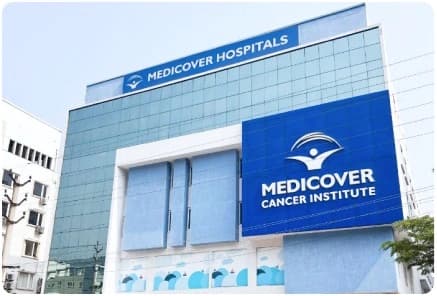
Medicover Cancer Institute – Best in Arilova, Visakhapatnam
Physiotherapy & Rehabilitation at Medicover Cancer Institute
Physiotherapy & Rehabilitation at Medicover Cancer Institute in Visakhapatnam focuses on helping patients maintain or regain movement, strength, physical function and independence when rehabilitation is clinically appropriate. Physiotherapy can form an important part of recovery following illness, surgery, prolonged hospitalization or cancer treatment, depending on an individual's condition and treatment plan. Patients exploring physiotherapy in Visakhapatnam can use this page to understand rehabilitation services, common conditions and functional problems addressed, assessment methods, treatment approaches and what to expect during a consultation. Located in Arilova, the page is designed to help patients and families understand how rehabilitation may complement medical and cancer care while supporting practical recovery goals.
Physiotherapy & Rehabilitation at Medicover Cancer Institute, Visakhapatnam
Physiotherapy and rehabilitation can play an important role in helping people manage physical limitations caused by illness, surgery, prolonged hospitalisation, reduced activity or cancer treatment. The goal is not simply to relieve discomfort, but to assess physical function and develop an appropriate plan to help a patient move more safely, regain strength, improve mobility and work towards greater independence.
At Medicover Cancer Institute in Arilova, Visakhapatnam, patients looking for Physiotherapy & Rehabilitation in Visakhapatnam can explore rehabilitation-focused care in the context of their individual medical needs. For patients undergoing or recovering from cancer treatment, rehabilitation may address issues such as weakness, reduced mobility, fatigue-related functional limitations, balance difficulties or reduced ability to perform everyday activities.
Physiotherapy is not identical for every patient. The appropriate approach depends on the underlying condition, previous treatment, current physical status, symptoms, age, functional goals and medical advice. Some patients may require short-term rehabilitation after a procedure, while others may benefit from a longer, progressive programme.
Physiotherapy & Rehabilitation Services and Areas of Care
Physiotherapy involves assessment, treatment and functional rehabilitation designed around a patient's physical needs. Depending on clinical assessment, rehabilitation may focus on:
Mobility and Movement Rehabilitation
Illness, surgery or prolonged periods of inactivity can affect walking, joint movement, muscle strength and coordination. Physiotherapy may include exercises and movement strategies intended to help patients improve functional mobility safely.
Strength and Conditioning
Muscle weakness can develop after prolonged bed rest, major treatment or reduced physical activity. A supervised rehabilitation programme may use progressive exercises to improve strength and endurance according to the patient's tolerance.
Balance and Functional Training
Some patients experience difficulty with balance, transfers, walking or everyday activities. Rehabilitation can include exercises and practical movement training aimed at improving safety and confidence during daily tasks.
Post-Surgical Rehabilitation
Recovery following surgery may involve gradual restoration of movement and physical function. A physiotherapist can assess functional limitations and, when appropriate, guide exercises and activity progression in coordination with the treating medical team.
Cancer Rehabilitation
Cancer and its treatment can affect physical function in different ways. Rehabilitation may be considered before, during or after treatment depending on the patient's condition. The focus may include maintaining mobility, managing physical limitations and supporting participation in everyday activities.
Recovery After Prolonged Hospitalisation
Extended hospital stays can contribute to deconditioning and loss of muscle strength. Physiotherapy may support gradual mobilisation and functional recovery when medically appropriate.
Conditions and Functional Problems Addressed Under Physiotherapy & Rehabilitation
Physiotherapy is used across many medical situations rather than being limited to one disease. The treatment plan should always be based on an appropriate clinical assessment.
Cancer-Related Physical Limitations
Cancer patients may experience weakness, reduced endurance, mobility difficulties or functional limitations associated with the disease or its treatment. Rehabilitation can form part of supportive care when recommended by the clinical team.
Post-Treatment Weakness and Deconditioning
Reduced physical activity during treatment or recovery can result in loss of strength and stamina. A structured programme may help patients gradually rebuild physical capacity.
Joint and Muscle Stiffness
Reduced movement can lead to stiffness or restricted function. Physiotherapy may incorporate appropriate mobility exercises, stretching and strengthening based on the affected area and underlying cause.
Balance and Walking Difficulties
Changes in strength, coordination, endurance or general physical condition can affect walking and balance. Assessment helps identify appropriate rehabilitation strategies and safety measures.
Post-Surgical Functional Limitations
After surgery, patients may need guidance on movement, activity progression and exercises. Rehabilitation requirements vary according to the type of surgery and individual recovery.
Reduced Exercise Tolerance
Patients recovering from significant illness may have difficulty returning to their previous level of physical activity. Rehabilitation can focus on gradual, clinically appropriate improvement in endurance and functional capacity.
Physiotherapy & Rehabilitation Treatments and Procedures
Physiotherapy treatment is generally selected after assessing the patient's condition, functional limitations and rehabilitation goals. Depending on clinical requirements, physiotherapy programmes may involve:
- Therapeutic exercises
- Strengthening exercises
- Flexibility and mobility exercises
- Range-of-motion exercises
- Balance training
- Functional movement training
- Walking and gait-related training
- Transfer and mobility training
- Post-operative rehabilitation
- Progressive activity programmes
- Breathing or respiratory physiotherapy where clinically indicated
- Patient and caregiver education
- Home exercise guidance
- Functional independence training
The specific exercises, frequency and duration of treatment should be determined by a qualified physiotherapy professional in coordination with the patient's medical team where necessary.
Rehabilitation is usually progressive. An exercise that is appropriate at one stage of recovery may need to be modified later depending on strength, symptoms, treatment status and functional progress.
For patients receiving cancer treatment, physiotherapy may also be coordinated with oncology care. The timing and intensity of rehabilitation should take into account the patient's overall medical condition and current treatment.
Physiotherapy & Rehabilitation Diagnostic and Evaluation Services
Physiotherapy begins with an assessment rather than a standard treatment programme. The evaluation may consider:
- Current symptoms and physical concerns
- Medical and treatment history
- Previous surgeries or procedures
- Current activity level
- Muscle strength
- Joint movement and flexibility
- Balance and coordination
- Walking pattern and mobility
- Functional ability
- Exercise tolerance
- Pain or discomfort affecting movement
- Ability to perform daily activities
- Rehabilitation goals
Depending on the underlying medical problem, the physiotherapist may review relevant medical reports, imaging or laboratory findings already available from the treating team.
Additional investigations are not automatically required for every physiotherapy patient. If a patient's symptoms suggest another medical issue, referral to the appropriate specialist may be necessary.
The objective of assessment is to understand what is limiting function and determine whether physiotherapy is appropriate, what type of rehabilitation may be useful and what precautions should be followed.
When Should You See a Physiotherapy & Rehabilitation Specialist?
A physiotherapy consultation may be appropriate when illness, treatment, surgery or reduced activity has affected physical function.
Patients may consider professional evaluation if they experience:
- Difficulty walking or moving normally
- Muscle weakness after illness or hospitalisation
- Reduced range of movement
- Persistent stiffness affecting daily activities
- Balance or coordination difficulties
- Reduced physical endurance
- Difficulty returning to normal activity after surgery
- Functional limitations following cancer treatment
- Problems performing everyday movements independently
- A need for structured rehabilitation after a medical procedure
Physiotherapy is not appropriate for every symptom, and some symptoms require urgent medical evaluation. Sudden severe weakness, new neurological symptoms, significant breathing difficulty, chest pain or other acute symptoms should be assessed urgently rather than managed through routine physiotherapy alone.
What to Expect During a Physiotherapy & Rehabilitation Consultation
Understanding the consultation process can make the first visit easier.
1. Medical History
The physiotherapist will generally review the patient's medical history, current symptoms, previous treatment, surgery, medication-related considerations and activity level.
For cancer patients, information about the diagnosis and ongoing treatment may be particularly relevant to rehabilitation planning.
2. Physical and Functional Assessment
The assessment may examine strength, flexibility, movement, balance, walking ability and functional limitations. The physiotherapist may also assess how the patient's symptoms affect routine activities.
3. Identification of Rehabilitation Goals
Goals may be practical and individual—for example, improving walking ability, becoming more independent with daily activities, returning to a particular activity or safely increasing physical endurance.
4. Individualised Treatment Planning
Based on the assessment, the physiotherapist may recommend exercises, mobility training, functional rehabilitation or other appropriate interventions.
5. Home-Based Guidance
Where suitable, patients may receive exercises or activity recommendations to continue between sessions. Patients should follow the prescribed programme rather than independently increasing exercise intensity.
6. Follow-Up and Progress Review
Rehabilitation often requires monitoring. The programme may be adjusted depending on functional progress, symptoms, treatment changes and overall health.
Why Choose Physiotherapy & Rehabilitation Care at Medicover Cancer Institute?
When choosing a physiotherapy hospital in Visakhapatnam, patients should consider whether rehabilitation is being planned around their actual medical condition rather than treated as a standalone exercise programme.
For patients receiving cancer care, rehabilitation may need to be considered alongside surgery, chemotherapy, radiation therapy, medical treatment, pain management and other aspects of supportive care. Communication between relevant healthcare professionals can be important when a patient's treatment or medical condition affects physical activity.
Because hospital-specific facilities, rehabilitation protocols and specialist availability can change, patients should confirm the currently available physiotherapy and rehabilitation services directly with Medicover Cancer Institute before scheduling treatment.
The right rehabilitation programme should be based on clinical assessment, safety considerations and the patient's individual goals—not on a standard package or identical exercise plan for everyone.
Physiotherapy & Rehabilitation Doctors and Specialists
Physiotherapy care is delivered by qualified physiotherapy professionals who assess movement, physical function and rehabilitation needs.
Depending on the patient's condition, physiotherapy may also involve communication with other members of the healthcare team, such as oncologists, surgeons, orthopaedic specialists, neurologists, pain-management professionals, nurses or other relevant clinicians.
For patients recovering from cancer treatment, this multidisciplinary approach can be particularly relevant because physical rehabilitation may need to account for the cancer diagnosis, treatment stage, surgical history, treatment-related effects and overall health.
Patients searching for physiotherapy doctors or specialists in Visakhapatnam should check the current hospital directory for the professionals associated with the department and confirm their specific area of practice before booking an appointment.
Physiotherapy & Rehabilitation Care in Visakhapatnam
Patients searching for physiotherapy and rehabilitation in Visakhapatnam may be looking for support close to home, particularly when rehabilitation requires repeated consultations or follow-up sessions.
Medicover Cancer Institute is located in Arilova, Visakhapatnam, making the locality an important reference point for patients searching for rehabilitation and supportive cancer care in the area.
For patients and caregivers, accessibility can be an important consideration. Before starting treatment, it may be useful to understand appointment schedules, travel requirements, the expected number of visits and whether home exercises or caregiver support will form part of the rehabilitation plan.
Patients travelling from other parts of Visakhapatnam or surrounding areas should confirm the current hospital location, department availability and appointment timings before travelling.
How to Choose the Right Physiotherapy Hospital or Specialist
Choosing a physiotherapy provider involves more than looking for a nearby clinic. Consider the following factors:
Relevant Clinical Experience
Look for a qualified physiotherapist whose experience is appropriate to the patient's condition, such as post-operative rehabilitation, neurological rehabilitation, cancer rehabilitation, musculoskeletal care or another relevant area.
Appropriate Assessment
A good rehabilitation plan should begin with an assessment of the patient's physical and functional needs rather than relying on a generic exercise routine.
Coordination With Medical Care
Patients with complex medical conditions may benefit when rehabilitation is coordinated with their treating specialists.
Individualised Treatment
Exercise intensity and treatment techniques should be adapted to the patient's condition, symptoms, limitations and goals.
Follow-Up Planning
Ask how progress will be monitored and how the rehabilitation programme will be adjusted over time.
Patient Communication
Patients should feel comfortable asking questions about exercises, expected progress, precautions and activities that should be avoided.
Accessibility
For rehabilitation that involves multiple visits, location, appointment availability and travel time can be practical considerations.
Safety
Patients with significant medical conditions should ensure that the physiotherapy team is aware of their diagnosis, current treatment and relevant precautions before beginning an exercise programme.
Frequently Asked Questions About Physiotherapy & Rehabilitation
What does a physiotherapy and rehabilitation specialist treat?
Physiotherapy professionals help patients manage movement and functional problems associated with illness, injury, surgery, prolonged hospitalisation, weakness, stiffness, reduced mobility and other physical limitations. The treatment approach depends on the underlying condition.
Is physiotherapy useful after cancer treatment?
Physiotherapy may be useful for selected cancer patients who experience weakness, reduced mobility, deconditioning, balance problems or other physical limitations. Rehabilitation should be planned according to the individual's diagnosis, treatment and medical condition.
When should I see a physiotherapy specialist in Visakhapatnam?
Consider a physiotherapy evaluation when an illness, surgery, treatment or prolonged inactivity is affecting movement, strength, balance, endurance or daily activities. A qualified professional can determine whether physiotherapy is appropriate.
What happens during a physiotherapy consultation?
The consultation generally includes a review of medical history and symptoms, assessment of movement and physical function, discussion of rehabilitation goals and development of an appropriate treatment or exercise plan.
Does physiotherapy always involve exercises?
Exercise is an important part of many physiotherapy programmes, but treatment is not necessarily limited to exercises. The approach depends on the patient's condition, functional goals and clinical assessment.
How long does physiotherapy treatment take?
There is no fixed duration for every patient. Some people may need a short rehabilitation programme, while others with complex or long-term conditions may require ongoing therapy. The duration depends on the diagnosis, functional limitations and progress.
Can physiotherapy help with weakness after hospitalisation?
Physiotherapy may help selected patients rebuild strength, mobility and functional capacity after prolonged hospitalisation or reduced activity. Rehabilitation should progress gradually and account for the patient's overall medical condition.
How do I choose a physiotherapy hospital in Visakhapatnam?
Consider the physiotherapist's qualifications and relevant clinical experience, assessment process, coordination with medical specialists, treatment approach, follow-up plan, accessibility and suitability for the patient's specific condition.
What should I bring to a physiotherapy consultation?
Bring relevant medical records, recent investigation reports or imaging when available, details of previous surgery or treatment, a current medication list and information about the main physical difficulties you are experiencing.
Can I start physiotherapy without a medical evaluation?
It depends on the situation. For straightforward musculoskeletal problems, physiotherapy assessment may be appropriate. However, patients with cancer, recent surgery, significant medical conditions or unexplained symptoms should discuss rehabilitation with the appropriate healthcare professional before starting a programme.
Treatment depends on the underlying condition, diagnosis and individual health needs. Patients should discuss appropriate treatment and rehabilitation options with a qualified healthcare professional.
Physiotherapy & Rehabilitation Treatments
Back Pain & Sciatica Physiotherapy Package
Advanced treatment available at Medicover Cancer Institute.
Sports Injury & Acl Rehabilitation Package
Advanced treatment available at Medicover Cancer Institute.
Knee Pain & Osteoarthritis Physiotherapy Package
Advanced treatment available at Medicover Cancer Institute.
Shoulder Rehabilitation Package
Advanced treatment available at Medicover Cancer Institute.
Geriatric Physiotherapy & Fall Prevention Package
Advanced treatment available at Medicover Cancer Institute.
Frequently Asked Questions About Physiotherapy & Rehabilitation
What types of physiotherapy & rehabilitation procedures are performed at Medicover Cancer Institute?
We perform a wide range of physiotherapy & rehabilitation procedures, from routine diagnostics to complex surgeries, using the latest medical technologies.
How can I book an appointment for Physiotherapy & Rehabilitation at Medicover Cancer Institute?
You can book an appointment through the Siris Healthcare platform by clicking the "Get Free Estimate" button or contacting our 24/7 helpline.
Other Medical Specialties at Medicover Cancer Institute Arilova
Get Expert Physiotherapy & Rehabilitation Care at Medicover Cancer Institute, Arilova
Schedule a consultation with our top specialists and get a personalized treatment plan with a free cost estimate.
Top Specialities at Medicover Cancer Institute Arilova
- Oncology Department
- Thoracic Oncology Department
- Oncoplastic Surgery Department
- Bone Marrow Transplant Department
- Aesthetic Medicine Department
- Hematology Department
- Robotic Surgery Department
- Laparoscopic surgeries Department
- General Surgery Department
- Physiotherapy & Rehabilitation Department
- Palliative Care Department
- Pediatric Oncology Department
- Thoracic Oncology Department
- Breast Oncology Department
- Surgical Oncology Department
- Medical Oncology Department