
Hematology at Medicover Cancer Institute, Arilova, Visakhapatnam
Explore Hematology services, treatments, diagnostic care and related doctors at Medicover Cancer Institute.
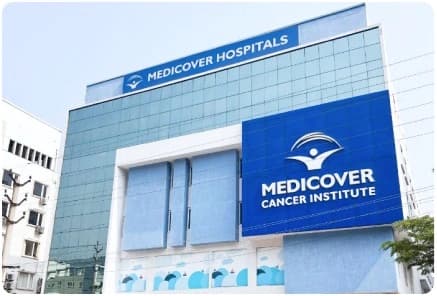
Medicover Cancer Institute – Best in Arilova, Visakhapatnam
Hematology at Medicover Cancer Institute
Hematology focuses on the diagnosis and management of conditions affecting blood, bone marrow and the organs involved in blood-cell production. At Medicover Cancer Institute in Arilova, Visakhapatnam, patients can explore specialist evaluation for blood-related conditions and hematologic cancers, including leukemia and lymphoma. The institute's published information identifies Hemato-Oncology as one of its cancer specialties and lists care for blood cancers among its oncology services.
Hematology at Medicover Cancer Institute, Visakhapatnam
Hematology is the medical specialty concerned with blood, blood-forming tissues and disorders affecting blood cells. It covers a wide range of problems, from common abnormalities such as anemia and unusual blood counts to complex diseases involving the bone marrow and blood-forming system.
At Medicover Cancer Institute, Arilova, Visakhapatnam, hematology is particularly relevant to patients seeking care for blood-related cancers and other hematologic conditions. The hospital's published cancer institute information lists Hemato-Oncology among its specialties and identifies blood cancers, including leukemia and lymphoma, among the conditions managed by its cancer specialists.
A hematology consultation generally begins with understanding the patient's symptoms, medical history and laboratory findings. Depending on the suspected condition, the specialist may recommend additional blood tests, bone marrow evaluation, imaging or other investigations before developing an appropriate management plan.
Because blood disorders can have many different causes, an abnormal blood test does not automatically mean that a person has cancer. Specialist assessment helps determine whether the finding is related to nutritional deficiency, infection, medication, an immune-related problem, a bone marrow disorder or another underlying condition.
Hematology Services and Areas of Care
Hematology care can involve investigation, diagnosis, treatment planning and long-term monitoring. The appropriate approach varies considerably between patients.
Important areas within hematology include:
Blood Disorder Evaluation
Persistent abnormalities in blood counts may require specialist evaluation. A hematologist may assess changes involving red blood cells, white blood cells or platelets and look for the underlying cause.
Hemato-Oncology
Hemato-oncology focuses on cancers and malignant disorders involving blood-forming tissues. This includes conditions such as leukemia, lymphoma and certain other hematologic malignancies.
Medicover Cancer Institute identifies Hemato-Oncology as one of its cancer specialties and publishes information about blood-cancer care at its Visakhapatnam Cancer Institute.
Bone Marrow Disorders
The bone marrow produces many of the body's blood cells. Disorders affecting marrow function can result in abnormal blood counts, reduced immunity, bleeding problems or other symptoms. Evaluation may include detailed laboratory testing and, when clinically indicated, a bone marrow examination.
Supportive and Follow-Up Care
Patients receiving treatment for blood disorders or blood cancers may require regular monitoring of blood counts, treatment response and side effects. Follow-up schedules depend on the condition and the treatment being used.
Conditions Treated Under Hematology
Hematology encompasses numerous conditions. The exact conditions managed by a particular specialist may vary.
Anemia and Red Blood Cell Disorders
Anemia occurs when the blood does not carry enough oxygen, often because of a reduced number of red blood cells or insufficient hemoglobin. Iron deficiency, vitamin deficiencies, chronic illnesses, blood loss and other medical conditions can contribute to anemia.
Persistent, severe or unexplained anemia may require more detailed evaluation rather than simply taking supplements without identifying the cause.
Platelet and Bleeding Disorders
Platelets help the blood form clots. Abnormally low or high platelet counts can have different causes and may sometimes require specialist assessment.
Unexplained bruising, frequent nosebleeds, prolonged bleeding or repeatedly abnormal platelet counts can be reasons to discuss the findings with a healthcare professional.
White Blood Cell Disorders
White blood cells play an important role in immune defence. Abnormally high or low white blood-cell counts can occur because of infections, medications, immune conditions, bone marrow disorders and other causes.
A hematologist can help determine whether an abnormal result requires further investigation.
Leukemia
Leukemia refers to a group of cancers involving blood-forming tissues, particularly the bone marrow. Different types of leukemia behave differently and require different diagnostic and treatment approaches.
Evaluation may involve blood tests, examination of blood cells, bone marrow studies and other investigations depending on the suspected type.
Lymphoma
Lymphoma is a cancer of the lymphatic system and broadly includes Hodgkin and non-Hodgkin lymphomas. Diagnosis may involve clinical examination, blood tests, imaging and tissue or lymph-node evaluation.
Treatment depends on the specific type, stage and characteristics of the disease.
Other Hematologic Malignancies
Specialist hematology and hemato-oncology care can also involve other malignant disorders affecting blood-forming tissues. The diagnosis and treatment plan should be individualized after appropriate testing.
Hematology Treatments and Procedures
Treatment depends on the underlying diagnosis, disease severity, patient age, general health and other clinical factors. There is no single treatment that applies to every blood disorder.
Depending on the condition, treatment may involve:
- Iron, vitamin or other replacement therapy when a deficiency is confirmed
- Medicines that address an underlying blood or immune disorder
- Chemotherapy for selected blood cancers
- Targeted therapies for certain cancers with specific molecular characteristics
- Immunotherapy in appropriate conditions
- Supportive treatment to manage anemia, infections, bleeding or treatment-related complications
- Blood or platelet transfusion when medically indicated
- Stem-cell or bone-marrow transplantation for selected patients and diseases
Medicover Cancer Institute's published information specifically identifies bone marrow transplantation as part of its cancer services and states that its specialists manage blood cancers including leukemia and lymphoma.
Some treatments require highly specialized assessment and eligibility evaluation. Patients should discuss the potential benefits, risks, alternatives and expected monitoring requirements with their treating specialist.
Hematology Diagnostic and Evaluation Services
Accurate diagnosis is an important part of hematology care because similar symptoms can result from very different conditions.
Depending on the clinical situation, evaluation may include:
Complete Blood Count
A complete blood count, or CBC, measures components such as red blood cells, white blood cells, hemoglobin and platelets. It is one of the most commonly used investigations when a blood disorder is suspected.
Peripheral Blood Smear
A blood smear allows healthcare professionals to examine blood cells under a microscope. It can provide additional information when blood counts are abnormal.
Iron, Vitamin and Biochemical Testing
Depending on the symptoms and initial findings, doctors may assess iron status, vitamin levels, kidney or liver function and other relevant markers.
Bone Marrow Examination
A bone marrow aspiration or biopsy may be recommended when doctors need to evaluate the marrow directly. It can help investigate unexplained abnormalities in blood counts and diagnose or classify certain blood cancers.
Additional Testing for Blood Cancers
Patients suspected of having leukemia, lymphoma or another hematologic malignancy may require additional laboratory, pathology, imaging, immunophenotyping, cytogenetic or molecular investigations. The specific tests depend on the suspected condition.
When Should You See a Hematology Specialist?
A specialist consultation may be appropriate when a person has persistent or unexplained abnormalities in blood tests or symptoms that require further evaluation.
Possible reasons for seeking medical advice include:
- Persistent or unexplained fatigue
- Recurrent infections
- Unexplained bruising or bleeding
- Persistent fever without an identified cause
- Unexplained weight loss
- Night sweats
- Swollen lymph nodes
- Persistent pallor or symptoms associated with anemia
- Repeatedly abnormal white blood-cell or platelet counts
- A blood test suggesting a possible hematologic disorder
- A suspected or confirmed blood cancer
These symptoms do not necessarily indicate a serious blood disorder. Many have common and non-cancerous causes. A qualified healthcare professional can determine whether further investigation is appropriate.
What to Expect During a Hematology Consultation
A first hematology consultation generally focuses on building a clear picture of the patient's health.
1. Medical History
The specialist may ask about current symptoms, previous illnesses, medications, family history, infections, previous blood-test results and any relevant cancer history.
2. Review of Existing Reports
Patients should bring previous CBC reports, pathology results, imaging reports, prescriptions and other relevant medical records if available.
3. Clinical Examination
A physical examination may be performed depending on the symptoms and suspected condition. The doctor may pay particular attention to signs such as pallor, enlarged lymph nodes, bruising or other relevant findings.
4. Further Diagnostic Evaluation
If additional information is needed, the specialist may recommend blood tests, imaging, bone marrow evaluation or other investigations.
5. Treatment Discussion
Once sufficient information is available, the doctor can explain the likely diagnosis or differential diagnosis and discuss appropriate treatment options.
6. Follow-Up Planning
Hematology care often requires monitoring over time. Follow-up may involve repeat blood tests, assessment of treatment response or adjustment of medication depending on the condition.
Why Choose Hematology Care at Medicover Cancer Institute?
When selecting a hematology or hemato-oncology provider, patients should look beyond a single service or procedure. Important considerations include specialist experience, access to appropriate diagnostics, treatment planning, supportive services, follow-up arrangements and coordination between relevant specialties.
Medicover Cancer Institute's published information describes a multidisciplinary cancer-care model in Visakhapatnam and lists specialties including Hemato-Oncology, Medical Oncology, Radiation Oncology and Bone Marrow Transplantation.
The institute also publishes the presence of specialists involved in medical and hemato-oncology. For example, Dr. Vidya Sagar Dusi is listed as a Consultant Medical & Hemato Oncologist practicing at the Vizag Cancer Institute in Arilova. His published profile identifies Medical and Hemato Oncology as his area of specialization and lists hematological malignancies among the conditions addressed.
Patients should confirm the current availability of individual doctors, specific procedures and treatment services when scheduling an appointment.
Hematology Doctors and Specialists
Hematology care may involve hematologists, hemato-oncologists, medical oncologists, pathologists, radiologists, transplant specialists and other healthcare professionals depending on the patient's diagnosis.
At Medicover Cancer Institute, Dr. Vidya Sagar Dusi is publicly listed as a Consultant Medical & Hemato Oncologist at the Vizag Cancer Institute. His profile states that he provides care related to hematological malignancies and blood-related cancers, alongside other oncology services.
The hospital also lists other oncology specialists whose areas of practice include hematologic malignancies and bone marrow or stem-cell transplantation. For instance, Dr. Ventrapati Pradeep's published profile includes hematological malignancies such as leukemia and lymphoma among his areas of oncology practice and lists bone marrow and stem-cell transplantation among his treatment expertise.
Doctor availability, consultation schedules and the most appropriate specialist can change, so patients should verify these details before visiting.
Hematology Care in Visakhapatnam
For patients searching for hematology in Visakhapatnam, location can be an important practical consideration because some blood disorders require repeated consultations, blood tests and long-term monitoring.
Medicover Cancer Institute is located at Plot No. 5, BRTS Road, Chinna Gadhili, Arilova, Visakhapatnam. The hospital's published location information identifies the facility as its Visakhapatnam Cancer Institute.
The Arilova location may be relevant to patients searching for a hematology specialist, hemato-oncology consultation or blood cancer care in and around Visakhapatnam. Patients travelling from outside the city should consider appointment timing, transportation, the expected frequency of visits and whether follow-up investigations will be required.
How to Choose the Right Hematology Hospital or Specialist
When comparing hematology hospitals or specialists in Visakhapatnam, consider:
- Relevant specialist expertise: Choose a doctor whose clinical focus matches the suspected or diagnosed condition.
- Diagnostic capability: Ask whether the necessary laboratory, pathology or other diagnostic evaluations are available or appropriately coordinated.
- Treatment options: For complex conditions, understand which treatment approaches may be considered.
- Multidisciplinary coordination: Blood cancers and complicated blood disorders may require input from several specialties.
- Follow-up care: Ask how monitoring, repeat testing and treatment-response assessment will be handled.
- Hospital support: For patients requiring intensive treatment, ask about relevant inpatient, emergency and supportive-care arrangements.
- Communication: A good consultation should give patients an opportunity to understand their diagnosis, treatment choices and follow-up plan.
- Accessibility: Consider the location and practical requirements of repeated appointments.
Most importantly, treatment decisions should be based on the individual's confirmed diagnosis and clinical circumstances rather than on a generic list of treatments available at a hospital.
Frequently Asked Questions About Hematology
What does a hematology specialist treat?
A hematology specialist evaluates and manages disorders affecting blood cells, blood-forming tissues and the bone marrow. Depending on their subspecialty, they may also manage blood cancers such as leukemia and lymphoma.
When should I see a hematology specialist?
A consultation may be appropriate for persistent unexplained anemia, abnormal blood counts, unusual bleeding or bruising, recurrent infections, enlarged lymph nodes, or other findings that require specialist evaluation. Your primary doctor may also refer you after an abnormal blood test.
What is hemato-oncology?
Hemato-oncology focuses on cancers involving blood-forming tissues and the lymphatic system. Conditions may include leukemia, lymphoma and other hematologic malignancies.
How are blood disorders diagnosed?
Diagnosis depends on the suspected condition. Evaluation can include a complete blood count, peripheral smear, biochemical and nutritional tests, imaging, pathology investigations and, when appropriate, bone marrow examination or specialized molecular testing.
Is every abnormal blood test a sign of cancer?
No. Abnormal blood counts can result from infections, nutritional deficiencies, medications, chronic illnesses and many other conditions. Further evaluation is needed to understand the cause.
What treatments are used for blood cancers?
Treatment varies according to the type and characteristics of the cancer. Depending on the diagnosis, options may include chemotherapy, targeted therapy, immunotherapy, supportive care and stem-cell or bone-marrow transplantation. Treatment suitability must be assessed individually.
Does Medicover Cancer Institute in Visakhapatnam provide hemato-oncology care?
Medicover Cancer Institute's published information lists Hemato-Oncology among its cancer specialties and identifies blood cancers such as leukemia and lymphoma among the conditions managed at its Visakhapatnam Cancer Institute.
What should I bring to a hematology consultation?
Bring previous blood-test reports, pathology or biopsy reports, imaging reports, prescriptions, a list of current medicines and relevant medical records. A brief record of symptoms and when they started can also be useful.
Can I consult a hemato-oncologist for a second opinion?
A hemato-oncology consultation can be useful when a patient wants another specialist's assessment of a suspected or confirmed blood cancer, diagnosis or proposed treatment plan. Bring the available reports and previous treatment details to the appointment.
How can I book a hematology consultation in Visakhapatnam?
Patients can check the current specialist availability and appointment process through Medicover Cancer Institute or the relevant hospital appointment channel. Doctor schedules and services can change, so confirming before visiting is advisable.
Treatment depends on the underlying condition, diagnosis and individual health needs. Patients should discuss appropriate diagnostic and treatment options with a qualified healthcare professional.
Hematology Treatments
Bone Marrow Transplant (bmt)
Advanced treatment available at Medicover Cancer Institute.
Stem Cell Transplantation
Advanced treatment available at Medicover Cancer Institute.
Chemotherapy For Blood Cancers
Advanced treatment available at Medicover Cancer Institute.
Targeted Therapy
Advanced treatment available at Medicover Cancer Institute.
Immunotherapy
Advanced treatment available at Medicover Cancer Institute.
Car-T Cell Therapy
Advanced treatment available at Medicover Cancer Institute.
Blood Transfusion Therapy
Advanced treatment available at Medicover Cancer Institute.
Iron Chelation Therapy
Advanced treatment available at Medicover Cancer Institute.
Hemophilia & Bleeding Disorder Treatment
Advanced treatment available at Medicover Cancer Institute.
Treatment For Aplastic Anemia & Bone Marrow Failure
Advanced treatment available at Medicover Cancer Institute.
Comprehensive Anemia Diagnosis & Treatment Package
Advanced treatment available at Medicover Cancer Institute.
Leukemia Diagnosis & Treatment Package
Advanced treatment available at Medicover Cancer Institute.
Lymphoma & Multiple Myeloma Treatment Package
Advanced treatment available at Medicover Cancer Institute.
Thalassemia & Blood Disorder Management Package
Advanced treatment available at Medicover Cancer Institute.
Bone Marrow & Stem Cell Transplant Package
Advanced treatment available at Medicover Cancer Institute.
Frequently Asked Questions About Hematology
What types of hematology procedures are performed at Medicover Cancer Institute?
We perform a wide range of hematology procedures, from routine diagnostics to complex surgeries, using the latest medical technologies.
How can I book an appointment for Hematology at Medicover Cancer Institute?
You can book an appointment through the Siris Healthcare platform by clicking the "Get Free Estimate" button or contacting our 24/7 helpline.
Other Medical Specialties at Medicover Cancer Institute Arilova
Get Expert Hematology Care at Medicover Cancer Institute, Arilova
Schedule a consultation with our top specialists and get a personalized treatment plan with a free cost estimate.
Top Specialities at Medicover Cancer Institute Arilova
- Oncology Department
- Thoracic Oncology Department
- Oncoplastic Surgery Department
- Bone Marrow Transplant Department
- Aesthetic Medicine Department
- Hematology Department
- Robotic Surgery Department
- Laparoscopic surgeries Department
- General Surgery Department
- Physiotherapy & Rehabilitation Department
- Palliative Care Department
- Pediatric Oncology Department
- Thoracic Oncology Department
- Breast Oncology Department
- Surgical Oncology Department
- Medical Oncology Department