
Breast Oncology at Medicover Cancer Institute, Arilova, Visakhapatnam
Explore Breast Oncology services, treatments, diagnostic care and related doctors at Medicover Cancer Institute.
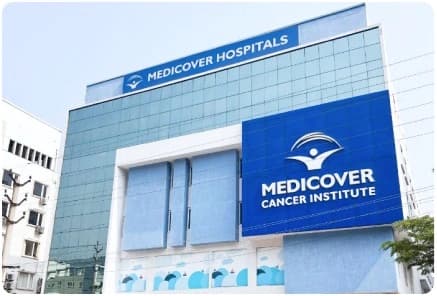
Medicover Cancer Institute – Best in Arilova, Visakhapatnam
Breast Oncology at Medicover Cancer Institute
Breast oncology focuses on the diagnosis, staging and treatment of breast cancer, with care tailored to the type and extent of disease and the individual patient's health needs. This page provides information about Breast Oncology at Medicover Cancer Institute in Arilova, Visakhapatnam, for patients and families looking for breast cancer care in the city. Patients can explore common breast cancer symptoms, diagnostic evaluation, biopsy and staging, treatment approaches, specialist consultations and questions to consider when selecting cancer care. Treatment may involve surgery, medicines, radiation therapy or a combination of approaches depending on the cancer subtype and stage. Patients can use this page to understand the general care pathway and explore specialist consultation options in Visakhapatnam.
Breast Oncology at Medicover Cancer Institute, Visakhapatnam
Breast oncology is the specialized area of cancer care concerned with evaluating and treating breast cancer. It brings together clinical assessment, diagnostic testing, pathology, cancer staging and treatment planning. Depending on the diagnosis, care may involve breast surgery, medical oncology, radiation oncology, supportive care or a combination of these disciplines.
For people searching for breast oncology in Visakhapatnam, choosing a specialist service is often about more than finding a doctor. Patients may need a coordinated evaluation of a breast lump or abnormal imaging result, confirmation of the diagnosis, assessment of the cancer's characteristics and a treatment plan suited to the individual.
Medicover Cancer Institute is located in Arilova, Visakhapatnam. This page is intended to help patients understand what Breast Oncology care generally involves and what they may want to discuss with a qualified cancer specialist.
Breast cancer is not one single disease. Different breast cancers can behave differently and may respond to different treatments. Factors such as tumour size, lymph-node involvement, tumour grade, hormone-receptor status, HER2 status and whether the cancer has spread can influence treatment decisions.
Breast Oncology Services and Areas of Care
Breast oncology care may cover the patient's journey from initial evaluation through diagnosis, treatment and follow-up.
Depending on individual needs, areas of care can include:
- Evaluation of a new breast lump or breast change
- Assessment of abnormal mammogram or breast imaging findings
- Breast cancer diagnosis and pathology review
- Tumour staging and treatment planning
- Surgical evaluation
- Medical oncology consultation
- Radiation oncology consultation
- Systemic cancer treatment planning
- Hormone-receptor and HER2 assessment
- Evaluation of lymph-node involvement
- Follow-up after treatment
- Monitoring for recurrence or treatment-related concerns
- Supportive and symptom-focused cancer care
The exact services available at a particular hospital can vary. Patients should confirm the availability of specific investigations, procedures and treatment facilities when arranging an appointment.
Conditions Treated Under Breast Oncology
Breast oncology primarily deals with breast cancers and related cancer-management concerns.
Invasive Breast Cancer
Invasive breast cancer occurs when cancer cells have grown beyond their original location within the breast. Treatment depends on the cancer's subtype, stage and biological characteristics.
Ductal Carcinoma in Situ
Ductal carcinoma in situ, or DCIS, is a non-invasive breast condition in which abnormal cells are confined to the milk ducts. Although it has not invaded surrounding breast tissue, it requires appropriate medical evaluation because some cases can progress if untreated.
Hormone-Receptor-Positive Breast Cancer
Some breast cancers contain receptors for hormones such as estrogen or progesterone. Testing for these receptors can help doctors determine whether endocrine or hormone-based treatment may be appropriate.
HER2-Positive Breast Cancer
Some breast cancers have increased levels of the HER2 protein. HER2 testing is important because targeted therapies may be considered for appropriate patients.
Triple-Negative Breast Cancer
Triple-negative breast cancer does not have estrogen receptors, progesterone receptors or excess HER2. Because the biological characteristics differ from hormone-receptor-positive or HER2-positive cancers, treatment planning also differs.
Recurrent or Advanced Breast Cancer
Breast cancer can sometimes return after initial treatment or spread to other parts of the body. Advanced or metastatic disease requires individualized treatment planning based on where the cancer has spread, previous treatments and the cancer's biological characteristics.
Breast Oncology Treatments and Procedures
Breast cancer treatment is individualized. A treatment plan may include one treatment modality or a combination of therapies.
Breast Cancer Surgery
Surgery may be used to remove cancer from the breast. Depending on the tumour and other clinical factors, surgical approaches may include breast-conserving surgery, commonly called lumpectomy, or mastectomy.
Lymph nodes may also need to be evaluated. Sentinel lymph-node biopsy is one method used to assess whether cancer has reached nearby lymph nodes.
Whether surgery is appropriate, and which surgical approach is suitable, depends on factors such as tumour size, location, cancer subtype, breast anatomy and the overall treatment plan.
Chemotherapy
Chemotherapy uses medicines to destroy or control cancer cells. It may be recommended before surgery, after surgery or for advanced disease depending on the clinical situation.
Chemotherapy is not necessary for every person with breast cancer. Decisions depend on factors such as tumour biology, stage and the expected benefit of treatment.
Hormone Therapy
Hormone or endocrine therapy may be used for breast cancers that have hormone receptors. Examples of endocrine treatments include tamoxifen and aromatase inhibitors, although the appropriate medicine depends on the patient's circumstances.
Targeted Therapy
Targeted medicines are designed to act on specific features of cancer cells. For patients with HER2-positive breast cancer, HER2-directed therapies may form part of treatment when clinically appropriate.
Radiation Therapy
Radiation therapy uses high-energy radiation to destroy cancer cells in a defined treatment area. It may be recommended after breast-conserving surgery and in selected patients following other forms of treatment.
Immunotherapy and Other Systemic Treatments
For selected breast cancer subtypes, systemic treatments such as immunotherapy may be considered. The suitability of these treatments depends on the cancer's biological characteristics, stage, previous treatment and other medical factors.
Treatment decisions should always be made with a qualified oncology team after reviewing the patient's diagnosis and test results.
Breast Oncology Diagnostic and Evaluation Services
Accurate diagnosis is an important part of breast cancer care. A breast change does not automatically mean cancer; many breast lumps and other changes have non-cancerous causes.
Depending on the patient's symptoms and clinical findings, evaluation may involve:
- Clinical breast examination
- Mammography
- Breast ultrasound
- Breast MRI in selected circumstances
- Image-guided biopsy
- Core-needle biopsy
- Pathology examination
- Hormone-receptor testing
- HER2 testing
- Lymph-node evaluation
- Additional investigations for cancer staging when required
A biopsy is generally needed to confirm whether a suspicious breast abnormality is cancer. Once cancer is confirmed, pathology and biomarker information help the oncology team understand the disease and develop an appropriate treatment strategy.
Staging evaluates the extent of cancer, including factors such as tumour size and whether nearby lymph nodes or distant organs are involved. Additional tests may therefore be recommended depending on the diagnosis.
When Should You See a Breast Oncology Specialist?
A new or persistent breast change should be evaluated by an appropriate healthcare professional rather than ignored.
Reasons to seek medical evaluation may include:
- A new lump in the breast or underarm
- A persistent thick or firm area
- A noticeable change in breast size or shape
- Skin dimpling or puckering
- Persistent redness or skin changes
- A change in nipple appearance
- Unusual nipple discharge, particularly bloody discharge
- A persistent breast change identified during self-examination
- An abnormal mammogram or other breast imaging result
- A biopsy or pathology report suggesting cancer
- A personal history of breast cancer requiring follow-up
- A strong family history or inherited cancer-risk concern requiring specialist assessment
Many of these symptoms can occur because of conditions that are not cancer. However, unexplained or persistent changes should be professionally assessed.
What to Expect During a Breast Oncology Consultation
A breast oncology consultation usually begins with a detailed discussion about the patient's concerns and medical history.
1. Medical History
The specialist may ask about symptoms, previous breast problems, menstrual and reproductive history where relevant, previous medical conditions, medications and family history of cancer.
2. Review of Reports
Patients should bring previous mammograms, ultrasound reports, biopsy reports, pathology results, blood-test reports and other relevant medical records if available.
3. Clinical Examination
A physical examination may be performed when appropriate to assess the breast and nearby lymph-node areas.
4. Diagnostic Planning
If the diagnosis is not yet established, the doctor may recommend additional imaging, biopsy or pathology review.
5. Cancer Assessment
If breast cancer has already been diagnosed, the oncology team may review the stage, tumour grade, hormone-receptor status, HER2 status and other relevant findings.
6. Treatment Discussion
The specialist may explain available treatment approaches, their purpose, possible benefits and potential side effects. Depending on the case, surgery, chemotherapy, hormone therapy, targeted therapy, radiation therapy or other approaches may be considered.
7. Follow-Up Planning
Patients should leave the consultation with a clear understanding of the next recommended step, additional investigations if required and when to return for review.
Why Choose Breast Oncology Care at Medicover Cancer Institute?
When selecting breast cancer care, patients should consider whether the provider can offer appropriate specialist evaluation and whether the required diagnostic and treatment services are available for their particular case.
For patients considering Breast Oncology at Medicover Cancer Institute in Visakhapatnam, useful factors to discuss include:
- Availability of breast cancer specialists
- Access to appropriate diagnostic evaluation
- Pathology and biomarker assessment
- Surgical oncology consultation when required
- Medical oncology consultation
- Radiation oncology consultation
- Coordination between relevant cancer specialists
- Availability of treatment options appropriate to the diagnosis
- Follow-up and monitoring arrangements
- Location and appointment convenience
The specific facilities, specialists and treatment services available should be confirmed directly with the hospital because services can change and may differ according to the patient's clinical requirements.
Breast Oncology Doctors and Specialists
Breast cancer care may involve more than one type of specialist. Depending on the patient's diagnosis, the care team can include medical oncologists, radiation oncologists, surgical specialists, radiologists, pathologists and other healthcare professionals.
A medical oncologist may help plan systemic treatments such as chemotherapy, hormone therapy, targeted treatment or selected immunotherapy. A radiation oncologist assesses whether radiation treatment is appropriate. A surgeon may evaluate the role of breast or lymph-node surgery.
For patients searching for breast cancer doctors in Visakhapatnam, it is useful to look beyond a doctor's title and consider whether the specialist's clinical area matches the patient's needs, whether relevant reports can be reviewed and whether multidisciplinary coordination is available when required.
Doctor availability and consultation schedules should be confirmed before booking.
Breast Oncology Care in Visakhapatnam
Patients searching for breast oncology in Visakhapatnam may prefer care that is accessible within the city and suitable for repeated appointments when treatment requires multiple visits.
Medicover Cancer Institute is located in the Arilova area of Visakhapatnam. The location can be relevant for patients from Visakhapatnam who need specialist cancer consultations, diagnostic review or ongoing treatment planning.
For people living in or travelling to the city, practical considerations include appointment timings, travel distance, availability of follow-up consultations and the ability to coordinate investigations and treatment as needed.
Patients from outside Visakhapatnam may also need to consider accommodation, transportation and the expected duration of treatment when planning cancer care.
How to Choose the Right Breast Oncology Hospital or Specialist
Choosing a breast oncology provider is a personal healthcare decision. Patients can make the process easier by asking focused questions during the consultation.
Consider Specialist Experience
Ask whether the doctor routinely manages the type of breast cancer or breast-related concern involved in your case.
Review Diagnostic Capability
Accurate diagnosis is essential. Ask what imaging, biopsy, pathology and biomarker assessments may be required.
Understand the Treatment Plan
Ask why a particular treatment is being recommended, whether alternatives exist and what the expected treatment schedule involves.
Ask About Multidisciplinary Care
Breast cancer treatment may involve surgery, medical oncology and radiation oncology. Coordination between these specialties can be important for treatment planning.
Discuss Follow-Up
Ask how frequently follow-up appointments are required and which symptoms or changes should be reported during or after treatment.
Consider Practical Accessibility
Cancer treatment can involve multiple visits. Location, appointment availability, travel requirements and family support may therefore be important practical considerations.
Bring Your Medical Records
Previous imaging, pathology reports, medication lists and treatment records can help a new specialist understand the patient's medical history more efficiently.
Frequently Asked Questions About Breast Oncology
What does a breast oncology specialist treat?
A breast oncology specialist is involved in the evaluation and treatment planning of breast cancer. Depending on the specialist's role, care may involve diagnosis, systemic cancer treatment, radiation treatment or coordination with breast surgeons and other specialists.
When should I see a breast oncology specialist?
You may need specialist evaluation after a suspicious breast examination or imaging result, a confirmed breast cancer diagnosis, an abnormal biopsy, or when discussing treatment options for previously diagnosed breast cancer.
How is breast cancer diagnosed?
Evaluation may include a clinical breast examination, mammography, ultrasound or MRI depending on the situation. If an abnormal area is identified, a biopsy may be required to confirm the diagnosis.
What treatments are available for breast cancer?
Treatment can include surgery, radiation therapy, chemotherapy, hormone therapy, targeted therapy and selected immunotherapy. The appropriate combination depends on the cancer subtype, stage, biomarker results and individual health factors.
Is every breast lump cancerous?
No. Many breast lumps and other breast changes are caused by non-cancerous conditions. However, a new or persistent lump should be evaluated by a qualified healthcare professional.
What is the role of hormone-receptor testing?
Hormone-receptor testing determines whether breast cancer cells have receptors for hormones such as estrogen or progesterone. The result can influence whether hormone or endocrine therapy is considered.
What is HER2 testing?
HER2 testing identifies whether breast cancer cells have increased HER2 protein or related abnormalities. HER2 status can help doctors determine whether HER2-targeted treatment may be appropriate.
Do all breast cancer patients need chemotherapy?
No. Chemotherapy is not automatically required for every breast cancer patient. The decision depends on factors such as cancer type, stage, tumour biology, lymph-node involvement and the expected benefit from treatment.
What should I bring to a breast oncology consultation?
Bring previous mammograms and other imaging reports, biopsy or pathology reports, blood-test results, medication details, previous treatment records and relevant family medical history if available.
How can I book a breast oncology consultation in Visakhapatnam?
Patients can contact the hospital or use the appropriate appointment channel to confirm specialist availability, consultation timings, required documents and the next available appointment. If you are already diagnosed with breast cancer, ask whether previous reports should be shared before the consultation.
Breast Oncology Treatments
Breast Cancer Surgery
Advanced treatment available at Medicover Cancer Institute.
Targeted & Immunotherapy
Advanced treatment available at Medicover Cancer Institute.
Breast Cancer Chemotherapy Package
Advanced treatment available at Medicover Cancer Institute.
Frequently Asked Questions About Breast Oncology
What types of breast oncology procedures are performed at Medicover Cancer Institute?
We perform a wide range of breast oncology procedures, from routine diagnostics to complex surgeries, using the latest medical technologies.
How can I book an appointment for Breast Oncology at Medicover Cancer Institute?
You can book an appointment through the Siris Healthcare platform by clicking the "Get Free Estimate" button or contacting our 24/7 helpline.
Other Medical Specialties at Medicover Cancer Institute Arilova
Get Expert Breast Oncology Care at Medicover Cancer Institute, Arilova
Schedule a consultation with our top specialists and get a personalized treatment plan with a free cost estimate.
Top Specialities at Medicover Cancer Institute Arilova
- Oncology Department
- Thoracic Oncology Department
- Oncoplastic Surgery Department
- Bone Marrow Transplant Department
- Aesthetic Medicine Department
- Hematology Department
- Robotic Surgery Department
- Laparoscopic surgeries Department
- General Surgery Department
- Physiotherapy & Rehabilitation Department
- Palliative Care Department
- Pediatric Oncology Department
- Thoracic Oncology Department
- Breast Oncology Department
- Surgical Oncology Department
- Medical Oncology Department