
Oncology at Medicover Cancer Institute, Arilova, Visakhapatnam
Explore Oncology services, treatments, diagnostic care and related doctors at Medicover Cancer Institute.
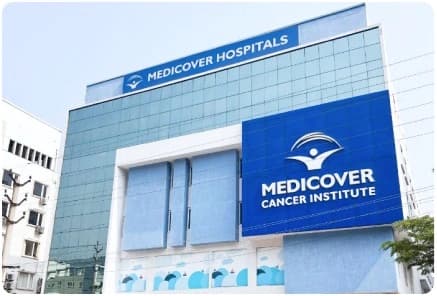
Medicover Cancer Institute – Best in Arilova, Visakhapatnam
Oncology at Medicover Cancer Institute
Oncology focuses on the prevention, diagnosis, evaluation and treatment of cancer. This dedicated page for Oncology at Medicover Cancer Institute in Arilova, Visakhapatnam helps patients understand the types of cancer care they may need, from specialist consultation and diagnostic evaluation to treatment planning and follow-up. Patients can explore information about common cancer conditions, medical, surgical and radiation-based treatment approaches, diagnostic procedures, and what to expect during an oncology consultation. Cancer care is highly individual, and treatment depends on factors such as the type and stage of cancer, overall health and previous treatment. This page is designed to help people searching for oncology care in Visakhapatnam understand their options and prepare for a discussion with a qualified cancer specialist.
Oncology at Medicover Cancer Institute, Visakhapatnam
Oncology is the medical specialty concerned with cancer prevention, diagnosis, staging, treatment and ongoing care. For patients and families searching for oncology in Visakhapatnam, choosing the right specialist and understanding the available treatment pathway are important steps after a suspected or confirmed cancer diagnosis.
The Oncology department at Medicover Cancer Institute in Arilova, Visakhapatnam represents a specialist setting where patients can seek information and consultation related to cancer care. Depending on the patient's diagnosis and individual requirements, oncology care may involve medical oncology, surgical oncology, radiation oncology or coordination between multiple specialties.
Cancer is not one single disease. Different cancers behave differently and may require very different treatment approaches. Breast cancer, lung cancer, colorectal cancer, prostate cancer, cervical cancer, head and neck cancers and blood cancers, for example, can differ in their symptoms, diagnostic process and treatment planning.
A specialist consultation can help establish what investigations are appropriate, whether additional testing is required, how the cancer should be staged and which treatment options need to be considered.
Oncology Services and Areas of Care
Oncology care can extend across several stages of the cancer journey, from evaluation and diagnosis to treatment and follow-up.
Depending on the patient's condition and the services available through the treating team, areas of oncology care may include:
- Initial evaluation of suspected cancer
- Specialist oncology consultation
- Cancer diagnosis and staging
- Treatment planning
- Medical oncology
- Surgical oncology
- Radiation oncology
- Chemotherapy
- Targeted cancer therapies
- Immunotherapy where clinically appropriate
- Hormone-based treatment for selected cancers
- Management of treatment-related side effects
- Follow-up after cancer treatment
- Supportive and palliative care when appropriate
The exact treatment pathway is determined by the cancer type, stage, pathology findings, molecular characteristics where relevant, previous treatment and the patient's overall health.
Conditions Treated Under Oncology
Oncology specialists may evaluate and manage a wide range of cancers. The appropriate specialist and treatment plan depend on the location and characteristics of the cancer.
Breast Cancer
Breast cancer can present as a lump, change in breast shape or size, nipple changes or other abnormalities, although some cancers may initially cause no noticeable symptoms. Evaluation may involve clinical examination, breast imaging and tissue testing when indicated.
Treatment can include surgery, radiation therapy, systemic medicines or a combination of approaches depending on the cancer.
Lung Cancer
Lung cancers may be evaluated when symptoms such as persistent cough, unexplained weight loss, chest discomfort or breathing difficulties raise clinical concern. Diagnosis may involve imaging and tissue sampling.
Treatment may include surgery, radiation therapy, chemotherapy, targeted therapy or immunotherapy depending on the specific cancer.
Gastrointestinal and Colorectal Cancers
Cancers affecting the stomach, intestine, colon, rectum and other parts of the gastrointestinal system may require coordinated evaluation by different specialists.
Symptoms can include persistent changes in bowel habits, blood in the stool, unexplained weight loss, abdominal discomfort or difficulty swallowing, depending on the site involved.
Head and Neck Cancers
Head and neck cancers can involve areas such as the mouth, throat, voice box and related structures. Persistent mouth ulcers, difficulty swallowing, voice changes, unexplained neck lumps or other ongoing symptoms should be evaluated by an appropriate healthcare professional.
Treatment may involve surgery, radiation therapy, systemic treatment or combinations of these approaches.
Gynaecological Cancers
Oncology services may also be involved in cancers affecting the female reproductive system, including cervical, ovarian, uterine and related cancers.
The diagnostic and treatment approach varies considerably depending on the type and stage of cancer.
Prostate and Other Urological Cancers
Urological oncology covers cancers involving organs such as the prostate, kidney and bladder. Evaluation may involve laboratory testing, imaging, physical examination and biopsy when indicated.
Treatment depends on the specific cancer and may include surveillance, surgery, radiation or systemic treatment.
Blood Cancers
Blood cancers such as leukemia, lymphoma and some other haematological malignancies require specialist assessment. Diagnosis may involve blood tests, bone marrow evaluation, imaging and other investigations depending on the suspected condition.
Treatment varies widely and may involve chemotherapy, targeted medicines, immunotherapy, transplantation or other specialist approaches.
Oncology Treatments and Procedures
Cancer treatment is selected according to the individual diagnosis rather than simply the name of the cancer.
Chemotherapy
Chemotherapy uses medicines that affect cancer cells and may be used before surgery, after surgery, as the main treatment or alongside other therapies. The drugs, dosage and treatment schedule depend on the cancer and the patient's clinical condition.
Radiation Therapy
Radiation therapy uses controlled doses of radiation to damage cancer cells. It may be used to treat a tumour directly, reduce the risk of recurrence after surgery or relieve symptoms in certain advanced cancers.
Cancer Surgery
Surgery may be used to remove a tumour or affected tissue when an operation is appropriate. Surgical approaches differ according to the location, size and stage of the cancer.
Targeted Therapy
Targeted therapies are medicines designed to act on specific characteristics or molecular changes associated with certain cancers. Testing may be required to determine whether a patient is likely to benefit from a particular targeted treatment.
Immunotherapy
Immunotherapy uses medicines that help the immune system recognise or respond to cancer. It is appropriate only for selected cancers and patients based on clinical and, in some situations, molecular factors.
Hormone Therapy
Some cancers depend on hormones to grow. Hormone-based treatment may therefore be considered for selected breast, prostate and other hormone-sensitive cancers.
Treatment may involve one or more of these approaches. Patients should discuss the potential benefits, risks, alternatives and expected monitoring requirements with their oncology team.
Oncology Diagnostic and Evaluation Services
Accurate diagnosis is the foundation of appropriate cancer treatment. An oncology evaluation may include several steps depending on the patient's symptoms and previous medical reports.
Possible investigations include:
- Physical examination
- Blood and laboratory tests
- Ultrasound
- X-ray
- CT scans
- MRI
- PET-CT when clinically indicated
- Endoscopic evaluation for selected cancers
- Biopsy and pathology examination
- Immunohistochemistry
- Molecular or genetic testing for selected cancers
- Cancer staging investigations
Not every patient needs every test. The treating specialist determines which investigations are appropriate based on the suspected or confirmed diagnosis.
Patients who already have reports from another hospital should consider carrying previous scans, pathology reports, laboratory results, prescriptions and treatment summaries to the consultation. These records can help the specialist understand what has already been evaluated or treated.
When Should You See an Oncology Specialist?
An oncology consultation may be appropriate when:
- A biopsy or pathology report confirms cancer
- Imaging shows a suspicious mass or lesion
- A doctor recommends specialist cancer evaluation
- Cancer has been diagnosed and treatment options need to be discussed
- A previously treated cancer requires follow-up
- A second oncology opinion is being considered
- There are concerns about recurrence or progression of a known cancer
Symptoms such as unexplained weight loss, persistent lumps, unusual bleeding, prolonged changes in bowel or bladder habits, persistent cough, difficulty swallowing or non-healing sores can have many possible causes and do not automatically mean cancer. However, persistent or concerning symptoms should be assessed by a qualified healthcare professional.
What to Expect During an Oncology Consultation
An oncology consultation usually begins with a review of the patient's medical history and current concerns.
The specialist may discuss:
- Current symptoms and how long they have been present.
- Previous illnesses, surgeries and medications.
- Existing blood tests, scans and pathology reports.
- The suspected or confirmed cancer type.
- Whether additional investigations are required.
- The stage or extent of the disease, when established.
- Potential treatment options.
- Possible benefits, risks and side effects of treatment.
- Follow-up requirements and monitoring.
For a newly diagnosed patient, it is normal to have questions about treatment duration, side effects, costs, recovery and the purpose of each investigation. Preparing these questions before the appointment can make the consultation more useful.
Why Choose Oncology Care at Medicover Cancer Institute?
Patients comparing an oncology hospital in Visakhapatnam should look beyond a single treatment or advertised facility. Cancer care often requires several types of medical expertise over the course of treatment.
Important factors to consider include access to appropriate diagnostic evaluation, relevant oncology specialists, treatment planning, coordination between specialties, supportive care and structured follow-up.
Medicover Cancer Institute in Arilova provides a dedicated location for patients specifically searching for cancer and oncology care in Visakhapatnam. Patients can use this page to understand the specialty and then confirm the currently available services, specialists, appointment schedules and treatment options directly with the hospital.
Availability of a particular procedure, medicine, diagnostic test or treatment can vary according to the patient's condition and the hospital's current clinical services.
Oncology Doctors and Specialists
Cancer care may involve different types of specialists depending on the patient's diagnosis.
A medical oncologist primarily manages cancer using systemic treatments such as chemotherapy, immunotherapy, targeted therapy and hormone therapy where appropriate.
A surgical oncologist focuses on operations used to diagnose, remove or control cancer.
A radiation oncologist specialises in the use of radiation therapy as part of cancer treatment.
Other professionals may also contribute to care depending on the patient's needs, including radiologists, pathologists, anaesthesiologists, pain specialists, nutrition professionals, rehabilitation teams and palliative-care professionals.
When choosing an oncology specialist in Visakhapatnam, patients should consider the specialist's relevant area of oncology, experience with the specific cancer type, diagnostic requirements and the treatment options being considered.
Oncology Care in Visakhapatnam
For people searching for cancer treatment in Visakhapatnam, local access can make a significant difference because cancer care may involve repeated consultations, investigations, treatment sessions and follow-up appointments.
Medicover Cancer Institute is located in Arilova, Visakhapatnam, making this page particularly relevant to patients searching for oncology services in Arilova and the wider Visakhapatnam area.
Patients travelling from outside the city may also wish to consider appointment scheduling, transport, accommodation, treatment frequency and the availability of follow-up consultations when planning cancer care.
Before travelling for treatment, patients should confirm the appointment, required medical records, investigation requirements and the availability of the specific oncology service they need.
How to Choose the Right Oncology Hospital or Specialist
Selecting cancer care involves more than searching for a hospital near you. Useful questions to consider include:
- Does the specialist regularly manage the type of cancer involved?
- Is the diagnosis clearly established?
- Are the necessary investigations available or appropriately coordinated?
- What treatment options are being considered?
- Will different specialists need to work together?
- How will treatment response be monitored?
- What follow-up care is required?
- How will treatment side effects be managed?
- Is supportive or palliative care available when appropriate?
- Is the hospital conveniently accessible for repeated visits?
- Can the patient receive clear explanations about the diagnosis and treatment plan?
A second opinion can also be reasonable when a patient or family wants another specialist's perspective before making a major treatment decision.
Most importantly, treatment should be based on the individual's diagnosis, pathology, cancer stage, overall health and personal circumstances rather than online information alone.
Frequently Asked Questions About Oncology
What does an oncology specialist treat?
An oncology specialist evaluates and manages cancer. Depending on their area of expertise, an oncologist may focus on medical treatments, cancer surgery or radiation therapy. Some specialists focus on particular cancer types or body systems.
When should I see an oncologist in Visakhapatnam?
An oncology consultation may be appropriate after a confirmed cancer diagnosis, a suspicious biopsy or scan, a referral from another doctor, or when discussing treatment and follow-up options for an existing cancer.
What types of cancer can require oncology treatment?
Oncology includes the management of many cancers, including breast, lung, colorectal, prostate, cervical, head and neck, gastrointestinal and blood cancers. The appropriate specialist depends on the specific diagnosis.
How is cancer diagnosed?
Cancer diagnosis can involve physical examination, blood tests, imaging, biopsy and pathology. Some cancers also require molecular or genetic testing to help guide treatment decisions.
What treatments are used in oncology?
Depending on the cancer, treatment may include surgery, chemotherapy, radiation therapy, targeted therapy, immunotherapy, hormone therapy, active surveillance or combinations of these approaches.
What happens during an oncology consultation?
The specialist generally reviews symptoms, medical history, previous reports and test results. They may recommend additional investigations and explain possible treatment options and follow-up requirements.
Should I bring previous medical reports to an oncology appointment?
Yes. Previous pathology reports, scans, blood-test results, prescriptions, discharge summaries and details of earlier cancer treatments can help the specialist understand the patient's medical history.
How do I choose an oncology hospital in Visakhapatnam?
Consider the relevant specialist's experience, diagnostic evaluation, treatment options, multidisciplinary coordination, follow-up arrangements, supportive care and accessibility. Patients should also confirm which services are currently available before scheduling treatment.
Can I seek a second opinion for cancer treatment?
Yes. Patients may seek another qualified oncologist's opinion when they want additional clarification about diagnosis or treatment options. A second opinion should be based on the patient's complete medical records and current test results.
Is every cancer treated with chemotherapy?
No. Chemotherapy is only one type of cancer treatment. Depending on the cancer and its stage, treatment may involve surgery, radiation therapy, targeted therapy, immunotherapy, hormone therapy, surveillance or combinations of different approaches.
How can I book an oncology consultation at Medicover Cancer Institute?
Patients can use the relevant appointment or consultation facility provided by the hospital or Siris Healthcare. Before booking, it is useful to confirm the required specialty, doctor availability and any reports that should be carried to the appointment.
Cancer treatment decisions should always be made with a qualified healthcare professional after an appropriate clinical evaluation. Treatment depends on the underlying condition, diagnosis, stage of disease and individual health needs.
Oncology Treatments
Cancer Surgery / Surgical Oncology
Advanced treatment available at Medicover Cancer Institute.
Chemotherapy
Advanced treatment available at Medicover Cancer Institute.
Radiation Therapy / Radiotherapy
Advanced treatment available at Medicover Cancer Institute.
Immunotherapy
Advanced treatment available at Medicover Cancer Institute.
Targeted Therapy
Advanced treatment available at Medicover Cancer Institute.
Hormone Therapy
Advanced treatment available at Medicover Cancer Institute.
Precision Oncology / Biomarker-Based Treatment
Advanced treatment available at Medicover Cancer Institute.
Brachytherapy
Advanced treatment available at Medicover Cancer Institute.
Palliative & Supportive Cancer Care
Advanced treatment available at Medicover Cancer Institute.
Bone Marrow & Stem Cell Transplant
Advanced treatment available at Medicover Cancer Institute.
Frequently Asked Questions About Oncology
What types of oncology procedures are performed at Medicover Cancer Institute?
We perform a wide range of oncology procedures, from routine diagnostics to complex surgeries, using the latest medical technologies.
How can I book an appointment for Oncology at Medicover Cancer Institute?
You can book an appointment through the Siris Healthcare platform by clicking the "Get Free Estimate" button or contacting our 24/7 helpline.
Other Medical Specialties at Medicover Cancer Institute Arilova
Get Expert Oncology Care at Medicover Cancer Institute, Arilova
Schedule a consultation with our top specialists and get a personalized treatment plan with a free cost estimate.
Top Specialities at Medicover Cancer Institute Arilova
- Oncology Department
- Thoracic Oncology Department
- Oncoplastic Surgery Department
- Bone Marrow Transplant Department
- Aesthetic Medicine Department
- Hematology Department
- Robotic Surgery Department
- Laparoscopic surgeries Department
- General Surgery Department
- Physiotherapy & Rehabilitation Department
- Palliative Care Department
- Pediatric Oncology Department
- Thoracic Oncology Department
- Breast Oncology Department
- Surgical Oncology Department
- Medical Oncology Department