
Bone Marrow Transplant at Medicover Cancer Institute, Arilova, Visakhapatnam
Explore Bone Marrow Transplant services, treatments, diagnostic care and related doctors at Medicover Cancer Institute.
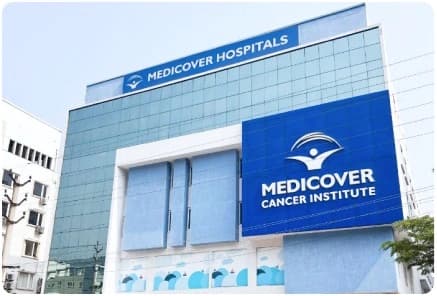
Medicover Cancer Institute – Best in Arilova, Visakhapatnam
Bone Marrow Transplant at Medicover Cancer Institute
Bone Marrow Transplant at Medicover Cancer Institute in Visakhapatnam is a specialized area of care for selected patients with blood cancers and blood disorders. Bone marrow transplant, also called hematopoietic stem cell transplantation, involves replacing or restoring blood-forming stem cells after intensive treatment. Depending on the patient's diagnosis and clinical circumstances, transplantation may involve the patient's own stem cells or cells obtained from a suitable donor. Medicover Cancer Institute's official information lists BMT among its cancer services and states that bone marrow transplantation is offered for conditions including leukemia, lymphoma and other blood disorders.
Bone Marrow Transplant at Medicover Cancer Institute, Visakhapatnam
Bone marrow transplant is a specialized treatment approach used in selected blood cancers and blood disorders. The term is often used interchangeably with stem cell transplant, although many modern transplants use blood-forming stem cells collected from the bloodstream rather than directly from bone marrow. These stem cells can help restore the body's ability to produce healthy blood cells following intensive treatment.
At Medicover Cancer Institute, Visakhapatnam, BMT is listed among the institute's oncology services. The hospital's published information specifically states that it provides bone marrow transplants for leukemia, lymphoma and other blood disorders.
For a patient considering a bone marrow transplant in Visakhapatnam, the decision is not based on the diagnosis alone. The treating team generally considers the type and status of the disease, previous treatments, overall health, availability and suitability of stem cells, and whether transplantation offers an appropriate treatment option.
Bone Marrow Transplant Services and Areas of Care
Bone marrow transplant care extends well beyond the transplant procedure itself. A typical BMT pathway may involve specialist consultation, disease assessment, transplant eligibility evaluation, stem-cell collection or donor evaluation, conditioning treatment, stem-cell infusion, close monitoring and longer-term follow-up.
Depending on the patient's condition, BMT care may involve:
- Evaluation for autologous or allogeneic stem cell transplantation
- Assessment of blood cancers and other disorders affecting blood formation
- Stem-cell collection and preparation where appropriate
- Donor matching and compatibility assessment for allogeneic transplantation
- Conditioning treatment before transplantation
- Stem-cell infusion
- Monitoring for infection, bleeding and other complications
- Management of treatment-related side effects
- Monitoring for graft-versus-host disease after an allogeneic transplant
- Nutrition, symptom management and supportive care
- Long-term surveillance and follow-up
The exact transplant pathway varies considerably between patients. A transplant specialist determines which approach is appropriate after reviewing medical records, diagnostic findings and overall clinical status.
Conditions Treated Under Bone Marrow Transplant
Bone marrow or hematopoietic stem cell transplantation can be considered for selected cancers and blood disorders. It is not required for every patient with these conditions, and eligibility depends on individual clinical factors.
Leukemia
Certain forms of leukemia, including acute myeloid leukemia (AML) and acute lymphoblastic leukemia (ALL), may be treated with stem cell transplantation in appropriate circumstances. The role of transplantation depends on disease characteristics, response to previous treatment, relapse risk and other patient-specific factors.
Medicover Cancer Institute's published information identifies leukemia among the conditions for which bone marrow transplantation may be provided.
Lymphoma
Some patients with Hodgkin or non-Hodgkin lymphoma may be considered for high-dose treatment followed by autologous stem cell transplantation, particularly in specific treatment settings. Transplantation is not appropriate for every lymphoma patient, so specialist assessment is essential.
Multiple Myeloma
Stem cell transplantation can form part of treatment for selected patients with multiple myeloma. In many situations, an autologous transplant using the patient's own previously collected stem cells may be considered.
Aplastic Anemia and Other Blood Disorders
Stem cell transplantation may also be considered for selected non-malignant blood disorders, including aplastic anemia and certain inherited blood disorders. Suitability depends on factors such as disease severity, age, general health and availability of an appropriate donor.
Bone Marrow Transplant Treatments and Procedures
Autologous Stem Cell Transplant
In an autologous transplant, the patient's own blood-forming stem cells are collected and stored before intensive treatment. After the conditioning treatment, the stored cells are returned to the patient through an infusion.
This approach is commonly considered in selected diseases such as multiple myeloma and certain lymphomas.
Allogeneic Stem Cell Transplant
An allogeneic transplant uses blood-forming stem cells from another person. The donor may be a relative or an unrelated donor, provided appropriate compatibility criteria are met. Human leukocyte antigen (HLA) testing is an important part of donor matching.
Because donor immune cells can react against the recipient's tissues, allogeneic transplantation carries specific risks, including graft-versus-host disease (GVHD). Careful monitoring and preventive treatment are therefore an important part of the transplant journey.
Stem Cell Collection
For an autologous transplant, stem cells are commonly collected from the bloodstream after medication is given to increase the number of circulating stem cells. A collection machine separates the stem cells and returns the remaining blood components to the patient.
Conditioning Treatment
Before the transplant, patients may receive chemotherapy, and in some treatment plans radiation, to reduce or eliminate diseased cells and prepare the body to receive the transplanted stem cells. The intensity and combination of treatment depend on the disease and transplant strategy.
Stem Cell Infusion
The collected or donated stem cells are generally administered through a vein. Once in the bloodstream, the blood-forming stem cells travel to the bone marrow and begin the process of restoring blood-cell production.
Bone Marrow Transplant Diagnostic and Evaluation Services
A BMT evaluation is detailed because transplantation is a major treatment that requires careful patient selection and preparation.
Depending on the underlying disease, evaluation may include:
- Review of previous cancer or blood-disorder treatment
- Complete blood counts and other laboratory investigations
- Bone marrow examination where clinically indicated
- Disease-specific blood tests
- Assessment of organ function
- Imaging or other disease-staging investigations when required
- Infection screening
- Assessment of previous treatment response
- HLA testing for potential donors in allogeneic transplantation
- General fitness and transplant-risk assessment
The specific tests required vary according to the patient's diagnosis and proposed transplant strategy. NCI notes that factors such as disease type and stage, stem-cell availability, donor matching, ability to tolerate intensive treatment and other health conditions can influence whether transplantation is appropriate.
When Should You See a Bone Marrow Transplant Specialist?
A BMT consultation may be appropriate when a hematologist or oncologist believes that stem cell transplantation could be part of the patient's treatment plan.
Patients may be referred for BMT evaluation when they have:
- A blood cancer for which transplantation may be considered
- Disease that has returned after previous treatment
- A blood disorder that may benefit from stem cell replacement
- A need to evaluate whether an autologous or allogeneic transplant is suitable
- A potential need for donor or HLA matching
- Questions about transplant eligibility, preparation, risks or recovery
A referral for BMT evaluation does not automatically mean that a transplant will be required. The transplant team reviews the individual's medical history and test results before recommending an appropriate course of action.
What to Expect During a Bone Marrow Transplant Consultation
The first consultation is an opportunity to understand both the disease and the possible role of transplantation.
Medical History Review
The specialist may review the diagnosis, previous treatments, treatment response, other medical conditions, medications and relevant laboratory or imaging reports.
Clinical Evaluation
The doctor may assess general health and factors that could affect the safety of intensive treatment or transplantation.
Diagnostic and Transplant Assessment
Additional blood tests, bone marrow testing, imaging or organ-function assessments may be recommended depending on the disease and transplant plan.
Discussion of Transplant Type
If transplantation is appropriate, the specialist may discuss whether an autologous or allogeneic approach is being considered and explain the implications of each.
Donor Evaluation
For an allogeneic transplant, donor compatibility testing is an important part of the preparation process. HLA characteristics are assessed to help identify a suitable donor.
Treatment and Follow-Up Planning
Patients and families can discuss conditioning treatment, stem-cell infusion, expected monitoring, possible complications, hospitalization or outpatient arrangements where applicable, and follow-up requirements.
Why Choose Bone Marrow Transplant Care at Medicover Cancer Institute?
Medicover Cancer Institute's published information identifies Bone Marrow Transplant as one of its cancer-care services and describes multidisciplinary oncology care involving medical, surgical and radiation oncology, along with supportive professionals.
For patients comparing a bone marrow transplant hospital in Visakhapatnam, it is useful to look beyond the transplant procedure itself. Important questions include whether the hospital has an appropriate transplant team, how transplant eligibility is assessed, what supportive services are available, how complications are monitored, and how follow-up is coordinated.
The Medicover Cancer Institute page also identifies specialized isolation units and supportive services such as nutrition, physiotherapy, psychological support and pain and palliative care within its cancer-care offering. Patients should confirm the facilities and services applicable to their specific BMT treatment plan during consultation.
Bone Marrow Transplant Doctors and Specialists
Bone marrow transplantation is usually managed through a team rather than by a single doctor. Depending on the patient's needs, care may involve medical or hemato-oncology specialists, transplant specialists, nurses, laboratory professionals and other supportive-care professionals.
Medicover Cancer Institute's current doctor information lists Dr. Srikanth Dikkala, Senior Consultant Medical Oncologist, with medical oncology specialization that includes stem cell and bone marrow transplantation.
Dr. Ventrapati Pradeep, Senior Consultant Medical Oncologist at the institute, is also described by Medicover as providing cancer care that includes bone marrow transplantation.
Patients should review the current doctor roster and discuss which specialist is most appropriate for their diagnosis and transplant requirements.
Bone Marrow Transplant Care in Visakhapatnam
For patients searching for bone marrow transplant care in Visakhapatnam, Medicover Cancer Institute is located at Plot No. 5, BRTS Road, Chinna Gadhili, Arilova, Visakhapatnam, Andhra Pradesh 530040.
The Arilova location makes the page locally relevant for patients looking for BMT services in Visakhapatnam and surrounding parts of the region. Patients travelling for transplantation may also need to consider accommodation, caregiver arrangements, transport, length of treatment and the frequency of follow-up visits.
Because transplantation involves several stages rather than a single procedure, patients and caregivers should discuss the expected schedule and practical requirements with the hospital team before making travel or accommodation arrangements.
How to Choose the Right Bone Marrow Transplant Hospital or Specialist
Choosing a BMT provider requires careful consideration because transplantation can involve intensive treatment and prolonged monitoring.
Patients may wish to ask:
- Does the specialist regularly manage the patient's specific blood cancer or blood disorder?
- Is a complete transplant eligibility assessment available?
- What type of transplant may be appropriate?
- How is donor compatibility assessed?
- What supportive care is available during and after transplantation?
- How are infection and other complications monitored?
- What is the follow-up plan after discharge?
- Who should the patient contact if symptoms develop after transplantation?
- What documentation, previous reports and treatment records should be brought?
- What costs, insurance requirements and practical arrangements should be clarified in advance?
No single hospital or transplant approach is suitable for every patient. The most appropriate plan depends on the diagnosis, disease status, overall health, previous treatment and transplant-specific assessment.
Frequently Asked Questions About Bone Marrow Transplant
1. What is a bone marrow transplant?
A bone marrow transplant is a form of hematopoietic stem cell transplantation in which healthy blood-forming stem cells are given to a patient to restore blood-cell production after intensive treatment. Stem cells may come from the patient or a donor.
2. Is bone marrow transplant the same as stem cell transplant?
The terms are often used interchangeably, but stem cells can be collected from different sources. Many modern transplants use stem cells collected from the bloodstream rather than directly from bone marrow.
3. Which diseases may require a bone marrow transplant?
Transplantation may be considered for selected patients with conditions such as leukemia, lymphoma, multiple myeloma, aplastic anemia and certain other blood disorders. The need for transplantation depends on the individual diagnosis and clinical circumstances.
4. What is the difference between autologous and allogeneic transplant?
An autologous transplant uses the patient's own collected stem cells. An allogeneic transplant uses stem cells from a donor who meets appropriate compatibility requirements.
5. How is a bone marrow transplant donor matched?
For an allogeneic transplant, donor and patient cells are assessed for human leukocyte antigens, commonly called HLA markers. A close match can help reduce certain transplant-related risks.
6. What are the risks of bone marrow transplantation?
Risks vary by transplant type and individual health. They can include infection, bleeding, fatigue, nausea, mouth sores and other effects related to intensive treatment. Allogeneic transplantation can also cause graft-versus-host disease, in which donor immune cells attack healthy tissues.
7. Does every leukemia or lymphoma patient need a bone marrow transplant?
No. Transplantation is appropriate only for selected patients. The decision depends on factors including disease type, disease status, previous treatment, expected benefit, overall health and the availability of suitable stem cells or donors.
8. How do I find a bone marrow transplant specialist in Visakhapatnam?
Patients can begin with a consultation with a hematologist or medical oncologist who can review the diagnosis and determine whether a BMT evaluation is appropriate. Medicover Cancer Institute in Arilova, Visakhapatnam, lists BMT among its cancer services and has medical oncology specialists whose published areas of expertise include stem cell and bone marrow transplantation.
9. What should I bring to a BMT consultation?
Bring previous medical records, pathology and biopsy reports, blood-test results, imaging reports or CDs where applicable, treatment summaries, medication details and any previous transplant or donor-related information. Having an organized treatment history can help the specialist understand the case more efficiently.
10. How can I book a bone marrow transplant consultation?
Patients interested in BMT care at Medicover Cancer Institute, Visakhapatnam, can contact the hospital or use its appointment-booking options to request an appropriate oncology or hemato-oncology consultation. The hospital's published location is Plot No. 5, BRTS Road, Chinna Gadhili, Arilova, Visakhapatnam.
Treatment decisions should always be made with a qualified healthcare professional after reviewing the patient's diagnosis, medical history and individual treatment needs.
Bone Marrow Transplant Treatments
Autologous Bone Marrow Transplant
Advanced treatment available at Medicover Cancer Institute.
Allogeneic Bone Marrow Transplant
Advanced treatment available at Medicover Cancer Institute.
Matched Sibling Donor Transplant
Advanced treatment available at Medicover Cancer Institute.
Matched Unrelated Donor (mud) Transplant
Advanced treatment available at Medicover Cancer Institute.
Haploidentical Bone Marrow Transplant
Advanced treatment available at Medicover Cancer Institute.
Osteoporosis Treatment & Follow-Up Package
Advanced treatment available at Medicover Cancer Institute.
Frequently Asked Questions About Bone Marrow Transplant
What types of bone marrow transplant procedures are performed at Medicover Cancer Institute?
We perform a wide range of bone marrow transplant procedures, from routine diagnostics to complex surgeries, using the latest medical technologies.
How can I book an appointment for Bone Marrow Transplant at Medicover Cancer Institute?
You can book an appointment through the Siris Healthcare platform by clicking the "Get Free Estimate" button or contacting our 24/7 helpline.
Other Medical Specialties at Medicover Cancer Institute Arilova
Get Expert Bone Marrow Transplant Care at Medicover Cancer Institute, Arilova
Schedule a consultation with our top specialists and get a personalized treatment plan with a free cost estimate.
Top Specialities at Medicover Cancer Institute Arilova
- Oncology Department
- Thoracic Oncology Department
- Oncoplastic Surgery Department
- Bone Marrow Transplant Department
- Aesthetic Medicine Department
- Hematology Department
- Robotic Surgery Department
- Laparoscopic surgeries Department
- General Surgery Department
- Physiotherapy & Rehabilitation Department
- Palliative Care Department
- Pediatric Oncology Department
- Thoracic Oncology Department
- Breast Oncology Department
- Surgical Oncology Department
- Medical Oncology Department