
Laparoscopic Surgeries at Medicover Cancer Institute, Arilova, Visakhapatnam
Explore Laparoscopic Surgeries services, treatments, diagnostic care and related doctors at Medicover Cancer Institute.
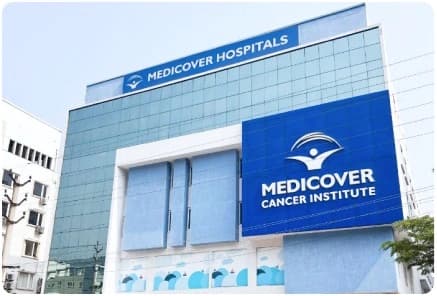
Medicover Cancer Institute – Best in Arilova, Visakhapatnam
Laparoscopic Surgeries at Medicover Cancer Institute
Laparoscopic surgery is a minimally invasive approach that uses small incisions and specialized surgical instruments rather than a conventional large incision. At Medicover Cancer Institute in Arilova, Visakhapatnam, this specialty page helps patients explore laparoscopic surgical care in the context of cancer treatment and surgical oncology. Depending on the diagnosis, cancer type, stage, overall health and suitability for minimally invasive surgery, patients may be evaluated for appropriate laparoscopic procedures. The page covers conditions that may be managed surgically, commonly considered procedures, diagnostic evaluation, specialist consultation and factors to discuss before treatment. Patients searching for laparoscopic surgery in Visakhapatnam can use this information to better understand the treatment journey and prepare for a consultation with a qualified surgical specialist.q
Laparoscopic Surgeries at Medicover Cancer Institute, Visakhapatnam
Laparoscopic surgery, often called minimally invasive surgery, is a surgical technique in which procedures are performed through small incisions using a laparoscope and specialized instruments. A laparoscope is a thin camera that allows the surgical team to view the operating area on a monitor.
In cancer care, laparoscopic surgery can be considered for selected patients when minimally invasive treatment is clinically appropriate. The suitability of the approach depends on several factors, including the type and location of cancer, tumour size and extent, cancer stage, previous surgeries, overall health and the specific surgical objective.
For patients looking for laparoscopic surgeries in Visakhapatnam, Medicover Cancer Institute in Arilova provides a dedicated setting to explore surgical oncology care and minimally invasive treatment options. The exact procedure recommended for an individual patient should always be determined after clinical assessment and appropriate diagnostic evaluation.
The goal of laparoscopic cancer surgery is not simply to use smaller incisions. The priority remains safe and appropriate treatment of the underlying disease while considering recovery, function and the patient's overall treatment plan.
Laparoscopic Surgery Services and Areas of Care
Laparoscopic procedures may be relevant to different areas of surgical care. In oncology, minimally invasive approaches can be considered for selected cancers involving organs within the abdomen, pelvis and other areas where laparoscopic access is clinically suitable.
Depending on the patient's diagnosis and treatment plan, areas that may be evaluated for laparoscopic surgery include:
Gastrointestinal Cancer Surgery
Some gastrointestinal cancers may be managed using minimally invasive surgical techniques in appropriately selected patients. Depending on the disease, surgery may involve organs or structures such as the stomach, intestine or colon.
The choice between laparoscopic and open surgery depends on tumour characteristics, disease extent and the technical requirements of the operation.
Colorectal Surgery
Laparoscopic techniques can be considered for selected colorectal conditions, including certain cancers of the colon and rectum. The surgical plan depends on the location and extent of the disease and whether other treatments such as chemotherapy or radiation therapy are required.
Hepatobiliary and Pancreatic Surgery
Certain liver, gallbladder, bile duct and pancreatic conditions may require complex surgical assessment. In selected cases, minimally invasive techniques may be considered. These procedures require careful evaluation because anatomy, tumour location and disease extent can significantly influence surgical planning.
Gynaecological and Pelvic Surgery
Some cancers affecting the female reproductive system may be evaluated for minimally invasive surgery. The appropriate approach depends on the cancer type, stage and the patient's individual health considerations.
Genitourinary Surgery
Selected cancers involving the urinary system may also be assessed for minimally invasive surgical approaches. The final surgical technique depends on the organ involved, disease characteristics and the specialist's assessment.
Not every patient or cancer is suitable for laparoscopic surgery. A specialist consultation is essential before deciding on the surgical approach.
Conditions Treated Under Laparoscopic Surgeries
Laparoscopic surgery is a surgical approach, rather than a disease itself. It may therefore be considered across several conditions when minimally invasive surgery is appropriate.
Gastrointestinal Cancers
Depending on diagnosis and stage, laparoscopic techniques may be considered in the surgical management of certain cancers affecting the stomach, small intestine, colon and other parts of the gastrointestinal tract.
Colorectal Cancer
Some patients with colon or rectal cancer may be candidates for minimally invasive surgery. Evaluation usually considers the location of the tumour, stage of disease and the intended extent of surgery.
Selected Liver and Hepatobiliary Conditions
Certain liver and biliary conditions may be approached using minimally invasive techniques in suitable patients. Complex cases require detailed imaging and specialist surgical planning.
Selected Gynaecological Cancers
Some gynaecological cancers may be evaluated for minimally invasive surgical treatment. The decision depends on cancer type, stage and the patient's overall clinical circumstances.
Selected Genitourinary Cancers
Certain cancers involving organs of the urinary or reproductive systems may be considered for laparoscopic surgery where appropriate.
A cancer diagnosis does not automatically mean that laparoscopic surgery is the right choice. Open surgery, robotic surgery, radiation therapy, systemic treatment or a combination of approaches may be more appropriate depending on the individual case.
Laparoscopic Surgery Treatments and Procedures
The term "laparoscopic surgery" covers a range of procedures rather than one single operation.
Depending on the diagnosis, procedures may include laparoscopic approaches to:
- Tumour removal
- Colon and colorectal cancer surgery
- Selected stomach or gastrointestinal cancer operations
- Selected liver and hepatobiliary procedures
- Selected pelvic or gynaecological procedures
- Selected genitourinary cancer surgeries
- Diagnostic laparoscopy when direct visual assessment is clinically indicated
The precise operation is determined after reviewing the patient's medical history, examination findings, imaging, pathology reports and overall health.
For cancer surgery, the surgeon must also consider whether the minimally invasive approach can achieve the required oncological objectives. If laparoscopic surgery is not considered suitable, another surgical approach may be recommended.
Laparoscopic vs Open Surgery
Laparoscopic surgery generally uses several small incisions instead of one larger incision. Depending on the procedure and individual circumstances, minimally invasive surgery may be associated with smaller wounds, reduced postoperative discomfort and a potentially shorter recovery period.
However, these benefits should not be considered guaranteed. Surgical risks, recovery time and outcomes vary according to the operation, underlying disease, patient health and other factors.
Laparoscopic Surgery Diagnostic and Evaluation Services
Before laparoscopic surgery is considered, a detailed assessment is usually required.
Depending on the suspected condition, evaluation may involve:
- Medical history and physical examination
- Blood and laboratory investigations
- Ultrasound
- CT scans
- MRI when clinically indicated
- Endoscopic evaluation for selected gastrointestinal conditions
- Biopsy and pathology assessment when cancer is suspected or confirmed
- Cancer staging investigations
- Pre-operative anaesthesia assessment
- Evaluation of heart, lung and other health conditions when required
For patients who already have a cancer diagnosis, previous medical records and pathology reports can be particularly useful during the surgical consultation.
The purpose of these evaluations is to establish the diagnosis, understand the extent of disease and determine whether surgery is appropriate. They can also help the surgical team decide whether laparoscopic, open, robotic or another treatment approach is more suitable.
When Should You See a Laparoscopic Surgery Specialist?
You may be referred to a surgical specialist when a condition has been identified that could require an operation and a minimally invasive approach may be an option.
Patients with symptoms such as persistent abdominal pain, unexplained changes in bowel habits, abnormal bleeding, a suspected abdominal mass or other concerning symptoms may first require diagnostic evaluation. These symptoms can have many possible causes and do not necessarily indicate cancer.
Patients who have already received a cancer diagnosis may be referred for surgical consultation to discuss:
- Whether surgery is required
- Whether laparoscopic surgery is appropriate
- Whether another surgical technique may be safer or more effective
- Whether additional cancer treatment is required before or after surgery
- Expected recovery and follow-up
- Possible surgical risks and complications
Seeking specialist evaluation is particularly important when symptoms are persistent, worsening or associated with an existing medical diagnosis.
What to Expect During a Laparoscopic Surgery Consultation
A laparoscopic surgery consultation generally begins with a discussion of your medical history and current concerns.
The specialist may review:
- Symptoms and medical history – Previous illnesses, surgeries, medications, allergies and relevant family history may be discussed.
- Existing reports – Imaging scans, biopsy results, pathology reports and previous treatment records can help the specialist understand the condition.
- Clinical examination – A physical examination may be performed when appropriate.
- Diagnostic review – Additional investigations may be recommended if more information is needed before making a treatment decision.
- Surgical discussion – If surgery is appropriate, the specialist can explain the proposed procedure, alternatives, possible risks and expected recovery.
- Treatment planning – For cancer patients, surgery may form one part of a broader treatment plan involving medical oncology, radiation oncology or other specialists.
- Follow-up planning – Postoperative monitoring, pathology review and further treatment or surveillance may be discussed.
Patients should feel comfortable asking questions about the purpose of surgery, expected recovery, possible complications, alternatives and the reason a particular surgical approach has been recommended.
Why Choose Laparoscopic Surgery Care at Medicover Cancer Institute?
When comparing laparoscopic surgery providers in Visakhapatnam, patients should look beyond the procedure name and consider whether the care pathway is appropriate for their specific diagnosis.
Medicover Cancer Institute is located at Plot No. 5, BRTS Road, Chinna Gadhili, Arilova, Visakhapatnam. The hospital's published information describes cancer care across multiple oncology disciplines, including surgical oncology.
The hospital also lists surgical specialists whose areas of expertise include laparoscopic cancer surgery. For example, Medicover's published profile for Dr. P. Chandra Sekhar Vihari identifies laparoscopic cancer surgery among his areas of specialization and lists his practice location as Medicover Cancer Institute, Visakhapatnam.
Patients should still confirm the availability and suitability of a specific laparoscopic procedure during consultation because treatment options vary according to diagnosis and individual circumstances.
Laparoscopic Surgery Doctors and Specialists
Laparoscopic cancer surgery is generally performed by appropriately trained surgical specialists, with the exact specialist depending on the organ and disease involved.
At Medicover Cancer Institute, published doctor information includes:
Dr. P. Chandra Sekhar Vihari
Dr. P. Chandra Sekhar Vihari is listed as a Consultant Surgical Oncologist at Medicover Cancer Institute, with laparoscopic cancer surgery among his areas of specialization. His published profile also lists expertise across gastrointestinal, colorectal, hepatopancreatobiliary, thoracic, breast, head and neck, gynaecological and genitourinary cancer surgery.
Dr. Karthik Chandra Vallam
Medicover's published profile identifies Dr. Karthik Chandra Vallam as a Chief Consultant Surgical Oncologist and Robotic and Laparoscopic Surgeon at its Vizag Cancer Institute. His listed areas include robotic and laparoscopic surgery, with experience in several cancer surgery disciplines.
Patients should review the current doctor schedule and discuss their specific diagnosis with the appropriate surgical specialist before making treatment decisions.
Laparoscopic Surgery Care in Visakhapatnam
Patients searching for laparoscopic surgery in Visakhapatnam, laparoscopic cancer surgery in Vizag or a laparoscopic surgeon near Arilova may consider specialist care based on their diagnosis and treatment requirements.
Medicover Cancer Institute is situated in Arilova, Visakhapatnam, making the location relevant for patients seeking cancer-focused surgical consultation in the city. The published hospital address is Plot No. 5, BRTS Road, Chinna Gadhili, Arilova, Visakhapatnam, Andhra Pradesh 530040.
Patients travelling from outside Visakhapatnam may want to plan their visit around consultation requirements, diagnostic reports and follow-up appointments. Bringing previous scans, pathology reports, medication details and discharge summaries can help the specialist understand the patient's treatment history.
How to Choose the Right Laparoscopic Surgery Hospital or Specialist
Choosing a hospital or surgeon for laparoscopic surgery should be based on the patient's clinical needs rather than the procedure name alone.
Consider asking about:
- Relevant specialist expertise: Does the surgeon regularly manage the type of condition involved?
- Appropriate diagnostic evaluation: Can the necessary investigations be arranged to establish the diagnosis and disease extent?
- Suitability of minimally invasive surgery: Is laparoscopic surgery appropriate for the specific case?
- Alternative approaches: Would open or robotic surgery offer a more appropriate option?
- Multidisciplinary care: For cancer treatment, can relevant surgical, medical and radiation specialists participate when needed?
- Surgical risks: What complications should the patient understand before consenting?
- Recovery: How long might hospitalisation and recovery take for the particular operation?
- Follow-up: What monitoring or additional treatment will be required after surgery?
- Communication: Does the specialist clearly explain the diagnosis, treatment choices and alternatives?
- Accessibility: Is the hospital practical for postoperative reviews and continuing care?
A consultation allows patients to make these questions specific to their own medical situation.
Frequently Asked Questions About Laparoscopic Surgeries
What is laparoscopic surgery?
Laparoscopic surgery is a minimally invasive surgical technique performed through small incisions using a camera and specialised instruments. It can be used for selected conditions, including some cancers, when clinically appropriate.
Is laparoscopic surgery suitable for every cancer patient?
No. Suitability depends on factors such as cancer type, stage, tumour location, previous surgery, overall health and the complexity of the required operation. A surgical oncologist should assess the individual case.
What cancers can be treated with laparoscopic surgery?
Selected cancers involving areas such as the gastrointestinal tract, colon, liver, pelvis and genitourinary system may be considered for minimally invasive surgery. The appropriate approach varies from patient to patient.
Is laparoscopic cancer surgery safer than open surgery?
Laparoscopic surgery may offer benefits such as smaller incisions and potentially faster recovery in appropriately selected cases. However, it is not automatically safer for every patient. The appropriate surgical approach depends on the disease and individual clinical factors.
What tests are needed before laparoscopic surgery?
Testing depends on the condition. It may include blood tests, imaging such as CT or MRI, ultrasound, biopsy or pathology review, cancer staging investigations and pre-operative assessment.
How long does recovery take after laparoscopic surgery?
Recovery varies considerably depending on the procedure, the patient's health and whether cancer treatment is also required. The surgeon can provide a more useful estimate after assessing the planned operation.
Can laparoscopic surgery be used for cancer diagnosis?
In selected situations, a procedure called diagnostic laparoscopy may be used to directly examine structures inside the abdomen and help assess disease. Whether it is necessary depends on the clinical situation.
How do I choose a laparoscopic surgery specialist in Visakhapatnam?
Look for a qualified specialist whose experience is relevant to the condition being treated. Ask about the recommended surgical approach, alternatives, expected recovery, potential complications and the overall treatment plan.
What should I bring to a laparoscopic surgery consultation?
Bring previous medical records, imaging reports or scans, biopsy and pathology reports, medication details, discharge summaries and information about previous surgeries or treatments. This can help the specialist review your medical history more efficiently.
How can I book a laparoscopic surgery consultation at Medicover Cancer Institute?
Patients can explore the available surgical oncology specialists and consultation options through the hospital or Siris Healthcare. Appointment availability, doctor schedules and procedure suitability should be confirmed before planning treatment.
Laparoscopic Surgeries Treatments
Laparoscopic Cholecystectomy
Advanced treatment available at Medicover Cancer Institute.
Laparoscopic Cholecystectomy
Advanced treatment available at Medicover Cancer Institute.
Laparoscopic Hernia Repair
Advanced treatment available at Medicover Cancer Institute.
Laparoscopic Hysterectomy
Advanced treatment available at Medicover Cancer Institute.
Laparoscopic Ovarian Cystectomy
Advanced treatment available at Medicover Cancer Institute.
Frequently Asked Questions About Laparoscopic Surgeries
What types of laparoscopic surgeries procedures are performed at Medicover Cancer Institute?
We perform a wide range of laparoscopic surgeries procedures, from routine diagnostics to complex surgeries, using the latest medical technologies.
How can I book an appointment for Laparoscopic Surgeries at Medicover Cancer Institute?
You can book an appointment through the Siris Healthcare platform by clicking the "Get Free Estimate" button or contacting our 24/7 helpline.
Other Medical Specialties at Medicover Cancer Institute Arilova
Get Expert Laparoscopic Surgeries Care at Medicover Cancer Institute, Arilova
Schedule a consultation with our top specialists and get a personalized treatment plan with a free cost estimate.
Top Specialities at Medicover Cancer Institute Arilova
- Oncology Department
- Thoracic Oncology Department
- Oncoplastic Surgery Department
- Bone Marrow Transplant Department
- Aesthetic Medicine Department
- Hematology Department
- Robotic Surgery Department
- Laparoscopic surgeries Department
- General Surgery Department
- Physiotherapy & Rehabilitation Department
- Palliative Care Department
- Pediatric Oncology Department
- Thoracic Oncology Department
- Breast Oncology Department
- Surgical Oncology Department
- Medical Oncology Department