
Thoracic Surgical Oncology at Medicover Cancer Institute, Chintareddy Palem, Nellore
Explore Thoracic Surgical Oncology services, treatments, diagnostic care and related doctors at Medicover Cancer Institute.
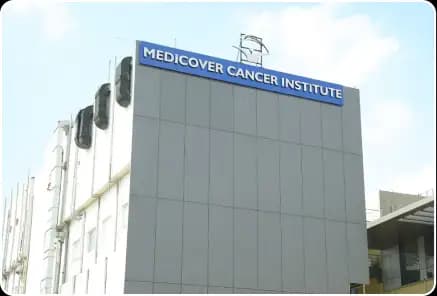
Medicover Cancer Institute – Best in Chintareddy Palem, Nellore
- Beds
- 200
Thoracic Surgical Oncology at Medicover Cancer Institute
Thoracic Surgical Oncology at Medicover Cancer Institute, Chintareddy Palem, Nellore, focuses on the surgical evaluation and management of selected cancers involving the chest and thoracic region. This area of cancer care commonly includes conditions affecting the lungs, oesophagus, mediastinum, pleura and chest wall, with treatment decisions based on the cancer type, stage, location and overall health of the patient. The institute lists Thoracic Surgical Oncology and Thoracic Oncology among its specialised cancer services and provides multidisciplinary oncology care. Patients can use this page to understand relevant conditions, diagnostic evaluation, potential surgical approaches, specialist consultations and the factors involved in planning thoracic cancer treatment in Nellore.
Thoracic Surgical Oncology at Medicover Cancer Institute, Nellore
Thoracic Surgical Oncology is a specialised area of cancer surgery concerned with tumours and malignancies involving structures within the chest. It is particularly relevant to patients who require surgical assessment or treatment for selected cancers of the lungs, oesophagus, mediastinum, pleura or chest wall.
At Medicover Cancer Institute, Chintareddy Palem, Nellore, Thoracic Surgical Oncology is listed as a dedicated oncology specialty alongside Thoracic Oncology, Surgical Oncology, Medical Oncology and Radiation Oncology. The institute describes its cancer services as multidisciplinary, allowing different oncology disciplines to contribute to treatment planning when appropriate.
For a patient, thoracic cancer care is rarely about surgery alone. Before recommending an operation, specialists generally need to establish exactly where the tumour is located, whether it has spread, how advanced it is and whether surgery is appropriate for the individual's condition. Treatment may involve surgery, systemic cancer treatment, radiation therapy, active surveillance or a combination of approaches depending on the diagnosis.
Thoracic Surgical Oncology Services and Areas of Care
Thoracic surgical oncology may involve the evaluation and surgical management of cancers affecting several parts of the chest.
Lung Cancer Surgery
Lung cancer is one of the most important conditions evaluated within thoracic oncology. Surgery may be considered for selected patients, particularly when the disease is localised and the tumour can be safely removed.
The type of operation depends on tumour size, location, stage, lymph-node involvement and lung function. Possible surgical approaches can include removal of a small portion of lung tissue, anatomical segment removal, lobectomy or, in selected extensive cases, removal of an entire lung.
Not every person with lung cancer is a candidate for surgery. Staging investigations and assessment of overall health are essential before making that decision.
Oesophageal Cancer
Some cancers of the oesophagus may require complex surgery as part of multidisciplinary treatment. Depending on the location and stage of the tumour, surgery may be combined with chemotherapy or radiation therapy.
Because oesophageal cancer can affect swallowing, nutrition and general health, assessment may also consider nutritional status and the patient's ability to tolerate major treatment.
Mediastinal Tumours
The mediastinum is the central compartment of the chest between the lungs. Tumours can develop in this region and may involve structures such as the thymus, lymph nodes, nerves or other tissues.
Treatment depends on the type, size and location of the tumour. Surgical removal may be considered when appropriate, while some patients may require biopsy, systemic therapy, radiation or observation instead.
Pleural and Chest Wall Conditions
Thoracic surgeons may also evaluate selected malignancies involving the pleura—the lining around the lungs—or the chest wall. Surgical planning in these cases depends heavily on the extent of disease and its relationship to nearby structures.
Conditions Treated Under Thoracic Surgical Oncology
Thoracic surgical oncology can be relevant to several cancer conditions, including:
- Lung cancer
- Non-small cell lung cancer
- Small cell lung cancer in selected clinical situations
- Oesophageal cancer
- Thymic tumours
- Selected mediastinal tumours
- Pleural malignancies
- Selected chest wall tumours
- Metastatic tumours involving the thoracic region in appropriate cases
A thoracic surgical oncologist does not determine treatment based on the tumour name alone. Factors such as cancer stage, histopathology, molecular findings where relevant, lymph-node involvement, lung function and the patient's general health can influence the treatment pathway.
Thoracic Surgical Oncology Treatments and Procedures
The treatment plan for thoracic cancer is individualised. Depending on the disease and clinical assessment, surgical options may include:
Wedge Resection
A wedge resection removes a small, wedge-shaped portion of lung containing a tumour. It may be considered for selected patients based on tumour characteristics and clinical circumstances.
Segmentectomy
Segmentectomy removes an anatomical segment of the lung rather than an entire lobe. It may be appropriate for certain smaller or localised lung cancers when the clinical situation supports a lung-preserving approach.
Lobectomy
A lobectomy involves removal of a lobe of the lung. It is an established surgical approach for selected localised lung cancers and is considered according to tumour characteristics and the patient's ability to tolerate surgery.
Pneumonectomy
Pneumonectomy involves removal of an entire lung. It is a major operation and is considered only in carefully selected situations when a tumour cannot be adequately treated with a more limited resection.
Mediastinal Tumour Surgery
Selected mediastinal tumours may be surgically removed when complete or appropriate resection is considered beneficial and technically feasible.
Lymph-Node Assessment
Evaluation or removal of lymph nodes may form an important part of lung cancer surgery because lymph-node status contributes to accurate staging and helps guide further treatment.
Minimally Invasive Thoracic Surgery
Depending on the tumour, surgeon expertise and available facilities, some thoracic procedures may be performed using minimally invasive techniques such as video-assisted thoracoscopic surgery (VATS) or robotic-assisted approaches. Suitability depends on the individual case, and these approaches should not be assumed to be appropriate for every patient.
The Medicover Cancer Institute, Nellore, publicly lists Thoracic Surgical Oncology among its cancer specialties and also describes surgical oncology services that include thoracic oncology.
Thoracic Surgical Oncology Diagnostic and Evaluation Services
Accurate diagnosis and staging are central to thoracic cancer treatment. Depending on the suspected condition, evaluation may involve several investigations.
Imaging
Chest imaging can help identify a suspicious lesion, assess its size and location and look for possible spread. Depending on the clinical situation, investigations may include:
- Chest X-ray
- Contrast-enhanced CT scan
- PET-CT
- MRI in selected situations
- Other nuclear medicine investigations when clinically indicated
Medicover Cancer Institute, Nellore lists advanced cancer imaging services including 4D PET-CT, CT, MRI and nuclear medicine as part of its oncology infrastructure.
Tissue Diagnosis
Imaging can identify an abnormality, but a tissue sample is often required to determine what type of cancer is present. Depending on the location of the lesion, tissue may be obtained through procedures such as image-guided biopsy, bronchoscopy-based sampling or surgical biopsy.
Lung Function Assessment
Patients being considered for lung surgery may require pulmonary function testing. These tests help doctors understand how well the lungs are functioning and whether a proposed operation is appropriate from a respiratory perspective.
Cancer Staging
Staging determines how extensively the cancer has developed or spread. It can influence whether surgery, chemotherapy, radiation therapy, immunotherapy, targeted therapy or a combination of treatments is considered.
When Should You See a Thoracic Surgical Oncology Specialist?
A specialist evaluation may be appropriate when a patient has been diagnosed with a chest or lung tumour and surgery is being considered.
You may also be referred to a thoracic surgical oncology specialist when investigations have identified:
- A suspicious lung nodule or mass
- Confirmed lung cancer
- A mediastinal mass
- A tumour involving the chest wall
- A pleural tumour
- Oesophageal cancer requiring surgical assessment
- Lymph-node abnormalities associated with a suspected thoracic malignancy
Symptoms such as a persistent cough, coughing up blood, unexplained weight loss, recurring chest discomfort, breathlessness or persistent changes in breathing should not automatically be assumed to indicate cancer. However, persistent or concerning symptoms deserve appropriate medical evaluation, particularly when risk factors or abnormal imaging findings are present.
What to Expect During a Thoracic Surgical Oncology Consultation
A thoracic surgical oncology consultation generally begins with a review of the patient's medical history and current concerns.
The specialist may review:
- Previous symptoms and their duration
- Existing medical conditions
- Smoking and occupational exposure history where relevant
- Previous cancer treatments
- CT, PET-CT, MRI or other imaging reports
- Biopsy and pathology results
- Previous laboratory investigations
- Lung function or other pre-operative assessments
A physical examination may then be performed where appropriate.
The specialist will explain the diagnosis and discuss whether surgery is potentially appropriate. If surgery is being considered, the discussion may cover the proposed procedure, expected hospital stay, possible risks, recovery requirements and whether additional chemotherapy or radiation may be required before or after surgery.
Patients should feel comfortable asking questions about alternatives, potential complications, recovery time and follow-up care.
Why Choose Thoracic Surgical Oncology Care at Medicover Cancer Institute?
Medicover Cancer Institute, Nellore identifies Thoracic Surgical Oncology and Thoracic Oncology among its specialised cancer services. Its cancer-care model brings together medical, surgical and radiation oncology disciplines for multidisciplinary treatment planning.
For patients comparing thoracic cancer services in Nellore, relevant factors include access to appropriate cancer diagnostics, surgical expertise, pathology and staging, medical and radiation oncology support, post-operative care and follow-up.
The institute's publicly listed oncology infrastructure includes advanced diagnostic imaging such as 4D PET-CT, CT and MRI, as well as nuclear medicine and cancer treatment services. The hospital also states that multidisciplinary teams review cancer cases for treatment planning.
The exact investigations, surgical procedures and treatment combinations available to an individual patient depend on the diagnosis and the clinical facilities required for that case.
Thoracic Surgical Oncology Doctors and Specialists
Thoracic cancer treatment may involve several specialists rather than a single doctor working independently. Depending on the patient's diagnosis, the care team can include:
- Thoracic surgical oncologists
- Surgical oncologists
- Medical oncologists
- Radiation oncologists
- Radiologists
- Pathologists
- Nuclear medicine specialists
- Anaesthesiologists
- Critical-care specialists
- Respiratory or pulmonary specialists where required
- Nutrition and rehabilitation professionals
The role of the thoracic surgical oncologist is to determine whether cancer surgery is appropriate, identify the most suitable surgical strategy and coordinate surgical treatment with the wider oncology plan.
Medicover Cancer Institute, Nellore lists surgical, medical and radiation oncology as part of its multidisciplinary cancer services. Patients can use the hospital's doctor and appointment information to identify the appropriate specialist for their individual condition.
Thoracic Surgical Oncology Care in Nellore
Patients searching for thoracic surgical oncology in Nellore may prefer to begin evaluation close to home, particularly when cancer treatment requires multiple consultations, diagnostic tests and follow-up visits.
Medicover Cancer Institute is located at NH-5, Chinthareddypalem Cross Road, Alahari Nagar, Chintareddy Palem, Nellore, Andhra Pradesh. The hospital's location provides a local option for patients seeking specialised cancer evaluation and treatment in Nellore.
For patients travelling from outside Nellore, practical considerations may include travel time, accommodation, scheduling multiple investigations together and arranging follow-up visits. Patients should confirm appointment timings, required investigations and treatment availability with the hospital before travelling.
How to Choose the Right Thoracic Surgical Oncology Hospital or Specialist
When comparing a thoracic surgical oncology hospital in Nellore, patients and families can consider several factors:
Relevant Surgical Expertise
Ask whether the specialist regularly manages the type of thoracic cancer involved and whether the proposed operation is appropriate for the cancer's stage and location.
Diagnostic and Staging Support
Accurate staging is essential before major cancer surgery. Ask about access to appropriate imaging, pathology and other diagnostic investigations required for the treatment plan.
Multidisciplinary Cancer Care
Thoracic cancer may require a combination of surgery, chemotherapy, immunotherapy or radiation therapy. A coordinated oncology team can help ensure that different treatment options are considered together.
Surgical Approach
Ask whether open, minimally invasive or other surgical approaches may be appropriate for the particular tumour. The least invasive approach is not automatically the right approach; cancer control and patient safety remain important considerations.
Recovery and Follow-Up
Patients should understand what recovery may involve, including hospitalisation, pain management, respiratory care, physical activity, nutrition and follow-up appointments.
Communication
A good consultation should give patients an opportunity to understand the diagnosis, treatment alternatives, expected benefits, potential risks and unanswered questions.
Frequently Asked Questions About Thoracic Surgical Oncology
What does a thoracic surgical oncologist treat?
A thoracic surgical oncologist evaluates and surgically manages selected cancers involving the chest, including certain lung, oesophageal, mediastinal, pleural and chest-wall tumours.
When should I see a thoracic surgical oncology specialist?
A specialist consultation may be appropriate after a confirmed thoracic cancer diagnosis or when imaging identifies a suspicious tumour that may require surgical evaluation. Referral can also occur when another oncologist or physician believes surgery should be considered.
What types of lung cancer surgery are available?
Depending on the cancer, surgery may include wedge resection, segmentectomy, lobectomy or pneumonectomy. Lymph-node assessment may also be part of the operation. The appropriate procedure depends on tumour characteristics, stage and the patient's health.
Is every lung cancer treated with surgery?
No. Surgery is only one possible treatment. Some cancers may be better managed with chemotherapy, immunotherapy, radiation therapy or combinations of treatments. Treatment selection depends on cancer type, stage, molecular characteristics where relevant and overall health.
How is lung cancer diagnosed before surgery?
Evaluation may include imaging such as CT or PET-CT, tissue biopsy, pathology testing and assessment of lung function. Additional investigations may be recommended based on the suspected cancer and its location.
What is a PET-CT scan used for in thoracic cancer?
PET-CT can help doctors evaluate metabolic activity and identify areas that may represent cancer elsewhere in the body. It can contribute to staging and treatment planning, although the results need to be interpreted alongside clinical findings and pathology.
Can thoracic cancer surgery be performed using minimally invasive techniques?
Some selected thoracic procedures can be performed using minimally invasive approaches such as VATS or robotic-assisted surgery. Whether this is appropriate depends on tumour size, location, stage, the planned procedure and the surgical team's assessment.
What happens during a thoracic surgical oncology consultation?
The specialist generally reviews symptoms, medical history, imaging and pathology reports and may perform an examination. If surgery is an option, the doctor discusses the proposed procedure, alternatives, potential risks, recovery and the need for additional cancer treatment.
How do I choose a thoracic surgical oncology hospital in Nellore?
Consider the specialist's relevant experience, cancer diagnostic and staging facilities, availability of multidisciplinary oncology care, surgical options, post-operative support, follow-up arrangements and accessibility. Patients should also confirm which services are currently available for their specific condition.
How can I book a thoracic surgical oncology consultation?
Patients can use the hospital's appointment or enquiry channels to request a consultation. It is useful to carry previous scans, biopsy or pathology reports, medication details and other relevant medical records to the appointment.
Thoracic Surgical Oncology Treatments
Lobectomy
Advanced treatment available at Medicover Cancer Institute.
Pneumonectomy
Advanced treatment available at Medicover Cancer Institute.
Segmentectomy / Wedge Resection
Advanced treatment available at Medicover Cancer Institute.
Vats Lung Cancer Surgery
Advanced treatment available at Medicover Cancer Institute.
Robotic-Assisted Thoracic Surgery (rats)
Advanced treatment available at Medicover Cancer Institute.
Esophagectomy
Advanced treatment available at Medicover Cancer Institute.
Mediastinal Tumor Resection / Thymectomy
Advanced treatment available at Medicover Cancer Institute.
Chest Wall Tumor Resection & Reconstruction
Advanced treatment available at Medicover Cancer Institute.
Pulmonary Metastasectomy
Advanced treatment available at Medicover Cancer Institute.
Tracheal / Airway Resection & Reconstruction
Advanced treatment available at Medicover Cancer Institute.
Frequently Asked Questions About Thoracic Surgical Oncology
What types of thoracic surgical oncology procedures are performed at Medicover Cancer Institute?
We perform a wide range of thoracic surgical oncology procedures, from routine diagnostics to complex surgeries, using the latest medical technologies.
How can I book an appointment for Thoracic Surgical Oncology at Medicover Cancer Institute?
You can book an appointment through the Siris Healthcare platform by clicking the "Get Free Estimate" button or contacting our 24/7 helpline.
Other Medical Specialties at Medicover Cancer Institute Chintareddy Palem
Get Expert Thoracic Surgical Oncology Care at Medicover Cancer Institute, Chintareddy Palem
Schedule a consultation with our top specialists and get a personalized treatment plan with a free cost estimate.
Top Specialities at Medicover Cancer Institute Chintareddy Palem
- Oncology Department
- Thoracic Surgical Oncology Department
- Oncoplastic Surgery Department
- Bone Marrow Transplant Department
- Nuclear Medicine Department
- Physiotherapy Department
- Medical Oncology Department
- Radiation Oncology Department
- Breast Oncology Department
- Thoracic Oncology Department
- Pediatric Oncology Department
- Physiotherapy & Rehabilitation Department
- Palliative Care Department
- Surgical Oncology Department
Best Hospitals in Nellore
Medical Services in India
Topics related to Medicover Cancer Institute
Cancer Diagnosis in Nellore: When Are CT, MRI, PET-CT and Other Tests Used?
Finding out that a scan, blood test or examination has raised a concern about ca...
How Is Cancer Treatment Planned When Several Oncology Specialists Are Involved
A cancer diagnosis rarely leads to just one treatment decision. Depending on the...
Cancer Treatment Follow-Up: Which Tests and Appointments May Be Needed After Treatment?
Finishing cancer treatment can feel like reaching an important milestone, but me...
Preparing for Cancer Surgery: What Tests, Reports and Questions Should Patients Bring?
Being told that surgery may be part of your cancer treatment can raise practical...
Palliative Care During Cancer Treatment: How Can It Help With Pain and Other Symptoms?
Cancer treatment is often focused on controlling or treating the cancer itself. ...
Cancer Rehabilitation After Treatment: How Can Physiotherapy Support Recovery?
Completing cancer treatment can be an important milestone, but recovery does not...
Breast Cancer Treatment Options: How Do Surgery, Medicines and Radiation Fit Together?
A breast cancer diagnosis can lead to an immediate question: What treatment will...
Blood Cancer Diagnosis and Treatment: What Tests and Specialists Are Involved?
Being told that you may have a blood cancer can raise many questions at once: Wh...
CAR T-Cell Therapy for Blood Cancer: Who May Be Eligible and How Does Treatment Work?
A diagnosis of blood cancer can lead to difficult treatment decisions, particula...
Pediatric Cancer Treatment: When Should a Child See a Pediatric Oncologist?
When a child develops a persistent or unusual health problem, parents naturally ...