
Breast Oncology at Medicover Cancer Institute, Chintareddy Palem, Nellore
Explore Breast Oncology services, treatments, diagnostic care and related doctors at Medicover Cancer Institute.
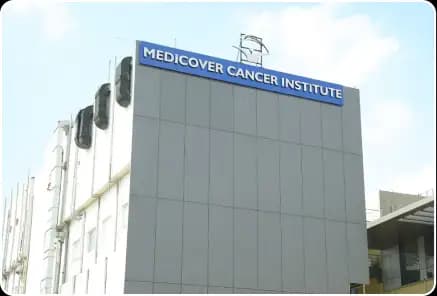
Medicover Cancer Institute – Best in Chintareddy Palem, Nellore
- Beds
- 200
Breast Oncology at Medicover Cancer Institute
Breast Oncology at Medicover Cancer Institute in Nellore focuses on the evaluation and management of breast-related cancers through coordinated oncology care. The institute is located at Chinthareddypalem Cross Road, Chintareddy Palem, Nellore, making it a relevant option for patients seeking breast cancer care in the city. The hospital lists Breast Oncology among its cancer specialties and describes a multidisciplinary approach involving medical, surgical and radiation oncology.
Breast Oncology at Medicover Cancer Institute, Nellore
Breast Oncology is a specialised area of cancer care concerned with the diagnosis, staging, treatment and follow-up of breast cancer. Breast cancer is not a single disease; different tumours can behave differently depending on their size, stage, lymph-node involvement, hormone-receptor status, HER2 status and other clinical or molecular characteristics. For this reason, treatment is generally planned after a detailed assessment rather than following one standard approach for every patient.
At Medicover Cancer Institute, Nellore, Breast Oncology is listed as one of the institute's dedicated oncology services. The hospital states that patients are managed through a multidisciplinary approach involving medical, surgical and radiation oncologists who review cases to develop treatment plans.
For people searching for Breast Oncology in Nellore, the department can be relevant whether they are seeking evaluation of a newly detected breast lump, an abnormal imaging report, a confirmed breast cancer diagnosis, treatment planning, a second opinion or follow-up after treatment.
The institute is located on NH-5 at Chinthareddypalem Cross Road, Alahari Nagar, Chintareddy Palem, Nellore, Andhra Pradesh 524003.
Breast Oncology Services and Areas of Care
Breast oncology care can involve several stages, from the initial assessment of a breast abnormality to treatment and long-term surveillance. The exact services recommended depend on the patient's symptoms, test results and diagnosis.
Breast cancer evaluation
A new breast lump, nipple change, unusual discharge or skin change may require clinical assessment. Many breast changes are benign, but a healthcare professional can determine whether further investigation is appropriate.
Breast cancer diagnosis and staging
When an abnormality is identified, imaging and tissue testing may be used to establish whether cancer is present and determine its characteristics. Staging helps the oncology team understand the extent of disease and plan treatment.
Medical oncology
Medical oncology may involve medicines such as chemotherapy, hormone therapy, targeted therapy or, where clinically appropriate, immunotherapy. The selection depends on the tumour's characteristics and the patient's overall health.
Surgical oncology
Surgery may be considered for appropriate breast cancers. Depending on the individual case, procedures can include breast-conserving surgery or mastectomy, along with assessment of lymph nodes when indicated.
Radiation oncology
Radiation therapy may form part of treatment after surgery or in other clinical situations. Its use depends on factors such as tumour characteristics, stage and the type of surgery performed.
Follow-up and supportive care
Breast cancer care does not necessarily end when the primary treatment is completed. Follow-up may include clinical reviews, monitoring for recurrence, management of treatment-related effects and attention to overall wellbeing.
Conditions Treated Under Breast Oncology
Breast Cancer
Breast cancer develops when abnormal cells in breast tissue grow and multiply in an uncontrolled manner. It can occur in different forms and stages, so diagnosis and treatment need to be individualised.
Medicover's breast oncology information lists care for breast cancer at both early and advanced stages. It also identifies recurrent breast cancer among the conditions managed by its breast oncology specialists.
Recurrent or Advanced Breast Cancer
Some patients require oncology care after cancer returns or when the disease has spread beyond the original breast tumour. Treatment may involve systemic medicines, radiation, surgery or combinations of therapies depending on the location and characteristics of the disease.
Breast Lumps and Cysts
Not every breast lump is cancerous. Cysts, fibroadenomas and other benign conditions can produce similar symptoms. Clinical assessment and appropriate imaging can help distinguish between different causes.
Medicover's breast oncology service information also lists benign breast conditions, breast lumps and cysts among areas managed by its breast oncology specialists.
Hormone-Receptor and HER2-Related Breast Cancers
Some breast cancers have receptors for hormones such as estrogen or progesterone, while others may overexpress HER2. These biological characteristics can influence treatment selection. Hormonal therapy or HER2-directed targeted treatment may be considered when clinically appropriate.
Breast Oncology Treatments and Procedures
Breast cancer treatment is selected according to the patient's diagnosis, stage, tumour biology, general health and treatment goals. More than one treatment may be recommended.
Breast-Conserving Surgery or Lumpectomy
A lumpectomy removes the cancerous tumour together with a surrounding margin of tissue while preserving much of the breast. It may be suitable for selected patients.
Medicover Hospitals lists lumpectomy as a breast cancer procedure available through its Nellore oncology services.
Mastectomy
A mastectomy involves removal of breast tissue and may be recommended for particular tumour characteristics, disease extent or patient-specific circumstances.
Lymph Node Surgery
Assessment of lymph nodes can help determine whether breast cancer has spread beyond the primary tumour. Depending on the clinical situation, sentinel lymph node biopsy or axillary lymph-node surgery may be considered.
Chemotherapy
Chemotherapy uses anti-cancer medicines to destroy or slow the growth of cancer cells. It may be recommended before surgery, known as neoadjuvant treatment, or after surgery, known as adjuvant treatment.
Hormone Therapy
For hormone-receptor-positive breast cancers, medicines that block hormone effects or reduce hormone activity may be used. The choice of treatment depends on menopausal status, tumour biology, previous treatment and other medical considerations.
Targeted Therapy
Targeted medicines are designed to act on particular molecular characteristics of cancer cells. For example, HER2-positive breast cancers may be candidates for HER2-directed therapy.
Radiation Therapy
Radiation therapy uses high-energy radiation to treat cancer cells. It is commonly considered in selected patients following breast surgery and may also have a role in other stages or situations.
Oncoplastic and Reconstructive Approaches
Oncoplastic surgery combines cancer surgery with techniques intended to preserve or restore breast shape when appropriate. The Medicover Cancer Institute, Nellore, lists oncoplastic surgery among its oncology services.
The availability and suitability of a specific procedure should always be confirmed with the treating specialist.
Breast Oncology Diagnostic and Evaluation Services
Accurate diagnosis is an important first step in planning breast cancer treatment. Depending on the clinical situation, evaluation may include:
- Clinical breast examination
- Mammography
- Breast ultrasound
- Breast MRI in selected cases
- Image-guided or other appropriate biopsy procedures
- Pathology examination of tissue
- Hormone-receptor testing
- HER2 testing
- Other molecular or genetic testing when clinically indicated
- Imaging or investigations required for staging
Mammography uses low-dose X-rays to produce images of breast tissue and can identify abnormalities that may not be detectable by physical examination. Medicover's breast cancer information also describes mammography, ultrasound, MRI and biopsy as important components of diagnostic evaluation.
A biopsy is particularly important when imaging identifies a suspicious lesion because tissue examination can help confirm whether cancer is present and identify characteristics that influence treatment.
When Should You See a Breast Oncology Specialist?
Consider seeking professional evaluation if you notice a new or persistent breast change, particularly when it includes:
- A new lump in the breast or underarm
- A persistent change in breast size or shape
- Nipple inversion that is new or unusual
- Unexplained nipple discharge, especially bloody discharge
- Skin dimpling, thickening, redness or other persistent changes
- Persistent or unexplained breast discomfort
- An abnormal mammogram or ultrasound report
- A biopsy showing cancer or a high-risk abnormality
- A previous history of breast cancer requiring follow-up
These signs do not automatically mean that cancer is present. However, unexplained or persistent breast changes should be assessed by an appropriately qualified healthcare professional rather than self-diagnosed.
Patients who have already received a breast cancer diagnosis may also seek a breast oncology consultation to understand their pathology report, staging, treatment choices or need for a second opinion.
What to Expect During a Breast Oncology Consultation
A first Breast Oncology consultation usually begins with a review of the patient's medical history and the reason for the visit.
1. Medical history and symptoms
The specialist may ask about the breast change, when it began, previous investigations, menstrual or reproductive history where relevant, previous cancers, family history and other medical conditions.
2. Review of existing reports
Patients should bring previous mammograms, ultrasound reports, biopsy results, pathology reports, scans and prescriptions when available. Reviewing existing records can help the specialist understand what has already been investigated.
3. Clinical examination
A breast and lymph-node examination may be performed when appropriate.
4. Further diagnostic evaluation
If additional testing is necessary, the specialist may recommend imaging, biopsy, pathology testing or investigations to establish the diagnosis and stage.
5. Treatment discussion
If cancer has been confirmed, the specialist may explain the tumour type, stage and available treatment approaches. Depending on the case, surgery, chemotherapy, radiation therapy, hormone therapy or targeted treatment may be considered.
6. Follow-up planning
The consultation should also clarify what happens next, including additional tests, treatment scheduling, monitoring or follow-up appointments.
Treatment decisions should be made together with the treating oncology team after considering the individual's medical circumstances.
Why Choose Breast Oncology Care at Medicover Cancer Institute?
The Medicover Cancer Institute in Nellore specifically lists Breast Oncology alongside Medical Oncology, Surgical Oncology, Radiation Oncology and Oncoplastic Surgery. This is relevant because breast cancer treatment can require input from more than one clinical discipline.
The hospital also states that its cancer patients are managed through a multidisciplinary model in which medical, surgical and radiation oncologists review cases to determine an appropriate treatment plan.
For patients comparing Breast Oncology hospitals in Nellore, useful factors include the availability of relevant specialists, diagnostic support, pathology services, treatment options, coordination between oncology disciplines, follow-up arrangements and ease of access.
The hospital's published address is NH-5, Chinthareddypalem Cross Road, Alahari Nagar, Chintareddy Palem, Nellore, Andhra Pradesh 524003.
Specific treatment availability should be confirmed with the hospital at the time of consultation, as services and clinical suitability can vary.
Breast Oncology Doctors and Specialists
Breast cancer care may involve different specialists depending on the patient's needs.
A medical oncologist manages medicine-based cancer treatments such as chemotherapy, hormonal therapy and selected targeted or immunotherapy approaches.
A surgical oncologist evaluates whether surgery is appropriate and helps determine the most suitable surgical approach.
A radiation oncologist plans radiation treatment when it forms part of the patient's care.
At Medicover Cancer Institute, Nellore, Dr Sravan Kumar Reddy V is listed as a Consultant Medical Oncologist with Breast Oncology as an area of specialisation. His published profile states that he has more than 13 years of experience and provides breast cancer consultation, staging, chemotherapy planning, hormonal therapy management, targeted therapy and immunotherapy planning, and long-term treatment-response monitoring.
Dr Deepthi Alla is listed as a Consultant Surgical Oncologist at the Nellore Cancer Institute, with breast cancer surgeries included in her area of surgical oncology specialisation.
Doctor availability, consultation schedules and services should be confirmed before booking.
Breast Oncology Care in Nellore
For patients looking for Breast Oncology in Nellore, local access can make it easier to attend diagnostic appointments, treatment sessions and follow-up consultations over an extended period.
Medicover Cancer Institute is located in Chintareddy Palem, at Chinthareddypalem Cross Road on NH-5. Its location may be particularly relevant for residents of Nellore who prefer to coordinate cancer consultations and treatment within the city.
Breast cancer care can involve multiple visits for imaging, pathology review, surgery, systemic treatment, radiation or follow-up. When comparing providers, patients should therefore consider not only the first consultation but also the practical requirements of continuing care.
Patients travelling from outside Nellore may wish to ask about appointment scheduling, treatment timelines, documentation requirements and whether multiple consultations can be coordinated where clinically appropriate.
How to Choose the Right Breast Oncology Hospital or Specialist
Choosing a breast cancer specialist is an important medical decision. Patients can consider the following factors:
- Relevant specialist expertise: Look for clinicians experienced in managing the type of breast condition or cancer involved.
- Diagnostic evaluation: Ask whether appropriate imaging, biopsy and pathology support are available or coordinated.
- Multidisciplinary care: Breast cancer may involve medical, surgical and radiation oncology, so coordination between specialists can be valuable.
- Treatment options: Ask which treatments may be appropriate for the specific diagnosis rather than assuming that one treatment is suitable for everyone.
- Pathology and tumour characteristics: Treatment decisions often depend on pathology, hormone receptors, HER2 status and stage.
- Follow-up arrangements: Understand how treatment response, side effects and long-term follow-up will be monitored.
- Communication: A good consultation should give patients an opportunity to ask questions and understand the proposed plan.
- Accessibility: Consider travel, appointment frequency and the practical demands of ongoing treatment.
- Second opinions: For a major cancer treatment decision, patients may reasonably discuss whether a second specialist opinion would be useful.
No single hospital or treatment approach is appropriate for every patient. Treatment should be based on an individual's diagnosis, medical history and preferences after discussion with qualified oncology professionals.
Frequently Asked Questions About Breast Oncology
What does a Breast Oncology specialist treat?
A Breast Oncology specialist manages breast-related cancer concerns, including newly diagnosed breast cancer, recurrent disease and treatment planning. Breast oncology may also involve evaluation of suspicious breast findings and coordination with surgical and radiation oncology teams.
When should I see a Breast Oncology specialist in Nellore?
You may consider a consultation after an abnormal breast imaging result, a suspicious biopsy, a confirmed breast cancer diagnosis or persistent breast changes that require specialist evaluation. A new lump or other breast change does not necessarily mean cancer, but it should be appropriately assessed.
How is breast cancer diagnosed?
Diagnosis may involve a clinical examination, mammography, ultrasound, MRI in selected cases and biopsy. Tissue obtained during biopsy is examined by a pathologist, and additional testing may help identify the cancer's biological characteristics.
What treatments are used for breast cancer?
Depending on the diagnosis, treatment can include surgery, chemotherapy, radiation therapy, hormone therapy and targeted therapy. Some patients may require a combination of treatments.
What is a lumpectomy?
A lumpectomy is a breast-conserving operation in which the tumour and an appropriate margin of surrounding tissue are removed. Whether it is suitable depends on the tumour and the patient's individual clinical circumstances.
Is every breast lump cancer?
No. Many breast lumps are benign. However, a new or persistent lump should be evaluated by a healthcare professional because examination and appropriate testing are needed to determine its cause.
What happens during a Breast Oncology consultation?
The specialist generally reviews your symptoms, medical history and previous reports, performs an examination when appropriate, recommends further tests if needed and discusses possible treatment options if a diagnosis has been established.
Can breast cancer treatment involve more than one specialist?
Yes. Breast cancer management may involve medical oncology, surgical oncology and radiation oncology. Medicover Cancer Institute, Nellore states that its oncology care follows a multidisciplinary approach involving these specialties.
How can I prepare for a breast cancer consultation?
Bring previous mammograms, ultrasound or MRI reports, biopsy and pathology reports, scan results, medication details and relevant medical records. A written list of symptoms and questions can also help you make the most of the consultation.
How can I book a Breast Oncology consultation in Nellore?
Patients can use the hospital's appointment system or contact the hospital to confirm available Breast Oncology specialists, consultation timings and required documentation. Doctor schedules can change, so availability should be confirmed before visiting.
Breast Oncology Treatments
Breast Cancer Surgery
Advanced treatment available at Medicover Cancer Institute.
Targeted & Immunotherapy
Advanced treatment available at Medicover Cancer Institute.
Breast Cancer Chemotherapy Package
Advanced treatment available at Medicover Cancer Institute.
Frequently Asked Questions About Breast Oncology
What types of breast oncology procedures are performed at Medicover Cancer Institute?
We perform a wide range of breast oncology procedures, from routine diagnostics to complex surgeries, using the latest medical technologies.
How can I book an appointment for Breast Oncology at Medicover Cancer Institute?
You can book an appointment through the Siris Healthcare platform by clicking the "Get Free Estimate" button or contacting our 24/7 helpline.
Other Medical Specialties at Medicover Cancer Institute Chintareddy Palem
Get Expert Breast Oncology Care at Medicover Cancer Institute, Chintareddy Palem
Schedule a consultation with our top specialists and get a personalized treatment plan with a free cost estimate.
Top Specialities at Medicover Cancer Institute Chintareddy Palem
- Oncology Department
- Thoracic Surgical Oncology Department
- Oncoplastic Surgery Department
- Bone Marrow Transplant Department
- Nuclear Medicine Department
- Physiotherapy Department
- Medical Oncology Department
- Radiation Oncology Department
- Breast Oncology Department
- Thoracic Oncology Department
- Pediatric Oncology Department
- Physiotherapy & Rehabilitation Department
- Palliative Care Department
- Surgical Oncology Department
Best Hospitals in Nellore
Medical Services in India
Topics related to Medicover Cancer Institute
Cancer Diagnosis in Nellore: When Are CT, MRI, PET-CT and Other Tests Used?
Finding out that a scan, blood test or examination has raised a concern about ca...
How Is Cancer Treatment Planned When Several Oncology Specialists Are Involved
A cancer diagnosis rarely leads to just one treatment decision. Depending on the...
Cancer Treatment Follow-Up: Which Tests and Appointments May Be Needed After Treatment?
Finishing cancer treatment can feel like reaching an important milestone, but me...
Preparing for Cancer Surgery: What Tests, Reports and Questions Should Patients Bring?
Being told that surgery may be part of your cancer treatment can raise practical...
Palliative Care During Cancer Treatment: How Can It Help With Pain and Other Symptoms?
Cancer treatment is often focused on controlling or treating the cancer itself. ...
Cancer Rehabilitation After Treatment: How Can Physiotherapy Support Recovery?
Completing cancer treatment can be an important milestone, but recovery does not...
Breast Cancer Treatment Options: How Do Surgery, Medicines and Radiation Fit Together?
A breast cancer diagnosis can lead to an immediate question: What treatment will...
Blood Cancer Diagnosis and Treatment: What Tests and Specialists Are Involved?
Being told that you may have a blood cancer can raise many questions at once: Wh...
CAR T-Cell Therapy for Blood Cancer: Who May Be Eligible and How Does Treatment Work?
A diagnosis of blood cancer can lead to difficult treatment decisions, particula...
Pediatric Cancer Treatment: When Should a Child See a Pediatric Oncologist?
When a child develops a persistent or unusual health problem, parents naturally ...