
Physiotherapy at Medicover Cancer Institute, Chintareddy Palem, Nellore
Explore Physiotherapy services, treatments, diagnostic care and related doctors at Medicover Cancer Institute.
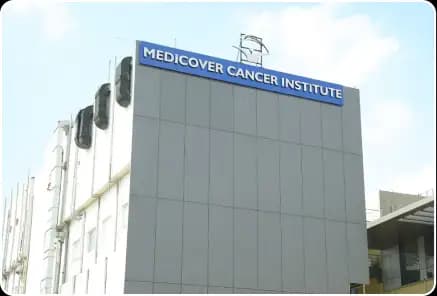
Medicover Cancer Institute – Best in Chintareddy Palem, Nellore
- Beds
- 200
Physiotherapy at Medicover Cancer Institute
Physiotherapy focuses on improving movement, strength, flexibility and functional ability while helping patients manage pain and recover from injury, illness or surgery. This page provides information about Physiotherapy at Medicover Cancer Institute, Nellore, located in Chintareddy Palem. Patients can explore rehabilitation approaches, conditions that may benefit from physiotherapy, assessment methods, treatment options and what to expect during a consultation. Physiotherapy can be particularly relevant during recovery from surgery or prolonged illness and may form part of supportive rehabilitation for patients receiving cancer care, depending on individual needs. Treatment plans should be based on a clinical assessment and the underlying condition. Services and specific rehabilitation programs available at the hospital should be confirmed with the hospital before booking.
Physiotherapy at Medicover Cancer Institute, Nellore
Physiotherapy is an important part of rehabilitation and supportive care for people experiencing pain, reduced mobility, muscle weakness, stiffness or difficulty performing everyday activities. At Medicover Cancer Institute, Nellore, physiotherapy may be relevant to patients who need rehabilitation or physical support as part of their broader healthcare journey.
The role of physiotherapy is not limited to treating sports injuries or back pain. Depending on a person's condition, rehabilitation can also help address functional limitations following surgery, prolonged hospitalisation, illness or periods of reduced physical activity.
For patients looking for physiotherapy in Nellore, an appropriate assessment is the starting point. A physiotherapist considers symptoms, movement, strength, flexibility, balance and functional limitations before developing an individualized rehabilitation approach. The exact treatment depends on the patient's diagnosis, overall health, treatment history and rehabilitation goals.
Medicover Cancer Institute is located at NH-5, Chinthareddypalem Cross Road, Alahari Nagar, Chintareddy Palem, Nellore. The hospital's official information identifies this as its Nellore Cancer Institute location.
Physiotherapy Services and Areas of Care
Physiotherapy can involve several forms of assessment, therapeutic exercise and rehabilitation. The appropriate combination depends on the patient's condition and clinical requirements.
Common areas in which physiotherapy may be considered include:
- Pain and movement-related problems
- Muscle weakness and reduced physical function
- Joint stiffness and restricted mobility
- Back and neck-related conditions
- Recovery following selected surgical procedures
- Rehabilitation after injury
- Balance and coordination difficulties
- Functional limitations following prolonged illness or hospitalisation
- Muscle and soft-tissue problems
- Strength and flexibility rehabilitation
- Mobility training
- Rehabilitation associated with cancer care, where clinically appropriate
For patients undergoing cancer treatment, maintaining physical function can sometimes become challenging because of illness, treatment effects, fatigue, surgery or periods of inactivity. Physiotherapy may form one component of supportive rehabilitation when recommended by the treating clinical team.
A physiotherapy program should always be tailored to the individual rather than following a fixed exercise routine.
Rehabilitation and Functional Recovery
Rehabilitation aims to help patients regain or maintain physical function. Depending on the situation, this may involve improving strength, range of movement, balance, endurance or the ability to perform daily activities.
The goals can be different for every patient. Someone recovering from surgery may need gradual mobility and strengthening, while another person may need help managing stiffness or maintaining functional independence.
Conditions Treated Under Physiotherapy
Physiotherapy can be used as part of management or rehabilitation for a wide range of musculoskeletal, neurological and functional problems. Whether physiotherapy is appropriate depends on the underlying diagnosis.
Back and Neck Problems
Physiotherapy may be considered for certain mechanical back and neck problems, including muscle-related pain, stiffness and movement limitations. Treatment may include exercises designed to improve mobility, strength and posture.
Persistent, severe or unexplained pain should be medically evaluated before beginning an exercise program.
Joint and Musculoskeletal Conditions
Problems involving the shoulders, knees, hips, ankles, wrists and other joints may affect movement and daily activities. Physiotherapy can support rehabilitation through carefully selected mobility, strengthening and functional exercises.
Conditions such as arthritis, stiffness after injury and some soft-tissue problems may benefit from rehabilitation depending on the patient's clinical assessment.
Sports and Activity-Related Injuries
Muscle strains, ligament injuries and other activity-related problems may require staged rehabilitation. Physiotherapy can help patients work toward restoring movement, strength and function while reducing the risk of returning to activity too quickly.
Post-Surgical Rehabilitation
After certain operations, patients may experience weakness, reduced mobility or difficulty returning to normal activities. Physiotherapy may be recommended during recovery to support safe movement and gradual restoration of function.
The timing and intensity of rehabilitation vary according to the type of surgery and the patient's medical condition.
Cancer-Related Rehabilitation
Cancer and its treatment can affect physical activity, strength, mobility and endurance. Surgery, prolonged treatment, hospitalisation and reduced activity may contribute to functional difficulties.
Cancer rehabilitation may therefore include physiotherapy when clinically indicated. The rehabilitation goals may focus on maintaining mobility, improving physical function, managing selected movement-related problems and supporting a patient's return to appropriate daily activities.
Cancer rehabilitation should be coordinated with the treating oncology team, particularly when a patient is undergoing active cancer treatment.
Physiotherapy Treatments and Procedures
Physiotherapy treatment is usually individualized rather than based on a single procedure. Depending on the patient's assessment, a physiotherapist may recommend approaches such as:
- Therapeutic exercises
- Stretching and flexibility exercises
- Strengthening exercises
- Mobility exercises
- Balance and coordination training
- Functional movement training
- Posture and movement education
- Walking or mobility training
- Rehabilitation after surgery or injury
- Home exercise guidance
- Activity modification and rehabilitation education
Some patients may also be considered for hands-on or physical modalities where clinically appropriate. The choice of treatment depends on the diagnosis, symptoms, contraindications and rehabilitation goals.
Patients should not assume that a particular physiotherapy technique is appropriate simply because it helped someone with a similar complaint. A professional assessment is important before starting treatment.
Physiotherapy Diagnostic and Evaluation Services
Physiotherapy begins with evaluation rather than immediately prescribing exercises.
During an assessment, the physiotherapist may review:
- Present symptoms and concerns
- Medical and surgical history
- Previous injuries
- Current activity levels
- Pain characteristics
- Joint movement
- Muscle strength
- Flexibility
- Balance and coordination
- Walking or functional movement
- Ability to perform daily activities
Where relevant, the physiotherapist may also review medical reports or investigations already performed by the treating medical team.
Depending on the patient's condition, doctors may request or review investigations such as X-rays, MRI scans, CT scans, blood tests or other diagnostic assessments. These investigations are not required for every physiotherapy patient.
The purpose of evaluation is to understand the underlying problem and determine whether physiotherapy is appropriate, whether further medical assessment is needed, and what rehabilitation goals are realistic.
When Should You See a Physiotherapy Specialist?
A physiotherapy consultation may be appropriate when pain, stiffness, weakness or reduced mobility is interfering with normal activities.
Patients may consider professional evaluation for problems such as:
- Persistent or recurring musculoskeletal pain
- Difficulty moving a joint
- Reduced strength following illness or surgery
- Difficulty walking or maintaining balance
- Stiffness after a period of inactivity
- Rehabilitation following an injury
- Functional difficulties following hospitalisation
- Recovery-related mobility problems after selected procedures
- Physical limitations associated with cancer treatment or recovery
A physiotherapist can also help patients understand appropriate exercises and activity progression.
However, certain symptoms require medical attention rather than self-directed physiotherapy. Sudden severe pain, major trauma, new neurological symptoms, unexplained weakness, chest pain, severe breathing difficulty or other urgent symptoms should be evaluated promptly by an appropriate medical professional.
What to Expect During a Physiotherapy Consultation
A typical physiotherapy consultation may follow several steps.
1. Medical History
The physiotherapist will ask about symptoms, previous injuries, surgeries, medical conditions, medications and relevant treatment history.
2. Physical Assessment
Depending on the complaint, the assessment may include checking movement, muscle strength, flexibility, balance, posture and functional ability.
3. Identifying Rehabilitation Goals
The physiotherapist may discuss what the patient wants to achieve—for example, walking more comfortably, improving strength, returning to daily activities or recovering after surgery.
4. Treatment Planning
A rehabilitation plan may include supervised exercises, mobility work, strengthening, education and home-based activities.
5. Follow-Up
Progress can be reviewed over subsequent sessions. Exercises may be adjusted depending on recovery, symptoms and functional improvement.
Patients should tell the physiotherapist if an exercise causes unusual or worsening symptoms.
Why Choose Physiotherapy Care at Medicover Cancer Institute?
When choosing physiotherapy care, patients should consider whether the rehabilitation service is appropriate for their particular condition and whether communication between relevant medical and rehabilitation professionals is possible when needed.
For patients receiving cancer-related care, coordination with the treating oncology team can be particularly important. Rehabilitation requirements may change depending on the cancer diagnosis, treatment stage, surgery, physical condition and other medical factors.
The official Medicover Cancer Institute page describes the Nellore centre as providing multidisciplinary cancer care, including medical, surgical and radiation oncology services. This broader clinical environment may be relevant when physiotherapy is being considered as part of a patient's overall rehabilitation pathway, although the availability of any specific physiotherapy program should be confirmed directly with the hospital.
Patients should ask about the physiotherapy services currently available, the professionals involved, appointment requirements and whether a referral from another treating doctor is needed.
Physiotherapy Doctors and Specialists
Physiotherapy care is generally delivered by qualified physiotherapists who assess movement and functional limitations and develop rehabilitation programs within their professional scope.
Depending on the patient's condition, physiotherapy may also involve coordination with doctors such as orthopaedic specialists, neurologists, surgeons, oncologists, rehabilitation physicians or other treating professionals.
At a cancer-focused hospital, rehabilitation decisions may need to take into account ongoing cancer treatment, surgery, medication, fatigue and other clinical factors. This is why patients should provide their physiotherapist with relevant medical records and treatment information.
No specific physiotherapist has been identified here because a current physiotherapist name was not provided in the available hospital information. Patients should confirm the current specialist or physiotherapy team with Medicover Cancer Institute before scheduling an appointment.
Physiotherapy Care in Nellore
For patients searching for physiotherapy in Nellore, local access can make it easier to attend assessment and follow-up sessions, particularly when rehabilitation requires multiple visits.
Medicover Cancer Institute is situated in Chintareddy Palem, Nellore, at NH-5, Chinthareddypalem Cross Road, Alahari Nagar. The hospital's official listing gives this as the Cancer Institute's Nellore address.
Patients living in Nellore and surrounding areas may search for physiotherapy services based on factors such as travel time, appointment availability, rehabilitation requirements and access to the relevant medical team.
For patients already receiving cancer care at the institute, discussing rehabilitation needs with the treating clinical team can help determine whether physiotherapy is appropriate and when it should begin.
Before travelling, patients should confirm the current department availability, appointment timings, referral requirements and specific physiotherapy services offered at the Chintareddy Palem location.
How to Choose the Right Physiotherapy Hospital or Specialist
Choosing a physiotherapy provider should be based on the patient's medical and rehabilitation needs rather than simply on location or online rankings.
Consider the following factors:
Relevant Clinical Experience
Look for a qualified physiotherapist whose experience is relevant to the patient's condition, such as musculoskeletal rehabilitation, neurological rehabilitation, post-operative care or cancer rehabilitation.
Appropriate Assessment
A good rehabilitation program should begin with an assessment of the patient's symptoms, movement and functional limitations rather than relying on a generic exercise routine.
Coordination With Medical Care
For patients recovering from surgery or undergoing cancer treatment, coordination with the treating medical team may be important.
Individualized Treatment
Rehabilitation plans should be adapted to the person's age, condition, physical ability, goals and response to treatment.
Follow-Up and Progress Monitoring
Patients should understand how progress will be reviewed and when the rehabilitation plan may be modified.
Convenience and Accessibility
Because physiotherapy may involve multiple appointments, location, travel time and appointment availability can influence continuity of care.
Patient Communication
Patients should feel comfortable asking why an exercise or treatment is being recommended, what the expected goals are and what precautions they should follow.
Frequently Asked Questions About Physiotherapy
What does a physiotherapist treat?
Physiotherapists help assess and rehabilitate movement and functional problems associated with conditions such as musculoskeletal injuries, joint stiffness, muscle weakness, selected neurological problems, post-operative limitations and other rehabilitation needs.
When should I see a physiotherapist?
Consider a physiotherapy assessment when pain, stiffness, weakness, reduced mobility or functional limitations are affecting everyday activities or recovery. The appropriate timing depends on the underlying condition.
Can physiotherapy help after surgery?
Physiotherapy may be recommended after certain surgeries to support mobility, strength and functional recovery. The exercises and timing depend on the type of surgery and the patient's medical condition.
Is physiotherapy useful during cancer treatment?
Physiotherapy may form part of supportive cancer rehabilitation for selected patients. It can address issues such as reduced mobility, weakness or functional limitations when clinically appropriate. Rehabilitation should be coordinated with the patient's oncology team.
What happens during a physiotherapy consultation?
The physiotherapist generally reviews the patient's medical history and symptoms, performs an appropriate physical and functional assessment, discusses rehabilitation goals and develops a treatment plan based on the findings.
Do I need diagnostic tests before physiotherapy?
Not necessarily. Many physiotherapy assessments can begin with a clinical history and physical examination. Additional investigations may be required depending on the symptoms or suspected underlying condition.
How do I choose a physiotherapy hospital in Nellore?
Consider the physiotherapist's qualifications and relevant experience, the type of rehabilitation you need, assessment methods, treatment options, follow-up arrangements, accessibility and coordination with other healthcare professionals when required.
What should I bring to a physiotherapy appointment?
Bring relevant medical records, previous scan or test reports, surgical information, medication details and any referral documents if applicable. Comfortable clothing that allows the affected area to be examined may also be useful.
Can physiotherapy exercises be continued at home?
Many rehabilitation programs include home exercises. The exercises should be selected and explained by a qualified professional so that they are appropriate for the patient's condition and physical ability.
How can I book a physiotherapy consultation at Medicover Cancer Institute, Nellore?
Patients should confirm the current physiotherapy service, specialist availability, appointment process and referral requirements directly with Medicover Cancer Institute before scheduling a consultation. The hospital's official Nellore Cancer Institute listing provides its location and contact information.
Physiotherapy Treatments
Manual Therapy
Advanced treatment available at Medicover Cancer Institute.
Therapeutic Exercise Therapy
Advanced treatment available at Medicover Cancer Institute.
Electrotherapy / Tens / Ift
Advanced treatment available at Medicover Cancer Institute.
Post-Surgical Rehabilitation
Advanced treatment available at Medicover Cancer Institute.
Neurological Physiotherapy
Advanced treatment available at Medicover Cancer Institute.
Frequently Asked Questions About Physiotherapy
What types of physiotherapy procedures are performed at Medicover Cancer Institute?
We perform a wide range of physiotherapy procedures, from routine diagnostics to complex surgeries, using the latest medical technologies.
How can I book an appointment for Physiotherapy at Medicover Cancer Institute?
You can book an appointment through the Siris Healthcare platform by clicking the "Get Free Estimate" button or contacting our 24/7 helpline.
Other Medical Specialties at Medicover Cancer Institute Chintareddy Palem
Get Expert Physiotherapy Care at Medicover Cancer Institute, Chintareddy Palem
Schedule a consultation with our top specialists and get a personalized treatment plan with a free cost estimate.
Top Specialities at Medicover Cancer Institute Chintareddy Palem
- Oncology Department
- Thoracic Surgical Oncology Department
- Oncoplastic Surgery Department
- Bone Marrow Transplant Department
- Nuclear Medicine Department
- Physiotherapy Department
- Medical Oncology Department
- Radiation Oncology Department
- Breast Oncology Department
- Thoracic Oncology Department
- Pediatric Oncology Department
- Physiotherapy & Rehabilitation Department
- Palliative Care Department
- Surgical Oncology Department
Best Hospitals in Nellore
Medical Services in India
Topics related to Medicover Cancer Institute
Cancer Diagnosis in Nellore: When Are CT, MRI, PET-CT and Other Tests Used?
Finding out that a scan, blood test or examination has raised a concern about ca...
How Is Cancer Treatment Planned When Several Oncology Specialists Are Involved
A cancer diagnosis rarely leads to just one treatment decision. Depending on the...
Cancer Treatment Follow-Up: Which Tests and Appointments May Be Needed After Treatment?
Finishing cancer treatment can feel like reaching an important milestone, but me...
Preparing for Cancer Surgery: What Tests, Reports and Questions Should Patients Bring?
Being told that surgery may be part of your cancer treatment can raise practical...
Palliative Care During Cancer Treatment: How Can It Help With Pain and Other Symptoms?
Cancer treatment is often focused on controlling or treating the cancer itself. ...
Cancer Rehabilitation After Treatment: How Can Physiotherapy Support Recovery?
Completing cancer treatment can be an important milestone, but recovery does not...
Breast Cancer Treatment Options: How Do Surgery, Medicines and Radiation Fit Together?
A breast cancer diagnosis can lead to an immediate question: What treatment will...
Blood Cancer Diagnosis and Treatment: What Tests and Specialists Are Involved?
Being told that you may have a blood cancer can raise many questions at once: Wh...
CAR T-Cell Therapy for Blood Cancer: Who May Be Eligible and How Does Treatment Work?
A diagnosis of blood cancer can lead to difficult treatment decisions, particula...
Pediatric Cancer Treatment: When Should a Child See a Pediatric Oncologist?
When a child develops a persistent or unusual health problem, parents naturally ...