
Bone Marrow Transplant at Medicover Cancer Institute, Chintareddy Palem, Nellore
Explore Bone Marrow Transplant services, treatments, diagnostic care and related doctors at Medicover Cancer Institute.
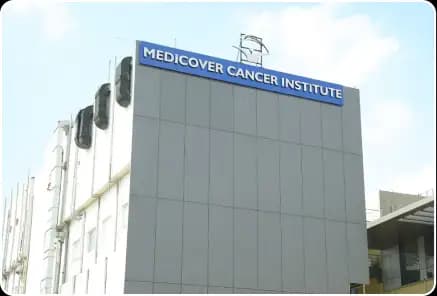
Medicover Cancer Institute – Best in Chintareddy Palem, Nellore
- Beds
- 200
Bone Marrow Transplant at Medicover Cancer Institute
Bone marrow transplant, also called hematopoietic stem cell transplantation, may be considered for selected patients with certain blood cancers, bone marrow disorders and other serious blood-related conditions. This page provides information about Bone Marrow Transplant at Medicover Cancer Institute in Chintareddy Palem, Nellore, including the conditions that may require transplantation, treatment approaches, diagnostic evaluation and the role of specialist care. Patients can learn about autologous and allogeneic transplant concepts, what the transplant journey may involve, and factors to consider when choosing a BMT centre. The page is intended for people searching for bone marrow transplant care, BMT doctors, transplant consultation and related cancer care in Nellore.
Bone Marrow Transplant at Medicover Cancer Institute, Nellore
Bone marrow transplant, more accurately referred to in many cases as hematopoietic stem cell transplantation (HSCT), is a specialised treatment used for selected blood cancers, bone marrow disorders and certain other serious diseases affecting the blood-forming system.
At Medicover Cancer Institute, Nellore, Bone Marrow Transplant is part of the centre's cancer and hemato-oncology services. The institute lists a dedicated Bone Marrow Transplant unit with sterile isolation facilities and provides multidisciplinary oncology care. Patients considering a transplant can undergo specialist evaluation to determine whether transplantation is appropriate for their diagnosis, disease status, overall health and treatment history.
For someone searching for a bone marrow transplant hospital in Nellore, understanding the treatment pathway is important. A transplant is not a single procedure; it involves detailed evaluation, preparation, stem cell collection or donor assessment where applicable, conditioning treatment, stem cell infusion and close monitoring during recovery.
The suitability and type of transplant depend on the individual patient. A qualified hematologist, hemato-oncologist or transplant physician should assess the medical records and explain the potential benefits, risks and alternatives.
Bone Marrow Transplant Services and Areas of Care
Bone marrow transplantation is used in different clinical situations, and the transplant approach varies according to the disease and the source of stem cells.
Autologous Stem Cell Transplant
In an autologous transplant, a patient's own blood-forming stem cells are collected before high-dose treatment and stored. After conditioning therapy, the collected stem cells are returned to the patient to help restore blood-cell production.
Autologous transplantation is commonly considered for selected patients with diseases such as multiple myeloma and certain lymphomas. Eligibility depends on factors including disease status, previous treatments, organ function and the patient's overall condition.
Allogeneic Stem Cell Transplant
An allogeneic transplant uses blood-forming stem cells from a donor. The donor may be related or unrelated, depending on compatibility and availability.
This approach may be considered for selected patients with conditions such as acute leukemia, some myelodysplastic disorders and other high-risk blood diseases. Because donor cells are involved, the treatment requires detailed compatibility testing and careful monitoring for complications such as graft-versus-host disease.
Stem Cell Transplant Evaluation
Before transplantation, specialists assess whether a patient is medically and clinically suitable for the procedure. This may involve reviewing previous cancer treatments, disease response, blood counts, organ function, infection status and other relevant factors.
The transplant team also discusses the treatment schedule, potential complications, supportive care requirements and follow-up plan with the patient and family.
Conditions Treated Under Bone Marrow Transplant
Bone Marrow Transplant is not appropriate for every blood disorder or cancer. It is considered for selected patients based on disease type, risk category, response to previous treatment and overall health.
Leukemia
Leukemias are cancers affecting blood-forming tissues and may require intensive treatment. In selected patients with acute myeloid leukemia, acute lymphoblastic leukemia or other high-risk leukemias, stem cell transplantation may form part of the treatment strategy.
The timing of transplantation depends on factors such as remission status, genetic and molecular findings, relapse risk and availability of an appropriate donor.
Lymphoma
Some patients with lymphoma may undergo high-dose therapy followed by autologous stem cell transplantation, particularly in specific situations such as relapsed or treatment-resistant disease.
Whether transplant is appropriate depends on the lymphoma subtype, previous treatment, response to therapy and the patient's general health.
Multiple Myeloma
Multiple myeloma is a cancer of plasma cells. Autologous stem cell transplantation may be considered for eligible patients after appropriate initial treatment.
The decision is individualised and may depend on age, fitness, organ function, disease characteristics and response to initial therapy.
Myelodysplastic Syndromes and Other Blood Disorders
Certain myelodysplastic syndromes and other serious disorders affecting blood-cell production may be considered for allogeneic transplantation in selected patients.
Transplant decisions in these conditions require detailed risk assessment because the potential benefits need to be balanced against transplant-related risks.
Bone Marrow Transplant Treatments and Procedures
A transplant programme generally involves several stages rather than one isolated procedure.
Pre-Transplant Evaluation
The first stage is a comprehensive medical assessment. Doctors may review blood tests, bone marrow findings, imaging reports, previous treatment records and organ function.
Additional investigations may be recommended to identify infections or other conditions that could affect transplant safety.
Stem Cell Collection
For an autologous transplant, stem cells are generally collected from the patient's bloodstream after medicines are used to increase the number of circulating stem cells.
For an allogeneic transplant, stem cells are obtained from a suitable donor after appropriate donor evaluation and compatibility testing.
Conditioning Therapy
Before the stem cells are infused, patients receive conditioning treatment. This can involve chemotherapy and, in selected cases, other forms of treatment designed to prepare the body for transplantation.
The conditioning regimen is selected according to the disease, transplant type and patient's clinical circumstances.
Stem Cell Infusion
The collected stem cells are administered through an intravenous line. Although the transplant itself may resemble a blood or cell infusion, the surrounding treatment and monitoring are highly specialised.
Engraftment and Recovery
After infusion, the transplanted stem cells begin the process of establishing blood-cell production. During this period, blood counts can be very low, increasing the risk of infection, bleeding and other complications.
Patients therefore require close medical monitoring, supportive treatment and regular laboratory assessment.
Bone Marrow Transplant Diagnostic and Evaluation Services
Careful evaluation is essential before a transplant is recommended.
Depending on the patient's condition, assessment may include:
- Complete blood count and other blood investigations
- Bone marrow aspiration or biopsy
- Cytogenetic and molecular testing where clinically indicated
- Blood-group and compatibility assessment
- HLA typing for donor-recipient matching in allogeneic transplantation
- Infection screening
- Kidney, liver and heart function assessment
- Imaging studies when required
- Disease-response evaluation after previous treatment
- Assessment of nutritional and general health status
The exact investigations vary according to the disease and transplant plan. Previous medical records, pathology reports, imaging and treatment summaries can be particularly useful during the first specialist consultation.
When Should You See a Bone Marrow Transplant Specialist?
A referral to a transplant or hemato-oncology specialist may be appropriate when a patient has been diagnosed with a blood cancer or bone marrow disorder for which stem cell transplantation could potentially be considered.
Patients may also be referred when:
- A blood cancer has a high-risk disease profile
- The disease has returned after previous treatment
- The response to initial treatment is inadequate
- A doctor is considering high-dose therapy followed by stem cell rescue
- A donor assessment may be required
- The treating team wants a specialist opinion about transplant eligibility
A transplant consultation does not automatically mean that transplantation will be recommended. The specialist first determines whether the potential benefits outweigh the risks for that particular patient.
What to Expect During a Bone Marrow Transplant Consultation
A first BMT consultation usually begins with a detailed review of the patient's medical history.
The specialist may ask about:
- The original diagnosis
- Previous chemotherapy, radiation or other treatment
- Current medicines
- Previous infections or significant illnesses
- Blood-test and bone-marrow results
- Previous treatment response
- Other medical conditions
The doctor may then recommend additional investigations if important information is missing.
After reviewing the findings, the specialist discusses whether transplantation may be appropriate and, if so, which type may be considered. Patients and families should have the opportunity to ask about treatment stages, hospitalisation, potential complications, recovery, follow-up and practical requirements.
Why Choose Bone Marrow Transplant Care at Medicover Cancer Institute?
When comparing a bone marrow transplant centre, patients should look beyond the name of the procedure and consider the complete transplant pathway.
Medicover Cancer Institute, Nellore lists Bone Marrow Transplant among its oncology services and identifies a dedicated BMT unit with sterile isolation. The institute also describes multidisciplinary cancer care involving medical, surgical and radiation oncology services.
The hospital's current specialist information identifies Dr. G. Ranga Raman as a Senior Consultant in Medical Oncology and Bone Marrow Transplant and Dr. Mounika Reddy Yallala as a Medical & Hemato-Oncologist and Bone Marrow Transplant Physician.
These details can help patients understand the specialist pathway available at the centre. However, transplant suitability, treatment selection and expected outcomes must always be determined on the basis of the individual patient's clinical condition.
Bone Marrow Transplant Doctors and Specialists
Bone marrow transplantation requires specialised medical oversight. Depending on the patient's needs, care may involve a hematologist, hemato-oncologist, medical oncologist, transplant physician, laboratory specialists, nurses, pharmacists, nutrition professionals and other members of the clinical team.
At Medicover Cancer Institute, Nellore, Dr. G. Ranga Raman is listed as Senior Consultant (Medical Oncologist & Bone Marrow Transplant), while Dr. Mounika Reddy Yallala is listed as a Medical & Hemato-Oncologist and Bone Marrow Transplant Physician.
The appropriate specialist depends on the diagnosis and stage of treatment. Patients should carry previous reports and treatment records so the transplant team can make a well-informed assessment.
Bone Marrow Transplant Care in Nellore
For patients searching for bone marrow transplant care in Nellore, Medicover Cancer Institute is located at NH-5, Chinthareddypalem Cross Road, Alahari Nagar, Chintareddy Palem, Nellore, Andhra Pradesh.
Local access can be particularly relevant for transplant patients because treatment involves multiple stages of evaluation, hospital-based care and follow-up. Families may need to make repeated visits for investigations, treatment planning and post-transplant monitoring.
Patients from Nellore and surrounding parts of Andhra Pradesh may therefore search specifically for BMT specialists, stem cell transplant consultation and blood cancer treatment closer to home.
Before travelling, patients should confirm the specialist's availability, appointment schedule, required investigations and admission requirements with the hospital.
How to Choose the Right Bone Marrow Transplant Hospital or Specialist
Choosing a transplant centre requires careful consideration because BMT involves intensive treatment and prolonged monitoring.
Patients and families may want to ask:
Does the centre provide the relevant type of transplant?
Ask whether the centre evaluates patients for autologous, allogeneic or other transplant approaches relevant to the diagnosis.
Is there appropriate transplant infrastructure?
Important considerations may include sterile or protective isolation facilities, laboratory support, blood-bank services, infection-control protocols and appropriate inpatient monitoring.
Is multidisciplinary cancer care available?
Patients may benefit from coordinated involvement of medical oncology, hematology, pathology, radiology, critical care and other specialists when required.
How is donor matching handled?
For allogeneic transplantation, donor-recipient compatibility and HLA testing are important parts of planning.
What follow-up care is provided?
Ask how the centre manages post-transplant monitoring, infections, blood counts, complications, medication requirements and longer-term follow-up.
Is the treatment plan clearly explained?
A good consultation should give patients an opportunity to understand the proposed treatment, alternatives, risks and practical requirements before making decisions.
Frequently Asked Questions About Bone Marrow Transplant
What is a bone marrow transplant?
A bone marrow transplant, commonly called hematopoietic stem cell transplantation, replaces or restores blood-forming stem cells after intensive treatment. Depending on the treatment, the stem cells may come from the patient or a donor.
Who may need a bone marrow transplant?
Selected patients with conditions such as leukemia, lymphoma, multiple myeloma, myelodysplastic syndromes and certain other blood disorders may be considered for transplantation. Eligibility varies significantly between patients.
Is bone marrow transplant the same as stem cell transplant?
The terms are often used interchangeably, although modern transplantation frequently uses blood-forming stem cells collected from the bloodstream rather than directly from bone marrow.
What is an autologous transplant?
An autologous transplant uses the patient's own stem cells. They are collected, stored and later returned after the patient receives high-dose treatment.
What is an allogeneic transplant?
An allogeneic transplant uses blood-forming stem cells from another person who is considered an appropriate donor based on compatibility and other factors.
How is a patient evaluated before BMT?
Evaluation can include blood tests, bone marrow examination, disease-response assessment, infection screening, organ-function testing and donor or HLA evaluation where relevant.
Is bone marrow transplant suitable for every blood cancer patient?
No. The decision depends on the diagnosis, disease risk, response to previous treatment, overall health, age, organ function and other clinical factors. A transplant specialist must determine whether it is appropriate.
How long does recovery after a transplant take?
Recovery varies widely. Blood counts, immune-system recovery and general health may take time, and patients require close follow-up after transplantation. The treating team can provide a more specific timeline based on the transplant plan.
What should I bring to a BMT consultation?
Bring previous pathology reports, bone marrow reports, imaging, blood-test results, discharge summaries, treatment records, medication lists and any information about previous chemotherapy or radiation.
How can I book a bone marrow transplant consultation in Nellore?
Patients looking for Bone Marrow Transplant consultation at Medicover Cancer Institute, Nellore can use the hospital's appointment process or contact the centre to confirm the appropriate specialist, appointment availability and required documents.
Bone Marrow Transplant Treatments
Autologous Bone Marrow Transplant
Advanced treatment available at Medicover Cancer Institute.
Allogeneic Bone Marrow Transplant
Advanced treatment available at Medicover Cancer Institute.
Matched Sibling Donor Transplant
Advanced treatment available at Medicover Cancer Institute.
Matched Unrelated Donor (mud) Transplant
Advanced treatment available at Medicover Cancer Institute.
Haploidentical Bone Marrow Transplant
Advanced treatment available at Medicover Cancer Institute.
Osteoporosis Treatment & Follow-Up Package
Advanced treatment available at Medicover Cancer Institute.
Frequently Asked Questions About Bone Marrow Transplant
What types of bone marrow transplant procedures are performed at Medicover Cancer Institute?
We perform a wide range of bone marrow transplant procedures, from routine diagnostics to complex surgeries, using the latest medical technologies.
How can I book an appointment for Bone Marrow Transplant at Medicover Cancer Institute?
You can book an appointment through the Siris Healthcare platform by clicking the "Get Free Estimate" button or contacting our 24/7 helpline.
Other Medical Specialties at Medicover Cancer Institute Chintareddy Palem
Get Expert Bone Marrow Transplant Care at Medicover Cancer Institute, Chintareddy Palem
Schedule a consultation with our top specialists and get a personalized treatment plan with a free cost estimate.
Top Specialities at Medicover Cancer Institute Chintareddy Palem
- Oncology Department
- Thoracic Surgical Oncology Department
- Oncoplastic Surgery Department
- Bone Marrow Transplant Department
- Nuclear Medicine Department
- Physiotherapy Department
- Medical Oncology Department
- Radiation Oncology Department
- Breast Oncology Department
- Thoracic Oncology Department
- Pediatric Oncology Department
- Physiotherapy & Rehabilitation Department
- Palliative Care Department
- Surgical Oncology Department
Best Hospitals in Nellore
Medical Services in India
Topics related to Medicover Cancer Institute
Cancer Diagnosis in Nellore: When Are CT, MRI, PET-CT and Other Tests Used?
Finding out that a scan, blood test or examination has raised a concern about ca...
How Is Cancer Treatment Planned When Several Oncology Specialists Are Involved
A cancer diagnosis rarely leads to just one treatment decision. Depending on the...
Cancer Treatment Follow-Up: Which Tests and Appointments May Be Needed After Treatment?
Finishing cancer treatment can feel like reaching an important milestone, but me...
Preparing for Cancer Surgery: What Tests, Reports and Questions Should Patients Bring?
Being told that surgery may be part of your cancer treatment can raise practical...
Palliative Care During Cancer Treatment: How Can It Help With Pain and Other Symptoms?
Cancer treatment is often focused on controlling or treating the cancer itself. ...
Cancer Rehabilitation After Treatment: How Can Physiotherapy Support Recovery?
Completing cancer treatment can be an important milestone, but recovery does not...
Breast Cancer Treatment Options: How Do Surgery, Medicines and Radiation Fit Together?
A breast cancer diagnosis can lead to an immediate question: What treatment will...
Blood Cancer Diagnosis and Treatment: What Tests and Specialists Are Involved?
Being told that you may have a blood cancer can raise many questions at once: Wh...
CAR T-Cell Therapy for Blood Cancer: Who May Be Eligible and How Does Treatment Work?
A diagnosis of blood cancer can lead to difficult treatment decisions, particula...
Pediatric Cancer Treatment: When Should a Child See a Pediatric Oncologist?
When a child develops a persistent or unusual health problem, parents naturally ...