
Palliative Care at Medicover Cancer Institute, Chintareddy Palem, Nellore
Explore Palliative Care services, treatments, diagnostic care and related doctors at Medicover Cancer Institute.
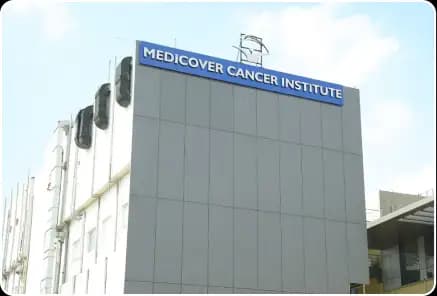
Medicover Cancer Institute – Best in Chintareddy Palem, Nellore
- Beds
- 200
Palliative Care at Medicover Cancer Institute
Palliative care at Medicover Cancer Institute, Chintareddy Palem, Nellore, focuses on improving comfort and quality of life for people living with serious illness, particularly cancer. Palliative care can help address symptoms such as pain, breathlessness, nausea, fatigue and other treatment-related or disease-related concerns while also supporting patients and their families through difficult stages of care. The service can be considered alongside active cancer treatment and may also become an important part of supportive care when illness is advanced. Medicover Cancer Institute in Nellore lists palliative care among its specialised cancer services and provides a multidisciplinary oncology environment.
Palliative Care at Medicover Cancer Institute, Nellore
Palliative care is specialised medical care designed to improve comfort, quality of life and overall well-being for people living with serious or life-limiting illness. In cancer care, it can address physical symptoms as well as emotional, social and practical concerns that may arise during diagnosis, treatment, recovery or advanced illness.
At Medicover Cancer Institute in Chintareddy Palem, Nellore, palliative care is listed among the institute's cancer-care services. The cancer centre brings together multiple oncology disciplines, including medical oncology, surgical oncology, radiation oncology and hemato-oncology, allowing patients to explore coordinated care according to their diagnosis and clinical needs.
Palliative care does not necessarily mean stopping cancer treatment. Depending on the patient's condition and goals of care, it may be provided alongside chemotherapy, radiation therapy, surgery, targeted treatment or other cancer-directed therapies. The appropriate approach is determined by the treating clinical team after considering the patient's symptoms, diagnosis, treatment plan and personal preferences.
For families searching for palliative care in Nellore, this type of support can be particularly relevant when symptoms become difficult to manage, treatment causes significant discomfort, or a serious illness begins affecting everyday activities and family life.
Palliative Care Services and Areas of Care
Palliative care is broader than pain relief alone. A comprehensive approach may involve assessment and management of several aspects of a patient's health and well-being.
Pain and Symptom Management
Cancer and its treatment can sometimes cause pain or other uncomfortable symptoms. Palliative-care clinicians may assess the nature, severity and cause of symptoms and help develop an appropriate management plan.
Depending on the patient's needs, symptom management may address:
- Cancer-related pain
- Breathlessness
- Nausea and vomiting
- Loss of appetite
- Constipation
- Fatigue
- Sleep difficulties
- Weakness
- Treatment-related discomfort
- Anxiety or emotional distress associated with serious illness
The treatment chosen depends on the underlying cause and the patient's overall medical condition.
Support During Cancer Treatment
Palliative care can be incorporated into cancer treatment when patients require additional support with symptoms or treatment-related problems. It can work alongside oncology care rather than automatically replacing disease-directed treatment.
This can be particularly useful when a patient's cancer treatment involves several stages or when symptoms interfere with daily activities, nutrition, sleep or the ability to continue treatment comfortably.
Emotional and Family Support
Serious illness affects more than the individual receiving treatment. Family members may have concerns about symptoms, caregiving, treatment decisions and what to expect as the illness progresses.
Palliative care can provide an opportunity for patients and families to discuss concerns, understand care options and make decisions that reflect the patient's needs and preferences.
Supportive Care in Advanced Illness
When cancer becomes advanced or treatment goals change, palliative care can become an important part of maintaining comfort and dignity. Care may focus more heavily on symptom relief, emotional support and quality of life according to the patient's wishes.
Conditions Treated Under Palliative Care
Palliative care is not limited to one type of cancer. It can be considered for people experiencing significant symptoms or supportive-care needs associated with a range of serious illnesses.
At a cancer-focused centre, palliative-care needs may arise in patients with conditions such as:
Advanced or Metastatic Cancer
People with cancer that has spread to other parts of the body may experience pain, fatigue, appetite changes, breathlessness or other symptoms. Palliative care can help address these concerns while the oncology team considers appropriate treatment options.
Cancer-Related Pain
Pain may result from the cancer itself, surgery, treatment or complications of the disease. A detailed assessment can help clinicians understand the likely cause and select suitable pain-management strategies.
Symptoms During Cancer Treatment
Chemotherapy, radiation therapy, surgery and other cancer treatments can sometimes produce symptoms that affect quality of life. Supportive and palliative approaches may help patients manage these problems as part of their overall treatment plan.
Serious Symptoms in Advanced Disease
Patients with advanced cancer may develop increasing weakness, reduced appetite, breathing difficulties or other symptoms. Medical evaluation is important to determine the cause and identify appropriate supportive measures.
Palliative care is individualised. The same symptom may require a different approach depending on the patient's cancer type, treatment, medications, other medical conditions and overall goals.
Palliative Care Treatments and Procedures
There is no single palliative-care treatment that is appropriate for every patient. Management is usually tailored to the symptoms and circumstances of the individual.
Possible approaches may include:
- Medication-based pain management
- Management of nausea and vomiting
- Treatment of constipation and other gastrointestinal symptoms
- Measures to relieve breathlessness
- Medication review and adjustment
- Nutritional and hydration discussions where appropriate
- Support for sleep and fatigue-related concerns
- Psychological and emotional support
- Caregiver guidance
- Advance-care and treatment-goal discussions when appropriate
- Coordination with oncology and other medical specialties
In some situations, specialist procedures may be considered for symptom control. Whether a procedure is appropriate depends on the diagnosis, symptoms, previous treatment and overall health.
Patients should not change cancer medicines, pain medicines or other prescribed treatments without discussing the decision with their treating healthcare professional.
Palliative Care Diagnostic and Evaluation Services
Palliative care begins with understanding what the patient is experiencing and why. The assessment may include a review of the patient's cancer diagnosis, previous treatments, current medications, symptoms and daily functioning.
Depending on the clinical situation, evaluation may involve:
- Review of pathology and biopsy reports
- Review of CT, MRI, PET-CT or other imaging reports
- Blood-test results
- Medication and treatment history
- Pain assessment
- Nutritional assessment
- Functional assessment
- Evaluation of breathing, nausea, sleep or other symptoms
- Assessment of emotional and caregiver concerns
Additional investigations may be recommended when a new symptom needs to be evaluated or when the results could influence management.
Medicover Cancer Institute, Nellore lists cancer diagnostic and oncology services including PET-CT, imaging and multiple oncology specialties. The availability and suitability of a particular investigation should be confirmed for each patient's clinical situation.
When Should You See a Palliative Care Specialist?
Palliative care can be considered at different points in a serious illness. It is not necessary to wait until the final stage of cancer before discussing supportive care.
A patient or family may consider a palliative-care consultation when there is:
- Persistent or difficult-to-control pain
- Breathlessness or significant physical discomfort
- Repeated nausea or vomiting
- Severe fatigue or weakness
- Loss of appetite or difficulty maintaining nutrition
- Problems sleeping because of symptoms
- Treatment-related side effects affecting daily life
- Emotional distress related to serious illness
- Difficulty managing symptoms at home
- Questions about future care and treatment goals
- Increasing caregiving challenges for family members
These symptoms can have many causes, so patients should seek medical assessment rather than assuming that they are caused by cancer or its treatment.
What to Expect During a Palliative Care Consultation
A palliative-care consultation is generally focused on understanding the patient's priorities and identifying practical ways to improve comfort.
1. Review of Medical History
The specialist or care team may review the cancer diagnosis, previous treatments, current medicines, other health conditions and recent investigations.
2. Discussion of Current Symptoms
Patients and caregivers can describe the symptoms that are causing the most difficulty. This may include pain, breathing problems, nausea, fatigue, sleep disturbance or emotional concerns.
3. Clinical Assessment
A physical examination may be performed when appropriate. The team may also assess how symptoms affect mobility, eating, sleeping and everyday activities.
4. Discussion of Care Options
The healthcare team can explain appropriate symptom-management options and how they may fit alongside the patient's existing cancer treatment.
5. Follow-Up Planning
Depending on the patient's needs, follow-up may be recommended to review symptom control, medication effects and changing care requirements.
Patients attending a consultation should consider bringing recent medical reports, scan results, pathology or biopsy reports, medication lists and information about previous cancer treatments. This can help the clinical team understand the patient's situation more efficiently.
Why Choose Palliative Care at Medicover Cancer Institute?
For patients considering palliative care in Nellore, it is useful to understand how supportive care fits within the wider cancer-treatment pathway.
Medicover Cancer Institute, Nellore is a dedicated cancer facility with oncology services spanning medical, surgical, radiation and hemato-oncology. The institute describes a multidisciplinary approach in which different oncology specialists can review cancer cases and coordinate treatment planning. Palliative care is also listed among its specialised cancer services.
This multidisciplinary setting can be relevant when symptom management needs to be considered alongside ongoing cancer treatment. However, the suitability of the hospital and the specific palliative-care approach should be discussed with qualified healthcare professionals based on the patient's diagnosis and needs.
When comparing palliative-care providers, patients may also want to ask about the availability of specialist assessment, symptom-management support, communication with the oncology team, follow-up arrangements and support for caregivers.
Palliative Care Doctors and Specialists
Palliative care may involve physicians and other healthcare professionals working together to address the different needs of a seriously ill patient.
Depending on the situation, care may involve coordination between:
- Palliative-care specialists
- Medical oncologists
- Surgical oncologists
- Radiation oncologists
- Nurses
- Physiotherapy and rehabilitation professionals
- Nutrition professionals
- Mental-health or psychosocial support professionals where available
Medicover Cancer Institute lists medical oncology, surgical oncology, radiation oncology, hemato-oncology, physiotherapy and palliative care among its cancer-care services. Individual doctor availability and consultation schedules can change, so patients should confirm the appropriate specialist and appointment details before visiting.
No individual palliative-care doctor is named here because a current, verified palliative-care specialist profile was not supplied for this page.
Palliative Care in Nellore
Patients searching for palliative care in Nellore may prefer to access supportive services close to their oncology treatment centre, particularly when repeated consultations or symptom-management reviews are required.
Medicover Cancer Institute is located at NH-5, Chinthareddypalem Cross Road, Alahari Nagar, Chintareddy Palem, Nellore, Andhra Pradesh. The hospital's official listing identifies this as the location of its Nellore Cancer Institute.
For patients living in Nellore and nearby areas, local access can make it easier to coordinate appointments, oncology reviews and supportive-care discussions. Patients travelling from outside Nellore should confirm appointment timing, required reports and the availability of the relevant service before making the journey.
Accessibility is only one consideration. The right palliative-care service should also be appropriate for the patient's symptoms, diagnosis, treatment goals and level of medical support required.
How to Choose the Right Palliative Care Hospital or Specialist
When comparing palliative-care hospitals or specialists in Nellore, consider questions such as:
Specialist Experience
Ask whether the healthcare team has experience managing symptoms associated with serious illness and cancer.
Coordination With Oncology Care
For cancer patients, coordination between palliative care and the treating oncology team can be important, particularly when active treatment is continuing.
Symptom Management
Ask how the service approaches common concerns such as pain, nausea, breathlessness, fatigue and sleep problems.
Follow-Up Care
Find out how follow-up appointments are arranged and whom the family should contact if symptoms change.
Multidisciplinary Support
Depending on individual needs, coordinated input from oncology, nursing, rehabilitation, nutrition and psychosocial professionals may be valuable.
Communication
Patients and families should feel comfortable asking questions about treatment choices, expected benefits, possible side effects and care goals.
Accessibility
Consider the location, appointment availability and practical requirements involved in attending repeated consultations.
Emergency Support
Patients with severe or rapidly worsening symptoms should know how to access urgent medical care. Routine palliative-care concerns and medical emergencies are not the same, so families should follow the treating team's instructions regarding when immediate hospital attention is needed.
The most appropriate palliative-care plan depends on the individual patient's condition. Patients should discuss their options with a qualified healthcare professional.
Frequently Asked Questions About Palliative Care
What does a palliative care specialist treat?
A palliative-care specialist helps manage symptoms and quality-of-life concerns associated with serious illness. In cancer care, this may include pain, nausea, breathlessness, fatigue, appetite problems, sleep difficulties and emotional or family concerns.
Is palliative care only for cancer patients who are near the end of life?
No. Palliative care can be introduced at different stages of serious illness. For people with cancer, it may be provided alongside active cancer treatment when symptom control or additional supportive care is needed.
What is the difference between palliative care and cancer treatment?
Cancer treatment aims to control, shrink, remove or otherwise treat the cancer itself. Palliative care focuses on comfort, symptom management, quality of life and support for patients and families. The two approaches can be provided together when clinically appropriate.
What symptoms can palliative care help with?
Depending on the patient's condition, palliative care may help address pain, breathlessness, nausea, vomiting, fatigue, constipation, appetite changes, sleep problems and other symptoms that affect quality of life.
How is cancer-related pain managed?
Pain management depends on the cause and severity of the pain, the cancer diagnosis, previous treatments, current medicines and the patient's overall health. A palliative-care professional can assess the pain and discuss appropriate management options.
How do I choose a palliative care hospital in Nellore?
Consider the specialist team's experience, coordination with oncology care, symptom-management services, follow-up arrangements, communication, accessibility and the level of medical support appropriate for the patient.
What happens during a palliative care consultation?
The consultation generally involves reviewing the patient's medical history and current treatment, discussing symptoms and concerns, assessing the patient's condition and developing an appropriate supportive-care plan. Follow-up may be arranged depending on the patient's needs.
Can palliative care be provided while chemotherapy or radiation therapy is continuing?
In appropriate cases, palliative care can be provided alongside cancer-directed treatment. The treating team decides how supportive care should be integrated with chemotherapy, radiation therapy or other treatments.
What should I bring to a palliative care appointment?
Bring recent medical reports, pathology or biopsy results, imaging reports, current medication details, previous treatment records and a list of symptoms or concerns. A family caregiver may also attend if the patient wishes.
How can I book a palliative care consultation at Medicover Cancer Institute, Nellore?
Patients can contact the hospital or use its appointment facility to confirm the availability of the appropriate specialist and consultation. The listed Medicover Cancer Institute location is in Chintareddy Palem, Nellore. Patients should confirm current appointment timings and service availability before visiting.
Palliative Care Treatments
Home-Based Palliative Care Package
Advanced treatment available at Medicover Cancer Institute.
Cancer Pain & Symptom Management Package
Advanced treatment available at Medicover Cancer Institute.
24/7 Palliative Nursing & Caregiver Support
Advanced treatment available at Medicover Cancer Institute.
End-Of-Life & Hospice Care Package
Advanced treatment available at Medicover Cancer Institute.
Advanced Illness & Chronic Disease Palliative Care Package
Advanced treatment available at Medicover Cancer Institute.
Frequently Asked Questions About Palliative Care
What types of palliative care procedures are performed at Medicover Cancer Institute?
We perform a wide range of palliative care procedures, from routine diagnostics to complex surgeries, using the latest medical technologies.
How can I book an appointment for Palliative Care at Medicover Cancer Institute?
You can book an appointment through the Siris Healthcare platform by clicking the "Get Free Estimate" button or contacting our 24/7 helpline.
Other Medical Specialties at Medicover Cancer Institute Chintareddy Palem
Get Expert Palliative Care Care at Medicover Cancer Institute, Chintareddy Palem
Schedule a consultation with our top specialists and get a personalized treatment plan with a free cost estimate.
Top Specialities at Medicover Cancer Institute Chintareddy Palem
- Oncology Department
- Thoracic Surgical Oncology Department
- Oncoplastic Surgery Department
- Bone Marrow Transplant Department
- Nuclear Medicine Department
- Physiotherapy Department
- Medical Oncology Department
- Radiation Oncology Department
- Breast Oncology Department
- Thoracic Oncology Department
- Pediatric Oncology Department
- Physiotherapy & Rehabilitation Department
- Palliative Care Department
- Surgical Oncology Department
Best Hospitals in Nellore
Medical Services in India
Topics related to Medicover Cancer Institute
Cancer Diagnosis in Nellore: When Are CT, MRI, PET-CT and Other Tests Used?
Finding out that a scan, blood test or examination has raised a concern about ca...
How Is Cancer Treatment Planned When Several Oncology Specialists Are Involved
A cancer diagnosis rarely leads to just one treatment decision. Depending on the...
Cancer Treatment Follow-Up: Which Tests and Appointments May Be Needed After Treatment?
Finishing cancer treatment can feel like reaching an important milestone, but me...
Preparing for Cancer Surgery: What Tests, Reports and Questions Should Patients Bring?
Being told that surgery may be part of your cancer treatment can raise practical...
Palliative Care During Cancer Treatment: How Can It Help With Pain and Other Symptoms?
Cancer treatment is often focused on controlling or treating the cancer itself. ...
Cancer Rehabilitation After Treatment: How Can Physiotherapy Support Recovery?
Completing cancer treatment can be an important milestone, but recovery does not...
Breast Cancer Treatment Options: How Do Surgery, Medicines and Radiation Fit Together?
A breast cancer diagnosis can lead to an immediate question: What treatment will...
Blood Cancer Diagnosis and Treatment: What Tests and Specialists Are Involved?
Being told that you may have a blood cancer can raise many questions at once: Wh...
CAR T-Cell Therapy for Blood Cancer: Who May Be Eligible and How Does Treatment Work?
A diagnosis of blood cancer can lead to difficult treatment decisions, particula...
Pediatric Cancer Treatment: When Should a Child See a Pediatric Oncologist?
When a child develops a persistent or unusual health problem, parents naturally ...