
Thoracic Oncology at Medicover Cancer Institute, Chintareddy Palem, Nellore
Explore Thoracic Oncology services, treatments, diagnostic care and related doctors at Medicover Cancer Institute.
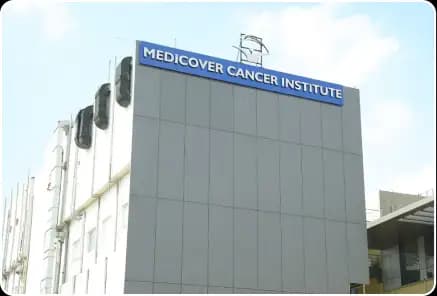
Medicover Cancer Institute – Best in Chintareddy Palem, Nellore
- Beds
- 200
Thoracic Oncology at Medicover Cancer Institute
Thoracic Oncology at Medicover Cancer Institute in Chintareddy Palem, Nellore, focuses on the evaluation and management of cancers affecting the chest, particularly lung cancers and other thoracic malignancies. Patients can use this page to understand the types of conditions commonly assessed, diagnostic approaches, treatment options, specialist roles and what to expect during a cancer consultation. Thoracic cancer care may involve medical oncology, surgical oncology, radiation oncology, radiology, pathology and supportive care depending on the diagnosis and stage of disease. The exact treatment plan is individualised after clinical assessment and appropriate investigations. For patients searching for Thoracic Oncology in Nellore, this page provides practical information about specialist consultation, diagnosis, treatment planning and choosing appropriate cancer care.
Thoracic Oncology at Medicover Cancer Institute, Nellore
Thoracic Oncology is a specialised area of cancer care concerned with malignancies arising in the chest. Lung cancer is one of the most important conditions within this field, but thoracic oncology may also involve cancers affecting structures such as the mediastinum, pleura, chest wall and other parts of the thoracic region.
At Medicover Cancer Institute in Chintareddy Palem, Nellore, Thoracic Oncology is listed among the cancer-related specialties. Patients looking for thoracic oncology care in Nellore can therefore use the department as a starting point for understanding evaluation, diagnosis and treatment pathways for suspected or confirmed thoracic cancers.
Cancer affecting the chest can present differently from one person to another. Some patients may have symptoms such as a persistent cough, coughing up blood, chest discomfort, breathlessness or unexplained weight loss, while others may have an abnormal finding on an imaging test performed for another reason. A specialist evaluation helps determine whether these symptoms or findings require further investigation.
Thoracic cancer treatment is rarely based on a single factor. The type of cancer, its location, stage, molecular characteristics, overall health, lung function and previous treatment can all influence management. Depending on the individual case, care may involve medical oncology, surgical oncology, radiation oncology, diagnostic imaging, pathology and supportive-care teams.
Thoracic Oncology Services and Areas of Care
Thoracic oncology care generally covers the assessment and management of cancers involving the lungs and other structures within the chest.
Key areas may include:
Lung Cancer Evaluation
Lung cancer is a major focus of thoracic oncology. Evaluation may be required when imaging identifies a lung nodule, mass or other suspicious abnormality, or when symptoms raise concern for an underlying malignancy.
Assessment may involve imaging, tissue sampling and laboratory or molecular testing as appropriate.
Lung Tumours and Thoracic Masses
Not every lung or chest mass is cancerous. A specialist may assess the location, appearance, growth pattern and other clinical findings before determining whether additional testing or biopsy is appropriate.
Pleural and Mediastinal Malignancies
Thoracic oncology can also involve selected cancers affecting the pleura or mediastinum. These conditions may require specialised imaging, pathology and multidisciplinary treatment planning.
Advanced and Metastatic Thoracic Cancers
When thoracic cancer has spread beyond its original site, treatment is generally planned according to the cancer type, extent of disease, molecular findings and the person's overall health. Management may include systemic therapy, radiation, surgery in selected circumstances, and supportive care.
Conditions Treated Under Thoracic Oncology
Thoracic oncology primarily addresses malignant diseases involving the chest.
Lung Cancer
Lung cancers are broadly divided into non-small cell lung cancer (NSCLC) and small cell lung cancer (SCLC). These categories behave differently and may require different treatment strategies.
For NSCLC, additional molecular or biomarker testing may be recommended in appropriate cases because certain cancers can respond to targeted medicines or immunotherapy.
For small cell lung cancer, treatment commonly relies heavily on systemic therapy, with radiation used in selected situations.
The appropriate treatment cannot be determined from symptoms alone. Tissue diagnosis and staging are often important before a definitive treatment plan is selected.
Pleural Cancer
The pleura are thin layers of tissue surrounding the lungs. Certain cancers can originate in or spread to the pleural space. Evaluation may include imaging and, when appropriate, sampling of pleural fluid or tissue.
Mediastinal Tumours
The mediastinum is the central area of the chest between the lungs. Tumours in this region can have different origins and may require imaging, biopsy and specialist assessment to determine their nature.
Other Thoracic Malignancies
Depending on the individual case, thoracic oncology may also involve selected cancers of the chest wall, airway or other thoracic structures. Because these conditions are diverse, diagnosis should be established before discussing treatment.
Thoracic Oncology Treatments and Procedures
Treatment for thoracic cancer depends on the cancer type, stage, molecular characteristics, location and the patient's general health. There is no single treatment suitable for every patient.
Possible treatment categories include:
Surgery
Surgery may be considered when a thoracic tumour can be removed safely and the patient is an appropriate surgical candidate. Depending on the cancer and its location, operations may range from removal of a portion of the lung to more extensive procedures.
The surgical approach may be open or minimally invasive when clinically appropriate. Decisions depend on tumour characteristics, anatomy, lung function and the surgeon's assessment.
Chemotherapy
Chemotherapy uses medicines that act against cancer cells. It may be used before surgery, after surgery, as the main treatment for certain cancers, or as part of treatment for advanced disease.
The medicines and treatment schedule depend on the diagnosis and the patient's clinical condition.
Immunotherapy
Immunotherapy helps the immune system recognise and respond to cancer. It is used for selected thoracic cancers, particularly certain types of lung cancer, based on clinical and biomarker information.
Targeted Therapy
Some lung cancers contain specific genetic or molecular alterations that can be targeted with specialised medicines. Molecular testing may therefore be an important part of treatment planning for appropriate patients.
Radiation Therapy
Radiation therapy uses controlled high-energy radiation to damage cancer cells. It may be used to treat the primary tumour, reduce the risk of recurrence in selected circumstances, or relieve symptoms caused by cancer spread.
Combined-Modality Treatment
Some patients benefit from a combination of surgery, chemotherapy, radiation, immunotherapy or targeted treatment. These decisions are often made through multidisciplinary discussion.
Treatment options should always be reviewed with the appropriate oncology team after diagnosis and staging.
Thoracic Oncology Diagnostic and Evaluation Services
Accurate diagnosis is an essential part of thoracic cancer care. The evaluation may include several stages.
Medical History and Physical Examination
The specialist may ask about symptoms, smoking or tobacco exposure, previous illnesses, occupational exposures, family history, previous cancer treatment and other relevant factors.
Chest Imaging
Depending on the clinical situation, imaging may include a chest X-ray, CT scan, PET-CT or MRI. Each test provides different information and may be selected for diagnosis, staging or treatment planning.
Bronchoscopy
Bronchoscopy allows a specialist to examine the airways using a thin instrument. It may also be used to collect tissue or other samples when clinically indicated.
Biopsy and Pathology
A suspicious lung or thoracic lesion may require tissue sampling. A pathologist examines the specimen to establish the cancer type and may perform additional testing when needed.
Molecular and Biomarker Testing
For selected lung cancers, molecular testing can identify genetic or biological features that may influence treatment choices. The need for testing depends on the cancer type, stage and clinical circumstances.
Cancer Staging
Staging determines how extensive the cancer is and whether it has spread to lymph nodes or other parts of the body. Accurate staging helps doctors select an appropriate treatment strategy.
When Should You See a Thoracic Oncology Specialist?
A thoracic oncology consultation may be appropriate when a doctor has identified a suspicious lung or chest abnormality or when cancer has already been diagnosed.
Symptoms that may warrant medical evaluation include:
- A persistent or worsening cough
- Coughing up blood
- Unexplained or persistent chest pain
- Breathlessness that is new or worsening
- Repeated chest infections
- Unexplained weight loss
- Persistent hoarseness
- Unusual fatigue associated with other concerning symptoms
- An abnormal chest imaging report
These symptoms can have many causes and do not necessarily indicate cancer. However, persistent or unexplained symptoms should be evaluated by a qualified healthcare professional.
A specialist consultation can also be useful when a patient has already received a cancer diagnosis and wants clarification about staging, treatment choices or a second opinion.
What to Expect During a Thoracic Oncology Consultation
A thoracic oncology consultation usually begins with a review of the patient's medical history and current concerns.
Patients may be asked about:
- Current symptoms
- Previous diagnoses
- Smoking or tobacco exposure
- Previous cancer treatments
- Existing medical conditions
- Medications
- Relevant family history
- Previous imaging and biopsy reports
The specialist may then review available scans, pathology reports and other investigations. Depending on the case, additional tests may be recommended.
If cancer has been confirmed, the consultation may cover the cancer type, stage, treatment objectives and available approaches. Patients may also have questions about surgery, chemotherapy, immunotherapy, radiation, targeted treatment, side effects, recovery and follow-up.
It is helpful to bring previous medical records, scan images, pathology reports, medication lists and details of earlier treatments to the appointment.
Why Choose Thoracic Oncology Care at Medicover Cancer Institute?
Medicover Cancer Institute in Nellore lists Thoracic Oncology as one of its oncology services. The institute also describes a multidisciplinary approach in which medical, surgical and radiation oncology teams review cancer cases together.
For patients, multidisciplinary cancer care can be important because thoracic malignancies may require more than one form of treatment. For example, a patient may need diagnostic confirmation, staging, surgery, systemic treatment and/or radiation depending on the disease.
When considering Thoracic Oncology care, patients should also ask practical questions about specialist availability, diagnostic facilities, pathology support, treatment options, multidisciplinary review, follow-up arrangements and emergency support.
Availability of particular specialists and services can change. Patients should confirm the current availability of the relevant Thoracic Oncology team and the specific procedure or treatment they require before planning care.
Thoracic Oncology Doctors and Specialists
Thoracic cancer care can involve several types of specialists rather than one doctor working alone.
A medical oncologist may oversee systemic treatments such as chemotherapy, immunotherapy or targeted therapy. A surgical oncologist or thoracic surgeon may assess whether an operation is appropriate. A radiation oncologist may plan radiation treatment when indicated.
Radiologists and nuclear medicine specialists contribute to imaging and staging, while pathologists establish the diagnosis from tissue or other samples. Pulmonologists may also be involved when respiratory evaluation or procedures such as bronchoscopy are required.
Medicover's current online information indicates that dedicated Thoracic Oncology specialist availability in Nellore should be confirmed at the time of booking. Patients can therefore check current doctor availability and ask the hospital team which specialist is appropriate for their condition.
Thoracic Oncology Care in Nellore
For people searching for Thoracic Oncology in Nellore, location can be an important part of planning cancer treatment because oncology care may involve multiple appointments over several weeks or months.
Medicover Cancer Institute is located in Chintareddy Palem, Nellore, on NH-5 near Chinthareddypalem Cross Road and Alahari Nagar. Patients considering care at this location can verify the current appointment schedule, specialist availability and required investigations before travelling.
Local access may be particularly relevant for patients undergoing repeated consultations, chemotherapy, radiation therapy, follow-up imaging or supportive care.
Patients travelling from outside Nellore may also wish to discuss whether multiple consultations can be coordinated and which records should be carried to the first appointment.
How to Choose the Right Thoracic Oncology Hospital or Specialist
Choosing cancer care is an individual decision. Patients and families may find it useful to compare providers based on several practical and clinical factors.
Specialist Expertise
Ask whether the doctor regularly manages the specific type of thoracic cancer involved and whether the required specialist is currently available.
Diagnostic Support
Accurate cancer care depends on appropriate imaging, pathology and, when required, molecular or biomarker testing.
Multidisciplinary Care
Thoracic cancers may involve medical, surgical and radiation oncology. A coordinated approach can help ensure that different treatment options are considered together.
Treatment Options
Ask which treatments are appropriate for the specific diagnosis and whether surgery, systemic therapy, radiation or combinations of treatments may be considered.
Follow-Up Care
Cancer treatment often requires monitoring after the initial treatment. Ask about follow-up visits, repeat imaging, treatment response assessment and management of side effects.
Communication
A good consultation should give patients an opportunity to understand the diagnosis, treatment objectives, expected monitoring and important risks.
Convenience and Accessibility
Location, appointment availability, travel requirements and the ability to coordinate multiple services may matter, particularly during prolonged cancer treatment.
Frequently Asked Questions About Thoracic Oncology
1. What does a Thoracic Oncology specialist treat?
Thoracic Oncology focuses on cancers involving the chest, particularly lung cancer and selected cancers of the pleura, mediastinum and other thoracic structures. The exact scope of care depends on the specialist and the patient's diagnosis.
2. When should I see a Thoracic Oncology specialist?
You may need a specialist consultation if imaging shows a suspicious lung or chest lesion, a biopsy confirms thoracic cancer, or you need guidance about staging or treatment options. Persistent symptoms such as coughing up blood, unexplained weight loss or ongoing chest symptoms should also be medically evaluated.
3. How is lung cancer diagnosed?
Diagnosis may involve medical evaluation, chest imaging, bronchoscopy or another biopsy procedure, pathology examination and, when appropriate, molecular or biomarker testing. The exact diagnostic pathway depends on the suspected cancer.
4. What treatments are available for lung cancer?
Depending on the type and stage, treatment may include surgery, chemotherapy, radiation therapy, immunotherapy, targeted therapy or combinations of these approaches. Treatment is individualised based on clinical findings.
5. Is surgery always required for lung cancer?
No. Surgery is appropriate only for selected patients. The decision depends on cancer type, stage, tumour location, spread of disease, lung function and overall health, among other factors.
6. What is the role of molecular testing in lung cancer?
Molecular testing can identify specific alterations in some lung cancers. When relevant, these findings may help doctors determine whether targeted medicines or other personalised treatment approaches should be considered.
7. What happens during a Thoracic Oncology consultation?
The doctor generally reviews symptoms, medical history, previous scans and pathology reports. Additional tests may be recommended. If cancer is confirmed, the consultation may cover staging and potential treatment options.
8. How do I choose a Thoracic Oncology hospital in Nellore?
Consider specialist availability, diagnostic and pathology support, multidisciplinary cancer care, relevant treatment options, follow-up arrangements, emergency support and accessibility. Confirm that the services you need are currently available before booking.
9. Can I seek a second opinion for lung cancer?
Yes. A second opinion can help patients better understand the diagnosis, stage and treatment options. Carrying pathology reports, scan images and previous treatment records can make the consultation more useful.
10. How can I book a Thoracic Oncology consultation?
Patients can contact the hospital or healthcare coordination team to confirm current Thoracic Oncology specialist availability, consultation timings and appointment requirements. Availability can change, so it is advisable to confirm these details before visiting.
Thoracic Oncology Treatments
Lung Cancer Diagnosis & Staging Package
Advanced treatment available at Medicover Cancer Institute.
Lung Cancer Surgery Package
Advanced treatment available at Medicover Cancer Institute.
Chemotherapy & Immunotherapy Package
Advanced treatment available at Medicover Cancer Institute.
Targeted Therapy & Precision Oncology Package
Advanced treatment available at Medicover Cancer Institute.
Thoracic Radiation Therapy Package
Advanced treatment available at Medicover Cancer Institute.
Frequently Asked Questions About Thoracic Oncology
What types of thoracic oncology procedures are performed at Medicover Cancer Institute?
We perform a wide range of thoracic oncology procedures, from routine diagnostics to complex surgeries, using the latest medical technologies.
How can I book an appointment for Thoracic Oncology at Medicover Cancer Institute?
You can book an appointment through the Siris Healthcare platform by clicking the "Get Free Estimate" button or contacting our 24/7 helpline.
Other Medical Specialties at Medicover Cancer Institute Chintareddy Palem
Get Expert Thoracic Oncology Care at Medicover Cancer Institute, Chintareddy Palem
Schedule a consultation with our top specialists and get a personalized treatment plan with a free cost estimate.
Top Specialities at Medicover Cancer Institute Chintareddy Palem
- Oncology Department
- Thoracic Surgical Oncology Department
- Oncoplastic Surgery Department
- Bone Marrow Transplant Department
- Nuclear Medicine Department
- Physiotherapy Department
- Medical Oncology Department
- Radiation Oncology Department
- Breast Oncology Department
- Thoracic Oncology Department
- Pediatric Oncology Department
- Physiotherapy & Rehabilitation Department
- Palliative Care Department
- Surgical Oncology Department
Best Hospitals in Nellore
Medical Services in India
Topics related to Medicover Cancer Institute
Cancer Diagnosis in Nellore: When Are CT, MRI, PET-CT and Other Tests Used?
Finding out that a scan, blood test or examination has raised a concern about ca...
How Is Cancer Treatment Planned When Several Oncology Specialists Are Involved
A cancer diagnosis rarely leads to just one treatment decision. Depending on the...
Cancer Treatment Follow-Up: Which Tests and Appointments May Be Needed After Treatment?
Finishing cancer treatment can feel like reaching an important milestone, but me...
Preparing for Cancer Surgery: What Tests, Reports and Questions Should Patients Bring?
Being told that surgery may be part of your cancer treatment can raise practical...
Palliative Care During Cancer Treatment: How Can It Help With Pain and Other Symptoms?
Cancer treatment is often focused on controlling or treating the cancer itself. ...
Cancer Rehabilitation After Treatment: How Can Physiotherapy Support Recovery?
Completing cancer treatment can be an important milestone, but recovery does not...
Breast Cancer Treatment Options: How Do Surgery, Medicines and Radiation Fit Together?
A breast cancer diagnosis can lead to an immediate question: What treatment will...
Blood Cancer Diagnosis and Treatment: What Tests and Specialists Are Involved?
Being told that you may have a blood cancer can raise many questions at once: Wh...
CAR T-Cell Therapy for Blood Cancer: Who May Be Eligible and How Does Treatment Work?
A diagnosis of blood cancer can lead to difficult treatment decisions, particula...
Pediatric Cancer Treatment: When Should a Child See a Pediatric Oncologist?
When a child develops a persistent or unusual health problem, parents naturally ...