
Physiotherapy & Rehabilitation at Medicover Cancer Institute, Chintareddy Palem, Nellore
Explore Physiotherapy & Rehabilitation services, treatments, diagnostic care and related doctors at Medicover Cancer Institute.
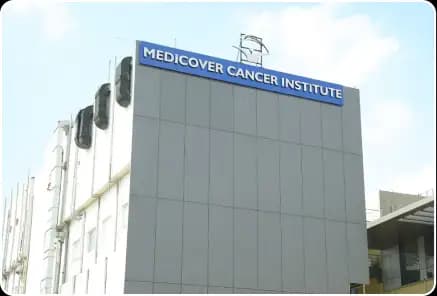
Medicover Cancer Institute – Best in Chintareddy Palem, Nellore
- Beds
- 200
Physiotherapy & Rehabilitation at Medicover Cancer Institute
Physiotherapy and rehabilitation can play an important role in helping patients improve movement, strength, balance, physical function and independence after illness, injury, surgery or prolonged medical treatment. This page provides information about Physiotherapy & Rehabilitation at Medicover Cancer Institute in Nellore, with a focus on rehabilitation needs that may arise during or after cancer-related care and other medical conditions. Patients can explore the role of physiotherapy assessment, therapeutic exercise, mobility training, functional rehabilitation and recovery planning. The appropriate rehabilitation approach depends on a person's diagnosis, treatment history, physical condition and goals. Patients looking for physiotherapy and rehabilitation care in Nellore, including those searching around Chintareddy Palem, can use this page to understand what specialist evaluation may involve and what factors to consider when selecting rehabilitation care.
Physiotherapy & Rehabilitation at Medicover Cancer Institute, Nellore
Physiotherapy and rehabilitation are important parts of comprehensive patient care when illness, surgery, prolonged hospitalisation or medical treatment affects movement and physical function. At Medicover Cancer Institute in Nellore, patients seeking physiotherapy and rehabilitation information can explore how structured physical rehabilitation may support mobility, strength, balance, endurance and everyday activities.
For people undergoing or recovering from cancer treatment, rehabilitation needs can vary considerably. Fatigue, reduced physical activity, weakness, pain, changes in balance, difficulty walking or limitations following surgery may affect daily life. Physiotherapy is one component of rehabilitation that may help address these functional concerns after an appropriate clinical assessment.
The purpose of rehabilitation is not simply to prescribe exercises. A physiotherapy professional considers the individual's condition, symptoms, functional limitations and medical history before developing an appropriate plan. The programme may be adjusted as the person's condition and tolerance change.
For patients searching for Physiotherapy & Rehabilitation in Nellore, this page explains the types of concerns rehabilitation can address, how assessment works, common treatment approaches and what to consider when selecting specialist physiotherapy care.
Physiotherapy & Rehabilitation Services and Areas of Care
Physiotherapy focuses on restoring or maintaining physical function through assessment, movement-based treatment and rehabilitation strategies. The exact services available at a hospital depend on its clinical facilities, staffing and treatment protocols.
Areas that may be considered during rehabilitation include:
Mobility and Movement Rehabilitation
Illness, surgery, bed rest and reduced physical activity can affect walking and general mobility. Rehabilitation may include appropriate mobility exercises, gait-related training and strategies designed to help patients perform daily movements more safely.
Strength and Physical Conditioning
Reduced activity can contribute to muscle weakness and loss of physical conditioning. A physiotherapy programme may incorporate graded strengthening and functional exercises according to the patient's health status and tolerance.
Balance and Functional Training
Some patients experience reduced balance or confidence while standing and walking. Assessment can help identify functional limitations and guide suitable balance and coordination exercises.
Post-Surgical Rehabilitation
Recovery after surgery may involve temporary limitations in movement, strength or endurance. Physiotherapy may form part of the broader recovery plan when clinically appropriate.
Cancer Rehabilitation
Cancer rehabilitation addresses physical and functional problems that may occur because of cancer itself or its treatment. Depending on individual needs, rehabilitation may focus on maintaining mobility, managing physical limitations, improving strength and supporting a return to everyday activities.
Support During Recovery
Rehabilitation may be useful not only after treatment but also during certain stages of care. The timing and intensity of physiotherapy should be determined according to the patient's medical condition and the advice of the treating healthcare team.
Conditions and Situations Addressed Under Physiotherapy & Rehabilitation
Physiotherapy is relevant to a broad range of functional problems rather than a single disease. Rehabilitation requirements can arise from cancer treatment, surgery, musculoskeletal problems, neurological conditions, prolonged hospital stays and periods of physical inactivity.
Cancer-Related Functional Limitations
People receiving cancer treatment may experience fatigue, weakness, reduced activity levels or difficulty maintaining their usual physical function. Rehabilitation can focus on practical physical goals while taking the patient's overall medical condition into account.
Cancer rehabilitation is individualised. A person receiving chemotherapy, radiation therapy, surgery or other cancer treatment may have very different rehabilitation needs from another patient.
Post-Surgical Weakness and Reduced Mobility
Following major surgery, patients may temporarily have difficulty with walking, transferring, climbing stairs or performing other routine activities. Physiotherapy can be considered as part of recovery where appropriate.
Musculoskeletal Problems
Muscle, joint and soft-tissue problems can interfere with movement and daily activities. Depending on the diagnosis, physiotherapy may include therapeutic exercise, movement retraining and other conservative rehabilitation approaches.
Neurological and Balance-Related Problems
Some neurological conditions can affect strength, coordination, balance and mobility. Rehabilitation may aim to maintain or improve functional abilities within the person's clinical limitations.
Deconditioning After Illness or Hospitalisation
Extended periods of inactivity can lead to reduced muscle strength and endurance. Gradual rehabilitation may help patients work toward functional activities as they recover.
Physiotherapy & Rehabilitation Treatments and Procedures
Physiotherapy treatment is selected according to the patient's assessment rather than applying the same programme to everyone. Common rehabilitation approaches can include:
- Therapeutic exercises
- Strengthening exercises
- Flexibility and range-of-motion exercises
- Mobility and gait training
- Balance and coordination exercises
- Functional activity training
- Post-operative rehabilitation
- Breathing and physical conditioning exercises where clinically appropriate
- Education about safe movement and activity
- Home exercise guidance when suitable
For patients undergoing cancer treatment, the rehabilitation plan may need to account for treatment-related fatigue, surgical recovery, nutritional status, pain, weakness and other medical considerations.
The goal may be to help a person perform a particular activity more comfortably or safely rather than achieving a predetermined outcome. Progress is generally reviewed according to the patient's response to treatment.
Not every physiotherapy technique is appropriate for every patient. The treating healthcare professional should determine which interventions are suitable.
Physiotherapy & Rehabilitation Diagnostic and Evaluation Services
Physiotherapy generally begins with a clinical and functional assessment. Depending on the patient's condition, the evaluation may include:
- Review of medical and treatment history
- Assessment of current symptoms and functional concerns
- Observation of posture and movement
- Assessment of muscle strength
- Range-of-motion assessment
- Balance and coordination assessment
- Walking or gait assessment
- Evaluation of activity tolerance and endurance
- Review of limitations affecting daily activities
Additional investigations such as blood tests or imaging may be requested by the patient's medical team when clinically indicated. Physiotherapists may also review relevant existing diagnostic reports to understand the patient's condition.
For cancer patients, rehabilitation planning may require coordination with the treating oncology and medical teams. This helps ensure that physical activity and rehabilitation are considered within the wider treatment plan.
When Should You See a Physiotherapy & Rehabilitation Specialist?
A physiotherapy assessment may be appropriate when an illness, injury, surgery or medical treatment is affecting movement or everyday physical function.
Patients may consider professional evaluation if they experience:
- Difficulty walking or moving normally
- Reduced muscle strength
- Persistent limitations after surgery
- Difficulty with balance or coordination
- Reduced physical endurance
- Loss of mobility following prolonged hospitalisation
- Difficulty returning to routine activities
- Physical limitations associated with cancer or its treatment
- Recurring movement-related problems
A physiotherapy consultation is also useful when a patient is unsure how to safely restart physical activity after a significant illness or procedure.
Symptoms such as sudden severe weakness, chest pain, severe breathlessness, sudden neurological changes or other potentially serious symptoms require prompt medical assessment rather than self-directed exercise.
What to Expect During a Physiotherapy & Rehabilitation Consultation
A physiotherapy consultation is generally based on understanding the patient's current functional needs and medical background.
1. Medical History Review
The physiotherapy professional may review the diagnosis, previous procedures, medications, current treatment and relevant medical history.
2. Discussion of Symptoms and Goals
Patients may be asked about pain, weakness, fatigue, movement difficulties and activities that have become challenging. Personal rehabilitation goals can also be discussed.
3. Physical and Functional Assessment
Depending on the condition, the assessment may include strength, flexibility, balance, mobility, posture, walking and functional movement.
4. Rehabilitation Plan
The physiotherapist may recommend appropriate exercises, mobility strategies or other rehabilitation interventions. The plan should reflect the patient's medical condition and physical tolerance.
5. Follow-Up and Progress Review
Rehabilitation often involves monitoring progress over time. Exercises and activities may be modified as the patient's condition changes.
Patients should inform the rehabilitation team about any new symptoms or significant changes in their health during the rehabilitation programme.
Why Consider Physiotherapy & Rehabilitation Care at Medicover Cancer Institute?
For patients considering Physiotherapy & Rehabilitation at Medicover Cancer Institute, the most relevant consideration is whether the rehabilitation plan is appropriate for their individual clinical needs.
Because the partner name identifies a cancer-focused healthcare setting, patients may particularly want to understand how rehabilitation could fit alongside their broader cancer care. The need for physiotherapy can differ depending on the type of cancer, treatment received, surgery, physical condition and recovery stage.
Before beginning treatment, patients can ask about:
- Whether a physiotherapy assessment is appropriate for their condition
- How rehabilitation will fit into the broader medical treatment plan
- The experience and qualifications of the treating physiotherapy professional
- How progress will be monitored
- Whether home exercises or follow-up rehabilitation may be required
- How the rehabilitation plan will be adapted if the patient's health changes
Specific services, equipment and rehabilitation programmes should be confirmed directly with the hospital because availability can vary.
Physiotherapy & Rehabilitation Doctors and Specialists
Physiotherapy care is generally delivered by qualified physiotherapists who assess physical function and develop appropriate rehabilitation strategies. Depending on the patient's condition, rehabilitation may also involve coordination with doctors and other healthcare professionals.
For cancer patients, this multidisciplinary approach can be particularly relevant because rehabilitation needs may overlap with oncology treatment, surgery, pain management, nutrition and general medical care.
No individual physiotherapist or doctor is named here because specific practitioner details were not provided for this page. Patients looking for physiotherapy specialists in Nellore should review the current hospital or appointment information to confirm available professionals, qualifications, areas of practice and consultation schedules.
Physiotherapy & Rehabilitation Care in Nellore
Nellore patients looking for physiotherapy and rehabilitation care may prefer a provider that is practical to access and able to coordinate rehabilitation with the patient's wider medical needs.
Chintareddy Palem is a relevant locality for patients searching for healthcare services in Nellore. Before travelling for a consultation, patients should confirm the hospital's current outpatient timings, physiotherapy availability, appointment requirements and any referral requirements.
Local access can be particularly important for rehabilitation because some patients may need multiple sessions or periodic reassessment rather than a single consultation.
Patients comparing Physiotherapy & Rehabilitation hospitals in Nellore should consider both clinical suitability and practical factors such as travel distance, appointment availability, continuity of care and the ability to communicate comfortably with the rehabilitation team.
How to Choose the Right Physiotherapy Hospital or Specialist
Choosing physiotherapy care should begin with the patient's actual diagnosis and rehabilitation goals rather than simply selecting a provider based on search rankings.
Consider the following:
Relevant Clinical Experience
Ask whether the physiotherapist regularly manages problems similar to yours, particularly if rehabilitation is required after cancer treatment or major surgery.
Appropriate Assessment
A suitable provider should begin with an assessment rather than recommending an identical exercise programme to every patient.
Coordination With Medical Care
Patients with complex conditions may benefit when physiotherapy is appropriately coordinated with their doctors and other healthcare professionals.
Individualised Treatment
Rehabilitation should reflect the patient's physical capacity, symptoms, medical history and goals.
Follow-Up
Ask how progress will be monitored and whether the programme will be modified as recovery progresses.
Accessibility
For rehabilitation that involves repeated sessions, location and appointment availability can be important practical considerations.
Communication
Patients should feel comfortable asking questions about exercises, activity limitations, expected progress and warning signs that require medical attention.
Frequently Asked Questions About Physiotherapy & Rehabilitation
What does a physiotherapy specialist treat?
Physiotherapists help manage movement and functional problems associated with conditions such as musculoskeletal disorders, neurological problems, post-surgical limitations, physical deconditioning and some cancer-related rehabilitation needs. Treatment depends on the underlying diagnosis.
Is physiotherapy useful during cancer treatment?
Physiotherapy may be appropriate for some patients during or after cancer treatment, particularly when illness or treatment has affected strength, mobility, balance or physical function. The timing and type of rehabilitation should be determined with the patient's healthcare team.
What happens during a physiotherapy consultation?
The consultation generally involves reviewing medical history, discussing symptoms and functional concerns, performing an appropriate physical assessment and developing a rehabilitation plan based on the patient's needs.
Can physiotherapy help after surgery?
Physiotherapy can be part of recovery after some surgeries. Depending on the procedure, rehabilitation may focus on mobility, strength, range of motion, functional activities and a gradual return to appropriate activity.
How is cancer rehabilitation different from regular physiotherapy?
Cancer rehabilitation considers the effects of cancer and its treatment alongside physical limitations. The programme may need to account for surgery, treatment-related fatigue, weakness, pain and other clinical factors.
How long does physiotherapy treatment take?
There is no single duration that applies to everyone. The number and frequency of sessions depend on the diagnosis, severity of functional limitations, response to treatment and rehabilitation goals.
How do I choose a physiotherapy specialist in Nellore?
Consider the professional's qualifications, experience relevant to your condition, assessment approach, treatment options, communication, follow-up arrangements and convenience of location. Patients with complex medical conditions should also consider coordination with their treating medical team.
Can I start physiotherapy without seeing a doctor?
It depends on the patient's condition. Some straightforward musculoskeletal concerns may be assessed directly by a physiotherapist, while patients with cancer, recent major surgery or significant medical conditions may require coordination with their treating doctor before beginning an exercise or rehabilitation programme.
What should I bring to a physiotherapy consultation?
Bring relevant medical records, previous imaging or test reports, surgery or treatment details, current medication information and a list of symptoms or concerns. If another doctor has recommended physiotherapy, carrying the referral or treatment note can also be useful.
How can I book physiotherapy and rehabilitation care at Medicover Cancer Institute in Nellore?
Patients can use the available hospital or Siris Healthcare appointment channel to enquire about physiotherapy and rehabilitation services, available specialists, consultation timings and any referral requirements. Availability and scheduling should be confirmed before visiting.
Physiotherapy & Rehabilitation Treatments
Back Pain & Sciatica Physiotherapy Package
Advanced treatment available at Medicover Cancer Institute.
Sports Injury & Acl Rehabilitation Package
Advanced treatment available at Medicover Cancer Institute.
Knee Pain & Osteoarthritis Physiotherapy Package
Advanced treatment available at Medicover Cancer Institute.
Shoulder Rehabilitation Package
Advanced treatment available at Medicover Cancer Institute.
Geriatric Physiotherapy & Fall Prevention Package
Advanced treatment available at Medicover Cancer Institute.
Frequently Asked Questions About Physiotherapy & Rehabilitation
What types of physiotherapy & rehabilitation procedures are performed at Medicover Cancer Institute?
We perform a wide range of physiotherapy & rehabilitation procedures, from routine diagnostics to complex surgeries, using the latest medical technologies.
How can I book an appointment for Physiotherapy & Rehabilitation at Medicover Cancer Institute?
You can book an appointment through the Siris Healthcare platform by clicking the "Get Free Estimate" button or contacting our 24/7 helpline.
Other Medical Specialties at Medicover Cancer Institute Chintareddy Palem
Get Expert Physiotherapy & Rehabilitation Care at Medicover Cancer Institute, Chintareddy Palem
Schedule a consultation with our top specialists and get a personalized treatment plan with a free cost estimate.
Top Specialities at Medicover Cancer Institute Chintareddy Palem
- Oncology Department
- Thoracic Surgical Oncology Department
- Oncoplastic Surgery Department
- Bone Marrow Transplant Department
- Nuclear Medicine Department
- Physiotherapy Department
- Medical Oncology Department
- Radiation Oncology Department
- Breast Oncology Department
- Thoracic Oncology Department
- Pediatric Oncology Department
- Physiotherapy & Rehabilitation Department
- Palliative Care Department
- Surgical Oncology Department
Best Hospitals in Nellore
Medical Services in India
Topics related to Medicover Cancer Institute
Cancer Diagnosis in Nellore: When Are CT, MRI, PET-CT and Other Tests Used?
Finding out that a scan, blood test or examination has raised a concern about ca...
How Is Cancer Treatment Planned When Several Oncology Specialists Are Involved
A cancer diagnosis rarely leads to just one treatment decision. Depending on the...
Cancer Treatment Follow-Up: Which Tests and Appointments May Be Needed After Treatment?
Finishing cancer treatment can feel like reaching an important milestone, but me...
Preparing for Cancer Surgery: What Tests, Reports and Questions Should Patients Bring?
Being told that surgery may be part of your cancer treatment can raise practical...
Palliative Care During Cancer Treatment: How Can It Help With Pain and Other Symptoms?
Cancer treatment is often focused on controlling or treating the cancer itself. ...
Cancer Rehabilitation After Treatment: How Can Physiotherapy Support Recovery?
Completing cancer treatment can be an important milestone, but recovery does not...
Breast Cancer Treatment Options: How Do Surgery, Medicines and Radiation Fit Together?
A breast cancer diagnosis can lead to an immediate question: What treatment will...
Blood Cancer Diagnosis and Treatment: What Tests and Specialists Are Involved?
Being told that you may have a blood cancer can raise many questions at once: Wh...
CAR T-Cell Therapy for Blood Cancer: Who May Be Eligible and How Does Treatment Work?
A diagnosis of blood cancer can lead to difficult treatment decisions, particula...
Pediatric Cancer Treatment: When Should a Child See a Pediatric Oncologist?
When a child develops a persistent or unusual health problem, parents naturally ...