
Vascular Surgery at Tx Hospitals, Uppal, Hyderabad
Explore Vascular Surgery services, treatments, diagnostic care and related doctors at Tx Hospitals.
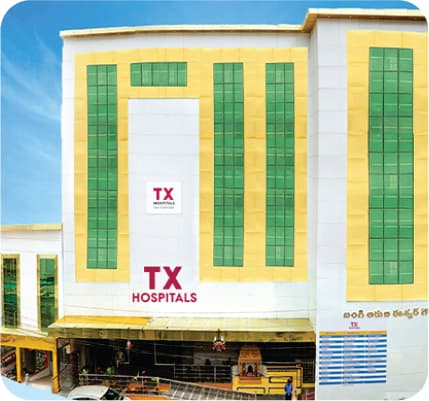
Tx Hospitals – Best Multispeciality Hospitals in Uppal, Hyderabad
- Beds
- 200
- Accreditation
- NABH
Vascular Surgery at Tx Hospitals, Uppal
Vascular Surgery at Tx Hospitals, Uppal, Hyderabad, focuses on the evaluation and management of conditions affecting the arteries, veins and blood circulation. Patients experiencing leg pain while walking, swollen legs, prominent veins, circulation problems, non-healing foot wounds or other vascular concerns may benefit from a specialist consultation. This page helps patients explore vascular surgery services, common circulation-related conditions, diagnostic approaches and potential treatment options. It also explains procedures such as angioplasty, vascular bypass surgery and varicose vein treatment, where clinically appropriate. Whether you are looking for a vascular surgeon in Hyderabad, seeking an evaluation for an existing vascular condition or comparing treatment options near Uppal, use this information to understand the available care pathways and confirm branch-specific services and specialist availability before booking an appointment.
Vascular Surgery at Tx Hospitals, Uppal, Hyderabad
Healthy blood circulation is essential for supplying oxygen and nutrients to every part of the body. When arteries become narrowed, veins stop functioning properly or blood clots develop, patients may experience symptoms ranging from leg discomfort and swelling to serious circulation-related complications.
Vascular Surgery at Tx Hospitals, Uppal, Hyderabad, is a specialty listed through Siris Healthcare. Vascular surgery focuses on the diagnosis and management of conditions affecting arteries, veins and blood vessels outside the heart and brain, including circulation problems involving the legs, feet, abdomen and other parts of the body.
Patients searching for vascular surgery in Hyderabad may be looking for help with varicose veins, peripheral artery disease, deep vein thrombosis, diabetic foot complications or other vascular disorders. Understanding the underlying condition is an important first step towards selecting appropriate treatment.
Through this page, patients can explore vascular surgery services and treatment options, common circulation-related conditions, diagnostic approaches and surgical and minimally invasive treatment methods.
Vascular Surgery Services and Areas of Care
Vascular surgery covers the diagnosis and management of disorders affecting blood circulation. Treatment may involve medication, lifestyle changes, minimally invasive interventions or conventional surgery, depending on the affected blood vessel and severity of the condition.
Arterial Disease Management
Arteries carry oxygen-rich blood from the heart to different organs and tissues. Narrowing or blockage of these vessels can reduce blood supply, particularly to the legs and feet.
Vascular specialists evaluate arterial conditions such as peripheral artery disease, carotid artery disease and aortic aneurysms. Treatment decisions depend on the location of the affected artery, the extent of the blockage and the patient's overall health.
Venous Disease Management
Veins return blood towards the heart. Problems with venous valves or blood clots can interfere with this process.
Common concerns include varicose veins, chronic venous insufficiency and deep vein thrombosis. Depending on the diagnosis, treatment may include compression therapy, medication or selected vascular procedures.
Patients experiencing enlarged leg veins, discomfort or persistent swelling can learn more about varicose vein treatment.
Endovascular Treatment
Endovascular procedures use thin catheters and specialised instruments introduced through blood vessels to treat certain vascular problems.
Angioplasty, stent placement and selected aneurysm repairs are examples. These approaches may be considered when clinically suitable and when the required facilities and specialists are available.
Diabetic Foot and Circulation Assessment
People living with diabetes may develop nerve damage and reduced circulation in their lower limbs. These problems can increase the risk of foot ulcers, infections and delayed wound healing.
Vascular assessment helps determine whether inadequate blood flow is contributing to a foot problem and whether circulation-directed treatment is necessary. Selected patients may require diabetic foot and limb salvage surgery.
Conditions Treated Under Vascular Surgery
Vascular surgery specialists evaluate several conditions affecting blood vessels and circulation. The appropriate treatment depends on the patient's symptoms, clinical findings and diagnostic results.
Peripheral Artery Disease (PAD)
Peripheral artery disease occurs when fatty deposits and other changes narrow the arteries supplying the legs. Reduced blood flow can cause discomfort during walking, commonly known as intermittent claudication.
Symptoms may include:
- Leg pain or cramping during physical activity.
- Discomfort that improves with rest.
- Coldness in the lower leg or foot.
- Changes in skin colour.
- Slow-healing sores on the feet or toes.
Advanced disease can cause pain even at rest and may threaten limb health. Evaluation can help determine the extent of arterial narrowing and appropriate treatment.
Patients can explore more about peripheral artery disease treatment.
Varicose Veins
Varicose veins are enlarged, twisted veins that commonly develop in the legs when venous valves do not function effectively.
Patients may notice visible blue or purple veins, leg heaviness, aching, swelling around the ankles and itching around affected veins.
Not every case requires surgery. Depending on symptoms and vein assessment, management may involve lifestyle measures, compression stockings, sclerotherapy or endovenous procedures.
Deep Vein Thrombosis (DVT)
Deep vein thrombosis occurs when a blood clot forms in a deep vein, most commonly in the lower limb.
Symptoms can include one-sided leg swelling, tenderness, pain, warmth and skin redness. Some patients may have few noticeable symptoms.
A clot can travel to the lungs and cause a potentially life-threatening pulmonary embolism. Sudden breathlessness, chest pain, coughing up blood or fainting requires immediate emergency medical attention.
Treatment generally involves anticoagulant medicines, while selected complicated cases may require specialist procedures. Learn more about deep vein thrombosis treatment.
Chronic Venous Insufficiency
Chronic venous insufficiency develops when the veins in the legs cannot efficiently return blood towards the heart.
Long-standing venous pressure may lead to persistent swelling, skin discolouration, itching, discomfort and venous ulcers.
Management depends on the severity of the condition and may involve compression therapy, movement and lifestyle modifications, or procedures to address abnormal veins.
Carotid Artery Disease
Carotid arteries supply blood to the brain. When these arteries become narrowed due to atherosclerosis, the risk of stroke may increase.
Some patients have no symptoms until a transient ischaemic attack (TIA) or stroke occurs. Others may experience temporary weakness, speech difficulties or vision changes.
Carotid artery disease requires careful assessment. Depending on the degree of narrowing and individual risk, treatment may involve medication or selected procedures such as carotid artery surgery (carotid endarterectomy).
Aortic Aneurysm
An aortic aneurysm is an abnormal enlargement of the aorta, the major artery carrying blood from the heart to the body.
Many aneurysms do not cause symptoms initially and may be detected during imaging performed for another reason. If an aneurysm enlarges, the risk of rupture can become serious.
Management depends on aneurysm size, location, growth rate and the patient's health. Monitoring, risk-factor management and surgical or endovascular repair may be considered. Read more about aortic aneurysm repair.
Diabetic Foot and Vascular Complications
Reduced circulation can complicate diabetic foot ulcers and delay wound healing. When arterial narrowing is present, restoring blood flow may form part of the overall treatment plan.
Care may involve vascular assessment, diabetes management, wound care, infection evaluation and selected limb-preservation procedures.
Vascular Surgery Treatments and Procedures
Treatment for vascular conditions is not the same for every patient. A vascular specialist considers the affected vessel, severity of disease, symptoms, associated medical conditions and expected benefits and risks before recommending an intervention.
Angioplasty and Stenting
Angioplasty involves using a small balloon catheter to widen a narrowed blood vessel. In selected cases, a stent is placed to help keep the vessel open.
Peripheral angioplasty may be considered for patients with significant arterial narrowing affecting blood supply to the legs.
Learn more about peripheral angioplasty and stenting.
Peripheral Vascular Bypass Surgery
Vascular bypass surgery creates an alternative pathway for blood to flow around a severely narrowed or blocked artery.
The surgeon may use a patient's own blood vessel or a suitable synthetic graft, depending on the clinical situation.
It may be considered for selected patients with significant peripheral arterial disease when other management approaches are insufficient or unsuitable.
Read about peripheral vascular bypass surgery.
Varicose Vein Procedures
Depending on the affected veins and severity, treatment options may include:
- Sclerotherapy.
- Endovenous laser treatment.
- Radiofrequency ablation.
- Surgical removal or ligation of selected veins.
The objective is to manage abnormal venous blood flow and reduce symptoms. Not every patient requires an invasive procedure.
Aortic Aneurysm Repair
Aortic aneurysm repair may involve conventional open surgery or an endovascular approach.
Endovascular aneurysm repair (EVAR) uses a stent graft delivered through blood vessels to reinforce the affected section of the aorta.
The choice depends on aneurysm anatomy, size, location and individual surgical risk.
Carotid Endarterectomy
Carotid endarterectomy is a surgical procedure used to remove plaque from a narrowed carotid artery in selected patients.
It may be recommended when the risk of stroke associated with carotid narrowing justifies intervention. A specialist evaluates the degree of stenosis, symptoms and individual risk factors before making a recommendation.
Dialysis Vascular Access Surgery
Patients requiring long-term haemodialysis need reliable access to their bloodstream.
An arteriovenous (AV) fistula connects an artery to a vein, usually in the arm, to create suitable access for dialysis. An AV graft may be considered when a fistula is not appropriate.
Access planning depends on the patient's blood vessels, kidney condition and dialysis requirements. Explore haemodialysis vascular access surgery.
Vascular Surgery Diagnostic and Evaluation Services
Accurate diagnosis helps identify the location and severity of a vascular problem before treatment is planned.
A specialist may recommend different investigations depending on the symptoms and suspected condition.
Clinical Examination
The initial assessment may include:
- Reviewing medical history and existing health conditions.
- Checking pulses in the arms, legs and feet.
- Examining skin temperature and colour.
- Assessing swelling, wounds and visible veins.
- Evaluating pain during walking or at rest.
Doppler Ultrasound
Doppler ultrasound uses sound waves to evaluate blood flow through arteries and veins.
It may help identify narrowed vessels, venous reflux and blood clots. Venous duplex ultrasound is commonly used when investigating suspected DVT or varicose veins.
Ankle-Brachial Index (ABI)
The ankle-brachial index compares blood pressure measurements at the ankle and arm. It can help identify reduced arterial circulation in the legs.
This test is commonly used when peripheral artery disease is suspected.
CT Angiography
CT angiography uses contrast material and CT imaging to produce detailed pictures of blood vessels.
It may help assess arterial narrowing, blockages and aneurysms and assist in planning selected interventions.
MR Angiography
MR angiography uses magnetic resonance imaging to examine blood vessels. It may be recommended when additional vascular information is required.
The need for imaging, contrast agents and other investigations depends on the patient's condition and medical history.
Patients should confirm the availability of individual investigations at the Uppal branch before scheduling them.
When Should You See a Vascular Surgery Specialist?
Circulation-related symptoms should not be ignored, particularly when they persist, worsen or interfere with daily activities.
Consider seeking a vascular evaluation if you experience:
- Repeated leg pain or cramping while walking.
- Persistent swelling in one or both legs.
- Enlarged or painful varicose veins.
- Coldness or unusual colour changes in the feet.
- Wounds on the toes, feet or legs that do not heal.
- Pain in the legs or feet even while resting.
- A previous diagnosis of peripheral artery disease.
- A history of blood clots or suspected venous disease.
- Circulation problems associated with diabetes.
Certain symptoms require urgent medical attention rather than a routine appointment.
Seek emergency care immediately for sudden severe limb pain, a suddenly cold or pale limb, new numbness or weakness, or sudden loss of movement. These may indicate acute interruption of blood flow.
Sudden chest pain, breathlessness, coughing up blood or fainting in someone with possible DVT also requires emergency evaluation.
What to Expect During a Vascular Surgery Consultation
A vascular surgery consultation generally involves several steps to understand the patient's circulation-related concerns and determine whether additional evaluation is necessary.
1. Medical History
The specialist may ask about previous vascular conditions, diabetes, high blood pressure, cholesterol levels, smoking history, medications, previous surgeries and family history.
2. Discussion of Symptoms
Patients should explain when symptoms started, how frequently they occur, whether they are getting worse and what activities make them more noticeable.
For example, leg pain that develops during walking but improves with rest may require evaluation for arterial circulation problems.
3. Physical Examination
The doctor may examine the affected limb, check pulses, assess swelling and look for changes in skin condition or wound healing.
4. Diagnostic Evaluation
Depending on the initial findings, the specialist may recommend Doppler ultrasound, ABI measurements, CT angiography or other investigations.
Not every patient requires all these tests.
5. Discussion of Treatment Options
Once the diagnosis is established, the doctor discusses appropriate options, which may include medication, lifestyle modifications, monitoring, minimally invasive procedures or surgery.
The benefits, potential complications, alternatives and expected recovery should be explained before any planned intervention.
6. Follow-Up and Recovery Planning
Patients may require follow-up appointments to monitor circulation, medication use, wound healing and recovery.
The schedule depends on the diagnosis and treatment performed.
Why Consider Vascular Surgery Care at Tx Hospitals, Uppal?
Selecting a hospital for vascular care involves more than choosing a nearby facility. Patients should understand the specialist services available, the experience of the treating doctor and whether the required investigations and procedures can be arranged.
Tx Hospitals, Uppal is listed on Siris Healthcare as a multispecialty hospital in Uppal, Hyderabad, with Vascular Surgery included among its recorded specialties.
For patients considering this hospital, the following factors are worth discussing before proceeding:
- Whether a vascular or endovascular surgeon is available at the Uppal branch.
- Whether the specialist regularly manages the particular vascular condition.
- Whether the required vascular investigations can be performed at the branch.
- Whether minimally invasive or open surgical treatment is appropriate.
- Whether anaesthesia, critical care and post-procedure support are available when needed.
- How follow-up consultations and recovery monitoring are arranged.
The availability of particular doctors, procedures and facilities can differ between hospital branches. Patients should confirm the arrangements directly with the Uppal hospital before making treatment decisions.
Vascular Surgery Doctors and Specialists
Vascular surgery is a specialised field that requires knowledge of arterial circulation, venous disorders, blood vessel anatomy and surgical treatment techniques.
A vascular surgeon evaluates conditions involving narrowed arteries, blocked blood vessels, aneurysms, venous insufficiency and other circulation-related problems.
Depending on the diagnosis, patients may require consultation with:
- Vascular Surgeons: Specialists who diagnose and manage arterial and venous disorders.
- Endovascular Surgeons: Specialists who perform selected minimally invasive procedures using catheter-based techniques.
- Cardiothoracic and Vascular Surgeons: Surgeons trained to manage conditions involving the heart, chest and blood vessels, depending on their qualifications and clinical scope.
- Interventional Specialists: Doctors who perform image-guided procedures for selected vascular conditions.
Siris Healthcare provides a doctor directory where patients can explore specialist profiles, qualifications and hospital affiliations.
For Tx Hospitals, Uppal, patients should confirm the current availability of a suitably qualified vascular specialist before booking. Doctor profiles associated with other hospital branches should not automatically be considered available at Uppal.
Vascular Surgery Care in Uppal, Hyderabad
Access to appropriate vascular care is important for patients experiencing circulation problems, particularly when ongoing monitoring or repeated consultations are required.
Tx Hospitals, Uppal is located in Bharath Nagar Colony, near Masjid Uppal, Hyderabad, Telangana 500039, India.
Patients searching for a vascular surgery hospital in Uppal may also be comparing healthcare options across nearby parts of eastern Hyderabad.
The Uppal location may be convenient for patients travelling from surrounding areas such as Nagole, Boduppal, Ramanthapur, Habsiguda and Kothapet. Actual travel time depends on the starting location and traffic conditions.
When planning a consultation, patients should consider:
- Confirming the specialist's appointment schedule.
- Checking whether the required diagnostic investigations are available.
- Carrying previous Doppler reports and vascular imaging.
- Discussing follow-up requirements if treatment is recommended.
- Confirming the hospital location and appointment details in advance.
For patients looking for vascular surgery in Hyderabad, choosing a hospital with an appropriate specialist and a clear treatment pathway is more important than relying solely on proximity.
How to Choose the Right Vascular Surgery Hospital or Specialist
Vascular conditions can vary considerably in their severity and treatment requirements. A patient with uncomplicated varicose veins may need a different specialist assessment and treatment approach from someone with severe peripheral artery disease or an aortic aneurysm.
Consider the following factors when comparing vascular surgery hospitals in Hyderabad.
Specialist Qualifications and Experience
Review the surgeon's medical qualifications, specialist training and experience with the specific vascular condition being treated.
For complex procedures, ask whether the surgeon regularly performs the recommended intervention.
Diagnostic Capabilities
Appropriate vascular evaluation may require Doppler ultrasound, ABI measurements, CT angiography or other imaging investigations.
Confirm which investigations are available and whether external diagnostic arrangements are required.
Range of Treatment Options
A suitable specialist should explain both non-surgical and surgical management options wherever applicable.
Patients should understand why a particular treatment is recommended and whether alternatives are appropriate.
Hospital Infrastructure
For planned vascular interventions, consider the availability of suitable operating facilities, anaesthesia support, intensive care and emergency services relevant to the procedure.
These requirements differ depending on the complexity of the treatment.
Multidisciplinary Support
Patients with diabetes, kidney disease, heart disease or complicated wounds may benefit from coordinated care involving multiple medical specialties.
Ask how referrals and shared treatment decisions are managed.
Recovery and Follow-Up
Vascular treatment does not always end when a procedure is completed. Some patients need ongoing medication, wound care, circulation monitoring and lifestyle modifications.
Understand the expected recovery period and follow-up schedule before proceeding.
Communication and Transparency
A good consultation should allow patients to ask questions about the diagnosis, treatment alternatives, expected expenses, possible complications and long-term care.
These factors can help patients make an informed decision when selecting a vascular specialist in Uppal or elsewhere in Hyderabad.
Frequently Asked Questions About Vascular Surgery
1. What does a vascular surgeon treat?
A vascular surgeon diagnoses and manages conditions affecting arteries, veins and other blood vessels. Common conditions include peripheral artery disease, varicose veins, deep vein thrombosis, carotid artery disease, aortic aneurysms and chronic venous insufficiency.
2. When should I consult a vascular surgeon in Hyderabad?
Consider consulting a vascular surgeon if you experience persistent leg pain while walking, unexplained limb swelling, prominent painful veins, cold feet, skin colour changes or wounds that do not heal. Sudden severe limb symptoms require emergency evaluation rather than a routine consultation.
3. Does Tx Hospitals, Uppal provide vascular surgery?
Siris Healthcare lists Vascular Surgery among the specialties associated with Tx Hospitals, Uppal. However, individual procedures, specialist schedules and branch-specific facilities should be confirmed directly with the hospital before booking.
4. What is the difference between vascular surgery and cardiac surgery?
Cardiac surgery primarily focuses on surgical conditions involving the heart and its structures. Vascular surgery focuses on blood vessels, including arteries and veins outside the heart and brain. Some surgeons have training covering both cardiothoracic and vascular surgery.
5. How is peripheral artery disease diagnosed?
Diagnosis generally begins with a medical history and physical examination. An ankle-brachial index test and Doppler ultrasound may help evaluate circulation. CT angiography or MR angiography may be recommended when more detailed imaging is required.
6. Can varicose veins be treated without surgery?
Yes. Depending on the severity and symptoms, management may include exercise, avoiding prolonged standing, leg elevation and compression stockings when recommended. Procedures such as sclerotherapy, laser treatment and radiofrequency ablation may be considered for selected patients.
7. Is vascular angioplasty a major surgery?
Peripheral angioplasty is generally a minimally invasive, catheter-based procedure rather than conventional open surgery. A balloon is used to widen a narrowed artery, and a stent may be placed when appropriate. Suitability depends on the location and severity of the blockage.
8. Are vascular conditions related to diabetes?
Yes. Diabetes can damage blood vessels and contribute to peripheral artery disease. It can also affect nerve function and wound healing, increasing the risk of diabetic foot complications. Patients with diabetes should seek medical evaluation for persistent foot wounds, colour changes or circulation-related symptoms.
9. What should I bring to a vascular surgery consultation?
Bring previous medical reports, Doppler ultrasound results, CT or MR angiography images, current medication details, diabetes or blood pressure records and information about previous vascular procedures, if applicable. A list of your symptoms and when they started can also help the doctor.
10. How can I book a vascular surgery consultation at Tx Hospitals, Uppal?
Patients can enquire through Siris Healthcare to explore appointment coordination. Before confirming, verify the availability of a qualified vascular specialist at the Uppal branch, the consultation schedule and any required preliminary investigations.
Vascular Surgery Treatments
Varicose Vein Treatment
Advanced treatment available at Tx Hospitals.
Peripheral Artery Disease (pad)
Advanced treatment available at Tx Hospitals.
Deep Vein Thrombosis (dvt) Treatment
Advanced treatment available at Tx Hospitals.
Diabetic Foot & Limb Salvage Surgery
Advanced treatment available at Tx Hospitals.
Peripheral Vascular Bypass Surgery
Advanced treatment available at Tx Hospitals.
Carotid Artery Surgery (carotid Endarterectomy)
Advanced treatment available at Tx Hospitals.
Angioplasty & Stenting For Peripheral Arteries
Advanced treatment available at Tx Hospitals.
Aortic Aneurysm Repair
Advanced treatment available at Tx Hospitals.
Hemodialysis Vascular Access Surgery
Advanced treatment available at Tx Hospitals.
Chronic Venous Insufficiency Treatment
Advanced treatment available at Tx Hospitals.
Frequently Asked Questions About Vascular Surgery
What types of vascular surgery procedures are performed at Tx Hospitals?
We perform a wide range of vascular surgery procedures, from routine diagnostics to complex surgeries, using the latest medical technologies.
How can I book an appointment for Vascular Surgery at Tx Hospitals?
You can book an appointment through the Siris Healthcare platform by clicking the "Get Free Estimate" button or contacting our 24/7 helpline.
Get Expert Vascular Surgery Care at Tx Hospitals, Uppal
Schedule a consultation with our top specialists and get a personalized treatment plan with a free cost estimate.
Compare hospitals in Hyderabad
Compare the hospital details, specialties, doctor profiles and patient feedback currently listed for providers in Hyderabad.
| Hospital | Listed specialties | Doctor profiles | Rating | Reviews |
|---|---|---|---|---|
| Tx Hospitals Uppal | Cardiology, cardiothoracic, Vascular Surgery, Neurology, Neurosurgery, Gastroenterology, Surgical Oncology, Nephrology, Urology, Orthopaedics, Pulmonology, Oncology, Gynaecology, obstetrics, Paediatrics & Neonatology, ENT, Dermatology, Endocrinology, Internal Medicine, Laparoscopic surgeries, Rheumatology, Critical care | 5 | Not listed | Not listed |
| Aster Hospitals Ameerpet | Internal Medicine, Psychiatric, Physiotherapy, Radiology, Ultrasound Imaging, Anaesthesiology, Dermatology, ENT, Endocrinology, Diabetology, Emergency medicine, General Surgery, General Medicine, Radiation Oncology, Surgical Oncology, Medical Oncology, obstetrics, Gynaecology, Paediatrics & Neonatology, Pulmonology, Critical care, Nephrology, Urology, Neurosurgery, Neurology, Neurosciences, Orthopaedics, Gastroenterology, Gastro Sciences, Cardiology, Cardiac Sciences | No profiles listed | 4.5 / 5 | 212 |
| Bhoomi Hospitals Manikonda | General Medicine, General Surgery, Orthopaedics, Gynaecology, obstetrics, Paediatrics & Neonatology, Cardiology, Neurology, Urology, Gastroenterology, Pulmonology, Nephrology, Dermatology, ENT, Psychiatric, Plastic Surgery, Surgical Oncology, Endocrinology, cardiothoracic, Vascular Surgery, Laparoscopic surgeries | 5 | 4.5 / 5 | 220 |
| Care Hospitals Banjara Hills | Cardiology, Cardiac Diagnostics, cardiothoracic, Gastroenterology, Surgical Oncology, Oncology, Medical Oncology, Radiation Oncology, Neurology, Neurosurgery, Orthopaedics, Nephrology, Urology, Liver Transplantation, Pulmonology, Paediatrics & Neonatology, Paediatric Surgery, Critical care, General Medicine, General Surgery, Endocrinology, ENT, Emergency medicine, Vascular Surgery, Robotic Surgery, Woman & Child Institute, Interventional Radiology | No profiles listed | 4.5 / 5 | 199 |
| Citizens Specialty Hospital Nallagandla | Cardiology, cardiothoracic, Vascular Surgery, Neurology, Neurosurgery, Oncology, Medical Oncology, Bone Marrow Transplant, orthopedic, Gastroenterology, Nephrology, Urology, obstetrics, Gynecology, Pediatrics, Paediatrics & Neonatology, Pulmonology, General Surgery, Laparoscopic surgeries, Critical care, Emergency medicine, Endocrinology, ENT, Interventional Radiology | No profiles listed | 4.5 / 5 | 277 |
| Apollo Hospitals Jubilee Hills | Cardiology, Cardiac Diagnostics, Oncology, Neurology, Neurosurgery, Orthopaedics, Gastroenterology, Hepatology, Nephrology, Urology, Organ Transplantation, Critical care, Emergency medicine, Pulmonology, Gynaecology, Paediatrics & Neonatology, ENT, Bariatric Surgery, Colorectal Surgery, Internal Medicine, General Surgery | No profiles listed | 4.5 / 5 | 265 |
Hospital directory in Hyderabad
Browse hospital listings in Hyderabad, including providers around Uppal where listings are available.
Top Specialities at Tx Hospitals Uppal
- Nephrology Department
- Vascular Surgery Department
- Surgical Oncology Department
- Neurology Department
- Paediatrics & Neonatology Department
- Rheumatology Department
- ENT Department
- Oncology Department
- Dermatology Department
- obstetrics Department
- Laparoscopic surgeries Department
- Internal Medicine Department
- Neurosurgery Department
- Critical care Department
- Cardiology Department
- Urology Department
- cardiothoracic Department
- Endocrinology Department
- Orthopaedics Department
- Gynaecology Department
Best Hospitals in Hyderabad
Medical Services in India
Best Multispeciality Hospitals in Hyderabad
- Aryas Dental Madhapur
- Digiclinix Diagnostics Gachibowli
- Avasa Hospitals Manikonda
- Butterflies Child Development Centre Gachibowli
- Ashwini Ayurvedic Center Gachibowli
- Dr Aparna Khulbey Clinic Madhapur
- Atreya Diagnostic Centre Madhapur
- Dr. Kiran's Ent, Dental, General Hospital Madhapur
- Dr. Vamshi Gundeboina - Orthopaedic Doctor In Madhapur Madhapur
- Anvitha Hospital Jubilee Hills
- Dfine Dental Clinic Gachibowli
- Dr Ashutosh Chakraborty, Homeo Care And Cure Gachibowli
- Aruna Clinic Madhapur
- Aa Health Care Clinic Madhapur
- Dr Naveen Reddy Hospital Madhapur
- Aira Medclinics Madhapur
- Dr. P. Siva Reddy Eye Hospital Gachibowli
- Dr Kvr Diagnostic Clinic Jubilee Hills
- Amedico Diagnostics Jubilee Hills
- Arogyavardhini Madhapur