
Orthopaedics at Tx Hospitals, Uppal, Hyderabad
Explore Orthopaedics services, treatments, diagnostic care and related doctors at Tx Hospitals.
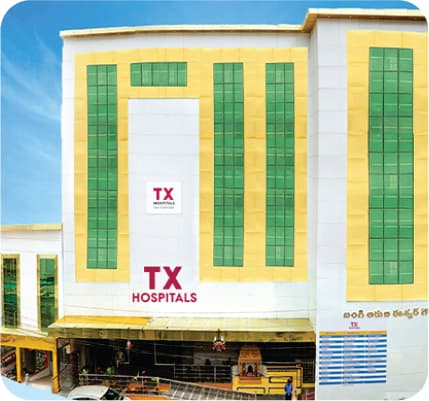
Tx Hospitals – Best Multispeciality Hospitals in Uppal, Hyderabad
- Beds
- 200
- Accreditation
- NABH
Orthopaedics at TX Hospitals, Uppal
TX Hospitals, Uppal, Hyderabad, provides access to orthopaedic care for patients experiencing bone, joint, muscle and spine-related problems. The Orthopaedics department addresses concerns such as fractures, arthritis, sports injuries, joint pain and other musculoskeletal conditions. Patients looking for orthopaedics in Hyderabad can explore specialist consultations, clinical evaluation and appropriate treatment options based on their medical requirements. Located in Bharath Nagar Colony, Uppal, TX Hospitals serves patients from Uppal and surrounding parts of Hyderabad. Whether you are experiencing persistent knee pain, difficulty walking, an injury or restricted joint movement, an orthopaedic consultation can help identify the underlying problem and determine suitable next steps. Explore related doctors, diagnostic support and rehabilitation resources through Siris Healthcare.
Orthopaedics at TX Hospitals, Uppal, Hyderabad
Orthopaedic problems can affect everyday activities, from walking and climbing stairs to working, exercising and performing routine household tasks. Persistent joint pain, restricted movement, fractures and sports-related injuries may require assessment by an orthopaedic specialist to understand the underlying cause and determine appropriate treatment.
The Orthopaedics department at TX Hospitals, Uppal, Hyderabad, focuses on conditions involving bones, joints, muscles, ligaments, tendons and the spine. Patients can explore information about common musculoskeletal concerns, including fractures, arthritis, sports injuries, spine problems and joint-related conditions. Learn more about Orthopaedics and Orthopaedic Care through Siris Healthcare.
The hospital's published profile identifies orthopaedics as one of its specialties. Patients looking for an orthopaedic hospital in Hyderabad can explore specialist consultations, clinical evaluations, diagnostic options and appropriate treatment approaches based on their medical requirements.
Located in Bharath Nagar Colony, Uppal, TX Hospitals provides a local healthcare option for people exploring bone and joint care in Hyderabad. Patients can also explore TX Hospitals and Multispecialty Hospitals in Uppal to learn more about the hospital's published information and listed specialties.
Orthopaedics Services and Areas of Care
Orthopaedics covers a wide range of conditions affecting the musculoskeletal system. Treatment depends on the affected body part, severity of the condition, patient's age, medical history and overall physical health.
Bone and Fracture Care
Fractures can occur following road accidents, falls, sports injuries or other physical trauma. They may involve the wrist, forearm, shoulder, ankle, leg, hip or other bones.
An orthopaedic specialist evaluates the injury to determine the fracture type, location and severity. Treatment may involve immobilisation, a cast, a splint or surgical intervention, depending on the clinical findings.
Knee and Hip Joint Care
Knee and hip problems can interfere with walking, standing, sitting and other everyday movements.
Orthopaedic evaluation may help identify arthritis, cartilage damage, ligament injuries, joint inflammation and other causes of discomfort. Patients experiencing persistent knee or hip pain can discuss appropriate medical management, rehabilitation and, where clinically indicated, surgical options.
Spine and Back Care
The spine supports the body and protects the spinal cord. Conditions affecting the vertebrae, intervertebral discs, joints and surrounding structures can cause back pain, stiffness and restricted movement.
Orthopaedic assessment may be appropriate for certain spinal conditions, including degenerative disc problems and structural abnormalities.
Sports Injury Management
Sports injuries may affect muscles, tendons, ligaments, cartilage and joints.
Common concerns include ligament tears, muscle strains, ankle sprains, shoulder injuries and knee injuries. Treatment generally focuses on managing the injury, restoring movement and helping patients return to their usual activities safely.
Musculoskeletal Pain Management
Musculoskeletal problems can affect the shoulders, elbows, wrists, hands, hips, knees, ankles and feet.
An orthopaedic consultation helps identify whether the symptoms are associated with joint degeneration, inflammation, injury, overuse or another underlying condition.
Conditions Treated Under Orthopaedics
Orthopaedic specialists evaluate a variety of conditions involving bones, joints and supporting structures.
Arthritis and Degenerative Joint Conditions
Arthritis causes inflammation or degeneration of joints and may lead to pain, stiffness and reduced mobility.
Common conditions include:
- Osteoarthritis of the knee and hip.
- Rheumatoid arthritis affecting joints.
- Degenerative joint disease.
- Cartilage deterioration.
- Joint stiffness and restricted movement.
Osteoarthritis is particularly associated with the gradual breakdown of joint cartilage. Depending on its severity, treatment may involve lifestyle changes, medication, supervised exercise, physiotherapy or surgical assessment.
Fractures and Bone Injuries
Bone injuries may occur because of sudden trauma, accidents, falls or weakened bone structure.
Common examples include:
- Wrist and hand fractures.
- Ankle and foot fractures.
- Hip fractures.
- Shoulder and arm fractures.
- Leg fractures.
- Stress fractures.
Early assessment is important because untreated or improperly managed fractures can affect bone alignment and healing.
Sports and Ligament Injuries
Sports-related injuries can affect people participating in professional sports, recreational activities or everyday exercise.
Conditions may include:
- Anterior cruciate ligament (ACL) injuries.
- Posterior cruciate ligament (PCL) injuries.
- Meniscus tears.
- Ankle sprains.
- Shoulder ligament injuries.
- Muscle and tendon strains.
The treatment approach depends on the extent of the injury and the patient's activity requirements.
Spine-Related Conditions
Spinal conditions can cause localised pain, stiffness or symptoms that extend into the arms and legs.
Examples include:
- Degenerative disc disease.
- Herniated or slipped discs.
- Spinal stenosis.
- Certain forms of spinal deformity.
- Mechanical lower back pain.
- Neck-related musculoskeletal pain.
Some spine conditions require orthopaedic assessment, while others may need evaluation by a neurosurgeon or another specialist.
Other Bone and Joint Problems
Additional concerns that may require orthopaedic evaluation include:
- Frozen shoulder.
- Rotator cuff injuries.
- Tendinitis.
- Bursitis.
- Joint instability.
- Osteoporosis-related fractures.
- Foot and ankle disorders.
The appropriate specialist depends on the symptoms and clinical findings.
Orthopaedics Treatments and Procedures
Orthopaedic treatment is not limited to surgery. Many musculoskeletal conditions can initially be managed through non-surgical approaches, while more complex injuries or advanced joint conditions may require procedural or surgical intervention.
The following are established orthopaedic treatment categories. They are not a confirmation that every procedure is currently available at TX Hospitals, Uppal.
Non-Surgical Orthopaedic Treatment
Depending on the diagnosis, conservative treatment may include:
- Prescribed medications for pain and inflammation.
- Temporary activity modification.
- Joint protection and movement advice.
- Immobilisation using casts, braces or splints.
- Supervised physiotherapy.
- Muscle-strengthening exercises.
- Rehabilitation and mobility training.
Non-surgical management may be considered for certain cases of arthritis, mild injuries, muscular problems and selected spine conditions.
Fracture Management
Fracture treatment depends on bone alignment, injury severity, stability and the patient's overall condition.
Possible approaches include:
- Cast or splint immobilisation.
- Closed reduction, where appropriate.
- Internal fixation using plates, screws or other implants.
- Surgical fracture stabilisation in selected cases.
The treating orthopaedic surgeon determines the appropriate approach after reviewing the injury and diagnostic findings.
Joint Replacement Surgery
Joint replacement involves replacing damaged joint surfaces with artificial components.
Common procedures include:
- Total knee replacement.
- Partial knee replacement.
- Total hip replacement.
Joint replacement may be considered in selected patients with advanced joint damage, particularly when pain and reduced mobility significantly affect quality of life and other treatments have not provided adequate relief.
Arthroscopic Procedures
Arthroscopy is a minimally invasive surgical technique that uses a small camera and specialised instruments to examine or treat problems inside a joint.
Depending on the injury, procedures may include:
- ACL reconstruction.
- Meniscus repair.
- Removal of certain loose joint fragments.
- Selected cartilage procedures.
- Treatment of certain shoulder conditions.
Arthroscopy is not suitable for every joint condition. The specialist determines whether it is appropriate based on examination and imaging findings.
Spine-Related Procedures
Certain spinal conditions may require surgical assessment when symptoms are severe, persistent or associated with neurological complications.
Depending on the diagnosis, procedures may include discectomy, spinal decompression or spinal fusion.
These are specialised procedures, and their availability at the hospital should be confirmed before making treatment plans.
Orthopaedics Diagnostic and Evaluation Services
Accurate diagnosis is essential for selecting an appropriate orthopaedic treatment plan. A specialist generally considers the patient's symptoms, injury history, physical examination findings and relevant investigations.
Clinical Examination
The specialist may assess:
- Joint movement and flexibility.
- Pain location and intensity.
- Swelling and tenderness.
- Muscle strength.
- Joint stability.
- Walking pattern and posture.
- Sensation and limb function.
X-rays
X-rays are commonly used to examine bone alignment, fractures, joint spaces and certain degenerative changes.
CT Scans
Computed tomography (CT) provides detailed cross-sectional images of bones and joints. It may help assess complex fractures and selected structural abnormalities.
MRI Scans
Magnetic resonance imaging can provide detailed information about soft tissues, including ligaments, tendons, cartilage, muscles and intervertebral discs.
It may be recommended for selected ligament injuries, meniscus problems and spinal conditions.
Laboratory Investigations
Blood tests may be recommended when the specialist suspects inflammatory, infectious or metabolic conditions affecting bones and joints.
Not every patient requires every investigation. Diagnostic tests are selected according to clinical needs. Patients can explore Diagnostic Services and Medical Evaluations to learn more about diagnostic-related healthcare resources.
When Should You See an Orthopaedics Specialist?
Not every episode of muscle or joint discomfort requires specialist treatment. However, persistent, recurring or worsening symptoms should not be ignored.
Consider an orthopaedic consultation if you experience:
- Persistent knee, hip, shoulder or back pain.
- Joint stiffness that interferes with daily activities.
- Swelling around a joint.
- Difficulty walking or bearing weight.
- Reduced joint flexibility.
- Repeated sports-related injuries.
- Pain following a fall or accident.
- Suspected fractures or ligament injuries.
- Numbness or weakness associated with certain spine conditions.
- Difficulty performing everyday movements because of joint discomfort.
Seek urgent medical assessment following significant trauma, an obvious bone deformity, an open fracture, a cold or pale limb, or sudden severe pain with loss of function. New or worsening limb weakness, saddle numbness or loss of bladder or bowel control with back pain also requires emergency evaluation.
Early professional assessment can help identify the underlying cause and reduce the risk of complications from certain untreated injuries.
What to Expect During an Orthopaedics Consultation
An orthopaedic consultation at TX Hospitals, Uppal, should begin with an assessment of the patient's concerns and medical history. The exact process depends on the condition and the treating specialist.
Step 1: Medical History
The doctor may ask about:
- When the pain or injury started.
- Whether symptoms developed suddenly or gradually.
- Previous fractures, surgeries or joint problems.
- Existing medical conditions.
- Current medications.
- Physical activity and occupational requirements.
Step 2: Symptom Assessment
The specialist will discuss the location, duration, frequency and severity of symptoms.
Patients should explain whether the pain increases during walking, climbing stairs, lifting objects or other activities.
Step 3: Physical Examination
Where appropriate, the doctor may examine the affected joint, muscle or spinal region.
The examination may include movement assessment, joint stability testing, strength evaluation and neurological checks.
Step 4: Diagnostic Evaluation
If additional information is required, the doctor may recommend X-rays, CT, MRI or laboratory investigations.
Previous diagnostic reports can help avoid unnecessary repetition of tests.
Step 5: Treatment Discussion
After reviewing the findings, the specialist explains the diagnosis and available treatment options.
These may include medication, activity modification, physiotherapy, immobilisation, procedures or surgery, depending on the condition.
Step 6: Follow-Up and Recovery Planning
Patients may require follow-up visits to monitor healing, pain levels, joint movement and functional recovery.
After an injury or procedure, rehabilitation may form an important part of the recovery process.
Why Choose Orthopaedics Care at TX Hospitals, Uppal?
Choosing an orthopaedic provider involves more than finding a hospital close to home. Patients should consider specialist availability, diagnostic support, treatment options and continuity of care.
TX Hospitals, Uppal, identifies orthopaedics as one of its clinical specialties. Patients can review the hospital's published information through the TX Hospitals Uppal listing.
Factors patients can consider when exploring orthopaedic care at this hospital include:
- Specialist consultation: Confirm the availability of an orthopaedic consultant who manages the particular condition.
- Diagnostic support: Ask about the imaging and investigations required for your evaluation.
- Treatment planning: Discuss non-surgical and surgical options where relevant.
- Multispecialty coordination: Some patients may need input from other clinical departments depending on their medical history.
- Emergency evaluation: Confirm the emergency services available at the branch.
- Recovery planning: Ask about physiotherapy, rehabilitation and follow-up arrangements.
Patients should directly confirm department-specific facilities, procedure availability, consultant schedules and treatment costs before booking.
Orthopaedics Doctors and Specialists
Orthopaedic doctors specialise in diagnosing and managing conditions affecting the musculoskeletal system. Their work may involve medical management, injury assessment, surgical treatment and recovery planning.
Depending on their area of practice, orthopaedic specialists may focus on:
- Joint replacement: Management of advanced knee and hip joint damage.
- Trauma and fracture care: Evaluation and treatment of bone injuries.
- Sports medicine: Assessment of ligament, tendon and sports-related injuries.
- Spine care: Evaluation of selected spinal and musculoskeletal conditions.
- Paediatric orthopaedics: Bone and joint conditions affecting children.
- Shoulder and knee surgery: Management of selected joint and ligament disorders.
Patients searching for orthopaedic doctors in Hyderabad can explore the Orthopaedics Doctors Directory to review available specialist profiles.
Patients interested in remote medical advice can also explore Online Orthopaedics Consultations, subject to current doctor availability and appointment schedules.
The hospital's current orthopaedic consultant roster should be confirmed directly before visiting. Patients should verify the doctor's name, qualifications, subspecialty and consultation timings.
Orthopaedics Care in Uppal, Hyderabad
Finding appropriate bone and joint care close to home can make consultations and follow-up visits more convenient, particularly for patients experiencing mobility difficulties or recovering from an injury.
TX Hospitals, Uppal
2-6-71, Bharath Nagar Colony, Near Masjid, Uppal, Hyderabad, Telangana 500039, India.
Its location in Uppal makes it a local healthcare option for patients exploring orthopaedic consultations in the eastern parts of Hyderabad.
Patients from Uppal, Nagole, Boduppal, Ramanthapur, Habsiguda and Kothapet can consider the hospital when exploring healthcare options in the area. Travel time and accessibility depend on the starting location and current traffic conditions.
For patients experiencing recurring knee pain, mobility limitations, sports injuries or age-related joint problems, local access to consultation and follow-up can be an important consideration.
Patients can explore Hospitals and Healthcare Options in Uppal, Hyderabad to review local hospital information.
How to Choose the Right Orthopaedic Hospital or Specialist
Selecting an appropriate orthopaedic hospital is an important part of managing bone, joint and spine conditions. Patients should evaluate the provider according to their specific medical requirements rather than relying solely on general hospital rankings or advertisements.
1. Relevant Specialist Qualifications
Check whether the doctor has appropriate postgraduate qualifications and experience in managing your particular condition.
For example, a patient with a complex knee ligament injury may benefit from consulting a specialist with relevant sports injury experience.
2. Diagnostic Facilities
Ask whether the hospital can arrange the investigations required for your condition, such as X-rays, CT scans, MRI scans or laboratory tests.
Accurate diagnostic evaluation helps guide treatment decisions.
3. Range of Treatment Options
A suitable specialist should explain appropriate conservative and surgical treatment options.
Patients should understand the potential benefits, limitations, risks and recovery requirements of each recommended approach.
4. Surgical and Hospital Infrastructure
For patients considering surgery, it is important to understand the hospital's available operating facilities, anaesthesia support, inpatient services and postoperative monitoring arrangements.
Confirm whether the specific procedure is performed at the selected branch.
5. Physiotherapy and Rehabilitation
Recovery does not always end after pain improves or surgery is completed. Physiotherapy and rehabilitation may be important for restoring strength, flexibility, balance and mobility.
Explore Physiotherapy Services and Physiotherapy and Musculoskeletal Care to understand how rehabilitation may support recovery.
Patients can also learn about Rehabilitation Services and Physical Rehabilitation Care, including recovery approaches following selected injuries and procedures.
6. Follow-Up and Patient Communication
Choose a provider who explains the diagnosis, treatment recommendations, precautions and expected recovery milestones clearly.
Patients should be able to discuss concerns and understand when additional medical assessment is necessary.
7. Cost and Insurance Considerations
Before undergoing a procedure, ask for an itemised cost estimate covering hospital charges, surgeon fees, implants where applicable, investigations, medicines and rehabilitation.
Patients can contact Siris Healthcare to enquire about healthcare coordination and available assistance.
Frequently Asked Questions About Orthopaedics
1. What does an orthopaedic specialist treat?
An orthopaedic specialist diagnoses and manages conditions affecting bones, joints, muscles, ligaments, tendons and the spine. Common concerns include fractures, arthritis, knee pain, hip problems, sports injuries and selected spinal conditions.
2. When should I visit an orthopaedic hospital in Hyderabad?
Consider consulting an orthopaedic specialist if you experience persistent joint pain, swelling, difficulty walking, restricted movement, recurring sports injuries or pain following an accident. Severe injuries and suspected fractures require prompt medical assessment.
3. Does TX Hospitals, Uppal, have an Orthopaedics department?
Yes. TX Hospitals, Uppal, is listed with Orthopaedics among its specialties on Siris Healthcare. Patients should contact the hospital to confirm the current consultant roster and appointment availability.
4. What orthopaedic conditions are managed at TX Hospitals, Uppal?
The hospital's published orthopaedics information mentions fractures, arthritis, sports injuries, spine problems and other musculoskeletal concerns. The appropriate treatment depends on the patient's diagnosis and clinical requirements.
5. What tests are commonly required for orthopaedic problems?
Depending on the condition, an orthopaedic specialist may recommend X-rays, CT scans, MRI scans or blood tests. Some patients may require only a clinical examination, while others need additional investigations.
6. Is knee replacement necessary for every patient with knee arthritis?
No. Knee replacement is generally considered for selected patients with advanced joint damage and significant symptoms. Other treatment options may include medication, supervised exercise, physiotherapy and lifestyle modifications. The decision should be made after a detailed medical assessment.
7. Can sports injuries be treated without surgery?
Many sports injuries can be managed without surgery. Treatment may include rest, activity modification, prescribed medication and physiotherapy. However, certain severe ligament tears, fractures or other structural injuries may require surgical assessment.
8. How long does recovery from an orthopaedic injury take?
Recovery varies according to the type and severity of the injury, the patient's age, general health and treatment approach. Some minor injuries improve within weeks, while complex fractures and major surgeries may require several months of rehabilitation.
9. How can I book an orthopaedic consultation at TX Hospitals, Uppal?
Patients can contact TX Hospitals, Uppal, directly to enquire about orthopaedic doctors, consultation timings and available appointments. Alternatively, they can use the Siris Healthcare Appointment Booking Page to submit an appointment enquiry.
10. Is physiotherapy important after orthopaedic treatment?
Physiotherapy can help improve joint mobility, muscle strength, flexibility, balance and functional movement following selected injuries or surgical procedures. The rehabilitation programme should be tailored to the patient's diagnosis and recovery stage.
Orthopaedics Treatments
Knee Replacement Surgery
Advanced treatment available at Tx Hospitals.
Hip Replacement Surgery
Advanced treatment available at Tx Hospitals.
Arthroscopy
Advanced treatment available at Tx Hospitals.
Acl Reconstruction
Advanced treatment available at Tx Hospitals.
Fracture Treatment & Surgery
Advanced treatment available at Tx Hospitals.
Spine Surgery
Advanced treatment available at Tx Hospitals.
Shoulder Replacement Surgery
Advanced treatment available at Tx Hospitals.
Sports Injury Treatment
Advanced treatment available at Tx Hospitals.
Osteoarthritis Treatment
Advanced treatment available at Tx Hospitals.
Physiotherapy & Rehabilitation
Advanced treatment available at Tx Hospitals.
Frequently Asked Questions About Orthopaedics
What types of orthopaedics procedures are performed at Tx Hospitals?
We perform a wide range of orthopaedics procedures, from routine diagnostics to complex surgeries, using the latest medical technologies.
How can I book an appointment for Orthopaedics at Tx Hospitals?
You can book an appointment through the Siris Healthcare platform by clicking the "Get Free Estimate" button or contacting our 24/7 helpline.
Get Expert Orthopaedics Care at Tx Hospitals, Uppal
Schedule a consultation with our top specialists and get a personalized treatment plan with a free cost estimate.
Compare hospitals in Hyderabad
Compare the hospital details, specialties, doctor profiles and patient feedback currently listed for providers in Hyderabad.
| Hospital | Listed specialties | Doctor profiles | Rating | Reviews |
|---|---|---|---|---|
| Tx Hospitals Uppal | Cardiology, cardiothoracic, Vascular Surgery, Neurology, Neurosurgery, Gastroenterology, Surgical Oncology, Nephrology, Urology, Orthopaedics, Pulmonology, Oncology, Gynaecology, obstetrics, Paediatrics & Neonatology, ENT, Dermatology, Endocrinology, Internal Medicine, Laparoscopic surgeries, Rheumatology, Critical care | 5 | Not listed | Not listed |
| Aster Hospitals Ameerpet | Internal Medicine, Psychiatric, Physiotherapy, Radiology, Ultrasound Imaging, Anaesthesiology, Dermatology, ENT, Endocrinology, Diabetology, Emergency medicine, General Surgery, General Medicine, Radiation Oncology, Surgical Oncology, Medical Oncology, obstetrics, Gynaecology, Paediatrics & Neonatology, Pulmonology, Critical care, Nephrology, Urology, Neurosurgery, Neurology, Neurosciences, Orthopaedics, Gastroenterology, Gastro Sciences, Cardiology, Cardiac Sciences | No profiles listed | 4.5 / 5 | 212 |
| Bhoomi Hospitals Manikonda | General Medicine, General Surgery, Orthopaedics, Gynaecology, obstetrics, Paediatrics & Neonatology, Cardiology, Neurology, Urology, Gastroenterology, Pulmonology, Nephrology, Dermatology, ENT, Psychiatric, Plastic Surgery, Surgical Oncology, Endocrinology, cardiothoracic, Vascular Surgery, Laparoscopic surgeries | 5 | 4.5 / 5 | 220 |
| Care Hospitals Banjara Hills | Cardiology, Cardiac Diagnostics, cardiothoracic, Gastroenterology, Surgical Oncology, Oncology, Medical Oncology, Radiation Oncology, Neurology, Neurosurgery, Orthopaedics, Nephrology, Urology, Liver Transplantation, Pulmonology, Paediatrics & Neonatology, Paediatric Surgery, Critical care, General Medicine, General Surgery, Endocrinology, ENT, Emergency medicine, Vascular Surgery, Robotic Surgery, Woman & Child Institute, Interventional Radiology | No profiles listed | 4.5 / 5 | 199 |
| Citizens Specialty Hospital Nallagandla | Cardiology, cardiothoracic, Vascular Surgery, Neurology, Neurosurgery, Oncology, Medical Oncology, Bone Marrow Transplant, orthopedic, Gastroenterology, Nephrology, Urology, obstetrics, Gynecology, Pediatrics, Paediatrics & Neonatology, Pulmonology, General Surgery, Laparoscopic surgeries, Critical care, Emergency medicine, Endocrinology, ENT, Interventional Radiology | No profiles listed | 4.5 / 5 | 277 |
| Apollo Hospitals Jubilee Hills | Cardiology, Cardiac Diagnostics, Oncology, Neurology, Neurosurgery, Orthopaedics, Gastroenterology, Hepatology, Nephrology, Urology, Organ Transplantation, Critical care, Emergency medicine, Pulmonology, Gynaecology, Paediatrics & Neonatology, ENT, Bariatric Surgery, Colorectal Surgery, Internal Medicine, General Surgery | No profiles listed | 4.5 / 5 | 265 |
Hospital directory in Hyderabad
Browse hospital listings in Hyderabad, including providers around Uppal where listings are available.
Top Specialities at Tx Hospitals Uppal
- Neurosurgery Department
- obstetrics Department
- Oncology Department
- Surgical Oncology Department
- Paediatrics & Neonatology Department
- Nephrology Department
- Neurology Department
- Urology Department
- Gastroenterology Department
- cardiothoracic Department
- Pulmonology Department
- Critical care Department
- Orthopaedics Department
- Vascular Surgery Department
- Rheumatology Department
- Endocrinology Department
- Dermatology Department
- Cardiology Department
- Internal Medicine Department
- Laparoscopic surgeries Department
Best Hospitals in Hyderabad
Medical Services in India
Best Multispeciality Hospitals in Hyderabad
- Dr. Venky's Dental Jubilee Hills
- Aruna Clinic Madhapur
- Be Skin Hair Clinic Madhapur
- Align Hospital Gachibowli
- Arogyavardhini Madhapur
- Cloudnine Hospital Hitec City
- Eeshritha Skin & Hair Institute Madhapur
- Dr Kvr Diagnostic Clinic Jubilee Hills
- Dental Laser & Implant Centre Madhapur
- Amedico Diagnostics Jubilee Hills
- Aira Medclinics Madhapur
- Dr Naveen Reddy Hospital Madhapur
- Bodhi Wellness Centre Madhapur
- Aa Health Care Clinic Madhapur
- Butterflies Child Development Centre Gachibowli
- Dhruv Ayur Vijayam Ayurvedic Hospital Madhapur
- Cynord Cancer Centre Madhapur
- Apollo Diagnostics Jubilee Hills Jubilee Hills
- Dr Aparna Khulbey Clinic Madhapur
- Avasa Hospitals Manikonda