
Laparoscopic Surgeries at Tx Hospitals, Uppal, Hyderabad
Explore Laparoscopic Surgeries services, treatments, diagnostic care and related doctors at Tx Hospitals.
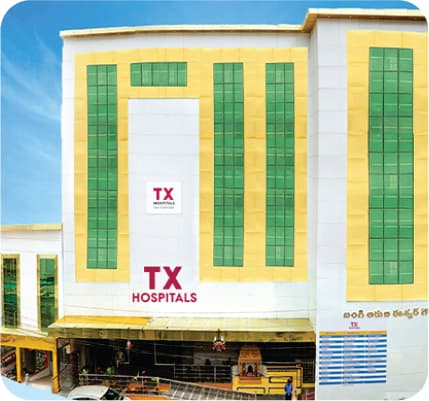
Tx Hospitals – Best Multispeciality Hospitals in Uppal, Hyderabad
- Beds
- 200
- Accreditation
- NABH
Laparoscopic Surgery at TX Hospitals, Uppal
Laparoscopic surgery is a minimally invasive surgical approach used to diagnose and treat selected conditions affecting the abdomen and pelvic region. This page covers laparoscopic surgery at TX Hospitals, Uppal, Hyderabad, helping patients understand available surgical approaches, common conditions, specialist consultations and treatment considerations. Laparoscopic procedures, often called keyhole surgery, use small incisions and a camera-assisted technique to allow surgeons to operate inside the body. Depending on the diagnosis, patients may explore surgical evaluation for conditions involving the gallbladder, appendix, abdominal wall, digestive system and other organs. Patients looking for laparoscopic surgery in Hyderabad can use this page to understand the consultation process, diagnostic evaluation, possible procedures and factors to discuss with a qualified surgeon. Actual treatment availability at the Uppal branch should be confirmed directly with the hospital.
Laparoscopic Surgery at TX Hospitals, Uppal, Hyderabad
Laparoscopic surgery is a minimally invasive surgical technique used to diagnose and treat selected conditions affecting the abdomen and pelvic region. Commonly known as keyhole surgery, this approach uses a small camera called a laparoscope and specialised surgical instruments inserted through small incisions. It allows surgeons to view internal structures on a monitor and perform procedures without necessarily requiring the larger incision associated with conventional open surgery.
For patients considering surgical treatment, laparoscopic procedures may offer advantages such as smaller incisions, reduced postoperative discomfort and potentially shorter recovery periods, depending on the procedure and individual health condition. The approach is commonly considered for certain gallbladder conditions, hernias, appendicitis and selected gastrointestinal disorders.
At TX Hospitals, Uppal, Hyderabad, patients can explore surgical consultation and evaluation options to understand appropriate treatment pathways. This page provides information about laparoscopic procedures, conditions that may require surgical attention, diagnostic approaches and the role of specialist surgeons. Patients can also explore general surgery services and minimally invasive surgery to understand different surgical treatment approaches.
The suitability and availability of individual procedures at the Uppal branch should be confirmed directly with the hospital.
Laparoscopic Surgery Services and Areas of Care
Laparoscopic surgery is used across different areas of surgical practice. The recommended approach depends on the underlying condition, its severity, the patient's medical history and the surgeon's assessment.
Gallbladder Surgery
Gallstones develop when substances present in bile form hardened deposits inside the gallbladder. While some people do not experience symptoms, others may develop recurring upper abdominal pain, nausea, vomiting or discomfort after meals.
Laparoscopic cholecystectomy is a commonly performed procedure involving the removal of the gallbladder through small incisions. It may be recommended for patients with symptomatic gallstones or certain gallbladder conditions.
Patients experiencing recurring digestive symptoms can explore gastroenterology care to understand the evaluation and management of digestive system disorders.
Hernia Surgery
A hernia develops when an internal organ or tissue pushes through a weakened area of muscle or connective tissue. Common types include inguinal, umbilical and incisional hernias.
Depending on the location, size and complexity of the hernia, a surgeon may recommend laparoscopic hernia repair. Treatment planning may involve assessing the abdominal wall, previous surgical history and the patient's overall health.
Appendix Surgery
Appendicitis is inflammation of the appendix and may require urgent surgical treatment. Laparoscopic appendectomy involves removing the inflamed appendix through small abdominal incisions using camera-assisted instruments.
Patients experiencing symptoms suggestive of appendicitis should seek prompt medical assessment to reduce the risk of complications.
Gastrointestinal Surgical Care
Certain conditions affecting the stomach, intestines and other digestive organs may require surgical evaluation. Laparoscopic techniques may be considered for selected gastrointestinal procedures depending on the diagnosis and surgical complexity.
Learn more about gastrointestinal diagnostic services to understand the investigations that may help identify digestive system abnormalities.
Conditions That May Require Laparoscopic Surgery
Not every abdominal condition requires an operation. However, certain medical problems may need surgical evaluation when symptoms persist, complications develop or non-surgical treatment is unsuitable.
Gallstones and Gallbladder Inflammation
Gallstones can obstruct the normal flow of bile and cause abdominal pain, inflammation or infection. Common symptoms include pain in the upper right abdomen, nausea and discomfort following meals.
A surgeon may recommend gallbladder removal when symptoms and diagnostic findings indicate that surgery is appropriate.
Abdominal and Inguinal Hernias
Hernias may present as visible or noticeable bulges around the abdomen or groin. Patients may experience discomfort while coughing, lifting heavy objects or standing for extended periods.
Surgical repair may be considered depending on the hernia type, symptoms and risk of complications.
Appendicitis
Appendicitis commonly causes abdominal pain that may begin around the navel and gradually move towards the lower right abdomen. Nausea, vomiting, reduced appetite and fever may also occur.
Suspected appendicitis requires immediate medical evaluation.
Selected Intestinal and Abdominal Conditions
Certain intestinal disorders, abdominal adhesions and structural abnormalities may require surgical assessment. Laparoscopic treatment may be considered when the patient's condition and anatomy make this approach suitable.
Laparoscopic Surgery Treatments and Procedures
Laparoscopic surgery includes several procedures designed to treat specific medical conditions using minimally invasive techniques. The following are established examples of procedures used in surgical practice. Their inclusion does not confirm availability at TX Hospitals, Uppal.
Laparoscopic Cholecystectomy
This procedure involves removing the gallbladder through small abdominal incisions. It is commonly considered for symptomatic gallstones and selected gallbladder disorders.
Laparoscopic Appendectomy
Laparoscopic appendectomy involves removing an inflamed appendix using a camera-assisted surgical technique. It may be recommended when appendicitis requires operative treatment and the patient is suitable for this approach.
Laparoscopic Hernia Repair
This procedure involves repairing a weakness in the abdominal wall through small incisions. Depending on the condition, surgical mesh may be used to reinforce the weakened area.
Diagnostic Laparoscopy
Diagnostic laparoscopy allows surgeons to examine structures inside the abdomen using a laparoscope. It may be considered when other diagnostic investigations have not provided sufficient information about certain abdominal conditions.
Selected Gastrointestinal Procedures
Laparoscopic approaches may also be considered for selected stomach and intestinal procedures. The choice between minimally invasive and open surgery depends on the diagnosis, complexity and patient's overall health.
Patients can explore general surgery treatments and procedures to learn about other surgical options, including appendectomy, gallbladder removal and hernia repair.
Laparoscopic Surgery Diagnostic and Evaluation Services
Accurate diagnosis is essential before recommending surgery. A detailed evaluation helps determine whether an operation is necessary and whether a minimally invasive approach is appropriate.
Depending on the suspected condition, diagnostic investigations may include:
- Clinical examination: Assessment of abdominal tenderness, swelling, hernias and other relevant physical findings.
- Blood investigations: Blood counts and other tests to assess inflammation, infection, anaemia and general health.
- Abdominal ultrasound: Helps identify gallstones, gallbladder abnormalities and certain abdominal conditions.
- CT scan: Provides detailed images of abdominal structures and may be recommended when further evaluation is required.
- MRI: May be considered for selected conditions requiring detailed soft-tissue imaging.
- Preoperative assessment: Evaluation of medical history, medication use, existing conditions and anaesthesia-related risks.
The investigations required vary between patients. The surgeon recommends appropriate tests based on symptoms, examination findings and suspected diagnosis.
For more information, patients can explore gastrointestinal diagnostic services at Siris Healthcare.
When Should You See a Laparoscopic Surgery Specialist?
Patients may benefit from consulting a qualified general surgeon or laparoscopic surgeon when experiencing:
- Repeated abdominal pain or unexplained abdominal discomfort.
- A visible or painful bulge around the abdomen or groin.
- Recurring pain in the upper right abdomen.
- Suspected gallstones or diagnosed gallbladder disease.
- Symptoms suggestive of appendicitis.
- Persistent abdominal problems requiring surgical evaluation.
- A previously diagnosed hernia that is increasing in size or causing discomfort.
- Recurring gastrointestinal problems for which a doctor has recommended surgical assessment.
Sudden severe abdominal pain, persistent vomiting, fever with significant abdominal symptoms or a painful hernia bulge that cannot be pushed back requires urgent medical attention. Patients should not delay emergency evaluation while arranging a routine appointment.
What to Expect During a Laparoscopic Surgery Consultation
A surgical consultation helps identify the cause of symptoms and determine whether an operation is necessary.
1. Medical History
The surgeon reviews previous illnesses, operations, medications, allergies and relevant family history. Previous abdominal surgeries are particularly important because they may influence the surgical approach.
2. Discussion of Symptoms
Patients are asked about the location, duration and severity of symptoms, along with factors that make them better or worse.
3. Physical Examination
Where appropriate, the surgeon examines the abdomen and checks for tenderness, swelling, hernias and other clinical findings.
4. Diagnostic Evaluation
Existing medical reports are reviewed, and additional blood tests or imaging investigations may be recommended when required.
5. Discussion of Treatment Options
The surgeon explains whether medication, observation, lifestyle changes or surgery may be appropriate. If an operation is recommended, the discussion may include laparoscopic and conventional open surgical approaches.
6. Preoperative Planning and Follow-up
If surgery is planned, patients receive instructions regarding fasting, medications, anaesthesia and admission arrangements. Follow-up appointments help assess healing and recovery.
Patients can also explore general surgery consultations to understand specialist consultation options through Siris Healthcare.
Why Consider Laparoscopic Surgery Care at TX Hospitals, Uppal?
TX Hospitals, Uppal is a multispecialty hospital located in Bharath Nagar Colony, Uppal, Hyderabad.
When considering laparoscopic surgery, patients should evaluate the surgeon's qualifications, experience with the proposed procedure, diagnostic requirements and availability of appropriate surgical infrastructure.
Important considerations include:
- Whether the required laparoscopic procedure is performed at the Uppal branch.
- The operating surgeon's qualifications and experience.
- Availability of appropriate anaesthesia and surgical support.
- Access to necessary preoperative investigations.
- Availability of postoperative monitoring and follow-up.
- Clear information about hospital admission, recovery and procedure costs.
Patients can explore the TX Hospitals Uppal hospital listing to review the available hospital information.
For additional comparison, the Siris Healthcare hospital directory allows patients to explore other healthcare facilities and their listed specialties.
Patients should directly confirm the availability of the required procedure and specialist before making treatment arrangements.
Laparoscopic Surgery Doctors and Specialists
Laparoscopic procedures are generally performed by surgeons with relevant training and experience in the particular operation.
Depending on the condition, patients may require consultation with:
- General Surgeons: Evaluate and manage conditions such as hernias, appendicitis and selected gallbladder disorders.
- Laparoscopic Surgeons: Perform suitable operations using minimally invasive surgical techniques.
- Surgical Gastroenterologists: Evaluate and manage complex surgical conditions affecting the digestive system.
- Anaesthesiologists: Assess patients before surgery and provide appropriate anaesthesia and perioperative monitoring.
A surgeon's experience should be relevant to the specific operation being considered.
Patients can use the Siris Healthcare doctor directory to explore available medical specialist profiles, qualifications and experience.
You can also explore online doctor consultations to understand available consultation options.
No individual laparoscopic surgeon is identified here because a verified current affiliation with TX Hospitals, Uppal has not been established.
Laparoscopic Surgery Care in Uppal, Hyderabad
Patients searching for laparoscopic surgery in Hyderabad may prefer to explore surgical consultation options closer to their residential or working location.
TX Hospitals, Uppal is located in Bharath Nagar Colony, Uppal, Hyderabad, making its hospital listing relevant to people exploring healthcare options in this part of the city.
Before visiting, patients should confirm appointment availability, the relevant specialist's consultation schedule and whether the required surgical procedure is performed at this branch.
For patients comparing providers, the hospitals in Uppal, Hyderabad directory provides location-specific hospital information.
How to Choose the Right Laparoscopic Surgery Hospital or Specialist
Selecting a hospital for surgery requires more than comparing consultation fees or proximity.
Consider the following factors:
Surgeon's Qualifications and Experience: Ask about the surgeon's training, experience with the specific operation and recommended surgical approach.
Appropriate Diagnostic Facilities: Confirm that investigations required for diagnosis and surgical planning are available or can be arranged.
Surgical Infrastructure: Understand the availability of suitable operating facilities, anaesthesia services and postoperative monitoring.
Treatment Alternatives: Ask whether medication, observation, laparoscopic surgery or open surgery may be appropriate.
Patient Safety: Discuss possible complications, infection prevention, anaesthesia-related risks and arrangements for managing unexpected problems.
Recovery and Follow-up: Ask about expected hospital stay, wound care, activity restrictions and follow-up appointments.
Cost Transparency: Request a written estimate covering surgeon fees, anaesthesia, hospital charges, investigations and medicines.
A suitable surgical decision should be based on accurate diagnosis, an informed discussion and a treatment plan that considers the patient's individual health needs.
Frequently Asked Questions About Laparoscopic Surgery
1. What is laparoscopic surgery?
Laparoscopic surgery is a minimally invasive surgical technique in which a surgeon uses a camera and specialised instruments through small incisions to perform an operation inside the body. It is also commonly called keyhole surgery.
2. What conditions can be treated with laparoscopic surgery?
Depending on the patient's condition, laparoscopic surgery may be used for gallstones, certain hernias, appendicitis and selected gastrointestinal or abdominal disorders. Not every condition is suitable for this approach.
3. Is laparoscopic surgery better than open surgery?
Laparoscopic surgery may offer benefits such as smaller incisions, less postoperative discomfort and faster recovery in selected cases. However, open surgery may be safer or more appropriate in certain situations.
4. How long does recovery from laparoscopic surgery take?
Recovery depends on the operation, the patient's health and whether complications occur. Some patients resume routine activities relatively quickly, while more complex procedures require a longer recovery period.
5. Is laparoscopic surgery performed under general anaesthesia?
Many abdominal laparoscopic procedures are performed under general anaesthesia. The anaesthesiologist determines the appropriate anaesthesia plan after evaluating the patient's health and the planned operation.
6. How is the need for laparoscopic surgery diagnosed?
Diagnosis may involve medical history, physical examination, blood tests and imaging investigations such as ultrasound or CT scans. The specific tests depend on the suspected condition.
7. Is laparoscopic gallbladder removal possible for gallstones?
Laparoscopic cholecystectomy is a commonly used treatment for symptomatic gallstones when gallbladder removal is clinically indicated. A surgeon evaluates the symptoms, investigations and overall health before recommending surgery.
8. How do I find a laparoscopic surgeon in Uppal, Hyderabad?
Patients can explore the Siris Healthcare doctor directory, review relevant qualifications and confirm the surgeon's current hospital affiliation. For TX Hospitals, Uppal, contact the hospital to verify the availability of the required specialist and procedure.
9. What should I bring for a laparoscopic surgery consultation?
Bring previous medical reports, imaging results, prescriptions, details of current medications, allergy information and records of previous operations.
10. How can I book a laparoscopic surgery consultation at TX Hospitals, Uppal?
Patients can contact TX Hospitals, Uppal directly or submit an enquiry through Siris Healthcare. Share the nature of the concern and preferred appointment details. The hospital should confirm the appropriate specialist, consultation availability and whether the required procedure is offered at that location.
Laparoscopic Surgeries Treatments
Laparoscopic Cholecystectomy
Advanced treatment available at Tx Hospitals.
Laparoscopic Cholecystectomy
Advanced treatment available at Tx Hospitals.
Laparoscopic Hernia Repair
Advanced treatment available at Tx Hospitals.
Laparoscopic Hysterectomy
Advanced treatment available at Tx Hospitals.
Laparoscopic Ovarian Cystectomy
Advanced treatment available at Tx Hospitals.
Frequently Asked Questions About Laparoscopic Surgeries
What types of laparoscopic surgeries procedures are performed at Tx Hospitals?
We perform a wide range of laparoscopic surgeries procedures, from routine diagnostics to complex surgeries, using the latest medical technologies.
How can I book an appointment for Laparoscopic Surgeries at Tx Hospitals?
You can book an appointment through the Siris Healthcare platform by clicking the "Get Free Estimate" button or contacting our 24/7 helpline.
Get Expert Laparoscopic Surgeries Care at Tx Hospitals, Uppal
Schedule a consultation with our top specialists and get a personalized treatment plan with a free cost estimate.
Compare hospitals in Hyderabad
Compare the hospital details, specialties, doctor profiles and patient feedback currently listed for providers in Hyderabad.
| Hospital | Listed specialties | Doctor profiles | Rating | Reviews |
|---|---|---|---|---|
| Tx Hospitals Uppal | Cardiology, cardiothoracic, Vascular Surgery, Neurology, Neurosurgery, Gastroenterology, Surgical Oncology, Nephrology, Urology, Orthopaedics, Pulmonology, Oncology, Gynaecology, obstetrics, Paediatrics & Neonatology, ENT, Dermatology, Endocrinology, Internal Medicine, Laparoscopic surgeries, Rheumatology, Critical care | 5 | Not listed | Not listed |
| Aster Hospitals Ameerpet | Internal Medicine, Psychiatric, Physiotherapy, Radiology, Ultrasound Imaging, Anaesthesiology, Dermatology, ENT, Endocrinology, Diabetology, Emergency medicine, General Surgery, General Medicine, Radiation Oncology, Surgical Oncology, Medical Oncology, obstetrics, Gynaecology, Paediatrics & Neonatology, Pulmonology, Critical care, Nephrology, Urology, Neurosurgery, Neurology, Neurosciences, Orthopaedics, Gastroenterology, Gastro Sciences, Cardiology, Cardiac Sciences | No profiles listed | 4.5 / 5 | 212 |
| Bhoomi Hospitals Manikonda | General Medicine, General Surgery, Orthopaedics, Gynaecology, obstetrics, Paediatrics & Neonatology, Cardiology, Neurology, Urology, Gastroenterology, Pulmonology, Nephrology, Dermatology, ENT, Psychiatric, Plastic Surgery, Surgical Oncology, Endocrinology, cardiothoracic, Vascular Surgery, Laparoscopic surgeries | 5 | 4.5 / 5 | 220 |
| Care Hospitals Banjara Hills | Cardiology, Cardiac Diagnostics, cardiothoracic, Gastroenterology, Surgical Oncology, Oncology, Medical Oncology, Radiation Oncology, Neurology, Neurosurgery, Orthopaedics, Nephrology, Urology, Liver Transplantation, Pulmonology, Paediatrics & Neonatology, Paediatric Surgery, Critical care, General Medicine, General Surgery, Endocrinology, ENT, Emergency medicine, Vascular Surgery, Robotic Surgery, Woman & Child Institute, Interventional Radiology | No profiles listed | 4.5 / 5 | 199 |
| Citizens Specialty Hospital Nallagandla | Cardiology, cardiothoracic, Vascular Surgery, Neurology, Neurosurgery, Oncology, Medical Oncology, Bone Marrow Transplant, orthopedic, Gastroenterology, Nephrology, Urology, obstetrics, Gynecology, Pediatrics, Paediatrics & Neonatology, Pulmonology, General Surgery, Laparoscopic surgeries, Critical care, Emergency medicine, Endocrinology, ENT, Interventional Radiology | No profiles listed | 4.5 / 5 | 277 |
| Apollo Hospitals Jubilee Hills | Cardiology, Cardiac Diagnostics, Oncology, Neurology, Neurosurgery, Orthopaedics, Gastroenterology, Hepatology, Nephrology, Urology, Organ Transplantation, Critical care, Emergency medicine, Pulmonology, Gynaecology, Paediatrics & Neonatology, ENT, Bariatric Surgery, Colorectal Surgery, Internal Medicine, General Surgery | No profiles listed | 4.5 / 5 | 265 |
Hospital directory in Hyderabad
Browse hospital listings in Hyderabad, including providers around Uppal where listings are available.
Top Specialities at Tx Hospitals Uppal
- cardiothoracic Department
- Neurology Department
- Neurosurgery Department
- Orthopaedics Department
- Rheumatology Department
- Oncology Department
- ENT Department
- Nephrology Department
- Vascular Surgery Department
- Paediatrics & Neonatology Department
- Laparoscopic surgeries Department
- obstetrics Department
- Gynaecology Department
- Dermatology Department
- Surgical Oncology Department
- Urology Department
- Cardiology Department
- Critical care Department
- Endocrinology Department
- Internal Medicine Department
Best Hospitals in Hyderabad
Medical Services in India
Best Multispeciality Hospitals in Hyderabad
- Dr. Vamshi Gundeboina - Orthopaedic Doctor In Madhapur Madhapur
- Aryas Dental Madhapur
- Apollo Diagnostics Jubilee Hills Jubilee Hills
- Butterflies Child Development Centre Gachibowli
- Dentacare Dental Hospital Implant And Research Institute Madhapur
- Be Skin Hair Clinic Madhapur
- Ashwini Ayurvedic Center Gachibowli
- Arogyavardhini Madhapur
- Dr Kvr Diagnostic Clinic Jubilee Hills
- Dhruv Ayur Vijayam Ayurvedic Hospital Madhapur
- Dr Naveen Reddy Hospital Madhapur
- Aa Health Care Clinic Madhapur
- Avasa Hospitals Manikonda
- Dental Laser & Implant Centre Madhapur
- Aig Hospitals Gachibowli
- Dr. Kiran's Ent, Dental, General Hospital Madhapur
- Dr. Sreedhar's Kidney Centre Mehdipatnam
- Atreya Diagnostic Centre Madhapur
- Dfine Dental Clinic Gachibowli
- Ayyappa Healthcare Clinic Madhapur