
Oncology at Tx Hospitals, Uppal, Hyderabad
Explore Oncology services, treatments, diagnostic care and related doctors at Tx Hospitals.
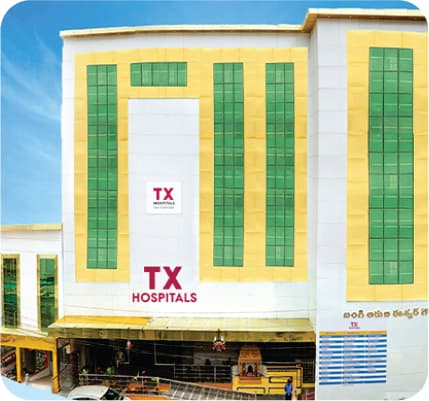
Tx Hospitals – Best Multispeciality Hospitals in Uppal, Hyderabad
- Beds
- 200
- Accreditation
- NABH
Oncology Care at TX Hospitals, Uppal
Oncology is the medical specialty concerned with the diagnosis, treatment and ongoing management of cancer. Cancer can affect different organs and tissues, and each diagnosis requires an individual approach based on the type of cancer, its stage, location, pathology findings and the patient's overall health.
At TX Hospitals, Uppal, Hyderabad, oncology is listed among the hospital's medical specialties, with surgical oncology also included in its published specialty information. Patients looking for an oncology hospital in Uppal can explore cancer-related consultations, surgical evaluation and information about different cancer treatment approaches.
Cancer care often involves several stages, beginning with an initial medical assessment and diagnostic investigations, followed by treatment planning and appropriate follow-up. Depending on the diagnosis, patients may require medical oncology, surgical oncology, radiation oncology or a combination of treatment approaches.
The aim of an oncology consultation is to help patients understand their diagnosis, review available medical information and discuss clinically appropriate next steps with a qualified specialist.
For hospital-specific information, patients can also visit the TX Hospitals, Uppal profile on Siris Healthcare.
Oncology Services and Areas of Care
Cancer management involves different clinical disciplines. The type of specialist required depends on the affected organ, cancer stage and recommended treatment.
The following are important areas of oncology care that patients may need to understand when exploring cancer treatment in Hyderabad.
Medical Oncology
Medical oncology focuses on treating cancer through medicines. Depending on the cancer type and clinical assessment, treatment approaches may include chemotherapy, targeted therapy, immunotherapy and hormone therapy.
Medical oncologists evaluate pathology reports, imaging findings and other clinical information before recommending a medication-based treatment plan.
Surgical Oncology
Surgical oncology deals with the surgical evaluation and management of cancer. A surgical oncologist assesses whether an operation may be appropriate for removing a tumour, examining affected tissue or managing specific cancer-related complications.
TX Hospitals, Uppal, lists surgical oncology among its specialties. The exact procedures and consultant availability should be confirmed with the hospital.
Learn more about cancer surgery and surgical oncology.
Radiation Oncology
Radiation oncology uses carefully planned radiation to damage cancer cells and control tumour growth. Depending on the diagnosis, radiation therapy may be recommended independently or alongside surgery and medication-based treatment.
Radiotherapy availability at the Uppal branch should be confirmed before planning treatment.
Supportive and Palliative Oncology
Supportive care addresses problems that may arise during cancer treatment, including pain, fatigue, nutritional difficulties and treatment-related symptoms.
Palliative care focuses on improving comfort and quality of life for people living with serious illnesses. It can be provided alongside cancer-directed treatment and does not necessarily mean that active treatment has stopped.
Patients can explore palliative and supportive cancer care.
Conditions Treated Under Oncology
Oncology covers a wide range of cancers. The diagnostic and treatment approach depends on the organ involved, disease characteristics and individual patient requirements.
Breast Cancer
Breast cancer develops when abnormal cells grow in breast tissue. Common concerns may include a breast lump, changes in breast shape, nipple discharge or skin changes.
Evaluation may involve clinical breast examination, mammography, ultrasound and biopsy, depending on the patient's age and clinical findings.
Treatment options can include surgery, chemotherapy, hormone therapy, radiation therapy and targeted medicines when appropriate.
Lung Cancer
Lung cancer develops in the tissues of the lungs. Persistent cough, coughing up blood, unexplained weight loss, chest discomfort and breathing difficulties may require medical evaluation.
Diagnostic assessment may include chest imaging, CT scans, bronchoscopy and tissue biopsy, depending on the suspected condition.
Gastrointestinal Cancers
Gastrointestinal cancers affect organs of the digestive system, including the stomach, colon, rectum, liver and pancreas.
Possible warning signs include persistent abdominal discomfort, unexplained changes in bowel habits, difficulty swallowing, blood in stools and unexplained weight loss.
Investigations may involve endoscopy, colonoscopy, imaging and biopsy.
Head and Neck Cancers
These cancers can affect the mouth, tongue, throat, voice box and other structures of the head and neck.
Persistent mouth ulcers, difficulty swallowing, voice changes, unexplained lumps in the neck and non-healing oral lesions should be evaluated by an appropriate healthcare professional.
Gynaecological Cancers
Gynaecological cancers affect the female reproductive system, including the cervix, uterus, ovaries and other related organs.
Abnormal vaginal bleeding, persistent pelvic discomfort, unusual discharge or unexplained abdominal swelling may require medical assessment.
Urological Cancers
These include cancers affecting the prostate, kidneys, urinary bladder and other parts of the urinary system.
Blood in the urine, persistent urinary difficulties and unexplained pelvic or back discomfort should be discussed with a qualified medical professional.
Blood Cancers
Blood cancers include leukaemia, lymphoma and multiple myeloma. They affect blood cells, bone marrow or the lymphatic system.
Symptoms can include persistent fatigue, unexplained fever, frequent infections, enlarged lymph nodes, unusual bruising and unexplained weight changes.
Skin, Bone and Soft-Tissue Cancers
Skin cancers involve abnormal growth of skin cells, while bone and soft-tissue cancers can affect bones, muscles, connective tissues and other supporting structures.
A changing skin lesion, unexplained lump or persistent bone pain should be assessed by a qualified specialist.
Oncology Treatments and Procedures
Cancer treatment is not the same for every patient. A treatment plan is developed after considering the diagnosis, cancer stage, tumour characteristics, overall health and individual preferences.
Some commonly used treatment approaches include:
Cancer Surgery
Surgery may be recommended to remove a cancerous tumour or affected tissue. Depending on the disease, the operation may involve removing the tumour alone or removing nearby tissue and lymph nodes.
Surgical options can include open surgery or minimally invasive approaches when clinically suitable.
Chemotherapy
Chemotherapy uses medicines to destroy cancer cells or slow their growth. It may be administered through intravenous infusions, injections or oral medication, depending on the prescribed drugs.
Treatment is often organised into cycles, with intervals that allow the body to recover.
Patients can read more about chemotherapy treatment and its considerations.
Radiation Therapy
Radiotherapy uses controlled doses of radiation to damage cancer cells. It may be recommended before surgery, after surgery or as part of treatment for certain cancers.
The number of sessions and treatment schedule depend on the diagnosis and treatment objectives.
Explore radiation therapy and radiotherapy.
Immunotherapy
Immunotherapy uses medicines that help the body's immune system recognise and respond to cancer cells.
It is suitable only for certain cancers and clinical situations. Biomarker testing and other diagnostic findings may help determine eligibility.
Read about immunotherapy for cancer treatment.
Targeted Therapy
Targeted therapy uses medicines designed to act on particular molecular changes or proteins involved in cancer growth.
Doctors may recommend molecular or biomarker testing to identify whether a specific targeted medicine is appropriate.
Hormone Therapy
Certain cancers, including some breast and prostate cancers, may respond to treatments that block or modify hormone activity.
Hormone therapy is selected according to the cancer's biological characteristics.
Important: These are established oncology treatment categories, not a confirmed list of treatments available at TX Hospitals, Uppal. Patients should ask the hospital which treatments, procedures and specialists are currently available at this branch.
Oncology Diagnostic and Evaluation Services
Accurate diagnosis is essential for selecting an appropriate cancer treatment plan. The investigations recommended depend on the suspected cancer, symptoms and medical history.
TX Hospitals, Uppal lists CT scanning and laboratory services in its hospital information. Other cancer-specific investigations may require referral or confirmation of availability.
Common oncology investigations include:
- Blood tests: Complete blood count, kidney function, liver function and other tests depending on the clinical requirement.
- Imaging: Ultrasound, CT, MRI and other imaging examinations may help identify abnormalities and assess disease extent.
- Biopsy: A tissue sample is examined under a microscope to determine whether cancer cells are present and identify the cancer type.
- Histopathology: Examination of tissue samples to understand the characteristics of abnormal growth.
- Immunohistochemistry: Special laboratory testing that identifies proteins in tissue samples and helps classify certain cancers.
- Molecular and biomarker testing: Investigations that identify specific changes in cancer cells and may guide treatment selection.
- Endoscopy and colonoscopy: Procedures that allow doctors to examine parts of the digestive tract when gastrointestinal cancer is suspected.
Not every patient requires all these investigations. The treating doctor determines which tests are appropriate.
Patients can explore Siris Healthcare's diagnostic services to understand the role of investigations in medical evaluation.
When Should You See an Oncology Specialist?
An oncology consultation may be appropriate when a person has received an abnormal biopsy result, a confirmed cancer diagnosis or a referral for further cancer evaluation.
Medical assessment may also be necessary for certain persistent or unexplained symptoms, such as:
- An unexplained lump or swelling.
- Unusual bleeding or blood in urine or stools.
- A persistent cough or coughing up blood.
- Difficulty swallowing that does not resolve.
- Unexplained weight loss.
- Persistent abdominal discomfort.
- Changes in bowel or bladder habits.
- A skin lesion that changes in size, shape or colour.
- Persistent fatigue accompanied by other concerning symptoms.
These symptoms do not necessarily indicate cancer. Many can occur due to non-cancerous conditions. However, persistent or unexplained changes should not be ignored.
Individuals with a strong family history of certain cancers or previously identified cancer-related risk factors may also benefit from discussing appropriate screening with a healthcare professional.
If cancer has already been diagnosed, obtaining a specialist opinion can help patients understand the disease, evaluate treatment options and plan further care.
What to Expect During an Oncology Consultation
A first oncology appointment can involve several discussions and assessments. Understanding the process can help patients and families prepare.
1. Medical history review
The doctor may ask about previous illnesses, surgeries, medications, allergies, family medical history and relevant lifestyle factors.
2. Review of symptoms
Patients may be asked when symptoms started, how they have changed and whether any associated concerns are present.
3. Review of previous investigations
Existing blood reports, imaging scans, biopsy findings and pathology reports are reviewed to understand the diagnosis.
4. Clinical examination
A physical examination may be performed depending on the suspected cancer and the patient's symptoms.
5. Further diagnostic evaluation
If additional information is needed, the doctor may recommend further imaging, laboratory tests, biopsy or specialist evaluation.
6. Treatment discussion
The specialist explains the diagnosis, possible treatment approaches, potential benefits, risks and alternatives.
7. Follow-up planning
Patients receive guidance on the next consultation, additional investigations, treatment monitoring and ongoing medical review.
It is helpful to bring previous prescriptions, diagnostic reports, imaging records and a list of current medicines to the appointment.
Why Choose Oncology Care at TX Hospitals, Uppal?
Choosing a hospital for cancer evaluation involves more than finding a nearby facility. Patients should consider whether the required specialist, diagnostic support and treatment arrangements are appropriate for their specific diagnosis.
TX Hospitals, Uppal is listed on Siris Healthcare as a multispecialty hospital in Bharath Nagar Colony, Uppal. Its published hospital information identifies oncology and surgical oncology among its specialties.
The hospital profile also lists CT scanning, laboratory services, ICU facilities and operation theatres. These are relevant considerations when discussing the evaluation and broader hospital-care requirements of a patient.
However, the availability of specific oncology consultants, chemotherapy facilities, radiotherapy, specialised procedures and multidisciplinary cancer services must be verified directly with the hospital.
Patients can review the TX Hospitals Uppal hospital profile before making an appointment.
Oncology Doctors and Specialists
Cancer care may involve different specialists depending on the diagnosis and treatment requirements.
- Medical oncologist: Manages cancer treatment using medicines, including chemotherapy and other systemic therapies.
- Surgical oncologist: Evaluates cancers that may require surgical treatment.
- Radiation oncologist: Plans and supervises radiation-based cancer treatment.
- Oncopathologist: Examines tissue samples and helps establish the type and characteristics of cancer.
- Radiologist: Interprets medical imaging used during diagnosis and treatment assessment.
- Palliative care specialist: Helps manage symptoms, pain and quality-of-life concerns.
At TX Hospitals, Uppal, patients should confirm the current oncology consultant roster, qualifications, specialisation and consultation timings before booking.
Siris Healthcare also provides an oncology doctor directory, where patients can explore oncology specialist profiles. Doctor listings on the directory should not be interpreted as confirmation of affiliation with the Uppal branch unless specifically stated.
Oncology Care in Uppal, Hyderabad
For patients living in eastern Hyderabad, accessing medical consultations closer to home can make it easier to attend appointments and coordinate repeated evaluations.
TX Hospitals, Uppal is located at:
2-6-71, Bharath Nagar Colony, Near Masjid Uppal, Hyderabad, Telangana – 500039, India.
Its location may be relevant to patients travelling from Uppal and surrounding localities, including Nagole, Boduppal, Ramanthapur, Habsiguda, Kothapet and Nacharam.
People searching for an oncology hospital near Uppal, cancer specialists in Hyderabad or surgical oncology consultations can explore the hospital's published specialty information and enquire about current services.
For patients who need repeated consultations, investigations or follow-up appointments, it is useful to discuss the expected visit schedule and treatment arrangements before starting care.
How to Choose the Right Oncology Hospital or Specialist
Selecting a cancer-care provider is an important decision. Patients and families should consider the following factors:
- Relevant specialist expertise: Check whether the doctor regularly evaluates the particular cancer type and has appropriate specialist qualifications.
- Diagnostic capabilities: Ask whether the required imaging, pathology, biopsy and molecular investigations are available.
- Treatment options: Understand which treatment approaches are offered and whether referrals to other centres may be necessary.
- Multidisciplinary care: For complex diagnoses, ask whether relevant medical, surgical and radiation oncology specialists can coordinate treatment.
- Hospital infrastructure: Consider the availability of inpatient services, critical care and appropriate surgical facilities when required.
- Treatment transparency: Request information about expected costs, treatment schedules, medicines and possible additional expenses.
- Communication: Choose a care team that explains the diagnosis, treatment alternatives, potential side effects and follow-up requirements clearly.
- Follow-up arrangements: Understand how treatment response, side effects and recovery will be monitored.
- Accessibility: Consider travel distance, appointment schedules and the practical requirements of repeated hospital visits.
The most suitable hospital depends on the patient's clinical needs, available expertise and recommended treatment plan, rather than location or promotional claims alone.
Frequently Asked Questions About Oncology
1. What does an oncology specialist treat?
An oncology specialist evaluates and manages cancer. Depending on their area of expertise, they may focus on cancer diagnosis, medication-based treatment, surgery, radiation therapy or supportive care.
2. Is TX Hospitals, Uppal an oncology hospital in Hyderabad?
TX Hospitals, Uppal is a multispecialty hospital that lists oncology and surgical oncology among its specialties. Patients should contact the hospital to confirm the current oncology services and specialist availability.
3. Which cancers are covered under oncology?
Oncology includes breast, lung, colorectal, stomach, liver, pancreatic, prostate, gynaecological, blood, skin, bone and other cancers. The required specialist depends on the type and location of the disease.
4. What is the difference between medical oncology and surgical oncology?
Medical oncology focuses on cancer treatment using medicines such as chemotherapy, targeted therapy and immunotherapy. Surgical oncology focuses on operations performed to remove or manage cancerous tumours when surgery is appropriate.
5. How is cancer diagnosed?
Cancer diagnosis may involve clinical examination, blood tests, imaging, biopsy and pathology evaluation. Additional molecular or biomarker tests may be recommended for certain cancers.
6. Does every cancer patient need chemotherapy?
No. Chemotherapy is only one cancer treatment option. Some patients may require surgery, radiation therapy, targeted therapy, immunotherapy or a combination of treatments. The appropriate approach depends on the individual diagnosis.
7. Is radiation therapy available at TX Hospitals, Uppal?
Radiation therapy is an established oncology treatment, but its availability at the Uppal branch has not been independently confirmed. Patients should contact the hospital to check whether this service is available or whether a referral is required.
8. How can I book an oncology consultation at TX Hospitals, Uppal?
Patients can enquire through the TX Hospitals Uppal profile on Siris Healthcare or contact the hospital directly to confirm the oncology consultant, appointment schedule and consultation charges.
9. What reports should I bring for my first cancer consultation?
Bring previous biopsy and histopathology reports, blood test results, CT or MRI scans, PET-CT reports if available, previous prescriptions, discharge summaries and a list of current medicines.
10. Can I get a second opinion for a cancer diagnosis?
Yes. Patients can seek another qualified oncologist's opinion to understand the diagnosis, review investigation findings and compare treatment recommendations. A second opinion should be based on relevant medical records and clinical assessment.
Patients who need an initial discussion before travelling can also explore online doctor consultation services, subject to specialist availability.
Oncology Treatments
Cancer Surgery / Surgical Oncology
Advanced treatment available at Tx Hospitals.
Chemotherapy
Advanced treatment available at Tx Hospitals.
Radiation Therapy / Radiotherapy
Advanced treatment available at Tx Hospitals.
Immunotherapy
Advanced treatment available at Tx Hospitals.
Targeted Therapy
Advanced treatment available at Tx Hospitals.
Hormone Therapy
Advanced treatment available at Tx Hospitals.
Precision Oncology / Biomarker-Based Treatment
Advanced treatment available at Tx Hospitals.
Brachytherapy
Advanced treatment available at Tx Hospitals.
Palliative & Supportive Cancer Care
Advanced treatment available at Tx Hospitals.
Bone Marrow & Stem Cell Transplant
Advanced treatment available at Tx Hospitals.
Frequently Asked Questions About Oncology
What types of oncology procedures are performed at Tx Hospitals?
We perform a wide range of oncology procedures, from routine diagnostics to complex surgeries, using the latest medical technologies.
How can I book an appointment for Oncology at Tx Hospitals?
You can book an appointment through the Siris Healthcare platform by clicking the "Get Free Estimate" button or contacting our 24/7 helpline.
Get Expert Oncology Care at Tx Hospitals, Uppal
Schedule a consultation with our top specialists and get a personalized treatment plan with a free cost estimate.
Compare hospitals in Hyderabad
Compare the hospital details, specialties, doctor profiles and patient feedback currently listed for providers in Hyderabad.
| Hospital | Listed specialties | Doctor profiles | Rating | Reviews |
|---|---|---|---|---|
| Tx Hospitals Uppal | Cardiology, cardiothoracic, Vascular Surgery, Neurology, Neurosurgery, Gastroenterology, Surgical Oncology, Nephrology, Urology, Orthopaedics, Pulmonology, Oncology, Gynaecology, obstetrics, Paediatrics & Neonatology, ENT, Dermatology, Endocrinology, Internal Medicine, Laparoscopic surgeries, Rheumatology, Critical care | 5 | Not listed | Not listed |
| Aster Hospitals Ameerpet | Internal Medicine, Psychiatric, Physiotherapy, Radiology, Ultrasound Imaging, Anaesthesiology, Dermatology, ENT, Endocrinology, Diabetology, Emergency medicine, General Surgery, General Medicine, Radiation Oncology, Surgical Oncology, Medical Oncology, obstetrics, Gynaecology, Paediatrics & Neonatology, Pulmonology, Critical care, Nephrology, Urology, Neurosurgery, Neurology, Neurosciences, Orthopaedics, Gastroenterology, Gastro Sciences, Cardiology, Cardiac Sciences | No profiles listed | 4.5 / 5 | 212 |
| Bhoomi Hospitals Manikonda | General Medicine, General Surgery, Orthopaedics, Gynaecology, obstetrics, Paediatrics & Neonatology, Cardiology, Neurology, Urology, Gastroenterology, Pulmonology, Nephrology, Dermatology, ENT, Psychiatric, Plastic Surgery, Surgical Oncology, Endocrinology, cardiothoracic, Vascular Surgery, Laparoscopic surgeries | 5 | 4.5 / 5 | 220 |
| Care Hospitals Banjara Hills | Cardiology, Cardiac Diagnostics, cardiothoracic, Gastroenterology, Surgical Oncology, Oncology, Medical Oncology, Radiation Oncology, Neurology, Neurosurgery, Orthopaedics, Nephrology, Urology, Liver Transplantation, Pulmonology, Paediatrics & Neonatology, Paediatric Surgery, Critical care, General Medicine, General Surgery, Endocrinology, ENT, Emergency medicine, Vascular Surgery, Robotic Surgery, Woman & Child Institute, Interventional Radiology | No profiles listed | 4.5 / 5 | 199 |
| Citizens Specialty Hospital Nallagandla | Cardiology, cardiothoracic, Vascular Surgery, Neurology, Neurosurgery, Oncology, Medical Oncology, Bone Marrow Transplant, orthopedic, Gastroenterology, Nephrology, Urology, obstetrics, Gynecology, Pediatrics, Paediatrics & Neonatology, Pulmonology, General Surgery, Laparoscopic surgeries, Critical care, Emergency medicine, Endocrinology, ENT, Interventional Radiology | No profiles listed | 4.5 / 5 | 277 |
| Apollo Hospitals Jubilee Hills | Cardiology, Cardiac Diagnostics, Oncology, Neurology, Neurosurgery, Orthopaedics, Gastroenterology, Hepatology, Nephrology, Urology, Organ Transplantation, Critical care, Emergency medicine, Pulmonology, Gynaecology, Paediatrics & Neonatology, ENT, Bariatric Surgery, Colorectal Surgery, Internal Medicine, General Surgery | No profiles listed | 4.5 / 5 | 265 |
Hospital directory in Hyderabad
Browse hospital listings in Hyderabad, including providers around Uppal where listings are available.
Top Specialities at Tx Hospitals Uppal
- cardiothoracic Department
- Cardiology Department
- Laparoscopic surgeries Department
- Internal Medicine Department
- Nephrology Department
- Neurosurgery Department
- Rheumatology Department
- Endocrinology Department
- Paediatrics & Neonatology Department
- Orthopaedics Department
- obstetrics Department
- Dermatology Department
- Pulmonology Department
- Neurology Department
- Critical care Department
- Gynaecology Department
- ENT Department
- Urology Department
- Oncology Department
- Surgical Oncology Department
Best Hospitals in Hyderabad
Medical Services in India
Best Multispeciality Hospitals in Hyderabad
- Dr Aparna Khulbey Clinic Madhapur
- Dr. Sreedhar's Kidney Centre Mehdipatnam
- Dhruv Ayur Vijayam Ayurvedic Hospital Madhapur
- Aa Health Care Clinic Madhapur
- Dr Ashutosh Chakraborty, Homeo Care And Cure Gachibowli
- Align Hospital Gachibowli
- Aig Hospitals Gachibowli
- Dr Naveen Reddy Hospital Madhapur
- Bodhi Wellness Centre Madhapur
- Dr Kvr Diagnostic Clinic Jubilee Hills
- Avasa Hospitals Manikonda
- Ayyappa Healthcare Clinic Madhapur
- Aruna Clinic Madhapur
- Cynord Cancer Centre Madhapur
- Dr. Kiran's Ent, Dental, General Hospital Madhapur
- Anvitha Hospital Jubilee Hills
- Dentacare Dental Hospital Implant And Research Institute Madhapur
- Dental Laser & Implant Centre Madhapur
- Digiclinix Diagnostics Gachibowli
- Cloudnine Hospital Hitec City