
Neurosurgery at Tx Hospitals, Uppal, Hyderabad
Explore Neurosurgery services, treatments, diagnostic care and related doctors at Tx Hospitals.
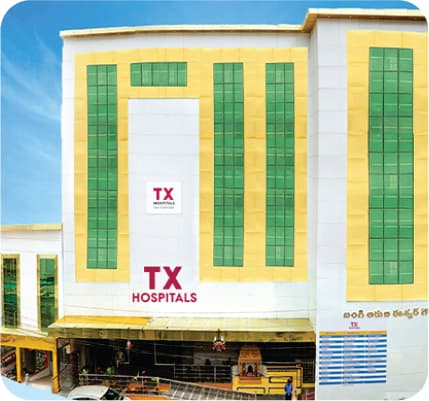
Tx Hospitals – Best Multispeciality Hospitals in Uppal, Hyderabad
- Beds
- 200
- Accreditation
- NABH
Neurosurgery at Tx Hospitals, Uppal
Neurosurgery at TX Hospitals, Uppal, Hyderabad, is relevant to patients seeking specialist evaluation for conditions affecting the brain, spine, spinal cord and peripheral nerves. Neurosurgical care may involve assessment of brain tumours, head injuries, spinal disc disorders, nerve compression, spinal conditions and other structural problems of the nervous system. Patients exploring neurosurgery in Hyderabad can use this page to understand common neurological conditions that may require surgical assessment, available treatment approaches, diagnostic investigations and the role of a neurosurgeon. Located in Uppal, TX Hospitals provides hospital services that include CT scanning, diagnostic support, emergency care and surgical facilities. Specific neurosurgical procedures, consultant availability and treatment arrangements should be confirmed directly with the hospital before scheduling an appointment.
Neurosurgery at TX Hospitals, Uppal, Hyderabad
Neurosurgery is a specialized branch of medicine concerned with diagnosing and treating conditions involving the brain, spinal cord, spine and peripheral nerves. It plays an important role in managing structural abnormalities, brain tumours, neurological injuries, spinal disorders, nerve compression and other conditions affecting the nervous system.
Patients may seek a neurosurgical opinion when they experience persistent neurological symptoms, have abnormal findings on brain or spine imaging, sustain a significant head or spinal injury, or receive a diagnosis that may require surgical evaluation.
For people looking for neurosurgery in Hyderabad, TX Hospitals, Uppal, is a local hospital option to explore for relevant specialist consultations and hospital-based evaluation. Patients can also explore hospitals in Uppal, Hyderabad to compare available hospital information, specialties and doctor profiles.
Understanding the underlying condition is the first step towards selecting appropriate care. Neurosurgery does not automatically mean an operation; some patients may benefit from observation, medication, rehabilitation or other non-surgical approaches.
Neurosurgery Services and Areas of Care
Neurosurgical care covers several areas involving the brain, spine and nervous system. The appropriate specialist assessment depends on the patient's symptoms, medical history, examination findings and diagnostic reports.
Brain and Cranial Neurosurgery
Brain-related neurosurgical conditions include structural abnormalities, selected brain tumours, fluid accumulation and certain disorders involving blood vessels within the brain.
Patients may require evaluation when imaging identifies an abnormal growth, bleeding, swelling or another condition affecting brain structures. The neurosurgeon assesses the findings and determines whether observation, further investigation or an intervention is appropriate.
Patients seeking additional information about neurological conditions can also explore Neurology and nervous system care.
Spine and Spinal Cord Care
Spinal neurosurgery focuses on conditions affecting the vertebral column, spinal cord and nerves that travel through the spine.
Common concerns include herniated discs, spinal canal narrowing, nerve compression, spinal injuries and selected spinal tumours. Patients experiencing persistent back pain accompanied by numbness, weakness or radiating pain may require specialist assessment.
Peripheral Nerve Conditions
Peripheral nerves carry signals between the brain, spinal cord and other parts of the body. Compression, injury or certain structural abnormalities can affect their functioning.
A specialist may evaluate persistent nerve pain, weakness, altered sensation or symptoms associated with nerve entrapment.
Conditions Treated Under Neurosurgery
Neurosurgeons evaluate a wide range of conditions. Whether a particular condition requires surgery depends on its severity, location, progression and effect on neurological function.
Brain Tumours
Brain tumours are abnormal growths of cells within or around the brain. They may be benign or malignant and can produce symptoms depending on their location and size.
Possible symptoms include persistent headaches, seizures, changes in vision, weakness, balance difficulties and changes in behaviour. MRI or CT imaging may help identify an abnormality. Further investigations determine the appropriate management approach.
Brain Haemorrhage and Cerebral Aneurysms
A brain haemorrhage occurs when bleeding develops within or around the brain. A cerebral aneurysm is an abnormal bulging of a blood vessel that can sometimes rupture and cause serious bleeding.
These conditions require prompt medical evaluation. Depending on the diagnosis, treatment may involve medical management, monitoring or specialist intervention.
Herniated Disc and Sciatica
A herniated disc develops when the inner material of an intervertebral disc protrudes through its outer covering. It may irritate or compress nearby nerves.
Symptoms can include lower back pain, neck pain, tingling, numbness or pain extending into the arms or legs. Sciatica commonly refers to pain associated with irritation of the sciatic nerve or its nerve roots.
Not every slipped disc requires surgery. Treatment decisions depend on symptoms, neurological findings and response to conservative care.
Spinal Stenosis
Spinal stenosis refers to narrowing of spaces within the spinal canal or around the nerves. It may cause back or neck discomfort, numbness, weakness and difficulty walking.
A specialist evaluates the extent of narrowing and whether it is affecting nerve function.
Hydrocephalus
Hydrocephalus develops when cerebrospinal fluid accumulates abnormally within the brain's fluid-filled spaces. It can increase pressure and affect normal brain function.
Symptoms vary by age and underlying cause. Diagnosis generally involves clinical evaluation and brain imaging. Management depends on the patient's condition and may require neurosurgical intervention.
Head and Spinal Injuries
Traumatic injuries can affect the skull, brain, vertebral bones or spinal cord. Serious injuries may result in bleeding, swelling, fractures or neurological impairment.
Patients with significant head or spinal injuries need timely emergency assessment. The need for neurosurgical treatment is determined by clinical examination and imaging.
Neurosurgery Treatments and Procedures
Neurosurgical treatment is individualized. A specialist considers the diagnosis, severity, location of the problem, overall health and potential benefits and risks before recommending an intervention.
The following are established treatment categories within neurosurgery; their availability at TX Hospitals, Uppal, must be confirmed.
Brain Tumour Surgery
Surgery may be considered for selected brain tumours to obtain tissue for diagnosis, reduce tumour size or remove the growth where safely possible.
The approach depends on tumour characteristics and its relationship with important brain structures. Some patients may require additional treatment such as radiation therapy or medical oncology care.
Craniotomy
A craniotomy is a surgical procedure in which a section of the skull is temporarily removed to provide access to the brain. It may be used for selected tumours, bleeding and other conditions requiring direct surgical access.
Spinal Decompression Surgery
Spinal decompression procedures aim to relieve pressure on the spinal cord or nerve roots.
Depending on the condition, procedures may include laminectomy or discectomy. The choice depends on the affected spinal level and the cause of compression.
Spinal Stabilisation and Fusion
Spinal fusion is a procedure used in selected cases to join two or more vertebrae to provide stability. It may be considered for certain spinal injuries, instability or degenerative conditions.
Aneurysm Treatment
Selected cerebral aneurysms may be managed through surgical clipping or endovascular coiling. The choice depends on aneurysm size, shape, location and the patient's overall clinical condition.
Other Neurosurgical Interventions
Depending on the diagnosis, other neurosurgical approaches may include treatment for hydrocephalus, selected epilepsy-related conditions, spinal tumours and peripheral nerve compression.
For additional information about the types of procedures described in neurosurgical practice, patients can refer to the Neurosurgery department overview.
Neurosurgery Diagnostic and Evaluation Services
Accurate diagnosis is essential before deciding whether neurosurgical treatment is required.
Common diagnostic approaches include:
- CT scan: Provides detailed cross-sectional images and is particularly useful in evaluating head injuries, suspected bleeding and certain structural abnormalities.
- MRI scan: Provides detailed images of the brain, spinal cord, discs and soft tissues. Availability should be confirmed.
- X-rays: May help assess spinal alignment, fractures and selected bone-related abnormalities.
- Neurological examination: Evaluates muscle strength, reflexes, sensation, coordination, balance and other neurological functions.
- Vascular imaging: May be recommended when a cerebral aneurysm or another blood-vessel abnormality is suspected.
- Laboratory investigations: May be required to assess general health and support treatment planning.
Not every patient requires all these investigations. The treating specialist selects tests according to the suspected condition.
Patients can also explore the multispeciality hospital directory in Hyderabad when comparing hospitals and their listed healthcare services.
When Should You See a Neurosurgery Specialist?
Consider a neurosurgical consultation when a doctor identifies a condition involving the brain, spinal cord or spine that may require specialist assessment.
Symptoms that may warrant evaluation include:
- Persistent or worsening back pain associated with numbness or weakness.
- Neck pain accompanied by radiating arm pain or altered sensation.
- Recurrent symptoms associated with a diagnosed spinal disc problem.
- Seizures requiring evaluation for a possible structural brain condition.
- Persistent headaches accompanied by other neurological symptoms.
- Abnormal findings on a brain or spinal imaging report.
- Weakness, coordination difficulties or changes in sensation.
- Symptoms following a significant head or spinal injury.
Recognise emergency warning signs: Sudden facial drooping, weakness on one side, difficulty speaking, loss of consciousness, a first seizure, or a sudden extremely severe headache may indicate a medical emergency. Seek immediate emergency care rather than waiting for a routine neurosurgical appointment.
For more information about urgent medical assessment, visit the Emergency Medicine department.
What to Expect During a Neurosurgery Consultation
A neurosurgical consultation helps determine the possible cause of symptoms and whether further investigation or treatment is required.
1. Medical History
The specialist reviews existing medical conditions, previous surgeries, current medication, allergies, previous injuries and relevant family history.
2. Discussion of Symptoms
Patients may be asked when symptoms began, how frequently they occur, whether they are progressing and how they affect daily activities.
3. Neurological Examination
Depending on the presenting concern, the doctor may assess muscle strength, reflexes, sensation, coordination, walking ability and other neurological functions.
4. Review of Diagnostic Reports
Previous CT scans, MRI reports, X-rays and other relevant investigations are reviewed. Additional tests may be recommended if necessary.
5. Treatment Planning
The specialist discusses appropriate options, which may include monitoring, medication, rehabilitation, further investigations or surgery.
6. Follow-up
Patients receive guidance about further consultations, additional investigations and monitoring. Those undergoing surgery may require post-operative assessments and rehabilitation.
Patients looking for relevant specialists can browse doctors and medical specialists listed on Siris Healthcare and explore the Neurosciences doctor directory.
Bringing previous medical records and imaging reports can make the consultation more productive.
Why Choose Neurosurgery Care at TX Hospitals, Uppal?
Choosing a hospital for neurosurgical evaluation involves more than considering its location. Patients should understand the hospital's relevant specialist availability, diagnostic capabilities, surgical arrangements and post-treatment support.
TX Hospitals, Uppal, is located in Bharath Nagar Colony and provides hospital services relevant to patient evaluation. Its branch-specific services and neurosurgical arrangements should be confirmed directly.
Before proceeding, patients should confirm the neurosurgeon's consultation schedule, the availability of the required procedure, admission arrangements, intensive care support and expected treatment costs.
A clear discussion about treatment alternatives, potential complications and recovery expectations is an important part of responsible neurosurgical care.
Neurosurgery Doctors and Specialists
A neurosurgeon is a specialist trained to evaluate and surgically manage conditions involving the brain, spine, spinal cord and peripheral nerves.
Depending on the condition, neurosurgical care may involve collaboration with:
- Neurologists: Diagnose and medically manage disorders affecting the nervous system.
- Radiologists: Interpret brain and spinal imaging.
- Anaesthesiologists: Support patients undergoing surgical procedures.
- Critical care specialists: Manage patients requiring intensive monitoring.
- Physiotherapists and rehabilitation professionals: Support mobility and functional recovery.
Patients looking for neurosurgery doctors in Hyderabad should review the specialist's qualifications, relevant surgical experience and clinical interests.
TX Hospitals maintains healthcare listings across its network. However, the current Uppal neurosurgeon roster, appointment slots and individual consultant affiliations should be confirmed directly before booking.
Neurosurgery Care in Hyderabad – Uppal
Uppal is an established residential and commercial area in eastern Hyderabad. Patients searching for a neurosurgery hospital in Hyderabad may prefer exploring care options closer to their homes, particularly when multiple consultations, diagnostic evaluations or follow-up visits are required.
TX Hospitals, Uppal, is situated in Bharath Nagar Colony, near Masjid Uppal, Hyderabad, Telangana – 500039.
Its location may be relevant to patients travelling from Uppal and surrounding localities, including Nagole, Boduppal, Ramanthapur, Habsiguda and Kothapet.
Patients should plan their visit based on the urgency of their symptoms, the appointment schedule and the type of specialist assessment required.
How to Choose the Right Neurosurgery Hospital or Specialist
Neurosurgical decisions can have important implications for mobility, independence and quality of life. Patients should take time to understand their diagnosis and compare appropriate treatment options.
Consider these factors when selecting a neurosurgery hospital in Hyderabad:
- Specialist qualifications: Check the neurosurgeon's recognised qualifications and experience with the specific condition.
- Relevant surgical experience: Brain surgery, spinal surgery and neurovascular procedures involve different areas of expertise.
- Diagnostic facilities: Confirm whether the hospital can arrange the imaging and investigations needed for your condition.
- Surgical infrastructure: Ask about operating theatre facilities and whether the required procedure is performed at that branch.
- Critical care support: For complex procedures, understand the availability of appropriate post-operative monitoring and intensive care.
- Multidisciplinary support: Some conditions require coordination between neurosurgeons, neurologists, oncologists and rehabilitation specialists.
- Treatment alternatives: Ask whether non-surgical management is reasonable and what the risks and benefits of each option may be.
- Recovery and follow-up: Understand the expected recovery process, rehabilitation requirements and follow-up schedule.
- Costs and insurance: Request an estimate covering consultation, investigations, admission, surgery and post-operative care where relevant.
- Communication: Choose a specialist who explains the diagnosis, treatment options, possible complications and expected outcomes clearly.
For patients who require rehabilitation following neurological conditions or surgery, Neurological Rehabilitation and Physical Rehabilitation provide additional information about recovery and functional support.
Frequently Asked Questions About Neurosurgery
1. What does a neurosurgeon treat?
A neurosurgeon evaluates and treats conditions affecting the brain, spine, spinal cord and peripheral nerves. These may include brain tumours, selected brain haemorrhages, spinal disc disorders, nerve compression, hydrocephalus and traumatic injuries.
2. When should I consult a neurosurgeon?
You may need a consultation if you have persistent neurological symptoms, spinal conditions causing nerve compression, abnormal brain or spine imaging findings, or a diagnosed condition that may require surgical assessment. Sudden neurological symptoms require emergency evaluation.
3. Does every slipped disc require surgery?
No. Many slipped discs improve with non-surgical treatment, depending on their severity and associated symptoms. Surgery may be considered when there is significant nerve compression, progressive neurological weakness or persistent symptoms despite appropriate treatment.
4. How are brain tumours diagnosed?
Evaluation commonly involves a neurological examination and imaging such as MRI or CT. In selected cases, a biopsy or surgical tissue sample may be required to identify the tumour type and guide further treatment.
5. What is the difference between neurology and neurosurgery?
Neurology primarily focuses on diagnosing and medically managing nervous system disorders. Neurosurgery focuses on surgical treatment of selected conditions affecting the brain, spine, spinal cord and nerves. The two specialties may work together.
6. What diagnostic tests may be required before neurosurgery?
Depending on the condition, a specialist may recommend CT scans, MRI, X-rays, vascular imaging, neurological examinations and laboratory investigations. The required tests vary between patients.
7. Is neurosurgery available at TX Hospitals, Uppal?
Patients should directly confirm current neurosurgeon availability and the specific procedures offered at the Uppal branch before booking.
8. How can I book a neurosurgery consultation at TX Hospitals, Uppal?
Contact the hospital to enquire about neurosurgery consultation availability, the relevant specialist, appointment timings and any preparation required. Confirm the appointment before visiting.
9. What should I bring to a neurosurgery appointment?
Bring previous CT or MRI reports, imaging discs where available, prescriptions, current medication details, relevant discharge summaries and records of previous treatments.
10. How long does recovery from neurosurgery take?
Recovery varies according to the procedure, underlying condition, general health and whether rehabilitation is required. The treating surgeon should provide an individualized recovery plan, including activity restrictions and follow-up requirements.
Medical information disclaimer: This page is intended for general patient education. It does not replace professional medical advice, diagnosis or treatment. Treatment suitability and service availability must be confirmed with the treating specialist and hospital.
Neurosurgery Treatments
Brain Tumor Surgery
Advanced treatment available at Tx Hospitals.
Aneurysm Clipping / Coiling
Advanced treatment available at Tx Hospitals.
Epilepsy Surgery
Advanced treatment available at Tx Hospitals.
Deep Brain Stimulation (dbs)
Advanced treatment available at Tx Hospitals.
Endoscopic Neurosurgery
Advanced treatment available at Tx Hospitals.
Frequently Asked Questions About Neurosurgery
What types of neurosurgery procedures are performed at Tx Hospitals?
We perform a wide range of neurosurgery procedures, from routine diagnostics to complex surgeries, using the latest medical technologies.
How can I book an appointment for Neurosurgery at Tx Hospitals?
You can book an appointment through the Siris Healthcare platform by clicking the "Get Free Estimate" button or contacting our 24/7 helpline.
Get Expert Neurosurgery Care at Tx Hospitals, Uppal
Schedule a consultation with our top specialists and get a personalized treatment plan with a free cost estimate.
Compare hospitals in Hyderabad
Compare the hospital details, specialties, doctor profiles and patient feedback currently listed for providers in Hyderabad.
| Hospital | Listed specialties | Doctor profiles | Rating | Reviews |
|---|---|---|---|---|
| Tx Hospitals Uppal | Cardiology, cardiothoracic, Vascular Surgery, Neurology, Neurosurgery, Gastroenterology, Surgical Oncology, Nephrology, Urology, Orthopaedics, Pulmonology, Oncology, Gynaecology, obstetrics, Paediatrics & Neonatology, ENT, Dermatology, Endocrinology, Internal Medicine, Laparoscopic surgeries, Rheumatology, Critical care | 5 | Not listed | Not listed |
| Aster Hospitals Ameerpet | Internal Medicine, Psychiatric, Physiotherapy, Radiology, Ultrasound Imaging, Anaesthesiology, Dermatology, ENT, Endocrinology, Diabetology, Emergency medicine, General Surgery, General Medicine, Radiation Oncology, Surgical Oncology, Medical Oncology, obstetrics, Gynaecology, Paediatrics & Neonatology, Pulmonology, Critical care, Nephrology, Urology, Neurosurgery, Neurology, Neurosciences, Orthopaedics, Gastroenterology, Gastro Sciences, Cardiology, Cardiac Sciences | No profiles listed | 4.5 / 5 | 212 |
| Bhoomi Hospitals Manikonda | General Medicine, General Surgery, Orthopaedics, Gynaecology, obstetrics, Paediatrics & Neonatology, Cardiology, Neurology, Urology, Gastroenterology, Pulmonology, Nephrology, Dermatology, ENT, Psychiatric, Plastic Surgery, Surgical Oncology, Endocrinology, cardiothoracic, Vascular Surgery, Laparoscopic surgeries | 5 | 4.5 / 5 | 220 |
| Care Hospitals Banjara Hills | Cardiology, Cardiac Diagnostics, cardiothoracic, Gastroenterology, Surgical Oncology, Oncology, Medical Oncology, Radiation Oncology, Neurology, Neurosurgery, Orthopaedics, Nephrology, Urology, Liver Transplantation, Pulmonology, Paediatrics & Neonatology, Paediatric Surgery, Critical care, General Medicine, General Surgery, Endocrinology, ENT, Emergency medicine, Vascular Surgery, Robotic Surgery, Woman & Child Institute, Interventional Radiology | No profiles listed | 4.5 / 5 | 199 |
| Citizens Specialty Hospital Nallagandla | Cardiology, cardiothoracic, Vascular Surgery, Neurology, Neurosurgery, Oncology, Medical Oncology, Bone Marrow Transplant, orthopedic, Gastroenterology, Nephrology, Urology, obstetrics, Gynecology, Pediatrics, Paediatrics & Neonatology, Pulmonology, General Surgery, Laparoscopic surgeries, Critical care, Emergency medicine, Endocrinology, ENT, Interventional Radiology | No profiles listed | 4.5 / 5 | 277 |
| Apollo Hospitals Jubilee Hills | Cardiology, Cardiac Diagnostics, Oncology, Neurology, Neurosurgery, Orthopaedics, Gastroenterology, Hepatology, Nephrology, Urology, Organ Transplantation, Critical care, Emergency medicine, Pulmonology, Gynaecology, Paediatrics & Neonatology, ENT, Bariatric Surgery, Colorectal Surgery, Internal Medicine, General Surgery | No profiles listed | 4.5 / 5 | 265 |
Hospital directory in Hyderabad
Browse hospital listings in Hyderabad, including providers around Uppal where listings are available.
Top Specialities at Tx Hospitals Uppal
- Neurosurgery Department
- Vascular Surgery Department
- Urology Department
- Paediatrics & Neonatology Department
- Nephrology Department
- Orthopaedics Department
- Rheumatology Department
- Dermatology Department
- Neurology Department
- obstetrics Department
- Pulmonology Department
- Endocrinology Department
- Oncology Department
- Gastroenterology Department
- Internal Medicine Department
- Surgical Oncology Department
- ENT Department
- Laparoscopic surgeries Department
- Critical care Department
- Cardiology Department
Best Hospitals in Hyderabad
Medical Services in India
Best Multispeciality Hospitals in Hyderabad
- Dr Aparna Khulbey Clinic Madhapur
- Aig Hospitals Gachibowli
- Eeshritha Skin & Hair Institute Madhapur
- Dr. Vamshi Gundeboina - Orthopaedic Doctor In Madhapur Madhapur
- Dr. Venky's Dental Jubilee Hills
- Avasa Hospitals Manikonda
- Amedico Diagnostics Jubilee Hills
- Dr. Kiran's Ent, Dental, General Hospital Madhapur
- Dentacare Dental Hospital Implant And Research Institute Madhapur
- Dfine Dental Clinic Gachibowli
- Cynord Cancer Centre Madhapur
- Dr. P. Siva Reddy Eye Hospital Gachibowli
- Ayyappa Healthcare Clinic Madhapur
- Digiclinix Diagnostics Gachibowli
- Butterflies Child Development Centre Gachibowli
- Dental Laser & Implant Centre Madhapur
- Dr. Sreedhar's Kidney Centre Mehdipatnam
- Aa Health Care Clinic Madhapur
- Anvitha Hospital Jubilee Hills
- Dr Kvr Diagnostic Clinic Jubilee Hills