
Neurology at Tx Hospitals, Uppal, Hyderabad
Explore Neurology services, treatments, diagnostic care and related doctors at Tx Hospitals.
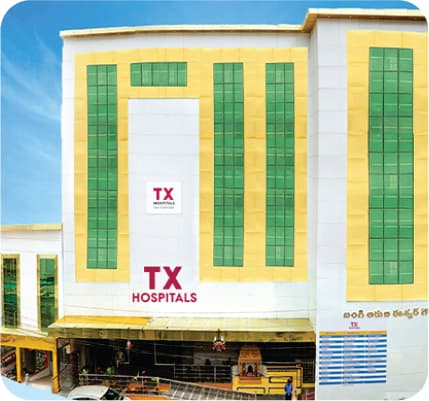
Tx Hospitals – Best Multispeciality Hospitals in Uppal, Hyderabad
- Beds
- 200
- Accreditation
- NABH
Neurology Care at TX Hospitals, Uppal
Neurology at TX Hospitals, Uppal, Hyderabad, focuses on the evaluation and management of conditions affecting the brain, spinal cord, peripheral nerves and muscles. Patients looking for neurological care in Hyderabad can explore information about specialist consultations, common neurological disorders, diagnostic investigations and available treatment approaches. The department's published service information covers concerns such as migraine, stroke, epilepsy, seizures, Parkinson's disease, tremors, memory difficulties and balance disorders. Patients can also learn about neurological investigations, including brain imaging and nerve-related tests, where clinically indicated. Whether you are experiencing recurring headaches, unexplained numbness, dizziness or changes in movement, a consultation with a qualified neurologist can help identify possible causes and guide appropriate care at TX Hospitals, Uppal.
Neurology at TX Hospitals, Uppal, Hyderabad
The brain, spinal cord and nerves form the body's communication network. They control movement, sensation, memory, speech, coordination and many essential functions. When something affects this system, symptoms may appear as persistent headaches, seizures, weakness, numbness, tremors, dizziness or changes in behaviour and memory.
Neurology is the medical specialty concerned with diagnosing and managing these conditions. Patients searching for a neurology hospital in Hyderabad or a neurologist in Uppal can explore neurological consultation and care information at TX Hospitals, Uppal. Learn more about neurology and its areas of care.
TX Hospitals, Uppal has a dedicated neurological care service covering conditions affecting the brain, spinal cord and nervous system. Patients can explore information about neurological conditions, specialist consultations, diagnostic investigations and treatment approaches. The appropriate services and treatment options should be confirmed with the hospital before an appointment.
Neurology Services and Areas of Care
Neurological conditions can affect people differently. Some require short-term evaluation and treatment, while others need regular consultations, medication monitoring and long-term management.
The major areas of neurological care include:
General Neurology: Assessment of symptoms affecting the brain, spinal cord, peripheral nerves and muscles, including unexplained weakness, altered sensation, coordination problems and recurring headaches.
Stroke and Cerebrovascular Care: Evaluation and management of conditions involving blood circulation to the brain. This includes identifying stroke symptoms, determining the type of stroke and planning appropriate medical or procedural treatment. Read more about stroke treatment and management.
Headache and Migraine Management: Evaluation of recurring headaches, migraine attacks, associated symptoms and possible triggers. Treatment may involve acute medicines, preventive approaches and lifestyle guidance. Explore migraine and headache treatment.
Epilepsy and Seizure Management: Assessment of recurrent seizures, episodes of altered awareness and other possible seizure-related symptoms. Treatment planning depends on the seizure type and underlying cause. Learn about epilepsy and seizure treatment.
Movement Disorders: Evaluation of tremors, stiffness, involuntary movements and difficulties with walking or coordination, including symptoms associated with Parkinson's disease.
Memory and Cognitive Disorders: Assessment of persistent memory difficulties, confusion and changes in thinking or everyday functioning.
Peripheral Nerve Disorders: Evaluation of numbness, tingling, burning sensations, nerve pain and muscle weakness.
Conditions Treated Under Neurology
Neurologists evaluate several conditions affecting the central and peripheral nervous systems. Some of the important conditions associated with neurological care include:
Migraine and Chronic Headaches
Migraine is a neurological condition that can cause recurring headaches, sometimes accompanied by nausea, vomiting and sensitivity to light or sound. Headache patterns vary, and not every headache has the same cause.
A specialist may review the frequency, duration, severity and associated symptoms of headaches before recommending treatment. Patients can explore migraine and headache management to understand available treatment approaches.
Stroke and Cerebrovascular Disorders
A stroke occurs when blood supply to part of the brain is interrupted or when bleeding occurs within or around the brain. It can result in sudden weakness, facial drooping, difficulty speaking, visual changes or loss of coordination.
Stroke is a medical emergency. Sudden symptoms require immediate emergency assessment rather than waiting for a routine neurology appointment. Learn more about stroke treatment and management.
Epilepsy and Seizure Disorders
Epilepsy is a neurological condition characterised by a tendency to experience recurrent unprovoked seizures. Seizures may involve uncontrolled movements, changes in awareness, unusual sensations or brief episodes of altered behaviour.
Evaluation may involve reviewing seizure history, neurological examination, EEG and brain imaging when indicated. Explore epilepsy and seizure treatment.
Parkinson's Disease and Movement Disorders
Parkinson's disease affects movement and may cause tremors, stiffness, slowed movements and balance difficulties. Other movement disorders can also produce involuntary movements or changes in muscle control.
Management is based on symptoms, disease progression and individual needs. Read about Parkinson's disease treatment.
Alzheimer's Disease and Dementia
Alzheimer's disease is a progressive neurological condition that affects memory and thinking. Dementia is a broader term describing a decline in cognitive abilities that interferes with daily activities.
Neurological evaluation can help assess memory changes, identify possible contributing conditions and guide further management. More information is available under Alzheimer's and dementia care.
Peripheral Neuropathy and Nerve Disorders
Peripheral neuropathy involves damage or dysfunction of nerves outside the brain and spinal cord. Symptoms may include tingling, numbness, burning pain, reduced sensation and weakness, particularly in the hands and feet.
Possible causes include diabetes, nutritional deficiencies, certain medicines and other medical conditions. Explore neuropathy and nerve disorder treatment.
Other Neurological Conditions
Neurological evaluation may also be relevant for:
- Multiple sclerosis and other inflammatory neurological disorders.
- Neuromuscular disorders affecting muscles and nerve communication.
- Vertigo and balance disorders.
- Tremors and coordination difficulties.
- Brain and spinal cord tumours.
- Memory and cognitive impairment.
Patients can learn more about multiple sclerosis treatment, brain and spinal cord tumour management and neuromuscular disorder treatment.
Neurology Treatments and Procedures
Neurological treatment depends on the diagnosis, severity of symptoms, medical history and overall health of the patient. Not every patient requires a procedure or surgery. Many neurological conditions can be managed through medication, monitoring and appropriate lifestyle modifications.
Common treatment categories include:
Medication-based treatment: Medicines may be prescribed for migraine, epilepsy, Parkinson's disease, neuropathic pain and other neurological conditions. The choice and dosage depend on individual clinical requirements.
Stroke treatment: Depending on stroke type and eligibility, treatment may involve clot-dissolving medicines, mechanical thrombectomy, blood-pressure management or other medical interventions.
Movement disorder management: Treatment may include medication, symptom monitoring and selected specialist procedures for appropriate patients.
Epilepsy management: Anti-seizure medicines are commonly used. Patients with drug-resistant epilepsy may be evaluated for additional options, including surgery or neurostimulation where appropriate.
Neuro-interventional procedures: Selected cerebrovascular conditions may require procedures such as cerebral angioplasty, stenting or aneurysm treatment. These require specialist assessment.
Neurosurgical treatment: Certain brain, spinal cord and nerve conditions may require surgical evaluation by a neurosurgeon rather than a neurologist alone.
TX Hospitals' published Uppal neurology information lists treatment areas including mechanical thrombectomy, cerebral angioplasty and stenting, carotid endarterectomy, brain aneurysm clipping and coiling, vagus nerve stimulation and deep brain stimulation. Actual availability, branch-specific arrangements and patient eligibility must be confirmed directly with the hospital.
For patients requiring rehabilitation following neurological illness, explore neurorehabilitation and stroke rehabilitation.
Neurology Diagnostic and Evaluation Services
Accurate diagnosis is essential for selecting an appropriate treatment plan. A neurologist may recommend investigations based on the patient's symptoms, physical examination and medical history.
The diagnostic investigations that may be relevant to neurological evaluation include:
- MRI Brain and Spine: Provides detailed images of the brain and spinal structures and may help investigate certain neurological conditions.
- CT Scan: Produces cross-sectional images and is particularly important in evaluating suspected acute stroke, head injuries and other urgent conditions.
- EEG (Electroencephalogram): Records electrical activity in the brain and may help investigate seizures and epilepsy.
- EMG (Electromyography): Evaluates electrical activity in muscles and can help investigate certain nerve and muscle disorders.
- Nerve Conduction Study: Measures how electrical signals travel through peripheral nerves and may help assess neuropathy.
- Carotid Doppler: Uses ultrasound to assess blood flow through the carotid arteries supplying the brain.
- Memory and Cognitive Assessment: Helps evaluate changes in memory, attention and other thinking abilities.
- Balance and Coordination Evaluation: Assesses difficulties involving movement, stability and coordination.
- Blood Tests: May help identify metabolic, nutritional, inflammatory or other underlying contributors to neurological symptoms.
Not every patient needs all these investigations. The treating specialist determines which tests are appropriate. Patients can also explore Siris Healthcare's diagnostic services for more information.
When Should You See a Neurology Specialist?
Consider arranging a neurological consultation if you experience persistent, recurring or unexplained symptoms such as:
- Frequent or severe headaches.
- Recurrent seizures or episodes of lost awareness.
- Tingling, numbness or burning sensations in the limbs.
- Unexplained muscle weakness.
- Tremors or involuntary movements.
- Persistent dizziness or vertigo.
- Difficulty maintaining balance or walking.
- Changes in memory or concentration.
- Unexplained changes in speech or coordination.
- Symptoms that develop after a head injury.
When is neurological care an emergency?
Sudden facial drooping, weakness or numbness on one side of the body, difficulty speaking, sudden vision loss, severe unexplained headache or sudden loss of coordination may indicate a stroke or another serious neurological emergency.
Seek immediate emergency medical attention. Do not delay care while arranging a routine specialist consultation.
What to Expect During a Neurology Consultation
A neurological consultation generally follows a structured evaluation process.
1. Medical history: The specialist asks about previous illnesses, medications, family history and existing health conditions.
2. Symptom discussion: Patients may be asked when symptoms started, how frequently they occur, how long they last and whether anything makes them better or worse.
3. Neurological examination: Depending on the complaint, the doctor may assess muscle strength, reflexes, sensation, balance, coordination, speech, memory and eye movements.
4. Diagnostic investigations: If necessary, the doctor may recommend imaging, EEG, EMG, nerve conduction studies or blood tests.
5. Treatment planning: After reviewing the findings, the specialist discusses possible diagnoses, treatment choices, medication requirements and additional referrals where necessary.
6. Follow-up: Patients with ongoing neurological conditions may need regular reviews to monitor symptoms, treatment response and changes in their health.
Bringing previous medical reports and a list of current medicines can help make the consultation more productive.
Why Consider Neurology Care at TX Hospitals, Uppal?
When comparing neurology hospitals in Hyderabad, patients should look beyond general hospital rankings and consider the specific clinical support relevant to their condition.
TX Hospitals, Uppal is listed on Siris Healthcare as a multispecialty hospital with a dedicated neurology service. Its published neurological care information covers conditions affecting the brain, spinal cord and nervous system, including stroke, seizures and other neurological disorders.
The hospital's published profile also describes diagnostic support, CT scan services, ICU care, emergency services and surgical departments. These details may be relevant when patients are evaluating care for neurological symptoms that require further investigation or urgent assessment.
Other important considerations include:
- Availability of a qualified neurologist for the required consultation.
- Access to relevant diagnostic investigations.
- Clear explanations of the diagnosis and treatment options.
- Coordination with neurosurgery or other specialties when required.
- Follow-up arrangements for long-term conditions.
- Transparent information about consultation fees and treatment costs.
- Emergency assessment arrangements for acute neurological symptoms.
Patients should confirm the availability of specific doctors, procedures, diagnostic tests and facilities with TX Hospitals, Uppal before making a treatment decision.
Neurology Doctors and Specialists at TX Hospitals, Uppal
A neurologist is a medical specialist trained to diagnose and manage disorders affecting the brain, spinal cord, peripheral nerves and muscles.
Siris Healthcare currently lists neurologists associated with TX Hospitals, Uppal, including:
- Dr. K. Amareshwar Rao – Consultant Neurologist. His listed qualifications include MBBS, MD and DM (Neurology).
- Dr. Ashwini Goli – Consultant Neurologist. Her listed qualifications include MBBS, MD (Paediatrics) and DrNB (Neurology).
- Dr. A. Goutami Priyadarsani – Neurologist.
Depending on the condition, neurological care may also involve neurosurgeons, radiologists, rehabilitation professionals and other medical specialists.
Doctor availability, consultation schedules and current hospital affiliations should be confirmed before booking. Patients can explore the neurology specialty page for additional information about neurological conditions, treatments and specialists.
Neurology Care in Uppal, Hyderabad
For patients living in Uppal and surrounding parts of eastern Hyderabad, finding specialist care closer to home can make consultations and follow-up visits more convenient.
TX Hospitals, Uppal is located at:
2-6-71, Bharath Nagar Colony, Near Masjid, Uppal, Hyderabad, Telangana – 500039, India.
The hospital is listed as a multispecialty facility. Its location may be relevant for patients from Uppal, Nagole, Boduppal, Ramanthapur, Habsiguda and Kothapet who are exploring neurological consultations in the area.
People searching for a neurologist near Uppal can compare specialist availability, diagnostic requirements, appointment schedules and treatment options before choosing a hospital. Explore hospitals in Uppal, Hyderabad to learn more about local healthcare options.
How to Choose the Right Neurology Hospital or Specialist
Choosing a neurological healthcare provider requires consideration of both the medical condition and the support needed during diagnosis and treatment.
Check specialist qualifications: Look for a neurologist with appropriate medical qualifications and experience relevant to your condition.
Understand diagnostic capabilities: Ask whether the investigations recommended for your condition are available at the hospital or through an appropriate referral arrangement.
Review treatment options: Different neurological conditions may require medicines, monitoring, rehabilitation or procedures. Understand which options are relevant to your diagnosis.
Consider multidisciplinary support: Complex conditions may require coordination between neurologists, neurosurgeons, radiologists, physiotherapists and other specialists.
Ask about emergency care: For conditions such as stroke, knowing the hospital's emergency assessment and treatment arrangements is particularly important.
Understand follow-up requirements: Chronic neurological conditions may need regular reviews, medication adjustments and ongoing symptom monitoring.
Discuss costs and convenience: Confirm consultation charges, investigation costs, insurance arrangements and appointment availability before proceeding.
A suitable hospital should be able to explain the care process clearly and help patients make informed decisions without promising specific outcomes.
Frequently Asked Questions About Neurology
1. What does a neurologist treat?
A neurologist diagnoses and manages conditions affecting the brain, spinal cord, nerves and muscles. Common concerns include migraine, epilepsy, stroke, Parkinson's disease, neuropathy, tremors, memory disorders and balance difficulties.
2. When should I consult a neurologist in Uppal?
Consider consulting a neurologist if you experience persistent headaches, recurrent seizures, unexplained numbness, muscle weakness, tremors, dizziness, memory changes or difficulty with coordination. Sudden stroke-like symptoms require immediate emergency care.
3. Does TX Hospitals, Uppal provide neurology consultations?
TX Hospitals, Uppal publishes a dedicated neurology service page covering neurological evaluation and management. Contact the hospital to confirm current neurologist availability and appointment timings.
4. What neurological conditions are covered under neurology?
Neurology covers conditions such as migraine, epilepsy, stroke, Parkinson's disease, Alzheimer's disease, dementia, multiple sclerosis, peripheral neuropathy, neuromuscular disorders and balance-related problems.
5. Which tests may be recommended during a neurology evaluation?
Depending on the symptoms, a neurologist may recommend MRI, CT scan, EEG, EMG, nerve conduction studies, carotid Doppler, blood tests or cognitive assessments. The required investigations differ between patients.
6. Can migraine be managed by a neurologist?
Yes. Neurologists can evaluate recurring migraines, identify possible triggers and recommend suitable acute or preventive treatment. The management plan depends on attack frequency, severity and individual medical history.
7. What is the difference between a neurologist and a neurosurgeon?
A neurologist primarily diagnoses and medically manages neurological conditions. A neurosurgeon specialises in surgical treatment of selected conditions affecting the brain, spine and nervous system. Some patients may need input from both specialists.
8. Is sudden numbness or weakness a reason to visit a neurologist?
Sudden weakness or numbness, particularly on one side of the body, may be a warning sign of stroke. Seek emergency medical attention immediately instead of waiting for a routine neurology appointment.
9. How can I book a neurology consultation at TX Hospitals, Uppal?
Patients can contact TX Hospitals directly or enquire through Siris Healthcare to check available neurologists, consultation timings and appointment options. Confirm the appointment before visiting.
10. What should I bring to my first neurology appointment?
Bring previous medical reports, scan results, blood test reports, prescriptions and a list of current medicines. It may also help to note when symptoms started, how often they occur and any changes you have noticed.
Neurology Doctors at Tx Hospitals, Uppal
Consult with our highly experienced experts at Tx Hospitals.
 Neurology
Dr. K. Amareshwar Rao
 Neurology
Dr. Ashwini Goli
Dr. A. Goutami Priyadarsani
Neurology Treatments
Stroke Treatment & Management
Advanced treatment available at Tx Hospitals.
Epilepsy & Seizure Treatment
Advanced treatment available at Tx Hospitals.
Migraine & Headache Treatment
Advanced treatment available at Tx Hospitals.
Parkinson's Disease Treatment
Advanced treatment available at Tx Hospitals.
Alzheimer's & Dementia Care
Advanced treatment available at Tx Hospitals.
Multiple Sclerosis Treatment
Advanced treatment available at Tx Hospitals.
Brain & Spinal Cord Tumor Management
Advanced treatment available at Tx Hospitals.
Neuropathy & Nerve Disorder Treatment
Advanced treatment available at Tx Hospitals.
Neuromuscular Disorder Treatment
Advanced treatment available at Tx Hospitals.
Neurorehabilitation & Stroke Rehabilitation
Advanced treatment available at Tx Hospitals.
Frequently Asked Questions About Neurology
What types of neurology procedures are performed at Tx Hospitals?
We perform a wide range of neurology procedures, from routine diagnostics to complex surgeries, using the latest medical technologies.
How can I book an appointment for Neurology at Tx Hospitals?
You can book an appointment through the Siris Healthcare platform by clicking the "Get Free Estimate" button or contacting our 24/7 helpline.
Get Expert Neurology Care at Tx Hospitals, Uppal
Schedule a consultation with our top specialists and get a personalized treatment plan with a free cost estimate.
Compare hospitals in Hyderabad
Compare the hospital details, specialties, doctor profiles and patient feedback currently listed for providers in Hyderabad.
| Hospital | Listed specialties | Doctor profiles | Rating | Reviews |
|---|---|---|---|---|
| Tx Hospitals Uppal | Cardiology, cardiothoracic, Vascular Surgery, Neurology, Neurosurgery, Gastroenterology, Surgical Oncology, Nephrology, Urology, Orthopaedics, Pulmonology, Oncology, Gynaecology, obstetrics, Paediatrics & Neonatology, ENT, Dermatology, Endocrinology, Internal Medicine, Laparoscopic surgeries, Rheumatology, Critical care | 5 | Not listed | Not listed |
| Aster Hospitals Ameerpet | Internal Medicine, Psychiatric, Physiotherapy, Radiology, Ultrasound Imaging, Anaesthesiology, Dermatology, ENT, Endocrinology, Diabetology, Emergency medicine, General Surgery, General Medicine, Radiation Oncology, Surgical Oncology, Medical Oncology, obstetrics, Gynaecology, Paediatrics & Neonatology, Pulmonology, Critical care, Nephrology, Urology, Neurosurgery, Neurology, Neurosciences, Orthopaedics, Gastroenterology, Gastro Sciences, Cardiology, Cardiac Sciences | No profiles listed | 4.5 / 5 | 212 |
| Bhoomi Hospitals Manikonda | General Medicine, General Surgery, Orthopaedics, Gynaecology, obstetrics, Paediatrics & Neonatology, Cardiology, Neurology, Urology, Gastroenterology, Pulmonology, Nephrology, Dermatology, ENT, Psychiatric, Plastic Surgery, Surgical Oncology, Endocrinology, cardiothoracic, Vascular Surgery, Laparoscopic surgeries | 5 | 4.5 / 5 | 220 |
| Care Hospitals Banjara Hills | Cardiology, Cardiac Diagnostics, cardiothoracic, Gastroenterology, Surgical Oncology, Oncology, Medical Oncology, Radiation Oncology, Neurology, Neurosurgery, Orthopaedics, Nephrology, Urology, Liver Transplantation, Pulmonology, Paediatrics & Neonatology, Paediatric Surgery, Critical care, General Medicine, General Surgery, Endocrinology, ENT, Emergency medicine, Vascular Surgery, Robotic Surgery, Woman & Child Institute, Interventional Radiology | No profiles listed | 4.5 / 5 | 199 |
| Citizens Specialty Hospital Nallagandla | Cardiology, cardiothoracic, Vascular Surgery, Neurology, Neurosurgery, Oncology, Medical Oncology, Bone Marrow Transplant, orthopedic, Gastroenterology, Nephrology, Urology, obstetrics, Gynecology, Pediatrics, Paediatrics & Neonatology, Pulmonology, General Surgery, Laparoscopic surgeries, Critical care, Emergency medicine, Endocrinology, ENT, Interventional Radiology | No profiles listed | 4.5 / 5 | 277 |
| Apollo Hospitals Jubilee Hills | Cardiology, Cardiac Diagnostics, Oncology, Neurology, Neurosurgery, Orthopaedics, Gastroenterology, Hepatology, Nephrology, Urology, Organ Transplantation, Critical care, Emergency medicine, Pulmonology, Gynaecology, Paediatrics & Neonatology, ENT, Bariatric Surgery, Colorectal Surgery, Internal Medicine, General Surgery | No profiles listed | 4.5 / 5 | 265 |
Hospital directory in Hyderabad
Browse hospital listings in Hyderabad, including providers around Uppal where listings are available.
Top Specialities at Tx Hospitals Uppal
- Critical care Department
- cardiothoracic Department
- Dermatology Department
- Surgical Oncology Department
- obstetrics Department
- Orthopaedics Department
- Laparoscopic surgeries Department
- ENT Department
- Oncology Department
- Cardiology Department
- Internal Medicine Department
- Gastroenterology Department
- Neurosurgery Department
- Urology Department
- Endocrinology Department
- Gynaecology Department
- Paediatrics & Neonatology Department
- Neurology Department
- Rheumatology Department
- Pulmonology Department
Best Hospitals in Hyderabad
Medical Services in India
Best Multispeciality Hospitals in Hyderabad
- Apollo Diagnostics Jubilee Hills Jubilee Hills
- Aig Hospitals Gachibowli
- Aruna Clinic Madhapur
- Dr Naveen Reddy Hospital Madhapur
- Avasa Hospitals Manikonda
- Dr Ashutosh Chakraborty, Homeo Care And Cure Gachibowli
- Butterflies Child Development Centre Gachibowli
- Amedico Diagnostics Jubilee Hills
- Cynord Cancer Centre Madhapur
- Align Hospital Gachibowli
- Dentacare Dental Hospital Implant And Research Institute Madhapur
- Dental Laser & Implant Centre Madhapur
- Dr. Vamshi Gundeboina - Orthopaedic Doctor In Madhapur Madhapur
- Arogyavardhini Madhapur
- Ashwini Ayurvedic Center Gachibowli
- Atreya Diagnostic Centre Madhapur
- Dr Aparna Khulbey Clinic Madhapur
- Aira Medclinics Madhapur
- Dr. Kiran's Ent, Dental, General Hospital Madhapur
- Dr. P. Siva Reddy Eye Hospital Gachibowli