
Vascular Surgery at Medicover Hospitals, Mvp Colony, Visakhapatnam
Explore Vascular Surgery services, treatments, diagnostic care and related doctors at Medicover Hospitals.
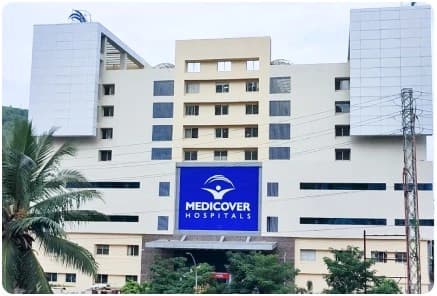
Medicover Hospitals – Best in Mvp Colony, Visakhapatnam
- Beds
- 700
- Accreditation
- NABH Accredited
- Established
- 2020
Vascular Surgery at Medicover Hospitals
Vascular Surgery at Medicover Hospitals, Visakhapatnam, focuses on conditions affecting the arteries, veins and other blood vessels. Patients looking for vascular surgery in Visakhapatnam can explore specialist consultation, clinical evaluation, vascular imaging, endovascular treatment and surgical options based on their individual diagnosis. Common areas of care include peripheral arterial disease, varicose veins, deep vein thrombosis, aneurysms, carotid artery disease, vascular trauma and other circulation-related disorders. Located in the MVP area of Visakhapatnam, the hospital provides access to a multidisciplinary healthcare setting where vascular specialists can coordinate with other medical and surgical teams when required. This page helps patients understand vascular conditions, possible procedures, diagnostic evaluation and what to expect from a vascular surgery consultation.
Vascular Surgery at Medicover Hospitals, Visakhapatnam
Vascular Surgery is a specialised field of medicine concerned with diseases and disorders affecting the body's blood vessels, particularly arteries and veins outside the heart and brain. Vascular surgeons evaluate problems involving blood flow, circulation, blood clots, aneurysms, narrowed or blocked arteries, venous disease and vascular injuries.
At Medicover Hospitals in Visakhapatnam, the vascular and endovascular service covers evaluation and management of a range of arterial and venous conditions. Patients may be assessed for both conventional surgical treatment and minimally invasive endovascular approaches, depending on the location and severity of the vascular problem.
For someone searching for a vascular surgery hospital in Visakhapatnam, the important consideration is not simply whether a procedure is available. The right treatment depends on an accurate diagnosis, the patient's overall health, the affected blood vessel and the potential risks of leaving the condition untreated.
The Medicover Hospitals unit serving the MVP area is located at New Venkojipalem, MVP Sector 6, NH16, near HP Petrol Bunk. The hospital's vascular service can be relevant to patients seeking vascular specialist consultation and treatment in the Visakhapatnam area.
Vascular Surgery Services and Areas of Care
Vascular care can involve medical management, minimally invasive intervention, open surgery, surveillance or a combination of approaches. The treatment pathway depends on the underlying vascular condition.
Major areas of vascular care include:
Arterial Disease
Arterial disorders occur when blood flow through an artery becomes restricted or abnormal. Peripheral arterial disease, for example, can reduce circulation to the legs and may cause pain while walking, cold feet, skin changes or, in advanced cases, wounds that do not heal properly.
Venous Disorders
Vascular specialists also manage problems involving veins. Varicose veins, chronic venous insufficiency and deep vein thrombosis are among the conditions that may require specialist assessment.
Aneurysms
An aneurysm is an abnormal enlargement or weakening of a blood vessel. Aortic aneurysms require careful evaluation because their management depends on factors such as location, size, growth and the patient's overall health.
Carotid and Other Vascular Conditions
Disease affecting the carotid arteries can reduce blood flow to the brain and may be associated with stroke risk. Appropriate assessment is important when carotid artery narrowing is suspected.
Vascular Trauma
Injuries involving major blood vessels can require urgent assessment and treatment to control bleeding and restore circulation.
Conditions Treated Under Vascular Surgery
Vascular surgeons evaluate a broad range of circulation-related conditions. Some commonly managed conditions include:
Peripheral Arterial Disease
Peripheral arterial disease occurs when arteries supplying the limbs become narrowed or blocked, commonly because of atherosclerosis. Symptoms may include leg pain during walking, reduced exercise tolerance, numbness, cold extremities or slow-healing wounds.
Varicose Veins and Chronic Venous Insufficiency
Varicose veins are enlarged, twisted veins that commonly appear in the legs. Chronic venous insufficiency can cause leg swelling, heaviness, discomfort, skin changes and, in some cases, venous ulcers.
Deep Vein Thrombosis
Deep vein thrombosis, or DVT, occurs when a blood clot forms in a deep vein, most often in the leg. Sudden swelling, pain, warmth or tenderness in one limb should be medically assessed. A suspected DVT can require prompt evaluation because a clot can potentially travel to the lungs.
Aortic Aneurysm
An abdominal or thoracic aortic aneurysm involves enlargement of a section of the aorta. Some aneurysms cause no symptoms and are identified during imaging, while others can present with pain or other symptoms.
Carotid Artery Disease
Carotid artery narrowing may reduce blood flow to the brain. Symptoms such as sudden weakness, facial drooping, difficulty speaking or temporary vision changes require urgent medical attention rather than waiting for a routine appointment.
Vascular Trauma
Blood vessel injuries associated with accidents, penetrating injuries or other trauma may require immediate specialist intervention.
Diabetic Vascular Complications
Diabetes can contribute to vascular disease and impaired circulation, particularly in the lower limbs. Patients with diabetes who develop persistent foot wounds, discoloration, swelling, reduced sensation or other concerning changes may require vascular evaluation.
Vascular Surgery Treatments and Procedures
Treatment is selected after considering the patient's diagnosis, symptoms, circulation, imaging findings and overall medical condition.
Depending on the clinical situation, vascular treatment may include:
- Endovascular reconstruction
- Angioplasty and vascular stenting
- Peripheral artery bypass surgery
- Aortic aneurysm repair
- Carotid angioplasty and stenting
- Endovenous laser therapy
- Radiofrequency ablation for selected venous conditions
- Renal artery angioplasty or bypass procedures
- IVC filter placement and retrieval
- Thrombectomy or other clot-directed interventions when clinically appropriate
- Thoracic outlet decompression
- Vascular trauma repair
The Medicover Hospitals vascular service lists procedures including aneurysm repair, endovascular reconstruction, carotid angioplasty and stenting, laser therapy, radiofrequency ablation, bypass procedures and IVC filter-related procedures.
Not every procedure is appropriate for every patient. Open vascular surgery and endovascular treatment have different indications, benefits and risks. A vascular specialist can explain which approach is suitable after reviewing the patient's clinical and imaging findings.
Vascular Surgery Diagnostic and Evaluation Services
Accurate diagnosis is a key part of vascular care. A vascular consultation may involve a physical examination followed by targeted diagnostic testing.
Depending on the suspected condition, evaluation may include:
- Vascular Doppler or duplex ultrasound
- CT-based vascular imaging
- Angiography
- Clinical examination of pulses and circulation
- Assessment of swelling, skin changes and wounds
- Blood tests when relevant to the patient's condition
- Additional imaging or specialist investigations when required
Doppler testing can help assess blood flow through vessels, while CT and angiographic studies may provide more detailed information about blockages, narrowing, aneurysms or other vascular abnormalities.
The appropriate diagnostic pathway depends on the patient's symptoms and medical history. A specialist may recommend further testing when initial findings require clarification.
When Should You See a Vascular Surgery Specialist?
Consider seeking a vascular specialist evaluation when you experience persistent or unexplained circulation-related symptoms, particularly when they affect daily activities or progressively worsen.
Symptoms or concerns that may warrant assessment include:
- Leg pain or cramping while walking
- Persistent leg swelling
- Prominent or painful varicose veins
- Non-healing wounds on the feet or legs
- Changes in skin colour or temperature
- Coldness or numbness in an extremity
- Sudden swelling and pain in one leg
- Symptoms associated with known peripheral artery disease
- A known aneurysm requiring monitoring
- Previous vascular procedures or vascular injuries
- Circulation problems associated with diabetes
Sudden severe limb pain, loss of sensation, marked colour change, uncontrolled bleeding or symptoms suggestive of stroke require urgent medical attention.
What to Expect During a Vascular Surgery Consultation
A vascular consultation usually begins with a discussion of your symptoms, medical history and risk factors. Tell the specialist about previous vascular problems, diabetes, hypertension, smoking history, medications, previous surgeries and any relevant imaging or laboratory reports.
The consultation may include:
- Medical history: The specialist asks about symptoms, when they began and whether they are changing.
- Physical examination: The doctor may examine pulses, skin changes, swelling, wounds and other signs of circulation problems.
- Diagnostic evaluation: Vascular Doppler, CT imaging, angiography or other tests may be recommended depending on the suspected condition.
- Diagnosis discussion: The specialist explains the findings and what they may mean for your circulation.
- Treatment planning: Options may include observation, medication-based management, minimally invasive intervention or surgery.
- Follow-up: Monitoring, wound care, lifestyle measures, repeat imaging or post-procedure review may be recommended.
Patients should feel comfortable asking about the purpose of a recommended procedure, possible alternatives, expected recovery and warning signs that require medical attention.
Why Choose Vascular Surgery Care at Medicover Hospitals?
When selecting vascular care, patients should look for appropriate specialist expertise, reliable diagnostic evaluation, access to relevant treatment options and coordinated follow-up.
Medicover Hospitals, Visakhapatnam, lists vascular and endovascular surgery among its available specialties. Its official vascular service information also describes access to diagnostic tools such as Doppler studies, CT imaging and angiography, along with vascular procedures including angioplasty, stenting, aneurysm repair, bypass surgery and selected minimally invasive venous treatments.
The hospital also describes multidisciplinary support for complex vascular cases. This can be important when a patient's vascular condition occurs alongside cardiac, neurological, diabetic or other medical problems.
Patients should confirm the availability and suitability of a particular procedure, specialist and facility at the time of consultation because treatment requirements vary between individuals.
Vascular Surgery Doctors and Specialists
Vascular surgery is performed by specialists trained to diagnose and treat disorders of arteries, veins and other blood vessels. Depending on the problem, patients may also interact with interventional radiologists, cardiothoracic surgeons, neurologists, diabetologists, critical-care specialists or other members of a multidisciplinary team.
Medicover Hospitals' current Visakhapatnam listings include Dr. S. S. Amarendra Babu, Consultant Vascular and Endovascular Surgeon, with qualifications listed as MBBS, MS (General Surgery) and DrNB (Vascular and Endovascular Surgery). The hospital also lists vascular-related specialists including Dr. Sandeep Botcha in Interventional Radiology.
Doctor availability, consultation timings and services can change, so patients should verify the current schedule before planning an appointment.
Vascular Surgery Care in Visakhapatnam
For patients searching for vascular surgery in Visakhapatnam, local access can make specialist evaluation and follow-up more convenient, particularly when a condition requires multiple visits, repeat imaging or post-procedure monitoring.
Medicover Hospitals' vascular service is located in the MVP area, at New Venkojipalem, MVP Sector 6, NH16, near HP Petrol Bunk. This makes the department relevant to patients specifically searching for vascular specialists or vascular treatment around MVP Colony and other parts of Visakhapatnam.
When choosing a vascular hospital near you, consider travel time, appointment availability, access to appropriate diagnostic services, specialist expertise, emergency arrangements where relevant and the ability to coordinate follow-up care.
How to Choose the Right Vascular Surgery Hospital or Specialist
Choosing a vascular specialist should be based on your particular medical requirement rather than a generic ranking.
Consider asking:
- Does the specialist routinely manage the condition I have been diagnosed with?
- What diagnostic tests are available if further evaluation is required?
- Is the recommended treatment open surgery, endovascular treatment or another approach?
- What are the potential benefits and risks?
- Will other specialists need to be involved?
- What follow-up and monitoring will be required?
- Where will emergency care be provided if a complication occurs?
- What should I expect during recovery?
- Are the specialist's current consultation timings convenient?
- Does the hospital provide the relevant support services for my medical needs?
For complex vascular disease, coordinated care can be particularly important because circulation problems may coexist with diabetes, hypertension, kidney disease, heart disease or other conditions.
Frequently Asked Questions About Vascular Surgery
1. What does a vascular surgeon treat?
A vascular surgeon treats diseases affecting blood vessels, particularly arteries and veins outside the heart and brain. Conditions may include peripheral arterial disease, aneurysms, varicose veins, deep vein thrombosis, carotid disease and vascular trauma.
2. When should I see a vascular surgeon?
Persistent leg pain while walking, unexplained limb swelling, non-healing wounds, significant varicose veins, circulation problems or a known vascular condition may require specialist evaluation. Sudden severe symptoms should be treated as an emergency.
3. What is vascular and endovascular surgery?
Vascular surgery includes conventional surgical procedures on blood vessels, while endovascular procedures are performed from inside the blood vessels using techniques such as catheters, angioplasty and stenting. The appropriate method depends on the condition.
4. Can varicose veins require surgery?
Some varicose veins can be managed without surgery, while others may require an intervention because of symptoms or complications. Options can include endovenous laser therapy, radiofrequency ablation or other procedures depending on the individual's condition.
5. How is peripheral artery disease diagnosed?
Evaluation may involve a medical history, physical examination and tests that assess blood flow. Vascular Doppler, CT angiography or other vascular imaging may be recommended depending on the suspected severity and location of disease.
6. What happens during a vascular surgery consultation?
The specialist generally reviews your symptoms and medical history, performs an appropriate examination, evaluates existing reports and recommends further tests if needed. Treatment options are then discussed according to the diagnosis.
7. Is every vascular condition treated with surgery?
No. Treatment depends on the underlying condition, its severity, symptoms, circulation and the patient's overall health. Some conditions may be managed with observation, medication and lifestyle measures, while others require an intervention.
8. How can I choose a vascular surgery hospital in Visakhapatnam?
Look for an appropriately qualified vascular specialist, relevant diagnostic support, suitable treatment options, multidisciplinary coordination where needed, follow-up arrangements and convenient access to care.
9. How can I book a vascular surgery consultation at Medicover Hospitals?
Patients can check the hospital's current appointment options through its official booking channels or contact the hospital directly. Doctor availability and consultation schedules should be confirmed before visiting.
10. What should I bring to a vascular consultation?
Bring previous medical records, vascular or other imaging reports, laboratory reports, a list of current medicines and details of previous procedures or surgeries. A written list of symptoms and when they occur can also help the specialist understand your concerns.
Treatment depends on the underlying condition, diagnosis and individual health needs. Patients should discuss appropriate treatment options, potential risks and alternatives with a qualified healthcare professional.
Best Vascular Surgery Doctors at Medicover Hospitals, Mvp Colony
Consult with our highly experienced experts at Medicover Hospitals.
 Vascular Surgery
Dr S S Amarendra Babu
Vascular Surgery Treatments
Varicose Vein Treatment
Advanced treatment available at Medicover Hospitals.
Peripheral Artery Disease (pad)
Advanced treatment available at Medicover Hospitals.
Deep Vein Thrombosis (dvt) Treatment
Advanced treatment available at Medicover Hospitals.
Diabetic Foot & Limb Salvage Surgery
Advanced treatment available at Medicover Hospitals.
Peripheral Vascular Bypass Surgery
Advanced treatment available at Medicover Hospitals.
Carotid Artery Surgery (carotid Endarterectomy)
Advanced treatment available at Medicover Hospitals.
Angioplasty & Stenting For Peripheral Arteries
Advanced treatment available at Medicover Hospitals.
Aortic Aneurysm Repair
Advanced treatment available at Medicover Hospitals.
Hemodialysis Vascular Access Surgery
Advanced treatment available at Medicover Hospitals.
Chronic Venous Insufficiency Treatment
Advanced treatment available at Medicover Hospitals.
Frequently Asked Questions About Vascular Surgery
What types of vascular surgery procedures are performed at Medicover Hospitals?
We perform a wide range of vascular surgery procedures, from routine diagnostics to complex surgeries, using the latest medical technologies.
How can I book an appointment for Vascular Surgery at Medicover Hospitals?
You can book an appointment through the Siris Healthcare platform by clicking the "Get Free Estimate" button or contacting our 24/7 helpline.
Other Medical Specialties at Medicover Hospitals Mvp Colony
Get Expert Vascular Surgery Care at Medicover Hospitals, Mvp Colony
Schedule a consultation with our top specialists and get a personalized treatment plan with a free cost estimate.
Top Specialities at Medicover Hospitals Mvp Colony
- Cardiology Department
- cardiothoracic Department
- Critical care Department
- Oncology Department
- orthopedic Department
- Neurology Department
- Neurosurgery Department
- Gastroenterology Department
- Nephrology Department
- Urology Department
- Pulmonology Department
- General Surgery Department
- General Medicine Department
- obstetrics Department
- Pediatrics Department
- Paediatrics & Neonatology Department
- Endocrinology Department
- ENT Department
- Dermatology Department
- Ophthalmology Department
- Anesthesiology Department
- Electrophysiology Department
- Emergency medicine Department
- Vascular Surgery Department
- Pediatric Surgery Department
- Fetal Medicine Department
- Hepatology Department
- Robotic Surgery Department
- Nuclear Medicine Department
- Neuroradiology Department
- Radiology Department
- Pathology Department
- Dentistry Department