
Radiology at Medicover Hospitals, Mvp Colony, Visakhapatnam
Explore Radiology services, treatments, diagnostic care and related doctors at Medicover Hospitals.
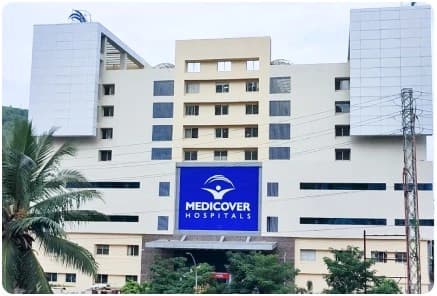
Medicover Hospitals – Best in Mvp Colony, Visakhapatnam
- Beds
- 700
- Accreditation
- NABH Accredited
- Established
- 2020
Radiology at Medicover Hospitals
Radiology plays an important role in modern healthcare by helping doctors investigate symptoms, identify abnormalities, monitor disease and plan appropriate treatment. The Radiology department at Medicover Hospitals in Visakhapatnam is relevant to patients looking for diagnostic imaging and radiology care in the city, including those searching around MVP Colony. Depending on the clinical requirement and facilities available, radiology may involve imaging such as X-rays, ultrasound, CT or MRI, along with specialised examinations. This page helps patients understand the role of radiology, common diagnostic procedures, when imaging may be recommended and what to expect during a radiology consultation or examination. Patients can also explore information about radiology specialists, diagnostic evaluation and related hospital services through Siris Healthcare.
Radiology at Medicover Hospitals, Visakhapatnam
Radiology is a medical specialty that uses imaging techniques to help healthcare professionals understand what is happening inside the body. From evaluating an injury after an accident to investigating persistent abdominal pain, neurological symptoms, chest problems or unexplained changes found during an examination, diagnostic imaging can provide important information that may not be visible through a physical examination alone.
For patients looking for Radiology in Visakhapatnam, the Radiology department at Medicover Hospitals provides a point of access to diagnostic imaging and specialist evaluation. The exact imaging examination recommended depends on the patient's symptoms, medical history, age, clinical findings and the question the treating doctor needs to answer.
Radiology is not limited to taking images. A radiologist is a medical specialist who interprets diagnostic images and provides findings that can assist the treating team in diagnosis, treatment planning and follow-up. In some circumstances, radiology may also be involved in image-guided procedures, depending on the clinical requirement and services available at the hospital.
Patients searching for a Radiology hospital in Visakhapatnam, a radiologist, diagnostic imaging or a radiology consultation can use this page to understand the specialty and the factors involved in choosing appropriate imaging care.
Radiology Services and Areas of Care
Radiology covers a broad range of diagnostic imaging services. Different imaging methods provide different types of information, so the choice of examination is usually based on the patient's specific medical situation.
X-Ray Imaging
X-rays are commonly used to examine bones and the chest. They may help evaluate suspected fractures, joint abnormalities, certain lung conditions and other clinical concerns. X-ray examinations are generally quick, although the preparation and positioning required can vary depending on the body part being examined.
Ultrasound
Ultrasound uses sound waves to create images of structures inside the body. It is frequently used to evaluate the abdomen, pelvis, thyroid, soft tissues and other areas. Ultrasound can also be used to assess blood flow through Doppler imaging.
CT Scans
Computed tomography, commonly called a CT scan, combines multiple X-ray images to create detailed cross-sectional views of the body. CT may be considered for evaluating trauma, certain abdominal and chest conditions, suspected bleeding, complex injuries and other clinical situations where detailed imaging is needed.
MRI
Magnetic resonance imaging uses magnetic fields and radio waves to produce detailed images of organs, soft tissues, joints and other structures. MRI may be useful when evaluating the brain, spine, joints, muscles, ligaments and several internal organs.
Other Imaging Examinations
Depending on the clinical requirement and available facilities, radiology services may also include specialised imaging examinations such as mammography, Doppler studies or other targeted investigations. Not every imaging modality is appropriate for every patient, and the treating doctor or radiologist determines the most suitable examination based on the clinical question.
Conditions Evaluated Through Radiology
Radiology supports the evaluation of many different health conditions rather than treating one specific disease category. Imaging can be used as part of diagnosis, treatment planning or monitoring.
Bone and Joint Problems
Imaging may help evaluate fractures, arthritis, joint injuries, bone abnormalities and soft-tissue problems. X-rays are commonly used for initial assessment, while MRI or other imaging may be considered when more detailed evaluation is required.
Brain and Spine Conditions
Depending on symptoms and clinical findings, CT or MRI may be used to investigate headaches, neurological symptoms, suspected stroke, spinal problems, disc-related conditions, injuries and other concerns affecting the brain or spine.
Chest and Lung Conditions
Chest imaging can help doctors assess respiratory symptoms and investigate abnormalities involving the lungs, heart and surrounding structures. The appropriate examination depends on the patient's symptoms and medical history.
Abdominal and Pelvic Conditions
Ultrasound, CT and MRI can help evaluate organs and structures within the abdomen and pelvis. Imaging may be requested for symptoms such as persistent abdominal pain, suspected gallbladder problems, urinary concerns or abnormalities identified during other examinations.
Women's Health
Certain imaging examinations can support the evaluation of breast and pelvic conditions. Ultrasound and mammography may be used in appropriate clinical situations, while other imaging may be recommended depending on the patient's age, symptoms and clinical assessment.
Vascular Concerns
Doppler ultrasound can be used to assess blood flow through certain blood vessels. It may be considered when a doctor needs to investigate particular vascular symptoms or suspected circulation-related abnormalities.
Radiology Treatments and Procedures
Radiology is primarily a diagnostic specialty, but some radiologists also perform image-guided procedures. These procedures use imaging to help guide a needle or other medical instrument accurately to a specific area.
Examples may include image-guided biopsies or drainage procedures in appropriate clinical circumstances. Whether a particular intervention is suitable depends on the suspected condition, the patient's overall health, the location of the abnormality and the clinical objective.
Patients should not assume that a particular procedure is necessary simply because an imaging abnormality has been identified. The radiologist and treating specialist consider the complete clinical picture before recommending further investigation or intervention.
The availability of specific radiology procedures can vary between hospitals and should be confirmed with the department before scheduling.
Radiology Diagnostic and Evaluation Services
Diagnostic imaging is selected according to the information required by the treating doctor.
A typical evaluation may involve:
- X-ray imaging for selected bone, chest or other examinations
- Ultrasound for organs, soft tissues and certain abdominal or pelvic concerns
- Doppler ultrasound for assessment of blood flow
- CT imaging for detailed cross-sectional evaluation
- MRI for detailed assessment of soft tissues, the brain, spine, joints and other structures
- Mammography when clinically appropriate for breast evaluation
- Follow-up imaging to monitor a known condition or assess changes over time
Some examinations require preparation. For example, certain abdominal scans may require fasting, while some CT or MRI examinations may involve additional instructions depending on whether contrast material is required.
Patients should follow the preparation instructions provided for their specific examination. They should also inform the healthcare team about relevant medical conditions, previous reactions to contrast material, implanted devices, pregnancy or possible pregnancy, and current medications when applicable.
When Should You See a Radiology Specialist?
Radiology examinations are usually recommended by a doctor based on symptoms, physical findings, medical history or a need to monitor an existing condition. You may be referred for diagnostic imaging when your doctor needs additional information before making or confirming a diagnosis.
Common situations in which imaging may be considered include:
- Persistent or unexplained pain
- Suspected fractures or injuries
- Ongoing abdominal or pelvic symptoms
- Certain neurological symptoms
- Chest or respiratory concerns
- Joint or soft-tissue problems
- Monitoring of a previously identified condition
- Evaluation of an abnormal finding from another examination
- Planning or monitoring certain treatments
Not every symptom requires an imaging test. Unnecessary imaging can expose patients to avoidable costs, and some imaging techniques involve radiation exposure. A qualified healthcare professional can determine whether imaging is appropriate and which examination is most suitable.
If symptoms are severe, sudden or potentially life-threatening, patients should seek appropriate urgent medical care rather than waiting for a routine radiology appointment.
What to Expect During a Radiology Consultation or Examination
The patient journey can vary depending on the imaging test and the reason for referral.
1. Review of the Clinical Concern
The healthcare team may review the reason for the examination, symptoms, medical history and previous reports or scans. Providing earlier imaging reports can help the radiologist or treating doctor understand changes over time.
2. Selecting the Appropriate Examination
The imaging method is chosen according to the clinical question. A doctor may recommend an X-ray, ultrasound, CT, MRI or another examination depending on what needs to be evaluated.
3. Preparation
Some examinations require little or no preparation. Others may involve fasting, drinking water, changing into suitable clothing or following specific instructions. Patients should follow the instructions provided before arriving.
4. The Imaging Examination
During the scan, the patient may need to remain still or follow breathing instructions. The duration varies considerably depending on the type of examination.
5. Image Interpretation
The radiologist reviews the images and prepares a report describing relevant findings. The report is then used by the referring doctor alongside the patient's symptoms, examination and other investigations.
6. Follow-Up
Further tests, specialist consultation, monitoring or treatment may be recommended depending on the findings. An imaging report should always be interpreted in its clinical context rather than viewed as a diagnosis in isolation.
Why Choose Radiology Care at Medicover Hospitals?
Patients comparing a Radiology hospital in Visakhapatnam should look beyond the name of an imaging test. Important considerations include whether the required modality is available, whether appropriate preparation and safety protocols are followed, how imaging findings are communicated, and whether patients can access the relevant treating specialists when further evaluation is needed.
For patients considering Radiology at Medicover Hospitals, it is appropriate to confirm the specific imaging service required, appointment process, preparation instructions, report availability and any other practical requirements before scheduling.
A multidisciplinary approach can be particularly useful when imaging findings need to be considered alongside other medical information. Depending on the patient's condition, radiology findings may contribute to care involving physicians, surgeons, orthopaedic specialists, neurologists, obstetric or other specialists.
Specific facilities, modalities and procedures can vary, so patients should verify current service availability directly with the hospital.
Radiology Doctors and Specialists
A radiologist is a doctor trained to interpret medical images and contribute to diagnosis and clinical decision-making. Depending on their training and area of practice, radiologists may work across imaging modalities such as X-ray, ultrasound, CT and MRI.
Radiologists may also work closely with other specialists when imaging is required for diagnosis, treatment planning or follow-up. For example, an orthopaedic specialist may use imaging findings to evaluate an injury, while a neurologist may rely on brain or spine imaging as part of a neurological assessment.
No individual doctor names are provided for this page, so patients should check the current Medicover Hospitals Radiology doctors or specialist listings for available clinicians and appointment details.
When selecting a radiology specialist, patients can consider relevant qualifications, experience with the required type of imaging or procedure, communication, and coordination with the doctor managing their overall care.
Radiology Care in Visakhapatnam
For people searching for Radiology in Visakhapatnam, local access can make diagnostic evaluation more convenient, particularly when imaging needs to be coordinated with consultations or follow-up appointments.
Medicover Hospitals in Visakhapatnam is relevant to patients searching for radiology services in and around the city, including those looking for healthcare options around MVP Colony. Patients should consider travel time, appointment availability, accessibility, parking or transport requirements, and the convenience of returning for follow-up when choosing an imaging provider.
Local radiology care can be particularly useful when a patient needs more than one stage of evaluation. For example, imaging may be followed by a specialist consultation, additional testing or repeat imaging depending on the findings.
Patients travelling from other parts of Visakhapatnam should confirm the hospital's current location, department timings and examination-specific instructions before visiting.
How to Choose the Right Radiology Hospital or Specialist
Choosing a radiology provider involves more than finding the closest imaging centre. Consider the following factors:
Appropriate Imaging Modality
The facility should provide the type of examination recommended for your clinical situation. A CT scan, MRI, ultrasound and X-ray are not interchangeable.
Qualified Radiology Professionals
Consider whether qualified radiologists are available to interpret the relevant imaging studies and communicate findings appropriately.
Diagnostic Coordination
For complex conditions, coordination between radiology and the treating specialist can help place imaging findings within the broader clinical picture.
Safety and Patient Preparation
Ask about preparation requirements, contrast use where relevant, radiation considerations and any information the radiology team needs before the examination.
Report and Follow-Up Process
Patients should understand how and when the imaging report will be provided and whom they should consult to discuss the findings.
Accessibility
Location, appointment scheduling and ease of follow-up can matter, particularly for patients who require repeated imaging or multiple consultations.
Clear Communication
A good patient experience includes clear instructions before the examination and understandable communication about the next steps.
These factors can help patients compare radiology providers in Visakhapatnam without assuming that one facility is appropriate for every clinical situation.
Frequently Asked Questions About Radiology
What does a radiologist do?
A radiologist is a medical doctor who specialises in interpreting medical images and supporting diagnosis and treatment planning. Depending on their area of practice, radiologists may interpret X-rays, ultrasound, CT, MRI and other imaging examinations.
When should I see a radiology specialist?
Radiology is generally accessed when a doctor recommends diagnostic imaging to investigate symptoms, evaluate an injury, monitor a known condition or clarify an abnormal finding. The need for imaging depends on the individual clinical situation.
What types of scans are commonly used in radiology?
Common imaging examinations include X-rays, ultrasound, CT scans and MRI. Other examinations, such as mammography or Doppler ultrasound, may be used for specific clinical questions.
Is an MRI the same as a CT scan?
No. MRI uses magnetic fields and radio waves, whereas CT uses X-rays to create cross-sectional images. The appropriate examination depends on what the doctor needs to evaluate.
Does every radiology test involve radiation?
No. X-rays and CT scans use ionising radiation, while ultrasound uses sound waves and MRI uses magnetic fields and radio waves. The benefits and limitations of each examination are considered when selecting the appropriate test.
Do I need a doctor's referral for radiology?
This depends on the examination, healthcare provider and local process. Some imaging studies may require a doctor's recommendation or referral, particularly when the examination involves contrast or more specialised evaluation. Patients should confirm the requirement when booking.
What should I bring to a radiology appointment?
Bring your doctor's prescription or referral if applicable, previous imaging reports or scans, relevant medical records and information about medications or allergies. If contrast imaging is planned, the healthcare team may request additional medical information.
How long does a radiology examination take?
The duration depends on the imaging method and the body area being examined. Some X-rays take only a short time, while MRI and certain CT or specialised examinations may require more preparation and scanning time.
How do I choose a Radiology hospital in Visakhapatnam?
Consider whether the provider offers the required imaging modality, has qualified radiology professionals, follows appropriate safety procedures, provides clear preparation instructions and offers a practical process for receiving and discussing reports. For Medicover Hospitals, patients should confirm current services and appointment availability before scheduling.
How can I book a Radiology consultation or imaging appointment at Medicover Hospitals?
Patients can use the hospital's current appointment or contact channels to confirm the required service, availability, preparation instructions and other booking requirements. Siris Healthcare can also be used as a starting point for exploring the relevant hospital and specialty information.
Best Radiology Doctors at Medicover Hospitals, Mvp Colony
Consult with our highly experienced experts at Medicover Hospitals.
 Radiology
Dr Venkata Suman Kuna
 Radiology
Dr Yevvari Sameera
 Radiology
Dr Devara Anil Kashi Vishnuvardhan
Radiology Treatments
Interventional Radiology
Advanced treatment available at Medicover Hospitals.
Angiography
Advanced treatment available at Medicover Hospitals.
Ct Scan (computed Tomography)
Advanced treatment available at Medicover Hospitals.
Mri Scan (magnetic Resonance Imaging)
Advanced treatment available at Medicover Hospitals.
Ultrasound / Sonography
Advanced treatment available at Medicover Hospitals.
Frequently Asked Questions About Radiology
What types of radiology procedures are performed at Medicover Hospitals?
We perform a wide range of radiology procedures, from routine diagnostics to complex surgeries, using the latest medical technologies.
How can I book an appointment for Radiology at Medicover Hospitals?
You can book an appointment through the Siris Healthcare platform by clicking the "Get Free Estimate" button or contacting our 24/7 helpline.
Other Medical Specialties at Medicover Hospitals Mvp Colony
Get Expert Radiology Care at Medicover Hospitals, Mvp Colony
Schedule a consultation with our top specialists and get a personalized treatment plan with a free cost estimate.
Top Specialities at Medicover Hospitals Mvp Colony
- Cardiology Department
- cardiothoracic Department
- Critical care Department
- Oncology Department
- orthopedic Department
- Neurology Department
- Neurosurgery Department
- Gastroenterology Department
- Nephrology Department
- Urology Department
- Pulmonology Department
- General Surgery Department
- General Medicine Department
- obstetrics Department
- Pediatrics Department
- Paediatrics & Neonatology Department
- Endocrinology Department
- ENT Department
- Dermatology Department
- Ophthalmology Department
- Anesthesiology Department
- Electrophysiology Department
- Emergency medicine Department
- Vascular Surgery Department
- Pediatric Surgery Department
- Fetal Medicine Department
- Hepatology Department
- Robotic Surgery Department
- Nuclear Medicine Department
- Neuroradiology Department
- Radiology Department
- Pathology Department
- Dentistry Department