
Ophthalmology at Medicover Hospitals, Mvp Colony, Visakhapatnam
Explore Ophthalmology services, treatments, diagnostic care and related doctors at Medicover Hospitals.
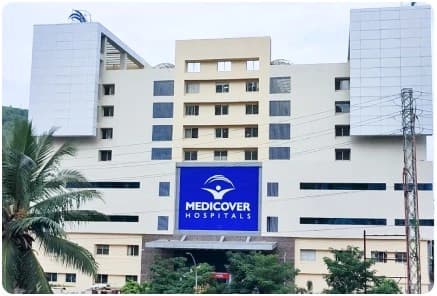
Medicover Hospitals – Best in Mvp Colony, Visakhapatnam
- Beds
- 700
- Accreditation
- NABH Accredited
- Established
- 2020
Ophthalmology at Medicover Hospitals
Ophthalmology at Medicover Hospitals, Visakhapatnam provides a dedicated setting for patients seeking evaluation and treatment of eye and vision-related conditions. Located in the MVP Colony area, the hospital represents a local option for people looking for an Ophthalmology hospital in Visakhapatnam, whether they need a routine eye assessment, specialist consultation or evaluation of a specific eye problem. The department covers areas such as cataract and refractive problems, glaucoma, corneal conditions, retinal disorders, diabetic eye disease, dry eye and other common ophthalmic concerns. Patients can explore appropriate diagnostic and treatment options based on their individual condition, symptoms and visual needs. Medicover Hospitals' Visakhapatnam MVP facility lists Ophthalmology among its available specialties.
Ophthalmology at Medicover Hospitals, Visakhapatnam
Ophthalmology focuses on the prevention, diagnosis and treatment of diseases and disorders affecting the eyes and visual system. At Medicover Hospitals in Visakhapatnam, the Ophthalmology specialty is available for patients seeking assessment of vision problems, eye symptoms and conditions that may require medical or surgical management. The hospital's Visakhapatnam MVP location lists Ophthalmology among its available specialties.
Eye problems can range from relatively simple refractive errors that require glasses or contact lenses to conditions such as cataract, glaucoma, corneal disease and retinal disorders that may require ongoing specialist care. An ophthalmologist can assess the underlying cause of a patient's symptoms and determine whether observation, medication, corrective lenses, a procedure or surgery is appropriate.
For patients searching for Ophthalmology in Visakhapatnam, local access to specialist evaluation can be particularly useful when symptoms are persistent, vision is changing, or an existing eye condition requires regular monitoring.
Ophthalmology Services and Areas of Care
Ophthalmology encompasses several areas of eye health. The appropriate service depends on the patient's age, symptoms, medical history and the part of the eye affected.
Cataract and Lens-Related Care
A cataract occurs when the normally clear lens of the eye becomes cloudy, potentially causing blurred vision, glare, difficulty seeing at night or faded colours. An ophthalmologist can assess the severity of the cataract and discuss whether monitoring or cataract surgery is appropriate.
Medicover's Ophthalmology information for Visakhapatnam specifically lists cataract evaluation and management among its services.
Glaucoma Care
Glaucoma refers to a group of eye diseases that can damage the optic nerve and may lead to permanent vision loss if not identified and managed appropriately. Evaluation can involve eye-pressure measurement, optic-nerve assessment and visual-field testing.
Regular monitoring is particularly important because some forms of glaucoma can progress without obvious symptoms in the early stages.
Cornea and Ocular Surface Care
The cornea is the transparent front surface of the eye and plays an important role in focusing light. Conditions affecting the cornea or ocular surface may cause pain, redness, irritation, blurred vision or light sensitivity.
Corneal disorders, dry eye and ocular-surface problems may require detailed examination to determine the underlying cause and appropriate treatment.
Retina and Diabetic Eye Care
The retina is the light-sensitive tissue at the back of the eye. Retinal problems can affect central or peripheral vision and may be associated with diabetes, age-related changes, vascular disorders or other conditions.
People with diabetes may require periodic eye examinations even when they do not notice changes in vision. Early identification of diabetic retinal changes can help guide timely management.
Refractive and Vision Problems
Myopia, hyperopia and astigmatism are common refractive errors that can make distant or near objects appear blurred. An eye examination can determine the refractive error and whether glasses, contact lenses or other corrective options are appropriate.
Medicover's listed Ophthalmology services include refractive error correction and assessment.
Pediatric Eye Care
Children can develop refractive errors, eye infections, alignment problems and other visual conditions. Early assessment can be important because vision develops significantly during childhood.
The Ophthalmology services listed for Medicover Hospitals, Visakhapatnam include pediatric eye care.
Conditions Treated Under Ophthalmology
The conditions managed by an ophthalmologist vary according to the patient's symptoms and clinical findings. Common areas include:
Cataract
Cataract can cause progressive blurring of vision, glare and difficulty with activities such as reading or driving. When the cataract significantly affects daily life, an ophthalmologist may discuss surgical treatment.
Glaucoma
Glaucoma can damage the optic nerve and may progress gradually. Because early glaucoma may have few noticeable symptoms, appropriate eye examinations are important for people who have risk factors or have been advised to undergo regular monitoring.
Refractive Errors
Myopia, hyperopia and astigmatism can cause blurred vision at different distances. Refraction testing helps determine the correction required.
Corneal Disorders
Corneal conditions can affect clarity and visual quality. Depending on the diagnosis, management may involve medication, monitoring or a suitable procedure.
Dry Eye and Ocular Surface Disorders
Dry eye may cause burning, irritation, a gritty sensation, fluctuating vision or excessive watering. Treatment depends on the underlying cause and severity.
Retinal Disorders
Retinal disease may affect central vision, peripheral vision or both. Some retinal conditions require ongoing monitoring, while others may require medical, laser or surgical intervention.
Diabetic Eye Disease
Diabetes can affect the blood vessels supplying the retina. Regular ophthalmic assessment can help identify diabetic retinal changes before significant vision loss develops.
Eye Infections and Allergies
Redness, discharge, itching and irritation can occur with infections or allergic eye disease. Treatment depends on the specific cause, so persistent symptoms should be evaluated rather than treated with medicines without professional advice.
Eye Injuries and Trauma
An eye injury can range from a superficial problem to a sight-threatening emergency. Sudden vision changes, significant pain, penetrating injuries or chemical exposure require prompt medical assessment.
Ophthalmology Treatments and Procedures
Treatment in Ophthalmology is selected according to the diagnosis, severity of the condition, age, general health and visual requirements of the patient.
Possible treatment categories may include:
- Prescription glasses or contact lenses for refractive errors
- Medical treatment for selected eye conditions
- Dry-eye and ocular-surface management
- Monitoring of stable eye conditions
- Cataract surgery when clinically indicated
- Glaucoma medical or surgical management
- Retinal treatments depending on the specific retinal disorder
- Corneal procedures for selected corneal conditions
- Refractive procedures for appropriately evaluated patients
- Management of pediatric eye conditions
- Treatment of certain eye infections and inflammatory conditions
Medicover's published Ophthalmology information for Visakhapatnam lists cataract treatment, glaucoma management, retinal disorder care, refractive error correction, diabetic eye care, corneal disease treatment and pediatric eye care.
Some ophthalmic procedures are suitable only for particular patients. A specialist evaluation is therefore important before deciding on surgery or laser treatment.
Ophthalmology Diagnostic and Evaluation Services
A detailed eye assessment helps identify the cause of vision changes and determine the appropriate treatment pathway.
Depending on the patient's symptoms and clinical needs, an ophthalmic evaluation may include:
- Visual acuity testing
- Refraction testing
- Slit-lamp examination
- Intraocular pressure measurement or tonometry
- Dilated fundus examination
- Fundus photography
- Optical coherence tomography (OCT)
- Visual-field testing
- Corneal topography
- Pachymetry
- Retinal assessment
- Other investigations recommended by the ophthalmologist
Medicover's broader Ophthalmology information identifies visual-acuity and refraction testing, slit-lamp examination, tonometry, fundus evaluation, OCT, visual-field testing, corneal topography and pachymetry among ophthalmic diagnostic technologies.
Not every patient requires every test. The ophthalmologist determines which examinations are appropriate based on symptoms, medical history and initial findings.
When Should You See an Ophthalmology Specialist?
Consider an eye consultation when you experience persistent or unexplained changes in vision, recurring eye discomfort or other symptoms affecting your eyes.
Common reasons for seeking evaluation include:
- Blurred or reduced vision
- Difficulty seeing at night
- Frequent changes in vision
- Eye pain or persistent redness
- Increased sensitivity to light
- New or increasing floaters
- Flashes of light
- Difficulty reading or focusing
- Persistent dry, irritated or watery eyes
- Changes in peripheral vision
- Symptoms associated with diabetes
- An eye injury
- Concerns about a child's vision
Sudden vision loss, severe eye pain, significant eye trauma or sudden visual disturbances can require urgent assessment. Patients experiencing these symptoms should seek prompt medical attention rather than waiting for a routine appointment.
What to Expect During an Ophthalmology Consultation
An eye consultation generally begins with a discussion about your current symptoms and medical history. Tell the specialist when the problem started, whether it affects one or both eyes, and whether the symptoms are changing.
The consultation may include:
- Medical and eye history: The ophthalmologist may ask about previous eye conditions, surgeries, glasses or contact-lens use, medications and relevant health conditions.
- Vision assessment: Visual acuity and refraction may be checked to understand how clearly you see.
- Eye examination: Depending on the complaint, the doctor may examine the front and back of the eye.
- Diagnostic testing: Additional tests may be recommended when a more detailed assessment is needed.
- Diagnosis and explanation: The specialist discusses the findings and explains the likely cause or clinical concern.
- Treatment planning: Options may include observation, medication, vision correction, a procedure or surgery depending on the diagnosis.
- Follow-up: Some conditions require periodic monitoring to assess progression or response to treatment.
Bringing previous eye reports, prescriptions, medication details and information about earlier procedures can make the consultation more useful.
Why Choose Ophthalmology Care at Medicover Hospitals?
When selecting an eye-care provider, patients should look for appropriate specialist evaluation, relevant diagnostic capability, clear communication and a treatment plan suited to their condition.
Medicover Hospitals' Visakhapatnam MVP facility identifies Ophthalmology as one of its available specialties. The hospital is located at New Venkojipalem, MVP Sector 6, NH16, near HP Petrol Bunk, Visakhapatnam.
The published Ophthalmology service information for this location describes care across cataract, glaucoma, retinal disorders, refractive errors, diabetic eye disease, corneal conditions and pediatric eye care.
Patients should still confirm the availability of a particular specialist, procedure or diagnostic service when scheduling an appointment, as services and clinical availability can change.
Ophthalmology Doctors and Specialists
Ophthalmologists are medical specialists trained to evaluate and manage disorders affecting vision and the eyes. Depending on their training, individual specialists may have additional interests such as cornea, cataract and anterior-segment surgery, refractive surgery, glaucoma, retina or other areas of ophthalmic care.
Current published information identifies Dr. Sudhakar Naidu Laveti as a Consultant Ophthalmologist at Medicover Hospital, Visakhapatnam, with listed areas including cornea, phaco and refractive surgery. His published profile also identifies cataract, corneal and anterior-segment care among his clinical interests.
Dr. Vompolu Kamakshi Bhaskar is also listed as a Consultant Ophthalmologist and Cornea Specialist at Medicover Hospitals, Visakhapatnam. Her published profile describes a focus on cornea and anterior-segment ophthalmology, along with cataract evaluation, dry-eye care, corneal disorders, refractive assessment and screening for glaucoma and diabetic retinopathy.
Doctor availability and consultation schedules can change, so patients should verify current appointment details before visiting.
Ophthalmology Care in Visakhapatnam
For residents searching for Ophthalmology in Visakhapatnam, choosing a nearby specialist can make ongoing eye care and follow-up more convenient. This is particularly relevant for conditions such as glaucoma, diabetic eye disease, dry eye and retinal disorders, which may require periodic assessment.
Medicover Hospitals' MVP facility is situated in New Venkojipalem, MVP Sector 6, NH16, near HP Petrol Bunk, Visakhapatnam, Andhra Pradesh 530022.
The locality reference is particularly relevant for people searching for an Ophthalmology hospital near MVP Colony or an eye specialist in and around the MVP area. Patients travelling from other parts of Visakhapatnam can consider factors such as travel time, appointment availability, accessibility and the need for follow-up visits.
Local care can be especially practical when treatment requires repeated examinations rather than a single consultation.
How to Choose the Right Ophthalmology Hospital or Specialist
Choosing an eye-care provider should be based on the specific clinical need rather than on a generic claim that one hospital is suitable for everyone.
Consider:
- Relevant specialist experience: Look for an ophthalmologist whose clinical focus matches your condition or treatment requirement.
- Appropriate diagnosis: Ask whether the provider can perform the examinations needed to investigate your symptoms.
- Treatment options: Understand whether your condition may be managed with observation, medicines, corrective lenses, laser treatment or surgery.
- Follow-up care: Conditions such as glaucoma, diabetic eye disease and some retinal disorders may require continued monitoring.
- Hospital support: If surgery or treatment for a more complex condition is required, consider the overall hospital environment and available supporting services.
- Communication: Your specialist should explain the diagnosis, treatment choices, expected follow-up and potential risks clearly.
- Accessibility: A conveniently located hospital can make repeated appointments easier to manage.
- Individual suitability: A treatment that works for one patient may not be appropriate for another. The final decision should follow an individual clinical assessment.
Frequently Asked Questions About Ophthalmology
1. What does an Ophthalmologist treat?
An ophthalmologist diagnoses and manages conditions affecting the eyes and vision. These may include cataracts, glaucoma, refractive errors, corneal disorders, retinal conditions, diabetic eye disease, dry eye and certain eye infections or injuries.
2. When should I see an Ophthalmology specialist?
You should consider an eye consultation for persistent blurred vision, eye pain, recurring redness or irritation, visual disturbances, difficulty seeing at night, changes in peripheral vision or other unexplained changes in eyesight. Sudden vision loss or serious eye trauma requires prompt medical assessment.
3. What are the common eye conditions treated in Visakhapatnam?
Common ophthalmic conditions include cataracts, refractive errors, glaucoma, dry eye, corneal disorders, retinal diseases, diabetic eye disease, pediatric eye conditions and eye infections. The exact treatment depends on the diagnosis.
4. How is glaucoma diagnosed?
Glaucoma assessment may include measuring intraocular pressure, examining the optic nerve and performing visual-field testing. Other tests may be recommended depending on the patient's risk factors and examination findings.
5. What happens during an eye consultation?
The ophthalmologist generally reviews your symptoms and medical history, assesses vision and examines the eyes. Additional diagnostic tests may be recommended before discussing treatment and follow-up.
6. Does every cataract require surgery?
Not necessarily. The need for cataract surgery depends on how significantly the cataract affects vision and daily activities, along with the findings of the ophthalmic examination. The ophthalmologist can explain whether surgery is appropriate.
7. Can diabetes affect eyesight?
Yes. Diabetes can affect the blood vessels of the retina and may lead to diabetic eye disease. Regular eye examinations can help identify retinal changes and guide appropriate management.
8. What should I bring to an Ophthalmology appointment?
Bring previous eye reports, current glasses or contact-lens details, medication information, records of previous eye procedures and relevant medical reports. A list of current medicines can also be useful.
9. How do I choose an Ophthalmology hospital in Visakhapatnam?
Consider the specialist's relevant experience, diagnostic evaluation options, treatment pathways, follow-up arrangements, hospital support and accessibility. For a specific condition, ask whether the specialist routinely evaluates and treats that type of eye problem.
10. How can I book an Ophthalmology consultation at Medicover Hospitals?
Patients can check the current Ophthalmology doctors and appointment availability through the hospital or healthcare booking channel. Doctor schedules and service availability should be confirmed before visiting.
Best Ophthalmology Doctors at Medicover Hospitals, Mvp Colony
Consult with our highly experienced experts at Medicover Hospitals.
 Ophthalmology
Dr Sudhakar Naidu Laveti
 Ophthalmology
Dr Vompolu Kamakshi Bhaskar
Ophthalmology Treatments
Cataract Surgery
Advanced treatment available at Medicover Hospitals.
Lasik / Laser Vision Correction
Advanced treatment available at Medicover Hospitals.
Glaucoma Treatment
Advanced treatment available at Medicover Hospitals.
Retinal Detachment Surgery
Advanced treatment available at Medicover Hospitals.
Diabetic Retinopathy Treatment
Advanced treatment available at Medicover Hospitals.
Corneal Transplantation
Advanced treatment available at Medicover Hospitals.
Vitrectomy Surgery
Advanced treatment available at Medicover Hospitals.
Squint (strabismus) Treatment
Advanced treatment available at Medicover Hospitals.
Macular Degeneration Treatment
Advanced treatment available at Medicover Hospitals.
Oculoplastic & Lacrimal Surgery
Advanced treatment available at Medicover Hospitals.
Frequently Asked Questions About Ophthalmology
What types of ophthalmology procedures are performed at Medicover Hospitals?
We perform a wide range of ophthalmology procedures, from routine diagnostics to complex surgeries, using the latest medical technologies.
How can I book an appointment for Ophthalmology at Medicover Hospitals?
You can book an appointment through the Siris Healthcare platform by clicking the "Get Free Estimate" button or contacting our 24/7 helpline.
Other Medical Specialties at Medicover Hospitals Mvp Colony
Get Expert Ophthalmology Care at Medicover Hospitals, Mvp Colony
Schedule a consultation with our top specialists and get a personalized treatment plan with a free cost estimate.
Top Specialities at Medicover Hospitals Mvp Colony
- Cardiology Department
- cardiothoracic Department
- Critical care Department
- Oncology Department
- orthopedic Department
- Neurology Department
- Neurosurgery Department
- Gastroenterology Department
- Nephrology Department
- Urology Department
- Pulmonology Department
- General Surgery Department
- General Medicine Department
- obstetrics Department
- Pediatrics Department
- Paediatrics & Neonatology Department
- Endocrinology Department
- ENT Department
- Dermatology Department
- Ophthalmology Department
- Anesthesiology Department
- Electrophysiology Department
- Emergency medicine Department
- Vascular Surgery Department
- Pediatric Surgery Department
- Fetal Medicine Department
- Hepatology Department
- Robotic Surgery Department
- Nuclear Medicine Department
- Neuroradiology Department
- Radiology Department
- Pathology Department
- Dentistry Department