
Neuroradiology at Medicover Hospitals, Mvp Colony, Visakhapatnam
Explore Neuroradiology services, treatments, diagnostic care and related doctors at Medicover Hospitals.
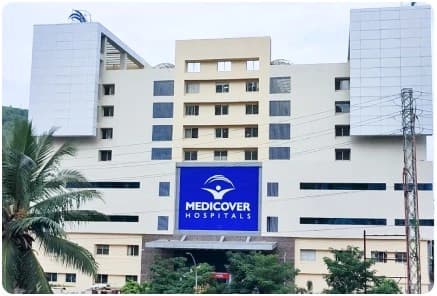
Medicover Hospitals – Best in Mvp Colony, Visakhapatnam
- Beds
- 700
- Accreditation
- NABH Accredited
- Established
- 2020
Neuroradiology at Medicover Hospitals
Neuroradiology is a specialised area of radiology focused on imaging and evaluating conditions affecting the brain, spinal cord, spine, head, neck and related blood vessels. This page for Neuroradiology at Medicover Hospitals in Visakhapatnam helps patients understand the role of advanced diagnostic imaging in neurological care and what they may discuss with a qualified specialist. Patients can explore common neuroradiology services, conditions that may require neuroimaging, diagnostic approaches, image-guided procedures, consultation expectations and factors to consider when selecting specialist care. For patients searching for neuroradiology in Visakhapatnam or looking for neurological imaging near MVP Colony, this page provides a practical overview while recognising that the exact services and procedures available depend on the hospital's facilities and the patient's clinical requirements.
Neuroradiology at Medicover Hospitals, Visakhapatnam
Neuroradiology is a specialised branch of radiology that focuses on imaging the nervous system and structures of the head and neck. It plays an important role in identifying, characterising and monitoring conditions involving the brain, spinal cord, spine, blood vessels and surrounding tissues.
At Medicover Hospitals in Visakhapatnam, patients looking for neuroradiology in Visakhapatnam can explore diagnostic imaging and specialist evaluation relevant to neurological concerns. Neuroradiology often works alongside departments such as neurology, neurosurgery, emergency medicine, oncology and other clinical specialties when imaging findings are needed to guide diagnosis or treatment planning.
Because neurological conditions can have different causes and presentations, the appropriate imaging study depends on the patient's symptoms, medical history and clinical question. A healthcare professional may recommend a particular examination rather than routinely ordering every available scan.
Neuroradiology Services and Areas of Care
Neuroradiology primarily supports the diagnosis and evaluation of disorders affecting the central and peripheral nervous system, as well as the head and neck.
Common areas of neuroradiology evaluation include:
Brain Imaging
Brain imaging can help clinicians assess structural changes within the brain. Depending on the clinical situation, imaging may be used to investigate headaches, seizures, weakness, altered consciousness, suspected stroke, memory-related concerns, tumours, infections or other neurological problems.
MRI and CT are two important imaging modalities used in neurological assessment. The choice between them depends on factors such as the urgency of the situation, suspected condition and information required by the treating team.
Spine and Spinal Cord Imaging
Neuroradiology also has an important role in evaluating the spine and spinal cord. Imaging may be considered for persistent or significant back and neck symptoms, nerve-related complaints, spinal cord abnormalities, trauma, suspected disc disease, tumours or other structural conditions.
MRI is particularly useful for evaluating soft tissues, spinal discs, the spinal cord and surrounding structures when clinically appropriate.
Neurovascular Imaging
Imaging of the blood vessels supplying the brain and spinal cord can be important when clinicians are evaluating conditions such as stroke, aneurysms, vascular malformations or other abnormalities of the cerebral circulation.
Depending on the suspected condition, clinicians may consider CT angiography, MR angiography or catheter-based angiographic studies.
Conditions Evaluated Under Neuroradiology
Neuroradiology can contribute to the diagnosis and monitoring of a wide range of neurological and structural conditions.
Stroke and Cerebrovascular Disorders
In suspected stroke, imaging can help determine whether there is bleeding, reduced blood flow or another structural abnormality. Certain imaging studies can also provide information about blood vessels and help clinicians understand the extent and location of a vascular problem.
Stroke is a medical emergency. Sudden facial weakness, arm or leg weakness, difficulty speaking, loss of balance or sudden severe neurological symptoms require urgent medical attention.
Brain Tumours and Mass Lesions
MRI and other imaging examinations may be used to identify and characterise brain masses. Imaging can provide information about the location, size and characteristics of a lesion and may contribute to treatment planning.
Seizure-Related Conditions
When a patient experiences seizures, imaging may be part of the broader neurological evaluation, particularly when clinicians need to look for an underlying structural abnormality.
Headache and Neurological Symptoms
Many headaches do not require imaging. However, depending on the history, examination and warning signs, a doctor may recommend brain imaging to investigate a possible underlying structural cause.
Spine and Disc Disorders
Neuroradiological imaging can help evaluate conditions affecting the vertebral column, intervertebral discs, spinal canal and spinal cord. Findings may assist clinicians in deciding whether conservative treatment, specialist review or an intervention should be considered.
Infections and Inflammatory Disorders
Imaging can also contribute to the assessment of certain infections, inflammatory conditions and other disorders involving the brain or spinal cord.
Head and Neck Conditions
Specialised imaging can assist in evaluating selected disorders involving the head, neck, cranial nerves, blood vessels and adjacent structures.
Neuroradiology Treatments and Procedures
Neuroradiology is primarily a diagnostic specialty, but some neuroradiologists also perform image-guided procedures. The availability of any specific procedure depends on the hospital's facilities, clinical expertise and the patient's individual requirements.
Potential procedure categories may include:
- Image-guided spinal or other targeted procedures
- Cerebral and spinal angiographic examinations
- Endovascular evaluation or treatment of selected vascular disorders
- Image-guided biopsy in appropriate cases
- Other minimally invasive procedures performed under imaging guidance
Not every patient requires an invasive procedure. When an intervention is being considered, the treating team generally evaluates the diagnosis, potential benefits, risks, alternatives and the patient's overall health.
Neuroradiology Diagnostic and Evaluation Services
Diagnostic imaging is central to neuroradiology. Depending on the clinical indication, evaluation may involve one or more of the following:
MRI
Magnetic resonance imaging uses magnetic fields and radio waves to produce detailed images of the brain, spinal cord and other soft tissues. Different MRI sequences can provide different types of information.
MRI may be used for selected neurological, spinal, vascular, tumour-related and inflammatory conditions.
CT Imaging
Computed tomography uses X-rays to create detailed cross-sectional images. CT can be particularly useful when rapid imaging is required, including in many emergency neurological situations.
CT Angiography
CT angiography combines CT imaging with contrast material to evaluate blood vessels. It may be considered when clinicians need to assess certain vascular abnormalities.
MR Angiography
MR angiography provides imaging of blood vessels using MRI-based techniques. Depending on the clinical question, it may be used to assess selected abnormalities of cerebral or other vessels.
Digital Subtraction Angiography
Digital subtraction angiography is a catheter-based imaging technique used to obtain detailed images of blood vessels. In selected circumstances, it may be part of the evaluation or management of vascular neurological disorders.
The appropriate test is determined by the treating clinician based on symptoms, examination findings and the suspected condition.
When Should You See a Neuroradiology Specialist?
Neuroradiologists generally work as part of a broader clinical care pathway rather than serving as the first point of consultation for every neurological symptom. A neurologist, neurosurgeon, emergency physician or another doctor may recommend neuroradiological evaluation when imaging is clinically indicated.
You may encounter neuroradiology as part of evaluation for:
- Sudden or unexplained neurological symptoms
- Suspected stroke or vascular disease
- Seizures requiring structural evaluation
- Persistent or concerning neurological symptoms
- Suspected brain or spinal tumours
- Spinal cord or nerve-related conditions
- Significant head or spinal trauma
- Certain infections or inflammatory disorders
- Abnormal findings on an earlier scan
- Conditions requiring imaging before or after treatment
Patients should not rely on imaging alone to determine the cause of symptoms. A qualified healthcare professional should interpret imaging findings together with the medical history and clinical examination.
What to Expect During a Neuroradiology Consultation
The exact process varies according to the reason for evaluation and the type of imaging involved.
A typical pathway may include:
- Review of medical history: The healthcare team may ask about symptoms, previous diagnoses, medications, allergies, prior procedures and relevant medical history.
- Understanding the clinical concern: The doctor considers why imaging has been requested and what specific question needs to be answered.
- Review of previous investigations: Earlier scans, laboratory reports or specialist notes may be useful for comparison.
- Selection of appropriate imaging: The recommended examination depends on the suspected condition and the information required.
- Imaging examination: The patient receives instructions about the scan. Some examinations may require contrast material or specific preparation.
- Image interpretation: The radiologist evaluates the images and prepares a report describing relevant findings.
- Clinical correlation and follow-up: The imaging findings are considered alongside the patient's symptoms and other investigations to determine the next step.
If contrast is required, patients should inform the medical team about relevant allergies, kidney problems, pregnancy or other conditions that may affect preparation.
Why Consider Neuroradiology Care at Medicover Hospitals?
When choosing a neuroradiology hospital in Visakhapatnam, patients should look beyond the name of a specialty and consider whether the overall care pathway matches their medical needs.
Important considerations include:
- Access to appropriate neurological imaging
- Availability of qualified radiology and relevant clinical specialists
- Clear explanation of the imaging process
- Appropriate interpretation of diagnostic studies
- Communication between radiology and treating specialties
- Access to follow-up care when required
- Availability of relevant hospital services for urgent neurological conditions
- Convenient location and appointment coordination
The specific facilities, imaging modalities and procedures available at Medicover Hospitals should be confirmed with the hospital or healthcare coordinator before scheduling a particular examination.
Neuroradiology Doctors and Specialists
A neuroradiology team may include radiologists with specialised expertise in imaging the brain, spine, head and neck, as well as professionals involved in image-guided procedures where applicable.
Neuroradiologists commonly work alongside neurologists, neurosurgeons and other specialists. This multidisciplinary approach can help connect imaging findings with the patient's symptoms and treatment plan.
No individual doctor names are provided in the supplied information for this page, so specific doctor names should not be added without verified hospital information.
Patients searching for neuroradiology doctors in Visakhapatnam should consider the specialist's relevant training, clinical area of interest, experience with the required imaging or procedure, and the availability of appropriate follow-up care.
Neuroradiology Care in Visakhapatnam
For patients searching for neuroradiology in Visakhapatnam, local access can make it easier to coordinate diagnostic imaging, specialist consultations and follow-up appointments.
This page represents Neuroradiology at Medicover Hospitals in MVP Colony, Visakhapatnam. Patients from different parts of the city may consider factors such as travel time, appointment availability, accessibility for elderly or mobility-limited patients, and the need for repeat imaging or follow-up visits.
When searching for a neuroradiology hospital near me, it is useful to confirm whether the facility provides the particular scan or procedure recommended by the treating doctor. Services can vary between hospitals and may change based on available equipment, specialists and clinical requirements.
How to Choose the Right Neuroradiology Hospital or Specialist
Choosing specialist imaging care is not simply about selecting the closest facility. Patients and referring doctors may consider several factors:
Relevant Specialist Expertise
The radiologist's experience should be appropriate to the patient's clinical concern, particularly for complex brain, spine or vascular imaging.
Appropriate Diagnostic Facilities
The imaging method should match the clinical question. Patients can ask whether the required MRI, CT, angiography or other examination is available.
Multidisciplinary Care
For complex neurological conditions, coordination between radiology, neurology, neurosurgery and other specialties may be important.
Treatment and Procedure Options
If an image-guided procedure may be required, patients should ask whether that particular procedure is available and who performs it.
Follow-Up Care
Patients with ongoing neurological conditions may require comparison with previous imaging or further clinical evaluation. A coordinated follow-up pathway can be useful.
Communication
A good healthcare experience includes clear instructions before imaging and understandable explanations about the next steps.
Convenience and Accessibility
Location, appointment scheduling, accessibility and the ability to coordinate related consultations may also influence the choice of facility.
Treatment and diagnostic decisions should always be based on individual clinical circumstances and advice from qualified healthcare professionals.
Frequently Asked Questions About Neuroradiology
1. What does a neuroradiologist do?
A neuroradiologist is a radiologist with specialised expertise in imaging the brain, spinal cord, spine, head, neck and related blood vessels. They interpret neurological imaging and, where appropriately trained and available, may perform image-guided procedures.
2. When should I see a neuroradiology specialist?
Neuroradiology is usually accessed when a doctor determines that specialised neurological imaging or an image-guided procedure is needed. This may occur during evaluation of suspected stroke, brain or spinal conditions, tumours, vascular abnormalities, seizures or other neurological problems.
3. What scans are commonly used in neuroradiology?
MRI and CT are commonly used for neurological imaging. Depending on the clinical question, examinations may also include CT angiography, MR angiography or catheter-based angiography.
4. Is MRI always required for neurological problems?
No. The appropriate imaging test depends on the symptoms, suspected condition, urgency and information required by the treating clinician. In some situations CT may be more appropriate, while MRI may provide greater detail for certain brain and spinal conditions.
5. Does neuroradiology include treatment?
Neuroradiology is mainly focused on diagnostic imaging, although some specialised centres may offer image-guided or endovascular procedures. Availability varies by hospital and specialist expertise.
6. What should I bring to a neuroradiology appointment?
Bring previous imaging reports and scans where available, relevant medical records, medication information, referral documents and details of allergies or previous reactions to contrast material. If you have undergone earlier neurological investigations, those records may help with comparison.
7. How do I choose a neuroradiology hospital in Visakhapatnam?
Consider the type of imaging you require, relevant specialist expertise, diagnostic facilities, coordination with neurological specialties, follow-up arrangements and accessibility. Confirm the specific service with the hospital before booking.
8. Can neuroradiology diagnose a brain tumour?
Brain imaging can identify and characterise many types of brain lesions and can contribute significantly to tumour evaluation. However, the final diagnosis may require additional clinical assessment and, in some cases, tissue examination.
9. Is neuroradiology used for stroke?
Yes. Brain and vascular imaging can play an important role in evaluating suspected stroke. Because stroke can be an emergency, patients with sudden neurological symptoms should seek urgent medical attention rather than waiting for a routine appointment.
10. How can I book a neuroradiology consultation?
Patients can use the relevant appointment or consultation channel provided by the hospital or healthcare coordinator. Before booking, confirm the required imaging or specialist service and whether any preparation is necessary.
Neuroradiology Treatments
Mechanical Thrombectomy For Acute Ischemic Stroke
Advanced treatment available at Medicover Hospitals.
Brain Aneurysm Coiling
Advanced treatment available at Medicover Hospitals.
Flow Diverter Treatment For Brain Aneurysms
Advanced treatment available at Medicover Hospitals.
Avm Embolization
Advanced treatment available at Medicover Hospitals.
Dural Arteriovenous Fistula (davf) Embolization
Advanced treatment available at Medicover Hospitals.
Frequently Asked Questions About Neuroradiology
What types of neuroradiology procedures are performed at Medicover Hospitals?
We perform a wide range of neuroradiology procedures, from routine diagnostics to complex surgeries, using the latest medical technologies.
How can I book an appointment for Neuroradiology at Medicover Hospitals?
You can book an appointment through the Siris Healthcare platform by clicking the "Get Free Estimate" button or contacting our 24/7 helpline.
Other Medical Specialties at Medicover Hospitals Mvp Colony
Get Expert Neuroradiology Care at Medicover Hospitals, Mvp Colony
Schedule a consultation with our top specialists and get a personalized treatment plan with a free cost estimate.
Top Specialities at Medicover Hospitals Mvp Colony
- Cardiology Department
- cardiothoracic Department
- Critical care Department
- Oncology Department
- orthopedic Department
- Neurology Department
- Neurosurgery Department
- Gastroenterology Department
- Nephrology Department
- Urology Department
- Pulmonology Department
- General Surgery Department
- General Medicine Department
- obstetrics Department
- Pediatrics Department
- Paediatrics & Neonatology Department
- Endocrinology Department
- ENT Department
- Dermatology Department
- Ophthalmology Department
- Anesthesiology Department
- Electrophysiology Department
- Emergency medicine Department
- Vascular Surgery Department
- Pediatric Surgery Department
- Fetal Medicine Department
- Hepatology Department
- Robotic Surgery Department
- Nuclear Medicine Department
- Neuroradiology Department
- Radiology Department
- Pathology Department
- Dentistry Department