
Nuclear Medicine at Medicover Hospitals, Mvp Colony, Visakhapatnam
Explore Nuclear Medicine services, treatments, diagnostic care and related doctors at Medicover Hospitals.
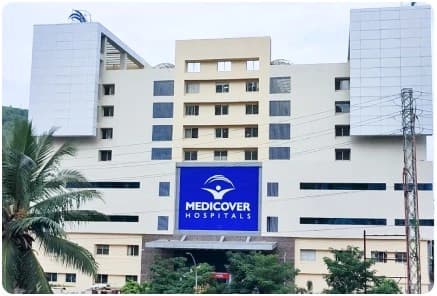
Medicover Hospitals – Best in Mvp Colony, Visakhapatnam
- Beds
- 700
- Accreditation
- NABH Accredited
- Established
- 2020
Nuclear Medicine at Medicover Hospitals
Nuclear Medicine is a specialised area of healthcare that uses small amounts of radioactive substances, known as radiopharmaceuticals, to help evaluate how organs and tissues function. Unlike imaging methods that primarily show anatomy, many nuclear medicine examinations provide information about physiological or metabolic activity. This can support the assessment of conditions involving organs such as the thyroid, bones, kidneys, heart and other systems, depending on the clinical requirement and test available. This page provides information about Nuclear Medicine at Medicover Hospitals in Visakhapatnam, including the types of evaluations, diagnostic approaches, treatment categories and consultation considerations patients may want to understand before seeking care. Patients looking for Nuclear Medicine in Visakhapatnam, including those in and around MVP Colony, can use this information to understand when specialist evaluation may be appropriate and what to expect from the care journey.
Nuclear Medicine at Medicover Hospitals, Visakhapatnam
Nuclear Medicine is a medical specialty that uses radiopharmaceuticals to examine organ function, identify abnormal biological activity and, in selected situations, deliver targeted treatment. A radiopharmaceutical contains a radioactive component that is designed to reach a particular organ, tissue or biological process. Specialised imaging equipment can then detect the radiation emitted by the substance and create images or measurements that help healthcare professionals evaluate the body.
For patients searching for a Nuclear Medicine hospital in Visakhapatnam, understanding the difference between nuclear medicine and conventional imaging can be useful. X-rays, CT scans and many other imaging techniques primarily provide structural information, while nuclear medicine can provide functional information about how particular tissues or organs are behaving.
The appropriate investigation depends on the patient's symptoms, medical history, suspected condition and the clinical question that needs to be answered. A Nuclear Medicine specialist may work alongside physicians, surgeons, oncologists, endocrinologists, cardiologists and other specialists when nuclear medicine investigations or therapies form part of a patient's overall care.
Nuclear Medicine Services and Areas of Care
Nuclear Medicine services generally involve two broad areas: diagnostic nuclear medicine and therapeutic nuclear medicine.
Diagnostic Nuclear Medicine
Diagnostic examinations use radiopharmaceuticals and specialised imaging systems to assess physiological activity. Depending on the clinical requirement, nuclear medicine may be used to evaluate:
- Thyroid function and thyroid-related disorders
- Bone metabolism and areas of increased or decreased bone activity
- Kidney function and urinary-system drainage
- Certain aspects of heart function and blood flow
- Selected gastrointestinal or hepatobiliary functions
- Specific infections or inflammatory processes in appropriate clinical situations
- Certain cancers and their spread or response to treatment
- Other organ-specific functional abnormalities
The exact test selected depends on the patient's clinical history and the information required by the treating doctor.
Therapeutic Nuclear Medicine
Some radioactive substances can be used therapeutically because they can deliver radiation to specific tissues. Examples include radioactive iodine therapy for selected thyroid conditions and other radionuclide-based treatments used for particular diseases.
Not every patient with a particular condition will require nuclear medicine therapy. Treatment decisions depend on diagnosis, disease characteristics, previous treatment, overall health and specialist assessment.
Conditions Evaluated or Managed Through Nuclear Medicine
Nuclear Medicine can contribute to the diagnosis, staging, monitoring or treatment planning of a range of medical conditions.
Thyroid Disorders
Nuclear medicine can play an important role in assessing thyroid function. Depending on the clinical situation, thyroid scans or radioactive iodine-related investigations may help evaluate conditions such as hyperthyroidism, thyroid nodules or other thyroid abnormalities.
Selected thyroid disorders may also be treated using radioactive iodine. The suitability of this approach depends on the diagnosis and individual clinical circumstances.
Bone and Joint Conditions
Bone scans can demonstrate areas of altered bone activity. They may be considered when doctors need to investigate certain causes of persistent bone pain, suspected bone involvement from cancer, selected infections, fractures that are difficult to identify through other methods, or other skeletal abnormalities.
Cancer Evaluation
Certain nuclear medicine examinations can help identify metabolically active disease, assess the extent of cancer or evaluate response to treatment. PET-based imaging, where clinically indicated and available, may be incorporated into cancer evaluation.
Nuclear medicine findings are generally interpreted together with the patient's symptoms, examination findings, laboratory results and other imaging rather than being considered in isolation.
Kidney and Urinary-System Evaluation
Renal nuclear medicine studies can provide functional information about individual kidneys, blood flow and urinary drainage. These examinations may be considered in selected patients when functional assessment is clinically important.
Heart and Circulatory Assessment
Some nuclear medicine techniques can assess blood flow to the heart muscle and provide information about myocardial perfusion. Such investigations may be recommended in selected patients based on their symptoms and cardiovascular risk assessment.
Nuclear Medicine Treatments and Procedures
Nuclear Medicine procedures vary according to the clinical indication. Common categories include:
- Diagnostic nuclear medicine scans
- Thyroid scans and functional assessments
- Bone scintigraphy
- Renal scans
- Myocardial perfusion studies
- PET-based metabolic imaging where clinically indicated
- Selected radionuclide therapies
- Radioactive iodine treatment for appropriate thyroid conditions
- Follow-up nuclear medicine evaluations when clinically required
Some examinations involve the administration of a radiopharmaceutical followed by imaging after a specified waiting period. The timing varies depending on the type of study and the substance used.
Patients should follow the preparation instructions provided for their specific examination. These may include dietary instructions, medication-related guidance or requirements concerning pregnancy and breastfeeding.
The availability of individual procedures and treatments depends on the hospital's facilities, clinical protocols and specialist services. Patients should confirm the specific service before scheduling an appointment.
Nuclear Medicine Diagnostic and Evaluation Services
A Nuclear Medicine evaluation begins with understanding the clinical question. The specialist or referring doctor may review symptoms, previous diagnoses, medications, laboratory findings and earlier imaging.
Depending on the indication, diagnostic evaluation may involve:
- Review of previous medical records and imaging
- Selection of an appropriate radiopharmaceutical
- Administration of the radiopharmaceutical
- Waiting period for uptake or distribution
- Imaging using an appropriate nuclear medicine system
- Functional or quantitative measurements where required
- Interpretation of the findings
- Correlation with other clinical and imaging information
Some nuclear medicine examinations take place over several hours, while others may require imaging at different times or on more than one day. Patients should ask the healthcare team about the expected duration and preparation requirements before the appointment.
Radiation exposure from diagnostic nuclear medicine is carefully considered against the expected clinical benefit. Special precautions and individual assessment are particularly important for patients who are pregnant, may be pregnant or are breastfeeding.
When Should You See a Nuclear Medicine Specialist?
A Nuclear Medicine consultation may be appropriate when another healthcare professional recommends a nuclear medicine investigation or when a particular condition requires functional imaging or radionuclide-based treatment.
You may be referred for Nuclear Medicine evaluation when doctors need additional information about:
- Thyroid function or selected thyroid disorders
- Unexplained or persistent bone-related findings
- Kidney function or urinary drainage
- Certain heart or blood-flow concerns
- Cancer staging or treatment assessment
- Specific infections or inflammatory conditions
- Suitability for a radionuclide treatment
A nuclear medicine test is not automatically required for every symptom or disease. The decision should be based on the patient's medical history and the diagnostic or therapeutic question being addressed.
What to Expect During a Nuclear Medicine Consultation
A Nuclear Medicine consultation or procedure generally follows a structured process.
1. Medical History Review
The healthcare professional may ask about your symptoms, previous diagnoses, surgeries, medications, allergies and earlier investigations.
2. Review of the Clinical Requirement
The reason for the scan or treatment is discussed so that the appropriate nuclear medicine procedure can be considered.
3. Preparation
Some investigations require fasting, medication adjustments or other preparation. Patients should follow the instructions given by their healthcare team rather than making medication changes independently.
4. Radiopharmaceutical Administration
For many diagnostic procedures, a small amount of a radiopharmaceutical is administered through an appropriate route. The substance then travels to the area being evaluated.
5. Imaging or Treatment
Imaging is performed after the required uptake period. For therapeutic procedures, the radioactive substance is selected and administered according to the specific treatment plan.
6. Results and Follow-Up
The nuclear medicine findings are interpreted and communicated to the referring or treating healthcare team. Additional tests or follow-up may be recommended depending on the results.
Why Consider Nuclear Medicine Care at Medicover Hospitals?
For patients considering Nuclear Medicine at Medicover Hospitals in Visakhapatnam, the most important step is to match the required service with the patient's clinical needs.
Because specific hospital facilities, equipment, individual doctors and treatment availability are not detailed in the supplied information, patients should confirm these details directly before booking a procedure.
When evaluating a Nuclear Medicine service, useful questions include:
- Is the required nuclear medicine investigation available?
- Is a suitably qualified Nuclear Medicine specialist involved?
- What preparation is required?
- How long will the examination take?
- Are previous reports or scans required?
- What follow-up is provided after the investigation?
- Are pregnancy or breastfeeding precautions relevant?
- If treatment is being considered, what alternatives and follow-up arrangements apply?
These questions can help patients make an informed choice without assuming that every Nuclear Medicine procedure is available at every hospital.
Nuclear Medicine Doctors and Specialists
Nuclear Medicine specialists are trained to interpret functional and molecular imaging studies and, where applicable, plan or administer radionuclide-based treatments.
Depending on the patient's condition, Nuclear Medicine specialists may coordinate with other medical professionals, including oncologists, endocrinologists, cardiologists, surgeons, physicians and radiologists.
No individual doctor names are provided in the supplied information, so specific doctors should be verified through the hospital or Siris Healthcare before being included on this page.
Nuclear Medicine Care in Visakhapatnam
Patients searching for Nuclear Medicine in Visakhapatnam may be looking for diagnostic imaging, specialist consultation, cancer-related functional imaging, thyroid evaluation or selected radionuclide treatments.
Medicover Hospitals in MVP Colony provides the local context for this specialty page. Patients from Visakhapatnam and surrounding areas may consider factors such as travel convenience, appointment availability, access to the required investigation and arrangements for follow-up.
For patients comparing a Nuclear Medicine specialist in Visakhapatnam, it is useful to confirm the exact procedure recommended by the referring doctor rather than selecting a service based only on the name of the department.
How to Choose the Right Nuclear Medicine Hospital or Specialist
Choosing a Nuclear Medicine provider involves more than searching for a hospital near you. Consider whether the service can address your particular clinical requirement.
Important factors include:
- Relevant specialist expertise: Confirm that an appropriately qualified Nuclear Medicine specialist is available for the required service.
- Diagnostic capability: Ask whether the specific investigation recommended by your doctor is offered.
- Appropriate treatment options: For therapeutic nuclear medicine, confirm whether the relevant radionuclide treatment is available.
- Multidisciplinary coordination: Complex cases may involve several specialties, particularly in oncology and endocrine care.
- Patient preparation: Understand fasting, medication, hydration and other requirements before the procedure.
- Safety information: Ask about radiation precautions and any specific instructions following administration of a radiopharmaceutical.
- Follow-up: Understand how results will be reported and who will discuss the next stage of care.
- Accessibility: Consider appointment availability, travel requirements and the convenience of returning for follow-up when necessary.
The most appropriate option depends on the patient's condition and the type of Nuclear Medicine service required.
Frequently Asked Questions About Nuclear Medicine
What does a Nuclear Medicine specialist do?
A Nuclear Medicine specialist uses radiopharmaceutical-based investigations to assess physiological or metabolic activity and may also provide selected radionuclide treatments. They interpret nuclear medicine studies and coordinate with other specialists when needed.
When should I see a Nuclear Medicine specialist?
You may be referred to a Nuclear Medicine specialist when your doctor needs functional imaging, molecular imaging or a radionuclide-based treatment for a particular condition.
Is Nuclear Medicine the same as an X-ray or CT scan?
No. X-rays and CT primarily provide structural information, while Nuclear Medicine can provide information about physiological or metabolic activity. Some Nuclear Medicine examinations may be combined with anatomical imaging for more complete evaluation.
Is Nuclear Medicine used for cancer diagnosis?
Certain Nuclear Medicine techniques, including PET-based imaging where clinically appropriate, can help evaluate cancer activity, staging and treatment response. The appropriate investigation depends on the type and stage of disease.
Is Nuclear Medicine used for thyroid problems?
Yes. Nuclear Medicine can be used for selected thyroid evaluations and, in appropriate cases, radioactive iodine may be used therapeutically. The correct approach depends on the specific thyroid condition.
Are nuclear medicine scans safe?
Nuclear medicine procedures involve exposure to ionising radiation. The amount and type of exposure vary by examination. Healthcare professionals consider the expected clinical benefit when recommending a test. Patients should inform the medical team if they are pregnant, may be pregnant or are breastfeeding.
How long does a Nuclear Medicine test take?
The duration varies considerably. Some studies require imaging soon after administration, while others require a waiting period or imaging at multiple time points. The healthcare team should provide procedure-specific timing information.
How can I book a Nuclear Medicine consultation in Visakhapatnam?
Patients can contact the hospital or Siris Healthcare to confirm the availability of the required Nuclear Medicine service, specialist consultation and appointment options.
What should I bring to my Nuclear Medicine appointment?
Bring relevant medical records, previous scan or imaging reports, laboratory results, prescription details and referral information if applicable. Also inform the healthcare team about current medications, pregnancy possibility or breastfeeding where relevant.
Does every patient need Nuclear Medicine testing?
No. Nuclear Medicine is recommended only when it can provide clinically useful information or when a particular radionuclide treatment is appropriate. The decision should be made by a qualified healthcare professional based on the patient's individual circumstances.
Best Nuclear Medicine Doctors at Medicover Hospitals, Mvp Colony
Consult with our highly experienced experts at Medicover Hospitals.
 Nuclear Medicine
Dr Peethamber Lokanandi
Nuclear Medicine Treatments
I-131 Radioiodine Therapy
Advanced treatment available at Medicover Hospitals.
Lu-177 Psma Therapy
Advanced treatment available at Medicover Hospitals.
Lu-177 Dotatate Prrt
Advanced treatment available at Medicover Hospitals.
Lu-177 Dotanoc Therapy
Advanced treatment available at Medicover Hospitals.
Y-90 Radioembolization (tare/sirt)
Advanced treatment available at Medicover Hospitals.
Frequently Asked Questions About Nuclear Medicine
What types of nuclear medicine procedures are performed at Medicover Hospitals?
We perform a wide range of nuclear medicine procedures, from routine diagnostics to complex surgeries, using the latest medical technologies.
How can I book an appointment for Nuclear Medicine at Medicover Hospitals?
You can book an appointment through the Siris Healthcare platform by clicking the "Get Free Estimate" button or contacting our 24/7 helpline.
Other Medical Specialties at Medicover Hospitals Mvp Colony
Get Expert Nuclear Medicine Care at Medicover Hospitals, Mvp Colony
Schedule a consultation with our top specialists and get a personalized treatment plan with a free cost estimate.
Top Specialities at Medicover Hospitals Mvp Colony
- Cardiology Department
- cardiothoracic Department
- Critical care Department
- Oncology Department
- orthopedic Department
- Neurology Department
- Neurosurgery Department
- Gastroenterology Department
- Nephrology Department
- Urology Department
- Pulmonology Department
- General Surgery Department
- General Medicine Department
- obstetrics Department
- Pediatrics Department
- Paediatrics & Neonatology Department
- Endocrinology Department
- ENT Department
- Dermatology Department
- Ophthalmology Department
- Anesthesiology Department
- Electrophysiology Department
- Emergency medicine Department
- Vascular Surgery Department
- Pediatric Surgery Department
- Fetal Medicine Department
- Hepatology Department
- Robotic Surgery Department
- Nuclear Medicine Department
- Neuroradiology Department
- Radiology Department
- Pathology Department
- Dentistry Department