
Emergency Medicine at Medicover Hospitals, Mvp Colony, Visakhapatnam
Explore Emergency Medicine services, treatments, diagnostic care and related doctors at Medicover Hospitals.
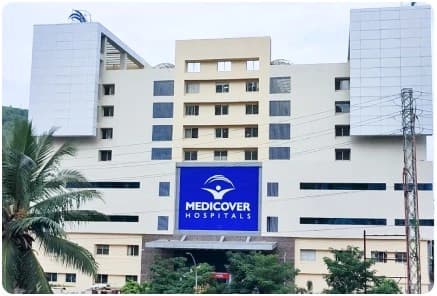
Medicover Hospitals – Best in Mvp Colony, Visakhapatnam
- Beds
- 700
- Accreditation
- NABH Accredited
- Established
- 2020
Emergency Medicine at Medicover Hospitals
Emergency Medicine focuses on the rapid assessment, stabilisation and treatment of sudden illnesses, injuries and potentially life-threatening conditions. At Medicover Hospitals in MVP Colony, Visakhapatnam, patients can access 24/7 emergency care for a broad range of urgent medical and trauma situations. The hospital's published emergency services include rapid assessment, emergency diagnosis, trauma management, cardiac and stroke emergency care, poisoning and burn management, and coordination with other specialties when required. The department is located at New Venkojipalem, MVP Sector 6, along NH16, Visakhapatnam. This page helps patients searching for Emergency Medicine in Visakhapatnam understand the types of emergencies managed, diagnostic evaluation, treatment pathways, emergency specialists and practical considerations when seeking urgent hospital care.
Emergency Medicine at Medicover Hospitals, Visakhapatnam
Emergency Medicine is the medical specialty concerned with evaluating and treating patients who arrive with sudden, severe or potentially life-threatening health problems. Unlike planned consultations, emergency care often begins before a complete diagnosis is available. The immediate priorities are to identify serious problems, stabilise the patient and determine what treatment or specialist support is needed next.
At Medicover Hospitals, Visakhapatnam, the Emergency Medicine department provides 24/7 emergency services. The hospital's published information states that its emergency team manages medical emergencies, injuries and trauma cases and coordinates with other specialties when required. The hospital is located at Door No. 1-1-83, New Venkojipalem, MVP Sector 6, NH16, near HP Petrol Bunk, Visakhapatnam.
For someone searching for an Emergency Medicine hospital in Visakhapatnam, the key consideration is not simply the availability of an emergency room. Emergency care involves rapid clinical assessment, appropriate investigations, stabilisation, treatment and, when necessary, admission or referral to a relevant specialty or critical care unit.
Emergency Medicine Services and Areas of Care
Emergency Medicine can cover a wide range of urgent medical and surgical presentations. The exact treatment required depends on the patient's symptoms, clinical condition and diagnosis.
Common areas of emergency care include:
- Sudden chest pain or suspected cardiac emergencies
- Stroke symptoms and sudden neurological changes
- Breathing difficulty and acute respiratory problems
- Road traffic accidents and other traumatic injuries
- Severe bleeding
- Burns and significant injuries
- Seizures and loss of consciousness
- Severe infections and suspected sepsis
- Severe allergic reactions and shock
- Poisoning or drug overdose
- Snake bites
- Electric injuries
- Fractures and other acute injuries
- Sudden severe abdominal or other acute pain
Medicover's published Emergency Medicine information specifically lists chest pain, stroke, road traffic accidents, severe bleeding, burns, fractures, poisoning, seizures, unconsciousness, severe infections, allergic reactions, snake bites and electric injuries among emergency conditions handled at its Vizag facility.
Emergency Medicine doctors may also coordinate care with cardiology, neurology, surgery, critical care and other specialties depending on the patient's needs.
Conditions Treated Under Emergency Medicine
Cardiac and Circulatory Emergencies
Chest pain, suspected heart attack, severe blood-pressure-related symptoms, shock and other acute circulatory problems may require immediate assessment. Emergency doctors first evaluate the patient's vital signs and clinical presentation and arrange appropriate tests and specialist intervention when indicated.
Neurological Emergencies
Sudden weakness, facial drooping, difficulty speaking, seizures, severe changes in consciousness and other acute neurological symptoms can require urgent evaluation. Stroke is particularly time-sensitive, so patients with sudden neurological symptoms should seek emergency medical attention rather than waiting for a routine appointment.
Trauma and Accident-Related Injuries
Road traffic accidents, falls, workplace injuries and other trauma can involve more than one type of injury. Emergency assessment may include evaluation for bleeding, fractures, head injury, chest injury or internal injuries. Further care may involve trauma surgeons, orthopaedic specialists, neurosurgeons or critical care teams depending on the situation.
Severe Infections and Sepsis
Serious infections can sometimes progress rapidly and affect multiple organs. Emergency evaluation helps clinicians identify patients who may require urgent fluids, medicines, monitoring, investigations or escalation to critical care.
Poisoning and Toxic Exposures
Accidental or intentional ingestion of medicines, chemicals or other toxic substances requires prompt medical evaluation. Treatment depends on the substance involved, amount, timing, symptoms and the patient's overall condition.
Respiratory Emergencies
Severe breathlessness, respiratory failure, acute asthma or other sudden breathing problems can require immediate assessment and breathing support. Emergency teams evaluate oxygen levels, breathing effort and other vital signs before determining the appropriate treatment pathway.
Emergency Medicine Treatments and Procedures
Emergency treatment is determined by the patient's condition rather than by a fixed treatment package. Initial care may involve stabilisation, monitoring, medicines, oxygen or other supportive measures.
Depending on the emergency, treatment may include:
- Cardiopulmonary resuscitation (CPR)
- Airway and breathing support
- Emergency medicines
- Intravenous fluids
- Management of bleeding and shock
- Wound and injury management
- Fracture stabilisation
- Treatment for poisoning
- Emergency management of seizures
- Trauma stabilisation
- Referral to surgery or another specialty
- Transfer to intensive or critical care when clinically required
Medicover's published Emergency Medicine information describes advanced life support and resuscitation, trauma and accident management, cardiac and stroke emergency care, poisoning and burns treatment, paediatric and obstetric emergency care, ICU support and coordination across specialties.
Some emergency procedures may be performed when clinically necessary. These can include airway management, intubation, resuscitation procedures and other life-saving interventions. The appropriate procedure depends on the patient's condition and the judgement of the treating emergency team.
Emergency Medicine Diagnostic and Evaluation Services
Rapid diagnosis is an important part of emergency care, but emergency physicians often begin treatment while investigations are still underway when the patient's condition requires immediate action.
Evaluation may include:
- Medical history and symptom assessment
- Physical examination
- Blood pressure, pulse, temperature and oxygen-level monitoring
- Blood and laboratory investigations
- Electrocardiogram (ECG) for appropriate cardiac symptoms
- X-ray and other imaging when indicated
- CT or MRI evaluation where clinically appropriate
- Neurological assessment
- Assessment for infection or sepsis
- Trauma evaluation
- Monitoring of response to initial treatment
Medicover's Visakhapatnam hospital information lists diagnostic and imaging services including MRI, CT scan, Cath Labs and endoscopy, while its Emergency Medicine page describes rapid access to scans, laboratory tests and specialist support. The particular investigation required depends on the clinical situation.
When Should You See an Emergency Medicine Specialist?
Emergency Medicine is intended for urgent situations rather than routine health concerns. Patients should seek immediate medical attention when symptoms are severe, sudden, rapidly worsening or potentially life-threatening.
Examples include:
- Severe or unexplained chest pain
- Sudden difficulty breathing
- Signs of a stroke, such as sudden weakness or speech difficulty
- Loss of consciousness
- Persistent or severe seizures
- Heavy bleeding
- Serious injuries or road traffic accidents
- Severe burns
- Suspected poisoning or overdose
- Severe allergic reactions
- Sudden confusion or significant change in awareness
- Serious infections accompanied by concerning symptoms
- Snake bites or electrical injuries
If a person appears critically ill, calling emergency medical services and seeking urgent professional care is more appropriate than attempting to manage the situation at home.
What to Expect During an Emergency Medicine Consultation
Emergency care differs from a routine outpatient appointment because patients are prioritised according to the seriousness of their condition.
The process may include:
1. Initial assessment:
The emergency team assesses symptoms, vital signs and immediate risks.
2. Medical history:
Doctors may ask about existing illnesses, medications, allergies, recent events, injuries and when the symptoms began.
3. Immediate stabilisation:
If required, emergency measures such as oxygen, resuscitation, bleeding control, airway support or medicines may begin immediately.
4. Diagnostic evaluation:
Laboratory tests, ECG, imaging or other investigations may be ordered according to the clinical presentation.
5. Specialist involvement:
If the patient requires additional expertise, emergency doctors may coordinate with another department.
6. Ongoing treatment or admission:
After initial stabilisation, the patient may be discharged with appropriate instructions, observed further, admitted to the hospital or transferred to critical care depending on the clinical situation.
Families should understand that emergency departments may prioritise patients with more serious conditions first, even when another patient arrived earlier.
Why Choose Emergency Medicine Care at Medicover Hospitals?
When choosing emergency care, patients and families should look for round-the-clock availability, appropriate emergency infrastructure, access to diagnostic evaluation and the ability to coordinate care with relevant specialists.
Medicover Hospitals' Visakhapatnam emergency information states that its emergency services operate 24/7 and that emergency doctors work with specialists across areas including heart, brain, surgical and critical care services. The hospital also publishes information about emergency rooms, trauma care and access to diagnostic support.
The Visakhapatnam hospital page also describes a dedicated emergency department, intensive and critical care support, operation theatres and diagnostic and imaging services. These capabilities can be relevant when patients require escalation beyond initial emergency assessment.
Patients should still discuss their individual medical circumstances with the treating healthcare team, as the appropriate emergency pathway varies from case to case.
Emergency Medicine Doctors and Specialists
Emergency Medicine doctors, also known as emergency physicians, are trained to assess undifferentiated medical problems and make rapid decisions when the diagnosis may not initially be clear.
Medicover Hospitals' published doctor directory for Visakhapatnam lists emergency medicine specialists including Dr V Chittaranjan Naidu, Consultant Emergency Medicine, and Dr Gorle Prudhvi Chand, Emergency Medicine specialist and HOD of Emergency Medicine. Their published profiles identify emergency medicine and critical care-related qualifications and experience.
Dr Gorle Prudhvi Chand's profile lists his area of specialisation as Emergency Medicine, Trauma & Critical Care and identifies him as HOD, Emergency Medicine. Dr V Chittaranjan Naidu's profile identifies him as a Consultant in Emergency Medicine with a critical care focus. Patients should confirm current availability and consultation timings before planning a non-emergency visit.
In an actual emergency, patients should not delay care while attempting to select a particular doctor. The emergency team available at the time will assess and manage the patient.
Emergency Medicine Care in Visakhapatnam
For people searching for Emergency Medicine in Visakhapatnam, location and accessibility are particularly important because some emergencies require treatment without delay.
Medicover Hospitals' MVP facility is located at New Venkojipalem, MVP Sector 6, NH16, near HP Petrol Bunk, Visakhapatnam, Andhra Pradesh 530022. The hospital publishes 24/7 emergency availability.
Patients in and around MVP Colony may search for emergency hospitals near them when dealing with sudden illness, accidents or other urgent situations. For time-sensitive conditions, the nearest appropriate emergency facility should generally be considered rather than delaying treatment for travel to a preferred provider.
For planned consultations, patients can check doctor availability and appointment timings separately. Emergency services and scheduled outpatient consultations follow different care pathways.
How to Choose the Right Emergency Medicine Hospital or Specialist
When comparing an Emergency Medicine hospital in Visakhapatnam, consider practical factors such as:
- 24/7 emergency availability: Emergencies can occur at any hour, so continuous emergency coverage is important.
- Emergency physician support: Look for appropriately trained emergency medicine professionals.
- Diagnostic access: Timely laboratory and imaging support can help clinicians evaluate urgent conditions.
- Trauma capabilities: Accident and injury cases may require coordinated trauma management.
- Critical care support: Some patients need intensive monitoring or life support after emergency stabilisation.
- Multispecialty coordination: Complex emergencies may require cardiology, neurology, surgery, orthopaedics, critical care or other specialists.
- Hospital accessibility: A conveniently located emergency department can be important when every minute matters.
- Communication: Families should receive understandable information about investigations, treatment and the next steps.
- Follow-up planning: After the emergency phase, patients may require specialist consultation, admission or continued treatment.
No single hospital or emergency department is appropriate for every situation. Patients should consider the urgency of the condition and seek timely professional assessment.
Frequently Asked Questions About Emergency Medicine
1. What does an Emergency Medicine specialist treat?
Emergency Medicine specialists evaluate and manage sudden illnesses, injuries and potentially life-threatening conditions. These may include chest pain, stroke symptoms, trauma, severe infections, seizures, poisoning, breathing problems and other urgent presentations.
2. When should I go to an Emergency Medicine department?
You should seek emergency care for severe or sudden symptoms such as chest pain, difficulty breathing, loss of consciousness, major bleeding, serious injuries, stroke-like symptoms, severe allergic reactions, poisoning or other potentially life-threatening conditions.
3. Is Emergency Medicine available 24/7 at Medicover Hospitals, Visakhapatnam?
Medicover Hospitals' published information states that its emergency services in Visakhapatnam are available 24/7, including weekends and holidays.
4. Does Emergency Medicine treat accident and trauma cases?
Yes. Emergency Medicine includes the initial assessment and stabilisation of patients with accidents and traumatic injuries. Medicover's published Emergency Medicine information includes road traffic accidents, trauma injuries, fractures, severe bleeding and burns among emergency conditions managed at its Vizag facility.
5. Can Emergency Medicine doctors treat stroke symptoms?
Emergency physicians can provide urgent assessment and initial management when stroke is suspected. Because some stroke treatments are time-sensitive, patients with sudden weakness, speech difficulty, facial drooping or other concerning neurological symptoms should seek emergency care immediately.
6. What happens during an emergency evaluation?
The team first assesses the patient's condition and immediate risks. This may be followed by physical examination, vital-sign monitoring, laboratory testing, ECG, imaging or other investigations. Treatment and stabilisation can begin before every diagnostic result is available when clinically necessary.
7. Are emergency doctors different from regular physicians?
Emergency physicians are doctors trained specifically to evaluate and manage acute and potentially life-threatening conditions. They work across a broad range of medical problems and coordinate with other specialists when a patient requires specialised or ongoing care.
8. How do I choose an Emergency Medicine hospital in Visakhapatnam?
Consider 24/7 emergency availability, trained emergency doctors, diagnostic support, trauma and critical care capabilities, access to relevant specialists, location and the hospital's ability to manage urgent conditions.
9. Can I book a routine appointment with an Emergency Medicine doctor?
Some Emergency Medicine specialists may have scheduled consultation timings for non-emergency concerns. Medicover's published doctor profiles provide consultation timings for its listed emergency medicine doctors. For an active emergency, however, patients should use emergency services rather than wait for a routine appointment.
10. What should I bring to the hospital during an emergency?
If it can be done without delaying urgent care, bring identification, current medication information, known allergy details, previous medical records and relevant diagnostic reports. In a serious emergency, getting prompt medical attention should take priority over collecting documents.
Best Emergency Medicine Doctors at Medicover Hospitals, Mvp Colony
Consult with our highly experienced experts at Medicover Hospitals.
 Emergency medicine
Dr Gorle Prudhvi Chand
 Emergency medicine
Dr A Pratap Reddy
 Emergency medicine
Dr V Chittaranjan Naidu
Emergency Medicine Treatments
Trauma & Accident Emergency Care
Advanced treatment available at Medicover Hospitals.
Heart Attack & Acute Cardiac Emergency Care
Advanced treatment available at Medicover Hospitals.
Stroke & Neurological Emergency Management
Advanced treatment available at Medicover Hospitals.
Respiratory Emergency Treatment
Advanced treatment available at Medicover Hospitals.
Sepsis & Severe Infection Management
Advanced treatment available at Medicover Hospitals.
Poisoning & Drug Overdose Treatment
Advanced treatment available at Medicover Hospitals.
Snakebite & Animal-Bite Management
Advanced treatment available at Medicover Hospitals.
Shock & Severe Bleeding Management
Advanced treatment available at Medicover Hospitals.
Burn & Acute Wound Management
Advanced treatment available at Medicover Hospitals.
Emergency Surgical & Critical Care Procedures
Advanced treatment available at Medicover Hospitals.
Emergency Toothache Relief Package
Advanced treatment available at Medicover Hospitals.
Frequently Asked Questions About Emergency Medicine
What types of emergency medicine procedures are performed at Medicover Hospitals?
We perform a wide range of emergency medicine procedures, from routine diagnostics to complex surgeries, using the latest medical technologies.
How can I book an appointment for Emergency Medicine at Medicover Hospitals?
You can book an appointment through the Siris Healthcare platform by clicking the "Get Free Estimate" button or contacting our 24/7 helpline.
Other Medical Specialties at Medicover Hospitals Mvp Colony
Get Expert Emergency Medicine Care at Medicover Hospitals, Mvp Colony
Schedule a consultation with our top specialists and get a personalized treatment plan with a free cost estimate.
Top Specialities at Medicover Hospitals Mvp Colony
- Cardiology Department
- cardiothoracic Department
- Critical care Department
- Oncology Department
- orthopedic Department
- Neurology Department
- Neurosurgery Department
- Gastroenterology Department
- Nephrology Department
- Urology Department
- Pulmonology Department
- General Surgery Department
- General Medicine Department
- obstetrics Department
- Pediatrics Department
- Paediatrics & Neonatology Department
- Endocrinology Department
- ENT Department
- Dermatology Department
- Ophthalmology Department
- Anesthesiology Department
- Electrophysiology Department
- Emergency medicine Department
- Vascular Surgery Department
- Pediatric Surgery Department
- Fetal Medicine Department
- Hepatology Department
- Robotic Surgery Department
- Nuclear Medicine Department
- Neuroradiology Department
- Radiology Department
- Pathology Department
- Dentistry Department