
Orthopedic at Medicover Hospitals, Mvp Colony, Visakhapatnam
Explore Orthopedic services, treatments, diagnostic care and related doctors at Medicover Hospitals.
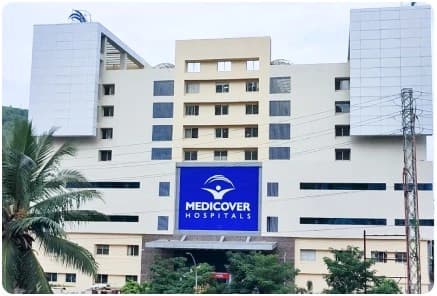
Medicover Hospitals – Best in Mvp Colony, Visakhapatnam
- Beds
- 700
- Accreditation
- NABH Accredited
- Established
- 2020
Orthopedic at Medicover Hospitals
Orthopedic care focuses on conditions affecting the bones, joints, muscles, ligaments, tendons and other parts of the musculoskeletal system. This page helps patients looking for orthopedic care in Visakhapatnam understand the types of conditions that may require specialist evaluation, available treatment approaches, diagnostic processes and what to expect during a consultation at Medicover Hospitals. Patients can explore care options for concerns such as persistent joint pain, arthritis, fractures, sports injuries, back and neck problems, ligament or tendon injuries and mobility-related conditions. The appropriate treatment depends on the underlying condition, its severity, medical history and individual health needs. Patients should discuss symptoms and treatment choices with a qualified orthopedic professional.
Orthopedic at Medicover Hospitals, Visakhapatnam
Orthopedics is the branch of medicine concerned with the diagnosis, treatment and ongoing management of conditions affecting the musculoskeletal system. This includes the bones, joints, muscles, ligaments, tendons and supporting structures that allow the body to move, bear weight and maintain stability.
Patients may seek an orthopedic consultation for a wide range of concerns, from sudden injuries and fractures to long-standing knee, shoulder, hip, spine or joint problems. In Visakhapatnam, people searching for an orthopedic hospital, orthopedic doctor or bone and joint specialist may need help understanding whether their symptoms require conservative treatment, rehabilitation, further diagnostic evaluation or a surgical opinion.
At Medicover Hospitals, this page provides information about orthopedic care and the types of conditions, evaluations and treatment approaches commonly associated with the specialty. Specific services and procedures may vary depending on the hospital's available facilities, the treating specialist and the patient's clinical requirements.
Orthopedic Services and Areas of Care
Orthopedic care covers both acute injuries and chronic musculoskeletal conditions. Depending on the patient's symptoms and diagnosis, care may involve medical assessment, imaging, medication, physiotherapy, activity modification, rehabilitation or surgical consultation.
Common areas of orthopedic care include:
- Joint care: Evaluation of persistent pain, stiffness, swelling and reduced movement affecting the knee, hip, shoulder, elbow, wrist or ankle.
- Fracture and injury care: Assessment and management of broken bones, dislocations and other traumatic injuries.
- Arthritis care: Evaluation of degenerative and inflammatory joint conditions that may affect movement and daily activities.
- Sports and activity-related injuries: Assessment of injuries involving muscles, tendons, ligaments and joints.
- Musculoskeletal pain: Evaluation of recurring or persistent pain involving the back, neck, shoulders, hips or limbs.
- Ligament and tendon problems: Assessment of sprains, tears, tendinopathy and other soft-tissue injuries.
- Mobility-related conditions: Evaluation of problems that make walking, standing, climbing stairs or performing everyday activities difficult.
Orthopedic treatment is not the same for every patient. A specialist may recommend observation, physical rehabilitation, medication, supportive devices, injections or surgery depending on the diagnosis and severity of the condition.
Conditions Treated Under Orthopedic Care
Knee and Joint Conditions
Knee pain can develop because of arthritis, injuries, ligament problems, cartilage damage, overuse or other musculoskeletal conditions. Hip, shoulder, ankle and other joint problems may also cause pain, stiffness and reduced mobility.
An orthopedic evaluation can help identify the underlying cause and determine whether conservative management or further intervention should be considered.
Arthritis and Degenerative Joint Conditions
Osteoarthritis is a common condition in which the tissues within a joint gradually undergo changes over time. It may cause pain, stiffness and difficulty with movement. Arthritis can affect different joints and may become more noticeable during activities such as walking, climbing stairs or prolonged standing.
Management depends on factors such as the affected joint, symptoms, age, activity level and overall health.
Fractures and Bone Injuries
Fractures can occur after falls, road accidents, sports injuries or other trauma. Some fractures may also occur when bones are weakened by underlying conditions.
Treatment depends on the location and type of fracture, alignment of the bone, soft-tissue involvement and other clinical factors. Depending on the injury, management may involve immobilization, follow-up imaging, rehabilitation or surgical treatment.
Sports and Ligament Injuries
Sports and physically demanding activities can result in ligament sprains, muscle injuries, tendon problems and joint trauma. Knee, ankle, shoulder and elbow injuries are among the concerns that may require orthopedic assessment.
A specialist may evaluate the mechanism of injury, pain, swelling, movement and stability before recommending an appropriate treatment and rehabilitation plan.
Back and Neck-Related Musculoskeletal Problems
Back and neck discomfort can have multiple causes. Orthopedic assessment may be appropriate when pain persists, repeatedly returns or is associated with movement limitations or other concerning symptoms.
The cause needs to be evaluated before deciding on treatment. Depending on the clinical findings, management may include exercise-based rehabilitation, medicines, physical therapy or specialist referral.
Orthopedic Treatments and Procedures
Orthopedic treatment ranges from non-surgical management to operative procedures. The right approach depends on the diagnosis and individual circumstances.
Conservative Orthopedic Treatment
Many musculoskeletal conditions can initially be managed without surgery. Depending on the condition, treatment may include:
- Activity modification
- Prescribed medicines
- Physical therapy and rehabilitation
- Strengthening and mobility exercises
- Supportive braces or other orthopedic aids
- Weight-management guidance where clinically appropriate
- Follow-up monitoring
Conservative treatment should be tailored to the patient's condition rather than applied as a standard approach to every case.
Fracture Management
Fracture treatment may involve immobilization, reduction of the bone, follow-up imaging and rehabilitation. Certain fractures may require operative fixation when appropriate.
The treatment decision depends on factors such as fracture location, displacement, stability, soft-tissue injury and the patient's overall health.
Arthroscopy and Minimally Invasive Procedures
Arthroscopy is a procedure in which a small camera is used to examine the inside of a joint. Depending on the joint and diagnosis, arthroscopic procedures may be considered for selected injuries or structural problems.
Whether arthroscopy or another procedure is appropriate should be determined after clinical examination and diagnostic evaluation.
Joint Replacement
Advanced joint degeneration may sometimes lead to discussion of joint replacement. Knee and hip replacement are examples of procedures used for selected patients with significant joint damage and persistent symptoms.
Joint replacement is not appropriate for every person with joint pain. A specialist considers symptoms, imaging findings, functional limitations, previous treatment and overall health before discussing surgery.
Rehabilitation After Orthopedic Treatment
Recovery does not necessarily end when a procedure or acute injury has been treated. Rehabilitation may be an important part of restoring strength, movement, balance and functional ability.
A rehabilitation plan can vary depending on the injury or procedure, age, physical condition and treatment goals.
Orthopedic Diagnostic and Evaluation Services
Accurate diagnosis is an important part of orthopedic care. During an assessment, the specialist may review the patient's symptoms and medical history before performing a physical examination.
Depending on the problem, diagnostic evaluation may involve:
- X-rays for assessing bones, alignment and many types of fractures
- MRI for detailed assessment of soft tissues and selected joint or spinal conditions
- CT scans for detailed evaluation of certain bone and structural problems
- Ultrasound for selected soft-tissue assessments
- Blood tests when an inflammatory, infectious or systemic condition is being considered
- Functional and physical assessments
- Previous medical records and imaging reports
Not every patient requires every test. Diagnostic investigations should be selected according to the symptoms and clinical findings.
When Should You See an Orthopedic Specialist?
An orthopedic consultation may be appropriate when musculoskeletal symptoms persist, interfere with normal activities or follow an injury.
Consider discussing the problem with a qualified healthcare professional if you experience:
- Persistent knee, hip, shoulder, ankle or other joint pain
- Repeated joint swelling or stiffness
- Difficulty walking or using a limb normally
- Pain following a fall, accident or sports injury
- Suspected fracture or dislocation
- Recurrent muscle, tendon or ligament injuries
- Reduced range of motion
- Persistent back or neck pain
- Difficulty performing everyday activities because of pain or restricted movement
Sudden severe pain, obvious deformity after an injury, inability to bear weight, significant swelling or suspected fracture may require prompt medical assessment.
What to Expect During an Orthopedic Consultation
An orthopedic consultation usually begins with a discussion about the patient's main concern.
1. Medical History
The specialist may ask when symptoms started, how they developed, what makes them better or worse and whether there has been a previous injury or treatment.
2. Physical Examination
Depending on the complaint, the doctor may examine the affected joint, limb or other area for tenderness, swelling, movement, strength, stability and functional limitations.
3. Diagnostic Evaluation
Existing reports may be reviewed, or additional tests may be recommended when necessary. Imaging and laboratory investigations depend on the suspected condition.
4. Treatment Discussion
Once the clinical picture is clearer, the specialist can discuss appropriate treatment options. These may range from conservative care and rehabilitation to procedural or surgical treatment where clinically indicated.
5. Follow-Up Planning
Some orthopedic conditions require monitoring over time. The follow-up schedule depends on the diagnosis, treatment and recovery process.
Patients can make the consultation more useful by carrying previous medical records, imaging reports, medication details and information about earlier treatments.
Why Choose Orthopedic Care at Medicover Hospitals?
Choosing an orthopedic provider involves more than looking for a hospital name. Patients should consider whether the available service matches their particular medical requirement.
For patients considering Medicover Hospitals in Visakhapatnam, useful questions may include:
- Is an appropriate orthopedic specialist available for the condition?
- Can the patient's symptoms be evaluated comprehensively?
- Are relevant diagnostic services available when required?
- Can conservative and surgical treatment options be discussed where appropriate?
- Is rehabilitation or follow-up care available as part of the treatment pathway?
- Can the hospital coordinate care with other medical specialties if the patient's condition requires it?
The availability of specific procedures, diagnostic facilities and specialist services should be confirmed directly with the hospital before an appointment or treatment decision.
Orthopedic Doctors and Specialists
Orthopedic specialists evaluate and manage conditions involving bones, joints, muscles, ligaments and tendons. Depending on the patient's concern, an orthopedic consultation may focus on joint problems, fractures, sports injuries, arthritis, spine-related musculoskeletal problems or other conditions.
Different orthopedic specialists may also have focused experience in areas such as joint replacement, sports injuries, trauma, pediatric orthopedics, spine care or other subspecialties.
No specific doctor names are included on this page because verified doctor information was not provided. Patients looking for orthopedic doctors in Visakhapatnam should review the current specialist information and consultation availability before booking.
Orthopedic Care in Visakhapatnam
Patients in Visakhapatnam may prefer local orthopedic care for convenience, particularly when a condition requires repeated consultations, diagnostic testing, physiotherapy or follow-up appointments.
For people in and around MVP Colony, access to an orthopedic consultation can be useful when persistent joint pain, an injury or reduced mobility starts affecting work, travel, exercise or everyday activities.
When selecting orthopedic care in Visakhapatnam, patients should consider the nature of their condition, the relevant specialist's experience, diagnostic requirements, treatment choices, follow-up arrangements and accessibility.
Rather than delaying assessment because pain is manageable at first, patients with recurring or worsening musculoskeletal symptoms can discuss their concerns with a qualified healthcare professional to understand whether further evaluation is appropriate.
How to Choose the Right Orthopedic Hospital or Specialist
The appropriate orthopedic provider depends on the patient's specific condition and treatment requirements. When comparing orthopedic hospitals or specialists in Visakhapatnam, consider:
Relevant specialist expertise: Look for a doctor whose clinical focus matches the condition being evaluated.
Diagnostic support: Ask whether appropriate imaging or other investigations can be arranged when clinically necessary.
Treatment options: A useful consultation should allow the patient to understand both non-surgical and surgical approaches where relevant.
Hospital infrastructure: For conditions requiring procedures or surgery, patients may want to understand what facilities and support services are available.
Rehabilitation and follow-up: Recovery from many orthopedic conditions may require ongoing exercises, physiotherapy or clinical review.
Multidisciplinary care: Some patients have medical conditions that require coordination between orthopedics and other specialties.
Communication: Patients should feel comfortable asking about diagnosis, treatment alternatives, expected recovery, risks and follow-up.
Convenience: Location, appointment availability and ease of attending follow-up visits can be practical considerations, especially for longer treatment journeys.
Specific facilities and services should always be confirmed with the hospital because availability can change.
Frequently Asked Questions About Orthopedic Care
What does an orthopedic specialist treat?
An orthopedic specialist diagnoses and manages conditions affecting the musculoskeletal system, including bones, joints, muscles, ligaments and tendons. Common concerns include fractures, arthritis, joint pain, sports injuries and certain spine or mobility problems.
When should I see an orthopedic specialist?
Consider an orthopedic consultation for persistent or recurring joint or musculoskeletal pain, movement limitations, sports injuries, suspected fractures, repeated swelling or problems that interfere with daily activities. Urgent injuries may require prompt medical attention.
What happens during an orthopedic consultation?
The consultation generally includes a discussion of symptoms and medical history, a physical examination where appropriate, review or recommendation of diagnostic tests, and discussion of treatment options and follow-up.
How is a joint problem diagnosed?
Diagnosis may involve medical history, physical examination and imaging such as X-rays or MRI. Blood tests or other investigations may be recommended when the doctor suspects an inflammatory, infectious or systemic condition.
Are all orthopedic conditions treated with surgery?
No. Many orthopedic problems can be managed with non-surgical approaches such as medicines, activity modification, physiotherapy, exercises or supportive devices. Surgery is considered when clinically appropriate.
When is joint replacement considered?
Joint replacement may be considered for selected patients with significant joint damage, persistent symptoms and functional limitations when other appropriate treatment options have not provided sufficient relief. The decision requires individual clinical evaluation.
Can an orthopedic specialist treat sports injuries?
Orthopedic specialists may evaluate various sports-related injuries involving joints, muscles, ligaments and tendons. Treatment depends on the type and severity of the injury and may include rehabilitation or, in selected cases, a procedure.
What should I bring to an orthopedic appointment?
Bring previous medical records, X-rays or other imaging reports, details of current medications, information about previous treatments and a brief history of when your symptoms started. If possible, note activities that increase or reduce the symptoms.
How do I choose an orthopedic hospital in Visakhapatnam?
Consider the specialist's relevant clinical expertise, diagnostic support, treatment options, rehabilitation and follow-up arrangements, hospital facilities and accessibility. Confirm specific services and doctor availability before booking.
How can I book an orthopedic consultation at Medicover Hospitals?
Patients can check the current appointment process, orthopedic specialist availability and consultation timings through the hospital or the relevant appointment channel. Availability of doctors and services may change, so confirmation before visiting is recommended.
Best Orthopedic Doctors at Medicover Hospitals, Mvp Colony
Consult with our highly experienced experts at Medicover Hospitals.
 orthopedic
Dr Sridhar Gangavarapu
 orthopedic
Dr Ponduru Sharat Ram
 orthopedic
Dr Praveen Sodavarapu
Orthopedic Treatments
Knee Pain & Arthritis Care Package
Advanced treatment available at Medicover Hospitals.
Knee Replacement Treatment
Advanced treatment available at Medicover Hospitals.
Hip Replacement Treatment
Advanced treatment available at Medicover Hospitals.
Fracture & Trauma Care Package
Advanced treatment available at Medicover Hospitals.
Sports Injury & Arthroscopy Treatment
Advanced treatment available at Medicover Hospitals.
Frequently Asked Questions About Orthopedic
What types of orthopedic procedures are performed at Medicover Hospitals?
We perform a wide range of orthopedic procedures, from routine diagnostics to complex surgeries, using the latest medical technologies.
How can I book an appointment for Orthopedic at Medicover Hospitals?
You can book an appointment through the Siris Healthcare platform by clicking the "Get Free Estimate" button or contacting our 24/7 helpline.
Other Medical Specialties at Medicover Hospitals Mvp Colony
Get Expert Orthopedic Care at Medicover Hospitals, Mvp Colony
Schedule a consultation with our top specialists and get a personalized treatment plan with a free cost estimate.
Top Specialities at Medicover Hospitals Mvp Colony
- Cardiology Department
- cardiothoracic Department
- Critical care Department
- Oncology Department
- orthopedic Department
- Neurology Department
- Neurosurgery Department
- Gastroenterology Department
- Nephrology Department
- Urology Department
- Pulmonology Department
- General Surgery Department
- General Medicine Department
- obstetrics Department
- Pediatrics Department
- Paediatrics & Neonatology Department
- Endocrinology Department
- ENT Department
- Dermatology Department
- Ophthalmology Department
- Anesthesiology Department
- Electrophysiology Department
- Emergency medicine Department
- Vascular Surgery Department
- Pediatric Surgery Department
- Fetal Medicine Department
- Hepatology Department
- Robotic Surgery Department
- Nuclear Medicine Department
- Neuroradiology Department
- Radiology Department
- Pathology Department
- Dentistry Department