
General Surgery at Medicover Hospitals, Mvp Colony, Visakhapatnam
Explore General Surgery services, treatments, diagnostic care and related doctors at Medicover Hospitals.
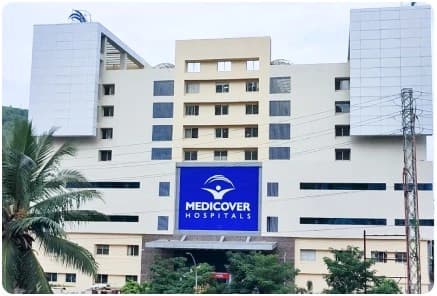
Medicover Hospitals – Best in Mvp Colony, Visakhapatnam
- Beds
- 700
- Accreditation
- NABH Accredited
- Established
- 2020
General Surgery at Medicover Hospitals
General Surgery at Medicover Hospitals in Visakhapatnam provides a dedicated pathway for patients seeking evaluation and surgical care for a wide range of conditions involving the abdomen, digestive system, skin and soft tissues, breast, thyroid and other areas commonly managed by general surgeons. Patients searching for General Surgery in Visakhapatnam can use this page to understand common conditions, surgical and non-surgical treatment approaches, diagnostic evaluation, consultation expectations and factors to consider when selecting a surgical care provider. The page represents Medicover Hospitals in the MVP Colony area and is intended to help patients understand their options before discussing an individual treatment plan with a qualified surgeon.
General Surgery at Medicover Hospitals, Visakhapatnam
General Surgery is a broad surgical specialty concerned with the evaluation and treatment of many conditions affecting the abdomen, digestive tract, skin and soft tissues, breast, thyroid, and other parts of the body. General surgeons may provide both planned and urgent surgical care, depending on the patient's condition.
For people searching for General Surgery in Visakhapatnam, understanding when surgical evaluation is appropriate can make the healthcare journey easier. A general surgeon does not automatically recommend surgery for every problem. The first step is usually a clinical assessment to understand the condition, its severity and whether treatment should involve medicines, observation, a procedure or surgery.
At Medicover Hospitals in Visakhapatnam, this page is intended to help patients exploring General Surgery care understand the types of conditions and procedures commonly associated with the specialty. The hospital is located in the MVP area of Visakhapatnam, making the page locally relevant for people searching for surgical consultation around MVP Colony and surrounding parts of the city.
Treatment decisions depend on the diagnosis, symptoms, medical history, age, general health and individual circumstances.
General Surgery Services and Areas of Care
General Surgery covers a diverse range of surgical problems. Depending on the patient's diagnosis and the facilities and specialists available, care may include clinical assessment, pre-operative evaluation, surgical treatment, hospital care and post-operative follow-up.
Common areas associated with General Surgery include:
- Abdominal and gastrointestinal surgical conditions
- Hernia evaluation and repair
- Appendicitis and appendix surgery
- Gallbladder-related surgical conditions
- Piles, anal fissures and fistula-related conditions
- Thyroid and selected neck conditions requiring surgery
- Breast lumps and other conditions requiring surgical assessment
- Skin and soft-tissue lumps, cysts and infections
- Abscesses and selected wound-related problems
- Surgical management of certain injuries
- Minor and day-care surgical procedures
- Open and minimally invasive surgical approaches where clinically appropriate
General Surgery can also overlap with other specialties. For example, a patient with a complex gastrointestinal condition may require input from gastroenterology or surgical gastroenterology, while suspected cancer may require evaluation by an oncology team. In such situations, multidisciplinary discussion can help determine the most appropriate treatment pathway.
Conditions Treated Under General Surgery
Hernia
A hernia occurs when an internal organ or tissue pushes through a weakened area of muscle or surrounding tissue. Common types include inguinal, umbilical and incisional hernias.
A visible or painful swelling, discomfort while lifting or coughing, or a persistent lump may warrant surgical evaluation. Depending on the type and severity of the hernia, treatment may involve observation in selected cases or surgical repair.
Appendicitis
Appendicitis is inflammation of the appendix and can cause abdominal pain, often beginning around the navel and later becoming more pronounced in the lower right abdomen. Nausea, vomiting, fever and loss of appetite may also occur.
Suspected appendicitis requires timely medical assessment. When surgery is indicated, appendectomy may be performed using an open or laparoscopic approach depending on the clinical situation.
Gallbladder Conditions
Gallstones and other gallbladder problems can cause abdominal pain, particularly after meals, along with nausea or digestive discomfort. Some patients may develop complications such as inflammation or infection.
When surgical removal of the gallbladder is recommended, laparoscopic cholecystectomy is a commonly used approach. The appropriate procedure depends on the patient's condition and surgical assessment.
Piles, Fissures and Fistulas
Piles, also called haemorrhoids, can cause bleeding, discomfort, itching or swelling around the anus. An anal fissure is a tear in the lining of the anal canal and may cause sharp pain during bowel movements. An anal fistula is an abnormal connection between the anal canal and nearby skin.
Not every patient requires surgery. Diagnosis and treatment depend on the underlying problem, its severity and previous treatment history.
Thyroid and Breast Conditions
Some thyroid nodules, goitres or other thyroid abnormalities may require surgical evaluation. Similarly, breast lumps may need clinical examination and diagnostic assessment before a treatment decision is made.
A lump does not automatically mean cancer. However, a persistent or suspicious lump should be evaluated by an appropriate healthcare professional.
Skin and Soft-Tissue Conditions
General surgeons may also assess certain cysts, abscesses, lipomas and other soft-tissue problems. Treatment can range from observation or medication to drainage or surgical removal, depending on the diagnosis.
General Surgery Treatments and Procedures
The procedure recommended by a surgeon depends on the specific condition and the patient's overall health. Common procedures associated with General Surgery include:
- Hernia repair
- Appendectomy
- Gallbladder removal
- Abscess drainage
- Excision of selected cysts or soft-tissue lumps
- Haemorrhoid procedures
- Fistula-related procedures
- Fissure procedures
- Thyroid surgery
- Selected breast procedures
- Diagnostic laparoscopy
- Other abdominal and soft-tissue surgeries
Open and Laparoscopic Surgery
General surgical procedures may be performed using different techniques. Open surgery involves a larger incision to access the affected area, while laparoscopic surgery uses smaller incisions and a camera-assisted approach.
Minimally invasive surgery may offer benefits for appropriately selected patients, but it is not suitable for every condition. The decision depends on the diagnosis, anatomy, previous surgeries, overall health and the surgeon's clinical assessment.
Patients should discuss the expected benefits, limitations, risks and recovery requirements of the proposed procedure before consenting to surgery.
General Surgery Diagnostic and Evaluation Services
A surgical consultation normally begins with a detailed clinical assessment. Depending on the presenting problem, the evaluation may include:
- Medical and surgical history
- Review of current symptoms
- Physical examination
- Blood tests
- Urine or other laboratory tests where appropriate
- Ultrasound
- X-ray
- CT scan
- MRI in selected situations
- Endoscopic evaluation when relevant
- Pre-operative anaesthesia assessment
- Other condition-specific investigations
For example, a patient with a suspected hernia may require a physical examination and, in selected cases, imaging. A patient with abdominal pain may require blood tests and imaging to identify the underlying cause.
Diagnostic testing is not identical for every patient. A surgeon or referring doctor will recommend investigations based on symptoms and clinical findings.
When Should You See a General Surgery Specialist?
A surgical consultation may be appropriate if you have a persistent or unexplained lump, swelling, abdominal pain, recurrent hernia symptoms, suspected appendicitis, gallbladder-related symptoms or a condition that may require a procedure.
You may also be referred to a general surgeon when:
- A non-surgical treatment has not resolved the problem
- A lump or swelling needs further assessment
- Imaging suggests a condition that may require surgery
- You have recurring symptoms associated with a known surgical condition
- A wound, abscess or soft-tissue problem requires procedural treatment
- Your doctor recommends a surgical opinion
- You need a second opinion before undergoing an operation
Some symptoms require urgent medical attention. Severe or rapidly worsening abdominal pain, persistent vomiting, significant bleeding, fainting, high fever, abdominal swelling or a painful lump that cannot be pushed back should not be managed through routine online advice. Seek prompt medical evaluation.
What to Expect During a General Surgery Consultation
A General Surgery consultation is usually focused on understanding the problem before deciding whether surgery is necessary.
1. Medical History
The surgeon may ask about your symptoms, previous illnesses, surgeries, medications, allergies and relevant family history.
2. Discussion of Symptoms
Details such as when the problem began, whether symptoms are worsening, what makes them better or worse, and whether they affect eating, bowel movements or daily activities can help the surgeon understand the condition.
3. Physical Examination
Depending on the problem, the surgeon may examine the abdomen, a swelling or lump, a wound or another affected area.
4. Diagnostic Evaluation
Existing reports may be reviewed, and additional blood tests or imaging may be recommended if necessary.
5. Treatment Discussion
If surgery is appropriate, the surgeon may explain the proposed procedure, alternatives, potential risks, expected recovery and preparation requirements.
6. Follow-Up Planning
Patients may receive instructions regarding medication, diet, activity, wound care and follow-up appointments. Recovery varies considerably according to the procedure and individual health.
Why Choose General Surgery Care at Medicover Hospitals?
When comparing a General Surgery hospital in Visakhapatnam, patients should look beyond the name of the procedure. Surgical care involves several stages, from diagnosis and pre-operative preparation to the operation, recovery and follow-up.
Medicover Hospitals in Visakhapatnam represents a multispecialty hospital setting where patients can explore surgical care alongside other medical specialties when additional clinical input is needed. The hospital's Visakhapatnam MVP location is in the New Venkojipalem area.
For patients considering surgery, useful factors to discuss with the hospital or surgical team include:
- Whether the appropriate specialist is available
- Which diagnostic tests may be required
- Whether open or minimally invasive surgery is appropriate
- Pre-operative evaluation requirements
- Anaesthesia arrangements
- Expected hospital stay
- Recovery and follow-up requirements
- Possible complications and warning signs
- Insurance or payment-related processes
- Availability of emergency support when relevant
Specific services, procedures and facilities should always be confirmed with the hospital before planning treatment, as clinical availability can change.
General Surgery Doctors and Specialists
General surgeons evaluate and treat a wide range of surgical conditions. Depending on the patient's problem, a general surgeon may also work with laparoscopic surgeons, gastroenterologists, oncologists, anaesthesiologists, radiologists, intensivists and other specialists.
When searching for General Surgery doctors in Visakhapatnam, patients should consider whether the surgeon's clinical focus matches their condition. For example, someone seeking treatment for a hernia may want to discuss the surgeon's experience with hernia repair, while a patient with a complex abdominal condition may require a different surgical subspecialty.
Patients can ask about:
- The surgeon's relevant qualifications
- Experience with the proposed procedure
- Available surgical approaches
- Expected recovery
- Potential complications
- Alternative treatment options
- Follow-up arrangements
If a second opinion is being considered, patients should take previous scans, laboratory reports, prescriptions and operative records to the consultation whenever possible.
General Surgery Care in Visakhapatnam
People searching for General Surgery in Visakhapatnam may prefer care that is accessible from their home or workplace and allows continuity from consultation through recovery.
Medicover Hospitals is located in the MVP area, with the hospital address listed as Door No. 1-1-83, New Venkojipalem, MVP Sector 6, NH16, near HP Petrol Bunk, Visakhapatnam, Andhra Pradesh 530022. Patients specifically looking for a General Surgery hospital near MVP Colony can use the location when planning a consultation.
Local access can be particularly useful when treatment involves multiple appointments, pre-operative investigations or post-operative reviews. Patients travelling from other parts of Visakhapatnam or nearby areas should consider appointment timing, transportation and the expected frequency of follow-up visits.
How to Choose the Right General Surgery Hospital or Specialist
Choosing a surgical provider is an important healthcare decision. Rather than relying only on online rankings or promotional claims, patients can compare providers using practical clinical considerations.
Specialist Expertise
Check whether the surgeon regularly manages the condition or procedure relevant to your needs.
Diagnostic Support
Ask what investigations may be required and whether the hospital can coordinate the necessary diagnostic evaluation.
Treatment Options
A good consultation should explain whether surgery is necessary and, where appropriate, discuss alternative approaches.
Surgical Approach
If minimally invasive surgery is being considered, ask whether it is suitable for your particular condition and what its advantages and limitations are.
Hospital and Critical-Care Support
For major or complex operations, consider the availability of appropriate anaesthesia, monitoring, inpatient care and emergency support.
Multidisciplinary Coordination
Some surgical conditions require input from more than one specialty. Coordination between surgeons, physicians, radiologists, anaesthesiologists and other specialists may be important.
Follow-Up Care
Ask how post-operative reviews, wound care, medication guidance and recovery monitoring will be handled.
Communication
Your surgeon should explain the diagnosis, proposed treatment, risks, alternatives and recovery expectations in language you can understand.
Ultimately, the right treatment depends on the individual patient rather than a generic list of procedures.
Frequently Asked Questions About General Surgery
1. What does a General Surgery specialist treat?
General surgeons commonly evaluate and treat conditions involving the abdomen, digestive tract, hernias, gallbladder, appendix, skin and soft tissues, thyroid, breast and other surgical problems. The exact scope of care varies by surgeon.
2. When should I see a General Surgery specialist?
Consider a surgical consultation for persistent lumps or swellings, suspected hernia, appendicitis, gallbladder problems, recurrent surgical conditions, certain abscesses or problems that have not improved with non-surgical treatment.
3. Does every General Surgery condition require an operation?
No. Some conditions can be monitored or treated with medicines or other non-surgical approaches. Surgery is recommended only when clinically appropriate.
4. What is laparoscopic surgery?
Laparoscopic surgery is a minimally invasive technique in which surgeons use small incisions and a camera-assisted system to perform selected procedures. Whether it is appropriate depends on the condition and the patient's individual circumstances.
5. What are common General Surgery procedures?
Common procedures include hernia repair, appendectomy, gallbladder surgery, selected haemorrhoid procedures, abscess drainage, soft-tissue procedures and thyroid surgery. The availability of a particular procedure should be confirmed with the hospital.
6. How is a surgical condition diagnosed?
Diagnosis may involve medical history, physical examination, blood tests and imaging such as ultrasound, X-ray, CT or MRI. The tests required depend on the symptoms and suspected condition.
7. How do I choose a General Surgery hospital in Visakhapatnam?
Consider the surgeon's relevant experience, diagnostic support, treatment options, surgical approach, hospital facilities, emergency support where required, follow-up arrangements and accessibility.
8. What should I bring to a General Surgery consultation?
Bring previous medical reports, scans, laboratory results, prescriptions, a list of current medicines and details of previous surgeries or significant medical conditions.
9. Can I seek a second opinion before General Surgery?
Yes. A second opinion can help patients understand the diagnosis, proposed procedure, alternatives and potential risks before making a treatment decision, particularly when major surgery has been recommended.
10. How can I book a General Surgery consultation at Medicover Hospitals?
Patients can check the hospital's current appointment process and General Surgery doctor availability before scheduling a consultation. Appointment requirements, consultation timings and available specialists may change, so confirming these details directly with the hospital is recommended.
Treatment depends on the underlying condition, diagnosis and individual health needs. Patients should discuss appropriate treatment options, risks and alternatives with a qualified healthcare professional.
Best General Surgery Doctors at Medicover Hospitals, Mvp Colony
Consult with our highly experienced experts at Medicover Hospitals.
 General Surgery
Dr CH V N G R Ramanujam
 General Surgery
Dr B Ananta Rao
General Surgery Treatments
Appendectomy
Advanced treatment available at Medicover Hospitals.
Gallbladder Removal (cholecystectomy)
Advanced treatment available at Medicover Hospitals.
Hernia Repair Surgery
Advanced treatment available at Medicover Hospitals.
Piles / Hemorrhoid Treatment
Advanced treatment available at Medicover Hospitals.
Fistula Surgery
Advanced treatment available at Medicover Hospitals.
Fissure Surgery
Advanced treatment available at Medicover Hospitals.
Bariatric Surgery
Advanced treatment available at Medicover Hospitals.
Bowel / Intestinal Surgery
Advanced treatment available at Medicover Hospitals.
Breast Surgery
Advanced treatment available at Medicover Hospitals.
Thyroid Surgery (thyroidectomy)
Advanced treatment available at Medicover Hospitals.
Frequently Asked Questions About General Surgery
What types of general surgery procedures are performed at Medicover Hospitals?
We perform a wide range of general surgery procedures, from routine diagnostics to complex surgeries, using the latest medical technologies.
How can I book an appointment for General Surgery at Medicover Hospitals?
You can book an appointment through the Siris Healthcare platform by clicking the "Get Free Estimate" button or contacting our 24/7 helpline.
Other Medical Specialties at Medicover Hospitals Mvp Colony
Get Expert General Surgery Care at Medicover Hospitals, Mvp Colony
Schedule a consultation with our top specialists and get a personalized treatment plan with a free cost estimate.
Top Specialities at Medicover Hospitals Mvp Colony
- Cardiology Department
- cardiothoracic Department
- Critical care Department
- Oncology Department
- orthopedic Department
- Neurology Department
- Neurosurgery Department
- Gastroenterology Department
- Nephrology Department
- Urology Department
- Pulmonology Department
- General Surgery Department
- General Medicine Department
- obstetrics Department
- Pediatrics Department
- Paediatrics & Neonatology Department
- Endocrinology Department
- ENT Department
- Dermatology Department
- Ophthalmology Department
- Anesthesiology Department
- Electrophysiology Department
- Emergency medicine Department
- Vascular Surgery Department
- Pediatric Surgery Department
- Fetal Medicine Department
- Hepatology Department
- Robotic Surgery Department
- Nuclear Medicine Department
- Neuroradiology Department
- Radiology Department
- Pathology Department
- Dentistry Department