
Clinical Biochemistry at Sprint Diagnostics, Suchitra, Hyderabad
Explore Clinical Biochemistry services, treatments, diagnostic care and related doctors at Sprint Diagnostics.
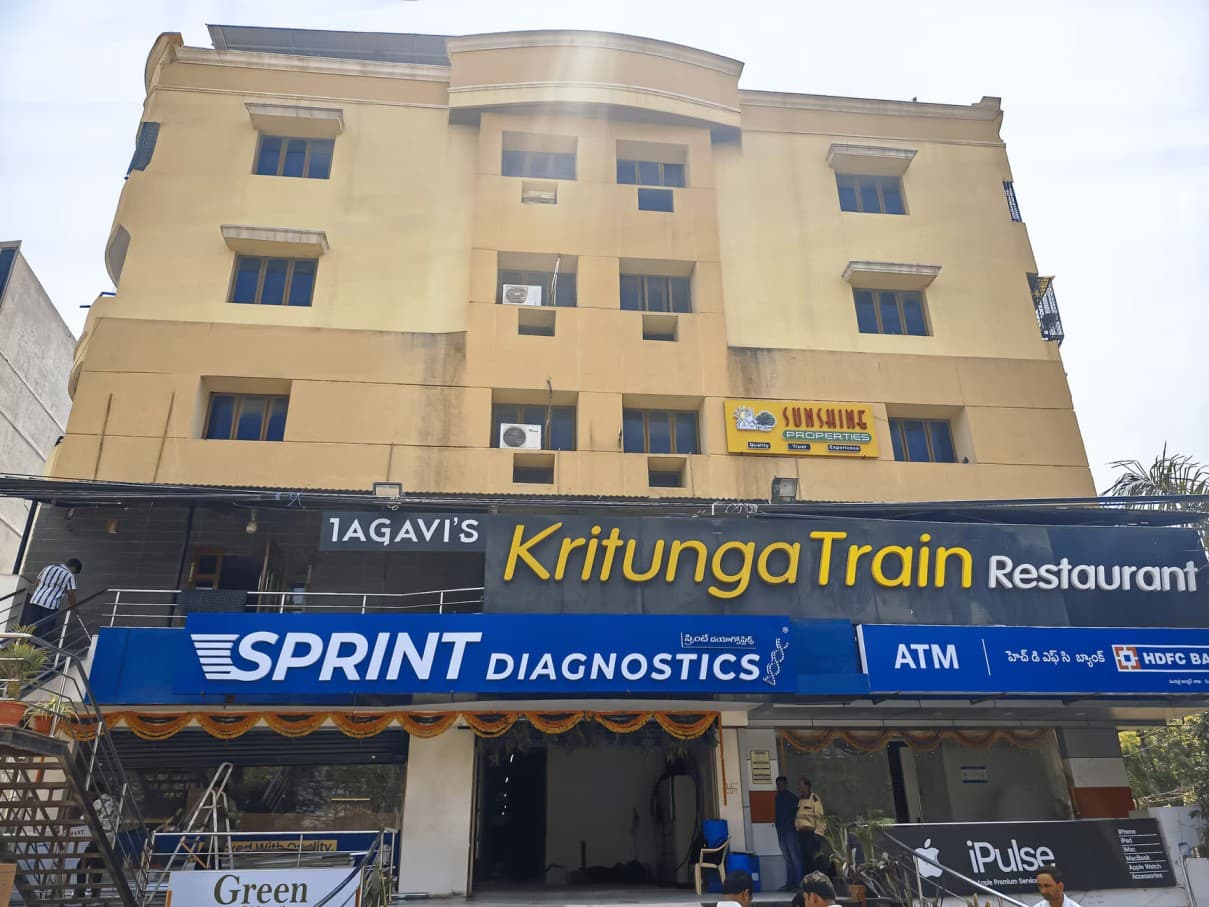
Sprint Diagnostics – Best Diagnostic Centres in Suchitra, Hyderabad
Clinical Biochemistry at Sprint Diagnostics
Clinical Biochemistry at Sprint Diagnostics, Suchitra, Hyderabad, focuses on laboratory investigations that help healthcare professionals evaluate metabolic health, organ function and important biochemical changes in the body. This specialty covers blood and urine testing for parameters such as glucose, cholesterol, liver enzymes, kidney function markers, electrolytes and selected hormones. Patients can explore commonly recommended biochemical investigations, understand when testing may be necessary and learn how laboratory results contribute to the assessment of conditions such as diabetes, liver disorders, kidney disease and metabolic imbalances. Located in Suchitra, Sprint Diagnostics is a diagnostic centre where patients can enquire about relevant laboratory services and test availability. The information on this page helps individuals make informed decisions about biochemical testing and follow-up with their healthcare providers.
Clinical Biochemistry at Sprint Diagnostics, Suchitra, Hyderabad
Clinical Biochemistry is an important branch of laboratory medicine that examines the chemical components of blood, urine and other biological samples to understand how different systems in the body are functioning. It provides measurable information about metabolism, organ health, hormones, enzymes, proteins, electrolytes and other substances involved in normal body processes.
At Sprint Diagnostics, Suchitra, Hyderabad, Clinical Biochemistry is among the listed laboratory specialties. Patients looking for clinical biochemistry in Hyderabad can explore investigations that help doctors evaluate blood sugar levels, monitor diabetes, assess liver and kidney function, examine cholesterol levels and investigate certain metabolic abnormalities.
These tests are useful in different stages of healthcare, including routine health assessments, investigation of unexplained symptoms, monitoring existing medical conditions and evaluating changes during treatment.
Clinical biochemistry results are not interpreted independently. Doctors consider laboratory findings alongside symptoms, medical history, medications, physical examination and other diagnostic reports before recommending further evaluation or treatment.
Clinical Biochemistry Services and Areas of Care
Clinical Biochemistry covers several categories of laboratory investigations. The tests recommended depend on the patient's health concerns, risk factors and the clinical information a doctor needs.
Blood Glucose and Diabetes Testing
Blood glucose testing measures the amount of glucose circulating in the bloodstream. It is commonly recommended when screening for diabetes, investigating symptoms associated with altered blood sugar or monitoring people who have already been diagnosed with diabetes.
Common investigations include:
- Fasting Blood Glucose (FBS)
- Postprandial Blood Sugar (PPBS)
- Random Blood Sugar (RBS)
- Glycated Haemoglobin (HbA1c)
- Oral Glucose Tolerance Test (OGTT), when indicated
HbA1c provides an estimate of average blood glucose over approximately two to three months. It offers information that differs from a single blood sugar measurement.
Patients can explore Diabetes Diagnostics to understand the role of laboratory testing in diabetes screening and monitoring.
Liver Function Testing
The liver performs essential functions involving digestion, metabolism, protein production and the processing of substances in the body.
Liver Function Tests (LFTs) measure selected enzymes, proteins and other biochemical markers that provide information about liver health.
Common parameters include:
- Alanine Aminotransferase (ALT/SGPT)
- Aspartate Aminotransferase (AST/SGOT)
- Alkaline Phosphatase (ALP)
- Bilirubin
- Albumin
- Gamma-Glutamyl Transferase (GGT), when included
These investigations may be recommended when evaluating jaundice, suspected liver inflammation, medication-related changes or an existing liver condition.
Explore Liver Function Testing for further information about LFT investigations and their clinical relevance.
Kidney Function and Renal Biochemistry
Kidneys help remove waste products from the blood and maintain the body's fluid, mineral and electrolyte balance. Biochemical investigations can provide useful information about these functions.
Common kidney-related tests include:
- Serum Creatinine
- Blood Urea
- Blood Urea Nitrogen (BUN), where reported
- Estimated Glomerular Filtration Rate (eGFR)
- Serum Electrolytes
- Selected urine biochemical investigations
These tests may be recommended for people with diabetes, high blood pressure, suspected kidney problems or an existing renal condition requiring monitoring.
Read more about Kidney Diagnostics to understand kidney function assessment and related investigations.
Lipid Profile and Cholesterol Assessment
A lipid profile measures different types of fats present in the bloodstream. It contributes to cardiovascular risk assessment and may be recommended during preventive health evaluations or when monitoring people with elevated cholesterol.
A typical lipid profile includes:
- Total Cholesterol
- Low-Density Lipoprotein (LDL)
- High-Density Lipoprotein (HDL)
- Triglycerides
Abnormal lipid levels may be associated with an increased risk of cardiovascular disease. However, results must be evaluated alongside other factors, including blood pressure, diabetes, age, family history and lifestyle.
Patients can learn more through Lipid Profile Testing.
Thyroid and Hormonal Investigations
Biochemical laboratory testing can also help assess selected hormonal functions.
Thyroid investigations commonly include Thyroid-Stimulating Hormone (TSH), Free T4 and, when clinically indicated, T3 measurements.
These tests may be recommended when evaluating symptoms such as persistent tiredness, unexplained weight changes, altered heart rate or unusual sensitivity to heat or cold.
Additional hormonal investigations may be considered depending on the suspected condition. The appropriate tests should be selected by a qualified healthcare professional.
Explore Thyroid Diagnostics for more information about thyroid function testing.
Electrolyte, Mineral and Protein Testing
Electrolytes and minerals play important roles in maintaining fluid balance, muscle activity, nerve signalling and normal cellular function.
Depending on clinical requirements, investigations may include:
- Sodium
- Potassium
- Chloride
- Calcium
- Phosphorus
- Total Protein
- Albumin
- Bicarbonate
Changes in these parameters may be associated with dehydration, kidney disorders, medication effects and other medical conditions. Their significance depends on the patient's overall clinical condition.
Conditions Evaluated Through Clinical Biochemistry
Clinical Biochemistry does not directly treat medical conditions. Instead, it provides laboratory evidence that helps healthcare professionals investigate, diagnose and monitor different health concerns.
Diabetes and Metabolic Disorders
Blood glucose and HbA1c investigations are commonly used to assess diabetes and monitor blood sugar control. Additional biochemical tests may help evaluate related metabolic and organ-function concerns.
Liver-Related Conditions
Liver enzyme measurements and bilirubin testing may support the evaluation of fatty liver disease, hepatitis-related changes, medication-associated liver injury and other conditions affecting liver function.
Further investigations may be necessary to establish the underlying cause.
Kidney Disorders
Creatinine, eGFR, urea and electrolyte measurements help doctors assess kidney-related biochemical changes. These tests may also be used to monitor patients with an existing kidney condition.
Thyroid Disorders
Thyroid function testing can support the evaluation of hypothyroidism, hyperthyroidism and certain other thyroid-related conditions.
Cardiovascular Risk Factors
Lipid profile testing provides information about cholesterol and triglyceride levels. These results can contribute to an assessment of cardiovascular risk when considered alongside other health factors.
Electrolyte and Metabolic Imbalances
Abnormal sodium, potassium, calcium or other biochemical measurements may occur in different medical situations, including dehydration, kidney conditions and certain medication-related effects.
A clinician determines whether additional investigations are needed.
Clinical Biochemistry Tests and Procedures
Clinical Biochemistry primarily involves laboratory sample collection and analysis rather than surgery or invasive treatment.
Depending on the investigation, the laboratory process may involve:
- Venous blood sample collection for biochemical analysis.
- Urine sample collection for selected metabolic investigations.
- Fasting blood tests when specifically required.
- Glucose tolerance testing when recommended.
- Hormonal and metabolic investigations.
- Repeat biochemical testing to monitor changes over time.
- Specialised laboratory investigations based on a doctor's request.
The collection method and preparation requirements differ between tests.
For additional information about related investigations, patients can explore Blood Tests and Laboratory Testing.
Clinical Biochemistry Diagnostic and Evaluation Services
Biochemical investigations support healthcare professionals in evaluating symptoms, monitoring chronic conditions and assessing selected health risks.
Routine Laboratory Investigations
Routine biochemical testing may include blood glucose, lipid profile, liver function, kidney function and electrolyte measurements.
The selection of tests depends on the patient's medical history and the reason for investigation.
Monitoring Existing Medical Conditions
Patients with diabetes, kidney disease, liver conditions or certain endocrine disorders may require repeat biochemical investigations.
Comparing current reports with previous results can help doctors understand changes in health parameters and review treatment plans where necessary.
Preventive Health Screening
Selected biochemical tests may form part of a preventive health assessment. Screening requirements differ according to age, family history, existing medical conditions and individual risk factors.
A health checkup should be selected according to actual healthcare needs rather than simply the number of tests included.
Explore Preventive Health Checkups for more information about appropriate health screening.
Related Laboratory Specialties
Clinical Biochemistry often works alongside other areas of laboratory medicine. Depending on the medical concern, a doctor may recommend additional investigations involving:
- Clinical Pathology for the examination of blood, urine and other clinical specimens.
- Hematology for investigations involving blood cells and related disorders.
- Microbiology for the evaluation of suspected infections.
- Laboratory Medicine for a broader understanding of diagnostic laboratory investigations.
Not every patient requires multiple types of laboratory testing. The appropriate investigations depend on the clinical question being evaluated.
When Should You Consider Clinical Biochemistry Testing?
A healthcare professional may recommend biochemical investigations in several situations, including:
- Persistent or unexplained fatigue and weakness.
- Suspected diabetes or elevated blood glucose.
- Monitoring of an existing metabolic condition.
- Unexplained changes in weight or appetite.
- Symptoms that may indicate a liver or kidney concern.
- Evaluation of abnormal cholesterol levels.
- Suspected electrolyte or mineral imbalance.
- Monitoring the effects of certain medications.
- Routine health assessments based on individual risk factors.
- Follow-up of previously abnormal laboratory reports.
Symptoms alone cannot establish a diagnosis. A doctor can determine whether biochemical testing, clinical examination or additional investigations are appropriate.
What to Expect During a Clinical Biochemistry Test
The laboratory testing process is generally straightforward, although preparation varies according to the investigation.
1. Test Recommendation
A doctor may recommend specific biochemical tests based on symptoms, medical history, previous reports or preventive screening requirements.
2. Preparation Before Sample Collection
Some tests require fasting, while others can be performed without it. Patients should confirm the preparation instructions for their particular investigation.
Inform the healthcare professional about current medications and supplements. Do not discontinue prescribed medication without medical advice.
3. Sample Collection
Most routine biochemical investigations require a blood sample collected from a vein in the arm. Certain investigations may require urine or another biological specimen.
4. Laboratory Analysis
The collected sample is processed and analysed using the appropriate laboratory testing method. Sample handling and processing are important factors in obtaining reliable results.
5. Report Review and Medical Interpretation
Once the report is available, the doctor reviews the results alongside symptoms, medical history and other relevant findings.
An abnormal result does not automatically confirm a disease. Additional tests or follow-up may be recommended when necessary.
Why Consider Clinical Biochemistry at Sprint Diagnostics, Suchitra?
For individuals looking for clinical biochemistry in Suchitra, Hyderabad, Sprint Diagnostics provides a listed diagnostic location where patients can enquire about laboratory investigations.
Its Suchitra profile identifies Clinical Biochemistry alongside other laboratory specialties, including Clinical Pathology, Hematology and Microbiology.
When considering laboratory services, patients should evaluate practical factors such as:
- Availability of the specific biochemical investigation required.
- Clear sample collection and preparation instructions.
- Appropriate sample handling and laboratory quality processes.
- Transparent information about test charges.
- Report availability and expected reporting timelines.
- Access to previous reports for comparison, where supported.
- Convenient appointment and collection arrangements.
Patients should confirm the availability of individual tests and any applicable preparation requirements directly with the centre before visiting.
For partner-specific information, see Sprint Diagnostics, Suchitra, Hyderabad.
Clinical Biochemistry Doctors and Laboratory Specialists
Clinical Biochemistry involves the work of qualified laboratory professionals, including clinical biochemists and laboratory medicine specialists.
Their responsibilities may include supervising biochemical testing processes, evaluating laboratory findings, maintaining quality standards and supporting clinicians when laboratory results require further clarification.
The doctor who recommends an investigation generally interprets its results in relation to the patient's symptoms, medical history and other diagnostic findings.
No individual specialist should be assumed to be available at a particular branch without confirmation. Patients can enquire about the relevant laboratory team and professional support at Sprint Diagnostics, Suchitra.
Clinical Biochemistry Care in Hyderabad
Patients searching for clinical biochemistry in Hyderabad may require laboratory testing for diabetes screening, metabolic assessment, cholesterol monitoring, liver and kidney function evaluation or follow-up of an existing medical condition.
For residents of Suchitra, having access to a diagnostic centre in the locality can be helpful when routine or repeat laboratory investigations are recommended.
Sprint Diagnostics is listed at Gate No. 2, Mahindra Showroom, Survey No. 73 & 75, Service Centre Lane, beside Ramaraj Nagar, Suchitra, Hyderabad, Telangana – 500067.
Patients from Suchitra and other parts of North Hyderabad can check the location, test availability and appointment arrangements before planning a visit.
The specific investigation, preparation requirements, sample collection arrangements and report timelines should always be confirmed with the diagnostic centre.
How to Choose the Right Clinical Biochemistry Laboratory
Choosing a laboratory involves more than comparing test prices. The reliability and relevance of the investigation are important considerations.
Before selecting a diagnostic provider, consider:
Test availability: Confirm that the laboratory offers the specific investigation recommended by your doctor.
Laboratory quality: Ask about applicable quality assurance processes, sample identification and handling procedures.
Professional oversight: Understand how laboratory investigations are supervised and how unexpected findings can be clarified.
Preparation guidance: Check whether fasting, medication-related precautions or special sample collection instructions are necessary.
Reporting timelines: Ask when the results are expected and how reports can be accessed.
Location and convenience: Consider the centre's accessibility, appointment arrangements and whether home sample collection is available for your particular test.
Follow-up support: Ensure you have an appropriate healthcare professional who can explain the results and recommend further evaluation when required.
The most suitable laboratory is one that can meet the clinical testing requirement while following appropriate testing and reporting practices.
Frequently Asked Questions About Clinical Biochemistry
1. What does Clinical Biochemistry investigate?
Clinical Biochemistry examines blood, urine and other biological samples to measure substances such as glucose, cholesterol, enzymes, proteins, hormones and electrolytes. These results help healthcare professionals evaluate metabolic health and organ function.
2. Which Clinical Biochemistry tests are commonly recommended?
Common investigations include blood glucose, HbA1c, liver function tests, kidney function tests, lipid profile and electrolyte measurements. Thyroid and selected hormonal investigations may also be recommended depending on the patient's clinical requirements.
3. Can I enquire about Clinical Biochemistry testing at Sprint Diagnostics, Suchitra?
Yes. Clinical Biochemistry is listed among the laboratory specialties associated with Sprint Diagnostics, Suchitra. Patients should confirm the availability of their specific investigation and sample collection arrangements before visiting.
4. Do Clinical Biochemistry tests require fasting?
Not all biochemical investigations require fasting. Fasting may be necessary for certain tests, depending on the investigation and the doctor's instructions. Always follow the preparation guidance provided by the healthcare professional or laboratory.
5. Can Clinical Biochemistry tests help detect diabetes?
Blood glucose and HbA1c tests are commonly used to screen for and monitor diabetes. Their results are interpreted according to established clinical criteria and the patient's individual circumstances.
6. How are liver and kidney problems evaluated through biochemical testing?
Liver function tests measure selected enzymes, proteins and bilirubin, while kidney function investigations commonly include creatinine, eGFR and urea. These results help doctors assess organ function and determine whether further evaluation is necessary.
7. Does an abnormal biochemical test result always indicate a disease?
No. An abnormal result can occur for several reasons, including temporary changes, medications, existing health conditions or sample-related factors. A qualified healthcare professional should interpret the result alongside other clinical information.
8. How long does it take to receive Clinical Biochemistry reports?
Reporting time depends on the specific investigation, laboratory processing requirements and whether specialised analysis is necessary. Patients should confirm the expected turnaround time when arranging their test.
9. Can I get a Clinical Biochemistry blood test through home sample collection?
Home sample collection may be available for eligible laboratory investigations in supported areas. Patients should confirm whether their specific test and residential location are covered by the service.
10. What should I bring when visiting Sprint Diagnostics for a biochemical test?
Carry your doctor's prescription or recommended test list, previous laboratory reports if available, and relevant medical information. Follow any fasting or sample preparation instructions provided before the appointment.
Medical Disclaimer: This content is intended for general educational purposes and does not replace professional medical advice, diagnosis or treatment. Clinical Biochemistry tests should be selected and interpreted by qualified healthcare professionals. Test availability and collection arrangements may vary by diagnostic centre.
Clinical Biochemistry Treatments
Diabetes & Blood Sugar Testing
Advanced treatment available at Sprint Diagnostics.
Liver Function Test (lft)
Advanced treatment available at Sprint Diagnostics.
Kidney Function Test (kft/rft)
Advanced treatment available at Sprint Diagnostics.
Thyroid Function Test (tft)
Advanced treatment available at Sprint Diagnostics.
Electrolyte & Mineral Testing
Advanced treatment available at Sprint Diagnostics.
Frequently Asked Questions About Clinical Biochemistry
What types of clinical biochemistry procedures are performed at Sprint Diagnostics?
We perform a wide range of clinical biochemistry procedures, from routine diagnostics to complex surgeries, using the latest medical technologies.
How can I book an appointment for Clinical Biochemistry at Sprint Diagnostics?
You can book an appointment through the Siris Healthcare platform by clicking the "Get Free Estimate" button or contacting our 24/7 helpline.
Get Expert Clinical Biochemistry Care at Sprint Diagnostics, Suchitra
Schedule a consultation with our top specialists and get a personalized treatment plan with a free cost estimate.
Compare hospitals in Hyderabad
Compare the hospital details, specialties, doctor profiles and patient feedback currently listed for providers in Hyderabad.
| Hospital | Listed specialties | Doctor profiles | Rating | Reviews |
|---|---|---|---|---|
| Sprint Diagnostics Suchitra | Radiology, CT Scan, Ultrasound Imaging, Digital Mammography, Cardiology, ECG, 2D Echo, Pathology, Clinical Pathology, Clinical Biochemistry, Hematology, Histopathology, Microbiology, Preventive Health Checkups | No profiles listed | Not listed | Not listed |
| Amedico Diagnostics Jubilee Hills | Diagnostics, Clinical Laboratory Testing, Pathology, Clinical Pathology, Blood Tests, Urine Testing, Diabetes Testing, Lipid Profile Testing, Preventive Health Checkups | No profiles listed | 4.5 / 5 | 185 |
| Apollo Diagnostics Jubilee Hills Jubilee Hills | Clinical Pathology, Haematology, Clinical Biochemistry, Blood Tests, Diabetes Testing, Thyroid & Hormonal Testing, Lipid Profile Testing, Liver Function Testing, Kidney Function Testing, Preventive Health Checkups, Urine Testing | No profiles listed | 4.8 / 5 | 144 |
| Aster Hospitals Ameerpet | Internal Medicine, Psychiatric, Physiotherapy, Radiology, Ultrasound Imaging, Anaesthesiology, Dermatology, ENT, Endocrinology, Diabetology, Emergency medicine, General Surgery, General Medicine, Radiation Oncology, Surgical Oncology, Medical Oncology, obstetrics, Gynaecology, Paediatrics & Neonatology, Pulmonology, Critical care, Nephrology, Urology, Neurosurgery, Neurology, Neurosciences, Orthopaedics, Gastroenterology, Gastro Sciences, Cardiology, Cardiac Sciences | No profiles listed | 4.5 / 5 | 212 |
| Atreya Diagnostic Centre Madhapur | Pathology, Clinical Pathology, Haematology, Biochemistry, Clinical Biochemistry, Allergy and Clinical Immunology, Blood Tests, Urine Testing, Diabetes Testing, Lipid Profile Testing, Liver Function Testing, Kidney Function Testing | No profiles listed | 4.8 / 5 | 185 |
| Dr Kvr Diagnostic Clinic Jubilee Hills | Clinical Pathology, Clinical Biochemistry, Clinical Laboratory Testing, Routine Health Investigations, Blood Tests, Urine Testing, Diabetes Testing, Lipid Profile Testing, Preventive Health Checkups | No profiles listed | 4.5 / 5 | 185 |
Hospital directory in Hyderabad
Browse hospital listings in Hyderabad, including providers around Suchitra where listings are available.
Top Specialities at Sprint Diagnostics Suchitra
- 2D Echo Department
- Hematology Department
- ECG Department
- Radiology Department
- Histopathology Department
- Clinical Biochemistry Department
- Pathology Department
- Digital Mammography Department
- Ultrasound Imaging Department
- CT Scan Department
- Cardiology Department
- Clinical Pathology Department
- Microbiology Department
- Preventive Health Checkups Department
Best Hospitals in Hyderabad
Medical Services in India
Best Multispeciality Hospitals in Hyderabad
- Ashwini Ayurvedic Center Gachibowli
- Dental Laser & Implant Centre Madhapur
- Dr. P. Siva Reddy Eye Hospital Gachibowli
- Eeshritha Skin & Hair Institute Madhapur
- Dr. Kiran's Ent, Dental, General Hospital Madhapur
- Arogyavardhini Madhapur
- Aira Medclinics Madhapur
- Cloudnine Hospital Hitec City
- Dfine Dental Clinic Gachibowli
- Dhruv Ayur Vijayam Ayurvedic Hospital Madhapur
- Dr. Vamshi Gundeboina - Orthopaedic Doctor In Madhapur Madhapur
- Anvitha Hospital Jubilee Hills
- Care Hospitals Banjara Hills
- Bodhi Wellness Centre Madhapur
- Aryas Dental Madhapur
- Aruna Clinic Madhapur
- Aig Hospitals Gachibowli
- Butterflies Child Development Centre Gachibowli
- Ayyappa Healthcare Clinic Madhapur
- Dr. Sreedhar's Kidney Centre Mehdipatnam