
Diabetes Diagnostics
Comprehensive diabetes diagnostics care in India, featuring advanced diagnostic technologies and world-class medical expertise.
Diabetes Diagnostics
Diabetes diagnostics involves a range of blood and laboratory tests used to detect diabetes, identify prediabetes and monitor blood glucose levels over time. Accurate testing is important because diabetes can develop gradually and may not always cause noticeable symptoms in its early stages.
Healthcare professionals may recommend diabetes tests based on symptoms, age, family history, pregnancy, existing health conditions or other risk factors. Regular testing can also help people who have already been diagnosed with diabetes understand how well their blood glucose is being controlled.
Common Tests Used for Diabetes Diagnosis
Several tests may be used to assess blood glucose and determine whether a person has normal blood sugar levels, prediabetes or diabetes.
HbA1c Test
The HbA1c test, also known as the glycated hemoglobin test, provides an estimate of average blood glucose levels over the previous two to three months. It is commonly used for diabetes diagnosis and ongoing monitoring.
Unlike some blood glucose tests, an HbA1c test generally does not require fasting, although your healthcare professional may recommend additional tests depending on your situation.
Fasting Blood Sugar Test
A fasting blood sugar test, also called fasting plasma glucose testing, measures blood glucose after a period without eating. It is commonly used as part of diabetes screening and diagnosis.
Following the preparation instructions provided by your healthcare professional is important to ensure the test is performed correctly.
Oral Glucose Tolerance Test
An oral glucose tolerance test (OGTT) measures how the body processes glucose over a period of time. After an initial blood glucose measurement, a glucose-containing drink is given and blood glucose is measured again according to the testing protocol.
This test is particularly important in certain situations, including evaluation for gestational diabetes during pregnancy.
Random Blood Sugar Test
A random blood sugar test measures blood glucose at a particular time without requiring fasting. It may be used when someone has symptoms associated with high blood glucose or when a healthcare professional needs an immediate assessment.
Additional Tests for Diabetes Management
Diabetes care may involve more than measuring blood glucose. Depending on an individual's health and diabetes status, healthcare professionals may recommend additional investigations to assess potential effects of diabetes on other parts of the body.
These can include:
- Urine tests for certain markers of kidney health
- Kidney function tests
- Lipid profile to assess cholesterol and triglyceride levels
- Blood pressure assessment
- Eye examinations for diabetes-related eye problems
- Foot examinations and nerve assessments
- Other blood tests based on individual medical needs
The specific tests required vary from person to person and should be determined by a qualified healthcare professional.
When Should You Consider Diabetes Testing?
Diabetes screening may be recommended when there are risk factors or symptoms that warrant further evaluation. Possible symptoms of diabetes can include increased thirst, frequent urination, unexplained weight changes, increased hunger, tiredness or blurred vision.
However, some people with diabetes or prediabetes may have few or no obvious symptoms. This is why appropriate screening can be important, particularly for people with recognized risk factors such as a family history of diabetes, overweight or obesity, high blood pressure or a previous history of gestational diabetes.
Diabetes Diagnostics for Ongoing Monitoring
For people who have already been diagnosed with diabetes, regular blood glucose testing and diabetes monitoring can help healthcare professionals assess disease management and make informed treatment decisions.
Depending on the type of diabetes and treatment plan, monitoring may involve HbA1c testing, blood glucose measurements and other investigations. The frequency of testing should be based on individual medical advice rather than a fixed schedule for everyone.
Preparing for a Diabetes Test
Preparation depends on the type of test being performed. Some tests require fasting, while others do not.
Before a blood sugar test, follow the instructions provided by your healthcare professional or diagnostic laboratory. If fasting is required, you may be advised not to eat or drink certain beverages for a specified period before the test.
Do not stop prescribed medicines or change your diabetes treatment unless your healthcare professional specifically instructs you to do so.
Understanding Your Diabetes Test Results
Diabetes test results should be interpreted in the context of your overall health, symptoms, medical history and the specific test performed. A single abnormal result does not always provide the complete clinical picture, and healthcare professionals may recommend repeat or additional testing when appropriate.
If a test indicates possible prediabetes or diabetes, a doctor can explain what the result means and discuss appropriate next steps.
Why Accurate Diabetes Diagnostics Matter
Reliable diagnostic testing helps healthcare professionals identify abnormal blood glucose levels and determine whether additional evaluation is needed. Early identification of diabetes or prediabetes can provide an opportunity to discuss lifestyle changes, monitoring and medical care where appropriate.
For people already living with diabetes, regular testing provides useful information for ongoing disease management and helps healthcare professionals evaluate the effectiveness of the current care plan.
Frequently Asked Questions About Diabetes Diagnostics
What is the most common test for diabetes?
Common tests include the HbA1c test, fasting blood glucose test, oral glucose tolerance test and random blood glucose test. The appropriate test depends on the individual's circumstances and the purpose of testing.
Does a diabetes blood test require fasting?
Not all diabetes tests require fasting. For example, HbA1c testing generally does not require fasting, while fasting plasma glucose testing does. Follow the specific preparation instructions provided for your test.
What is an HbA1c test?
An HbA1c test measures glycated hemoglobin and provides an indication of average blood glucose levels over approximately the previous two to three months.
Can diabetes be detected without symptoms?
Yes. Diabetes and prediabetes can sometimes occur without obvious symptoms. Appropriate screening and testing can help identify abnormal blood glucose levels in people who may not realize they have a problem.
How often should diabetes tests be done?
Testing frequency depends on whether you have diabetes, prediabetes, risk factors or other health considerations. Your healthcare professional can recommend an appropriate testing schedule based on your individual needs.
Diabetes Diagnostics Treatments

Comprehensive Diabetes Health Checkup
Diabetes Kidney & Heart Risk Package
Diabetes Monitoring & Control Package
Diabetes & Metabolic Health Checkup
Enquire Now
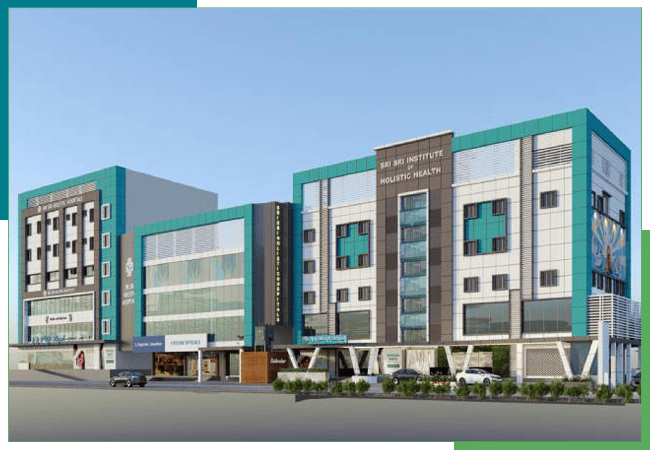
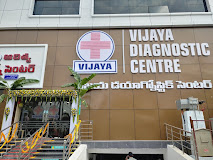
Top Diabetes Diagnostics Hospitals


Top Diabetes Diagnostics Specialists
Consult Our Diabetes Diagnostics Specialists Today
Receive expert consultation, advanced diagnosis, and personalized treatment from our experienced diabetes diagnostics specialists dedicated to delivering exceptional patient care.