
Pathology at Sprint Diagnostics, Suchitra, Hyderabad
Explore Pathology services, treatments, diagnostic care and related doctors at Sprint Diagnostics.
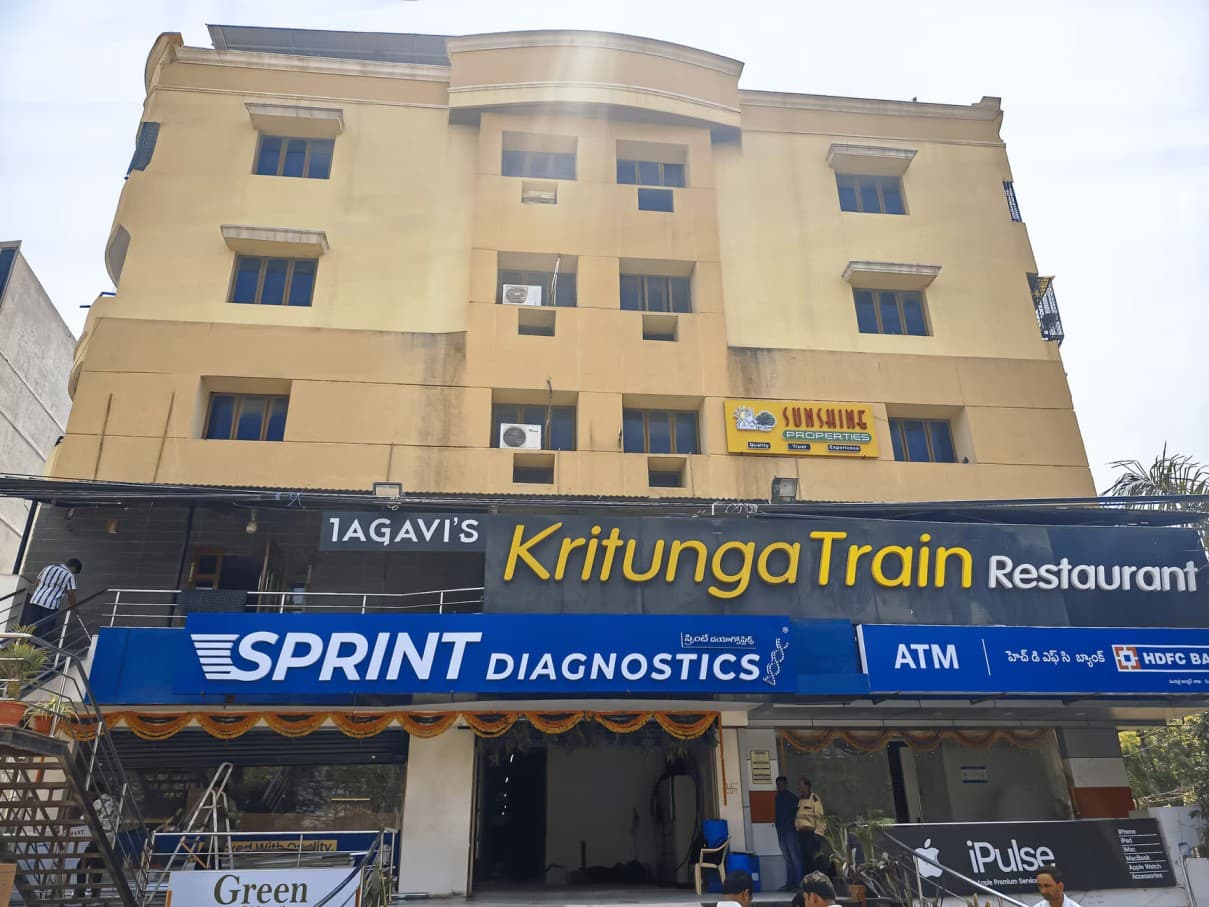
Sprint Diagnostics – Best Diagnostic Centres in Suchitra, Hyderabad
Pathology Services at Sprint Diagnostics
Pathology plays an important role in identifying health conditions, investigating symptoms and monitoring medical progress through laboratory analysis of blood, urine, tissue and other biological samples. At Sprint Diagnostics, Suchitra, Hyderabad, patients can explore pathology and laboratory diagnostic services that support routine health assessments, physician-recommended investigations and specialised diagnostic requirements. The centre's listed laboratory capabilities include clinical pathology, clinical biochemistry, hematology, histopathology, cytopathology, microbiology, molecular biology, genomics and cytogenetics. Whether you have been advised to undergo a routine blood investigation, require further evaluation of an abnormal finding or need laboratory testing as part of ongoing medical care, understanding the available pathology services can help you plan your next steps. Test availability and preparation requirements should be confirmed with the centre.
Pathology at Sprint Diagnostics, Suchitra, Hyderabad
Understanding a health concern often begins with finding the right diagnostic information. Pathology plays a central role in this process by examining blood, urine, body fluids, cells and tissue samples to identify abnormalities that may be associated with different medical conditions.
At Sprint Diagnostics, Suchitra, Hyderabad, pathology is part of the centre's diagnostic service offering. The centre lists several laboratory disciplines, including clinical pathology, clinical biochemistry, hematology, histopathology, cytopathology, microbiology, molecular biology, genomics and cytogenetics. These areas of laboratory medicine support different types of investigations, from routine health assessments to more specialised diagnostic evaluation.
Patients looking for a pathology laboratory in Suchitra may need testing for a variety of reasons. A physician may recommend laboratory investigations to understand persistent symptoms, assess organ function, investigate a suspected infection, monitor a chronic condition or evaluate an abnormal finding from another examination.
The purpose of pathology is not simply to produce a test report. Laboratory findings provide important clinical information that doctors interpret alongside symptoms, medical history, examination findings and other investigations before deciding on appropriate care.
Patients can also explore Pathology Services and Diagnostic Tests to understand the broader role of laboratory investigations in healthcare.
Pathology Services and Areas of Care
Pathology includes several specialised areas, each focusing on particular types of biological samples and diagnostic questions. The appropriate investigation depends on the condition being evaluated and the information a treating doctor needs.
Clinical Pathology and Routine Laboratory Testing
Clinical pathology involves analysing blood, urine and other body fluids to identify changes that may indicate a health concern.
Common laboratory investigations may include:
- Complete blood count (CBC).
- Urine routine examination and microscopy.
- Blood glucose testing.
- Inflammatory marker testing.
- Coagulation profile.
- Stool examination.
- Other physician-recommended laboratory investigations.
These tests may help doctors investigate anaemia, infections, metabolic abnormalities, urinary concerns and other conditions.
Learn more about Clinical Pathology and Clinical Laboratory Testing.
Clinical Biochemistry
Clinical biochemistry examines chemical substances and measurable markers in blood, urine and other biological samples. These investigations help assess metabolic activity and the functioning of important organs.
Depending on the clinical requirement, tests may include:
- Blood glucose and HbA1c.
- Liver function tests (LFT).
- Kidney function tests (KFT).
- Lipid profile.
- Electrolyte testing.
- Thyroid function investigations.
- Enzyme and protein measurements.
These investigations are commonly recommended for evaluating diabetes, cardiovascular risk factors, liver conditions, kidney-related concerns and metabolic disorders.
Patients can read more about Biochemistry Testing.
Hematology
Hematology focuses on blood cells, blood-forming tissues and disorders affecting blood composition and function.
Laboratory investigations may include:
- Complete blood count.
- Haemoglobin measurement.
- Peripheral blood smear examination.
- Platelet count.
- Red blood cell indices.
- Coagulation investigations.
These tests can support the evaluation of anaemia, abnormal bleeding, clotting disorders, infections and certain blood-related conditions.
Histopathology
Histopathology involves examining tissue samples under a microscope to identify structural changes associated with disease.
A doctor may recommend a tissue examination when a lump, lesion, abnormal growth or other finding requires further investigation. Tissue samples obtained through an appropriate biopsy or surgical procedure may be sent for microscopic evaluation.
Depending on the clinical question, histopathology can help distinguish between benign and malignant changes, identify inflammatory conditions and provide information that supports further treatment planning.
Explore Histopathology Services for more information about tissue examination and biopsy-related diagnosis.
Cytopathology
Cytopathology examines individual cells or groups of cells to identify abnormal cellular changes.
Depending on the clinical requirement, samples may be obtained through fine needle aspiration, body fluids or other appropriate collection methods.
Cytology investigations can support the evaluation of abnormal lumps, inflammatory changes, infections and suspected precancerous or cancerous conditions.
Read more about Cytopathology and Cell-Based Diagnosis.
Microbiology and Molecular Diagnostics
Microbiology focuses on identifying microorganisms that may cause infections. Depending on the suspected infection, laboratory evaluation may involve blood, urine, respiratory specimens, wound samples or other appropriate material.
Molecular diagnostics examine genetic material or specific molecular markers to support the investigation of selected infectious diseases and other conditions.
These investigations can provide additional information when conventional testing alone does not answer the clinical question.
Conditions Evaluated Through Pathology
Pathology investigations support the diagnosis and monitoring of many medical conditions. The type of test selected depends on the symptoms, clinical history and suspected underlying cause.
Blood-Related Conditions
Laboratory investigations may help identify or evaluate:
- Iron-deficiency and other forms of anaemia.
- Abnormal haemoglobin levels.
- Changes in white blood cell counts.
- Platelet abnormalities.
- Bleeding and clotting disorders.
- Certain blood-related infections.
A complete blood count and, where indicated, peripheral blood smear examination may provide useful information for further clinical evaluation.
Diabetes and Metabolic Disorders
Blood glucose and HbA1c investigations are commonly used to evaluate blood sugar levels and support diabetes diagnosis and monitoring.
Other biochemical tests may help assess cholesterol, triglycerides and electrolyte levels. Results are interpreted according to the patient's overall health and clinical history.
Liver and Kidney Conditions
Liver function and kidney function investigations help doctors assess selected markers associated with these organs.
They may be recommended when evaluating abnormal liver enzymes, kidney-related concerns, metabolic disorders or changes identified during routine health assessments.
Infectious Diseases
Microbiology, serology and other laboratory investigations may support the evaluation of bacterial, viral, fungal and parasitic infections.
The appropriate investigation depends on the suspected organism, symptoms, sample type and stage of illness.
Inflammatory and Autoimmune Conditions
Certain blood investigations can identify inflammatory markers, antibodies and other findings that may support the evaluation of autoimmune or inflammatory disorders.
An abnormal marker alone does not establish a diagnosis. Further clinical assessment is often necessary.
Cancer and Abnormal Tissue Changes
Histopathology and cytopathology can help evaluate suspicious tissue growths and abnormal cellular findings.
Biopsy examination is particularly important when a doctor needs more detailed information about a lesion or suspected tumour. The results help guide subsequent clinical decisions.
Pathology Tests and Procedures
Pathology investigations range from routine blood collection to specialised examination of cells and tissues.
Some commonly recommended investigations include:
Blood investigations: CBC, blood glucose, HbA1c, lipid profile, liver function, kidney function and thyroid testing.
Urine investigations: Routine urine examination, microscopy and selected tests for suspected urinary abnormalities.
Stool investigations: Stool routine examination and other tests when clinically indicated.
Tissue examination: Histopathological assessment of biopsy and surgical specimens.
Cellular examination: Cytological assessment of samples collected through appropriate procedures.
Infection testing: Culture, microscopy, serology and selected molecular investigations.
The exact procedure depends on the investigation requested. For example, a routine blood test requires venous blood collection, whereas a histopathology investigation requires a tissue specimen obtained through a separate medical procedure.
Patients should understand that a diagnostic centre's laboratory testing services do not automatically mean that biopsy collection, surgery or other clinical procedures are performed at the same location.
For specific test information, explore Blood Tests and Laboratory Investigations.
Pathology Diagnostic and Evaluation Services
Laboratory investigations provide objective information that can help doctors understand changes in the body. Different tests serve different purposes, and selecting the correct investigation is important.
Complete Blood Count
A CBC measures red blood cells, white blood cells, haemoglobin and platelets. It is frequently recommended when evaluating fatigue, suspected anaemia, infections and other blood-related concerns.
Blood Glucose and HbA1c Testing
Blood glucose measures the amount of glucose in the bloodstream at a particular time. HbA1c provides an indication of average blood glucose levels over approximately two to three months.
These tests are commonly used in diabetes evaluation and ongoing monitoring.
Lipid Profile
A lipid profile measures cholesterol and triglyceride levels. It can help healthcare professionals assess cardiovascular risk alongside other factors such as blood pressure, diabetes, age and medical history.
Learn about Lipid Profile Testing.
Urine Routine and Microscopy
Urine examination evaluates physical, chemical and microscopic characteristics of a urine sample. It may help investigate urinary symptoms, suspected infections and other abnormalities.
Patients can explore Urine Routine and Microscopy Testing.
Liver and Kidney Function Tests
These investigations measure selected enzymes, proteins, waste products and other biochemical markers to help assess liver and kidney function.
Results may be used for initial evaluation, routine monitoring or follow-up of an existing medical condition.
Tissue and Cellular Examination
When a doctor identifies an abnormal tissue or cellular finding, histopathology or cytopathology may provide additional diagnostic information.
Additional staining or specialised investigations may sometimes be required, depending on the specimen and clinical question.
Important: The availability of individual tests, specialised laboratory methods and reporting timelines at Sprint Diagnostics, Suchitra, should be confirmed directly before booking.
When Should You Consider Pathology Testing?
A pathology investigation may be recommended as part of routine healthcare or when a doctor needs more information about a particular symptom or condition.
Situations where laboratory testing may be appropriate include:
- Persistent fatigue, weakness or unexplained changes in energy levels.
- Unexplained changes in blood counts.
- Frequent urination or discomfort while passing urine.
- Monitoring of diabetes or thyroid-related conditions.
- Evaluation of cholesterol and cardiovascular risk factors.
- Suspected infections requiring laboratory confirmation.
- Monitoring of liver or kidney-related conditions.
- Follow-up testing after starting or changing treatment.
- Evaluation of an abnormal lump or tissue finding.
- Routine investigations before certain medical procedures.
These symptoms do not necessarily indicate a particular disease. A qualified healthcare professional can determine whether testing is appropriate and which investigations are needed.
What to Expect During a Pathology Test
The testing process is generally straightforward, although the steps vary according to the type of investigation.
1. Test Recommendation
A doctor may recommend a particular investigation after reviewing symptoms, medical history, examination findings or previous reports.
2. Test Preparation
Some investigations require fasting or specific preparation, while others do not. Patients should confirm the requirements before sample collection.
3. Sample Collection
The sample may involve blood, urine, stool, body fluids or tissue, depending on the requested examination.
Correct patient identification, sample labelling and appropriate collection methods are important for reliable laboratory processing.
4. Laboratory Examination
The collected specimen undergoes the relevant laboratory procedure. This may involve chemical analysis, microscopy, culture, cell examination or tissue processing.
5. Report Generation
The findings are documented in a laboratory report. The reporting time depends on the test, specimen type and whether additional investigations are required.
6. Medical Interpretation
The patient should share the report with the doctor who recommended the investigation. Results must be interpreted in the context of the individual's health rather than in isolation.
Why Consider Pathology Services at Sprint Diagnostics, Suchitra?
Choosing a diagnostic centre involves more than checking whether a particular test is listed. Patients should consider whether the centre can accommodate the required investigation, explain preparation instructions and provide clear information about sample collection and reporting.
Sprint Diagnostics, Suchitra, lists multiple diagnostic disciplines, including clinical pathology, clinical biochemistry, hematology, histopathology, cytopathology, microbiology, molecular biology, genomics and cytogenetics.
The centre's broader diagnostic profile also lists radiology, cardiac investigations and preventive health screening. This allows patients to explore different diagnostic service categories at the same location, subject to the availability of each investigation.
Other practical considerations include:
- Confirming whether the requested test is currently available.
- Understanding sample collection and preparation requirements.
- Checking expected report delivery timelines.
- Asking whether specialised investigations require referral or additional processing.
- Confirming the availability of home sample collection for eligible tests.
- Understanding how reports can be accessed.
- Discussing unexpected or abnormal findings with the treating doctor.
Sprint Diagnostics lists home sample collection and online report access among its services. Patients should confirm the service area, eligibility and arrangements before scheduling a test.
Pathology Doctors and Specialists
Pathologists are medical specialists who examine laboratory specimens and interpret findings that support the diagnosis and monitoring of diseases.
Different areas of pathology involve different responsibilities.
- Clinical pathologists interpret laboratory findings from blood, urine and other body fluids.
- Hematopathologists specialise in disorders affecting blood and blood-forming tissues.
- Histopathologists examine tissue specimens to identify structural abnormalities.
- Cytopathologists evaluate cellular samples to identify abnormal changes.
- Microbiology specialists investigate microorganisms associated with infectious diseases.
Their work supports physicians, surgeons, oncologists and other healthcare professionals in making informed clinical decisions.
No individual doctor names or qualifications have been independently verified for the Suchitra pathology department. Patients should confirm the responsible specialist and report-review arrangements with the diagnostic centre.
Pathology Services in Suchitra, Hyderabad
For patients living in Suchitra, Hyderabad, access to a diagnostic centre within the local area can make routine investigations and follow-up testing more convenient.
Sprint Diagnostics is located at Gate No. 2, beside Ramaraj Nagar, near the Mahindra Showroom, Service Centre Lane, Suchitra, Hyderabad, Telangana – 500067, according to its listed centre profile.
The location is relevant to people looking for pathology testing, blood investigations and diagnostic services in Suchitra and nearby parts of North Hyderabad.
The centre lists operating hours of 7:00 AM to 11:00 PM throughout the week. Home sample collection is also listed, although patients should confirm the applicable service areas and test eligibility.
Before travelling, check the exact location, appointment requirements and availability of the investigation you need.
How to Choose the Right Pathology Laboratory
Selecting a suitable pathology laboratory is important because laboratory findings can influence further medical evaluation and treatment decisions.
Consider the following factors when comparing diagnostic centres:
Appropriate Test Availability
Check whether the laboratory performs the specific investigation recommended by your doctor. Not every laboratory processes every type of specimen or specialised test.
Sample Handling and Identification
Correct sample collection, labelling, storage and transportation are essential. Improper handling can affect the quality and reliability of certain investigations.
Qualified Laboratory Review
Understand who is responsible for reviewing and authorising the final report, particularly for specialised tests and tissue examinations.
Reporting Timelines
Ask how long the investigation is expected to take. Routine tests and specialised pathology examinations may have different turnaround times.
Report Accessibility
Check whether reports are provided digitally, physically or through another method. Previous reports may be useful when monitoring changes over time.
Clear Patient Communication
A good diagnostic experience should include understandable instructions about fasting, sample collection, test preparation and report availability.
Convenient Location
Consider travel distance, operating hours and home sample collection options when planning routine or repeated investigations.
These considerations can help patients make informed comparisons when selecting a pathology laboratory in Hyderabad.
Frequently Asked Questions About Pathology at Sprint Diagnostics, Suchitra
1. What does the Pathology Department at Sprint Diagnostics, Suchitra, cover?
Pathology involves examining blood, urine, tissue, cells and other biological specimens to help identify health abnormalities. Sprint Diagnostics lists clinical pathology, clinical biochemistry, hematology, histopathology, cytopathology, microbiology and other specialised laboratory disciplines.
2. Can I get blood tests at Sprint Diagnostics, Suchitra?
Sprint Diagnostics lists blood testing and pathology services at its Suchitra centre. Patients should confirm whether their specific blood investigation is available, along with its preparation requirements and reporting time.
3. What types of pathology tests may be recommended?
Common investigations include CBC, blood glucose, HbA1c, lipid profile, liver function tests, kidney function tests, urine examination, coagulation testing and other specialised investigations. The appropriate tests depend on the patient's medical requirements.
4. Does a pathology test require fasting?
Not every pathology investigation requires fasting. Certain blood tests may have specific preparation requirements, while many routine investigations do not. Follow the instructions provided by your doctor or diagnostic centre.
5. Can pathology tests detect infections?
Yes. Selected pathology and microbiology investigations can help identify microorganisms associated with infections. The appropriate test depends on the suspected infection, symptoms and specimen type.
6. What is the difference between histopathology and cytopathology?
Histopathology examines tissue samples under a microscope, whereas cytopathology focuses on individual cells or groups of cells. Both can provide useful diagnostic information when evaluating abnormal growths, lesions and other cellular or tissue changes.
7. Does an abnormal pathology report mean I have a serious disease?
Not necessarily. Abnormal results can occur for several reasons and do not always indicate a serious medical condition. Your doctor should interpret the report alongside your symptoms, medical history and other investigations.
8. How long does it take to receive pathology reports?
Reporting times vary according to the test. Routine blood investigations may be processed more quickly than specialised tissue examinations, cultures or molecular tests. Confirm the expected timeline when arranging your investigation.
9. Is home sample collection available in Suchitra?
Sprint Diagnostics lists home sample collection among its services. Patients should contact the centre to confirm whether their location and requested investigation are eligible for collection at home.
10. How can I book a pathology test at Sprint Diagnostics, Suchitra?
You can explore the Sprint Diagnostics profile on Siris Healthcare and enquire about the required investigation. Confirm its availability, preparation instructions, pricing and appointment requirements before proceeding.
11. Should I consult a doctor after receiving my pathology report?
Yes. Laboratory reports should be interpreted by a qualified healthcare professional who understands your symptoms, medical history and clinical findings. Avoid starting or changing medication based solely on an isolated laboratory result.
12. Where is Sprint Diagnostics located in Suchitra?
The listed address is Gate No. 2, beside Ramaraj Nagar, near the Mahindra Showroom, Service Centre Lane, Suchitra, Hyderabad, Telangana – 500067.
Pathology Treatments
Complete Blood Count (cbc)
Advanced treatment available at Sprint Diagnostics.
Blood Glucose & Hba1c Testing
Advanced treatment available at Sprint Diagnostics.
Lipid Profile
Advanced treatment available at Sprint Diagnostics.
Liver Function Tests (lft)
Advanced treatment available at Sprint Diagnostics.
Kidney/renal Function Tests (kft/rft)
Advanced treatment available at Sprint Diagnostics.
Frequently Asked Questions About Pathology
What types of pathology procedures are performed at Sprint Diagnostics?
We perform a wide range of pathology procedures, from routine diagnostics to complex surgeries, using the latest medical technologies.
How can I book an appointment for Pathology at Sprint Diagnostics?
You can book an appointment through the Siris Healthcare platform by clicking the "Get Free Estimate" button or contacting our 24/7 helpline.
Get Expert Pathology Care at Sprint Diagnostics, Suchitra
Schedule a consultation with our top specialists and get a personalized treatment plan with a free cost estimate.
Compare hospitals in Hyderabad
Compare the hospital details, specialties, doctor profiles and patient feedback currently listed for providers in Hyderabad.
| Hospital | Listed specialties | Doctor profiles | Rating | Reviews |
|---|---|---|---|---|
| Sprint Diagnostics Suchitra | Radiology, CT Scan, Ultrasound Imaging, Digital Mammography, Cardiology, ECG, 2D Echo, Pathology, Clinical Pathology, Clinical Biochemistry, Hematology, Histopathology, Microbiology, Preventive Health Checkups | No profiles listed | Not listed | Not listed |
| Amedico Diagnostics Jubilee Hills | Diagnostics, Clinical Laboratory Testing, Pathology, Clinical Pathology, Blood Tests, Urine Testing, Diabetes Testing, Lipid Profile Testing, Preventive Health Checkups | No profiles listed | 4.5 / 5 | 185 |
| Apollo Diagnostics Jubilee Hills Jubilee Hills | Clinical Pathology, Haematology, Clinical Biochemistry, Blood Tests, Diabetes Testing, Thyroid & Hormonal Testing, Lipid Profile Testing, Liver Function Testing, Kidney Function Testing, Preventive Health Checkups, Urine Testing | No profiles listed | 4.8 / 5 | 144 |
| Aster Hospitals Ameerpet | Internal Medicine, Psychiatric, Physiotherapy, Radiology, Ultrasound Imaging, Anaesthesiology, Dermatology, ENT, Endocrinology, Diabetology, Emergency medicine, General Surgery, General Medicine, Radiation Oncology, Surgical Oncology, Medical Oncology, obstetrics, Gynaecology, Paediatrics & Neonatology, Pulmonology, Critical care, Nephrology, Urology, Neurosurgery, Neurology, Neurosciences, Orthopaedics, Gastroenterology, Gastro Sciences, Cardiology, Cardiac Sciences | No profiles listed | 4.5 / 5 | 212 |
| Atreya Diagnostic Centre Madhapur | Pathology, Clinical Pathology, Haematology, Biochemistry, Clinical Biochemistry, Allergy and Clinical Immunology, Blood Tests, Urine Testing, Diabetes Testing, Lipid Profile Testing, Liver Function Testing, Kidney Function Testing | No profiles listed | 4.8 / 5 | 185 |
| Dr Kvr Diagnostic Clinic Jubilee Hills | Clinical Pathology, Clinical Biochemistry, Clinical Laboratory Testing, Routine Health Investigations, Blood Tests, Urine Testing, Diabetes Testing, Lipid Profile Testing, Preventive Health Checkups | No profiles listed | 4.5 / 5 | 185 |
Hospital directory in Hyderabad
Browse hospital listings in Hyderabad, including providers around Suchitra where listings are available.
Top Specialities at Sprint Diagnostics Suchitra
- Hematology Department
- Ultrasound Imaging Department
- ECG Department
- 2D Echo Department
- Clinical Biochemistry Department
- Histopathology Department
- Preventive Health Checkups Department
- Microbiology Department
- Clinical Pathology Department
- Digital Mammography Department
- Cardiology Department
- Radiology Department
- Pathology Department
- CT Scan Department
Best Hospitals in Hyderabad
Medical Services in India
Best Multispeciality Hospitals in Hyderabad
- Dr. P. Siva Reddy Eye Hospital Gachibowli
- Dhruv Ayur Vijayam Ayurvedic Hospital Madhapur
- Eeshritha Skin & Hair Institute Madhapur
- Dental Laser & Implant Centre Madhapur
- Arogyavardhini Madhapur
- Anvitha Hospital Jubilee Hills
- Cloudnine Hospital Hitec City
- Cynord Cancer Centre Madhapur
- Aira Medclinics Madhapur
- Digiclinix Diagnostics Gachibowli
- Bhoomi Hospitals Manikonda
- Be Skin Hair Clinic Madhapur
- Avasa Hospitals Manikonda
- Bodhi Wellness Centre Madhapur
- Aryas Dental Madhapur
- Care Hospitals Banjara Hills
- Aa Health Care Clinic Madhapur
- Ayyappa Healthcare Clinic Madhapur
- Dr Ashutosh Chakraborty, Homeo Care And Cure Gachibowli
- Ashwini Ayurvedic Center Gachibowli