
Histopathology at Sprint Diagnostics, Suchitra, Hyderabad
Explore Histopathology services, treatments, diagnostic care and related doctors at Sprint Diagnostics.
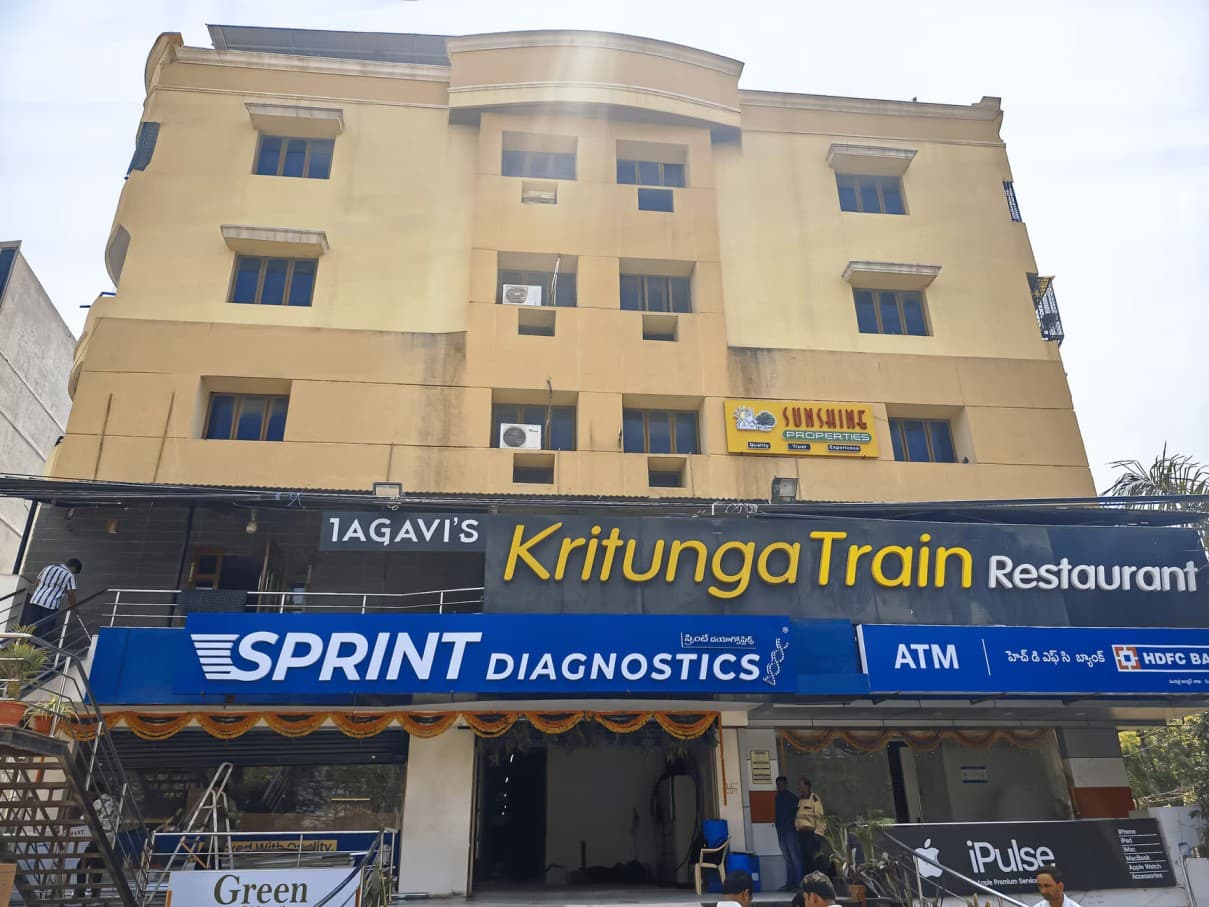
Sprint Diagnostics – Best Diagnostic Centres in Suchitra, Hyderabad
Histopathology at Sprint Diagnostics, Suchitra
Sprint Diagnostics in Suchitra, Hyderabad, lists histopathology among its laboratory diagnostic services, supporting the examination of tissue samples to investigate abnormal growths, inflammatory changes, and suspected diseases. Histopathology plays an important role in understanding tissue abnormalities, evaluating biopsy specimens, and providing information that helps doctors make informed clinical decisions. Patients looking for histopathology services in Hyderabad can explore the purpose of tissue examination, biopsy analysis, surgical pathology, microscopic evaluation, and related diagnostic investigations. This page explains how histopathology works, when a doctor may recommend tissue testing, what patients should know about specimen submission, and how pathology findings contribute to further medical evaluation at Sprint Diagnostics, Suchitra.
Histopathology at Sprint Diagnostics, Suchitra, Hyderabad
Histopathology is an important branch of laboratory medicine that examines tissue samples under a microscope to identify changes associated with disease. It helps doctors investigate unexplained lumps, abnormal tissue growth, persistent inflammation, precancerous changes, and suspected cancers. By studying the structure and characteristics of tissue, a pathologist can provide diagnostic information that supports decisions about further investigations and treatment.
At Sprint Diagnostics, Suchitra, Hyderabad, histopathology is listed among the centre's laboratory diagnostic capabilities. This service is relevant to patients who have been advised to undergo a biopsy or tissue examination as part of their medical evaluation.
Unlike routine blood tests, histopathology involves examining a tissue specimen collected through a biopsy, endoscopic procedure, or surgery. The specimen is carefully processed and evaluated by a qualified pathologist. The findings are documented in a pathology report, which the treating doctor uses alongside the patient's medical history, symptoms, imaging results, and other investigations.
Patients exploring histopathology in Hyderabad can learn about biopsy examinations, tissue processing, surgical pathology, microscopic evaluation, and the importance of pathology reports in identifying medical conditions.
Histopathology Services and Areas of Care
Histopathology provides detailed information about tissue structure and cellular changes. The type of examination depends on the specimen collected and the clinical question that needs to be answered.
Tissue Biopsy Examination
A biopsy involves collecting a small tissue sample from an area that requires further investigation. Doctors may recommend a biopsy when they identify an unexplained lump, suspicious lesion, abnormal imaging finding, or persistent tissue change.
Common biopsy sites include:
- Skin and soft tissue.
- Breast tissue.
- Cervical tissue.
- Lymph nodes.
- Gastrointestinal tissues.
- Thyroid and other organ tissues.
After collection, the specimen is preserved, processed, sectioned into thin slices, and stained for microscopic examination. The pathologist evaluates the tissue architecture and identifies abnormalities that may help establish a diagnosis.
Patients who have been advised to undergo a biopsy should understand that the procedure and the subsequent laboratory examination are two separate stages of the diagnostic process.
Surgical Pathology
Surgical pathology involves examining tissue removed during a surgical procedure or medical intervention. It helps determine the nature of an abnormal growth and identify relevant microscopic characteristics.
Depending on the specimen, the pathologist may assess the type of lesion, its extent, and the presence of abnormal cells. In selected cases, the examination also includes evaluating surgical margins to determine whether abnormal tissue reaches the examined edges of the specimen.
These findings can help the treating clinician decide whether additional investigation, treatment, or follow-up is appropriate.
Inflammatory and Infectious Tissue Changes
Some medical conditions cause changes in tissue structure due to inflammation, infection, or an abnormal immune response.
Histopathological examination can help identify patterns of tissue inflammation and damage. However, these findings must be interpreted alongside symptoms, clinical history, microbiology results, and other relevant investigations.
For selected cases, doctors may recommend additional microbiology investigations to help identify the organisms responsible for an infection.
Tumour and Cancer Pathology
One of the important applications of histopathology is the evaluation of abnormal tissue growth.
Microscopic examination can help distinguish many benign growths from malignant tumours. When cancer is identified, the pathology report may provide information about the tumour type, grade, and other relevant characteristics.
Additional investigations, including immunohistochemistry, may be required to establish a more specific diagnosis or provide information relevant to treatment planning.
A suspicious lump or imaging finding does not automatically indicate cancer. Tissue findings must be evaluated by qualified professionals before a diagnosis is established.
Specialised Tissue Examination
Some specimens require additional laboratory techniques beyond routine staining. Special stains and immunohistochemistry may help identify particular tissue components, cellular proteins, or other features that support a more specific diagnosis.
The need for these investigations depends on the initial findings and the pathologist's assessment. Patients should confirm the availability of specialised examinations at the centre before arranging specimen submission.
Conditions Evaluated Through Histopathology
Histopathology is a diagnostic service rather than a treatment specialty. It helps doctors investigate different diseases by examining tissue changes at a microscopic level.
Benign and Suspicious Growths
A lump, polyp, nodule, or unusual tissue growth may require microscopic examination when clinical assessment and imaging cannot establish its nature.
Histopathology can help distinguish between normal tissue, benign growths, precancerous abnormalities, and malignant conditions.
Inflammatory Conditions
Tissue examination may be recommended when persistent or unexplained inflammation requires further evaluation.
Depending on the organ involved, histopathology may help investigate inflammatory changes affecting the skin, gastrointestinal tract, breast, and other tissues.
Skin and Soft-Tissue Abnormalities
Certain skin lesions, unusual growths, and persistent tissue changes may require biopsy examination.
Histopathology helps evaluate the cellular and structural characteristics of the collected sample, supporting the differentiation of several possible conditions.
Gastrointestinal Disorders
Tissue samples collected during endoscopic procedures may be examined to investigate abnormalities affecting the oesophagus, stomach, intestines, and other digestive structures.
The examination may help identify inflammation, abnormal cellular changes, polyps, and certain gastrointestinal diseases.
Suspected Cancer and Precancerous Changes
When cancer is suspected, histopathology can provide essential diagnostic information by examining tissue for malignant cells.
It may also identify precancerous changes that require appropriate medical assessment and follow-up. Depending on the findings, additional investigations may be recommended to establish the nature and extent of the abnormality.
Histopathology Treatments and Procedures
Histopathology involves laboratory procedures that prepare tissue samples for detailed examination. The specific techniques depend on the specimen and the diagnostic requirements.
Biopsy Histopathology
Biopsy histopathology involves examining tissue collected through a biopsy procedure.
The sample is generally preserved, processed, embedded in paraffin wax, cut into thin sections, and stained before being examined under a microscope.
This process helps the pathologist identify abnormalities in tissue structure and cellular appearance.
Surgical Specimen Examination
Tissue removed during surgery may be submitted for histopathological evaluation. The examination helps identify the nature of the removed tissue and assess relevant microscopic characteristics.
In appropriate cases, the pathologist may also evaluate surgical margins and other features that help the treating doctor plan further management.
Immunohistochemistry (IHC)
Immunohistochemistry is a specialised laboratory technique that uses antibodies to identify particular proteins within tissue samples.
It is particularly useful in selected tumour investigations, where identifying specific cellular markers may help distinguish between different tumour types.
IHC is not necessary for every biopsy. A qualified pathologist determines whether it is appropriate based on the initial examination.
Special Stains and Histochemistry
Special stains are used to highlight particular tissue components or structures that may not be clearly visible with routine staining.
Depending on the clinical question, they may help investigate selected infections, tissue deposits, and other abnormalities.
Frozen Section Examination
Frozen section examination is a specialised technique in which tissue is rapidly frozen, sectioned, and examined during certain surgical procedures.
It may provide preliminary microscopic information when an immediate intraoperative assessment is clinically required. Availability depends on the laboratory's facilities and arrangements and should be confirmed with the provider.
Histopathology Diagnostic and Evaluation Services
Histopathology works alongside other diagnostic investigations to provide a more complete understanding of a patient's condition.
The diagnostic journey generally involves several stages:
- Clinical assessment: A doctor reviews symptoms, medical history, examination findings, and previous reports.
- Specimen collection: Tissue is obtained through an appropriate biopsy or surgical procedure.
- Specimen identification: The sample is labelled with relevant patient and specimen information.
- Tissue processing: The laboratory preserves and prepares the sample for microscopic examination.
- Microscopic evaluation: A qualified pathologist examines the prepared tissue and documents significant findings.
- Additional investigations: Special stains, immunohistochemistry, or other specialised tests may be recommended when necessary.
- Pathology reporting: The findings are compiled into a diagnostic report.
- Clinical correlation: The treating doctor reviews the report and discusses appropriate next steps.
Histopathology is different from cytopathology, which examines individual cells or small groups of cells rather than the overall architecture of tissue.
Other laboratory disciplines, including clinical pathology, hematology, and clinical biochemistry, may also contribute to a patient's broader diagnostic evaluation.
The time required to prepare a final pathology report varies according to specimen type, laboratory processing requirements, and whether additional investigations are needed.
Patients should confirm the expected reporting timeline and specimen acceptance requirements with Sprint Diagnostics before visiting.
When Should You Consider Histopathology Testing?
Histopathology is generally recommended when a qualified healthcare professional determines that examining tissue may help establish or clarify a diagnosis.
A doctor may recommend a biopsy or tissue examination in situations such as:
- An unexplained lump or abnormal growth.
- A skin lesion with concerning or persistent changes.
- An abnormal finding identified through imaging.
- An unusual tissue appearance during an endoscopic procedure.
- Tissue removed during surgery that requires microscopic assessment.
- A suspected tumour that needs further classification.
- An abnormality that requires clarification following an earlier investigation.
- Persistent tissue changes for which a biopsy is clinically appropriate.
Not every lump, lesion, or abnormal scan requires a biopsy. The decision depends on the patient's symptoms, examination findings, medical history, and other diagnostic results.
If your doctor recommends tissue examination, ask about the purpose of the procedure, possible risks, preparation requirements, and how the findings may influence further treatment.
What to Expect During a Histopathology Test
Histopathology is usually a laboratory-based diagnostic process. The tissue sample is generally collected by a clinician and subsequently submitted to a diagnostic laboratory.
Before the Biopsy
The doctor reviews the patient's medical history, symptoms, previous investigations, and the reason for recommending tissue examination.
Depending on the biopsy procedure, specific preparation may be required. This could include fasting, medication adjustments, or other precautions.
Always follow the instructions provided by the clinician performing the procedure.
During Sample Collection
The tissue sample may be collected through a needle biopsy, skin biopsy, endoscopic biopsy, or surgical procedure.
The method depends on the location of the abnormality and the clinical indication. Some procedures involve local anaesthesia, while others may require different forms of anaesthesia or procedural support.
After Specimen Submission
The laboratory receives and processes the tissue specimen according to its requirements.
If the sample needs additional staining or specialised examination, the reporting process may take longer.
Patients should confirm how the specimen must be transported, whether previous reports are required, and how the final report will be delivered.
Understanding the Pathology Report
A histopathology report generally includes specimen details, microscopic observations, and the pathologist's final interpretation.
Depending on the case, it may also include tumour classification, grade, or surgical margin findings.
The report should always be discussed with the treating doctor. A pathology result is interpreted alongside the patient's complete clinical picture rather than in isolation.
Why Consider Histopathology at Sprint Diagnostics, Suchitra?
Sprint Diagnostics, Suchitra, is a diagnostic centre in North Hyderabad with laboratory, imaging, and cardiac diagnostic services.
Its published centre profile lists several laboratory disciplines, including histopathology, cytopathology, clinical pathology, clinical biochemistry, hematology, microbiology, molecular biology, and genomics and cytogenetics.
For patients requiring tissue examination, choosing an appropriate diagnostic provider involves considering more than the centre's location.
Some important factors include:
- Relevant test availability: Confirm whether the centre accepts the specific biopsy or surgical specimen.
- Qualified pathology interpretation: Understand who examines the specimen and prepares the diagnostic report.
- Specimen handling: Appropriate identification, preservation, processing, and transport are essential.
- Additional investigations: Check whether special stains and immunohistochemistry are available or can be arranged when required.
- Reporting timelines: Ask how long the specific investigation is expected to take.
- Report accessibility: Confirm how the final report will be provided to the patient and referring doctor.
- Communication: Make sure you know whom to contact if additional documentation or clarification is required.
Sprint Diagnostics' listed diagnostic services make it relevant for patients exploring laboratory investigations in Suchitra. However, the availability of individual tests, specialised techniques, and specimen acceptance should be confirmed directly with the centre.
Patients can also explore the Sprint Diagnostics Suchitra centre profile to review its location and listed diagnostic services.
Histopathology Doctors and Specialists
Histopathology reports are interpreted by qualified pathologists who have specialised training in examining tissue samples and identifying microscopic abnormalities.
Their work is important in diagnosing inflammatory conditions, evaluating abnormal growths, distinguishing benign from malignant lesions, and classifying certain cancers.
The diagnostic process may involve several healthcare professionals:
- Pathologists: Examine tissue samples and prepare histopathology reports.
- Surgeons: Collect tissue during biopsies or surgical procedures.
- Treating physicians: Recommend investigations and interpret results alongside clinical findings.
- Oncologists: Use relevant pathology findings when assessing suspected or confirmed cancer.
- Other specialists: Correlate tissue findings with the affected organ and the patient's medical condition.
A pathologist's role is primarily diagnostic, while the treating clinician determines the appropriate management based on the overall clinical assessment.
Patients looking for a specialist can explore the Histopathology Doctors Directory and the Siris Healthcare Doctors Directory.
Doctor availability and branch-specific consultation arrangements should be confirmed before scheduling. No individual doctor is being attributed to the Suchitra branch without verified branch-specific information.
Histopathology Care in Suchitra, Hyderabad
Patients searching for histopathology in Suchitra, Hyderabad, may require a convenient diagnostic centre for biopsy specimen submission, tissue examination, or pathology investigations recommended by their doctors.
Sprint Diagnostics Suchitra is located at:
Gate No. 2, Mahindra Showroom, Survey No. 73 & 75, Service Centre Lane, Beside Ramaraj Nagar, Suchitra, Hyderabad, Telangana – 500067.
Its location in Suchitra makes it a local option for patients exploring diagnostic services in this part of Hyderabad.
Before travelling to the centre, patients should:
- Confirm whether the required histopathology investigation is available.
- Ask about biopsy specimen acceptance and preservation requirements.
- Check whether an appointment or prior coordination is necessary.
- Carry the doctor's prescription and relevant medical records.
- Confirm charges and expected reporting timelines.
Patients travelling from outside Suchitra should also consider travel time and specimen transportation requirements, particularly when a tissue sample has already been collected.
Siris Healthcare provides access to hospital and diagnostic centre information, helping patients explore available healthcare providers and understand their options.
How to Choose the Right Histopathology Laboratory
Selecting a histopathology laboratory is an important part of the diagnostic process because the quality of specimen handling and interpretation can influence clinical decision-making.
Check the Required Investigation
Not every laboratory performs every specialised tissue examination. Confirm whether the provider accepts your specimen type and can perform the investigation recommended by your doctor.
Understand the Pathologist's Qualifications
Ask about the professional qualifications and experience of the pathologist responsible for interpreting the specimen.
For complex or unusual cases, your treating doctor may recommend an additional specialist pathology review.
Review Specimen Handling Procedures
Proper specimen identification, preservation, transportation, and processing are essential for obtaining meaningful results.
Patients should follow the instructions given by the clinician and laboratory.
Ask About Additional Testing
Certain cases require immunohistochemistry, special stains, or other specialised investigations.
Confirm whether these can be performed at the centre or require referral to another laboratory.
Understand Costs and Reporting Time
Ask for the estimated charges and expected reporting timeline. Additional investigations may involve separate costs and longer processing times.
Consider Report Access and Follow-up
Choose a provider that clearly explains its reporting process and how patients or referring doctors can obtain the results.
Most importantly, ensure that you have a treating clinician who can explain the report and recommend appropriate follow-up.
Frequently Asked Questions About Histopathology
1. What does histopathology test for?
Histopathology examines tissue samples under a microscope to identify abnormalities associated with inflammation, infections, benign growths, precancerous changes, and cancers. The specific findings depend on the specimen and the suspected condition.
2. Does Sprint Diagnostics Suchitra provide histopathology services?
Yes. Histopathology is listed among the laboratory capabilities of Sprint Diagnostics, Suchitra, Hyderabad. Patients should confirm the availability of their specific investigation and specimen acceptance requirements before visiting.
3. Is histopathology the same as a biopsy?
No. A biopsy is a procedure used to collect tissue from the body. Histopathology is the laboratory examination of that tissue under a microscope. A biopsy specimen may be sent to a diagnostic laboratory for further evaluation.
4. Can histopathology detect cancer?
Histopathology can identify and help classify many cancers by examining tissue structure and cellular changes. Additional tests, such as immunohistochemistry, may sometimes be required. The final diagnosis should be discussed with the treating doctor.
5. How long does a histopathology report take?
Reporting time depends on the specimen type, processing requirements, and whether additional investigations are necessary. Patients should contact Sprint Diagnostics to confirm the expected turnaround time for their particular test.
6. Is fasting necessary before a histopathology test?
Fasting is not generally required for the laboratory examination of an already collected tissue specimen. However, the biopsy or procedure used to obtain the sample may have specific preparation requirements. Follow the instructions provided by your doctor.
7. What should I bring when submitting a biopsy sample?
Patients may need to bring the doctor's prescription, relevant clinical information, previous pathology reports, imaging reports, and the appropriately preserved and labelled specimen. Confirm the centre's specific documentation requirements before travelling.
8. Does an abnormal histopathology report always mean cancer?
No. Abnormal findings can indicate several conditions, including inflammation, benign growths, infections, precancerous changes, or malignancy. The significance depends on the specific microscopic findings and clinical context.
9. What is the difference between histopathology and cytopathology?
Histopathology examines tissue structure, while cytopathology examines individual cells or small groups of cells. Both are diagnostic disciplines, but they are used for different types of specimens and clinical questions.
10. How can I arrange histopathology testing at Sprint Diagnostics, Suchitra?
You can explore the Sprint Diagnostics Suchitra profile on Siris Healthcare and contact the centre to enquire about test availability, specimen submission, appointment requirements, charges, and reporting timelines. If your biopsy has already been performed, follow your referring doctor's instructions for sample transportation.
Histopathology Treatments
Biopsy Histopathology
Advanced treatment available at Sprint Diagnostics.
Surgical Specimen Histopathology
Advanced treatment available at Sprint Diagnostics.
Immunohistochemistry (ihc)
Advanced treatment available at Sprint Diagnostics.
Special Stains / Histochemistry
Advanced treatment available at Sprint Diagnostics.
Frozen Section Examination
Advanced treatment available at Sprint Diagnostics.
Frequently Asked Questions About Histopathology
What types of histopathology procedures are performed at Sprint Diagnostics?
We perform a wide range of histopathology procedures, from routine diagnostics to complex surgeries, using the latest medical technologies.
How can I book an appointment for Histopathology at Sprint Diagnostics?
You can book an appointment through the Siris Healthcare platform by clicking the "Get Free Estimate" button or contacting our 24/7 helpline.
Get Expert Histopathology Care at Sprint Diagnostics, Suchitra
Schedule a consultation with our top specialists and get a personalized treatment plan with a free cost estimate.
Compare hospitals in Hyderabad
Compare the hospital details, specialties, doctor profiles and patient feedback currently listed for providers in Hyderabad.
| Hospital | Listed specialties | Doctor profiles | Rating | Reviews |
|---|---|---|---|---|
| Sprint Diagnostics Suchitra | Radiology, CT Scan, Ultrasound Imaging, Digital Mammography, Cardiology, ECG, 2D Echo, Pathology, Clinical Pathology, Clinical Biochemistry, Hematology, Histopathology, Microbiology, Preventive Health Checkups | No profiles listed | Not listed | Not listed |
| Amedico Diagnostics Jubilee Hills | Diagnostics, Clinical Laboratory Testing, Pathology, Clinical Pathology, Blood Tests, Urine Testing, Diabetes Testing, Lipid Profile Testing, Preventive Health Checkups | No profiles listed | 4.5 / 5 | 185 |
| Apollo Diagnostics Jubilee Hills Jubilee Hills | Clinical Pathology, Haematology, Clinical Biochemistry, Blood Tests, Diabetes Testing, Thyroid & Hormonal Testing, Lipid Profile Testing, Liver Function Testing, Kidney Function Testing, Preventive Health Checkups, Urine Testing | No profiles listed | 4.8 / 5 | 144 |
| Aster Hospitals Ameerpet | Internal Medicine, Psychiatric, Physiotherapy, Radiology, Ultrasound Imaging, Anaesthesiology, Dermatology, ENT, Endocrinology, Diabetology, Emergency medicine, General Surgery, General Medicine, Radiation Oncology, Surgical Oncology, Medical Oncology, obstetrics, Gynaecology, Paediatrics & Neonatology, Pulmonology, Critical care, Nephrology, Urology, Neurosurgery, Neurology, Neurosciences, Orthopaedics, Gastroenterology, Gastro Sciences, Cardiology, Cardiac Sciences | No profiles listed | 4.5 / 5 | 212 |
| Atreya Diagnostic Centre Madhapur | Pathology, Clinical Pathology, Haematology, Biochemistry, Clinical Biochemistry, Allergy and Clinical Immunology, Blood Tests, Urine Testing, Diabetes Testing, Lipid Profile Testing, Liver Function Testing, Kidney Function Testing | No profiles listed | 4.8 / 5 | 185 |
| Dr Kvr Diagnostic Clinic Jubilee Hills | Clinical Pathology, Clinical Biochemistry, Clinical Laboratory Testing, Routine Health Investigations, Blood Tests, Urine Testing, Diabetes Testing, Lipid Profile Testing, Preventive Health Checkups | No profiles listed | 4.5 / 5 | 185 |
Hospital directory in Hyderabad
Browse hospital listings in Hyderabad, including providers around Suchitra where listings are available.
Top Specialities at Sprint Diagnostics Suchitra
- Clinical Pathology Department
- Ultrasound Imaging Department
- Hematology Department
- Microbiology Department
- Digital Mammography Department
- Pathology Department
- Histopathology Department
- ECG Department
- Cardiology Department
- Radiology Department
- 2D Echo Department
- Preventive Health Checkups Department
- CT Scan Department
- Clinical Biochemistry Department
Best Hospitals in Hyderabad
Medical Services in India
Best Multispeciality Hospitals in Hyderabad
- Ayyappa Healthcare Clinic Madhapur
- Arogyavardhini Madhapur
- Dhruv Ayur Vijayam Ayurvedic Hospital Madhapur
- Apollo Hospitals Jubilee Hills
- Dentacare Dental Hospital Implant And Research Institute Madhapur
- Dr. P. Siva Reddy Eye Hospital Gachibowli
- Dr Aparna Khulbey Clinic Madhapur
- Bodhi Wellness Centre Madhapur
- Digiclinix Diagnostics Gachibowli
- Care Hospitals Banjara Hills
- Dr Naveen Reddy Hospital Madhapur
- Dr. Vamshi Gundeboina - Orthopaedic Doctor In Madhapur Madhapur
- Dr. Sreedhar's Kidney Centre Mehdipatnam
- Dr. Kiran's Ent, Dental, General Hospital Madhapur
- Avasa Hospitals Manikonda
- Align Hospital Gachibowli
- Anvitha Hospital Jubilee Hills
- Aig Hospitals Gachibowli
- Bhoomi Hospitals Manikonda
- Aryas Dental Madhapur