
Oncology at Medicover Hospitals, Yellammagutta, Nizamabad
Explore Oncology services, treatments, diagnostic care and related doctors at Medicover Hospitals.
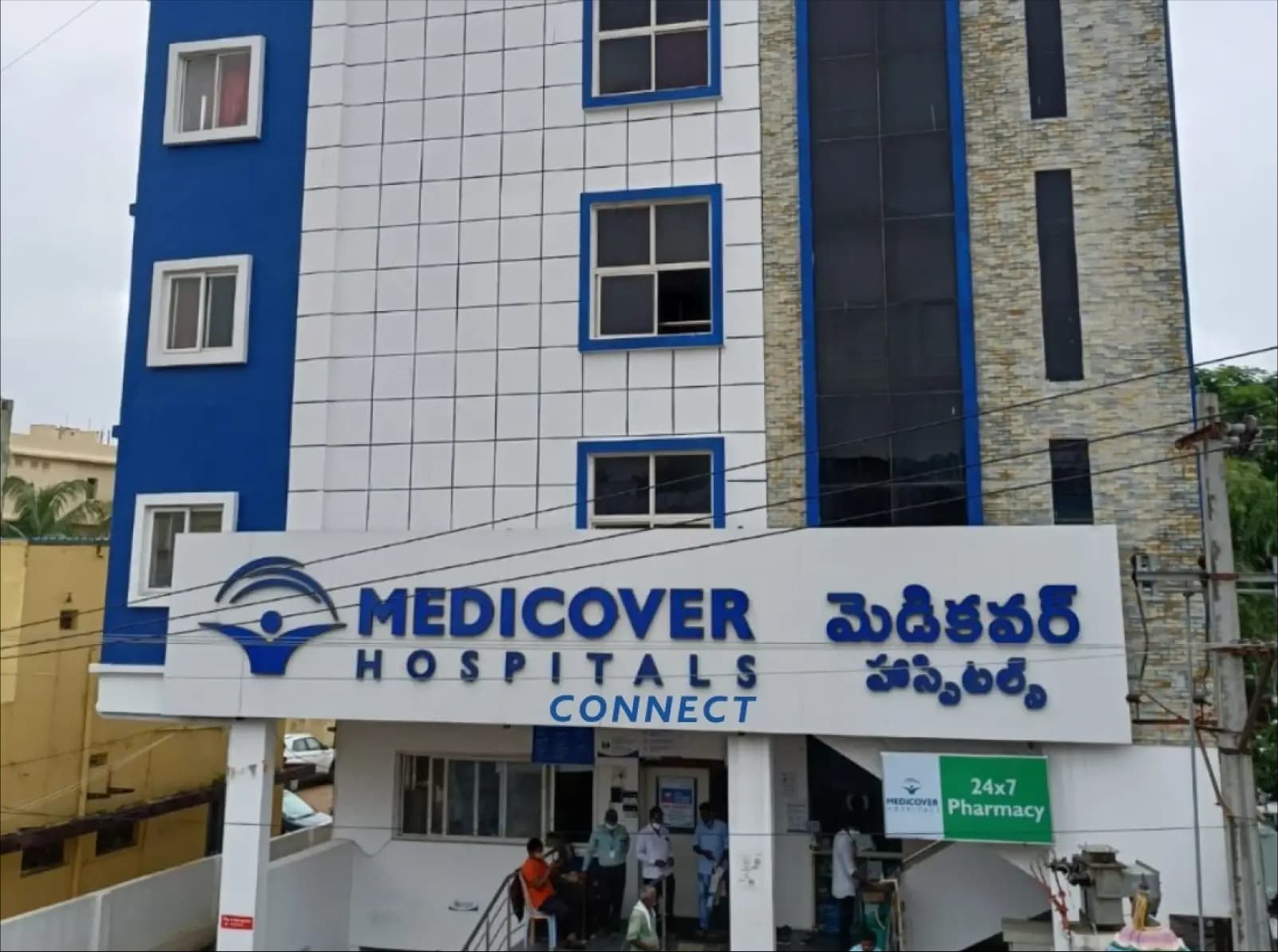
Medicover Hospitals – Best in Yellammagutta, Nizamabad
- Beds
- 200
- Accreditation
- NABH Accredited
- Established
- 2012
Oncology at Medicover Hospitals
Oncology care focuses on the prevention, diagnosis, evaluation and treatment of cancer and related conditions. The Oncology department at Medicover Hospitals in Nizamabad serves patients seeking cancer specialist consultation and coordinated care close to home. The hospital is located on Yellammagutta Road, beside the LIC Building, Yellammagutta, Nizamabad. Medicover's Nizamabad oncology information includes evaluation and management of several common cancers, with treatment approaches selected according to cancer type, stage, pathology findings and the patient's overall health. The hospital also lists oncology-related diagnostic services and specialist consultation options. Patients can use this page to understand oncology services, commonly evaluated cancers, diagnostic pathways, treatment categories and questions to consider before choosing cancer care.
Oncology at Medicover Hospitals, Nizamabad
Oncology is the medical specialty concerned with cancer diagnosis, cancer treatment and ongoing cancer care. Cancer is not a single disease; different cancers behave differently and may require different combinations of surgery, medicines, radiation therapy, monitoring and supportive care.
For people searching for oncology in Nizamabad, Medicover Hospitals provides a local setting for cancer evaluation and specialist consultation. The Nizamabad hospital is located at 5-11-744, Yellammagutta Road, beside the LIC Building, Yellammagutta, Nizamabad, Telangana. The hospital's published oncology information covers a range of cancer conditions and describes diagnostic, medical, surgical and radiation-related oncology services.
Cancer care generally begins with understanding the patient's symptoms, medical history and available reports. If cancer is suspected or already diagnosed, the next steps may include imaging, laboratory investigations, biopsy or pathology review, staging and specialist assessment. Treatment is then planned according to the individual diagnosis rather than using the same approach for every patient.
For patients and families, having a clear understanding of the diagnosis is an important part of making informed healthcare decisions. A qualified oncology specialist can explain the diagnosis, possible treatment approaches, expected monitoring and follow-up requirements.
Oncology Services and Areas of Care
The scope of oncology can extend from investigating a suspicious finding to active cancer treatment and long-term follow-up. Depending on the diagnosis and the services available at the treating centre, cancer care may involve several disciplines.
Medical Oncology
Medical oncology uses medicines to treat cancer. Depending on the cancer type and clinical situation, treatment may include chemotherapy, targeted therapy, immunotherapy or hormone therapy. These medicines may be used before surgery, after surgery, as the main treatment, or to control advanced disease.
The appropriate medicine and treatment schedule depend on factors such as the type and stage of cancer, pathology results, molecular or biomarker findings where relevant, previous treatment and the patient's general health.
Surgical Oncology
Surgical oncology focuses on the surgical management of cancer. Surgery may be considered when a tumour can be safely removed or when an operation is needed to establish a diagnosis, relieve symptoms or manage complications.
The type of operation depends on the location, size and characteristics of the tumour and the patient's overall condition. Not every cancer requires surgery.
Radiation Oncology
Radiation oncology uses radiation therapy to treat selected cancers. Radiation may be used as a primary treatment, after surgery, alongside other treatments, or to relieve symptoms in certain advanced cancers.
Treatment planning is individualized because the dose, treatment area and schedule depend on the cancer and the intended goal of treatment.
Supportive and Follow-Up Care
Cancer care also involves monitoring and managing issues that can arise during or after treatment. Depending on individual needs, supportive care may include symptom management, nutritional guidance, psychological support, rehabilitation and follow-up assessment.
Medicover's published Nizamabad oncology information also describes supportive services including pain management, palliative care, nutritional counselling, psychological support and rehabilitation/follow-up care.
Conditions Treated Under Oncology
Oncology specialists may evaluate and manage many different types of cancer. The appropriate treatment pathway depends on the specific diagnosis and its stage.
Breast Cancer
Breast cancer may present as a breast lump, change in breast shape or skin, nipple changes or other abnormalities. Evaluation can involve clinical examination and breast imaging, followed by tissue sampling when indicated.
Treatment may involve surgery, radiation therapy, chemotherapy, hormone therapy, targeted therapy or combinations of these approaches depending on tumour characteristics.
Lung Cancer
Lung cancer can require imaging, tissue diagnosis and staging before treatment decisions are made. Depending on the cancer type and stage, management may include surgery, systemic medicines, radiation therapy or a combination of treatments.
Head, Neck and Oral Cancers
Cancers affecting the mouth, throat, larynx and other head and neck structures may require coordinated assessment. Persistent mouth ulcers, unexplained lumps, difficulty swallowing, voice changes or other concerning symptoms should be medically evaluated rather than self-diagnosed.
Gastrointestinal Cancers
Oncology care may include cancers of the stomach, oesophagus, colon, rectum, liver and pancreas. Diagnosis may involve imaging, endoscopy, biopsy and laboratory evaluation depending on the suspected condition.
Gynaecological Cancers
Cervical, ovarian and other gynaecological cancers may require assessment by appropriate specialists along with oncology input. Treatment can include surgery, systemic therapy and radiation depending on the diagnosis.
Prostate and Other Urological Cancers
Prostate, bladder and other urinary-system cancers may require coordinated evaluation involving urology and oncology specialists. Diagnostic testing and staging help determine whether surgery, medicines, radiation or surveillance is appropriate.
Blood Cancers
Leukaemia, lymphoma and multiple myeloma are cancers affecting blood-forming tissues or the immune/lymphatic system. Their evaluation can involve blood tests, bone marrow studies, imaging and specialized pathology.
Medicover Hospitals' published Nizamabad oncology page lists breast, lung, colon, colorectal, liver, pancreatic, prostate, blood, oral, head and neck, cervical, ovarian, stomach, oesophageal, bladder, thyroid, bone, brain and spinal, skin and testicular cancers among conditions covered by its oncology information.
Oncology Treatments and Procedures
Cancer treatment is highly individualised. A treatment plan is normally developed after confirming the diagnosis and determining the extent and biological characteristics of the disease.
Common oncology treatment categories include:
Chemotherapy
Chemotherapy uses anti-cancer medicines to destroy cancer cells or slow their growth. It may be used alone or together with surgery, radiation therapy or other systemic treatments.
Radiation Therapy
Radiation therapy uses high-energy radiation to damage cancer cells. It can be used for certain cancers as a primary treatment or alongside other forms of cancer treatment.
Cancer Surgery
Surgery can be used to remove a localized tumour or manage specific cancer-related problems. The surgical approach depends on the tumour's location and characteristics.
Targeted Therapy
Targeted therapies act on specific molecular or biological features associated with certain cancers. Biomarker or molecular testing may be needed before some targeted treatments are considered.
Immunotherapy
Immunotherapy uses medicines that help the immune system recognize or respond to cancer. It is suitable only for selected cancers and clinical situations.
Hormone Therapy
Some cancers depend partly on hormones for growth. Hormone-based treatment may therefore be considered for selected hormone-sensitive cancers.
Precision and Biomarker-Guided Treatment
For certain cancers, pathology and molecular testing can provide additional information about the tumour. This may help specialists determine whether particular targeted or immune-based treatments are appropriate.
The Medicover Nizamabad oncology page lists chemotherapy, radiation therapy, surgical oncology, targeted therapy, immunotherapy, precision medicine, hormone therapy and minimally invasive cancer surgery among its described treatment categories.
Treatment availability and suitability should always be confirmed with the treating oncology team.
Oncology Diagnostic and Evaluation Services
Accurate diagnosis is central to cancer care. A suspicious symptom or imaging finding does not automatically mean that a person has cancer. Further evaluation is often needed to establish the diagnosis.
Depending on the clinical situation, evaluation may involve:
- Medical history and physical examination
- Blood and laboratory investigations
- Ultrasound
- CT scans
- MRI
- PET-CT when clinically indicated
- Mammography for appropriate breast evaluation
- Endoscopic examinations for selected conditions
- Biopsy and histopathology
- Cytology
- Tumour-marker testing in selected circumstances
- Molecular or biomarker testing when relevant
A biopsy is particularly important for many cancers because examination of tissue under a microscope can help establish the specific diagnosis. Imaging can then help assess the location and extent of disease.
Medicover's published oncology information for Nizamabad lists biopsy, blood tests, CT, MRI, PET-CT, ultrasound, X-ray, endoscopy and molecular testing among diagnostic services described for oncology care.
The exact tests required depend on symptoms, suspected cancer, previous reports and the specialist's clinical assessment.
When Should You See an Oncology Specialist?
Not every symptom is caused by cancer, but persistent or unexplained changes should not be ignored.
An oncology evaluation may be appropriate when:
- A biopsy or scan has identified a suspicious or cancerous lesion
- A person has already received a cancer diagnosis
- A doctor recommends specialist cancer evaluation
- Cancer has returned after previous treatment
- A second opinion is required before starting treatment
- A patient needs assessment of treatment options
- There is a persistent unexplained lump, abnormal bleeding or non-healing ulcer
- There is unexplained weight loss or another persistent change that requires medical investigation
Symptoms alone cannot determine whether someone has cancer. If a concerning symptom persists, the appropriate first step may be evaluation by a primary-care doctor or relevant specialist, who can recommend further testing or oncology referral when necessary.
What to Expect During an Oncology Consultation
A first oncology consultation in Nizamabad usually focuses on understanding the patient's diagnosis or concern and determining what additional information is needed.
1. Medical History
The specialist may ask about symptoms, previous illnesses, surgeries, medications, family history, lifestyle factors and previous cancer treatment.
2. Review of Reports
Patients may be asked to bring previous blood reports, imaging scans, biopsy reports, pathology slides or other medical records. Reviewing existing investigations can help avoid unnecessary repetition.
3. Clinical Assessment
A physical examination may be performed depending on the cancer type, symptoms and clinical circumstances.
4. Additional Testing
If important information is missing, the oncologist may recommend further imaging, laboratory tests, biopsy review or other investigations.
5. Treatment Discussion
Once sufficient diagnostic information is available, the specialist can explain possible treatment approaches. These may include surgery, chemotherapy, radiation therapy, targeted treatment, immunotherapy or combinations of therapies, depending on the cancer.
6. Follow-Up Planning
Patients may receive a plan for additional testing, treatment, monitoring or follow-up. Cancer care often involves multiple appointments, so understanding the next step is important.
Patients should feel comfortable asking questions about the diagnosis, treatment purpose, expected schedule, possible side effects, alternatives and follow-up requirements.
Why Choose Oncology Care at Medicover Hospitals?
When selecting an oncology hospital in Nizamabad, patients should look beyond a single treatment or procedure and consider how well the provider can support the entire care journey.
Medicover Hospitals' published Nizamabad information identifies Oncology among its specialties and describes multidisciplinary specialist care, diagnostic support and patient-centred services. The hospital is also listed as NABH accredited on its Nizamabad pages.
For oncology specifically, Medicover's published information describes cancer diagnostic services, chemotherapy-related care, surgical oncology, radiation therapy coordination, multidisciplinary tumour-board involvement and supportive services. These details should still be confirmed with the hospital for the patient's specific diagnosis and treatment plan.
A useful cancer-care provider should ideally offer:
- Access to appropriately qualified oncology specialists
- Accurate pathology and diagnostic evaluation
- Appropriate treatment options for the cancer type
- Coordination between relevant specialties
- Clear communication about diagnosis and treatment
- Support for managing treatment-related symptoms
- Follow-up and monitoring after treatment
- Convenient access for patients and caregivers
The right hospital or specialist can vary according to the patient's specific diagnosis, treatment needs, insurance arrangements and personal circumstances.
Oncology Doctors and Specialists
Oncology care may involve different types of specialists, including medical oncologists, radiation oncologists and surgical oncologists. Depending on the cancer, other specialists such as pathologists, radiologists, surgeons, gynecologists, urologists, gastroenterologists or palliative-care professionals may also contribute to the treatment plan.
Medicover's published Nizamabad oncologist listing currently identifies Dr Chaitanya Kumar, Consultant Radiation and Clinical Oncology, as a specialist practicing at the Yellammagutta hospital. His listed qualifications include MBBS and DNB in Oncology, with consultation availability shown at the Nizamabad location.
Doctor availability, consultation timings and appointment schedules can change. Patients should verify current details before travelling.
Oncology Care in Nizamabad
For residents searching for oncology care in Nizamabad, local access can be important because cancer treatment may involve repeated consultations, investigations, treatment sessions and follow-up visits.
Medicover Hospitals' Nizamabad facility is located at 5-11-744, Yellammagutta Road, beside the LIC Building, Yellammagutta, Nizamabad, Telangana 503003. The hospital's official location information identifies the facility as being in Yellammagutta and lists access to specialist departments including Oncology.
Patients from different parts of Nizamabad may search for an oncology hospital near me because reducing travel can make regular appointments and follow-up more manageable. However, the most appropriate cancer centre should be selected based on the complexity of the diagnosis and the treatment services required, not distance alone.
If a patient needs a highly specialized cancer service that is not available locally, the treating team may recommend referral to another centre.
How to Choose the Right Oncology Hospital or Specialist
Choosing a cancer-care provider can feel overwhelming, particularly soon after a diagnosis. The following factors can help patients compare options:
Specialist Expertise
Check whether the provider has specialists relevant to the particular cancer, such as medical, radiation or surgical oncology.
Diagnostic Support
Ask whether the hospital can provide or coordinate the pathology, imaging and laboratory investigations needed for diagnosis and staging.
Treatment Options
Understand which treatment categories are appropriate for the diagnosis and whether the hospital can provide or coordinate them.
Multidisciplinary Care
Complex cancer cases may benefit from input from several specialties. Ask how treatment decisions are coordinated.
Supportive Care
Cancer treatment can affect nutrition, pain, emotional well-being and daily functioning. Ask what supportive services are available.
Follow-Up
Cancer care does not necessarily end when the initial treatment is completed. Regular monitoring may be required, so consider the accessibility of follow-up services.
Communication
A good consultation should leave the patient with a clear understanding of the diagnosis, proposed treatment, possible alternatives and next steps.
Cost and Insurance
Before starting treatment, ask about estimated costs, insurance coverage, cashless arrangements and any documentation required.
Most importantly, treatment decisions should be based on the patient's confirmed diagnosis, medical history and recommendations from qualified healthcare professionals.
Frequently Asked Questions About Oncology
1. What does an oncology specialist treat?
An oncology specialist evaluates and treats cancer. Depending on their subspecialty, an oncologist may focus on cancer medicines, radiation therapy or cancer surgery. Cancer care may involve several specialists working together.
2. When should I see an oncologist?
You may need an oncology consultation if cancer has been diagnosed, a biopsy or scan suggests cancer, a doctor recommends specialist assessment, or you need a second opinion about cancer treatment. Persistent unexplained symptoms should also be medically evaluated rather than self-diagnosed.
3. What cancers are treated under oncology?
Oncology covers many cancers, including breast, lung, colorectal, stomach, liver, pancreatic, prostate, cervical, ovarian, oral, head and neck, skin and blood cancers. The available treatment depends on the specific diagnosis.
4. How is cancer diagnosed?
Cancer diagnosis may involve clinical assessment, imaging, blood tests and, when required, biopsy with histopathological examination. Additional molecular or biomarker testing may be recommended for selected cancers.
5. What treatments are available for cancer?
Depending on the cancer, treatments may include surgery, chemotherapy, radiation therapy, immunotherapy, targeted therapy and hormone therapy. Some patients require a combination of treatments.
6. Is chemotherapy required for every cancer patient?
No. Chemotherapy is not appropriate for every cancer or every patient. The need for chemotherapy depends on factors such as cancer type, stage, pathology, molecular characteristics and the overall treatment plan.
7. How do I choose an oncology hospital in Nizamabad?
Consider specialist availability, diagnostic support, relevant treatment options, multidisciplinary coordination, supportive care, follow-up services, accessibility and financial or insurance considerations. The most suitable provider depends on the individual diagnosis.
8. What should I bring to an oncology consultation?
Bring previous biopsy or pathology reports, scan reports and images when available, blood-test results, discharge summaries, prescriptions, medication details and information about previous cancer treatments. A written list of questions can also be useful.
9. Can I seek a second opinion for a cancer diagnosis?
Yes. A second opinion can help patients better understand their diagnosis and compare treatment approaches, particularly before beginning major cancer treatment. Previous medical records and pathology information are useful for this purpose.
10. How can I book an oncology consultation at Medicover Hospitals, Nizamabad?
Patients can use the hospital's appointment channels or contact the hospital directly to confirm current oncologist availability and consultation timings. Medicover's official Nizamabad oncology page provides appointment enquiry options, while its doctor listing provides current specialist information.
Best Oncology Doctors at Medicover Hospitals, Yellammagutta
Consult with our highly experienced experts at Medicover Hospitals.
 Oncology
Dr Chaitanya Kumar
Oncology Treatments
Cancer Surgery / Surgical Oncology
Advanced treatment available at Medicover Hospitals.
Chemotherapy
Advanced treatment available at Medicover Hospitals.
Radiation Therapy / Radiotherapy
Advanced treatment available at Medicover Hospitals.
Immunotherapy
Advanced treatment available at Medicover Hospitals.
Targeted Therapy
Advanced treatment available at Medicover Hospitals.
Hormone Therapy
Advanced treatment available at Medicover Hospitals.
Precision Oncology / Biomarker-Based Treatment
Advanced treatment available at Medicover Hospitals.
Brachytherapy
Advanced treatment available at Medicover Hospitals.
Palliative & Supportive Cancer Care
Advanced treatment available at Medicover Hospitals.
Bone Marrow & Stem Cell Transplant
Advanced treatment available at Medicover Hospitals.
Frequently Asked Questions About Oncology
What types of oncology procedures are performed at Medicover Hospitals?
We perform a wide range of oncology procedures, from routine diagnostics to complex surgeries, using the latest medical technologies.
How can I book an appointment for Oncology at Medicover Hospitals?
You can book an appointment through the Siris Healthcare platform by clicking the "Get Free Estimate" button or contacting our 24/7 helpline.
Other Medical Specialties at Medicover Hospitals Yellammagutta
Get Expert Oncology Care at Medicover Hospitals, Yellammagutta
Schedule a consultation with our top specialists and get a personalized treatment plan with a free cost estimate.
Top Specialities at Medicover Hospitals Yellammagutta
- cardiothoracic Department
- Critical care Department
- Orthopaedics Department
- Joint Replacement Department
- Neurology Department
- Neurosurgery Department
- Nephrology Department
- Urology Department
- Oncology Department
- General Medicine Department
- General Surgery Department
- Laparoscopic surgeries Department
- Gastroenterology Department
- obstetrics Department
- Paediatrics & Neonatology Department
- Pulmonology Department
- ENT Department
- Emergency medicine Department
- Anaesthesiology Department
- Pathology Department
- Physiotherapy Department
- Andrology Department
Best Hospitals in Nizamabad
Medical Services in India
Topics related to Medicover Hospitals
Best Hospital in Nizamabad for Family Healthcare: Specialists, Emergency Care and Advanced Treatment
Best Hospital in Nizamabad for Family Healthcare: Specialists, Emergency Care an...
Neurology Treatment in Nizamabad: When Should You Consult a Neurologist?
Neurology Treatment in Nizamabad: When Should You Consult a Neurologist?Neurolog...
General Surgery in Nizamabad: Common Procedures, Preparation and Recovery
General Surgery in Nizamabad: Common Procedures, Preparation and RecoveryGeneral...
Gastroenterology Treatment in Nizamabad: When Stomach and Digestive Problems Need Specialist Care
Gastroenterology Treatment in Nizamabad: When Stomach and Digestive Problems Nee...
Critical Care and ICU in Nizamabad: When Patients Need Intensive Hospital Monitoring
Critical Care and ICU in Nizamabad: When Patients Need Intensive Hospital Monito...
Diabetes Treatment in Nizamabad: Specialist Care, Tests and Long-Term Management
Diabetes Treatment in Nizamabad: Specialist Care, Tests and Long-Term Management...
Orthopedic Treatment in Nizamabad: Solutions for Joint Pain, Arthritis and Bone Problems
Orthopedic Treatment in Nizamabad: Solutions for Joint Pain, Arthritis and Bone ...
Best Hospital for Cardiac Care in Nizamabad: Heart Tests, Treatments and Specialist Care
Best Hospital for Cardiac Care in Nizamabad: Heart Tests, Treatments and Special...
Emergency Hospital in Nizamabad: Which Symptoms Need Immediate Medical Attention?
Emergency Hospital in Nizamabad: Which Symptoms Need Immediate Medical Attention...
Best Multispecialty Hospital in Nizamabad: Departments, Treatments and Patient Care
Best Multispecialty Hospital in Nizamabad: Departments, Treatments and Patient C...