
Neurosurgery at Medicover Hospitals, Yellammagutta, Nizamabad
Explore Neurosurgery services, treatments, diagnostic care and related doctors at Medicover Hospitals.
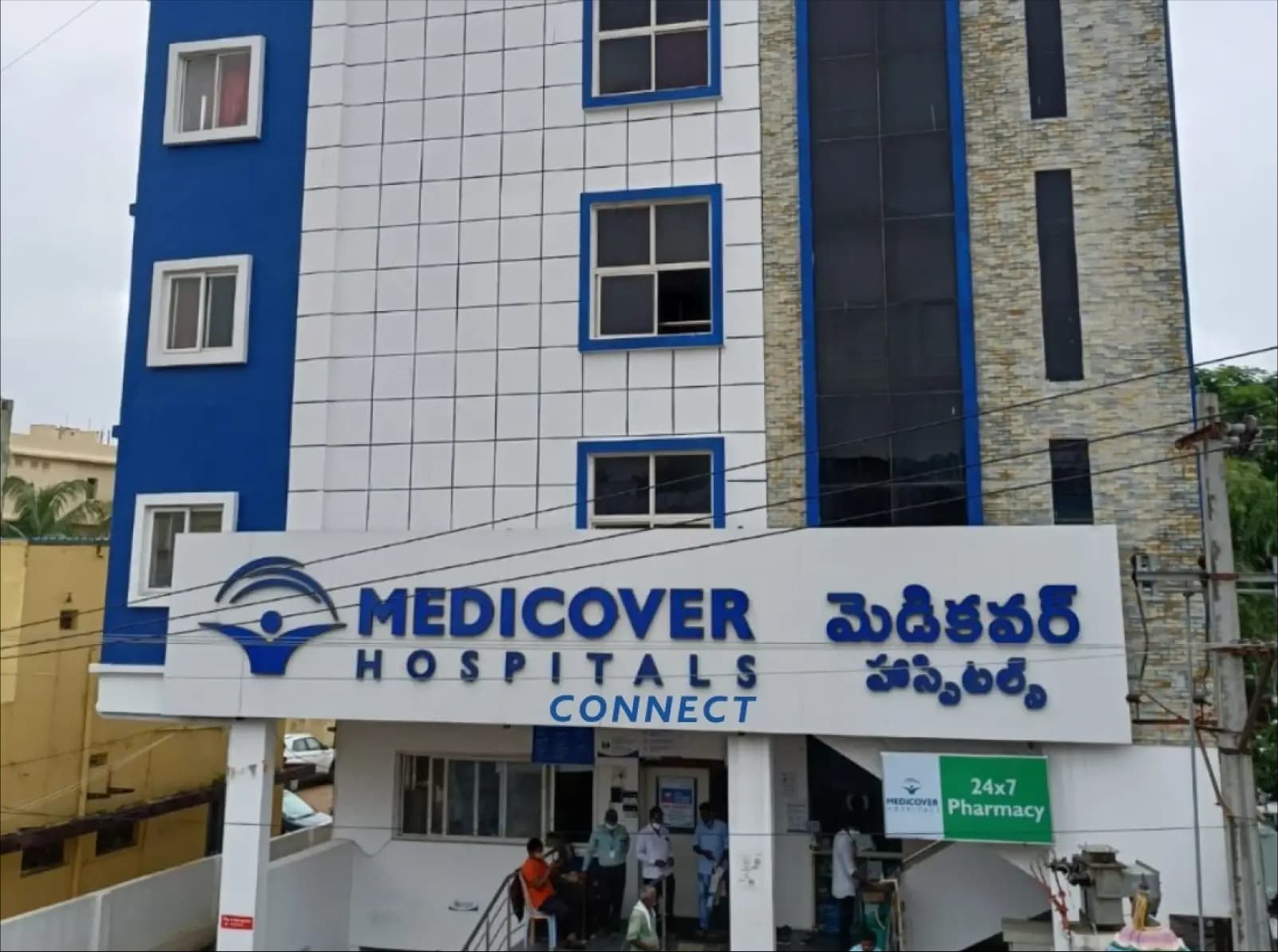
Medicover Hospitals – Best in Yellammagutta, Nizamabad
- Beds
- 200
- Accreditation
- NABH Accredited
- Established
- 2012
Neurosurgery at Medicover Hospitals
Neurosurgery is a specialized field of medicine focused on conditions affecting the brain, spinal cord, peripheral nerves and related structures. This page provides information about Neurosurgery at Medicover Hospitals in Nizamabad, helping patients understand the types of neurological and neurosurgical concerns that may require specialist evaluation. Patients can explore information about neurosurgery consultations, commonly managed conditions, diagnostic evaluation, treatment approaches and surgical procedures. Located in Yellammagutta, the hospital is relevant to people searching for neurosurgery care in Nizamabad and the surrounding area. The appropriate treatment depends on the underlying condition, diagnostic findings, symptoms and overall health. A qualified specialist can assess the individual situation and explain whether medication, observation, rehabilitation, a procedure or surgery may be appropriate.
Neurosurgery at Medicover Hospitals, Nizamabad
Neurosurgery is a highly specialized branch of medical care concerned with disorders involving the brain, spinal cord, nerves and supporting structures of the nervous system. People may seek a neurosurgical opinion for problems ranging from spinal disorders and nerve compression to brain tumors, hydrocephalus, traumatic injuries and other conditions that may require procedural or surgical management.
For patients searching for neurosurgery in Nizamabad, Medicover Hospitals in Yellammagutta represents a local option to explore specialist evaluation and appropriate neurosurgical care. A neurosurgical consultation does not automatically mean that surgery is required. Depending on the diagnosis, symptoms and clinical findings, a specialist may recommend monitoring, medication, rehabilitation, minimally invasive treatment where appropriate, or surgery.
The purpose of a neurosurgical assessment is to understand the underlying problem carefully and determine the safest and most appropriate course of management for the individual patient.
Neurosurgery Services and Areas of Care
Neurosurgical care can involve diagnosis, treatment planning, procedures, surgery and postoperative follow-up. The exact services available at a particular hospital depend on its clinical facilities, specialists and treatment capabilities.
Major areas that may be evaluated within neurosurgery include:
Brain and Cranial Disorders
Neurosurgeons may evaluate conditions involving the brain and skull, including certain brain tumors, hydrocephalus, intracranial pressure problems and other structural abnormalities. Treatment decisions depend on the nature, location and severity of the condition.
Spine and Spinal Cord Conditions
Spinal disorders are a common reason for specialist evaluation. Problems involving the vertebrae, discs, spinal cord or nerve roots can cause back pain, neck pain, weakness, numbness or difficulty with movement.
Depending on the diagnosis, management may include conservative treatment, physiotherapy, pain management, observation or surgical intervention.
Nerve-Related Conditions
Certain disorders affecting peripheral nerves can require specialist assessment, particularly when there is persistent nerve compression, weakness, sensory disturbance or functional impairment.
Neurosurgical Care Following Injury
Head and spinal injuries can sometimes require urgent neurological and neurosurgical assessment. The seriousness of an injury depends on factors such as the mechanism of injury, neurological findings and imaging results.
Conditions Treated Under Neurosurgery
Neurosurgeons manage a wide range of conditions. Some can be treated without surgery, while others may require a procedure or operation after detailed evaluation.
Brain Tumours
Brain tumors may be benign or malignant and can develop in different areas of the brain. Symptoms vary depending on the tumor's size and location and may include persistent headaches, seizures, changes in vision, weakness, balance problems or changes in cognitive function.
Evaluation commonly involves neurological assessment and appropriate brain imaging. When surgery is considered, the decision depends on the type, size, location and characteristics of the tumor as well as the patient's overall health.
Hydrocephalus
Hydrocephalus occurs when excess cerebrospinal fluid accumulates within the brain's ventricular system. It can occur in children or adults and may have different causes.
Symptoms can vary with age and the underlying cause. Neurosurgical management may include procedures designed to restore or improve the normal circulation or drainage of cerebrospinal fluid when clinically indicated.
Spinal Disc Problems
A slipped or herniated disc can place pressure on nearby nerves and cause pain, tingling, numbness or weakness. Many patients improve with nonsurgical management, but persistent or severe nerve compression may require specialist assessment.
Spinal Stenosis
Spinal stenosis refers to narrowing of spaces within the spine that can place pressure on the spinal cord or nerves. Symptoms may include back or neck pain, numbness, weakness or difficulty walking, depending on the affected region.
Treatment varies according to the severity of symptoms and neurological findings.
Spinal Cord Disorders
Conditions affecting the spinal cord can have significant neurological consequences. Symptoms such as progressive weakness, changes in sensation, difficulty walking or bladder and bowel changes require appropriate medical evaluation.
Head Injuries
Some head injuries require neurological assessment to determine whether there is bleeding, swelling, skull injury or other intracranial complications. Serious head injuries may require urgent medical attention.
Neurosurgery Treatments and Procedures
The treatment recommended by a neurosurgeon depends on the diagnosis and individual clinical circumstances. Surgery is generally considered when the potential benefits outweigh the risks and when other appropriate approaches may not adequately address the problem.
Possible neurosurgical treatment categories include:
- Brain and cranial surgery for selected structural conditions
- Surgery for certain brain tumors
- Procedures for hydrocephalus and cerebrospinal fluid disorders
- Spine surgery for selected disc, spinal stenosis and nerve-compression conditions
- Procedures for spinal cord compression
- Surgical management of selected traumatic brain or spinal conditions
- Nerve decompression procedures in appropriate cases
Depending on the condition, procedures may involve conventional or minimally invasive approaches. The specific technique is selected according to the patient's anatomy, diagnosis, imaging findings and overall health.
Patients should discuss the expected benefits, potential risks, alternatives, recovery period and follow-up requirements with the treating neurosurgical team before proceeding with an operation.
Neurosurgery Diagnostic and Evaluation Services
Accurate diagnosis is an important part of neurosurgical decision-making. A consultation may begin with a detailed medical history and neurological examination, followed by investigations when required.
Depending on the symptoms and suspected condition, evaluation may involve:
Neurological Examination
The specialist may assess strength, sensation, coordination, reflexes, balance, walking pattern and other neurological functions.
MRI and CT Imaging
MRI can provide detailed images of the brain, spinal cord, discs and other soft tissues. CT scans can be useful for evaluating certain brain and spinal conditions, particularly in emergency settings and some types of trauma.
The choice between imaging methods depends on the clinical situation.
X-rays and Other Imaging
Spinal X-rays or other imaging studies may be appropriate for selected musculoskeletal or structural problems. Additional investigations may be recommended based on the initial assessment.
Additional Testing
Depending on the condition, a patient may require laboratory investigations, specialized neurological testing or evaluation by another medical specialty.
Not every patient requires every test. Investigations should be guided by symptoms, examination findings and clinical judgment.
When Should You See a Neurosurgery Specialist?
A neurosurgical consultation may be appropriate when a patient has a diagnosed or suspected condition involving the brain, spinal cord or nerves that requires specialist evaluation.
Reasons for seeking assessment may include:
- Persistent or worsening symptoms related to the spine or nervous system
- Weakness or loss of sensation
- Persistent numbness or tingling associated with nerve compression
- Significant or recurring back or neck symptoms with neurological features
- Difficulty walking or maintaining balance
- Symptoms associated with a diagnosed brain or spinal condition
- Imaging that has identified a structural abnormality
- Follow-up after neurological or spinal surgery
- A second specialist opinion regarding a proposed neurosurgical procedure
Some symptoms require urgent medical attention rather than a routine outpatient appointment. Sudden weakness, sudden difficulty speaking, loss of consciousness, a severe sudden headache, seizures, major head trauma or rapidly worsening neurological symptoms should be assessed urgently.
What to Expect During a Neurosurgery Consultation
A neurosurgery consultation usually begins with a discussion of the patient's symptoms and medical history.
1. Medical History
The specialist may ask when symptoms began, whether they are getting worse, what makes them better or worse, and whether previous treatments have helped.
2. Neurological Examination
Depending on the complaint, the examination may assess muscle strength, reflexes, sensation, coordination and other neurological functions.
3. Review of Investigations
If previous MRI, CT, X-ray or other reports are available, patients should bring them to the consultation. Reviewing existing investigations can help the specialist understand the clinical picture.
4. Diagnosis and Treatment Discussion
The specialist may explain the likely cause of the symptoms and discuss suitable management options. These may include observation, medication, rehabilitation, additional testing, procedures or surgery depending on the condition.
5. Follow-Up Planning
Patients may receive recommendations for follow-up consultations, repeat imaging, rehabilitation or postoperative monitoring when appropriate.
Why Choose Neurosurgery Care at Medicover Hospitals?
When looking for a neurosurgery hospital in Nizamabad, patients should consider more than the availability of a specialist appointment. Neurosurgical conditions can vary considerably in complexity, so access to appropriate evaluation and coordinated medical care is important.
At Medicover Hospitals in Yellammagutta, patients searching for Medicover Hospitals neurosurgery can use this page to understand the specialty and identify the type of consultation that may be relevant to their needs.
Because specific facilities, procedures and specialist availability can change, patients should confirm the current services offered by the hospital when scheduling an appointment.
When comparing neurosurgical providers, useful considerations include the specialist's relevant clinical experience, diagnostic capabilities, availability of appropriate treatment options, coordination with other specialties, postoperative follow-up and accessibility for the patient.
Neurosurgery Doctors and Specialists
A neurosurgeon is a specialist trained to evaluate and manage disorders involving the brain, spinal cord, peripheral nerves and related structures. Neurosurgeons may provide both nonsurgical recommendations and surgical treatment depending on the patient's condition.
For patients looking for neurosurgery doctors in Nizamabad, selecting the appropriate specialist should depend on the medical problem, required expertise and the type of care being considered.
Doctor names have not been provided for this page, so no individual specialist is named here. Patients can check the current Medicover Hospitals doctor listing or contact the hospital to confirm available neurosurgeons, consultation schedules and relevant areas of practice.
Neurosurgery Care in Nizamabad
Patients searching for neurosurgery in Nizamabad may prefer local specialist care for convenience, continuity and easier follow-up. Medicover Hospitals is located in Yellammagutta, Nizamabad, making the location relevant to patients seeking neurosurgical consultation in the city.
Local access can be particularly useful when a patient requires multiple consultations, diagnostic investigations, postoperative reviews or rehabilitation planning. However, the appropriate hospital or specialist should ultimately be selected according to the patient's medical needs.
If travelling from another part of Nizamabad or the surrounding region, patients may wish to confirm the hospital's current address, consultation timings, appointment availability and diagnostic services before visiting.
How to Choose the Right Neurosurgery Hospital or Specialist
Choosing a neurosurgical provider is an important healthcare decision. Consider the following factors:
Relevant Specialist Expertise
Look for a neurosurgeon whose clinical experience is relevant to the patient's condition, such as spine disorders, brain tumors, trauma or another specific neurological problem.
Appropriate Diagnosis
Neurosurgical treatment should be based on a careful clinical assessment and appropriate diagnostic evidence. Ask whether the recommended tests are relevant to the symptoms and suspected condition.
Treatment Options
A good consultation should explain available approaches, including nonsurgical management where appropriate, as well as procedural or surgical options when indicated.
Multidisciplinary Care
Complex neurological conditions may involve other specialists, such as neurologists, radiologists, oncologists, critical-care physicians, physiotherapists or rehabilitation professionals. Coordination can be important for selected patients.
Follow-Up Care
Patients should understand what follow-up may be required after treatment or surgery and whom they should contact if symptoms change.
Accessibility
Location, appointment availability, ease of follow-up and access to necessary investigations can all matter when selecting a healthcare provider.
Most importantly, patients should feel comfortable asking questions about the diagnosis, treatment alternatives, expected recovery, potential complications and follow-up plan.
Frequently Asked Questions About Neurosurgery
What does a neurosurgeon treat?
A neurosurgeon evaluates and treats disorders involving the brain, spinal cord, spine and peripheral nerves. Conditions may include selected brain tumors, hydrocephalus, spinal disc disorders, spinal stenosis, nerve compression and certain traumatic injuries.
When should I see a neurosurgery specialist?
You may need a neurosurgical evaluation if you have a diagnosed neurological or spinal condition, persistent symptoms associated with nerve or spinal compression, abnormal imaging findings, or a recommendation for possible surgery. A qualified doctor can determine whether neurosurgical consultation is appropriate.
Does seeing a neurosurgeon mean I need surgery?
No. A neurosurgical consultation does not automatically mean that surgery is necessary. Depending on the diagnosis, the specialist may recommend observation, medication, physiotherapy, rehabilitation, additional testing or another form of treatment.
What conditions can require brain surgery?
Some brain tumors, hydrocephalus, certain vascular or structural conditions and selected traumatic injuries may require neurosurgical procedures. Whether surgery is appropriate depends on the specific diagnosis and individual clinical findings.
What is spine surgery?
Spine surgery involves procedures intended to address selected structural problems affecting the spine, spinal cord or nerve roots. Examples may include surgery for certain herniated discs, spinal stenosis or spinal cord compression. Many spinal conditions can initially be managed without surgery.
How are brain and spine conditions diagnosed?
Evaluation may involve a medical history, neurological examination and imaging such as MRI or CT. Other investigations may be recommended depending on the patient's symptoms and suspected condition.
How do I choose a neurosurgery hospital in Nizamabad?
Consider the relevant specialist's experience, diagnostic evaluation, treatment options, hospital support services, follow-up arrangements and accessibility. It is also useful to confirm the hospital's current neurosurgical services before booking.
What should I bring to a neurosurgery consultation?
Bring previous medical records, medication details, relevant blood-test reports and imaging reports or discs if available. A short record of your symptoms, their duration and previous treatments can also help the specialist during the consultation.
How can I book a neurosurgery consultation at Medicover Hospitals?
Patients can use the hospital's current appointment or consultation channel to check neurosurgery availability, doctor schedules and appointment requirements. Service availability and timings should be confirmed directly before visiting.
When is a neurological problem an emergency?
Sudden weakness or paralysis, sudden difficulty speaking, loss of consciousness, a seizure, severe sudden headache, major head injury or rapidly worsening neurological symptoms can require urgent medical evaluation. Do not delay emergency care while waiting for a routine specialist appointment.
Best Neurosurgery Doctors at Medicover Hospitals, Yellammagutta
Consult with our highly experienced experts at Medicover Hospitals.
 Neurosurgery
Dr Srikrishnaditya Manne
Neurosurgery Treatments
Brain Tumor Surgery
Advanced treatment available at Medicover Hospitals.
Aneurysm Clipping / Coiling
Advanced treatment available at Medicover Hospitals.
Epilepsy Surgery
Advanced treatment available at Medicover Hospitals.
Deep Brain Stimulation (dbs)
Advanced treatment available at Medicover Hospitals.
Endoscopic Neurosurgery
Advanced treatment available at Medicover Hospitals.
Frequently Asked Questions About Neurosurgery
What types of neurosurgery procedures are performed at Medicover Hospitals?
We perform a wide range of neurosurgery procedures, from routine diagnostics to complex surgeries, using the latest medical technologies.
How can I book an appointment for Neurosurgery at Medicover Hospitals?
You can book an appointment through the Siris Healthcare platform by clicking the "Get Free Estimate" button or contacting our 24/7 helpline.
Other Medical Specialties at Medicover Hospitals Yellammagutta
Get Expert Neurosurgery Care at Medicover Hospitals, Yellammagutta
Schedule a consultation with our top specialists and get a personalized treatment plan with a free cost estimate.
Top Specialities at Medicover Hospitals Yellammagutta
- cardiothoracic Department
- Critical care Department
- Orthopaedics Department
- Joint Replacement Department
- Neurology Department
- Neurosurgery Department
- Nephrology Department
- Urology Department
- Oncology Department
- General Medicine Department
- General Surgery Department
- Laparoscopic surgeries Department
- Gastroenterology Department
- obstetrics Department
- Paediatrics & Neonatology Department
- Pulmonology Department
- ENT Department
- Emergency medicine Department
- Anaesthesiology Department
- Pathology Department
- Physiotherapy Department
- Andrology Department
Best Hospitals in Nizamabad
Medical Services in India
Topics related to Medicover Hospitals
Best Hospital in Nizamabad for Family Healthcare: Specialists, Emergency Care and Advanced Treatment
Best Hospital in Nizamabad for Family Healthcare: Specialists, Emergency Care an...
Neurology Treatment in Nizamabad: When Should You Consult a Neurologist?
Neurology Treatment in Nizamabad: When Should You Consult a Neurologist?Neurolog...
General Surgery in Nizamabad: Common Procedures, Preparation and Recovery
General Surgery in Nizamabad: Common Procedures, Preparation and RecoveryGeneral...
Gastroenterology Treatment in Nizamabad: When Stomach and Digestive Problems Need Specialist Care
Gastroenterology Treatment in Nizamabad: When Stomach and Digestive Problems Nee...
Critical Care and ICU in Nizamabad: When Patients Need Intensive Hospital Monitoring
Critical Care and ICU in Nizamabad: When Patients Need Intensive Hospital Monito...
Diabetes Treatment in Nizamabad: Specialist Care, Tests and Long-Term Management
Diabetes Treatment in Nizamabad: Specialist Care, Tests and Long-Term Management...
Orthopedic Treatment in Nizamabad: Solutions for Joint Pain, Arthritis and Bone Problems
Orthopedic Treatment in Nizamabad: Solutions for Joint Pain, Arthritis and Bone ...
Best Hospital for Cardiac Care in Nizamabad: Heart Tests, Treatments and Specialist Care
Best Hospital for Cardiac Care in Nizamabad: Heart Tests, Treatments and Special...
Emergency Hospital in Nizamabad: Which Symptoms Need Immediate Medical Attention?
Emergency Hospital in Nizamabad: Which Symptoms Need Immediate Medical Attention...
Best Multispecialty Hospital in Nizamabad: Departments, Treatments and Patient Care
Best Multispecialty Hospital in Nizamabad: Departments, Treatments and Patient C...